2027 Volkswagen Atlas Cross Sport: What’s New for This Generation
The redesigned 2027 Atlas Cross Sport ships with a 282-hp 2.0-liter turbo, but no hybrid option and no confirmed pricing yet.
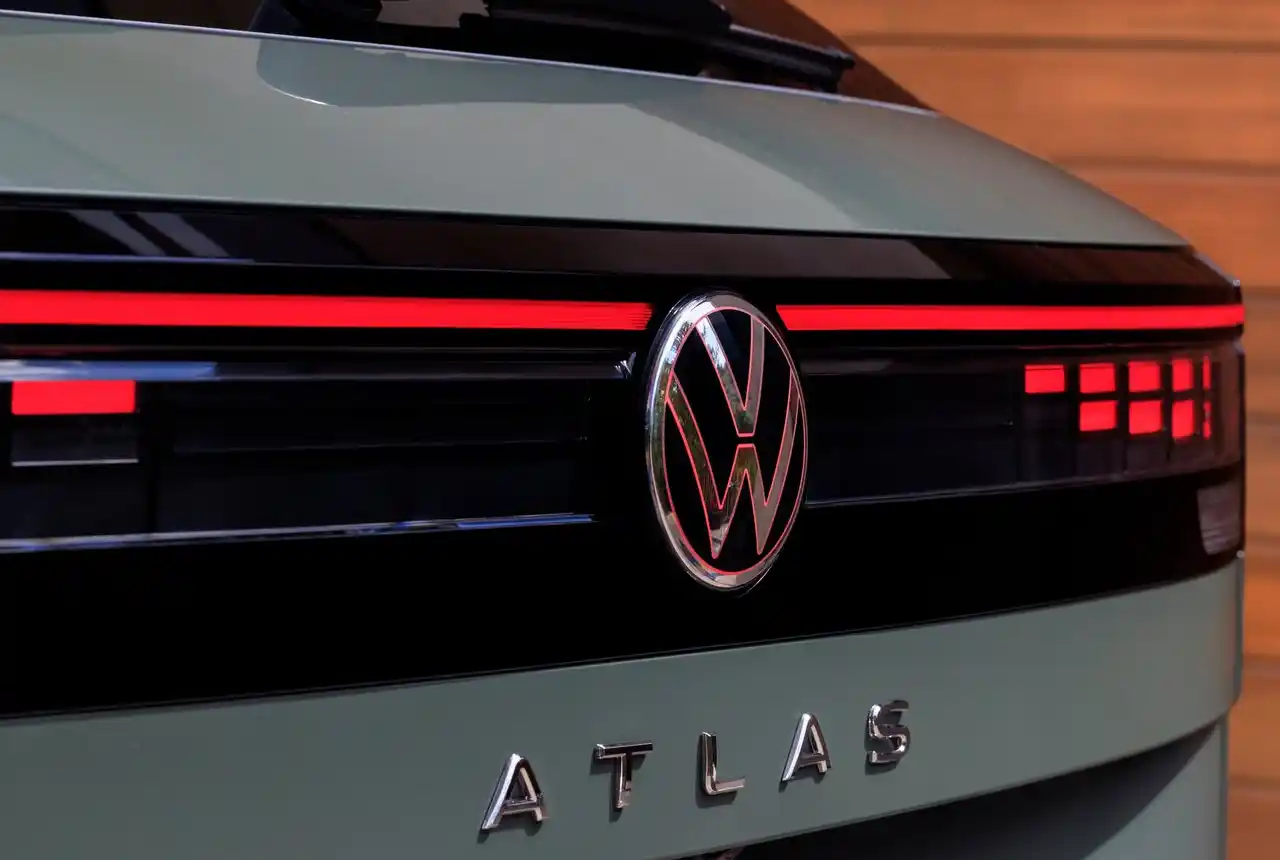
The 2027 Volkswagen Atlas Cross Sport Gets a Stronger Engine and a Full Redesign
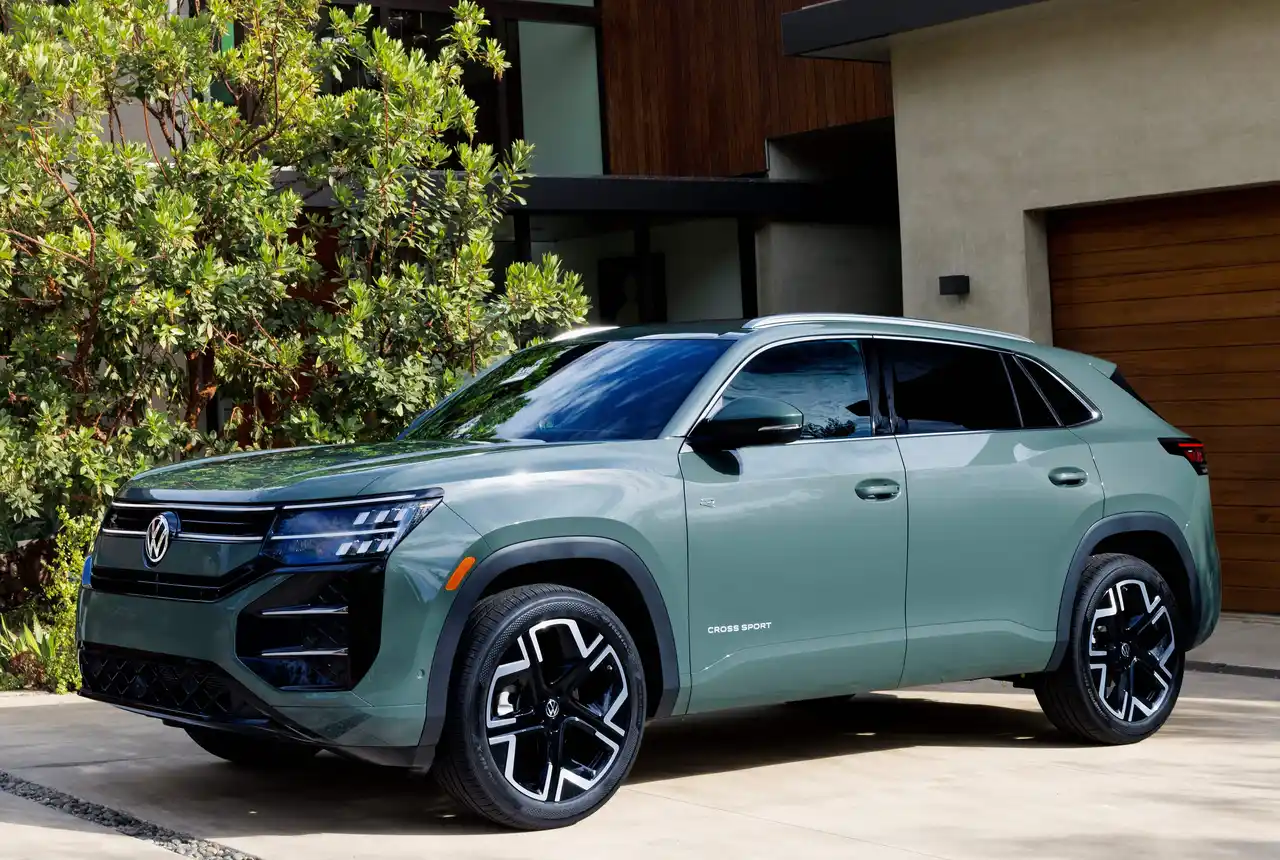
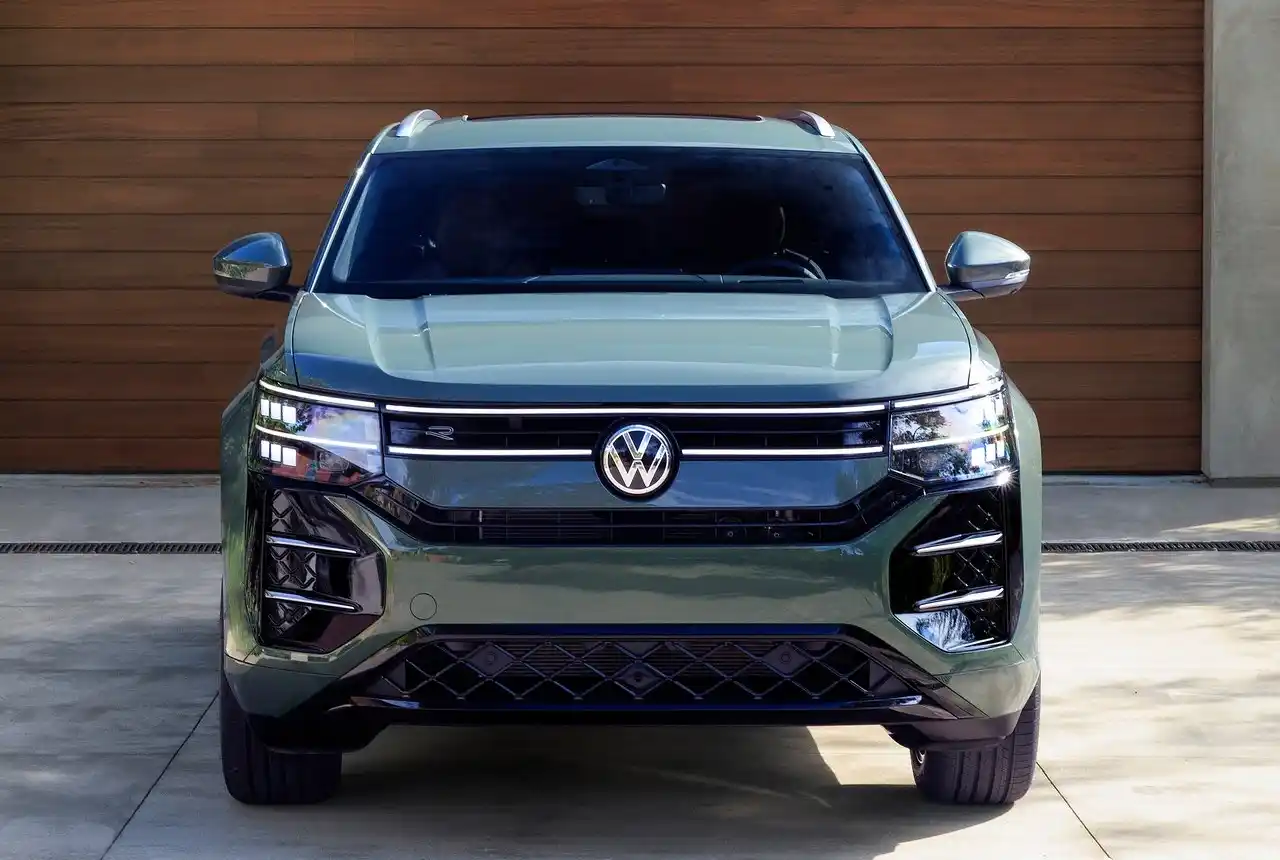
The redesigned Atlas Cross Sport arrives for 2027 with a single 2.0-liter turbo engine making 282 hp, an all-new exterior and interior, but no hybrid option at launch and no pricing yet. Volkswagen revealed the model in August 2026, with dealer arrivals expected in early 2027.
This is the coupe-styled version of the three-row Atlas: shorter, lower, and missing the extra row of seats, built for buyers who want midsize SUV space without the upright, boxy stance. The two rivals called out in early coverage are the Toyota Crown Signia and the Toyota 4Runner Hybrid.
Is the 2027 Volkswagen Atlas Cross Sport Worth It? Here’s the Big Change
The headline update on the 2027 Atlas Cross Sport is the engine: the old 2.0-liter turbo makes way for the EA888 EVO5, which climbs from 269 hp to 282 hp while torque actually drops, from 273 lb-ft to 258 lb-ft. That’s an unusual trade — more peak power paired with less twisting force — and it comes down to a new variable-geometry turbocharger.
This isn’t a simple refresh. Volkswagen reworked the sheet metal, the dashboard, and most of the tech stack, while keeping the updated MQB Evo platform underneath. The Cross Sport still targets shoppers who’ve already ruled out a third row and want a sportier roofline over maximum passenger count.
Quick Specs
| Specification | Details |
|---|---|
| Category | Two-row midsize SUV (5 seats) |
| Engine | 2.0L turbo EA888 EVO5, 4-cylinder |
| Horsepower | 282 hp |
| Torque | 258 lb-ft |
| Transmission | 8-speed automatic (Tiptronic) |
| Drivetrain | FWD or 4Motion AWD |
| 0-60 mph | Not officially released |
| Top speed | Not officially released |
| Fuel economy | Not officially released |
| Range | Not officially released |
| On-sale date | Early 2027 (U.S. market) |
With several specs still unconfirmed, here’s what Volkswagen has locked in on styling, interior space, and how that new engine actually behaves.
How Big Is the 2027 Volkswagen Atlas Cross Sport?
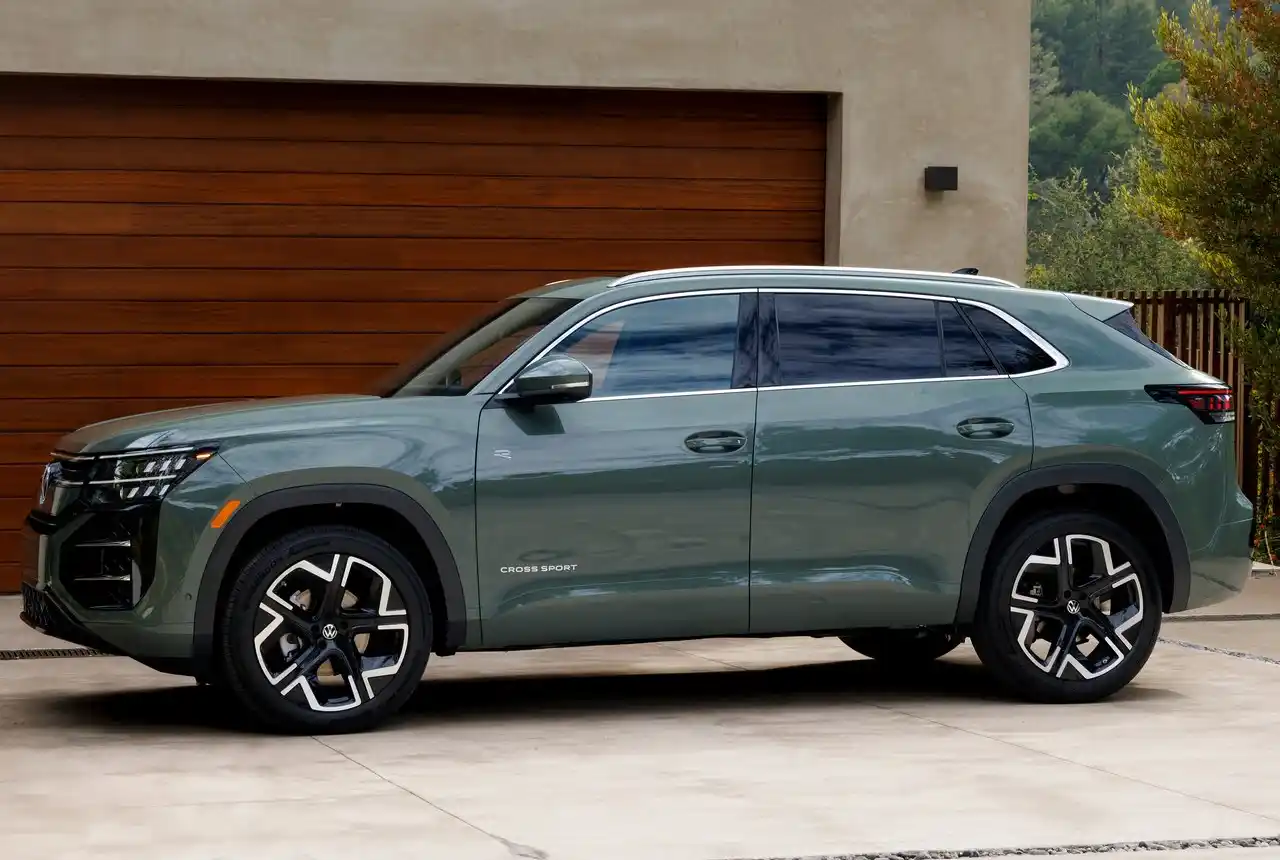
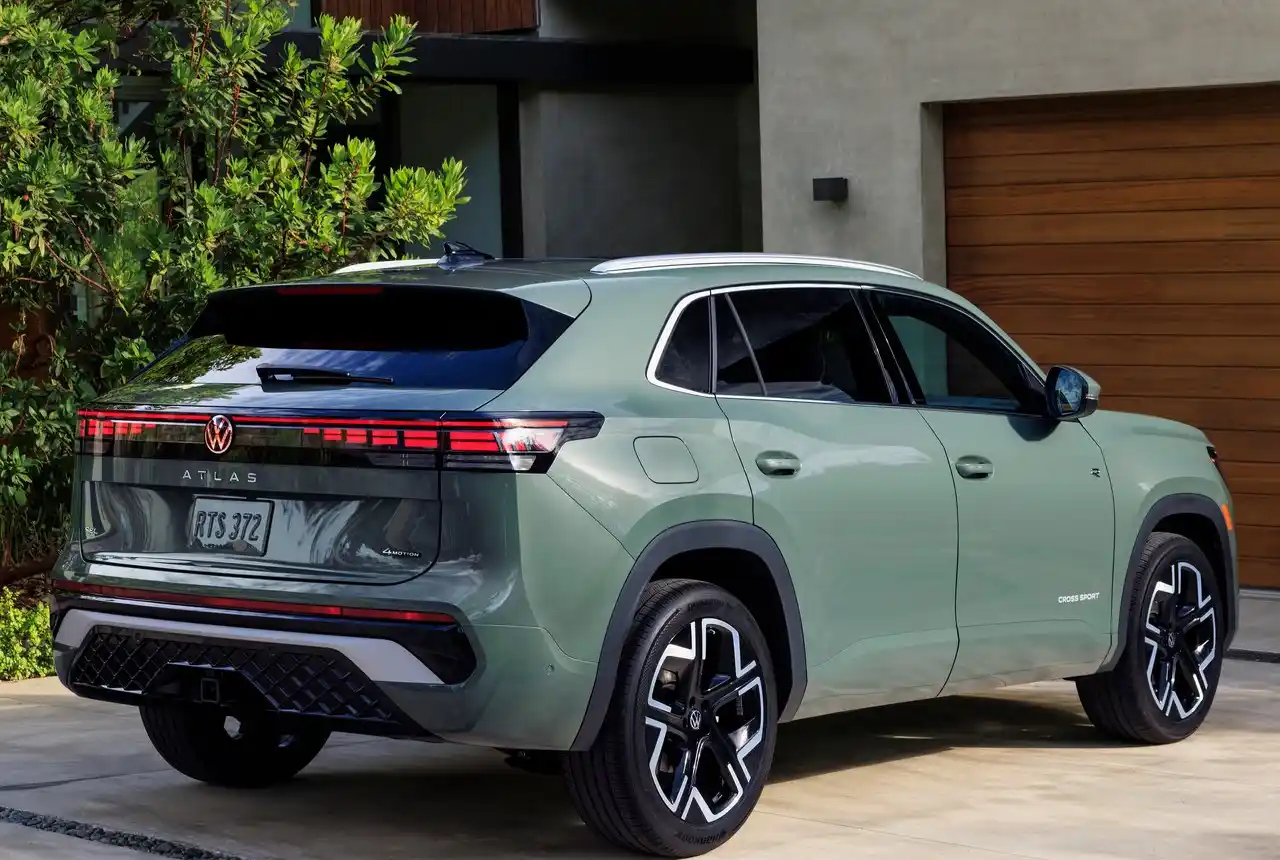
The 2027 Atlas Cross Sport measures 195.6 inches long, coming in 5.4 inches shorter and 2.1 inches lower than the three-row Atlas it’s based on. Wheelbase, width, overall height, and curb weight for the 2027 model haven’t been released yet.
The body cuts 2.1 inches from the greenhouse compared with the three-row Atlas and shortens the rear overhang by 5.4 inches. In practice, that’s what gives the Cross Sport its steeper, more sloped roofline without adding to the car’s overall footprint versus the outgoing generation.
The missing wheelbase and weight figures make it tough to say much yet about ride and handling. Those numbers typically show up closer to launch.
How Many Seats Does the 2027 Volkswagen Atlas Cross Sport Have?
The 2027 Atlas Cross Sport seats 5, with no third row — that’s the defining difference from the standard Atlas. VW hasn’t confirmed the rear seat split for 2027; the outgoing model used a 60/40 split.
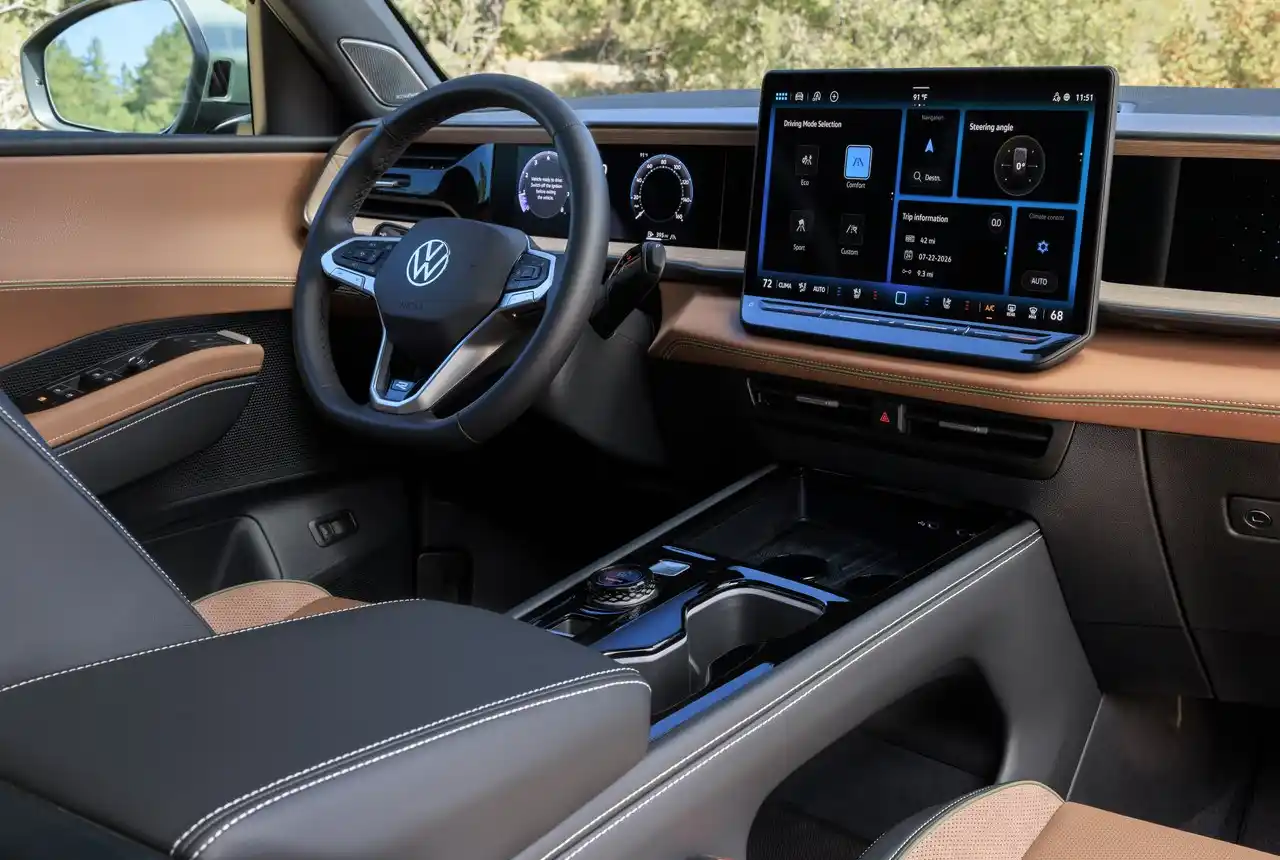
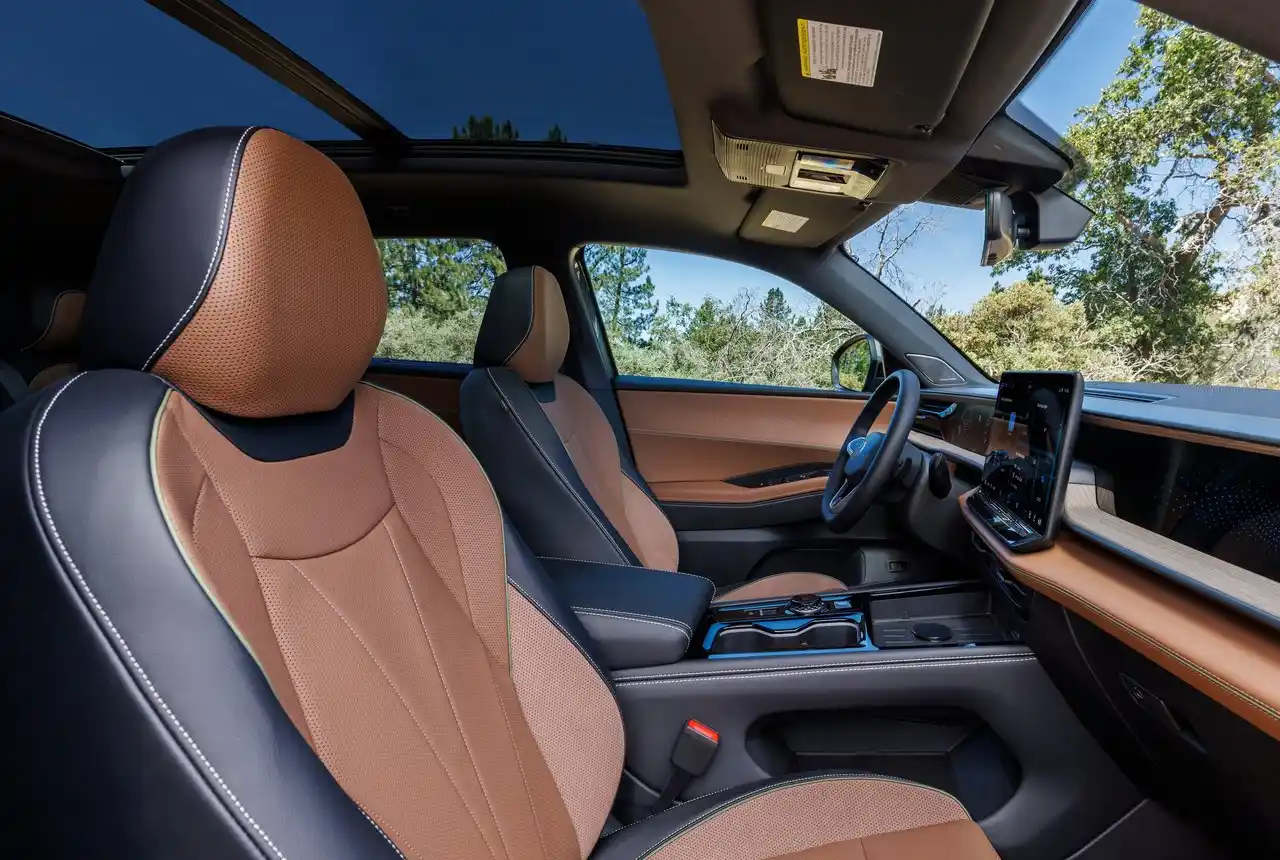
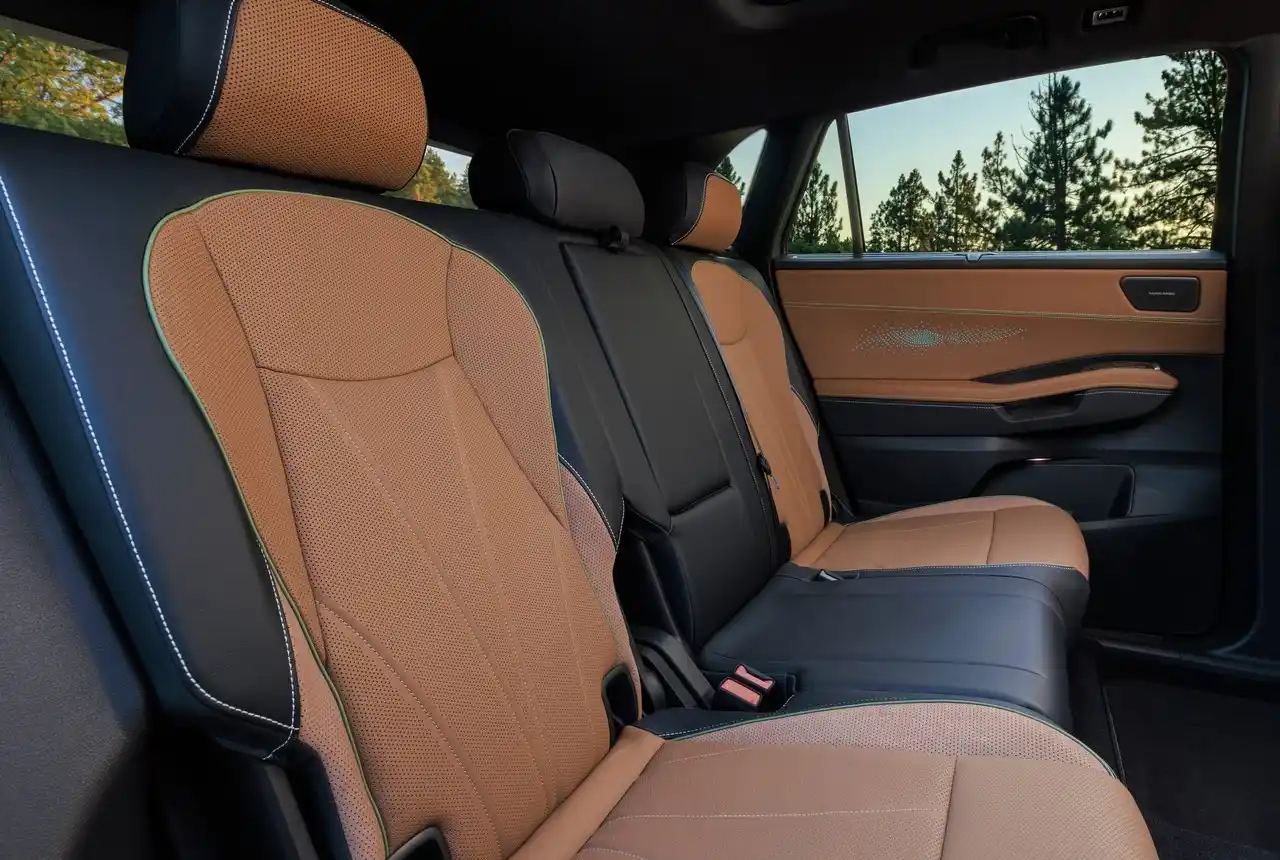
The cabin’s centerpiece is a 10.3-inch Digital Cockpit Pro gauge cluster, standard across the lineup, along with 12-way power front seats with four-way lumbar support as standard equipment. Higher trims add massage function and adjustable thigh support, features that matter most on longer highway stretches.
Volkswagen hasn’t detailed interior materials, trim-specific finishes, or color options for 2027, which makes it hard to judge perceived quality until more official photos and specs surface.
What’s the Cargo Space and Tech Like in the 2027 Volkswagen Atlas Cross Sport?
Cargo capacity for the 2027 Atlas Cross Sport hasn’t been released; for reference, the 2024 model offered roughly 40 cu-ft behind the rear seats and 78 cu-ft with them folded.
On the tech side, the standard touchscreen grows to 12.9 inches, with a 15.0-inch screen available on about 90% of the lineup. The Cross Sport adds dual Qi2 wireless charging, five USB-C ports, and a new Driver Experience Dial on the center console for volume, drive modes, and VW’s “Atmospheres” ambient presets.
The myVW+ subscription bundles real-time navigation, a generative-AI voice assistant, premium radio, Wi-Fi hotspot, AirConsole gaming, and myQ Connected Garage integration. Standard audio comes with 9 speakers, with an optional 14-speaker Harman Kardon system available further up the lineup.
On safety, the IQ.Drive suite comes standard and includes automatic emergency braking, forward collision warning, lane-centering assist, and blind-spot monitoring. Adaptive cruise control, though, is reserved for higher trims — worth noting if you’re shopping the base model and expect it included. A new “Park Assist Plus” feature was also mentioned but hasn’t been detailed in full.
The standout here is the bigger available screen and the amount of standard connectivity for the class. The real limitation is that adaptive cruise sits behind the trim wall instead of coming standard.
What Engine Does the 2027 Volkswagen Atlas Cross Sport Have?
The 2027 Atlas Cross Sport runs a 2.0-liter turbocharged EA888 EVO5 four-cylinder making 282 hp and 258 lb-ft of torque, paired with an 8-speed automatic transmission with a Tiptronic manual mode. Front-wheel drive is standard, with 4Motion all-wheel drive available across the entire lineup.
The power bump over the outgoing 269-hp engine comes largely from a new variable-geometry turbocharger, a component designed to cut down on turbo lag at low rpm. On the road, that should translate to quicker throttle response in stop-and-go traffic and passing maneuvers on the highway.
What stands out is that torque actually fell, from 273 lb-ft to 258 lb-ft. More horsepower paired with less torque usually pushes peak output higher in the rev range, which could mean working the engine harder under load — think towing or a fully loaded highway climb.
Volkswagen hasn’t published 0-60 mph or top speed figures for the 2027 model. For reference, the 2024 Atlas Cross Sport ran 6.7 to 6.9 seconds to 60 mph, according to Car and Driver testing — a number likely to shift with the new engine, though nothing’s official yet for 2027.
What’s the Fuel Economy on the 2027 Volkswagen Atlas Cross Sport?
Official EPA fuel economy for the 2027 Atlas Cross Sport hasn’t been released. Volkswagen says only that efficiency should improve over the outgoing model despite the power increase.
- City: Not officially released
- Highway: Not officially released
- Combined: Not officially released
For reference, the front-wheel-drive 2024 model was EPA-rated at 20 mpg city and 27 mpg highway — but that figure shouldn’t be treated as a placeholder for 2027, since both the engine and turbo hardware changed. Without official numbers, it’s too early to say whether the redesigned Cross Sport will out-economize its direct rivals.
For buyers who tow, Volkswagen confirms a 5,000-lb towing capacity with the factory hitch — a meaningful figure against the Toyota 4Runner Hybrid, one of the direct competitors named in early coverage.

How Much Does the 2027 Volkswagen Atlas Cross Sport Cost?
Volkswagen hasn’t released official pricing for the 2027 Atlas Cross Sport; the automaker says MSRP will be announced closer to the early-2027 launch.
As a reference point, the outgoing 2024/2025 generation started at $38,065 for the SE trim and topped out at $52,795 for the SEL Premium R-Line with 4Motion. There’s no guarantee the 2027 model holds that same range, since the new engine and revised equipment list tend to push pricing upward at redesign time.
Expect financing and lease terms to track closely with the outgoing Atlas Cross Sport once official numbers land, and insurance premiums to land in line with other turbocharged midsize SUVs in this price bracket. Maintenance costs should benefit from VW’s standard coverage: a 4-year/50,000-mile warranty with 2 years or 20,000 miles of complimentary scheduled maintenance — general brand policy, not confirmed as 2027-specific.
Resale value is the one variable worth watching. A new-generation redesign typically dips in early resale numbers until the model builds a track record, so buyers focused on depreciation may want to wait for the first model-year data before jumping in. Built at Volkswagen’s Chattanooga, Tennessee plant, the Cross Sport remains squarely a domestic-production play for the brand’s U.S. lineup.
Frequently Asked Questions About the 2027 Volkswagen Atlas Cross Sport
Will the 2027 Volkswagen Atlas Cross Sport get a hybrid option?
Not at launch. A hybrid version is confirmed only for a future mid-cycle refresh, with no timeline announced.
What’s different between the Atlas Cross Sport and the three-row Atlas?
The Cross Sport is 5.4 inches shorter and 2.1 inches lower, drops the third row entirely, and gets a more sloped roofline.
Does the 2027 Atlas Cross Sport have any recalls?
Not officially released. The vehicle hasn’t gone on sale yet, so there’s no recall history or crash-test data (IIHS/NHTSA) available at this time.
Is adaptive cruise control standard on the 2027 Atlas Cross Sport?
No. Adaptive cruise is limited to higher trim levels, while the base IQ.Drive suite covers automatic emergency braking, lane-centering, and blind-spot monitoring across the lineup.
Verdict: Is the 2027 Volkswagen Atlas Cross Sport Worth It?
Judging whether the 2027 Atlas Cross Sport is worth it is still an incomplete exercise — pricing, EPA figures, and interior dimensions are all missing pieces. What’s already clear is a real power bump and a meaningful tech overhaul on the dashboard and infotainment side.
This one fits buyers who already liked the three-row Atlas but want a lower, sportier shape and don’t need seven seats. It’s not the right call for anyone who needs a third row or wants a hybrid powertrain right out of the gate.
More horsepower with less torque sums up the trade-off well: bigger numbers don’t always mean a sharper punch off the line.
Does it bother you that Volkswagen is skipping a hybrid option at launch in a segment that keeps getting more electrified competition?


Por: Danniel Bittencourt
10/08/2026
Destaques