The 10 Fastest Cars Ever Built in Japan
From a turbocharged Land Cruiser to an electric hypercar that just broke a world speed record, here are the fastest cars Japan has ever built.


Por: Danniel Bittencourt
09/08/2026
The 10 Fastest Cars Ever Built in Japan
Japan built its reputation on reliability. Toyota, Honda, and Nissan turned out millions of dependable commuter cars that just kept running.
But there’s another side to Japanese engineering that never got the same spotlight. Automakers and small independent shops kept building machines that had nothing to do with dependability and everything to do with raw speed.
Some came out of Le Mans homologation loopholes. Others were funded during Japan’s bubble economy, when money seemed to have no ceiling. The newest ones run on electric motors that make old V12s look slow.
Here are the ten fastest cars Japan has ever produced, ranked by top speed, from a turbocharged SUV to a hypercar that just rewrote the record books.
| 🏁 Position | 🚗 Car | ⚡ Top Speed |
|---|---|---|
| 🥇 1st | Aspark Owl SP600 | 438.7 km/h |
| 🥈 2nd | Toyota GT One (TS020) Road Car | 380 km/h |
| 🥉 3rd | Toyota Land Speed Cruiser | 370.18 km/h |
| 4th | Nissan R390 GT1 Road Car | 354 km/h |
| 5th | Jiotto Caspita (Mk II) | 345 km/h |
| 6th | Tommykaira ZZII | 338 km/h |
| 7th | Nissan GT R Track Edition (R35) | 333 km/h |
| 8th | Lexus LFA Nürburgring Package | 325 km/h |
| 9th | Yamaha OX99 11 | 322 km/h |
| 10th | Acura/Honda NSX Type S | 307 km/h |
1
Aspark Owl SP600: 272.6 mph
The fastest car ever built in Japan isn’t from a traditional automaker at all. It’s an ultra-limited electric hypercar from Aspark, an engineering firm based in Osaka and led by CEO Masanori Yoshida.
In October 2024, German racing driver Marc Basseng piloted the Owl SP600 to a Guinness World Record of 272.6 mph at the Automotive Testing Papenburg facility in Germany.
Four independent electric motors, one per wheel, put out a combined 1,953 horsepower and 1,417 lb-ft of torque. There’s no gearbox to shift through, which helps explain a 0-to-62-mph time under 1.8 seconds.
The carbon fiber body features a dorsal fin for stability at extreme speeds, and Bridgestone developed a custom tire compound just to survive the loads involved.
| Spec | Detail |
|---|---|
| Top speed | 272.6 mph |
| Powertrain | 4 electric synchronous motors |
| Horsepower | 1,953 hp |
| Torque | 1,417 lb-ft |
| Transmission | Single-speed, no gearbox |
| Drivetrain | AWD with torque vectoring |
| Curb weight | 4,519 lbs |

2
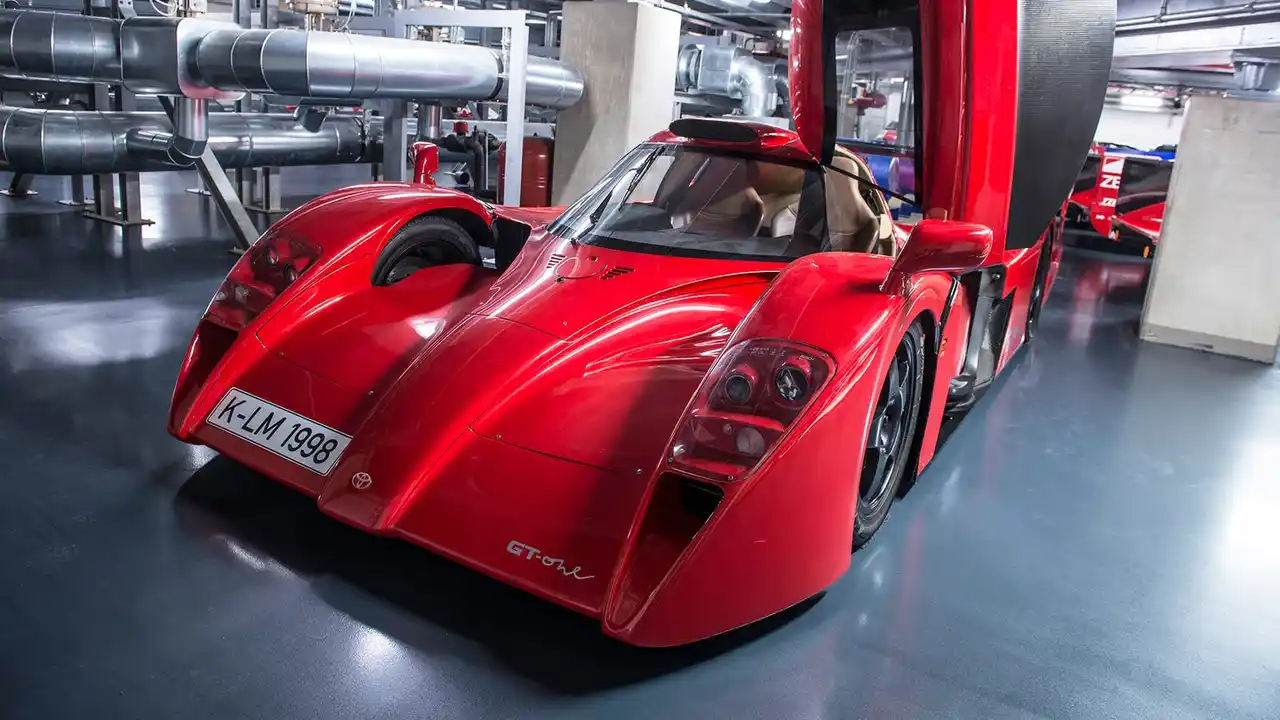
Toyota GT-One (TS020) Road Car: 236 mph
This one exists because of a loophole. Le Mans’ GT1 rules in the late ’90s required race cars to be based on a street-legal model, so Toyota built the race car first and reverse-engineered a road version.
Only one or two street-legal units were ever built, both now sitting in Toyota’s own museum collection.
The twin-turbo 3.6-liter V8 makes 600 horsepower in road trim, detuned from race spec with catalytic converters and a quieter exhaust to meet emissions rules. The carbon fiber and aluminum honeycomb chassis kept curb weight around 1,984 pounds.
That combination of light weight and serious power was enough for a 236-mph top speed, an absurd number for something with license plates.
| Spec | Detail |
|---|---|
| Top speed | 236 mph |
| Powertrain | Twin-turbo 3.6L V8 (R36V-R) |
| Horsepower | 600 hp @ 6,000 rpm |
| Torque | 479 lb-ft @ 6,000 rpm |
| Transmission | 6-speed sequential |
| Drivetrain | RWD, mid-engine |
| Curb weight | 1,984 lbs (dry) |
3
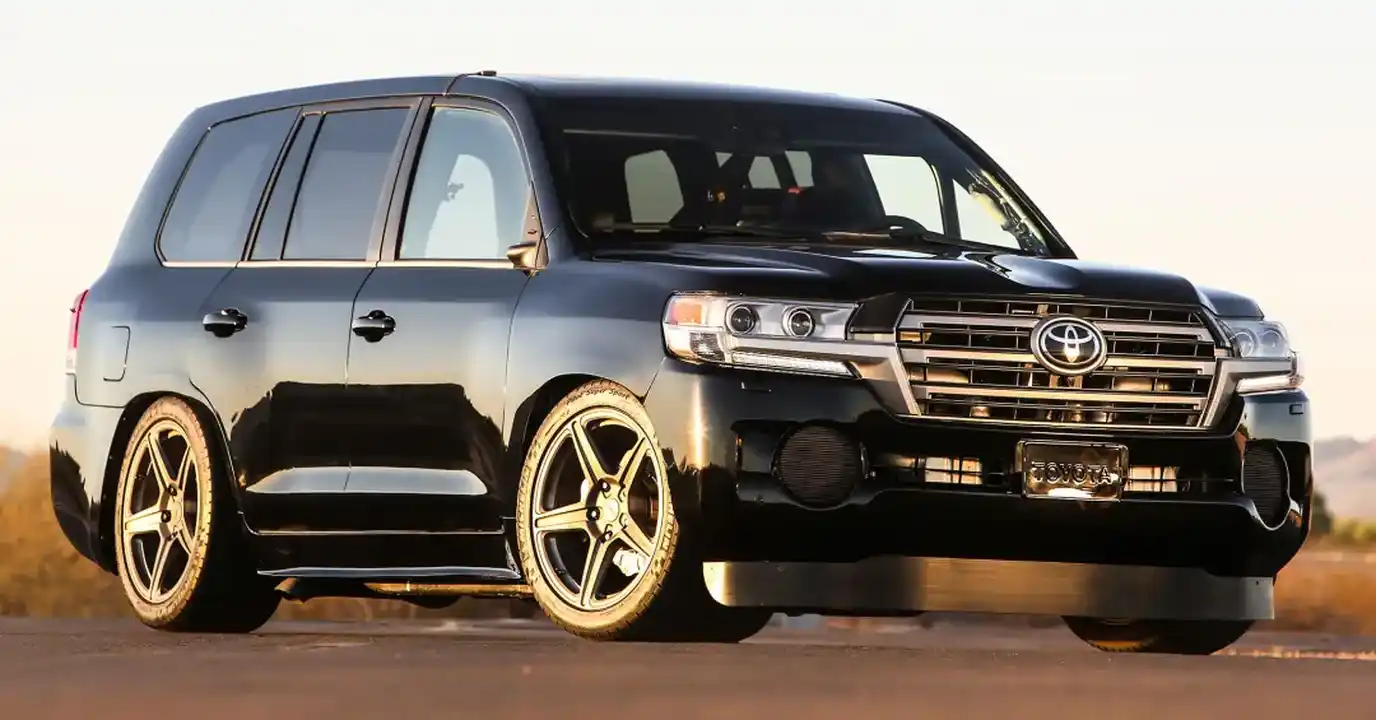
Toyota Land Speed Cruiser: 230 mph
This is easily the most unexpected entry on the list. Toyota’s Motorsports Technical Center in the U.S. took a Land Cruiser, the SUV built for deserts and off-roading, and turned it into a land speed record contender.
Unveiled at the 2016 SEMA Show, the project set out to beat the SUV speed record previously held by a Brabus-tuned Mercedes-Benz G-Class.
NASCAR driver Carl Edwards took the wheel at the Mojave Air and Space Port, running the Land Speed Cruiser to 230 mph. The stock V8 got a pair of massive turbochargers, running 55 psi of boost and producing close to 2,000 horsepower.
Engineers narrowed the chassis and dropped the ride height dramatically just to keep the SUV planted at triple-digit speeds.
| Spec | Detail |
|---|---|
| Top speed | 230 mph |
| Powertrain | Twin-turbo 5.7L V8 (modified 3UR-FE) |
| Horsepower | Approximately 2,000 hp |
| Transmission | 8-speed automatic |
| Drivetrain | Modified AWD |
| Tires | Michelin Pilot Super Sport 315/35 R20 |
4
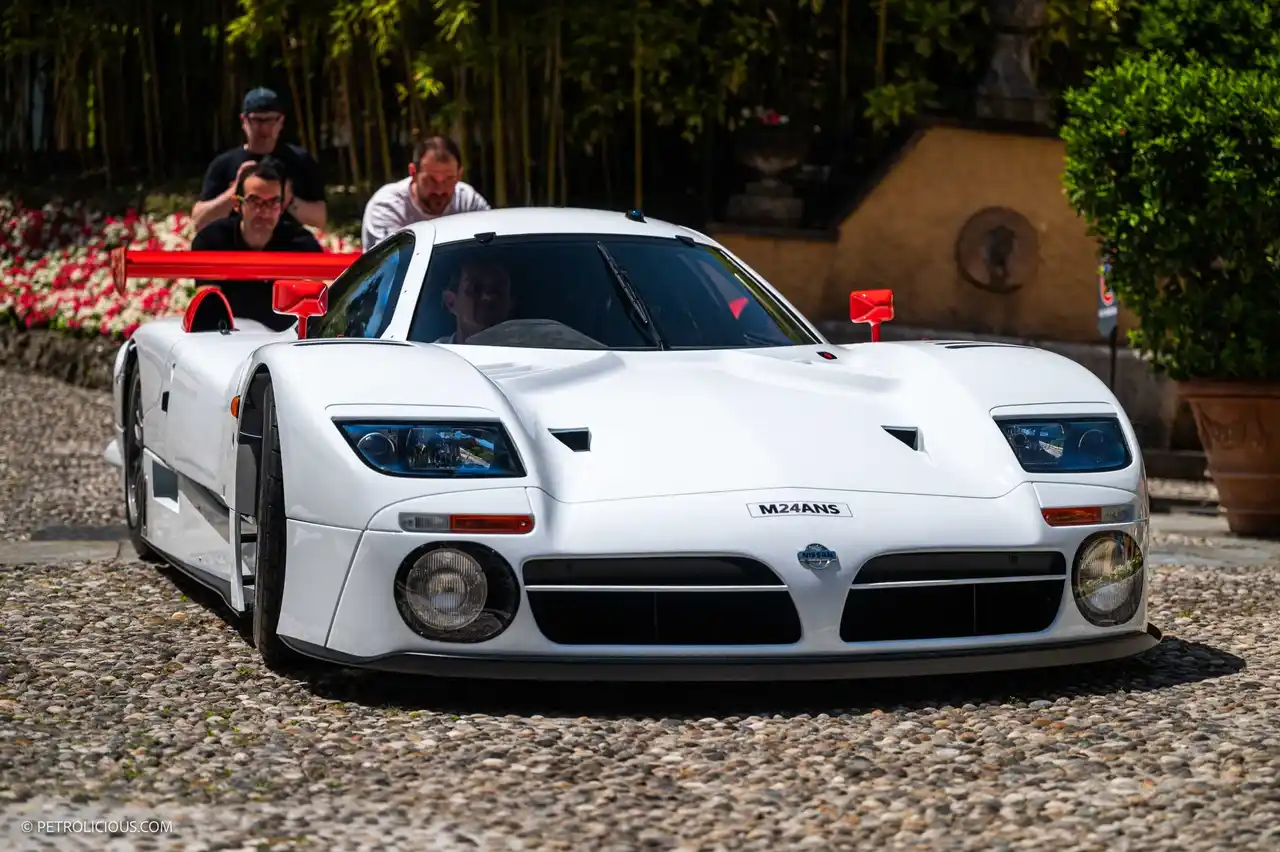
Nissan R390 GT1 Road Car: 220 mph
Nissan faced the same Le Mans homologation requirement as Toyota, and the result was the R390, developed with British engineer Tony Southgate and designer Ian Callum through Tom Walkinshaw Racing.
Only a single road-legal unit was ever built, though Nissan reportedly offered to build more at a million dollars each.
The twin-turbo 3.5-liter V8 made 550 horsepower, and the engineering behind it proved so solid that McLaren later bought the rights and evolved it into the engine that powered the MP4-12C.
At roughly 2,425 pounds with a carbon fiber chassis, the R390 hit 220 mph and ran 0-to-62 mph in 3.9 seconds, numbers that still hold up decades later.
| Spec | Detail |
|---|---|
| Top speed | 220 mph |
| Powertrain | Twin-turbo 3.5L V8 (VRH35L) |
| Horsepower | 550 hp @ 6,800 rpm |
| Torque | 470 lb-ft @ 4,400 rpm |
| Transmission | 6-speed sequential manual |
| Drivetrain | RWD, mid-engine |
| Curb weight | 2,425 lbs |

5
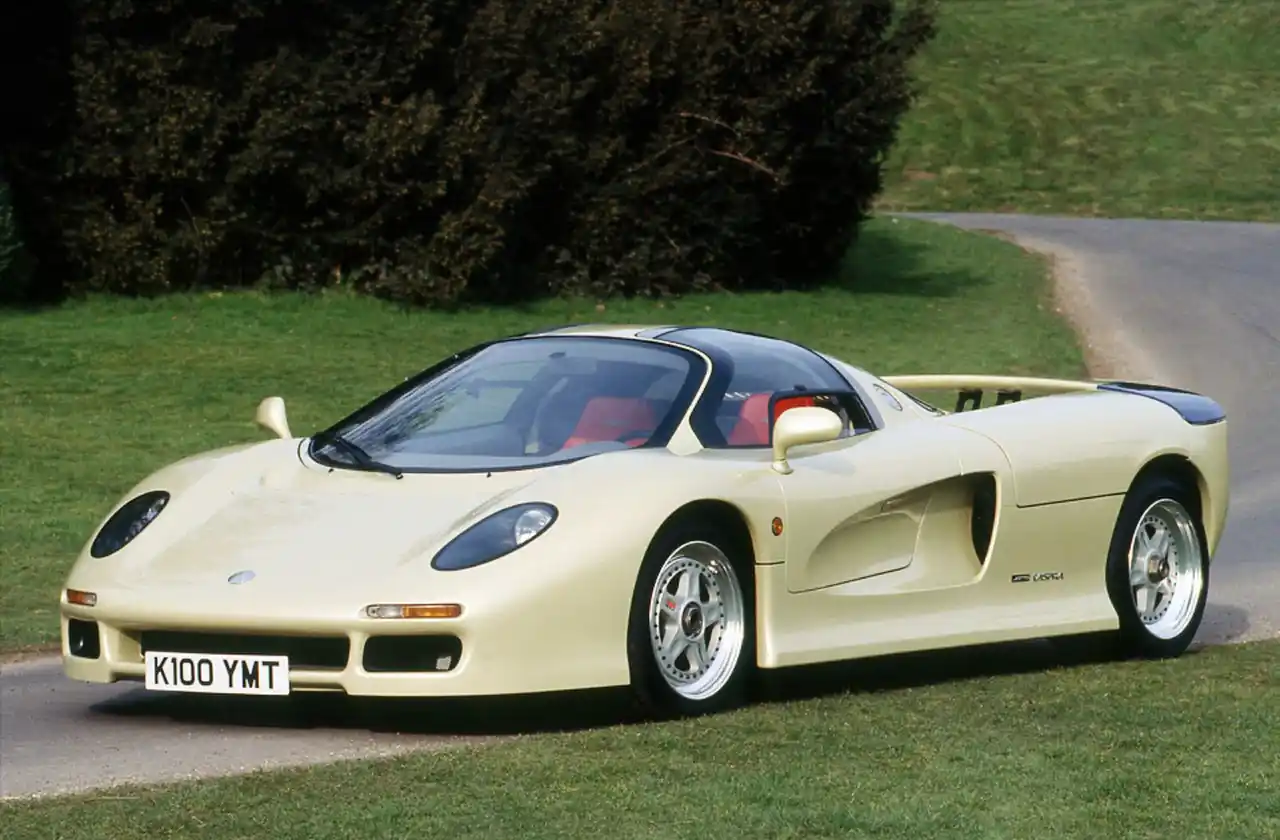
Jiotto Caspita Mk II: 214 mph
This project only exists because Japan’s economy, in the late 1980s, was flush with cash looking for a home. Lingerie maker Wacoal funded race chassis specialist Dome to build what was pitched as a street-legal Formula 1 car.
The original 1989 version used an underpowered engine. The 1990 Mk II fixed that with a 3.5-liter Judd V10, the same type of engine used in actual F1 cars of the era.
Making 577 horsepower and spinning to 10,750 rpm, the Caspita weighed just 2,734 pounds thanks to a carbon fiber and aluminum monocoque. Gullwing doors and active aero wings completed the race-car-for-the-street look.
Engineers projected a top speed of 214 mph, but Japan’s economic collapse hit before the car ever reached production.
| Spec | Detail |
|---|---|
| Top speed | 214 mph (projected) |
| Powertrain | Naturally aspirated 3.5L V10 (Judd GV) |
| Horsepower | 577 hp @ 10,750 rpm |
| Torque | 284 lb-ft @ 10,500 rpm |
| Transmission | 6-speed manual |
| Drivetrain | RWD, mid-engine |
| Curb weight | 2,734 lbs |
6
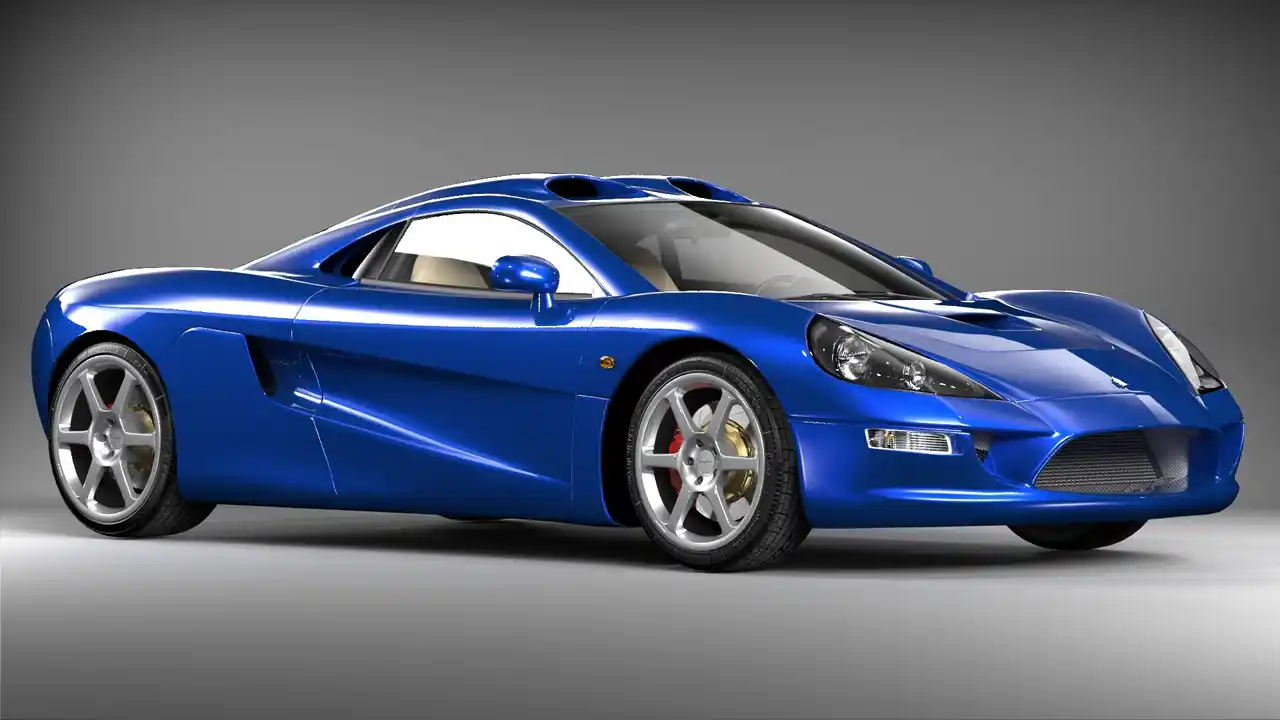
Tommykaira ZZII: 210 mph
Tommykaira built its name tuning Nissans and Subarus in the ’90s, and became a household name to anyone who played Gran Turismo. But the shop wanted more: a real Le Mans contender.
That ambition became the ZZII prototype in 2001, built around Nissan’s legendary RB26DETT inline-six, bored out to 2.7 liters and turbocharged to 542 horsepower.
Rather than sending all that power to the rear wheels alone, engineers fitted Nissan’s ATTESA E-TS Pro all-wheel-drive system, the same setup used in the Skyline GT-R.
At just 2,205 pounds, the ZZII ran 0-to-62 mph in 3.1 seconds and was calculated to hit 210 mph. Out of money, Tommykaira sold the project to retailer Autobacs, which renamed it the ASL RS01. It never raced at Le Mans.
| Spec | Detail |
|---|---|
| Top speed | 210 mph (projected) |
| Powertrain | Twin-turbo 2.7L inline-six (modified RB26DETT) |
| Horsepower | 542 hp @ 5,900 rpm |
| Transmission | 6-speed manual |
| Drivetrain | AWD (ATTESA E-TS Pro) |
| Curb weight | 2,205 lbs |
| 0-62 mph | 3.1 seconds |
7
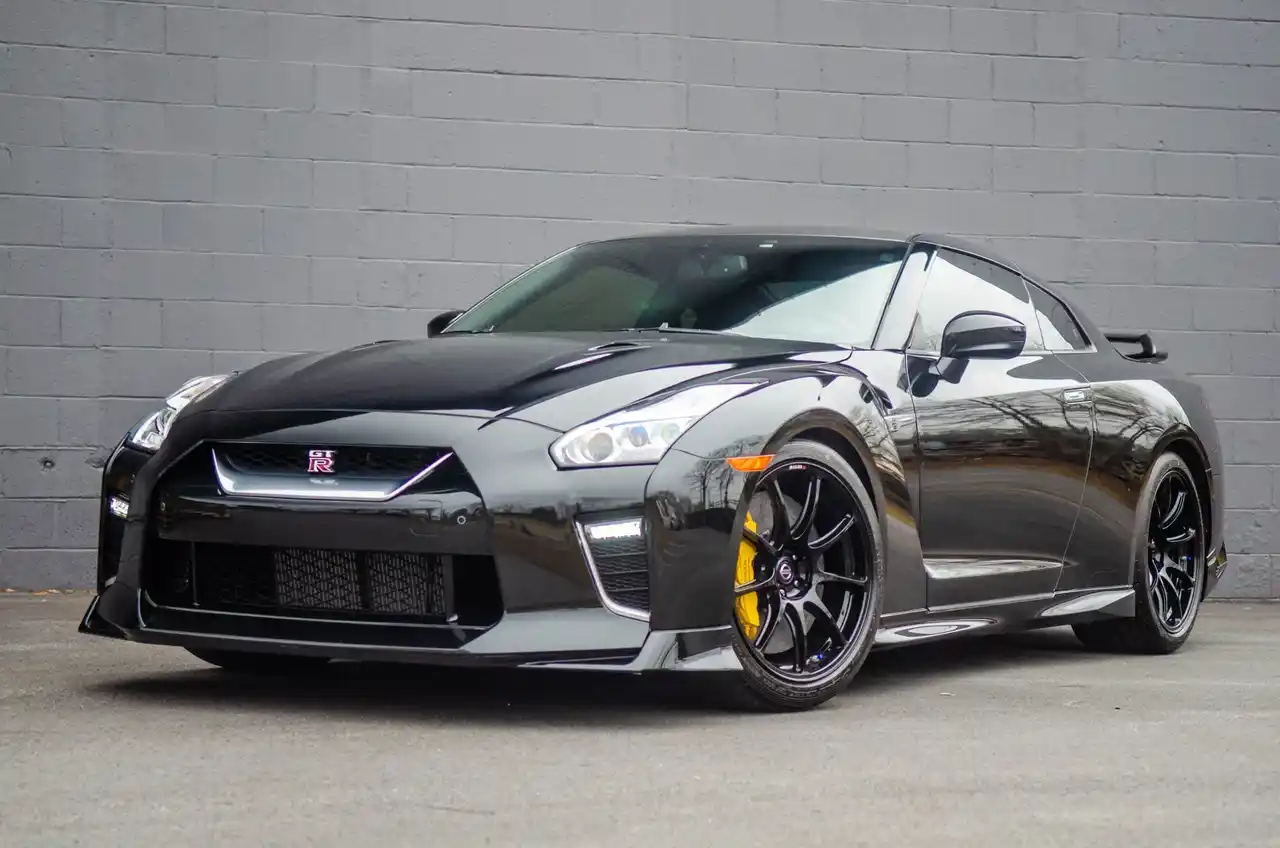
Nissan GT-R Track Edition (R35): 207 mph
Unlike most cars on this list, the R35 GT-R was never a one-off prototype. It’s a production car anyone could buy from a Nissan dealer, and it still delivers exotic-car numbers.
The Track Edition trim, tuned for circuit driving, has been clocked near 207 mph despite weighing around 3,814 pounds, far heavier than anything else here.
Nissan’s twin-turbo 3.8-liter VR38DETT V6 is hand-assembled by engineers known internally as Takumi, producing anywhere from 545 to nearly 600 horsepower depending on the model year.
The ATTESA E-TS all-wheel-drive system shifts torque in real time based on grip, and the transaxle-mounted dual-clutch gearbox helps balance weight front to rear.
| Spec | Detail |
|---|---|
| Top speed | 207 mph |
| Powertrain | Twin-turbo 3.8L V6 (VR38DETT) |
| Horsepower | 545+ hp |
| Torque | Approximately 463 lb-ft |
| Transmission | 6-speed dual-clutch (transaxle) |
| Drivetrain | AWD (ATTESA E-TS) |
| Curb weight | Approximately 3,814 lbs |
| 0-62 mph | 2.7 seconds |
8
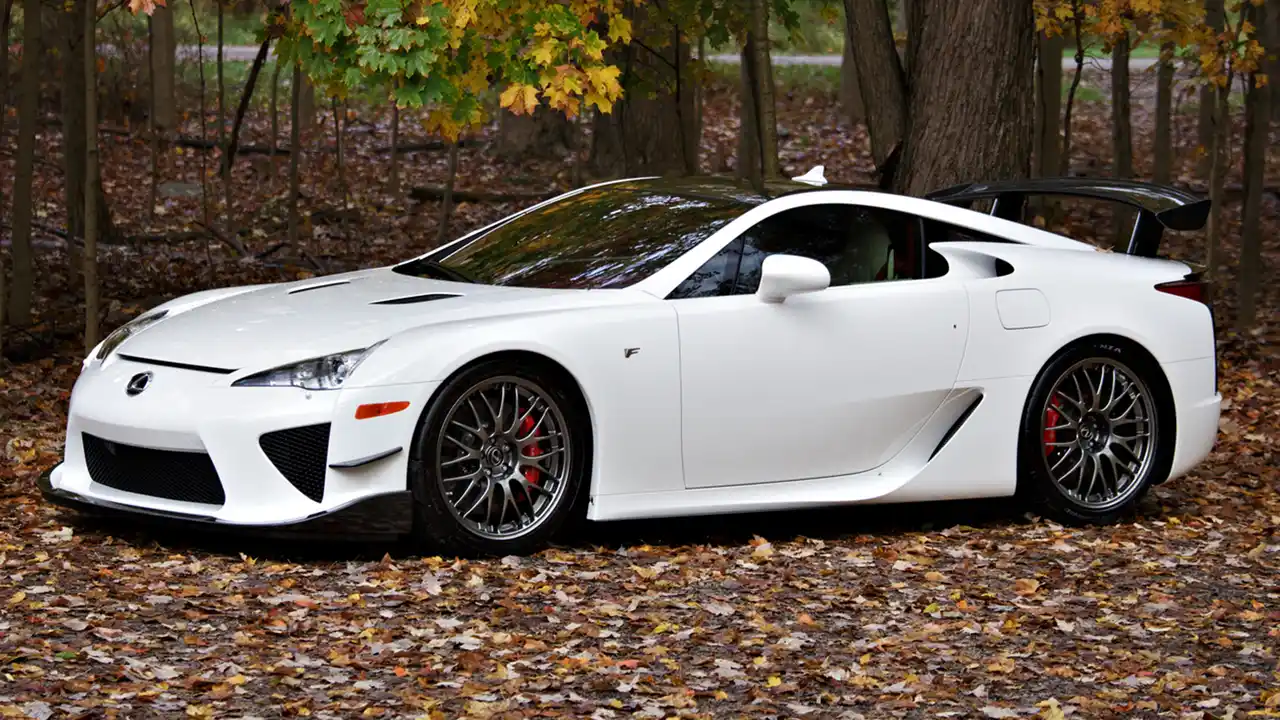
Lexus LFA Nürburgring Package: 202 mph
The LFA wasn’t born out of racing regulations or a bubble-economy budget. It came from pure obsession. Toyota spent nearly a decade developing the car through Lexus, chasing the perfect engine note and hand-woven carbon fiber panels.
Only 500 units were built worldwide, and just 50 came in the track-focused Nürburgring Package, named for the car’s results at the Nürburgring 24 Hours.
Co-developed with Yamaha, the naturally aspirated 4.8-liter V10 revs to 9,000 rpm in six-tenths of a second, so fast that Lexus had to replace the traditional tachometer with a digital display.
The Nürburgring Package bumped output to 562 horsepower and added a fixed rear wing for extra downforce. Even with that added drag, it still hits 202 mph and runs 0-to-62 mph in 3.7 seconds.
| Spec | Detail |
|---|---|
| Top speed | 202 mph |
| Powertrain | Naturally aspirated 4.8L V10 (1LR-GUE, co-developed with Yamaha) |
| Horsepower | 562 hp @ 8,700 rpm |
| Torque | 354 lb-ft @ 6,800 rpm |
| Transmission | 6-speed automated sequential |
| Drivetrain | RWD, front-mid engine |
| Curb weight | Approximately 3,263 lbs |
9
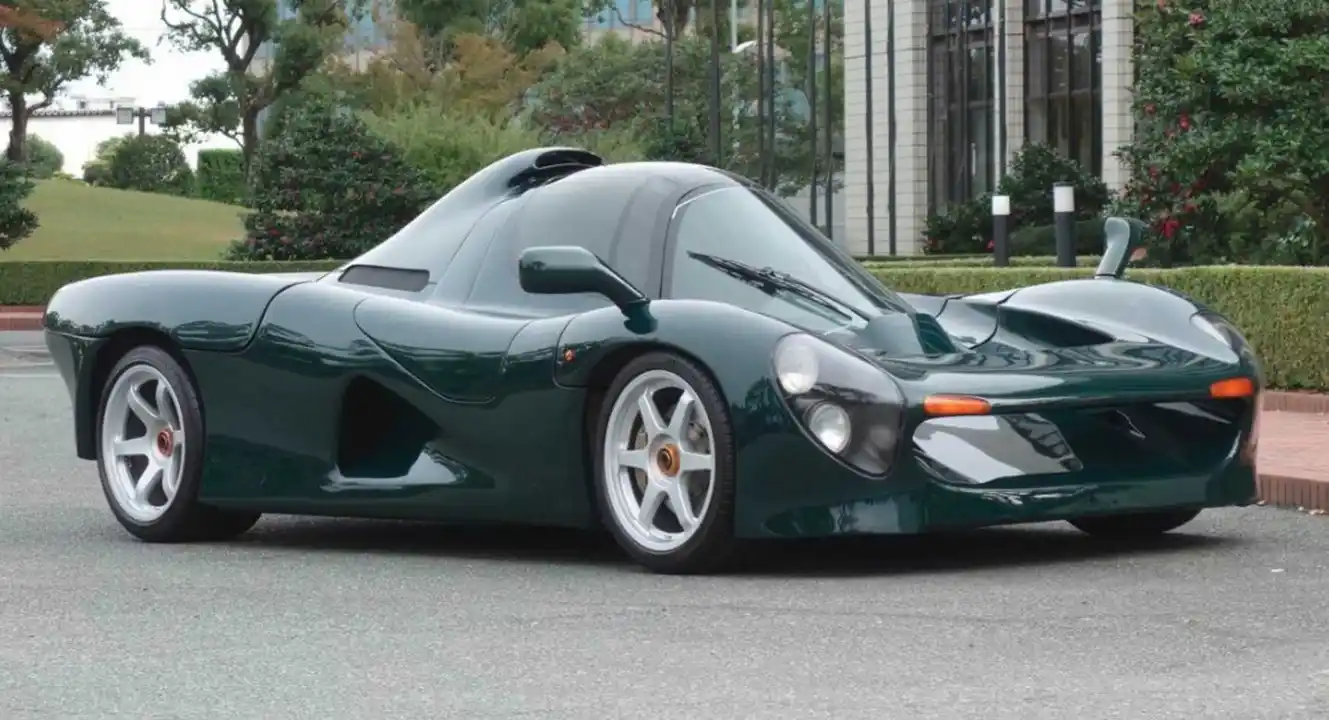
Yamaha OX99-11: 200 mph
Yamaha isn’t a carmaker, but it has built Formula 1 engines, and in 1992 it wanted to bring that experience to the street. The OX99-11 tried to recreate the feel of driving an F1 car for daily use, right down to a tandem seating layout with the passenger sitting behind the driver, like in a fighter jet.
Only three were ever built. The naturally aspirated 3.5-liter V12, derived straight from Formula 1, revs to 10,000 rpm and makes at least 400 horsepower, deliberately detuned for street use.
At just 2,205 pounds with a full carbon fiber tub, the OX99-11 was projected to hit 200 mph. Each unit was priced near $800,000, and when Japan’s economy crashed in the early ’90s, Yamaha shelved the project before it ever reached production.
| Spec | Detail |
|---|---|
| Top speed | 200 mph (projected) |
| Powertrain | Naturally aspirated 3.5L V12, F1-derived (OX99) |
| Horsepower | 400 hp |
| Redline | 10,000 rpm |
| Transmission | 6-speed manual |
| Drivetrain | RWD, mid-engine (tandem seating) |
| Curb weight | 2,205 lbs |
10
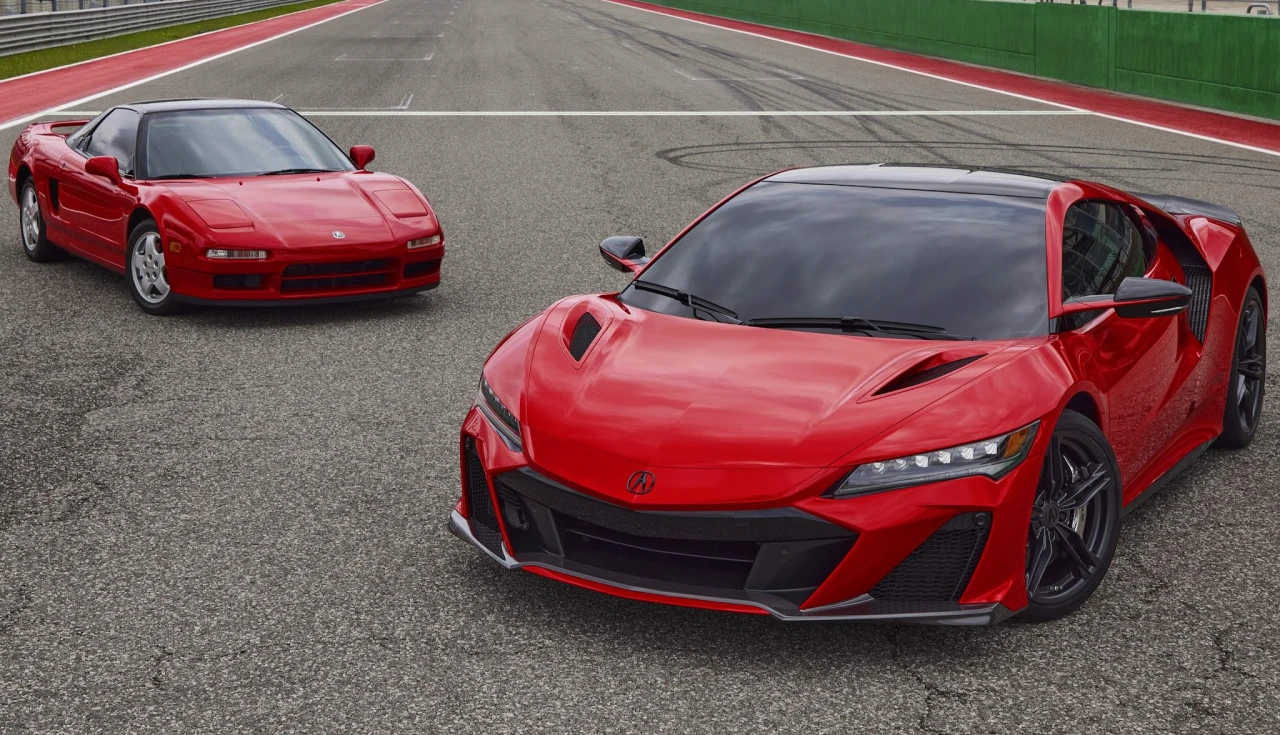
Acura/Honda NSX Type S: 191 mph
Closing out the list is the newest and only fully hybrid car here. The second-generation NSX, sold as an Acura in the U.S. and a Honda elsewhere, was built for a world with tighter emissions rules, without giving up supercar performance.
The final Type S trim pushed the car to 191 mph.
A twin-turbo 3.5-liter V6 pairs with three electric motors, two of them driving the front wheels through the SH-AWD system. Combined output ranges from 573 to 600 horsepower, with more than 476 lb-ft of torque routed through a nine-speed dual-clutch transmission.
Torque vectoring at the front axle helps the NSX put power down out of corners in a way a gas engine alone couldn’t manage, and the result is a 0-to-62-mph run in around 2.8 seconds.
| Spec | Detail |
|---|---|
| Top speed | 191 mph |
| Powertrain | Twin-turbo 3.5L V6 hybrid (3 electric motors) |
| Horsepower | 573+ hp (combined) |
| Torque | 476+ lb-ft (combined) |
| Transmission | 9-speed dual-clutch |
| Drivetrain | AWD (SH-AWD) |
| 0-62 mph | 2.8 to 2.9 seconds |
What This List Says About Japanese Engineering
Looking at all ten cars together, three distinct trends stand out. The first is the ripple effect of Le Mans homologation rules in the ’90s, which forced Toyota and Nissan to put track cars on public roads just to satisfy the FIA rulebook.
The second is Japan’s bubble economy, when seemingly unlimited cash funded projects like the Jiotto Caspita and the Yamaha OX99-11, most of which died along with the financial crash that followed.
The third trend is the most recent, and probably the most important: the shift to electrification. The Aspark Owl SP600 doesn’t win on brute force or decades of aerodynamic refinement. It wins because it can send instant torque to all four wheels at once, with no clutch, no turbo lag, and no rev ceiling.
That’s a pretty clear sign of where Japan’s next speed record is going to come from. Not an engine. A battery.

Compartilhe este artigo
Posts relacionados