Peugeot’s Long Range Answer to Tesla, Hyundai and VW
The Peugeot E-3008 Long Range delivers up to 435 miles of WLTP range and 30-minute fast charging in Europe — with no U.S. launch confirmed. Here’s the full breakdown.
Peugeot E-3008 Long Range: The Automaker’s Longest-Range Electric SUV Yet
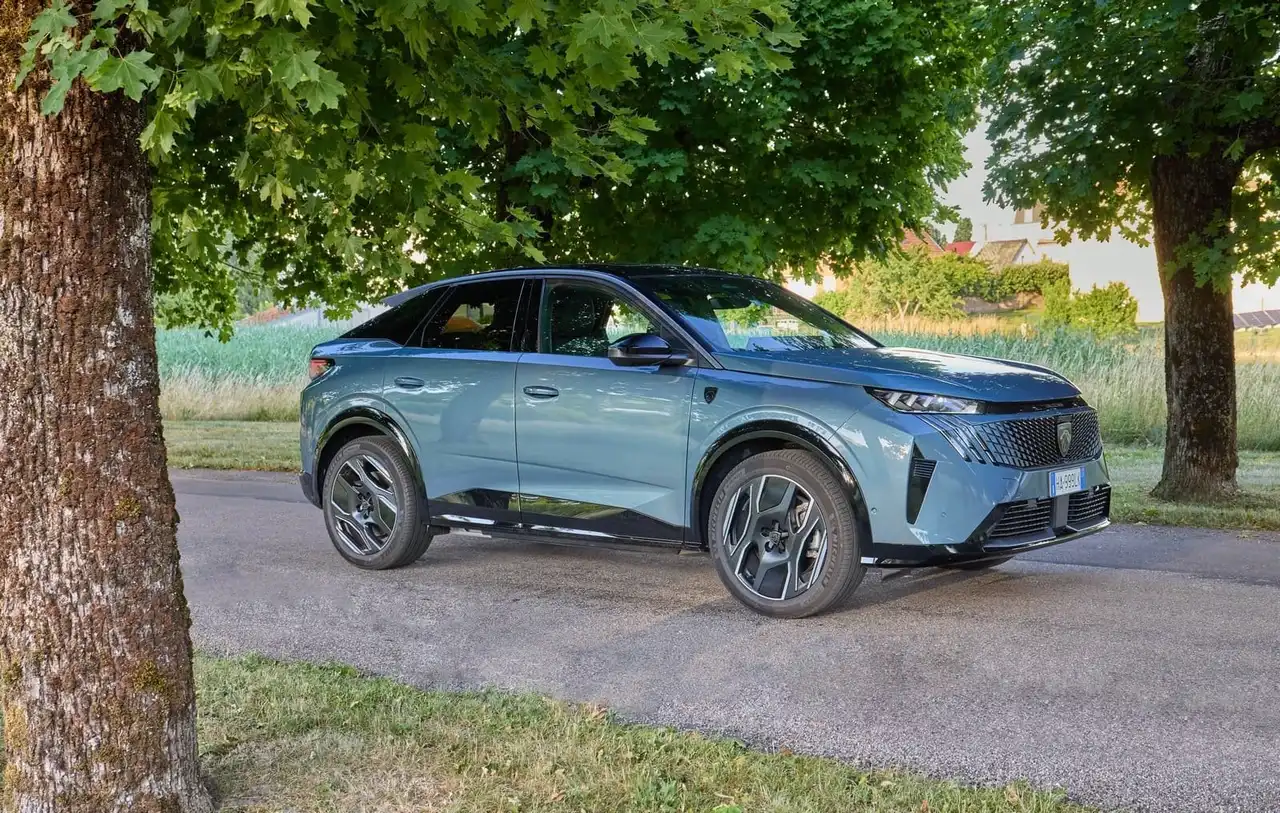
The Peugeot E-3008 Long Range is the extended-range variant of the French brand’s third-generation compact SUV, built on the all-new STLA Medium platform designed from the ground up for electric powertrains.
It’s aimed at families and daily commuters who want maximum range without sacrificing cabin tech.
In Europe, it goes up against the Tesla Model Y and Hyundai Ioniq 5. Peugeot has not confirmed any plans to bring the E-3008 to the United States, so American buyers currently have no path to one through official channels.
Quick Specs
| Specification | Details |
|---|---|
| Category | Compact electric fastback SUV |
| Powertrain | Single electric motor, permanent-magnet synchronous |
| Horsepower | 231 hp (170 kW) |
| Torque | 254 lb-ft |
| Transmission | Single-speed automatic |
| Drivetrain | Front-wheel drive |
| 0-60 mph | Not officially disclosed (0-62 mph rated at 8.7 seconds) |
| Top speed | 106 mph |
| Efficiency | 14.0 kWh/100 km on the WLTP cycle |
| Range | Up to 435 miles (WLTP) |
| Launch date | GT trim went on sale in Europe in October 2025 |
Those numbers only tell part of the story. Here’s what they actually mean once you’re behind the wheel.
Fastback Styling and a New Light Signature Define the E-3008’s Look
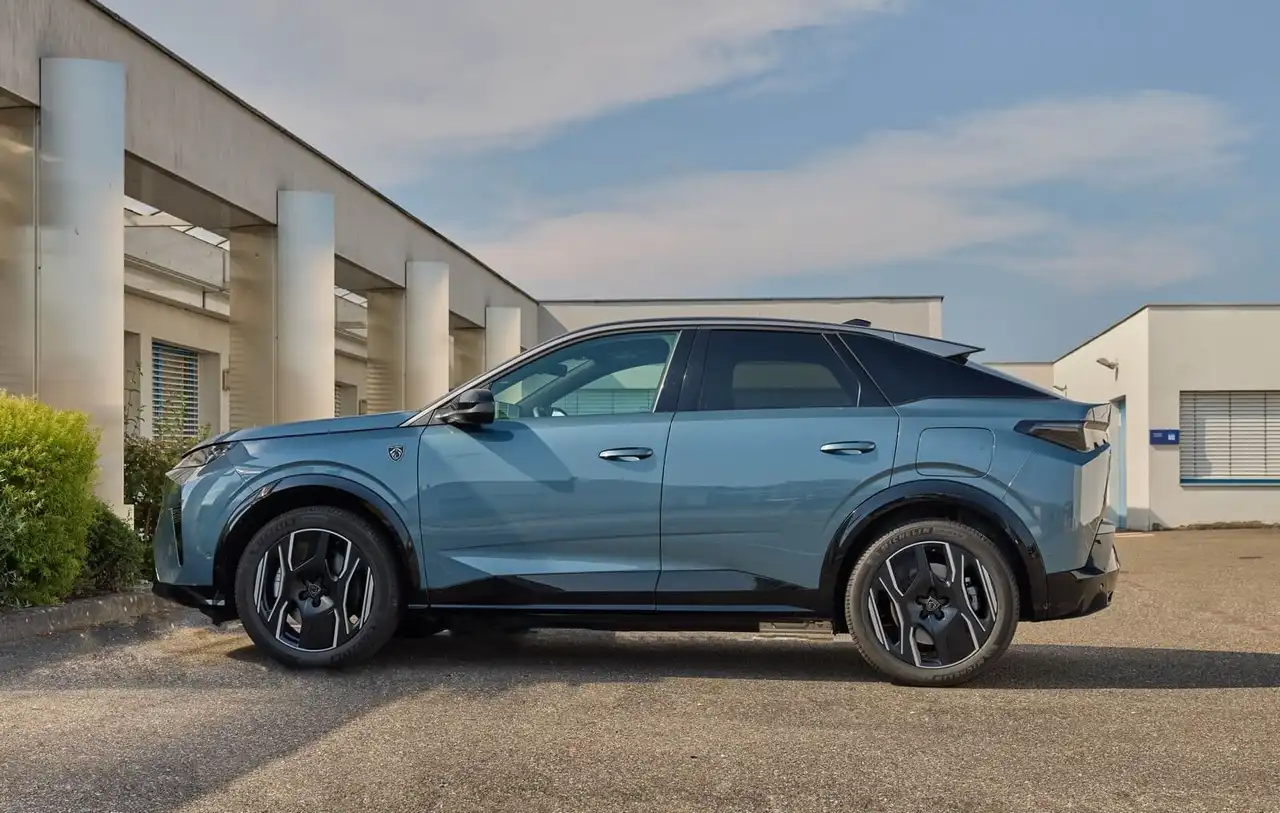
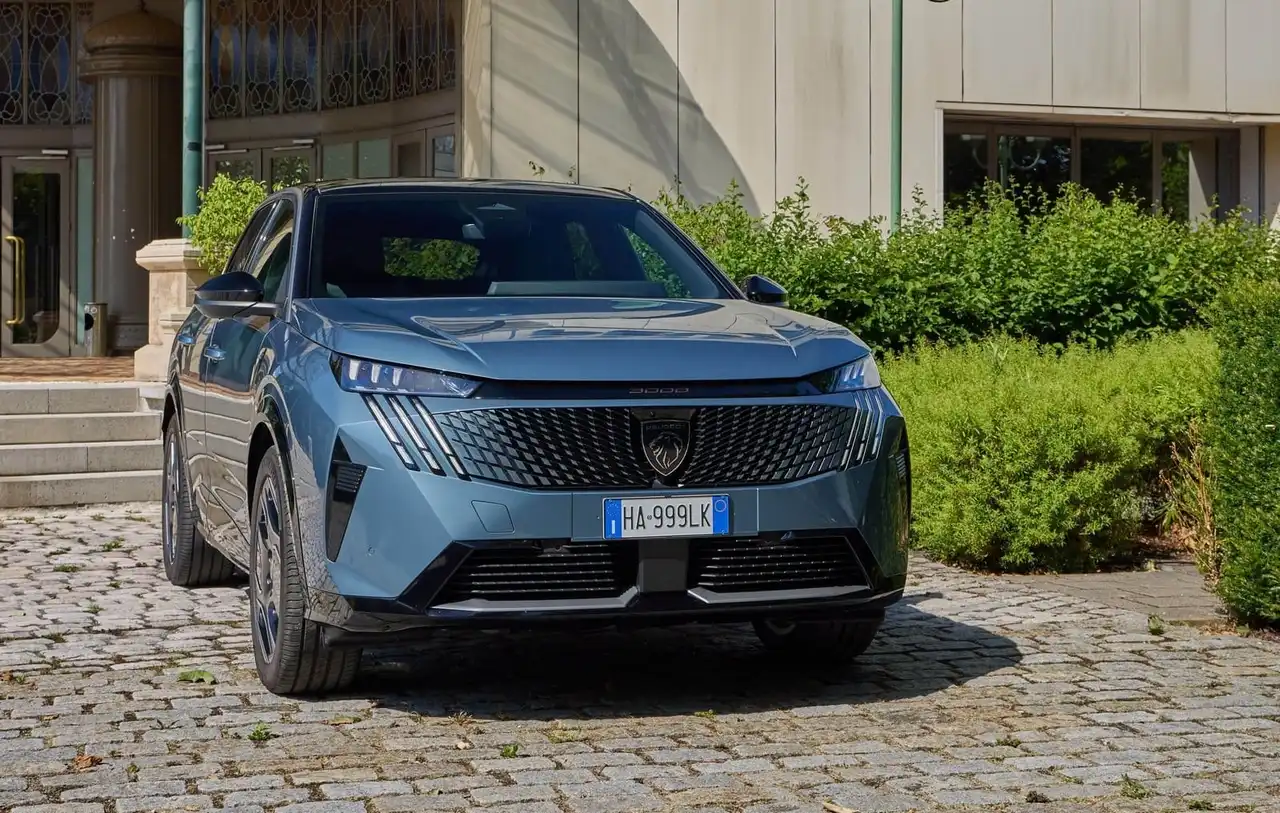
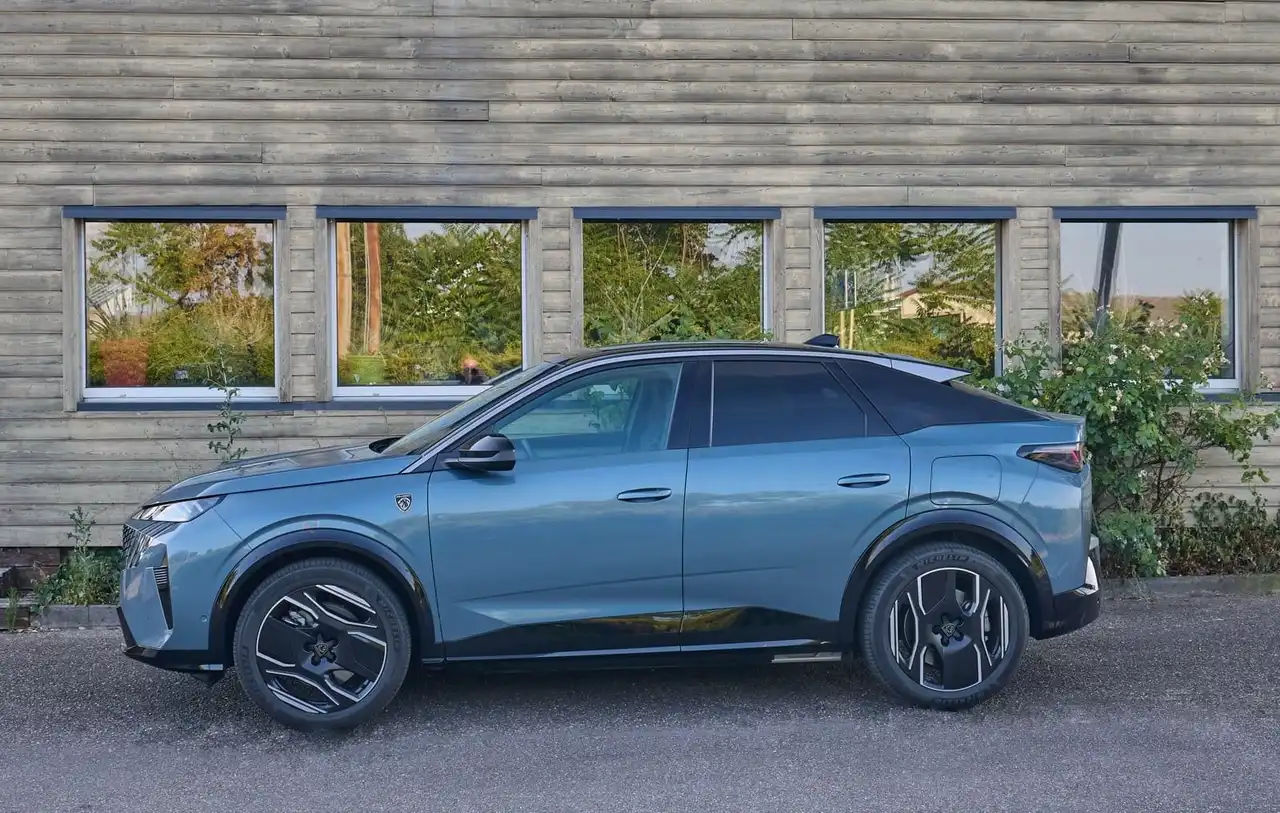
The body follows a fastback SUV silhouette, with the roofline sloping toward the rear. That shape yields a 0.28 drag coefficient, which directly affects highway efficiency and wind noise at higher speeds.
Up front, the three-claw LED signature is more pronounced than before, with Pixel LED headlights standard on the GT trim that automatically adjust beam pattern based on traffic conditions.
The SUV measures 178.8 inches long with a 107.8-inch wheelbase. The STLA Medium platform allowed engineers to mount the battery low between the axles, which lowers the center of gravity and should make the SUV feel more planted through corners.
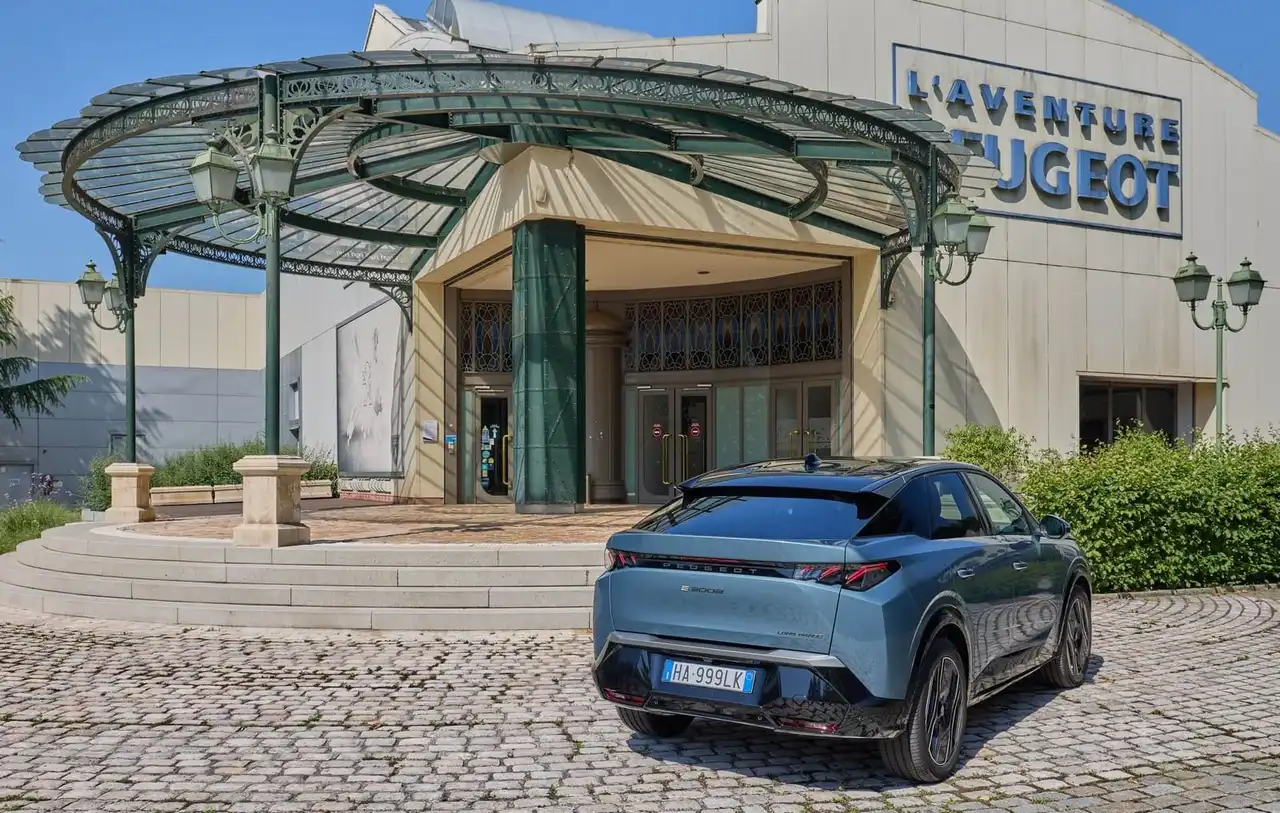
Around back, the taillights echo the same three-claw motif, rendered in 3D on the GT. This marks the first production application of the STLA Medium platform, making the E-3008 something of a technology showcase for the brand.
A 21-Inch Curved Display Anchors the Cabin
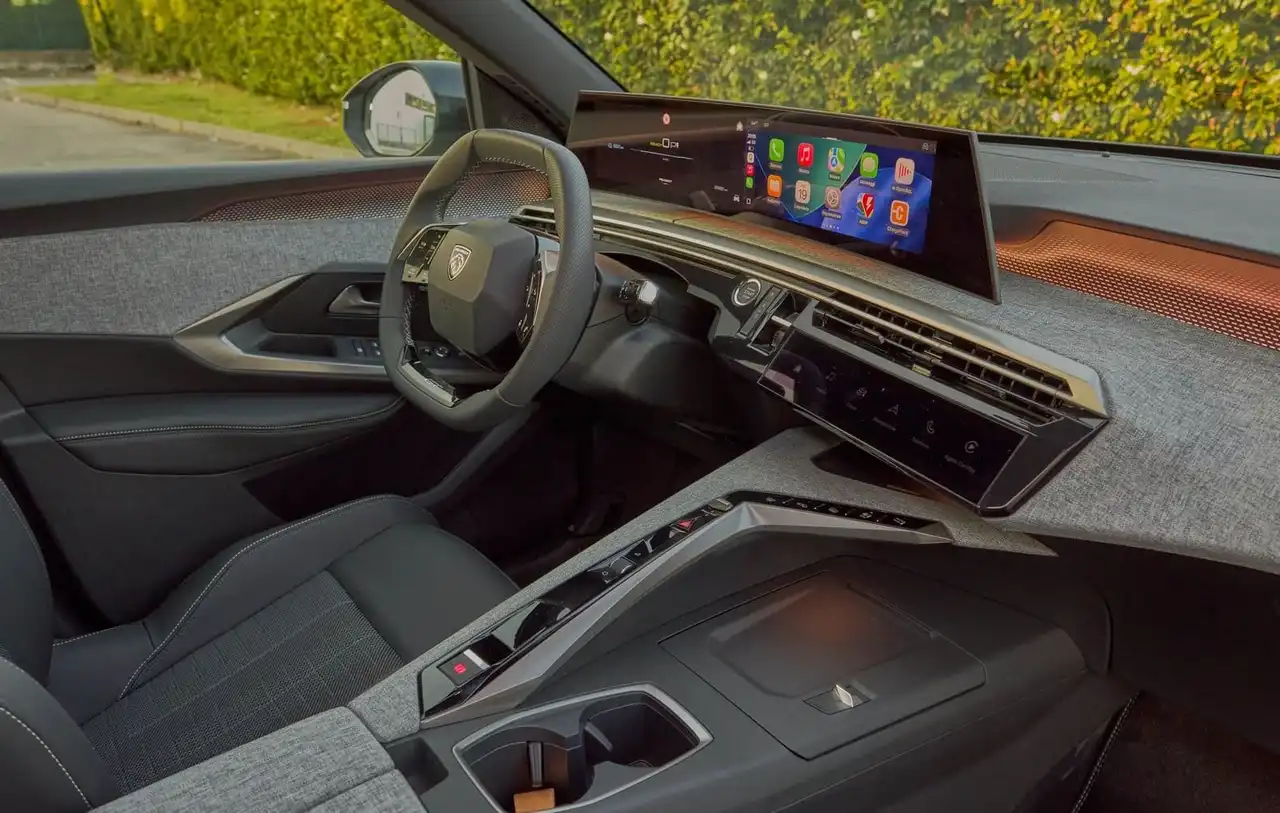
The interior centers on Peugeot’s panoramic i-Cockpit, a curved 21-inch display available on the GT trim that merges the instrument cluster and infotainment screen into a single surface. The Allure trim swaps this for two separate 10-inch displays.
Materials shift noticeably between trims. The GT gets real aluminum trim, Alcantara inserts and eight-color ambient lighting, while the Allure relies on patterned fabric and faux leather.
Ergonomics stand out thanks to the i-Toggles, customizable touch-sensitive shortcut buttons that can be programmed for up to 10 functions, plus a shifter relocated beside the steering wheel that frees up center console space.
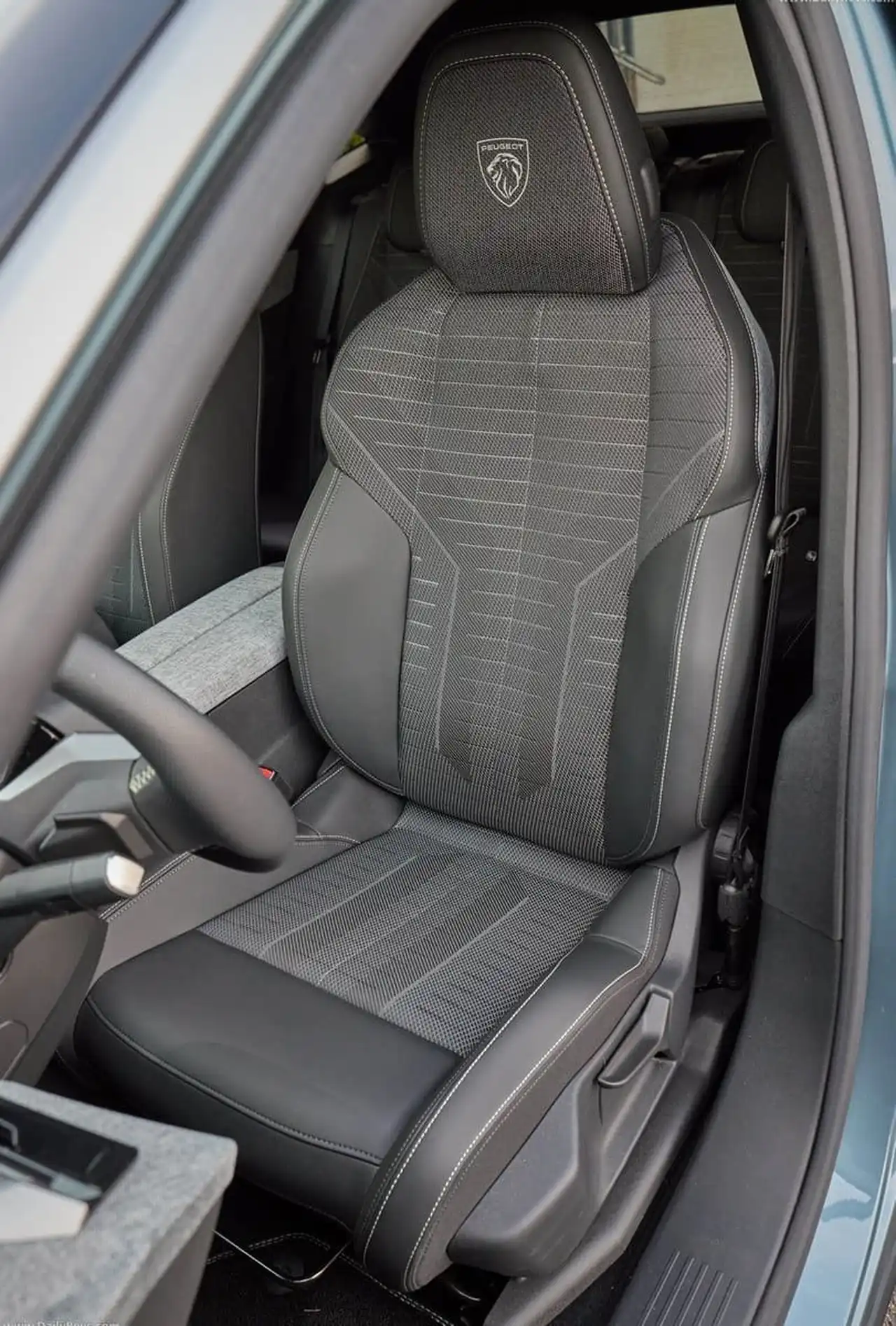
Front seats carry AGR certification, a German ergonomics standard aimed at long-trip comfort. On the GT, they add ventilation and massage functions — features that matter on multi-hour drives.
Tech Features and Passenger Space
The i-Connect infotainment system (i-Connect Advanced on the GT) runs TomTom navigation with Trip Planner, which routes trips based on remaining range, traffic and charging stop locations — a genuinely useful tool for anyone road-tripping in an EV.
On the driver-assist side, the optional Drive Assist Plus package bundles adaptive cruise control with stop-and-go, lane-centering assist and traffic-sign reading.
Rear-seat legroom comes in at 33.6 inches with 57.6 inches of shoulder room, competitive numbers for the segment. Cargo capacity holds steady at 18.4 cubic feet across every powertrain, expanding to 52.3 cubic feet with the rear seats folded.
One genuine strength: the cabin packs 17 separate storage compartments totaling roughly 9 gallons of space. A recurring complaint in owner feedback is the lack of physical climate controls, with most adjustments routed through the touchscreen.
What the E-3008 Long Range Actually Feels Like to Drive
The Long Range uses a single permanent-magnet synchronous motor, front-wheel drive and a single-speed automatic transmission — a common setup for EVs that don’t need multiple gear ratios.
The 231 hp and 254 lb-ft of torque are available from a standstill, which translates to immediate throttle response — a hallmark of electric motors that helps with passing maneuvers and merging onto highways without any lag.
In city driving, that instant torque makes pulling away from stoplights and navigating intersections noticeably quicker than in a comparable gas-powered SUV, which needs to build rpm before delivering full power.
The 8.7-second 0-62 mph time isn’t chasing performance-car numbers — it’s tuned for family-hauler duty. The 106 mph top speed follows the same logic: EVs typically cap top speed to preserve range rather than chase a higher number.
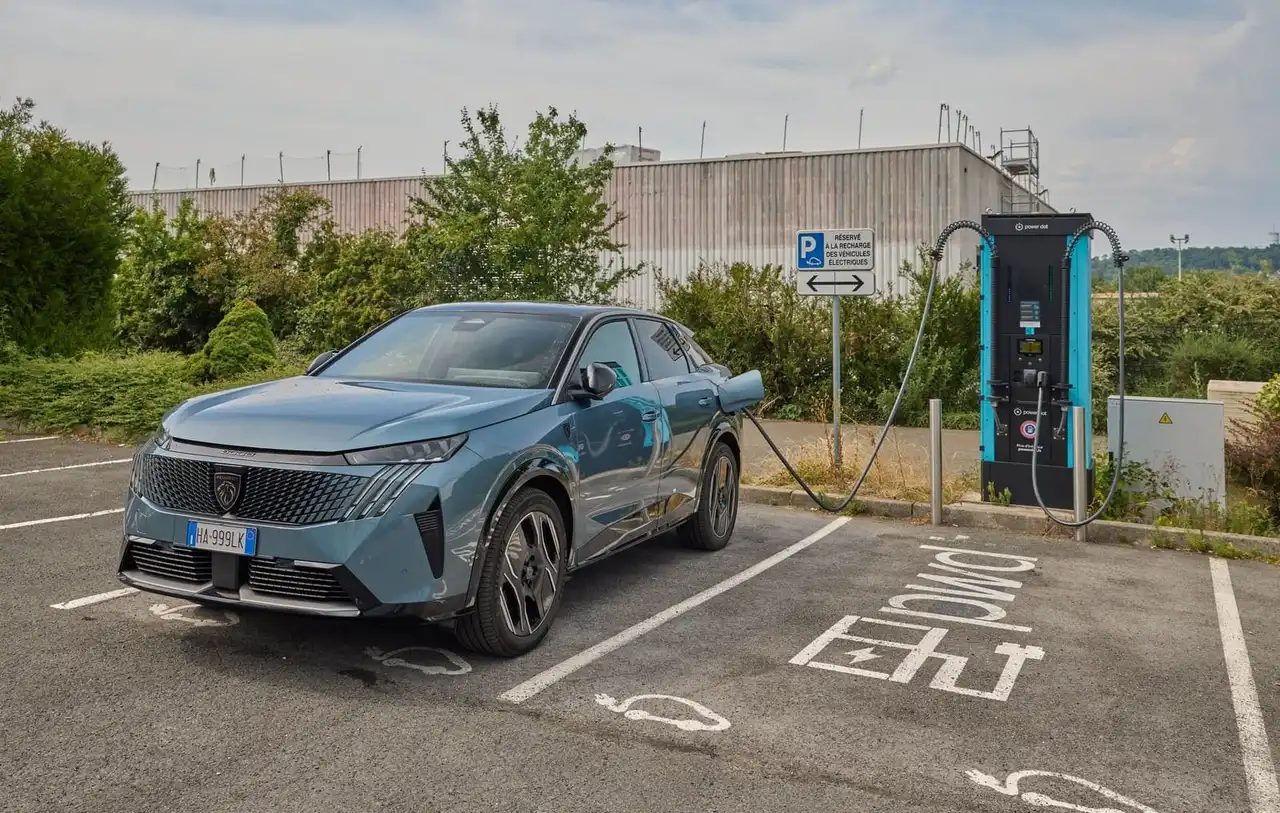
Efficiency is where the fine print matters most. The 14.0 kWh/100 km WLTP figure is a lab number. At sustained highway speeds around 75 mph, real-world consumption climbs to roughly 25-26.7 kWh/100 km, which drops usable range to somewhere between 229 and 244 miles — a significant gap from the advertised 435 miles. That doesn’t make the official number dishonest, but it does mean it represents a ceiling, not a realistic average for highway-heavy driving.
Does the E-3008 Long Range Make Financial Sense?
In Europe, the GT trim launched at roughly €55,710, with more recent Allure offers dropping closer to €44,803. That positions it as an accessible premium EV — cheaper than some Model Y configurations, but without aggressive discounting.
Since Peugeot doesn’t sell in the U.S., there’s no official MSRP to reference. As a Market Estimate based on how the Model Y, ID.4, Ioniq 5 and EV6 are priced domestically, an E-3008 Long Range would likely land somewhere between $46,000 and $58,000 depending on trim — squarely inside the mainstream electric SUV field rather than above it.
On insurance premiums and maintenance costs, no official U.S. figures exist to draw from. As a general Market Estimate, maintenance should run lower than a comparable gas SUV, since EVs skip oil changes and other combustion-specific service items — though insurance premiums on new EV platforms can run higher until claims data accumulates.
It’s also worth factoring in that the model has already logged two recalls within its first months of production. For anyone considering a first-model-year purchase, that’s a real consideration. Buyers who prioritize range and cabin tech above segment averages will find a strong case here. Buyers who weight crash-test scores heavily or need an established U.S. service network may be better served waiting or looking elsewhere.
Frequently Asked Questions About the Peugeot E-3008 Long Range
How much does the Peugeot E-3008 Long Range cost?
In Europe, pricing starts around €44,803 for the Allure trim and reaches €55,710 for the GT, depending on market and offers.
What’s the real-world range of the Peugeot E-3008 Long Range?
WLTP rates it at up to 435 miles, but sustained highway driving at 75 mph drops real-world range to roughly 229-244 miles.
Is the Peugeot E-3008 Long Range coming to the U.S.?
No. As of this writing, Peugeot has not announced any plans to sell the model in the United States.
Has the Peugeot E-3008 Long Range had any recalls?
Yes — two recalls in 2024 (a rear suspension crossmember weld issue and an undisclosed problem affecting demo units) and a third in December 2025.
The Verdict
The E-3008 Long Range is a rational buy for drivers who prioritize range and cabin technology, not a purchase driven by performance thrills.
It suits road-trippers who value fast charging and a well-equipped interior. It’s not the right call for buyers chasing top-tier crash-test scores or those who need proven long-term reliability from an established platform.
This is a numbers-driven SUV that still has to prove itself over time.
Would you buy a newly launched EV on an unproven platform with recalls already on record, or wait for it to mature?
Share this article

Por: Danniel Bittencourt
16/07/2026
Related posts