How Volvo Quietly Rebuilt the XC90’s Plug-In Hybrid System
The 2028 Volvo XC90 T8 Long-Range PHEV delivers 455 hp, a 4.9-second 0-60 mph time, 73 miles of EV range, and pricing expected to start near $80,000.
- Danniel Bittencourt
- 15/09/2026
- 11:52 am
The 2028 Volvo XC90 Just Rewrote the Rules for Plug-In Hybrids
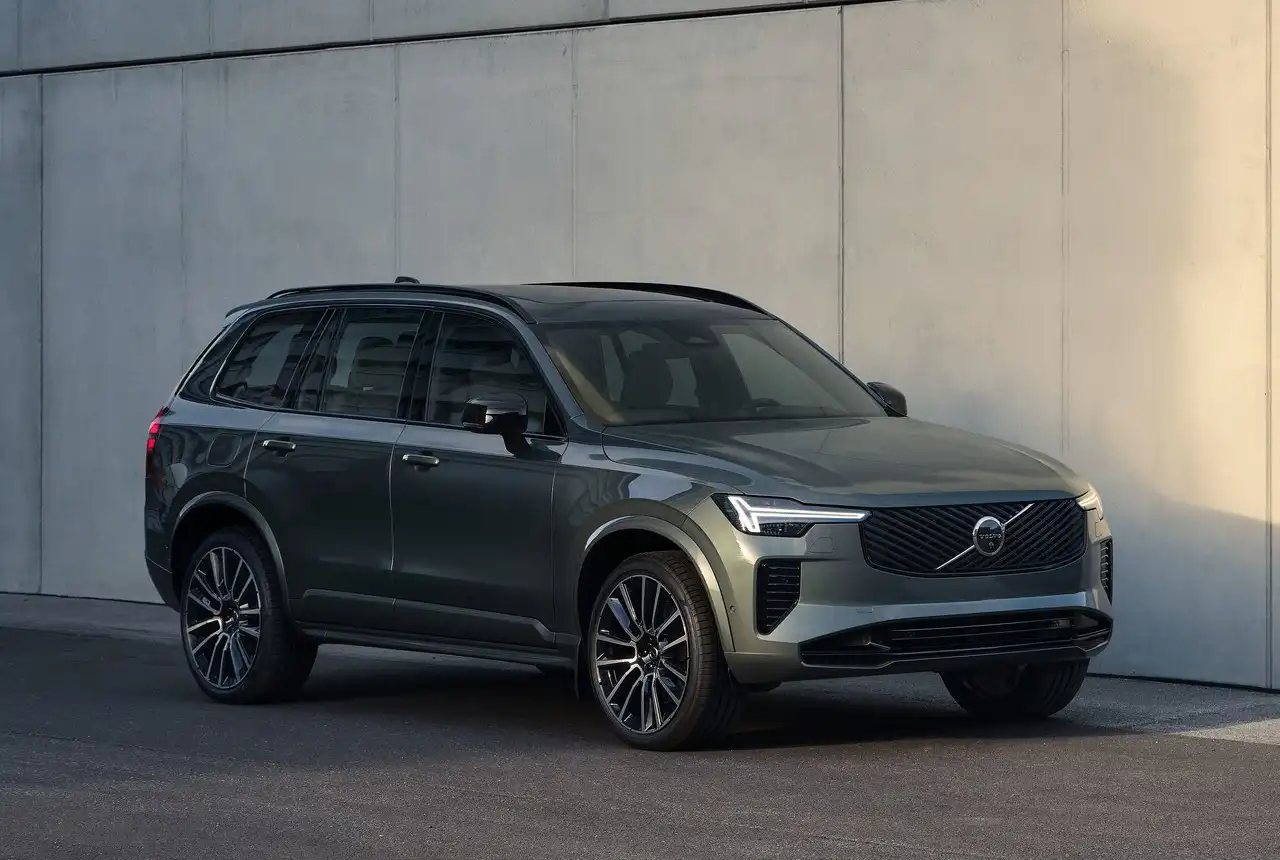
The 2028 Volvo XC90 T8 Long-Range PHEV is here, and it fixes the one complaint owners had for years. Volvo swapped in a much larger battery, and the payoff is real.
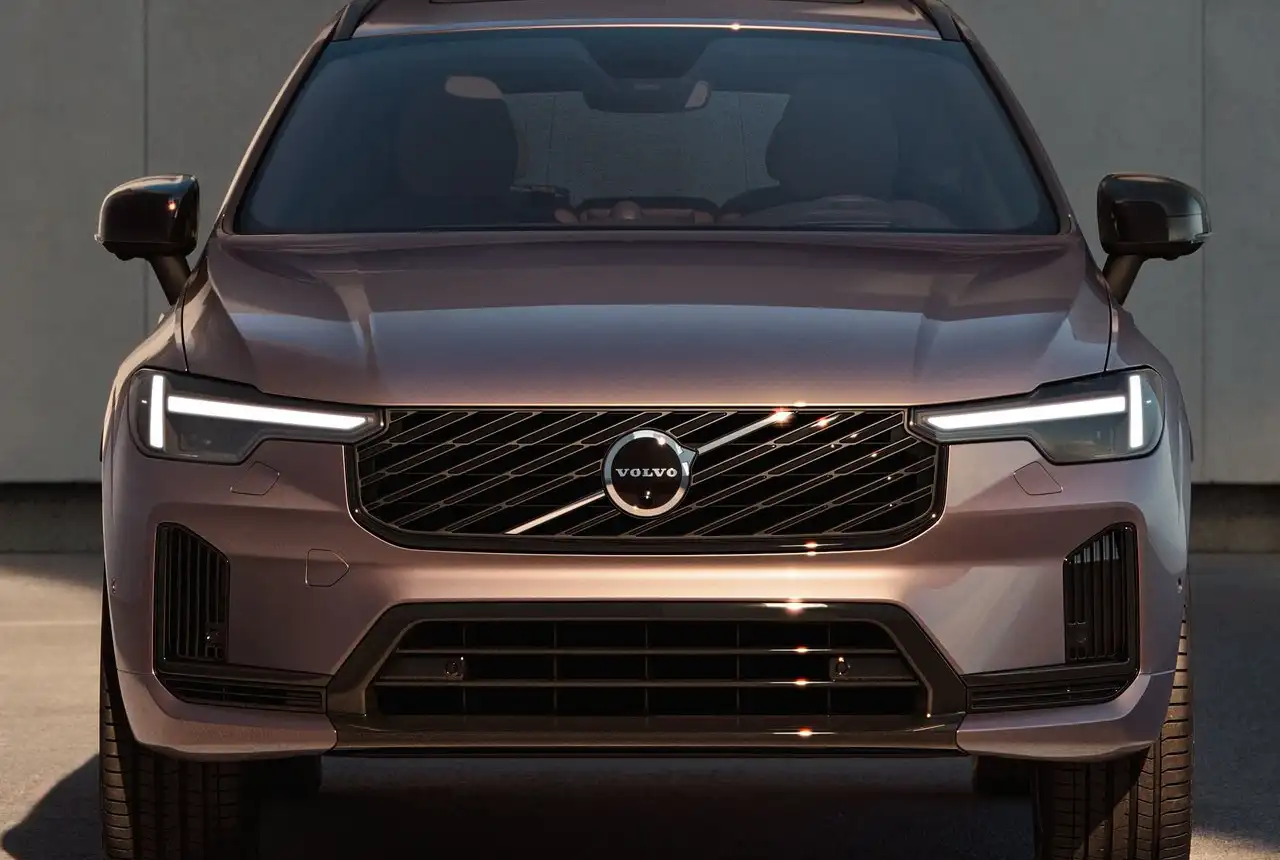
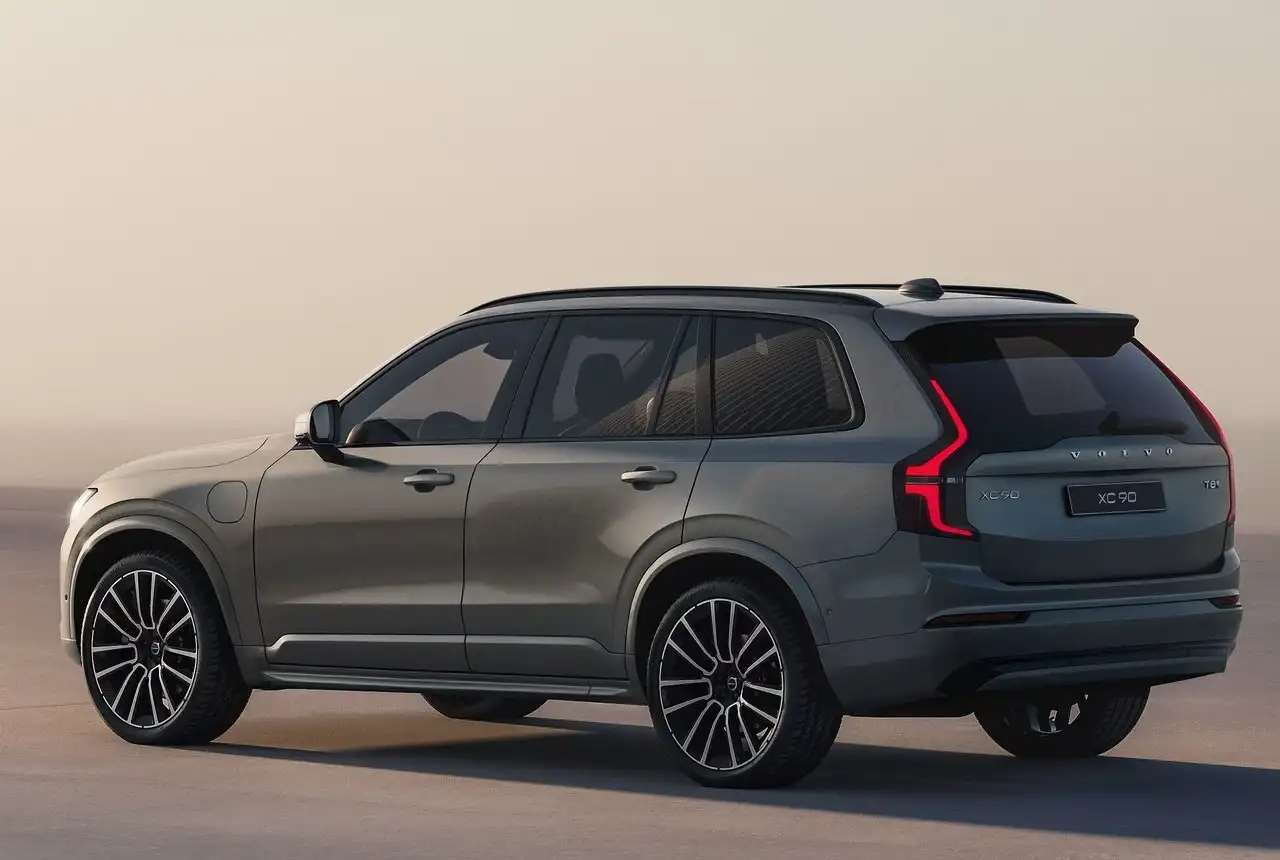
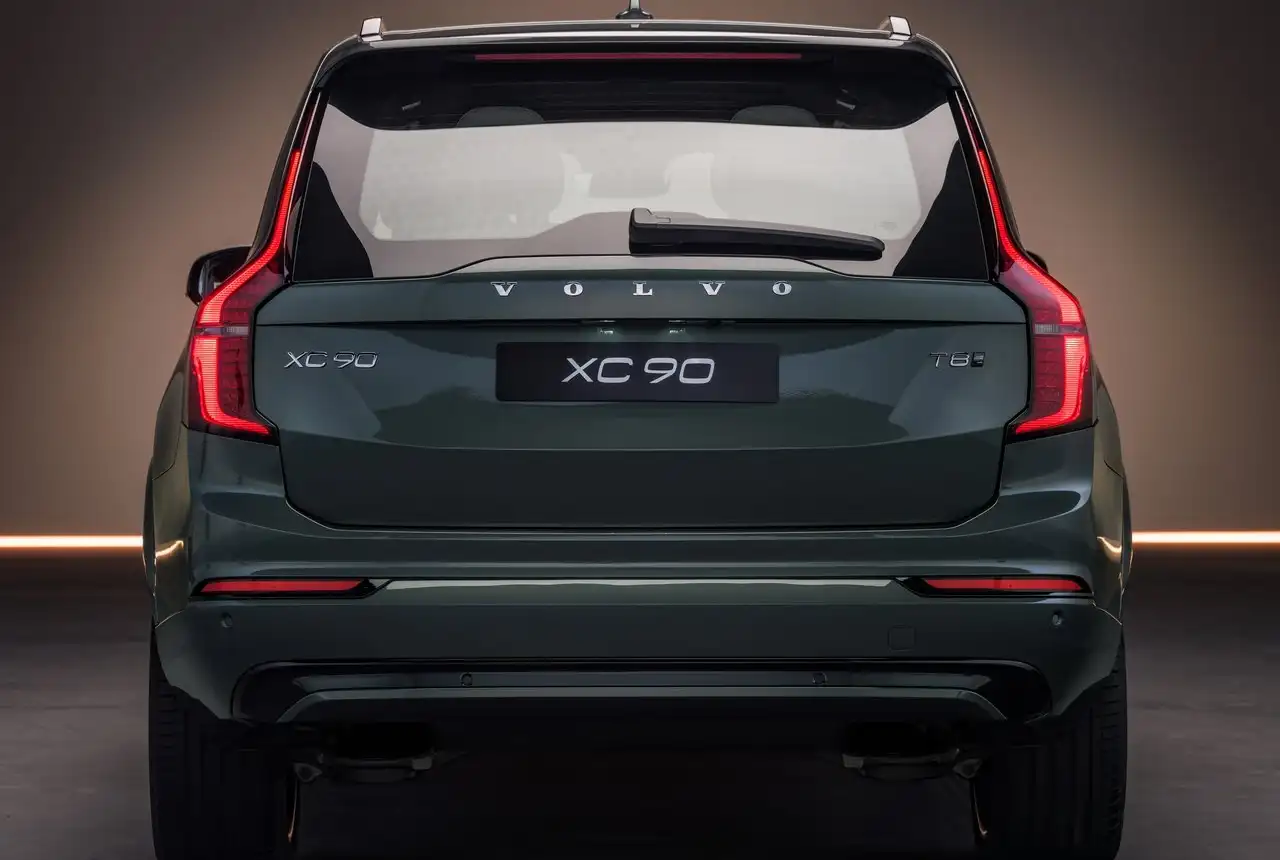
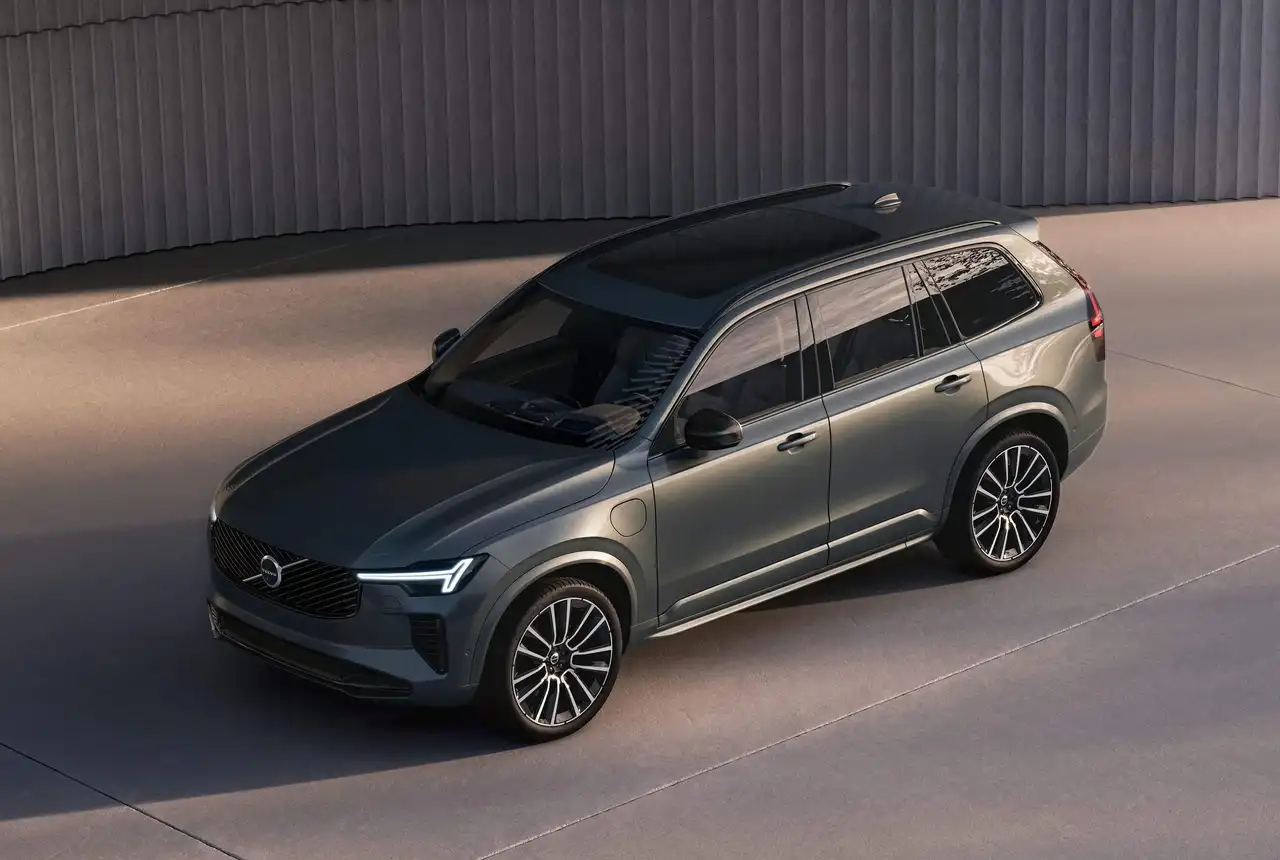
This isn’t a cosmetic refresh. The XC90 keeps its familiar Scandinavian shape, but underneath, the plug-in hybrid system has been rebuilt from the battery up.
What’s New: A Bigger Battery Changes Everything
The headline change is the battery pack. Volvo replaced the old 18.8-kWh unit with a new 41.2-kWh nominal pack (37.9 kWh usable).
That’s more than double the previous capacity, and it comes from the same lithium-ion architecture mounted in the vehicle’s center tunnel.
73 Miles of Pure Electric Range
The result is an EPA-estimated 73 miles of all-electric range, up from just 33 miles on the outgoing T8. For most daily commutes, that means never touching the gas pedal.
Combined with the gasoline engine, Volvo says the XC90 T8 can cover a total of 560 miles on a full tank and a full charge.
Power and Performance: 455 HP Without Losing Efficiency
Despite the bigger battery, total output hasn’t changed from the outgoing high-output T8. The system still produces 455 horsepower and 523 lb-ft of torque.
Engine and Electric Motor Breakdown
Under the hood sits a turbocharged 2.0-liter inline-4 making 247 hp and 266 lb-ft, driving the front wheels through an 8-speed automatic. A new rear-axle electric motor adds 174 hp (130 kW) and 228 lb-ft.
0-60 MPH in 4.9 Seconds
Volvo shaved a tenth of a second off the sprint to 60 mph, now rated at 4.9 seconds. Top speed remains electronically limited to 112 mph.
How the All-Wheel-Drive System Actually Works
The XC90 T8’s AWD layout hasn’t changed conceptually. The gas engine powers the front axle, while the electric motor drives the rear wheels.
In pure electric mode, that means the XC90 is technically rear-wheel drive only. If the car detects a loss of traction, the gasoline engine kicks in to restore all-wheel drive.
Charging Times and Total Range
A full charge takes about 5.7 hours on a Level 2 charger, according to Volvo. There’s no confirmed DC fast-charging capability for this generation of the T8.
For most owners who plug in overnight, that charging window fits easily into a normal routine.
Interior, Technology, and Google Gemini
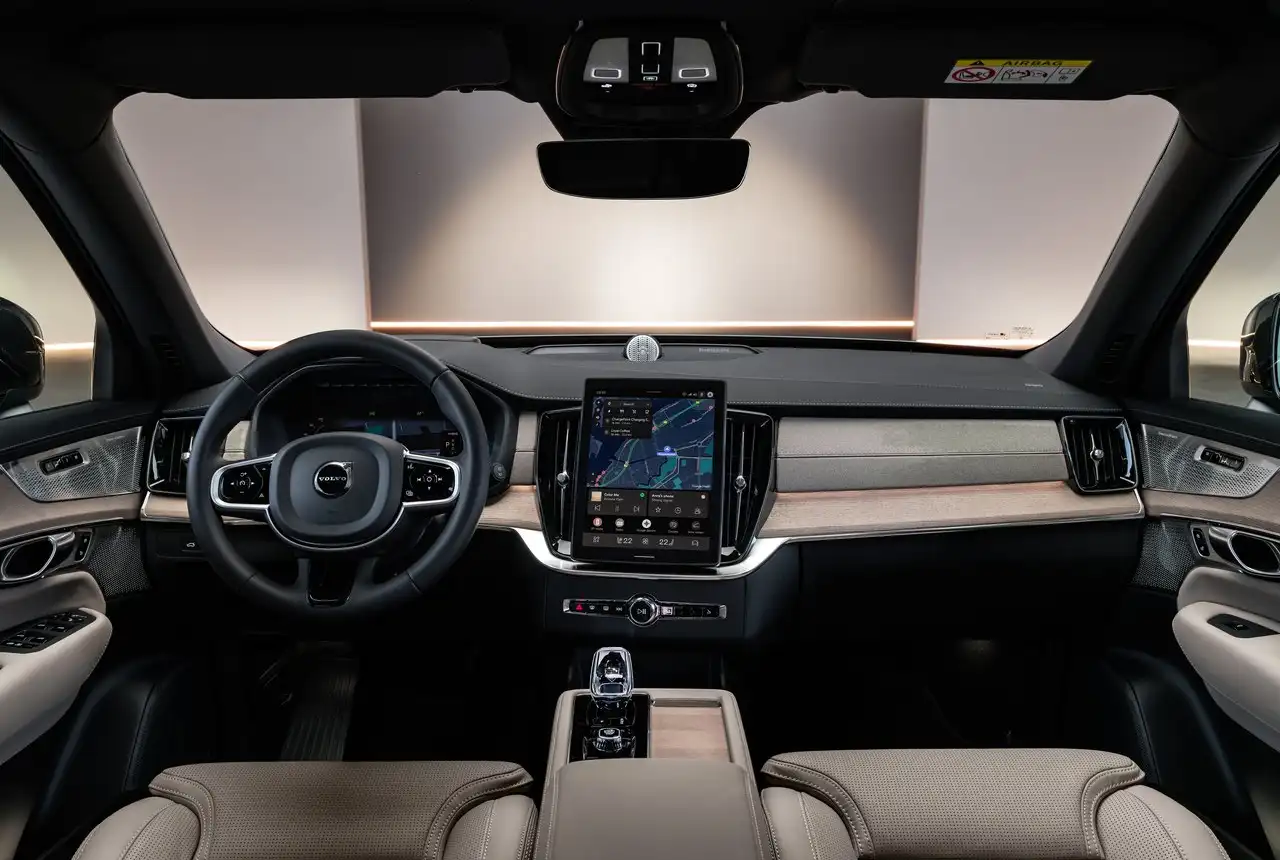
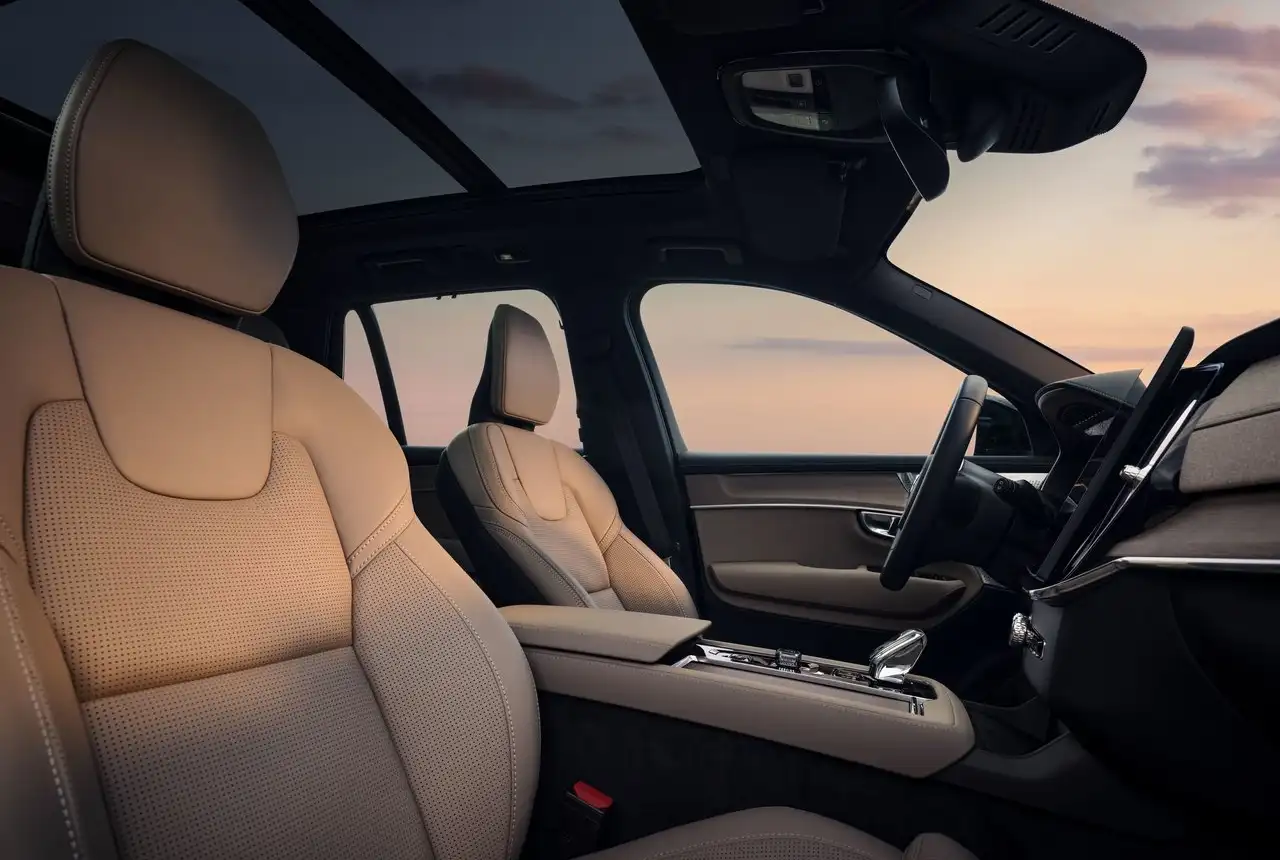
Inside, the XC90 carries over its 11.2-inch touchscreen, now running Google Gemini for natural-language voice commands. An optional Bowers & Wilkins sound system remains available.
Cargo space dips slightly to a maximum of 68.3 cubic feet, down from 68.5 cubic feet, and curb weight rises to 5,271 pounds versus 5,104 pounds before. Seating for up to seven is unchanged.
Volvo XC90 T8 Long-Range: Specs at a Glance
| Specification | Detail |
|---|---|
| Engine | 2.0L turbo-4 + rear electric motor |
| Combined output | 455 hp / 523 lb-ft |
| Battery | 41.2 kWh (37.9 kWh usable) |
| Electric range | 73 miles (EPA-estimated) |
| 0-60 mph | 4.9 seconds |
| Top speed | 112 mph |
| Charging (Level 2) | ~5.7 hours |
| Price | Expected to start near $80,000 |
Price and Release Date: What to Expect
Volvo hasn’t confirmed official pricing for the new XC90 T8 Long-Range. Industry estimates point to a starting price near $80,000, up from the outgoing 2026 XC90 T8’s $77,595 base.
The related XC60 T8 arrives first in late 2027 for the 2028 model year, with the XC90 following soon after. Volvo says it will confirm final pricing closer to the XC90’s U.S. arrival.
Frequently Asked Questions
How much electric range does the 2028 Volvo XC90 T8 have?
The 2028 XC90 T8 Long-Range is rated for 73 miles of all-electric driving, more than double the outgoing model’s 33-mile rating.
What’s the horsepower of the new Volvo XC90 T8?
The plug-in hybrid system produces a combined 455 horsepower and 523 lb-ft of torque, unchanged from the previous high-output T8.
How fast is the 2028 Volvo XC90 T8 from 0-60 mph?
Volvo rates the 2028 XC90 T8 at 4.9 seconds to 60 mph, a tenth of a second quicker than before.
How long does it take to charge the Volvo XC90 T8?
A full charge takes roughly 5.7 hours using a Level 2 home charger, according to Volvo.
When does the 2028 Volvo XC90 go on sale?
Volvo hasn’t set an exact date. The XC60 T8 launches first in late 2027, with the XC90 T8 Long-Range expected to follow shortly after for the 2028 model year.
Final Verdict
The 2028 Volvo XC90 T8 Long-Range solves the biggest weakness of the previous plug-in hybrid: limited electric range. With 73 miles of EV driving, many owners may rarely need the gas engine for daily use.
Performance hasn’t suffered either, with 455 hp and a 4.9-second 0-60 time keeping the big SUV genuinely quick. The tradeoffs are minor: slightly more weight and a touch less cargo room.
For buyers who can charge at home and want a three-row luxury SUV that behaves like an EV most of the time, this update makes a strong case. Final pricing, expected near $80,000, will determine just how compelling that case really is.
Related posts