Meet the Volkswagen Mission Efficiency, an EV That Sips Just 6.89 kWh/100 km
The Volkswagen Mission Efficiency concept sets a 0.158 drag coefficient world record and promises 500+ miles of range, with no price tag attached.
- Danniel Bittencourt
- 14/09/2026
- 2:28 pm
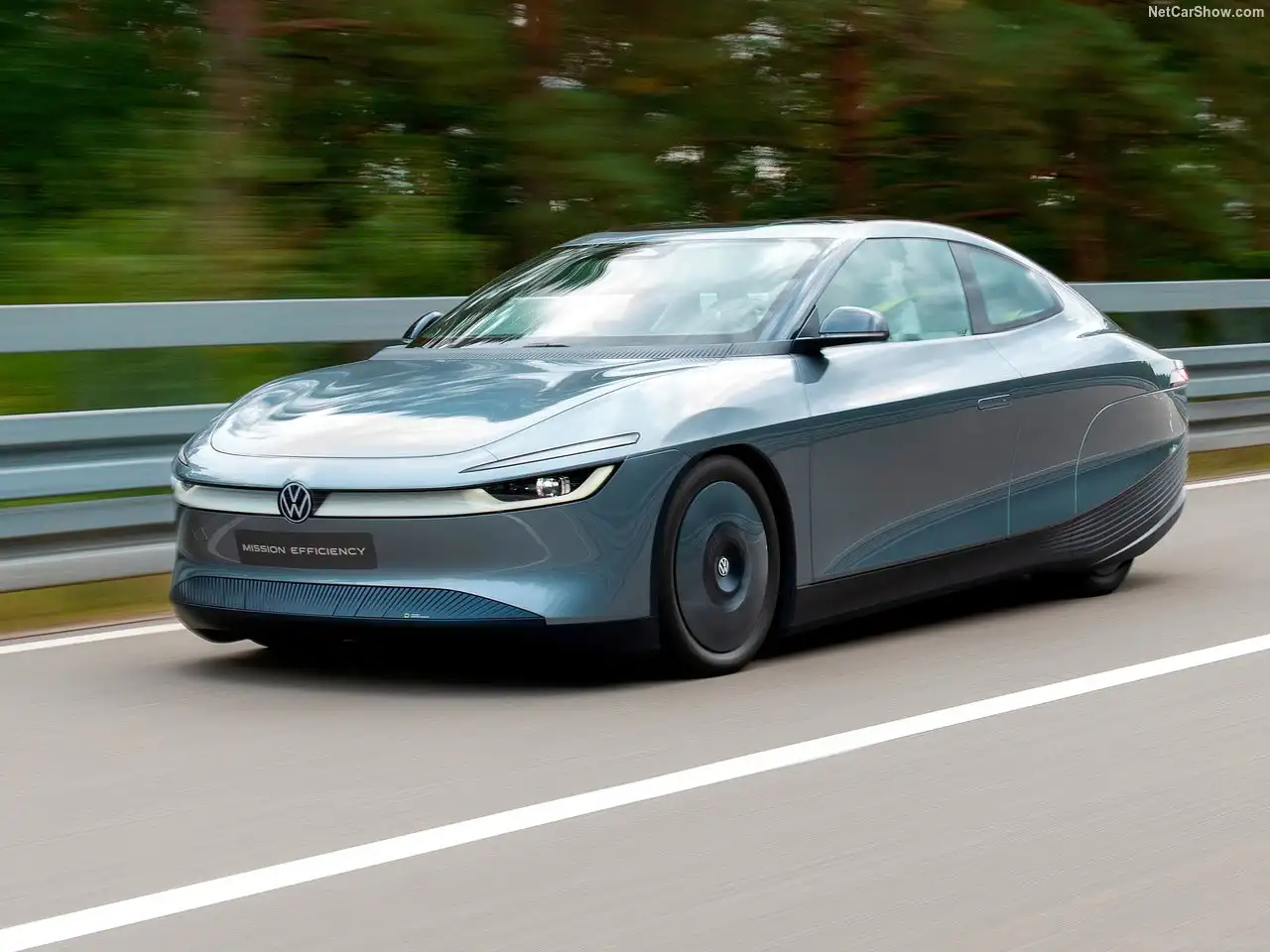
Volkswagen Mission Efficiency Breaks the Aerodynamic Rulebook
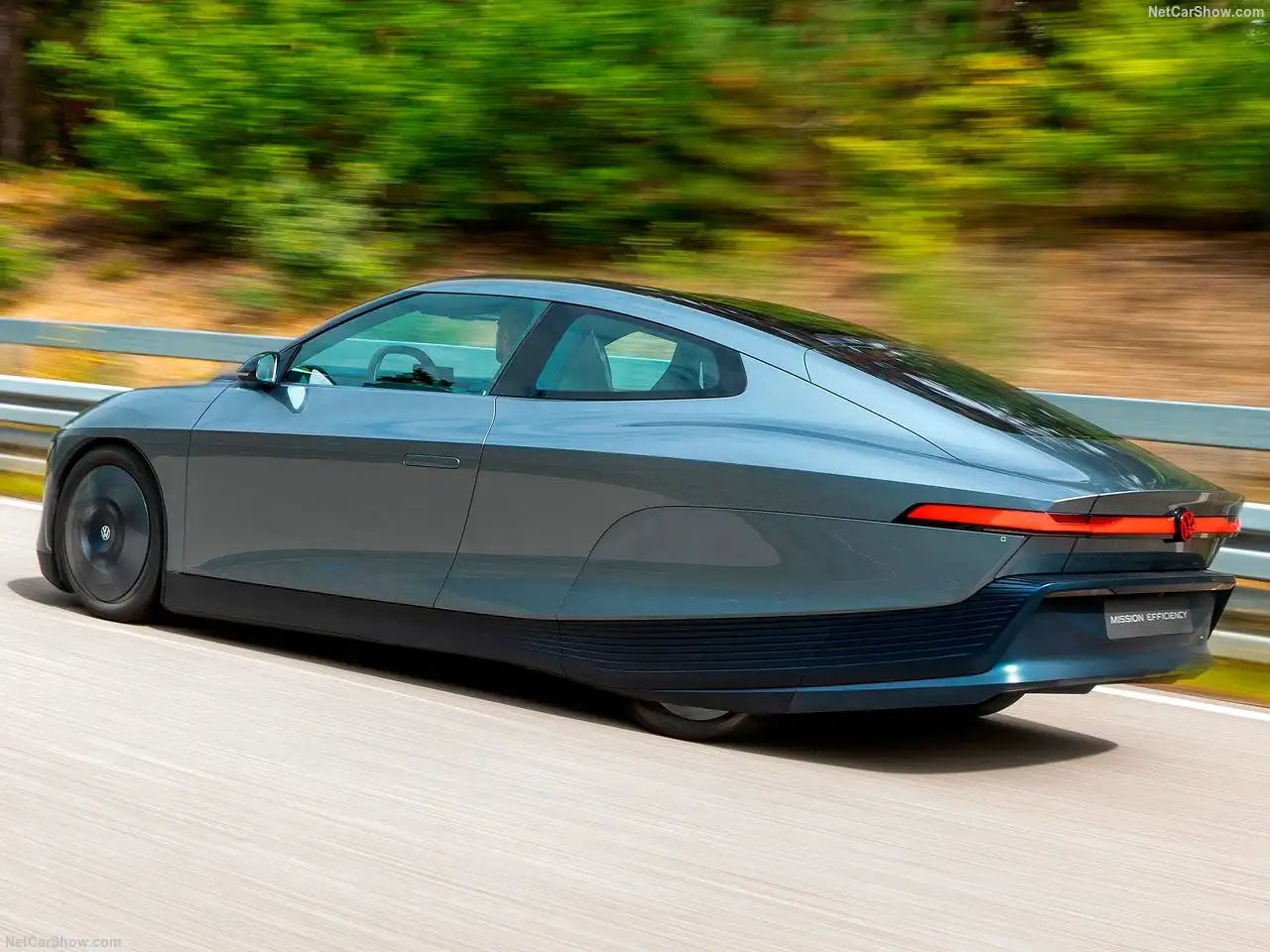
Volkswagen just built a car that slips through the air better than anything else with a license plate. It’s called the Mission Efficiency, and it’s not a supercar chasing lap times.
It’s chasing something far rarer in the EV world right now: raw efficiency.
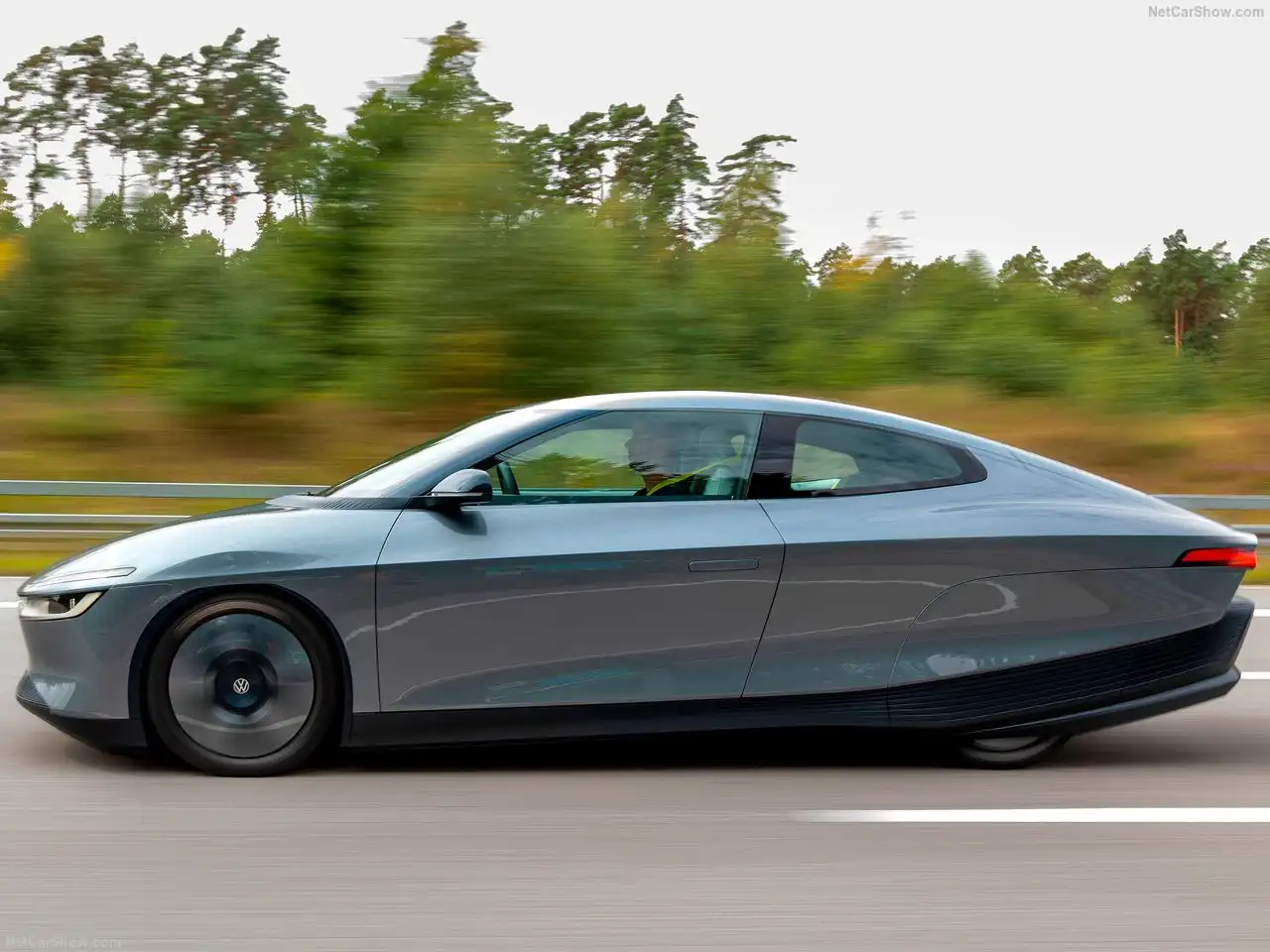
The numbers are almost hard to believe. A 0.158 drag coefficient. A real-world consumption of 6.89 kWh per 100 km on a drive that crossed three countries. And a body shape so extreme it looks like it wandered out of a wind tunnel and onto the street.
Here’s everything you need to know about it.
Three World Records in One Car
Volkswagen didn’t just build a pretty concept and call it efficient. The brand took the Mission Efficiency out on a real, documented, 1,278-kilometer drive from Wolfsburg to Vienna, running through Poland and the Czech Republic.
The result: three verified world records.
The headline one is aerodynamics. At Cd 0.158, Volkswagen says this is the lowest drag coefficient ever recorded on a road-legal production-based vehicle. Combined with a tiny 2.08-square-meter frontal area (about 22.4 square feet), the Mission Efficiency pushes less air out of the way than practically anything else on sale or in testing today.
The second record covers real-world driving. Over that long, mixed-condition route, the car averaged 6.89 kWh/100 km, excluding charging losses. For comparison, most compact EVs on sale today burn through nearly double that.
The third record came from a controlled test at a constant 68 km/h (about 42 mph), where consumption dropped even further, to 6.48 kWh/100 km.
Inside the Numbers: Specs at a Glance
| Spec | Volkswagen Mission Efficiency |
|---|---|
| Body style | 2+2 coupe, near-production concept |
| Platform | MEB+, front-wheel drive |
| Motor | 99 kW (133 hp), shared with the ID. Polo |
| Battery | 54.9 kWh usable |
| Drag coefficient | Cd 0.158 (world record) |
| Frontal area | 2.08 m² (22.4 sq ft) |
| Real-world consumption | 6.89 kWh/100 km |
| Constant-speed consumption | 6.48 kWh/100 km |
| Length | 4,775 mm (188 in) |
| Height | 1,392 mm (54.8 in) |
| Cargo space | 481 liters (17 cu ft) |
| Seating | 2+2 |
| Status | Concept, not for sale |
Built on the ID. Polo, Not From a Blank Sheet
Here’s the part that makes the Mission Efficiency genuinely important, and not just a design exercise. It isn’t running some exotic, hand-built powertrain.
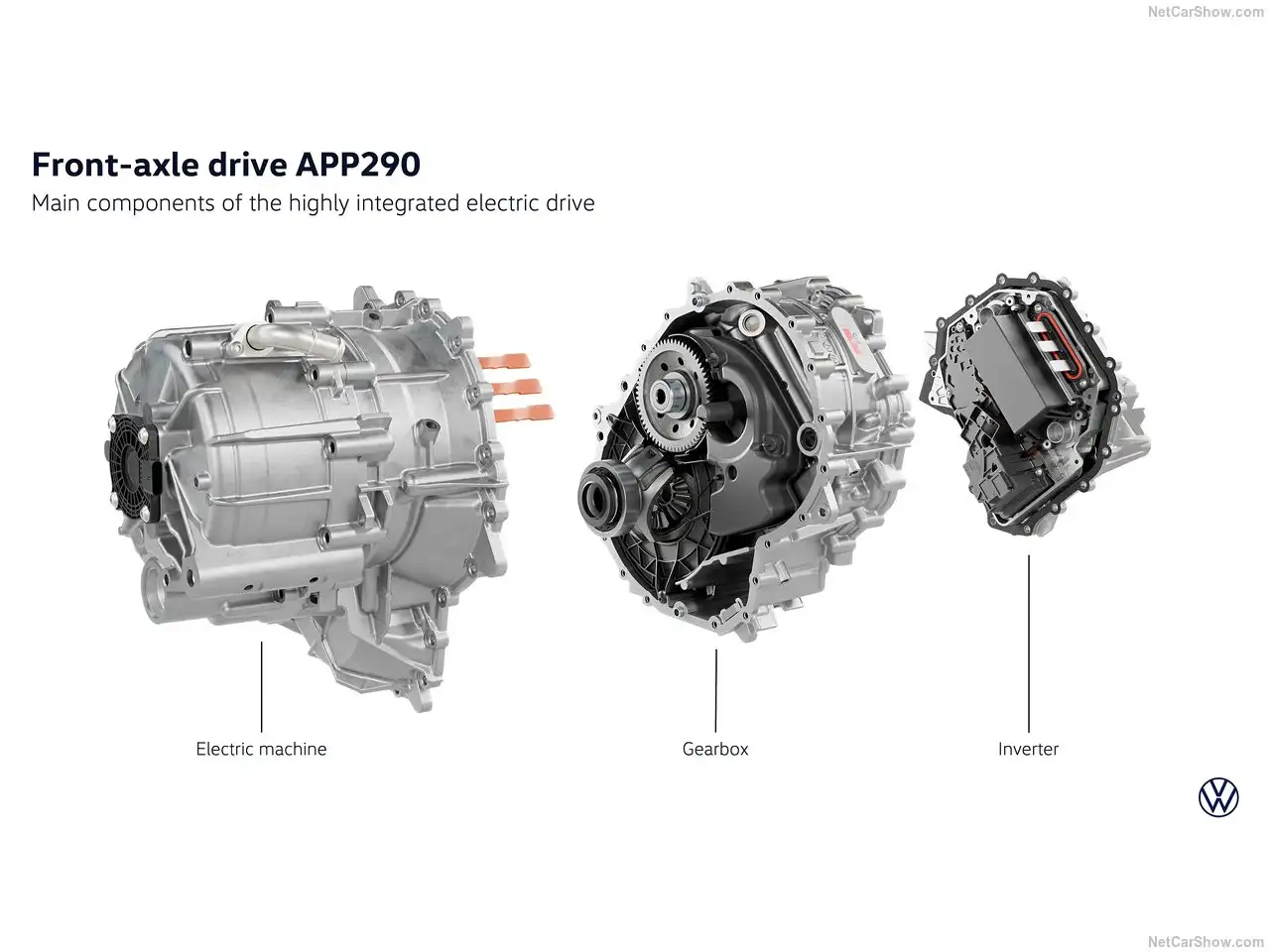
Under the skin, it shares its 99 kW (133-hp) electric motor and its front-wheel-drive MEB+ platform with the regular Volkswagen ID. Polo, the brand’s compact electric hatchback that starts at roughly €25,000 in Europe (about $27,000 USD).
Even the 54.9-kWh battery is close to what you’d find in a higher-spec ID. Polo. Volkswagen’s point is blunt: you don’t need a bigger, heavier, more expensive battery pack to unlock huge efficiency gains. You need better aerodynamics, less weight, and a smarter drivetrain.
At speeds above 80 km/h (50 mph), Volkswagen says the Mission Efficiency uses over 30 percent less energy than a standard ID. Polo. At 140 km/h (87 mph), it needs roughly the same energy the ID. Polo uses at just 100 km/h (62 mph).
That’s the kind of gap that actually matters on a highway road trip.
How VW Squeezed Out Every Last Kilowatt-Hour
A Teardrop Shape, On Purpose
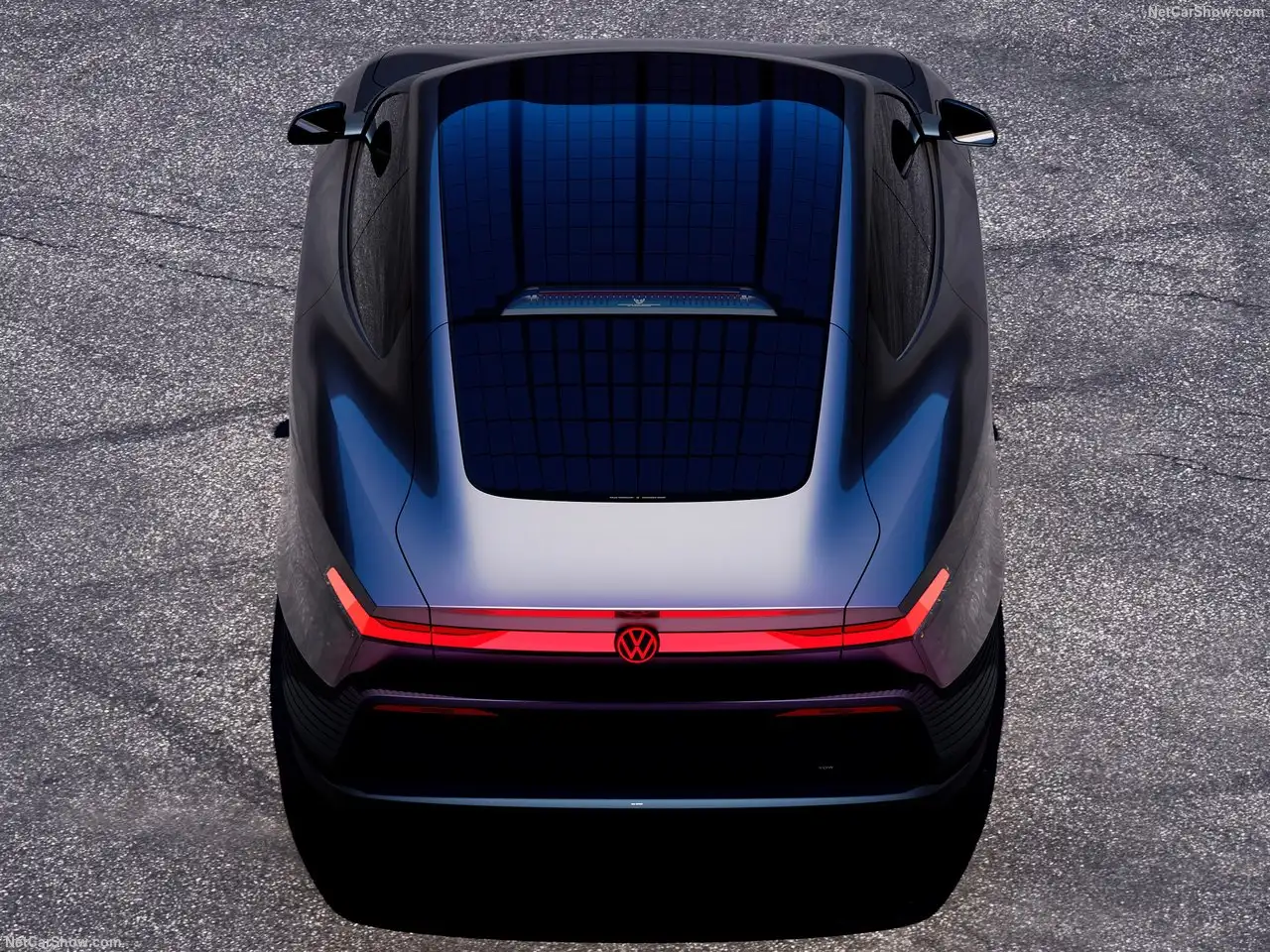
The silhouette is the whole story here. Volkswagen shaped the Mission Efficiency like a flattened teardrop: a rounded nose, a long, tapering tail, and a roofline that drops away gradually instead of cutting off sharply.
Frameless windows and door handles flush with the bodywork remove tiny air-disrupting gaps you’d never notice, but that add up at speed.
Active Cooling Flaps
The front end hides three active cooling flaps, one large central flap and two smaller side flaps, that can open in five different combinations depending on how much cooling the car actually needs.
Most of the time, they stay shut, sealing off the nose and letting air slide past instead of getting scooped in. They only open fully during hard use or DC fast charging, when the battery genuinely needs the airflow.
Enclosed Wheels and Low-Rolling-Resistance Tires
The rear wheels are fully covered, and the fronts use patented inner deflectors that stop air from tumbling around inside the wheel arch, a surprisingly large source of drag on most cars. Flat aero hubcaps finish the look.
Volkswagen also worked with Continental on a custom tire based on the EcoContact 7, tuned specifically to cut rolling resistance without sacrificing grip or wet-weather safety.
A Fully Clad Underbody
Nothing hangs down to catch the airflow. The entire underside is smoothed over, which is a big part of why the car glides at highway speed instead of fighting the air beneath it.
Design That Still Works as a Real Car
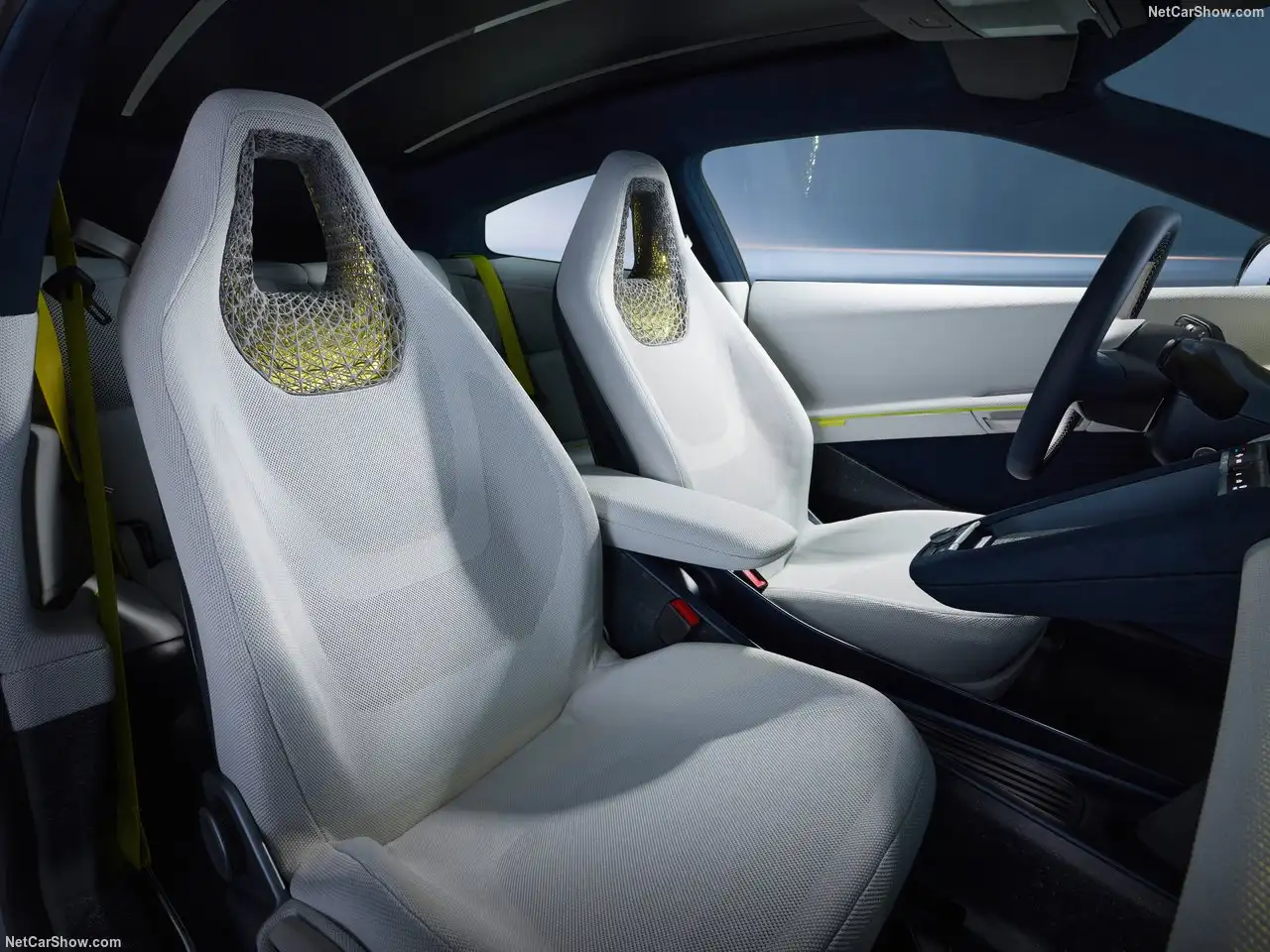
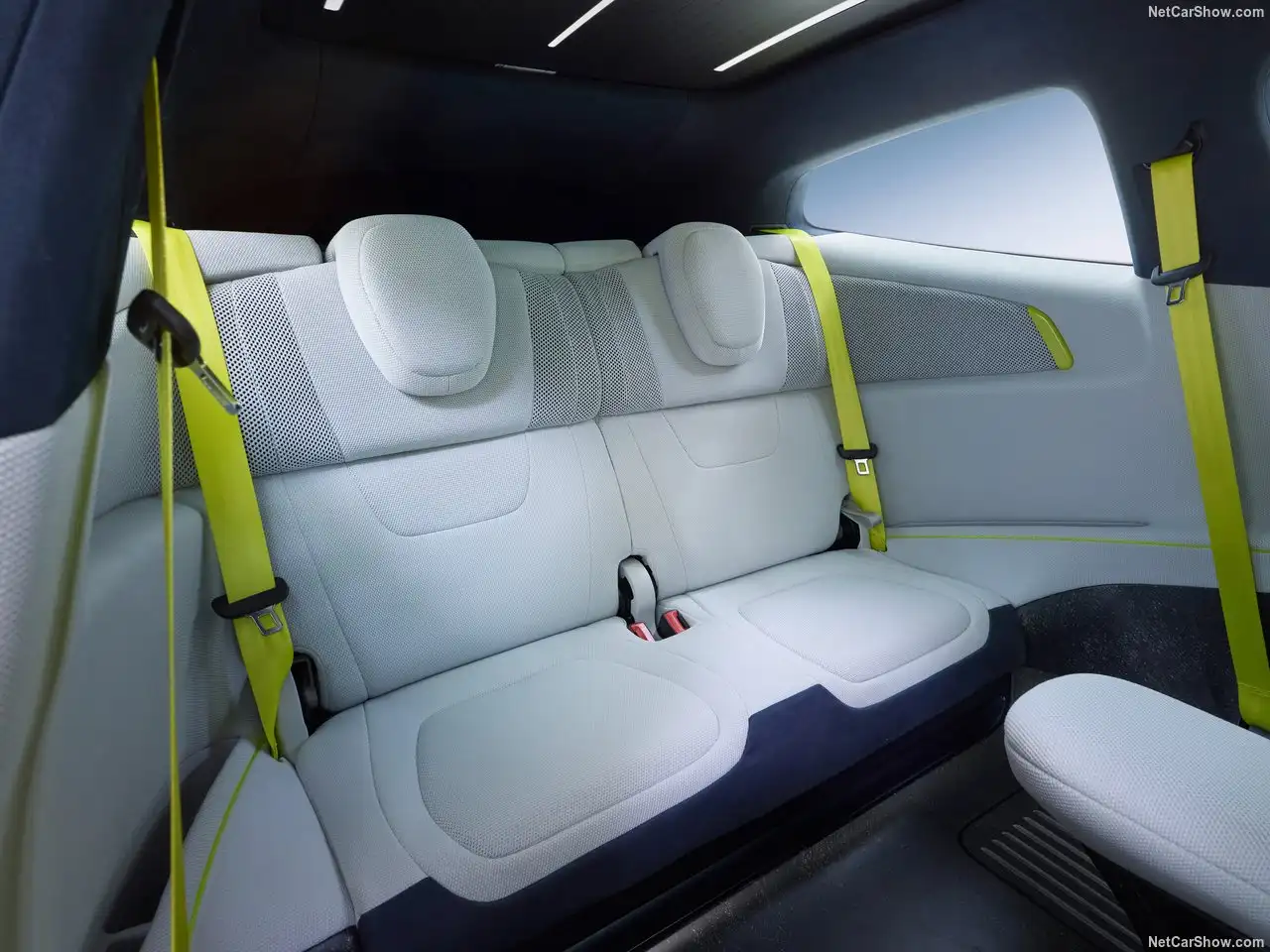
Despite the extreme shape, this isn’t a one-person science experiment. The Mission Efficiency keeps 2+2 seating and a genuinely usable 481-liter cargo hold, larger than plenty of compact hatchbacks on sale today.
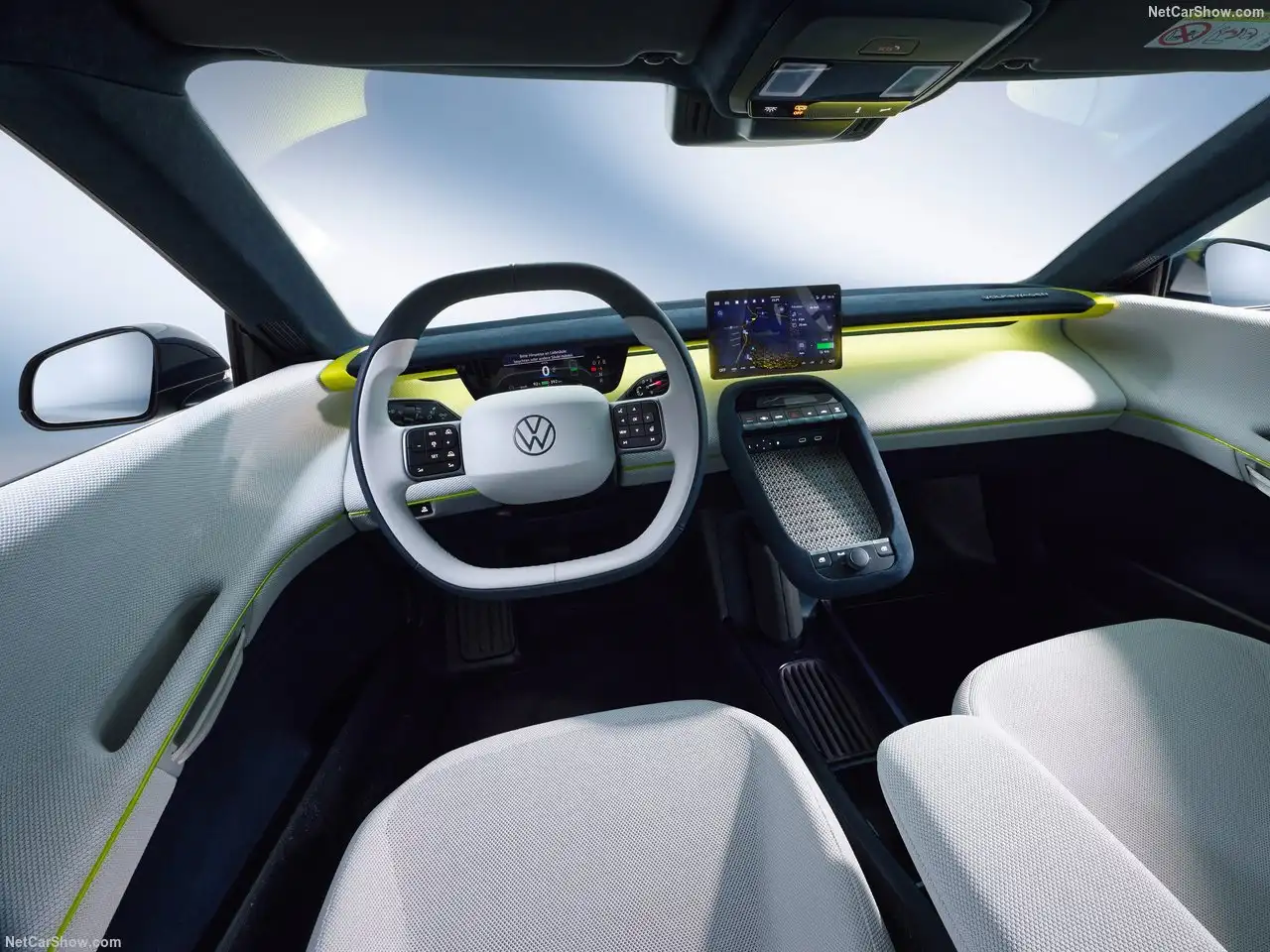
Rear passengers are sized for people up to about 5-foot-3, with extra storage tucked beneath the seats and along the body sides to make up for the sloped roofline. Inside, the cabin borrows switchgear and architecture from the ID. Polo, keeping things grounded in production reality rather than concept-car fantasy.
Volkswagen Chief Designer Andreas Mindt has said the car’s front end deliberately ties into the brand’s growing ID. family, meaning styling cues from the Mission Efficiency are likely to echo into future production EVs, not just sit in a design studio.
What This Means for Future Volkswagen EVs
Volkswagen brand CEO Thomas Schäfer summed up the whole project simply: this is about proving efficiency doesn’t require exotic engineering, it requires smart engineering that can actually reach mass-market cars.
The Mission Efficiency was revealed alongside the international launch of the production ID. Polo in Vienna, and that timing wasn’t an accident. Volkswagen wants the message clear: the lessons from this concept, better aerodynamics, lighter components, smarter thermal management, are meant to filter down into the ID. lineup that customers can actually buy.
Think of it as VW’s modern answer to the legendary XL1 from the Ferdinand Piëch era, except built on hardware that’s already rolling off a production line in Martorell, Spain, rather than a low-volume, ultra-expensive halo project.
FAQ
Is the Volkswagen Mission Efficiency for sale? No. It’s a near-production concept vehicle built to demonstrate technology, not a car you can order or buy. Volkswagen has not announced any plans to put it into production as-is.
What powers the Mission Efficiency? A 99 kW (133 hp) electric motor and a 54.9 kWh battery, both shared with the standard Volkswagen ID. Polo, mounted on the MEB+ front-wheel-drive platform.
What makes it so efficient? Mostly aerodynamics. Its 0.158 drag coefficient is a world record for a road-legal car, helped by a small 2.08 m² frontal area, active cooling flaps, enclosed wheels, low-rolling-resistance tires, and a fully clad underbody.
How does it compare to the regular ID. Polo? Volkswagen says the Mission Efficiency uses over 30 percent less energy than the ID. Polo at highway speeds, despite sharing the same motor and a similarly sized battery.
Does it have real cargo space? Yes. Despite the extreme aero shape, it keeps 2+2 seating and a 481-liter trunk, more than many compact hatchbacks.
Final Verdict
The Volkswagen Mission Efficiency isn’t trying to be the fastest or the flashiest concept on the show stand. It’s trying to prove a much more useful point: that efficiency, not raw battery size, is the next real battleground for EVs.
By building its record-breaking numbers on the same motor, platform, and roughly the same battery as a car you can actually walk into a dealership and order, Volkswagen has made a case that’s hard to argue with. This isn’t science-fiction engineering.
It’s a preview of what its next generation of ID. models could look like once these ideas make the jump from concept to showroom floor.
Related posts