DS N°7 Beats Most Premium Rivals on Electric Range
The DS N°7 launches in Europe with hybrid and electric powertrains rated up to 456 miles of range, but there’s still no word on a U.S. launch. Here’s what we know about the new SUV from DS.
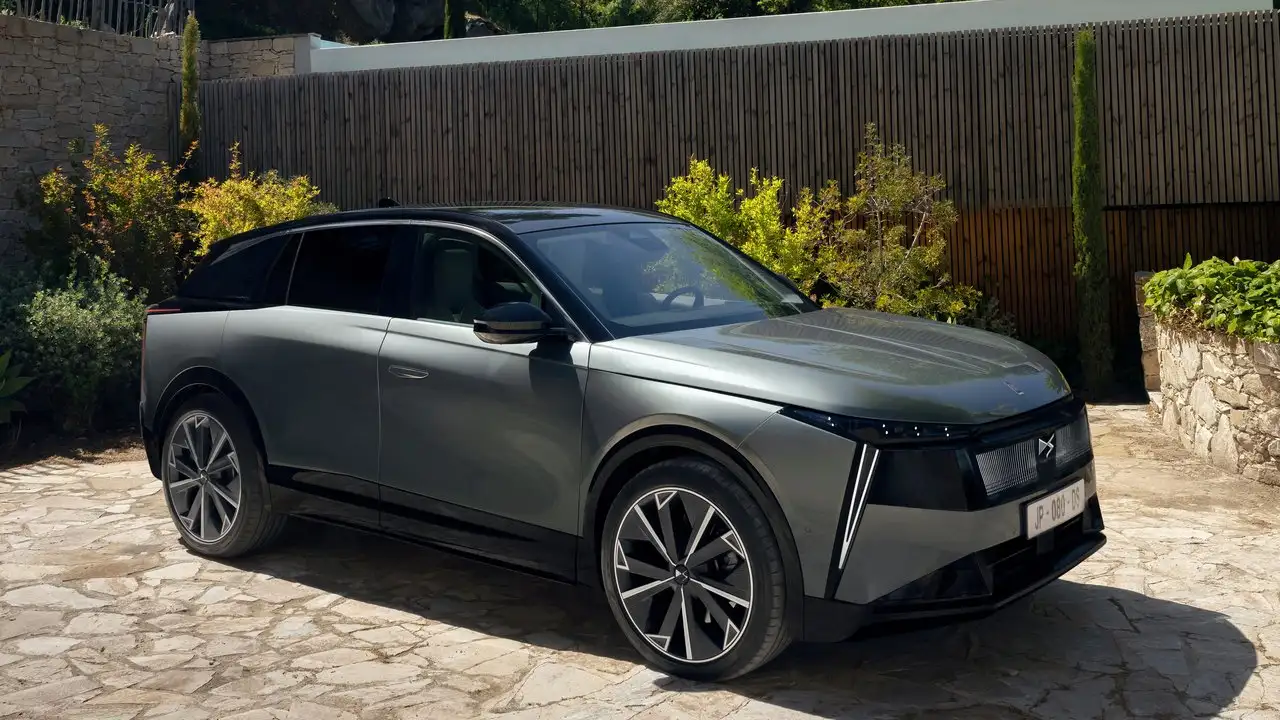
DS N°7: New DS SUV Arrives With Up to 456 Miles of Electric Range
The DS N°7 replaces the outgoing DS 7 and debuts on a new multi-energy platform, STLA Medium. The SUV launched in Europe in March 2026, with orders opening in May.
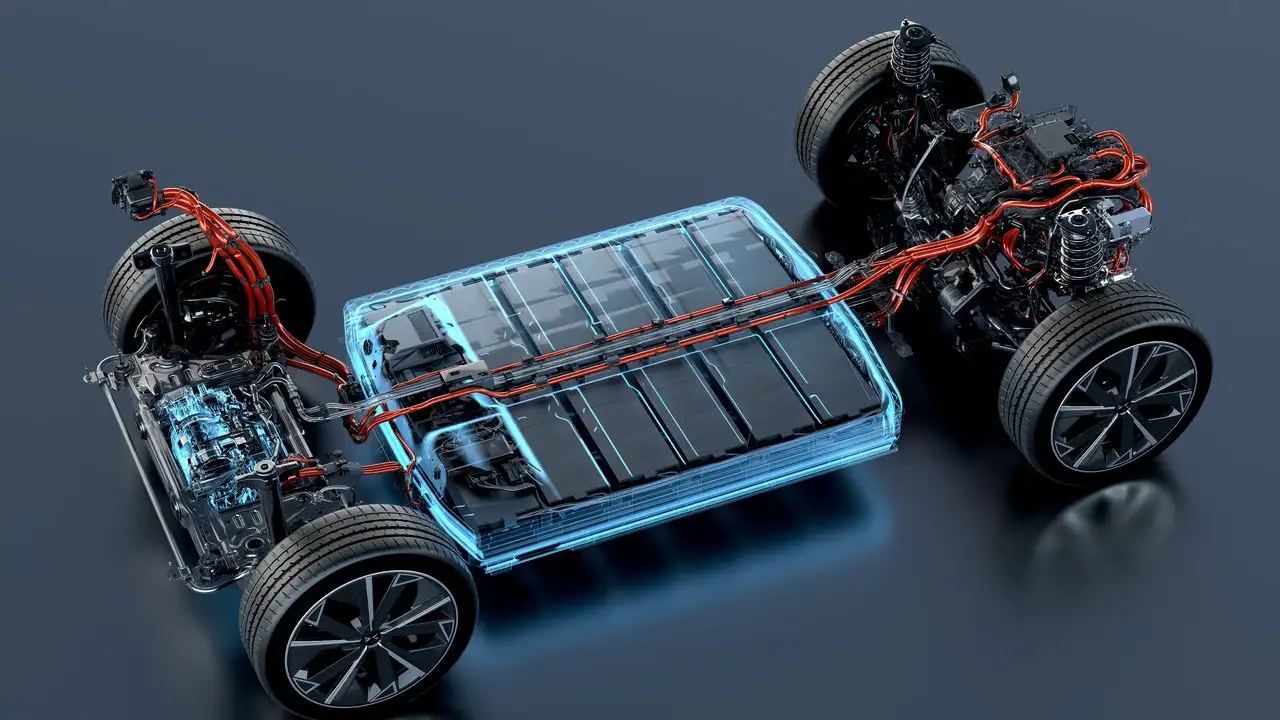
The lineup pairs a 145-horsepower hybrid with three electric configurations, ranging from 230 hp to 350 hp (375 hp with boost mode active), and an EPA-style WLTP range rating of up to 456 miles on the top variant.
The vehicle targets buyers who want a premium compact SUV outside the usual German lineup, think Audi Q3 and BMW X1. As of now, DS Automobiles has not announced any plans to bring the N°7 to the United States.
Quick Specs
| Specification | Details |
|---|---|
| Category | Midsize premium SUV |
| Powertrain | Electric, front motor, 97.2 kWh battery (E-Tense FWD Long Range, reference trim) |
| Horsepower | 245 hp, up to 280 hp with boost |
| Torque | 253 lb-ft |
| Transmission | Single-speed |
| Drivetrain | Front-wheel drive |
| 0-60 mph | Not officially rated; 0-62 mph in 7.8 seconds |
| Top speed | 118 mph, electronically limited |
| Efficiency | Roughly 3.7-3.9 mi/kWh combined |
| Range | 363-456 miles (WLTP) |
| On-sale date | European deliveries expected in Q4 2026. Not confirmed by the automaker for the U.S. |
That trim is just the middle of the range. There’s a hybrid for buyers who prioritize efficiency, an all-wheel-drive version for those who want more response, and a price spread wide enough to separate very different types of buyers. Worth breaking down before placing the N°7 against the rest of the market.
Sheet Metal Built to Set the DS N°7 Apart From German Rivals
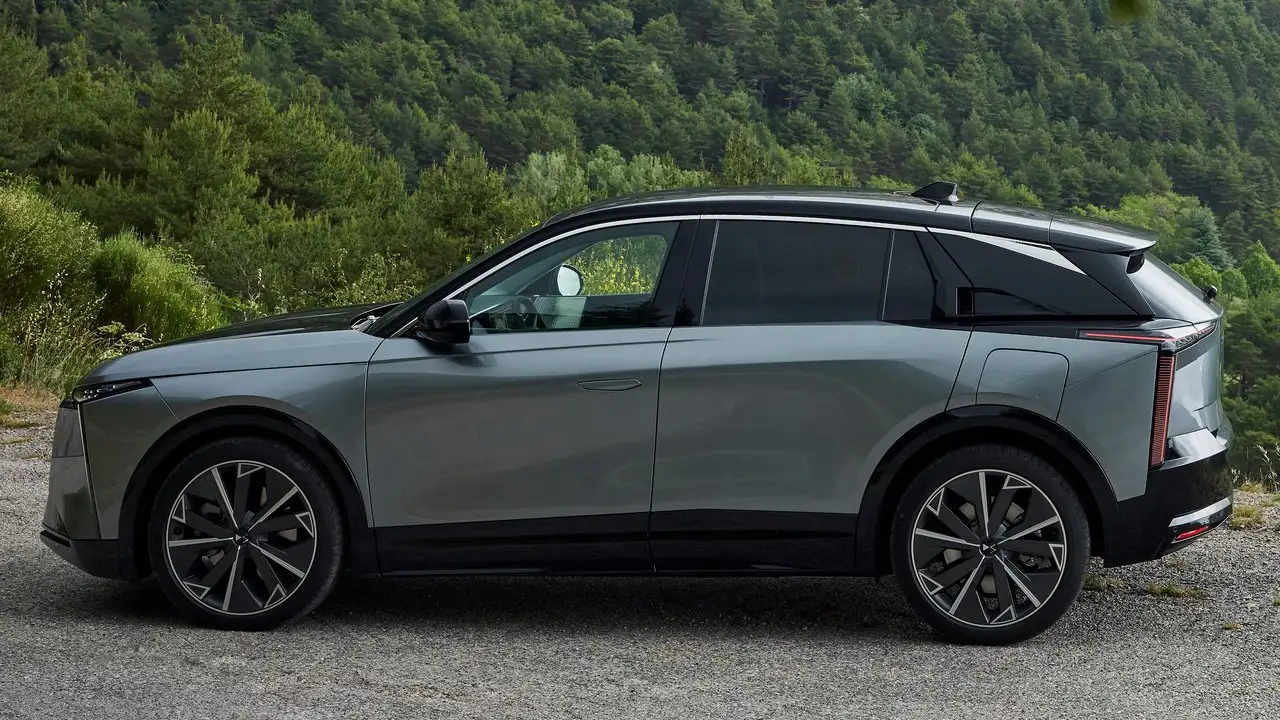
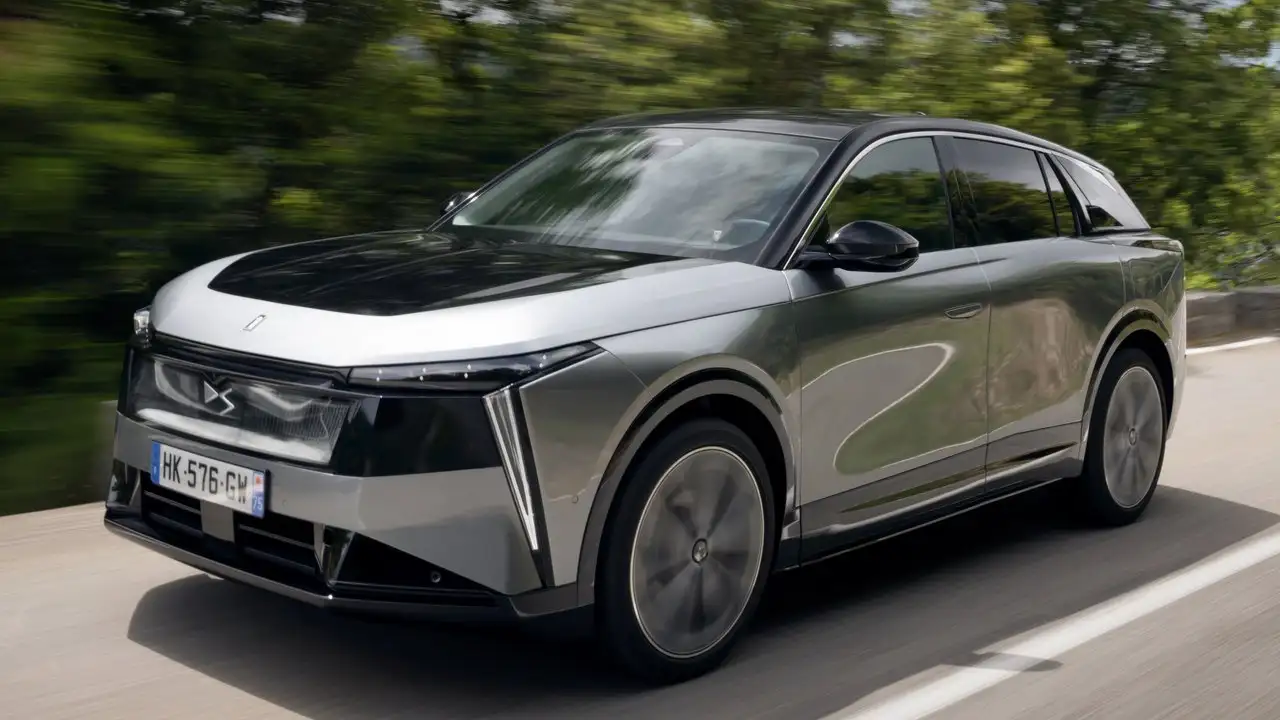
The N°7 follows DS’s Aero Sport Lounge design language. Up front, the V-shaped DS Light Blade lighting signature pairs with the illuminated DS Luminascreen grille, giving the SUV a face that doesn’t blend in with its direct competitors.
In profile, a curved roofline with an integrated spoiler helps the SUV hit a 0.26 drag coefficient, a figure that matters for highway efficiency and cabin noise at speed. Wheels go up to 21 inches on top trims.
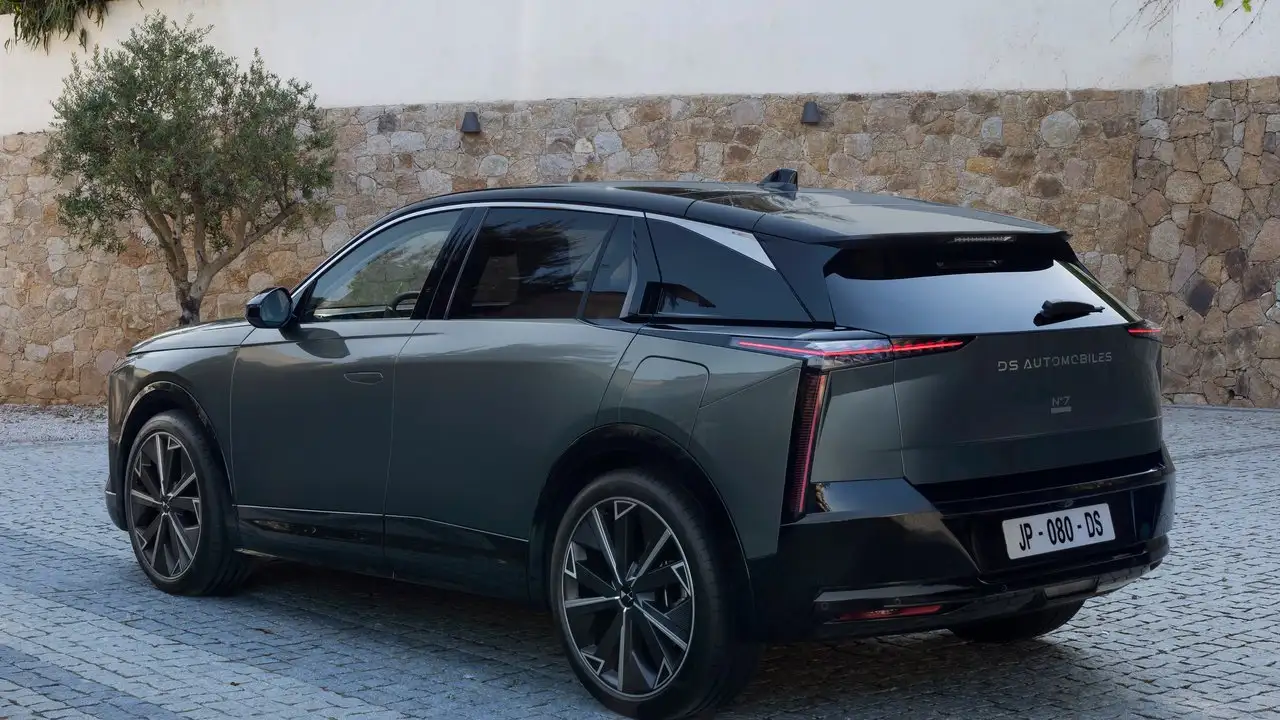
Around back, the same vertical light signature does double duty managing airflow, it’s not just for show. Two-tone paint options, with a darkened roof or hood, reinforce the exclusivity angle without relying on sheer size.
The design breaks from the previous-generation DS 7 and leans into a more aerodynamic shape, one that fits the efficiency demands of the electric variants.
Inside the Cabin: What Changes in This French-Styled SUV
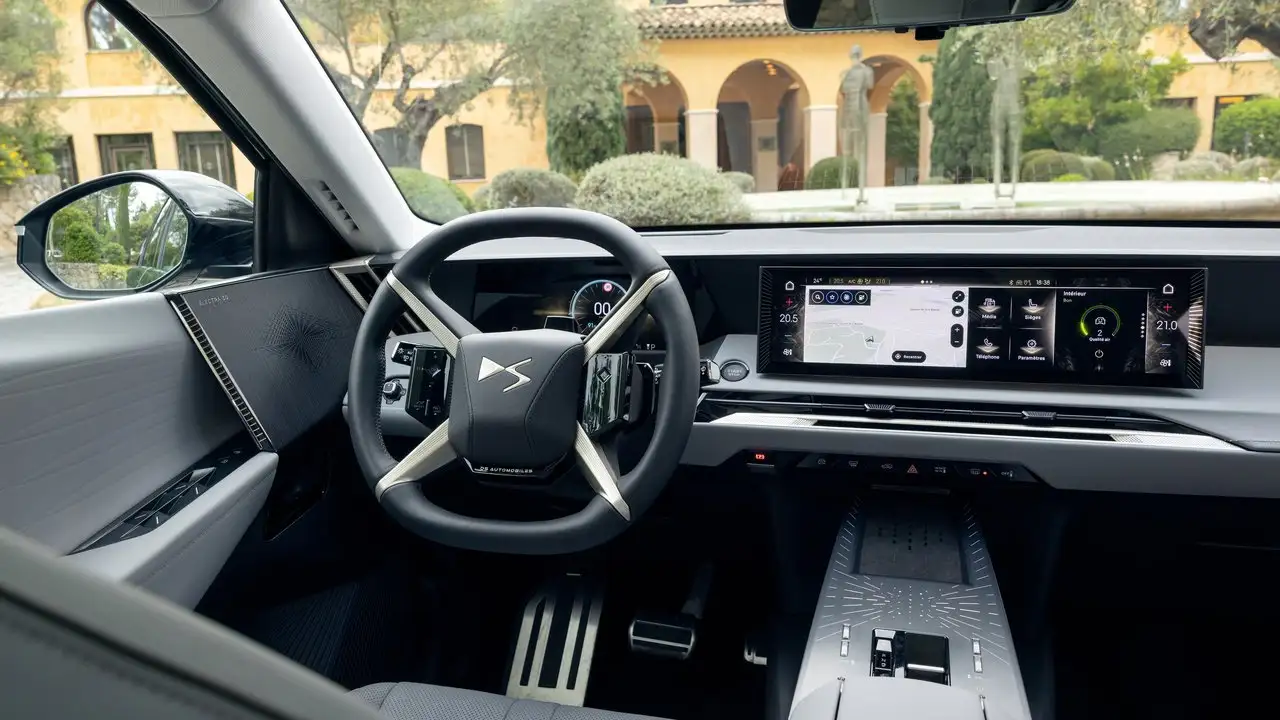
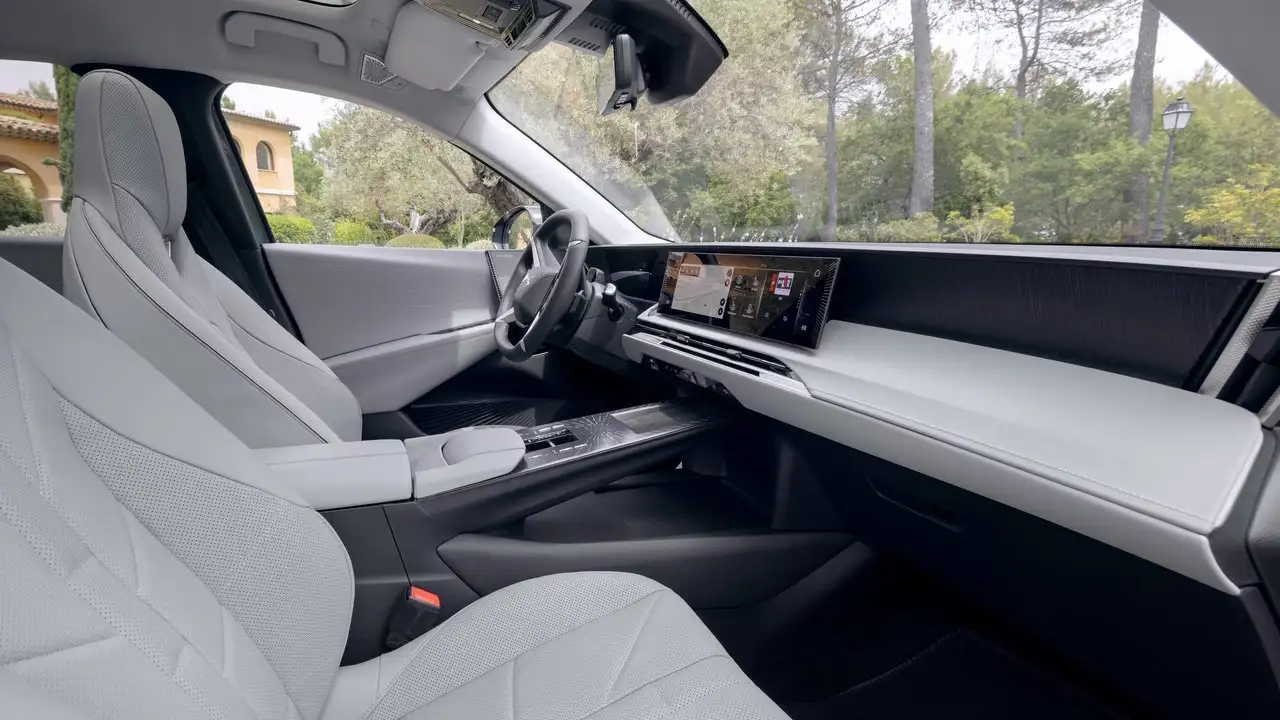
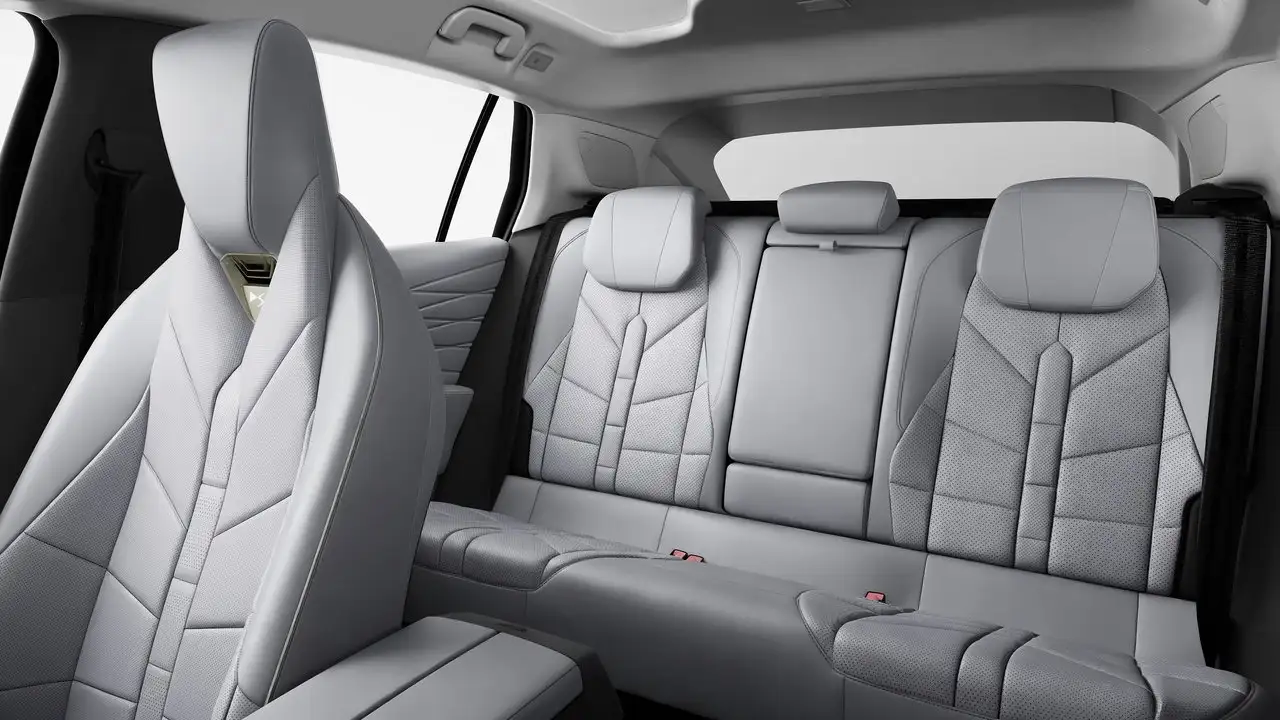
The N°7’s dashboard uses Nappa leather, Alcantara, real wood, and brushed aluminum, part of what DS calls its “French premium” approach. The seats feature “bracelet” stitching and “Clous de Paris” detailing, with five different color and material combinations available.
Front seats get heating, ventilation, massage, and a neck-warming function DS calls Neck Warmer, a feature rarely found at this price point. The ergonomics stick to a fairly conservative layout, without a dramatic break from previous generations.
For buyers coming out of a Peugeot 3008 or a German premium SUV, the interior finish reads as a step up, particularly in the darker trim combinations.
Screens, Driver Assists, and How Much Room Is Left in Back
The DS IRIS System 2.0 infotainment setup runs on a 16-inch touchscreen with built-in voice recognition, including ChatGPT support. A 10.25-inch digital gauge cluster works alongside an extended head-up display that projects speed and navigation onto the windshield.
The driver-assist package includes Level 2 semi-autonomous driving, matrix LED headlights with a claimed 520-meter range, and an infrared night-vision camera that can spot pedestrians and animals up to roughly 300 meters ahead. Based on the available data, it’s one of the more complete packages in the segment.
Cargo space comes in at 19.8 cubic feet on front-wheel-drive versions, a competitive number for the class. The cabin’s clear strength is that tech package; the real weak point is the entry-level hybrid, flagged in testing as the least convincing part of the lineup on the performance side.
Hybrid or Electric: Which DS N°7 Makes More Sense
The N°7 lineup splits into two distinct mechanical approaches. On one side, a turbocharged 1.2-liter three-cylinder hybrid making 145 hp, paired with a 6-speed dual-clutch automatic and front-wheel drive. On the other, three electric setups ranging from 230 hp to 350 hp.
In practice, the hybrid handles city and highway driving at a relaxed pace just fine, but reviewers report the engine straining during hard passing maneuvers, especially with a full load. It’s a powertrain built around efficiency, not performance.
The quickest electric variant, the E-Tense AWD Long Range, hits 0-62 mph in 5.4 seconds, with dual motors, all-wheel drive, and 350 hp on tap. Front-wheel-drive electric versions land between 7.7 and 7.8 seconds. Top speed on every electric variant is capped at 118 mph.
On efficiency, the hybrid returns roughly 44 mpg combined based on its WLTP rating. The electric versions range from about 3.7 to 3.9 mi/kWh, with the Long Range trim rated up to 456 miles, one of the highest range figures in the premium compact segment right now.
What It Costs to Own a DS N°7, and Who It’s Actually For
In France, pricing starts around $47,000 (converted) for the entry hybrid and climbs to roughly $84,000 for the fully loaded electric AWD Long Range. In the UK, estimates put the hybrid starting near $47,000-$48,000 and the top electric trim around $64,000-$65,000.
There’s no confirmed path to U.S. showrooms for the N°7 right now. A market estimate, factoring in how similarly positioned European electric SUVs have priced out when brought stateside, would likely land the N°7 somewhere between $55,000 and $85,000 depending on trim, if DS ever decided to enter the U.S. market.
Figures for insurance premiums, maintenance costs, and financing terms haven’t been published yet, not in Europe and certainly not for a hypothetical U.S. launch. DS backs the vehicle with an 8-year/160,000-km warranty, which would help offset some ownership risk in the early years.
Given this is a freshly launched model built in Italy, waiting out the initial depreciation curve looks like the safer play over buying at launch, particularly on the pricier electric trims. The N°7 makes the most sense for buyers already considering a switch away from a German premium SUV and who value distinctive styling over brand pedigree.
DS N°7 FAQ
Will the DS N°7 come to the United States?
There’s no confirmation either way. DS Automobiles hasn’t announced a date, trim lineup, or pricing for the U.S. market.
What’s the DS N°7’s electric range?
It ranges from 313 to 456 miles depending on trim and battery size, per WLTP testing.
Is the DS N°7 more expensive than a BMW X1 or Audi Q3?
On the top electric trims, yes, pricing edges into larger SUV territory. The base hybrid lands closer to its direct rivals.
Is it worth waiting for the electric version instead of the hybrid?
For anyone prioritizing performance and range, yes. The 145-hp hybrid is built for efficiency, not quick response.
The Verdict
The DS N°7 is more of an emotional purchase than a rational one, driven by design and exclusivity rather than clear value. The hybrid comes up short on performance; the electric trims are expensive and still lack any confirmed path to U.S. buyers.
It’s not the right pick for anyone prioritizing purchase value or a wide dealer network, since DS has far less U.S. brand presence than the established German players.
The N°7 is DS’s bet that premium doesn’t have to mean German.
Would you take a chance on a niche French SUV, or stick with the safety of an Audi or BMW?
Share this article

Por: Danniel Bittencourt
14/07/2026
Related posts