Nissan Tekton: A New Rival for the Seltos and Kicks Segment
The Nissan Tekton launched in India as a turbocharged midsize SUV with styling borrowed from the Patrol and up to 161 hp on tap. With no U.S. launch confirmed yet, here’s the full breakdown on specs, pricing, and rivals.
Nissan Tekton: Nissan’s New Turbo SUV Leans on Patrol Styling to Win Over Buyers
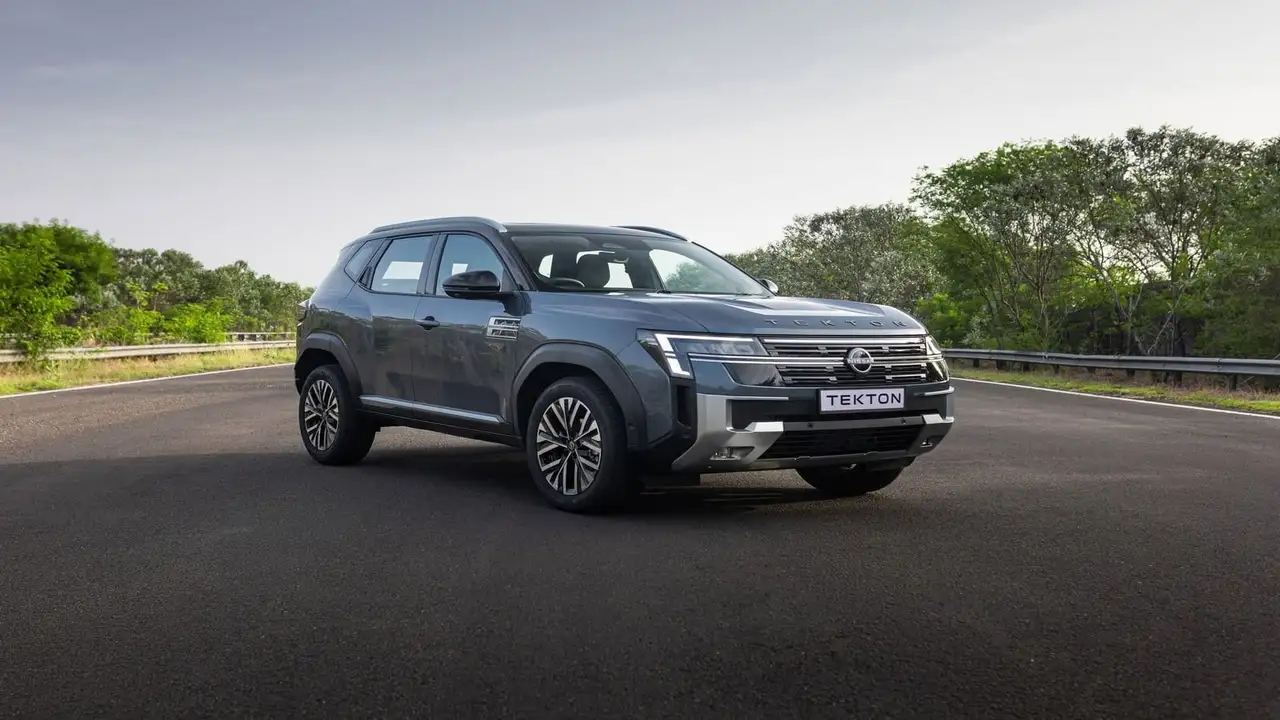
The Nissan Tekton launched in India in July 2026 as a midsize SUV powered entirely by turbocharged engines, built at Nissan’s Chennai plant. The automaker positions it as a “premium C-SUV,” slotting above the Magnite and below the brand’s larger SUVs.
The model exists to fill a gap Nissan left open after pulling the Kicks from several international markets. Its job is straightforward: go after the Kia Seltos and similarly sized turbo crossovers head-on in the segments where it’s sold.
Nissan has already confirmed a seven-seat variant arriving in the first quarter of 2027, using the same pair of turbo engines. So far, there’s no official word on whether the Tekton will make its way to U.S. dealerships.
Quick Facts
| Specification | Details |
|---|---|
| Category | Midsize SUV |
| Powertrain | 1.0L T160 turbo 3-cylinder / 1.3L T280 turbo 4-cylinder, gasoline |
| Horsepower | 99 hp (1.0L) / 161 hp (1.3L) |
| Torque | 122 lb-ft (1.0L) / 207 lb-ft (1.3L) |
| Transmission | 6-speed manual (both engines) or 6-speed DCT (1.3L only) |
| Drivetrain | Front-wheel drive |
| 0-60 mph | Not officially disclosed (0-100 km/h: 12.46s for 1.0L MT / 9.51s for 1.3L MT / 9.89s for 1.3L DCT) |
| Top speed | Not confirmed by the manufacturer |
| Fuel economy | Approx. 46 mpg (1.0L MT) / 42 mpg (1.3L MT) / 44 mpg (1.3L DCT), based on Indian test cycle |
| Range | Not yet disclosed |
| Release date | July 2026 (India); 7-seat version expected Q1 2027 |
Those numbers give a decent snapshot of where the Tekton sits, but the real story is how it behaves in daily use. Here’s where it earns its keep, and where it comes up short.
Styling That Leans Hard Into “Baby Patrol” Territory
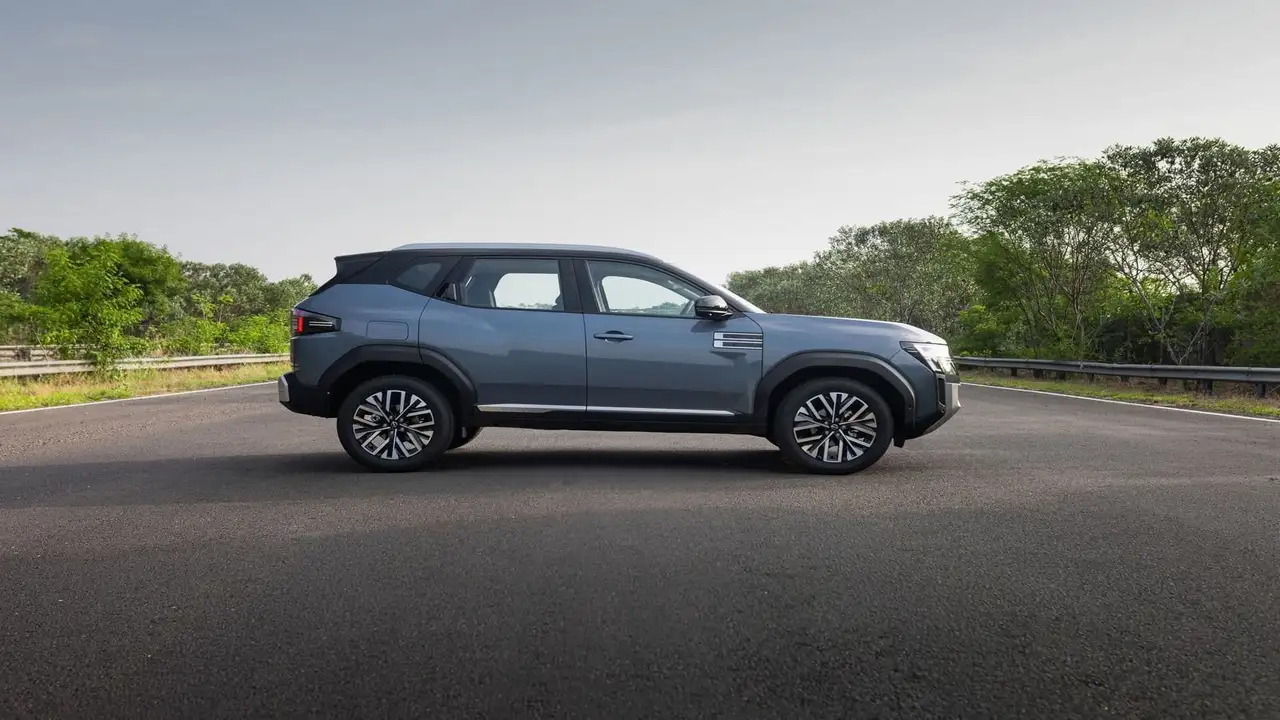
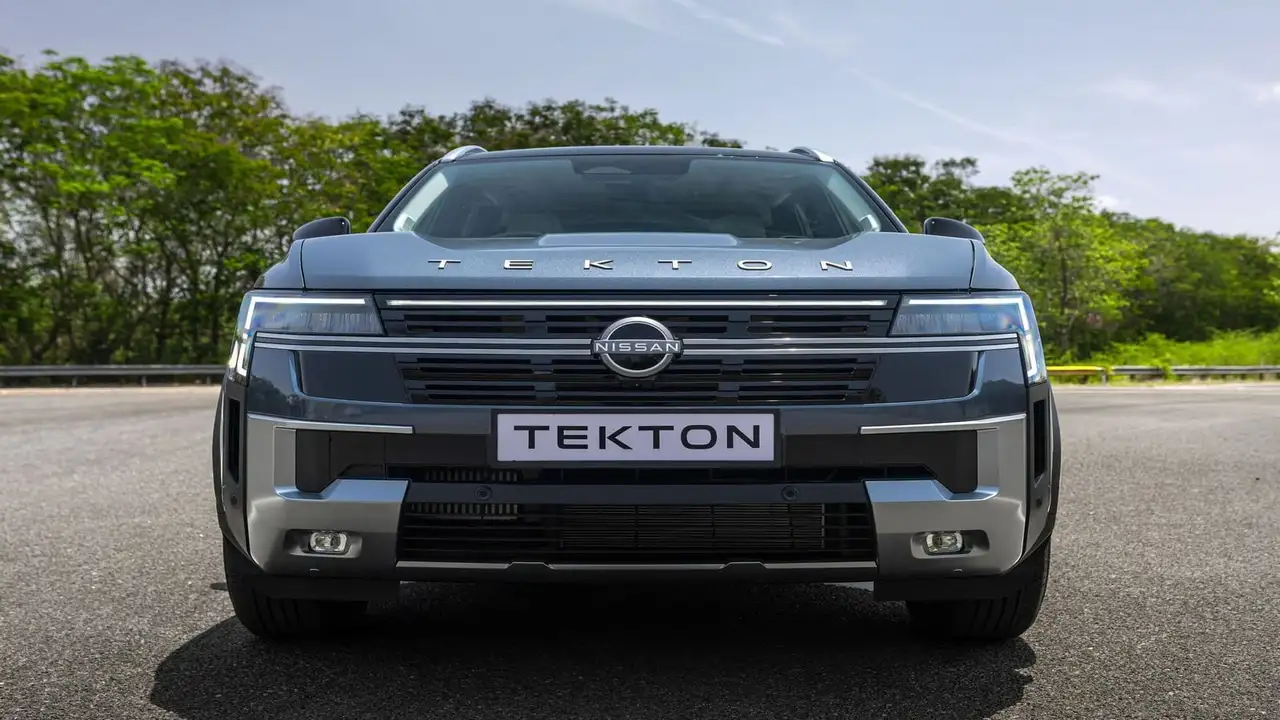
The Tekton draws attention with a tall front end, a heavy grille, and C-shaped LED signature lighting that clearly borrows from the Patrol, Nissan’s full-size SUV. That’s no accident. Nissan is using that visual DNA on purpose, giving a smaller vehicle the road presence of something much bigger.
From the side, the stance is upright, with pronounced wheel arches and wheels up to 18 inches. A roof rack and available two-tone paint reinforce the rugged look, even though the Tekton is strictly a pavement and light-duty road vehicle with no real off-road ambitions.
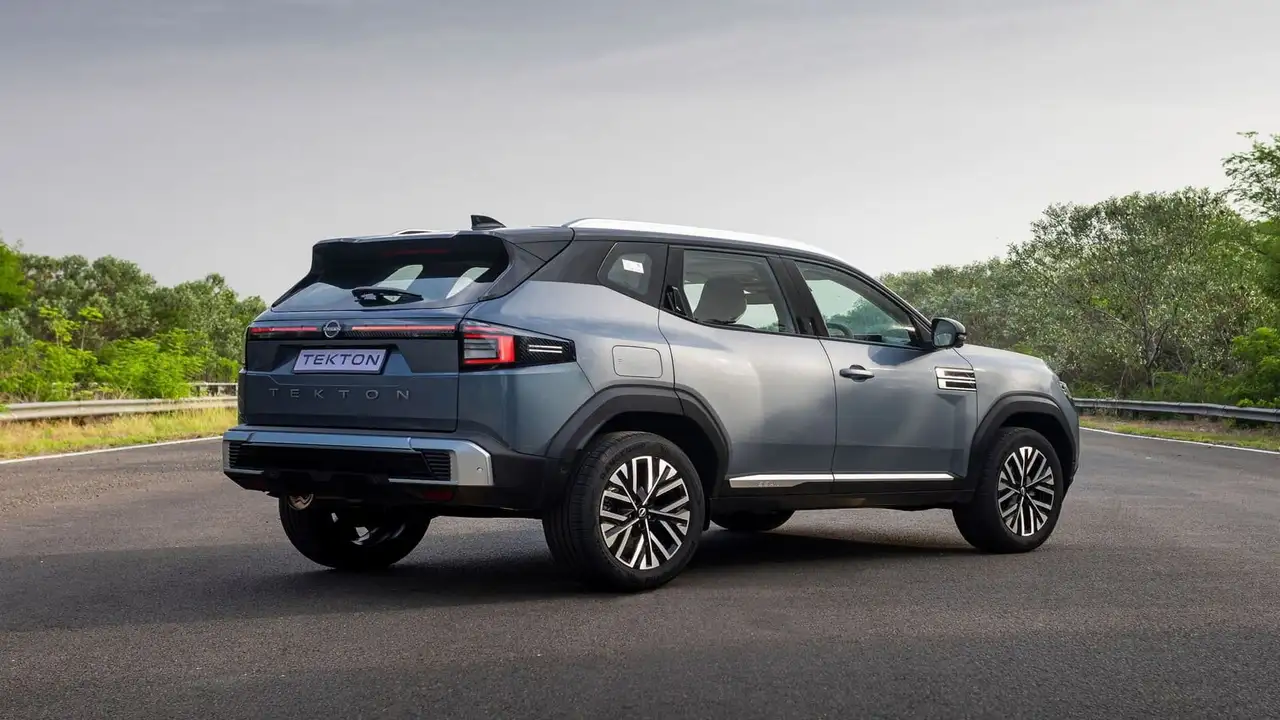
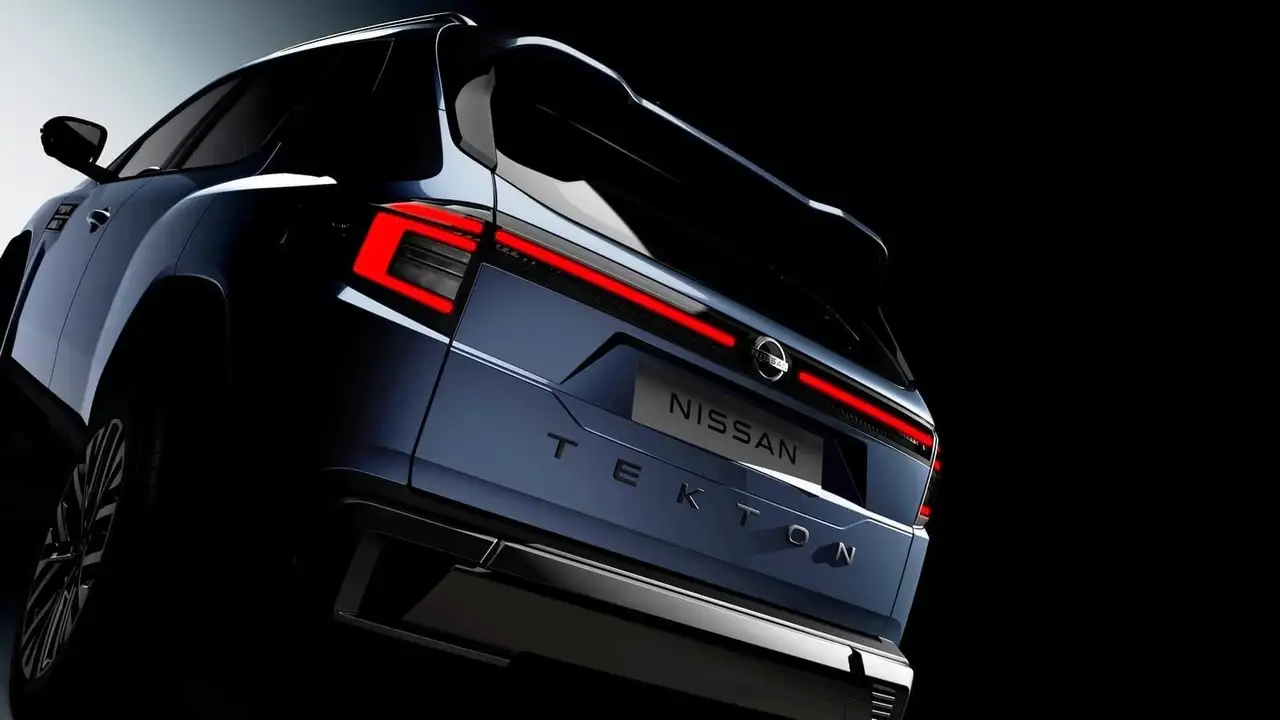
The rear carries the same presence-first approach as the front, sticking to a familiar SUV silhouette. It’s a design that breaks away from the Duster, the platform it’s built on, giving the Tekton its own identity within Nissan’s lineup.
Cabin Steps Up the Materials Game Over Its Platform-Mate
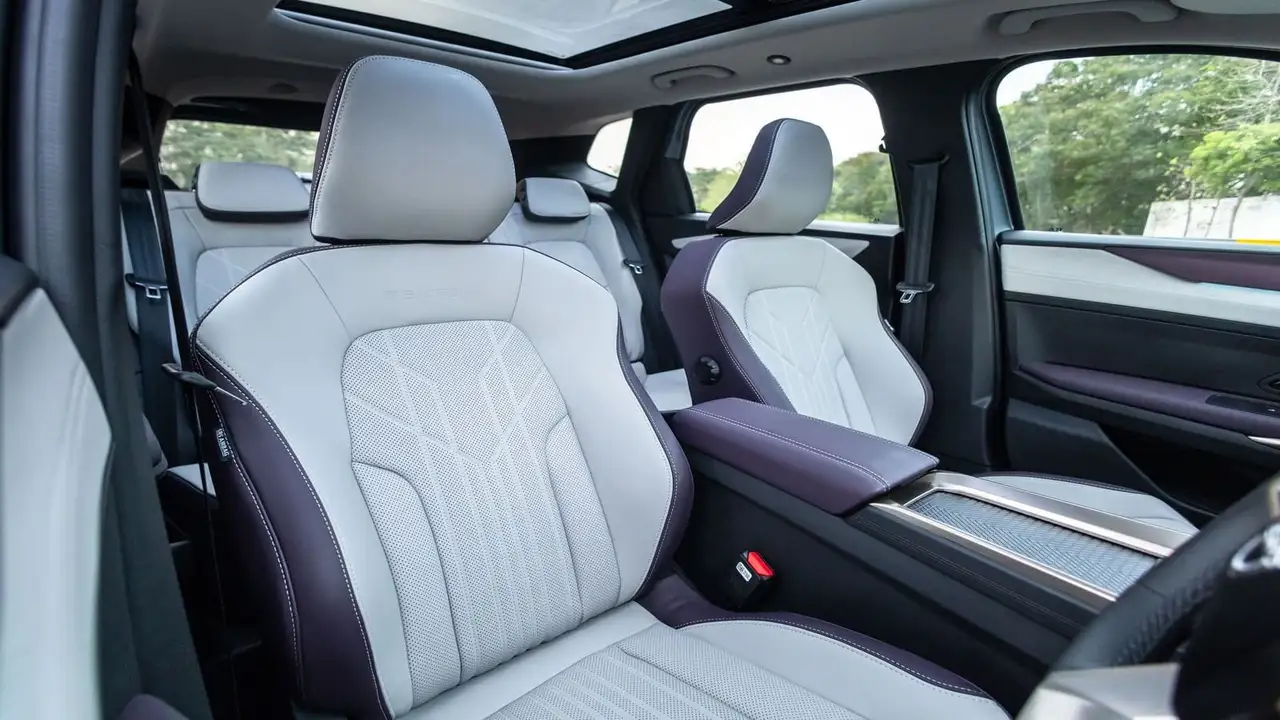
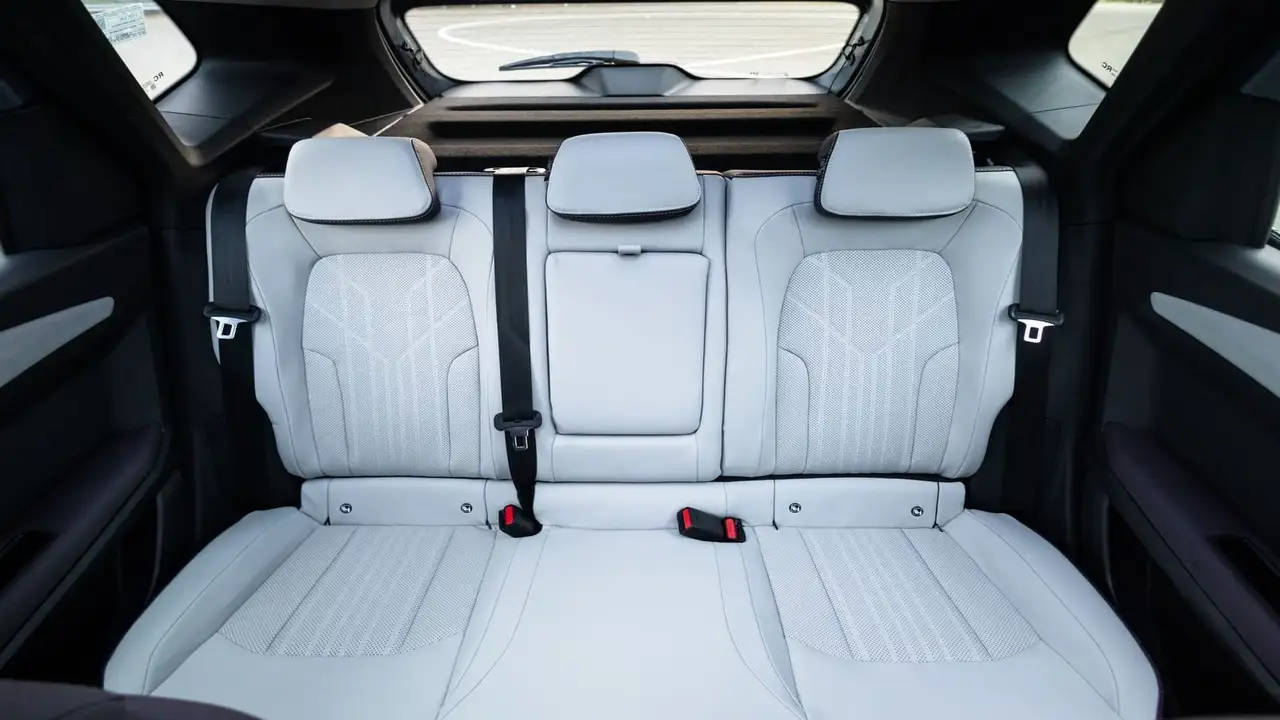
Inside, the Tekton shares its bones with the Duster, but gets a redesigned dashboard and new color combinations, including two-tone treatments with purple and copper accents on higher trims. Material quality in touchpoints is a step above the Duster, though lower dash sections still use hard plastic, which is typical for the segment.
Front seats are well-bolstered, with ventilation available on top trims. It’s not a radical departure from Nissan’s usually conservative approach to interiors, but it’s a clear step up from what the brand previously offered in this class.
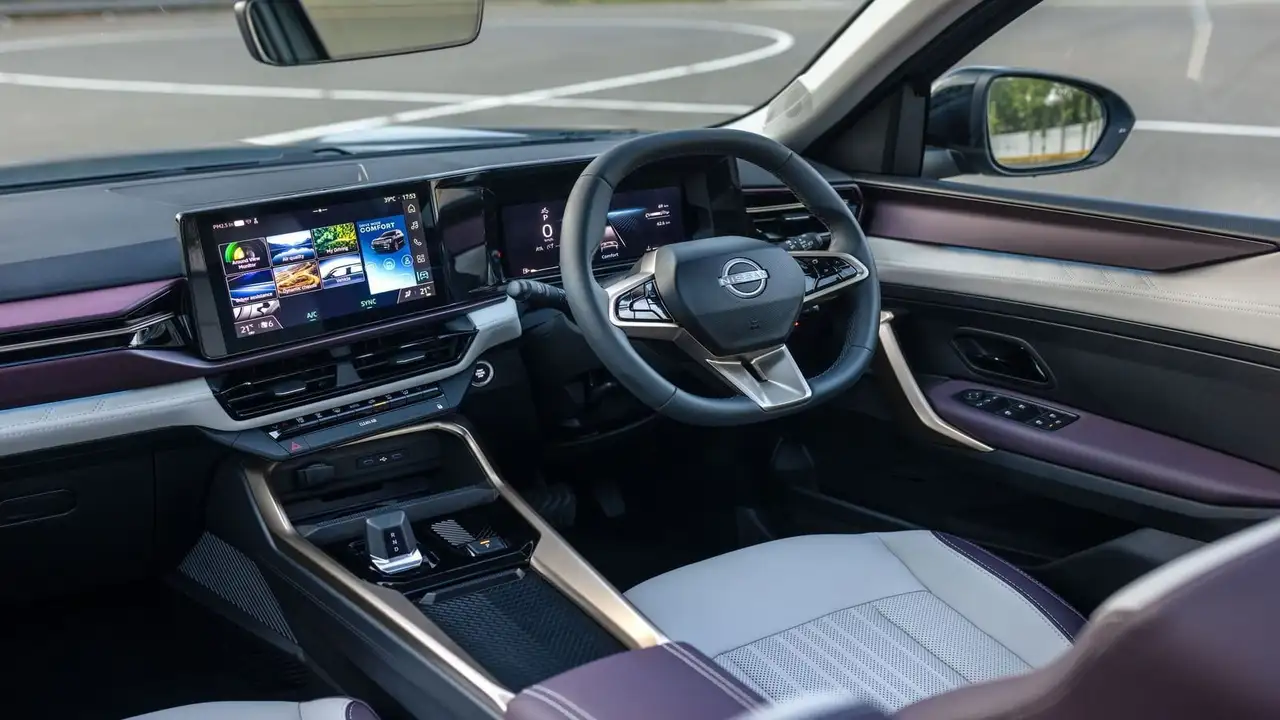
A 10.1-Inch Touchscreen and Safety Tech That Punches Above Its Class
The 10.1-inch infotainment screen comes with native Google integration on upper trims, plus wired and wireless Android Auto and Apple CarPlay on some packages. The digital gauge cluster measures 10.25 inches and forms a single connected display alongside the main screen.
The cabin’s clearest strength is safety: six standard airbags, a body structure built with a high percentage of high-strength steel, and a top rating in India’s Bharat NCAP program, the local equivalent of U.S. crash-testing standards. The package includes automatic emergency braking, adaptive cruise control, and a 360-degree camera on higher trims.
The real limitation shows up in cargo space, which ranges from 18.3 cubic feet (measured to the window line) to roughly 24.7 cubic feet (measured to the roofline), a wide range that depends heavily on how it’s measured, and Nissan hasn’t fully clarified which figure applies to which condition.
The 1.3L Turbo Is What Actually Makes the Tekton Move
The Tekton launches with two engines, both turbocharged and gas-only, with no diesel option anywhere in the lineup. The 1.0L T160, a three-cylinder unit, only comes paired with a 6-speed manual and front-wheel drive. The 1.3L T280, a four-cylinder, can be had with either the manual or a dual-clutch automatic.
On paper, the 1.0L makes 99 hp and 122 lb-ft of torque, enough for city driving but not much more. The 1.3L jumps to 161 hp and 207 lb-ft, translating to a 0-100 km/h time of 9.51 seconds with the manual and 9.89 seconds with the DCT, solid numbers for the class.
Fuel economy checks in around 42 mpg for the 1.3L manual and up to 46 mpg for the 1.0L manual, based on Indian testing standards. The complete absence of all-wheel drive across the lineup limits the Tekton’s appeal for anyone expecting more than pavement and light gravel capability, despite the rugged styling suggesting otherwise.
What It Costs, and What a U.S. Buyer Would Be Looking At
In India, the Tekton starts at roughly $12,600 USD and tops out around $22,300 USD for the fully loaded trim, spanning the Visia, Visia+, Acenta, N-Connecta, Tekna, and Tekna+ trims. The upcoming seven-seat version is expected to run between $21,600 and $26,400 USD when it launches in 2027.
There’s no U.S. pricing because there’s no confirmed U.S. launch. A Market Estimate for a turbo SUV of this size, factoring in U.S. import costs, EPA compliance, and where it would slot against the Kia Seltos and Chevrolet Trailblazer, would likely land somewhere between $24,000 and $30,000 MSRP if Nissan ever brought it stateside, though that’s a projection, not a confirmed figure.
With no U.S. sales history, there’s also no way to pin down real insurance premiums, maintenance costs, or financing terms specific to this vehicle. Dealer network coverage is still expanding even in India, which is worth keeping in mind for anyone tracking parts and service availability in export markets.
For buyers in markets where the Tekton is actually sold, like India, the Middle East, or South Africa, waiting for the second wave of inventory might be the safer move. There’s no depreciation data yet, and the powertrain’s long-term reliability track record is still being written.
Frequently Asked Questions About the Nissan Tekton
Does the Nissan Tekton come with a diesel engine?
No. The lineup launches exclusively with gas-powered turbo engines, and no diesel variant has been confirmed.
Is the Nissan Tekton coming to the U.S.?
There’s no official announcement. Any U.S. arrival remains speculation, not confirmed plans.
What’s the difference between the Tekton and the Duster?
Both share the CMF-B platform, but the Tekton gets its own design, interior, and identity, without repeating the Duster’s visual language.
Does the Nissan Tekton offer all-wheel drive?
No. Every version, whether the 1.0L or 1.3L, comes exclusively with front-wheel drive.
The Verdict
The Tekton makes sense as a rational buy for anyone prioritizing interior space, top-tier safety scores, and a consistent turbo engine, without caring about the missing diesel or AWD options. It’s the wrong call for buyers who need real off-road capability or prefer diesel power for heavy highway use.
Nissan nailed the visual personality and the safety package, but left an obvious gap by not confirming the hybrid variant that’s been rumored for the lineup. The Tekton launches competent, but still incomplete against what Korean rivals already offer in this space.
So, did Nissan drop the ball by launching the Tekton with no diesel and no AWD option, or does this all-turbo, pavement-focused approach make sense for the buyers it’s actually targeting?
Share this article

Por: Danniel Bittencourt
13/07/2026
Related posts