Dacia Striker: Everything to Know About This SUV-Wagon Crossover
The Dacia Striker arrives for 2027 combining SUV ride height, wagon-level cargo space and a full hybrid drivetrain for under $27,000. Here’s the powertrain, pricing and what it means for Renault’s future lineup.
Dacia Striker: The Hybrid SUV-Wagon Betting on Value Over Badge Prestige
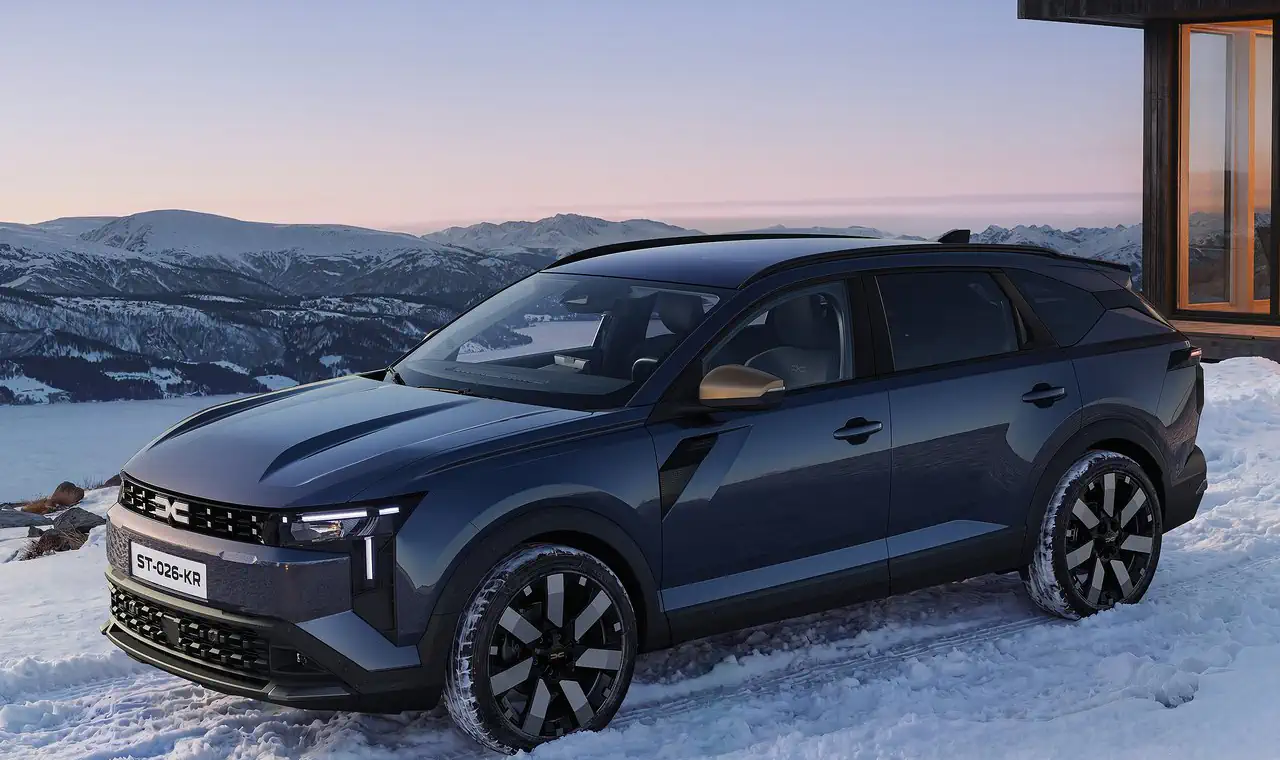
The Dacia Striker is the first model the Romanian-owned brand has built from the ground up for the C-segment, a category long ruled by names like the VW Golf and Skoda Octavia in Europe. Dacia describes it as a blend of three body styles: SUV ride height, wagon-level cargo volume and sedan-like aerodynamics.
The target buyer is straightforward: shoppers who need interior space but don’t want to pay midsize-SUV money to get it. In its home European market, the closest rivals cited in Dacia’s own positioning are the Skoda Octavia Combi and the Volkswagen Golf Variant.
Pre-orders open in Europe this fall, with deliveries beginning in early 2027. There’s no confirmation yet that the Striker itself will reach American showrooms — Dacia doesn’t currently sell in the U.S. — but the platform underneath it is expected to inform Renault’s next generation of hybrid crossovers globally.
Quick Specs
| Specification | Details |
|---|---|
| Category | SUV-wagon crossover (C-segment) |
| Powertrain | 1.8L naturally aspirated + electric motor (self-charging full hybrid) — Hybrid 155 trim |
| Horsepower | 155 hp combined |
| Torque | 151 lb-ft |
| Transmission | Clutchless multi-mode automatic (4 gears for the gas engine, 2 for EV mode) |
| Drivetrain | Front-wheel drive |
| 0-60 mph | Approximately 9.1 seconds |
| Top speed | 130 mph |
| Fuel economy | 51 mpg (combined, European testing cycle) |
| Range | Not officially disclosed for the Hybrid 155 trim |
| Launch date | Preorders open fall 2026; deliveries begin early 2027 |
Those numbers describe the base hybrid setup. But the Striker’s lineup goes further, with an LPG-capable version rated for over 900 miles of combined range and an AWD variant that skips a mechanical driveshaft entirely. Both are worth a closer look.
A Wagon That Doesn’t Look Like One: Styling and Presence
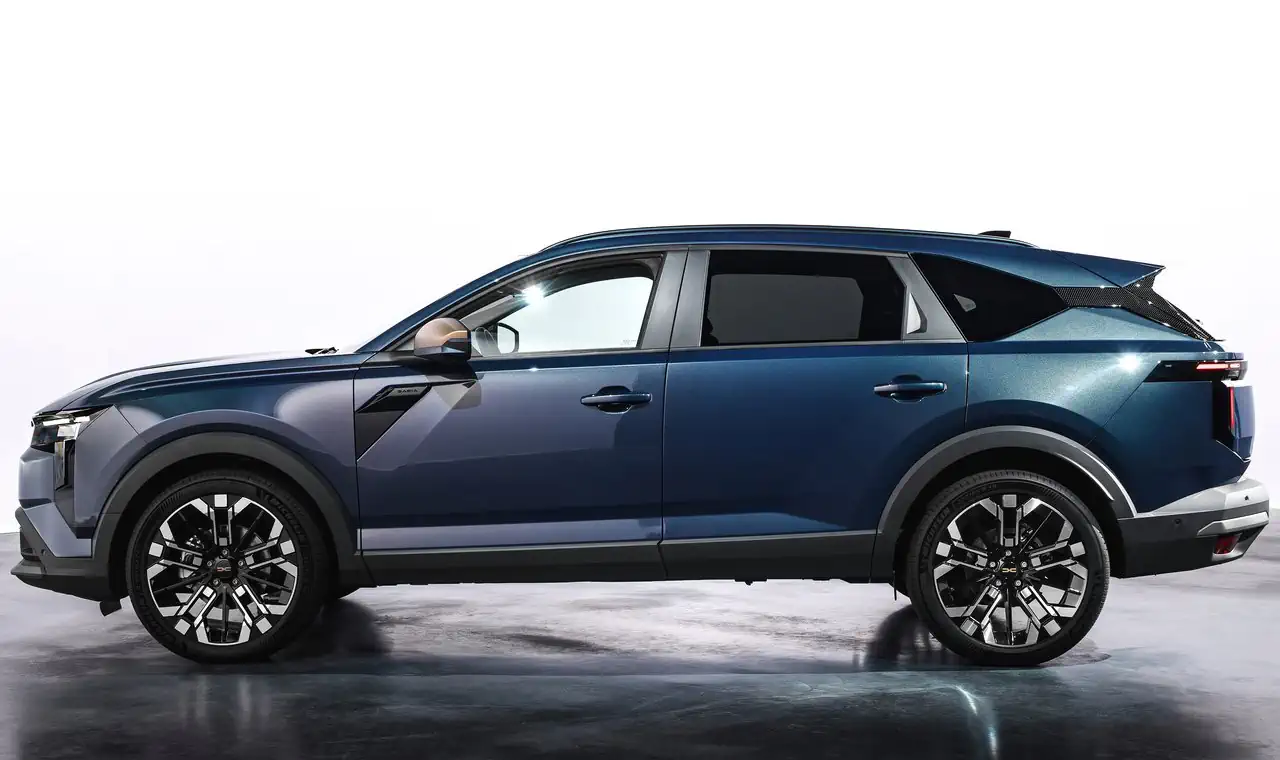
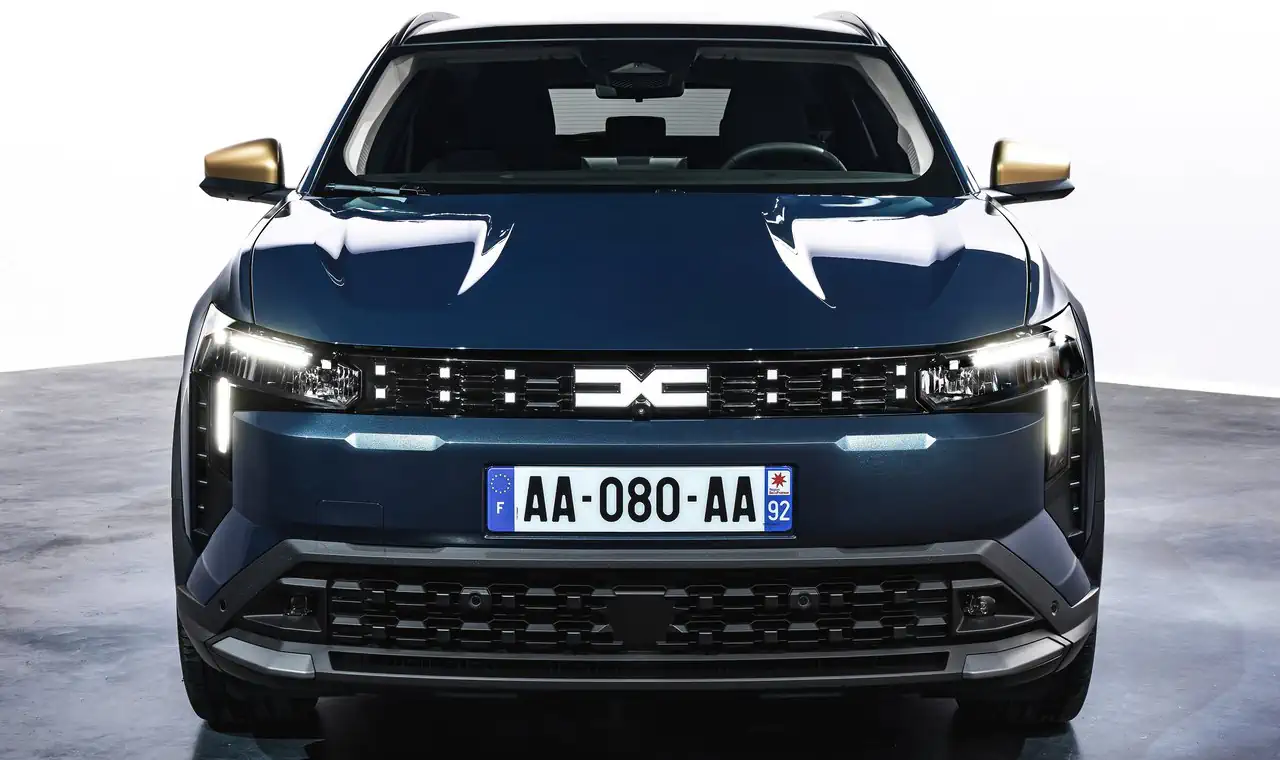
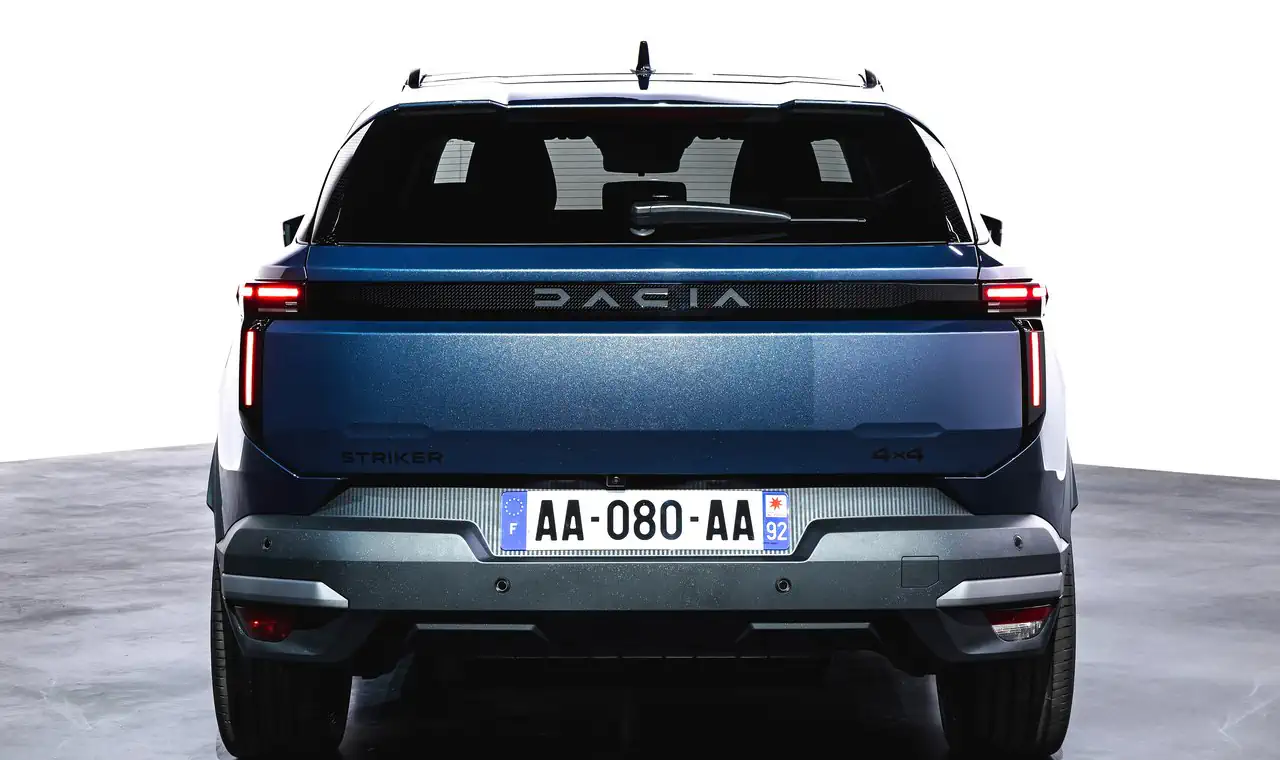
The bodywork follows Dacia’s “Robust & Outdoor” design language. Long horizontal lines stretch the visual length of the car, while muscular fender flares and deep wheel arches lean hard into SUV territory.
Up front, the standout feature is a new LED lighting signature shaped like a “T,” positioned at all four corners of the body to emphasize width. The raked windshield and roofline that tapers into a rear spoiler aren’t just styling flourishes — they help the Striker hit a 0.29 drag coefficient.
Wheel sizes range from 17 inches on base trims up to 19 inches on the Extreme and Journey trims. Ground clearance sits at 7.5 inches on front-drive models and 7.9 inches on AWD versions — figures that land squarely in compact-SUV territory, even with a wagon-like silhouette.
Inside: No Luxury Pretense, But Smart Problem-Solving
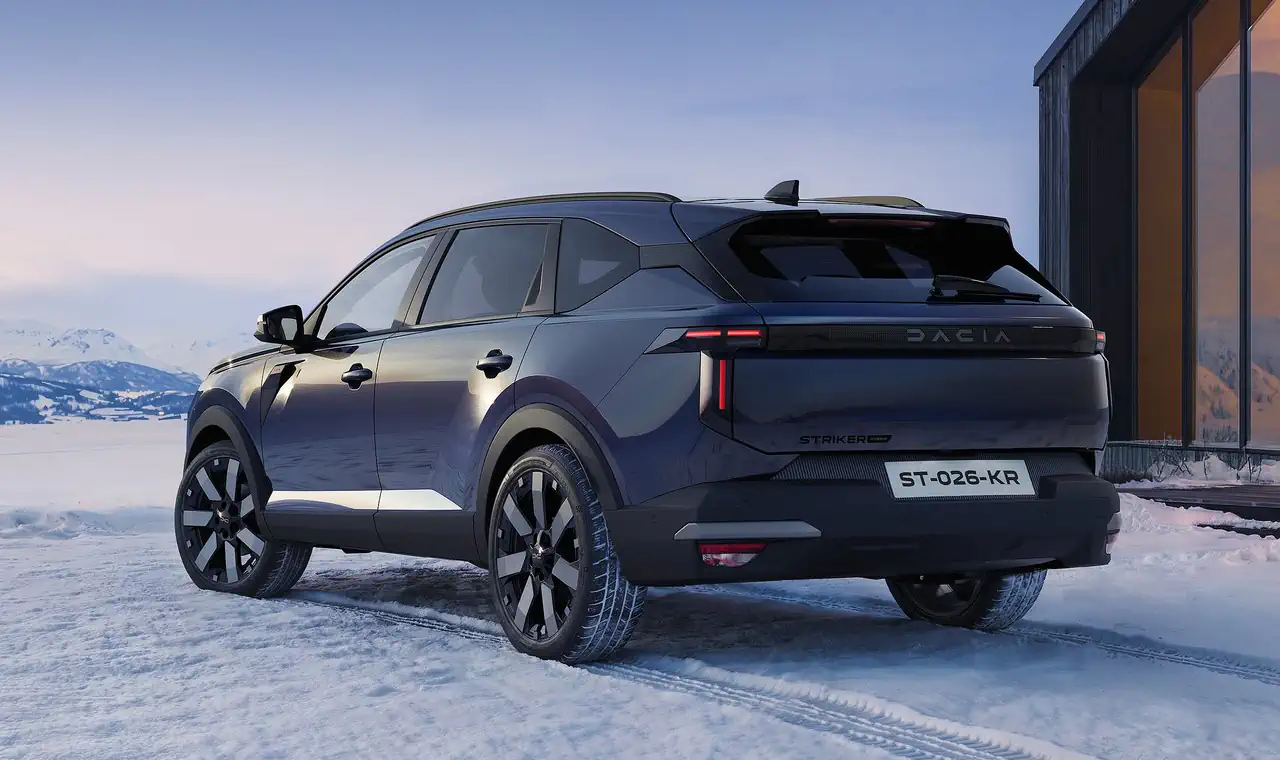
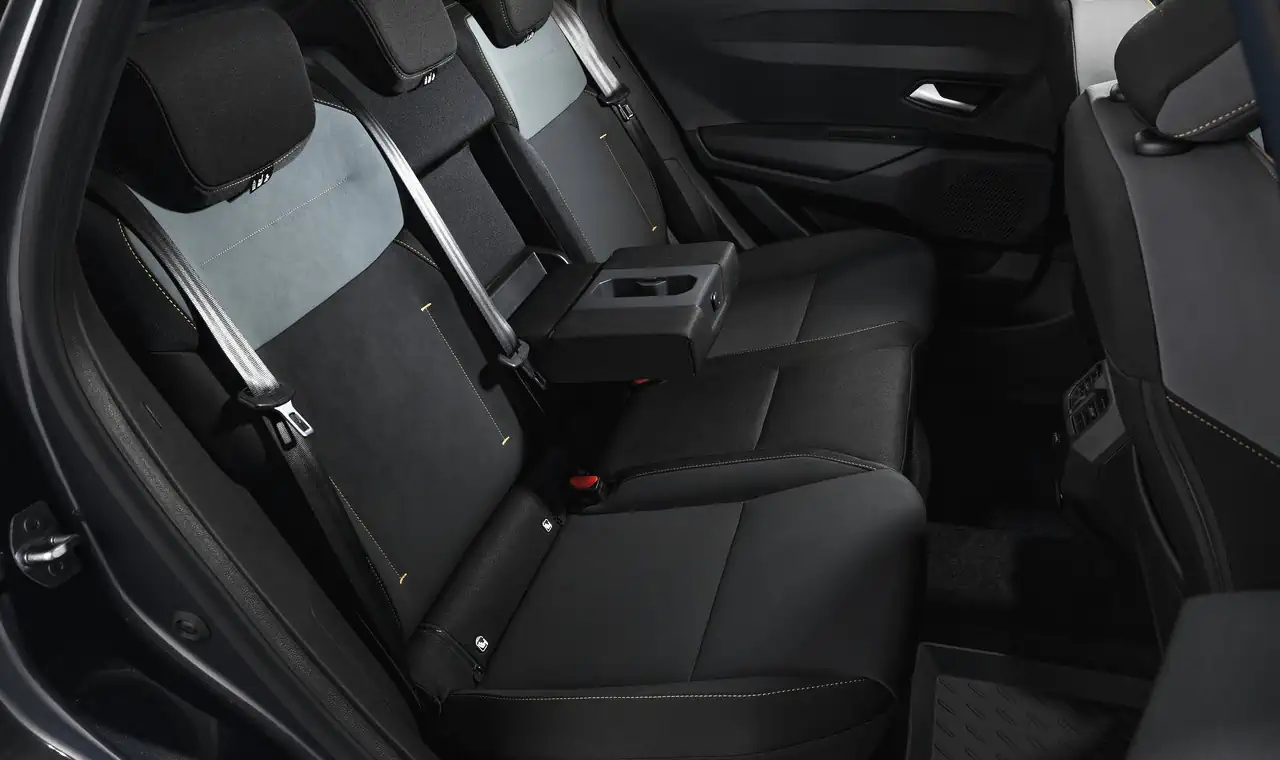
Cabin materials follow Dacia’s “Eco-Smart” philosophy, prioritizing function and recycled content over polish. The standout piece is Starkle®, an unpainted polymer made with 50% recycled polypropylene used on exterior body cladding — it hides scuffs and keeps repair costs down after minor parking-lot mishaps.
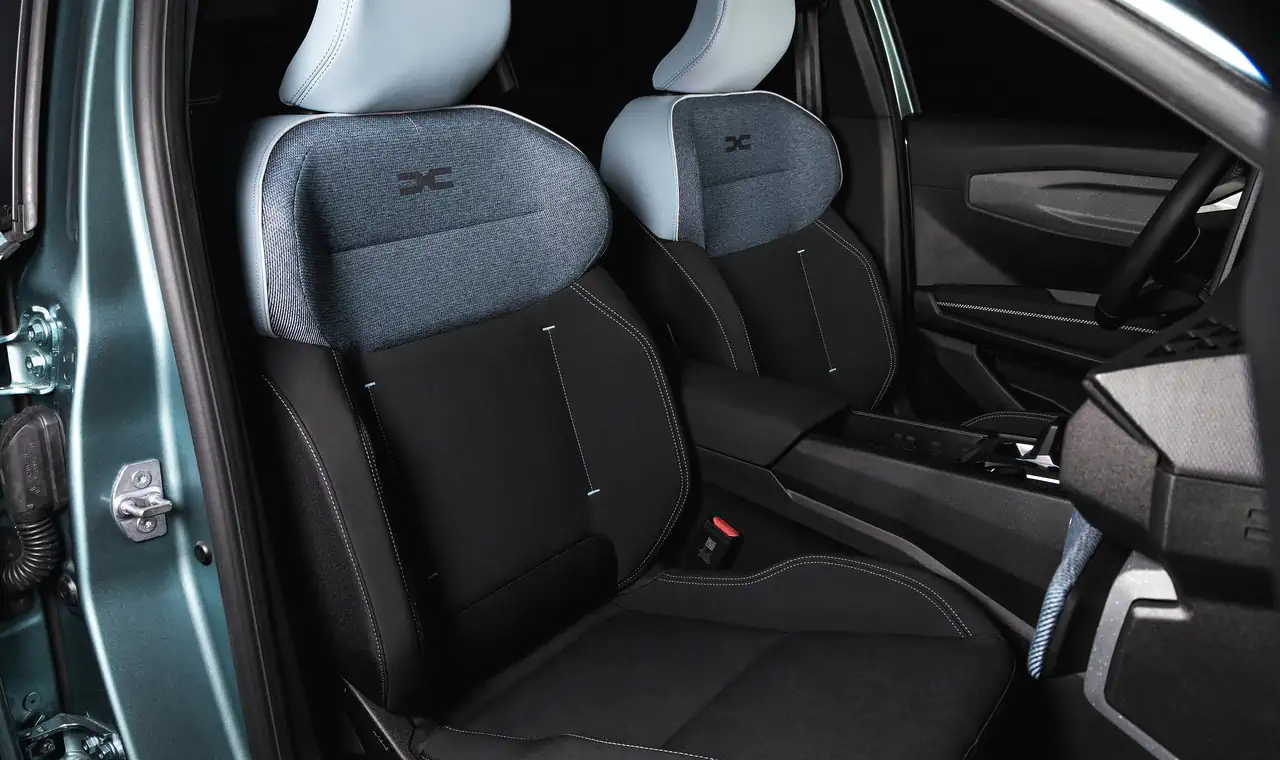
Seats use washable Microcloud TEP upholstery, and outdoor-oriented trims add floor mats made with 50% recycled rubber. In total, the Striker uses 47 pounds of recycled plastic, accounting for 32% of its synthetic materials — a record for the brand.
The most consistently praised ergonomic feature is the YouClip system: up to nine modular mounting points scattered through the cabin and cargo area for attaching a phone holder, LED light, cup holder or bag hooks. It’s a low-tech solution, but it addresses a real organizational gap that touchscreen-heavy interiors often ignore.
Screens, Driver Aids and What’s Left for Rear-Seat Passengers
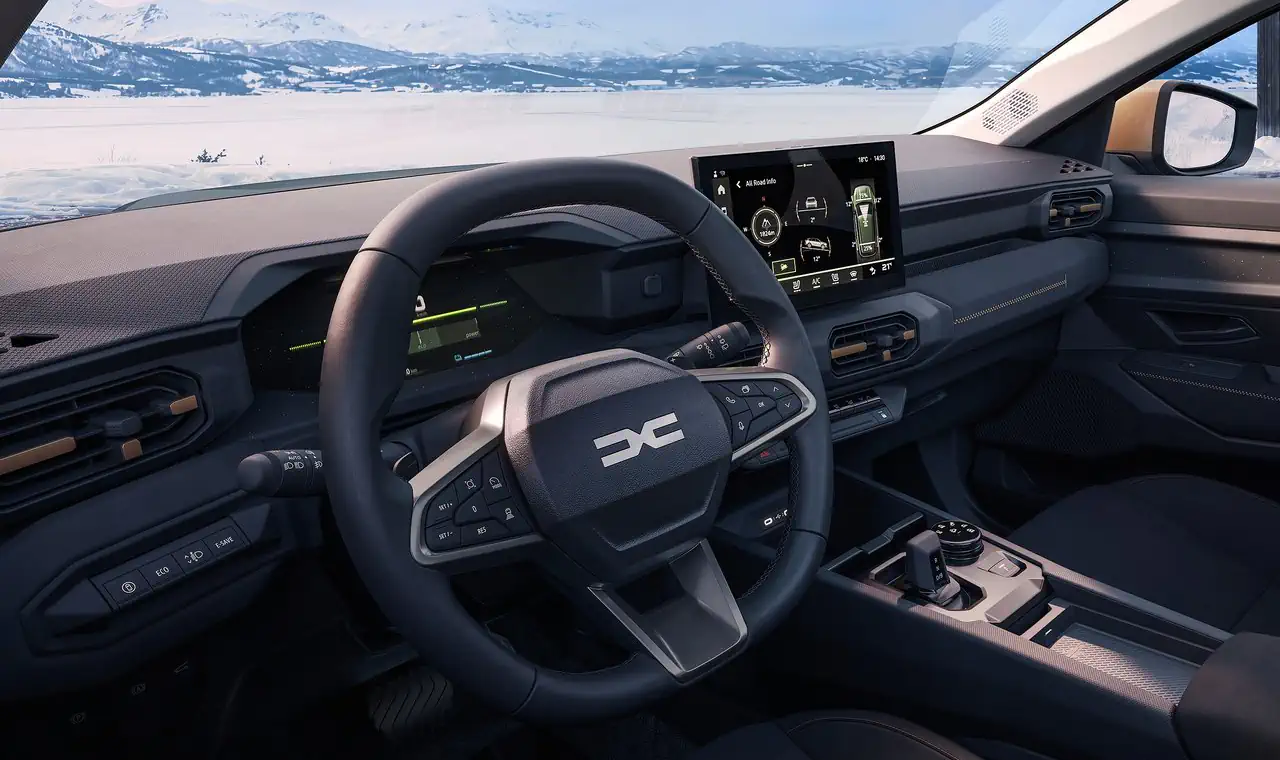
The infotainment system runs on a 10.1-inch touchscreen with wireless Apple CarPlay and Android Auto. Extreme and Journey trims add the Media Nav Live package, bringing cloud-based connected navigation and a six-speaker Arkamys sound system — but climate controls stay as physical buttons below the screen, cutting down on the time drivers spend looking away from the road.
The digital gauge cluster, badged LightVisio, ranges from 7 to 10 inches depending on trim and uses an optical refraction layer that creates a floating 3D effect. To meet European safety mandates, the Striker ships standard with automatic emergency braking, adaptive cruise control, lane-keeping assist, a 360-degree camera and hill descent control — a driver-assist package that’s generous for the price point.
A 108.3-inch wheelbase translates to genuinely usable rear legroom, and cargo volume lands at 21.2 cubic feet — enough to outdo plenty of larger hatchbacks. That’s the clearest strength in the data. The recurring weak point is cabin material quality: hard plastics dominate the dash, without the soft-touch surfaces buyers get from mainstream rivals.
Three Powertrains, One Goal: Burn Less Fuel
The European lineup is fully electrified. The entry point is the Mild Hybrid-G 140, built around a turbocharged 1.2-liter three-cylinder with 48-volt mild-hybrid assistance and a bi-fuel option that runs on gasoline or LPG, producing 138 hp and 170 lb-ft.
The front-drive flagship is the Hybrid 155, a self-charging full-hybrid system pairing a naturally aspirated 1.8-liter engine with a traction motor and a separate starter-generator, for a combined 153 hp and 151 lb-ft. In practice, that means the car can run in pure EV mode for up to 80% of city driving without ever needing a plug — a meaningful difference from a plug-in hybrid, which only delivers that benefit after being charged externally.
The AWD version, called Hybrid 150, drops the mechanical driveshaft altogether: a 48-volt mild-hybrid 1.2-liter turbo drives the front wheels, while an independent electric motor powers the rear axle. That setup produces 148 hp combined, but it also caps top speed electronically at 112 mph, well below the Hybrid 155’s 130 mph — a tradeoff made to protect the rear motor.
On fuel economy, the Hybrid 155 is rated at roughly 51 mpg combined, with CO2 emissions under 100 g/km on the European cycle. The Mild Hybrid-G 140, running both its gas and LPG tanks, is rated for up to 932 miles of combined range — useful for high-mileage highway drivers who’d rather not stop often.
For markets like the U.S., where Dacia doesn’t currently sell, the closer reference point is Renault’s own 1.3-liter turbo flex-fuel hybrid, built on the related RGMP platform and already used in the Renault Boreal. Performance figures for that setup in a Striker-style body haven’t been officially released.

What It Costs to Own: Pricing, Insurance and the U.S. Question
In Europe, Dacia has confirmed a starting MSRP under €25,000 (roughly $27,500), with top trims — Extreme Hybrid 155 and Journey — landing between €27,000 and €29,000. That undercuts most C-segment competitors by a wide margin, which is the entire point of Dacia’s pricing strategy.
On insurance, the outlook is favorable in Europe: shared components with the Clio, Captur, Jogger and Duster, combined with that Starkle® cladding on the lower body, tend to lower repair costs after minor collisions — a factor that typically pulls down insurance premiums. Actual rates will still depend on driver profile and region, and no official U.S. figures exist since the car isn’t sold here.
Dacia’s maintenance program covers the engine and major components for up to 7 years or 93,000 miles, provided the car stays on the official service schedule — a detail that helps offset long-term maintenance costs for European buyers.
The Striker itself has no confirmed path to U.S. dealerships. As a Market Estimate, if a version of this platform arrived stateside — most likely badged as a Renault rather than Dacia — pricing would probably land in the $24,000–$29,000 range to compete with vehicles like the Honda HR-V, Chevrolet Trailblazer and Hyundai Kona, all of which sit in similar footprint and price territory. On financing, without a confirmed U.S. MSRP, any monthly-payment estimate would be speculative.
Is it worth buying early or waiting for depreciation to kick in? Dacia’s European pricing already starts lower than most direct rivals, which historically has meant smaller dollar-value depreciation in the first few years — though there’s no depreciation data yet for a car that hasn’t reached the market.
Frequently Asked Questions
Is the Dacia Striker coming to the U.S.?
There’s no official confirmation. Its underlying platform is expected to influence a future Renault crossover, but Dacia itself doesn’t currently sell in the U.S. market.
What’s the fuel economy on the Dacia Striker Hybrid 155?
Dacia rates it at roughly 51 mpg combined, with much of city driving happening in electric-only mode.
Does the Striker come in all-wheel drive?
Yes, the Hybrid 150 AWD, which uses an independent rear electric motor instead of a driveshaft, but top speed is capped at 112 mph.
How much does the Dacia Striker cost?
In Europe, pricing starts under €25,000 (about $27,500). There’s no confirmed U.S. price since the model isn’t sold here.
The CarrosBemMontados Verdict
The Striker is a rational purchase, not an emotional one. It makes sense for buyers who want cargo space and low running costs and don’t mind skipping premium cabin materials or highway-speed quiet.
It’s not the right call for drivers who spend a lot of time at sustained highway speeds, given the reported wind and road noise above 62 mph, or for anyone who prioritizes soft-touch interior finishes.
The Striker’s whole argument is that a C-segment footprint shouldn’t require a C-segment price.
So here’s the real question: would you trade some cabin refinement for that much extra cargo space, or would you rather pay more for a rival with a nicer interior? Let us know in the comments.


Por: Danniel Bittencourt
08/07/2026
Destaques