The 2027 Kia Niro Has a New Face and a Simpler Lineup
Kia dropped the EV and plug-in versions of the Niro for 2027 and went all-in on the hybrid. The move delivers close to 53 MPG in the city, but the transmission hides a detail worth knowing before you sign.
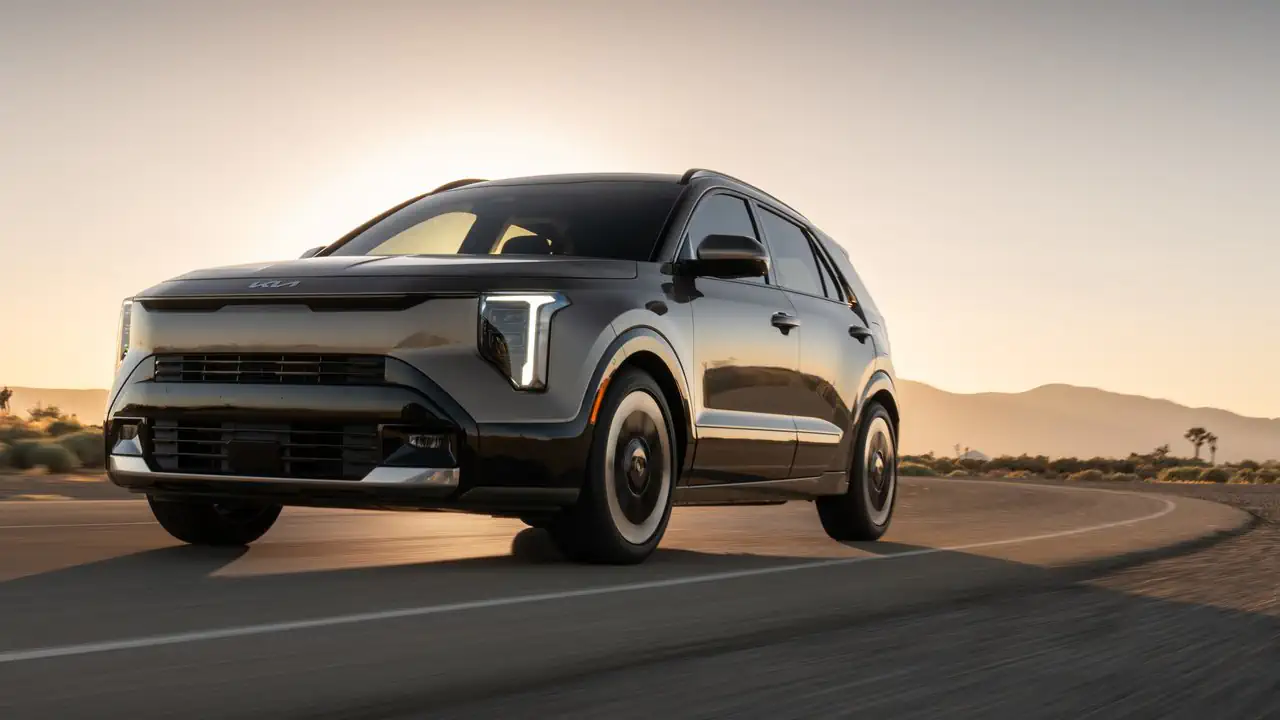
2027 Kia Niro: Why the Hybrid Crossover Just Got Simpler
Kia trimmed the fat on the 2027 Niro. Gone are the plug-in hybrid and full EV versions that used to sit alongside the standard hybrid. Now there’s just one powertrain option.
That’s not a random decision. This is the mid-cycle refresh of the second-generation Niro, a car that first launched back in 2021, with updated styling, a new infotainment setup and better sound insulation.
The Niro still targets buyers who want strong fuel economy without plugging in anywhere. Its closest rivals are the Toyota Corolla Cross Hybrid and the Hyundai Kona Hybrid, both built around the same no-plug philosophy.
Quick Facts
| Info | Details |
|---|---|
| Category | Compact crossover/SUV |
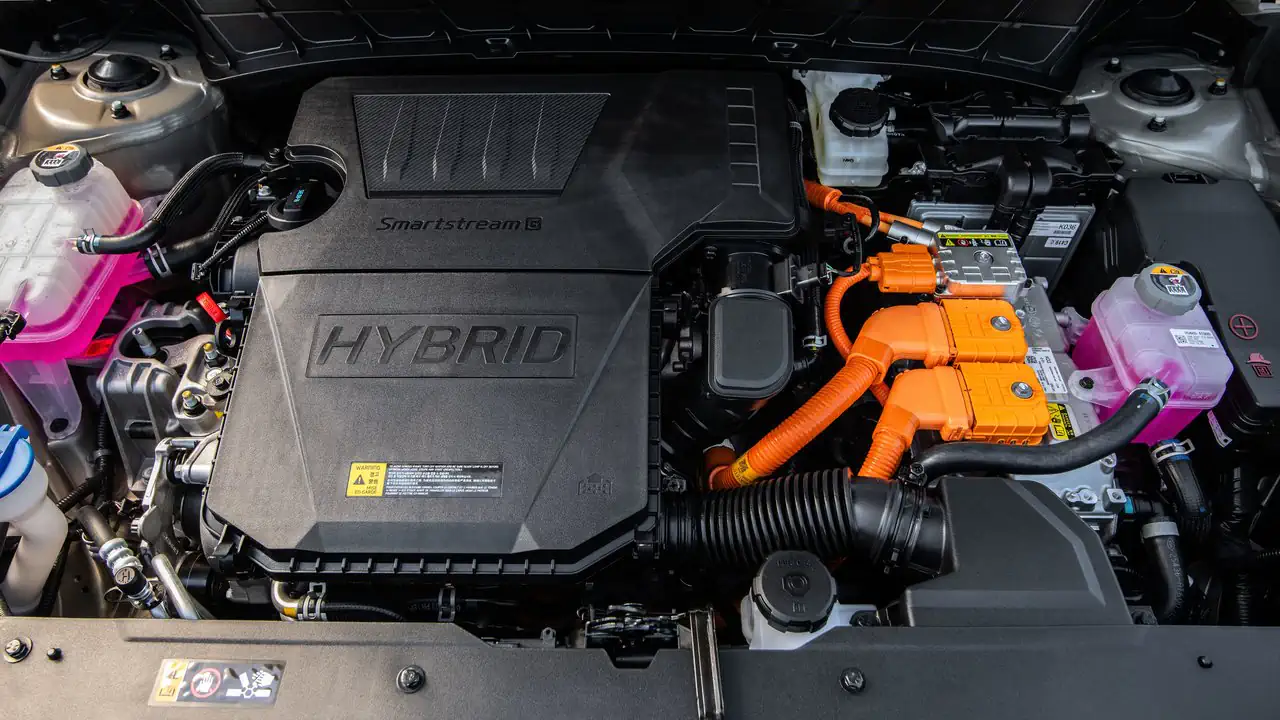
| Powertrain | 1.6L hybrid (Atkinson cycle) plus electric motor |
| Horsepower | 139 hp combined |
| Torque | 195 lb-ft combined |
| Transmission | 6-speed dual-clutch automatic |
| Drivetrain | Front-wheel drive (FWD) |
| 0-60 mph | 8.9 seconds |
| Top Speed | 109 mph |
| Fuel Economy | 53 MPG city / 45 MPG highway |
| Range | Over 430 miles on a full tank |
| Release Date | 2027 model year, arriving this summer |
The spec sheet looks unassuming at first glance. But there’s more going on under the hood than the numbers let on.
The Crossover Gets a New Face With Digital Tiger Styling
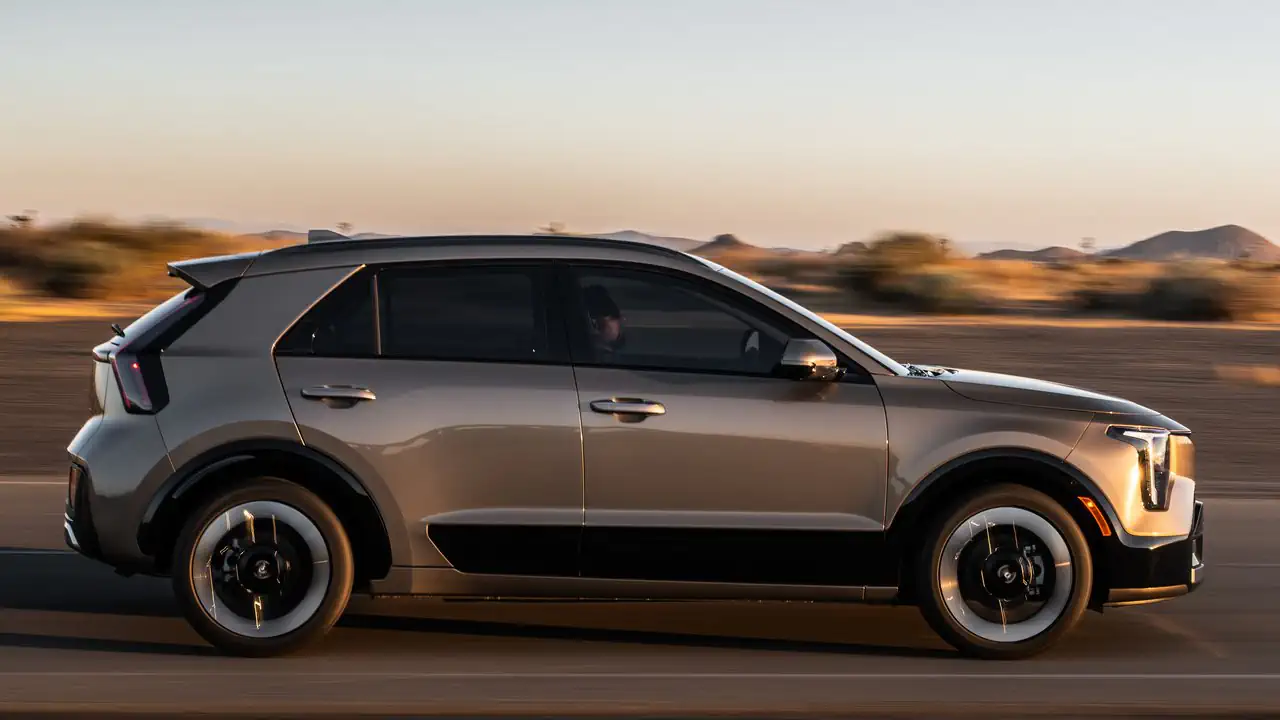
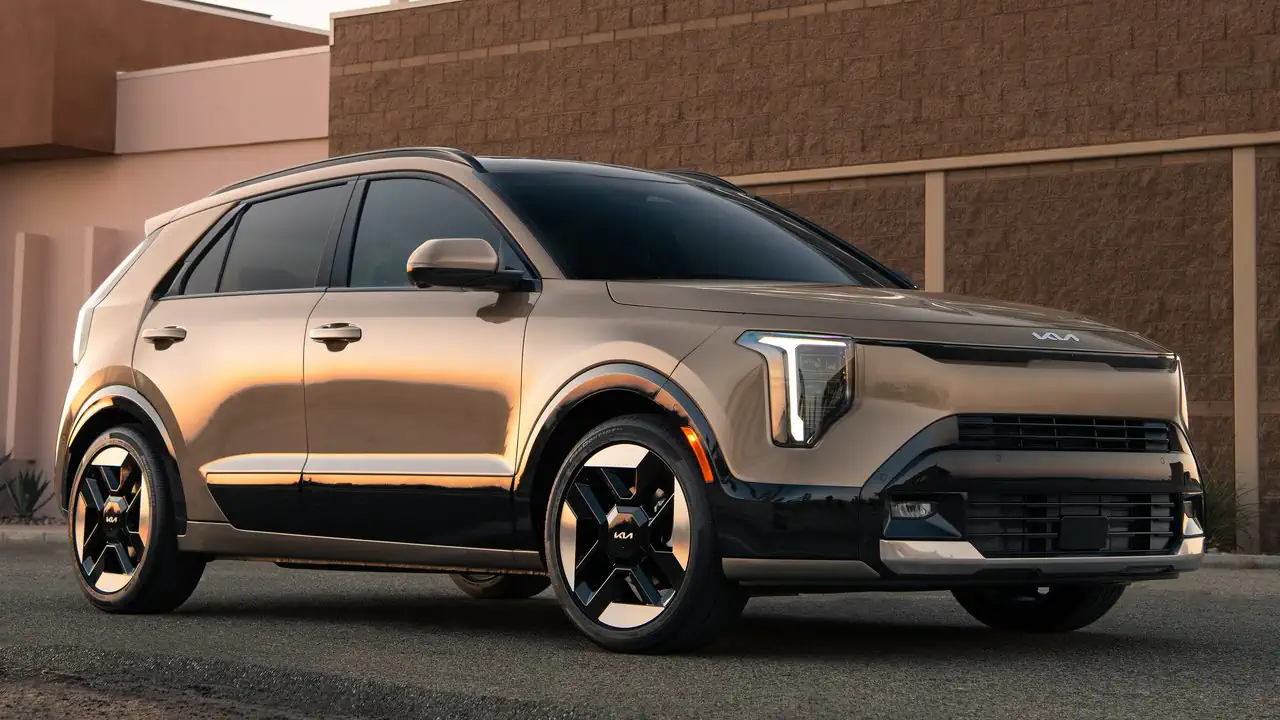
The Niro’s look changed quite a bit this time around. The front end ditched Kia’s signature grille for a smooth panel, with boomerang-shaped LED headlights arranged in the brand’s Star Map pattern.
Along the sides, the crossover keeps its C-pillar aero blades. These aren’t just for show. They channel air along the body and release it near the rear glass, cutting down on wake turbulence and helping the Niro hit a 0.29 drag coefficient.
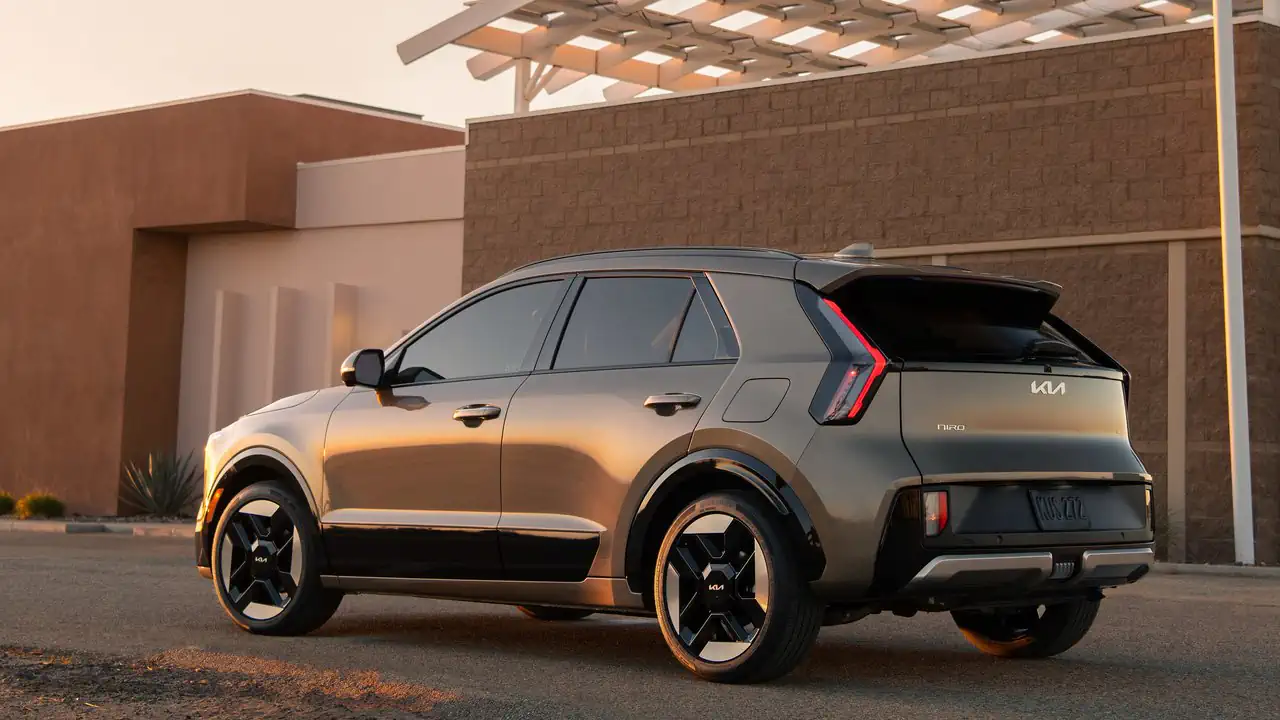
Around back, the tailgate looks cleaner without the license plate cutout, which moved down to the bumper. The vertical taillights got a more sculpted, three-dimensional look.
The overall effect pulls the Niro’s design closer to Kia’s EV3 and EV9, giving it a newer feel than its underlying platform would suggest.
Inside, Sustainable Materials Don’t Feel Like a Downgrade
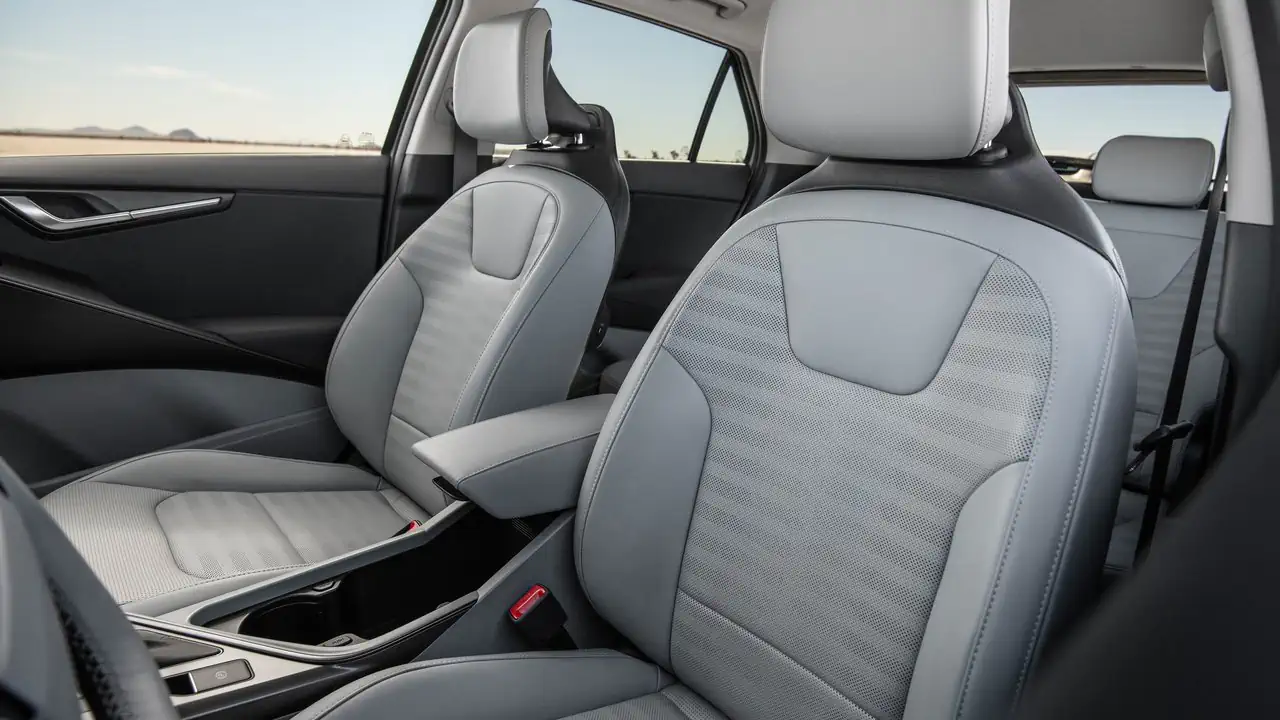
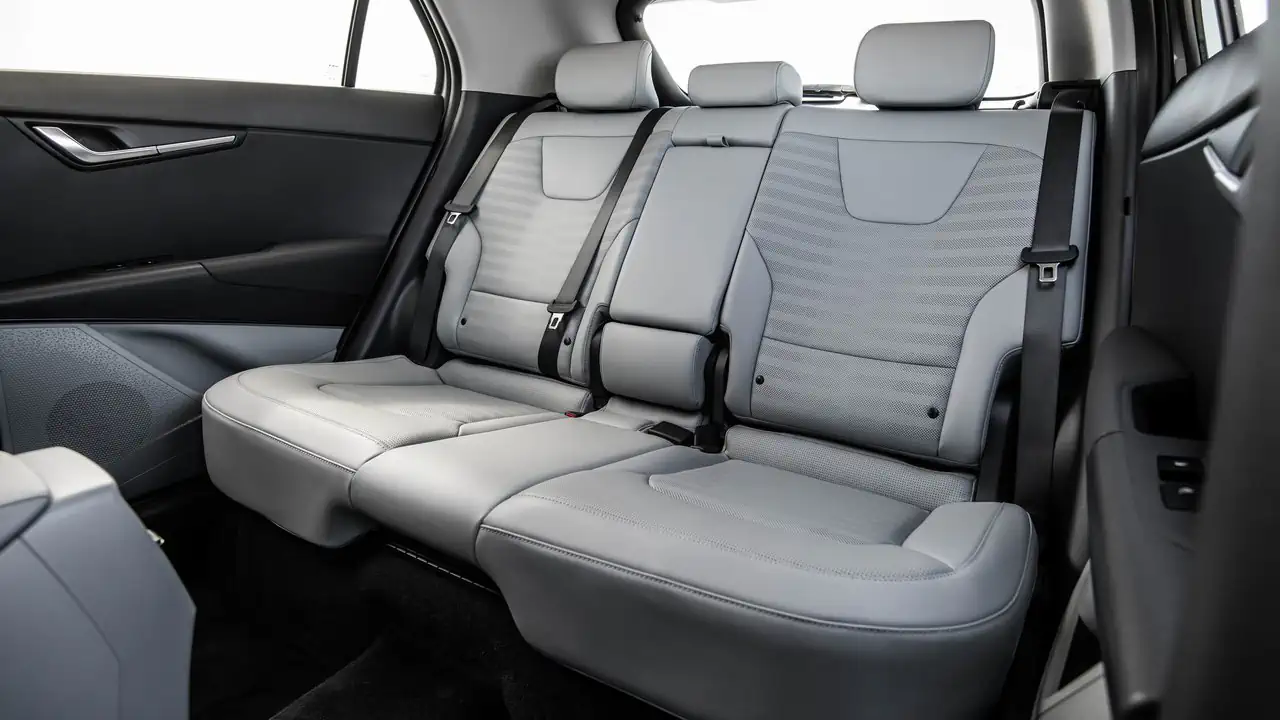
The cabin stands out for its material choices. The headliner uses recycled paper made from eucalyptus fibers, and the seats are wrapped in a bio-based polyurethane instead of animal leather.
Kia also moved away from piano black plastic, the stuff that scratches and smudges within weeks. In its place, a matte, grayish texture holds up better over time.
The front seats offer solid support, and the materials feel pleasant to the touch, a direct result of Kia’s push toward a more eco-conscious cabin in this generation.
A Curved Display and Level 2 Driver Aids Come Standard on Higher Trims
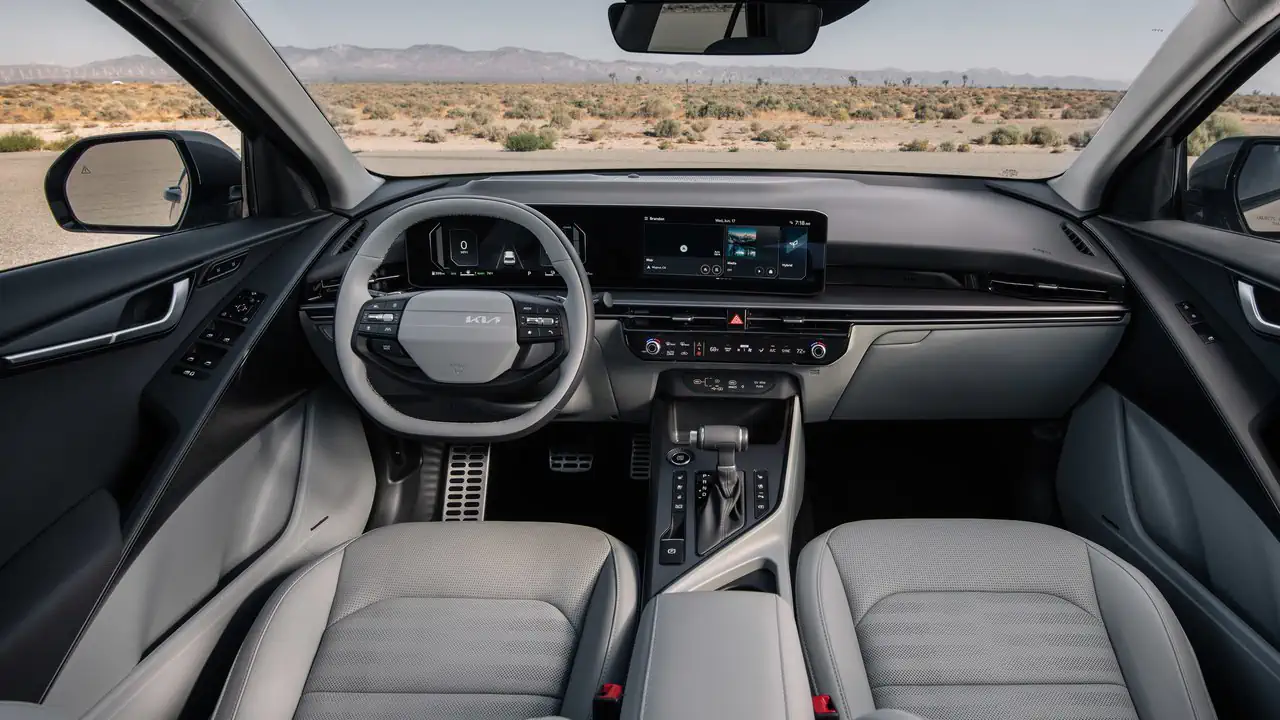
The infotainment system runs on Kia’s new ccNC software, which fixes the lag issues that plagued earlier screens. On upper trims, two 12.3-inch displays sit under one curved piece of glass, combining the gauge cluster and touchscreen into a single unit.
Wireless Apple CarPlay and Android Auto now come standard across the lineup, closing a gap that frustrated shoppers in previous years. The safety suite includes cyclist detection, a blind-spot camera monitor and adaptive cruise control that reads upcoming curves.
Cargo space comes in at 22.8 cubic feet, putting the Niro ahead of several hatchback-based rivals in its class. The standout here is how well the tech integrates without glitching. The real limitation shows up when the gas engine kicks in abruptly once the battery runs low, adding some noise to an otherwise quiet cabin.

Real-World Performance: How the Niro Actually Drives
The powertrain pairs a 1.6-liter Atkinson-cycle engine with an electric motor, putting out 139 hp and 195 lb-ft of combined torque. Power runs through a 6-speed dual-clutch automatic to the front wheels only.
Around town, the Niro feels quicker than its numbers suggest. The electric motor’s instant torque covers for the modest horsepower, making stoplight starts feel more responsive than expected.
On the highway, that impression fades. Passing at speed with a loaded trunk asks a lot of the four-cylinder engine, and it responds with noise and a noticeable lack of urgency. The 0-60 mph time of 8.9 seconds backs that up. This is a city car first, a highway cruiser second.
Where the Niro really delivers is at the pump. EPA ratings of 53 MPG city and 45 MPG highway put it among the most efficient options in its class, all without needing a charging cable.
Cost of Ownership: Does the Niro Make Financial Sense?
Pricing for the 2027 Niro starts around $28,885 for the base LX trim and climbs to about $37,285 for the loaded SX Touring. Kia kept increases modest for this refresh despite the added tech.
Insurance costs should land on the lower end for the class, helped by the standard collision-avoidance suite. Exact premiums vary by state and driver profile, but the Niro’s safety scores work in its favor.
On maintenance, Kia backs the hybrid components with a lengthy warranty, and scheduled service costs stay reasonable through most ownership periods. That said, some independent shops have been known to quote inflated prices for basic 16,000-mile checkups, so it pays to shop around rather than default to the first dealer.
One thing worth watching: the dry dual-clutch transmission can develop shudder or clunking around 40,000 to 60,000 miles, which may mean an unplanned fluid service down the road. Financing terms and total cost of ownership should factor that in.
The Niro makes the most sense for buyers who do most of their driving in town and want real fuel savings without dealing with a charger. Highway-heavy drivers may want to cross-shop something with more passing power.
Frequently Asked Questions About the 2027 Kia Niro
Does the 2027 Niro still come as a plug-in or EV?
No. Starting with the 2027 model year, the Niro is offered only as a standard hybrid (HEV).
What kind of real-world fuel economy can you expect?
Most drivers report figures close to EPA estimates, with city driving often exceeding 50 MPG in stop-and-go traffic.
Does the dual-clutch transmission have reliability issues?
Some owners report shudder or clunking between 40,000 and 60,000 miles, usually tied to the clutch fluid needing service.
What are the Niro’s closest competitors in the US?
The Toyota Corolla Cross Hybrid and Hyundai Kona Hybrid are the most direct rivals in price and mission.
Verdict: Is the 2027 Kia Niro Worth Buying?
The Niro is a practical buy, not an emotional one. It won’t win any drag races, but it backs up its fuel economy claims and packs in more tech than most rivals at this price.
It’s not the right call for anyone who spends serious time on the highway or wants a punchier driving feel. That’s where the powertrain shows its limits.
For daily city driving, though, the Niro delivers exactly what it promises: real savings at the pump without any of the hassle that comes with plugging in.
So, does the Niro’s no-plug approach make more sense to you than going full electric, or should Kia bring the EV version back to the US lineup? Let us know in the comments.
Share this article

Por: Danniel Bittencourt
02/07/2026
Related posts