BMW iX5: The Electric SUV That Could Retire the iX
The BMW iX5 lands as the brand’s most powerful electric SUV yet, packing a 144 kWh battery, 460 kW charging, and nearly 6,400 pounds of curb weight. Is it worth the upgrade over the gas-powered X5? Specs, pricing, and the feature BMW left behind.
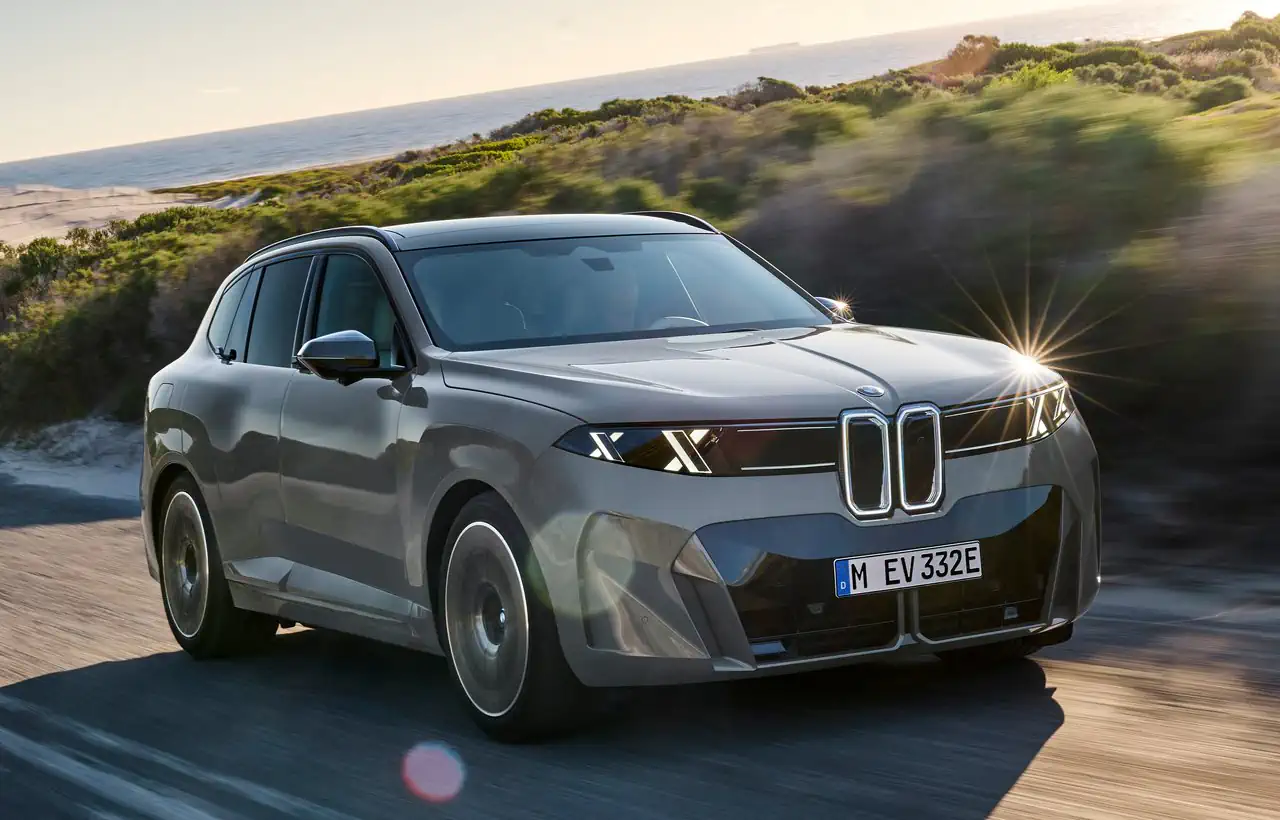
BMW iX5 2027: The Electric SUV Set to Reshape the X5 Lineup
BMW just pulled the wraps off the iX5, the first fully electric version of the fifth-generation X5, internally code-named G65. The SUV arrives with a 144 kWh battery, dual-motor setup, and up to 570 horsepower on tap.
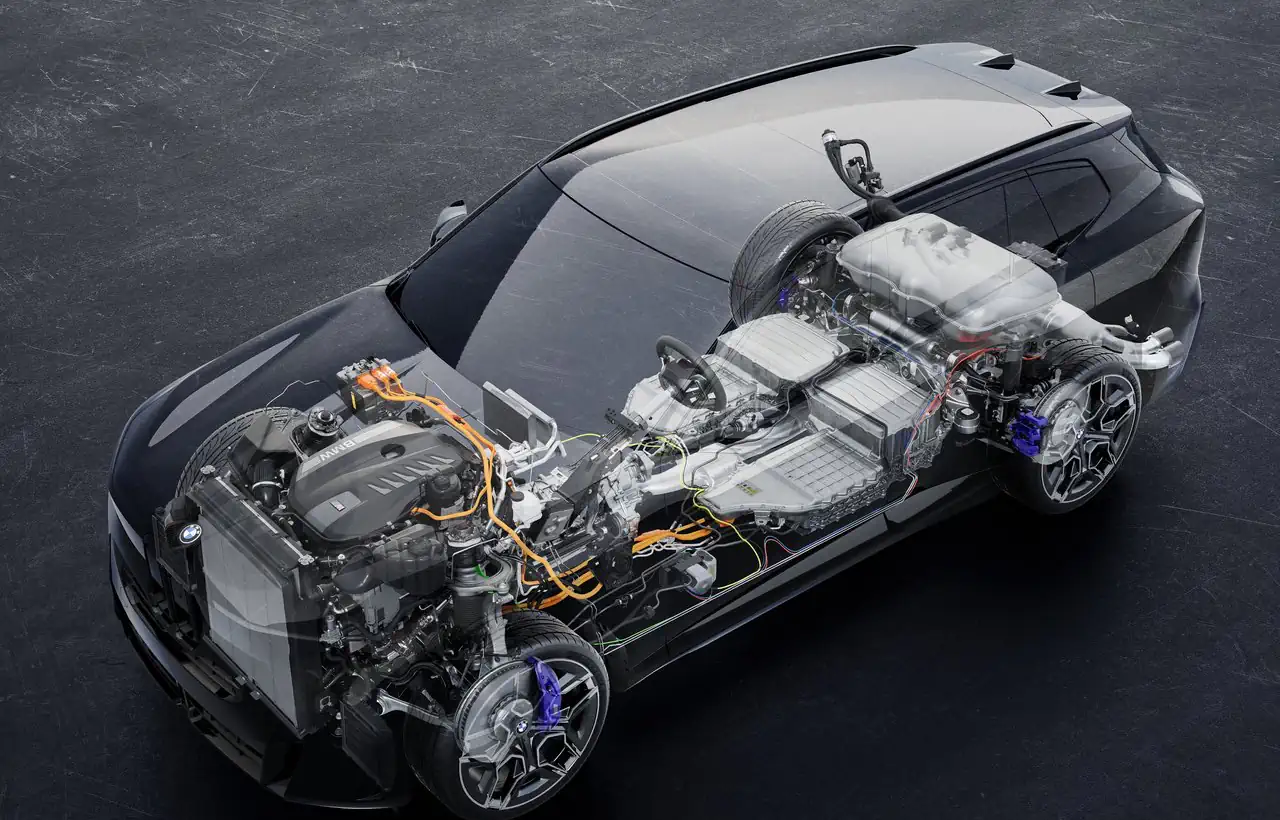
Unlike what a lot of people expected, BMW didn’t build a dedicated platform for this EV. The iX5 rolls down the same production line as gas, diesel, and plug-in hybrid X5 models, and that decision shapes nearly every engineering trade-off on this vehicle.
The iX5 sits at the top of the X5 family and is set to take over for the current BMW iX, which has been the brand’s only mid-to-large electric SUV. In the U.S., it lands as a genuine flagship, going up against the Mercedes-Benz EQE SUV, Porsche Cayenne Electric, Rivian R1S, Audi Q8 e-tron, and Tesla Model X.
Quick Specs
| Spec | Details |
|---|---|
| Category | Luxury electric SUV |
| Powertrain | Dual electric motor (rear EESM + front ASM) |
| Power | 570 hp |
| Torque | 594 lb-ft |
| Transmission | Two-stage reduction gear, AWD |
| Drivetrain | All-wheel drive (xDrive) |
| 0-60 mph | 4.4 seconds |
| Top Speed | 130 mph (electronically limited) |
| Efficiency | 2.3 to 2.8 mi/kWh |
| Range | Approximately 435 miles (EPA estimate) |
| On-Sale Date | Production begins in 2027 |
Those numbers alone tell you how serious BMW is about this car. But the real story shows up in the design, the cabin, and especially the curb weight, where the engineering trade-offs become impossible to ignore. Let’s get into it.
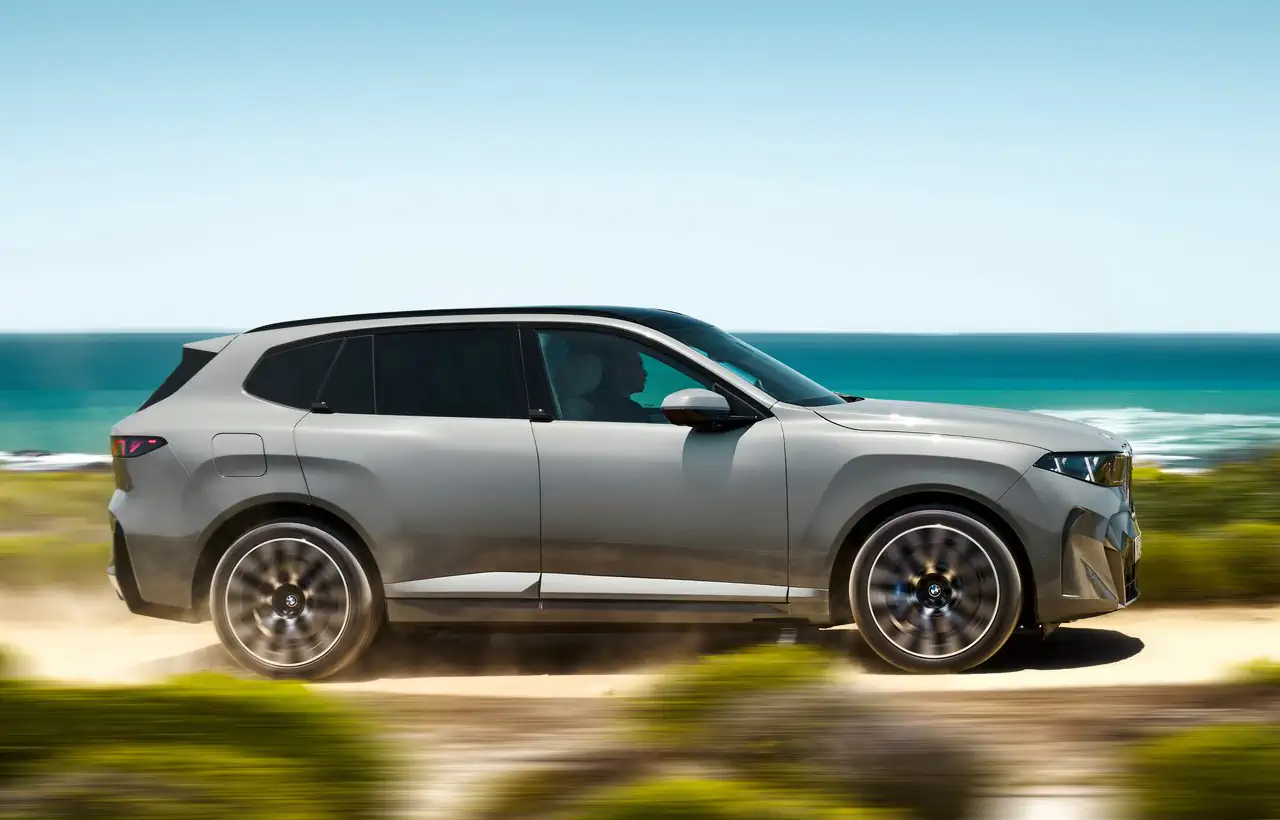
A Body That Breaks From X5 Tradition
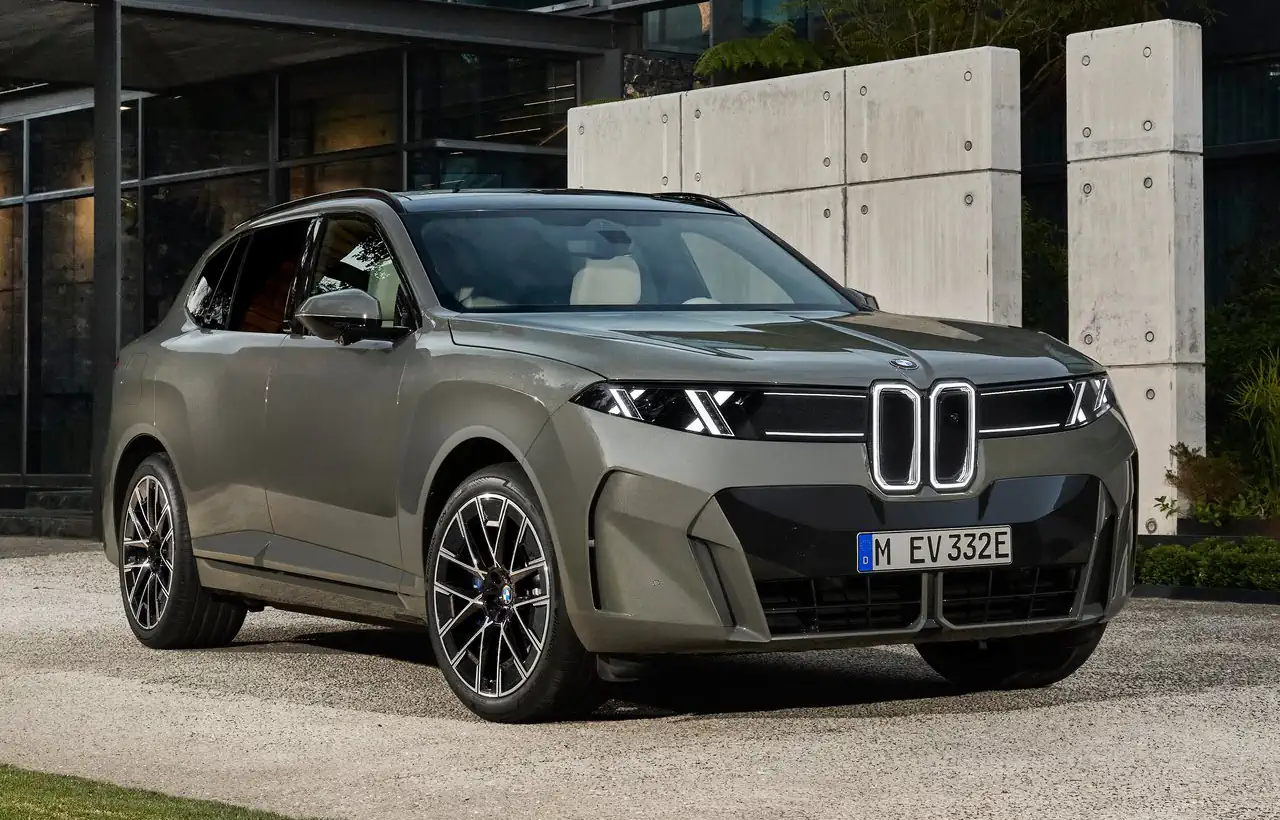
The iX5 shows up with a redesigned front end and a narrower, more vertical version of BMW’s signature twin-kidney grille, pulling inspiration from the brand’s 1970s sedans. It’s a sharp contrast to the oversized grilles BMW has been putting on models like the XM.
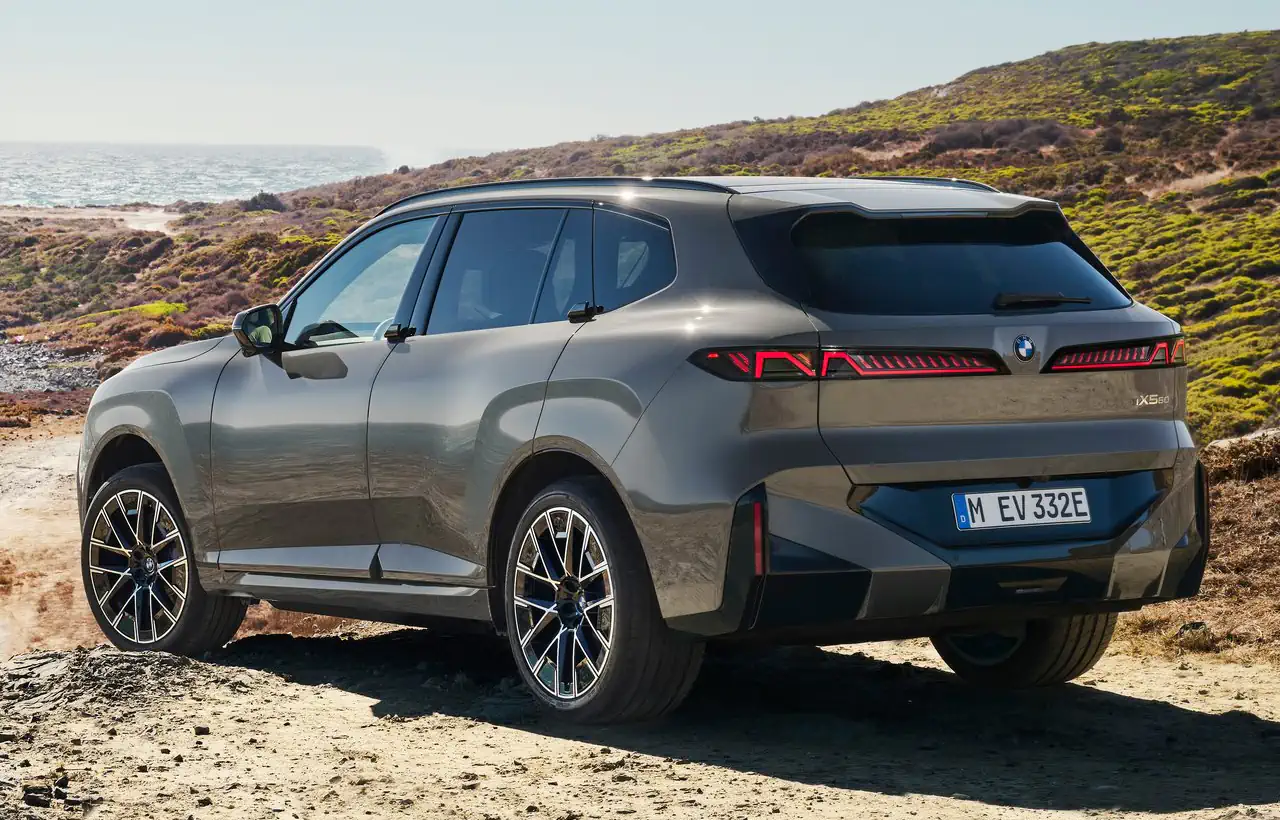
The headlights get a new “double X” signature that combines low beams, daytime running lights, position lights, and turn signals into one compact module. Around the side, conventional door handles are gone. In their place, BMW added flush-mounted touch handles on the B- and C-pillars, dubbed BMW Winglets, which help aerodynamics and clean up the bodywork.
The most debated change sits out back. For the first time since 1999, the X5 ditches its signature split tailgate in favor of a single one-piece liftgate. BMW says the switch cuts weight and simplifies the rear electrical architecture, but it’s a feature plenty of longtime owners will miss.
Overall, the design reads as commanding without sacrificing aerodynamic efficiency, which matters a lot for an electric SUV this large.
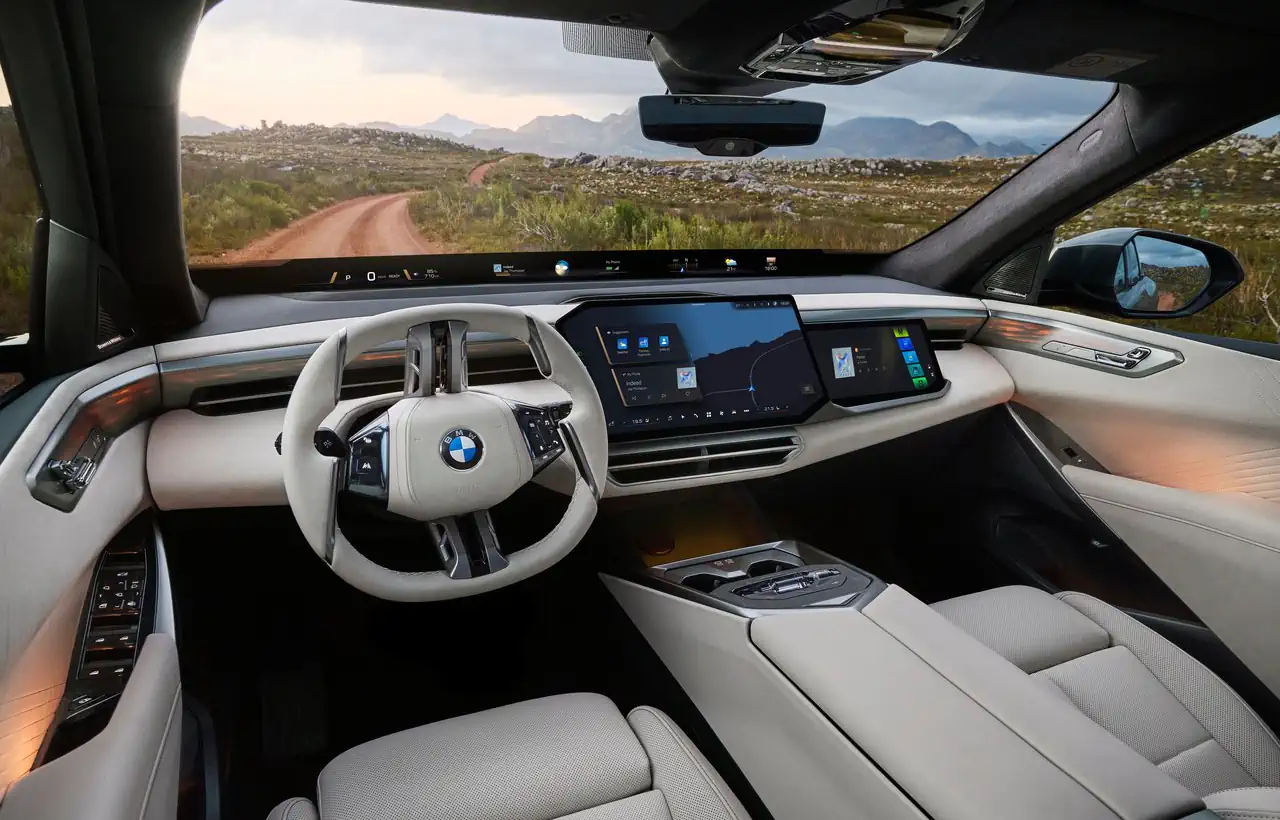
A Cabin That Trades Buttons for Screens
A Finish That Leans Into Minimalism
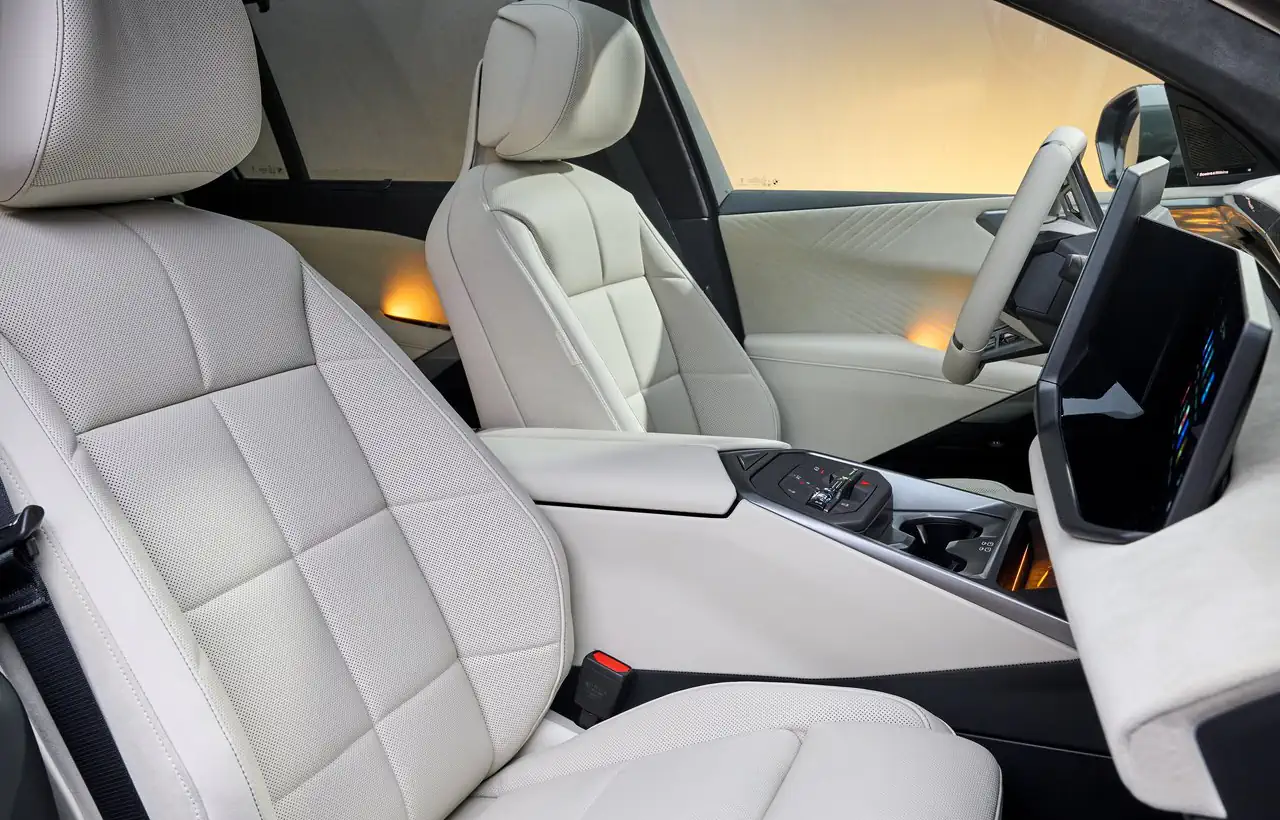
The iX5’s dashboard moves away from the leather-and-wood formula BMW has leaned on for decades. The brand fits synthetic Veganza upholstery as standard, with Merino leather available as a premium option, and swaps piano black trim for a genuine slate finish.
Sustainability plays a real role here too. BMW uses nearly 2,070 pounds of recycled material throughout the build, including PET yarn in the headliner and closed-loop aluminum in the door structure.
The front seats follow the direction BMW has taken in its newer models, with solid lateral support and trim that blends comfort with a tech-forward look, a step up from the brand’s more conservative past efforts.
Screens, Connectivity, and What’s Left for Space
The central touchscreen measures 17.9 inches and runs BMW’s new Operating System X, built on an Android foundation. The traditional gauge cluster is gone — driving information now appears on a glass strip that stretches across the base of the windshield, called BMW Panoramic Vision.
An optional 14.6-inch passenger display is also available, with a privacy filter that keeps the driver from seeing content while behind the wheel.
The strongest point of the cabin is rear legroom, which grew substantially thanks to a longer wheelbase. The real trade-off is the missing third row, a feature that’s been part of the X5 lineup since 2006 and was cut to make room for the rear electric hardware.
Performance and Range: How the iX5 Actually Drives
The drivetrain pairs two motors. At the rear, an electrically excited synchronous motor makes 325 hp on its own, without relying on rare-earth materials in the rotor. Up front, an asynchronous motor only engages when needed, adding another 245 hp to the mix.
Combined output lands at 570 hp and 594 lb-ft of torque, numbers that put the iX5 among the most powerful electric SUVs on sale. In practice, that means instant passing power and all-wheel-drive traction that can correct wheel slip in milliseconds, according to BMW.
The sprint from 0-60 mph takes 4.4 seconds, sports-car territory for a vehicle pushing nearly 6,400 pounds. Top speed is electronically capped at 130 mph, not because the powertrain runs out of steam, but to protect the motor and preserve battery health over time.
On efficiency, the iX5 lands between 2.3 and 2.8 mi/kWh depending on driving conditions, working out to roughly 85 MPGe combined. That’s the cost of hauling a massive 144 kWh battery pack — plenty of range, but not the most efficient EV in its class.
Cost of Ownership: Does the BMW iX5 Make Financial Sense?
BMW’s U.S. pricing starts at $81,250 MSRP for the iX5 60 xDrive, plus a $1,450 destination fee from the Spartanburg, South Carolina plant. That positions it above the gas-powered X5 40 ($71,250) and the X5 50e plug-in hybrid ($78,950).
Insurance premiums are worth budgeting for. Expect rates to run higher than a comparable gas or hybrid X5, largely because of the cost of replacing that structural 144 kWh battery pack after a collision.
Maintenance costs tell a different story. With no oil changes, spark plugs, or timing belts to worry about, scheduled upkeep is lighter than on a traditional X5, even though the standard 22- or 23-inch wheels and nearly 600 lb-ft of torque chew through tires faster than most owners expect.
For buyers financing the purchase, the iX5’s federal EV tax credit eligibility (where applicable) and BMW’s complimentary maintenance program for the first three years help offset some of that premium MSRP. Whether it’s worth buying at launch versus waiting for early depreciation really comes down to how much you value being first.
Frequently Asked Questions
What’s the real-world range of the BMW iX5?
BMW estimates around 435 miles on the EPA cycle, though real-world numbers will vary with wheel size and driving conditions.
How fast does it actually charge?
On an 800V DC fast charger, the iX5 goes from 10% to 80% in about 22 minutes, adding up to 170 miles of range in just 10 minutes.
What are its main competitors?
The Mercedes-Benz EQE SUV, Porsche Cayenne Electric, and Audi Q8 e-tron are its closest rivals in power and technology.
Is maintenance expensive?
BMW covers scheduled maintenance for the first three years, but insurance premiums tend to run higher than on hybrid versions of the X5.
Verdict: Is the BMW iX5 Worth the Investment?
The iX5 is an emotional buy before it’s a rational one. Nearly 6,400 pounds of curb weight and middling efficiency numbers show it’s not the smartest EV on the market, but it delivers tech, presence, and performance that few rivals can match.
It’s not the right pick for buyers chasing maximum efficiency, and it’s not for families who relied on the X5’s old third-row seating option. For drivers who want electric status without compromising on size, the iX5 delivers exactly that.
Does the iX5’s price tag feel justified against the competition, or would you rather wait for the next generation? Share your honest take in the comments below.
Share this article

Por: Danniel Bittencourt
30/06/2026
Related posts