2027 Hyundai Elantra: The Most Tech-Forward Compact Sedan of Its Generation
The 2027 Hyundai Elantra just landed with a generative AI assistant, a twin-motor hybrid, and a design bold enough to make Toyota nervous. But does the hype hold up? Full breakdown inside.
2027 Hyundai Elantra: New Hybrid, Built-In AI, and a Design That’s Anything but Safe
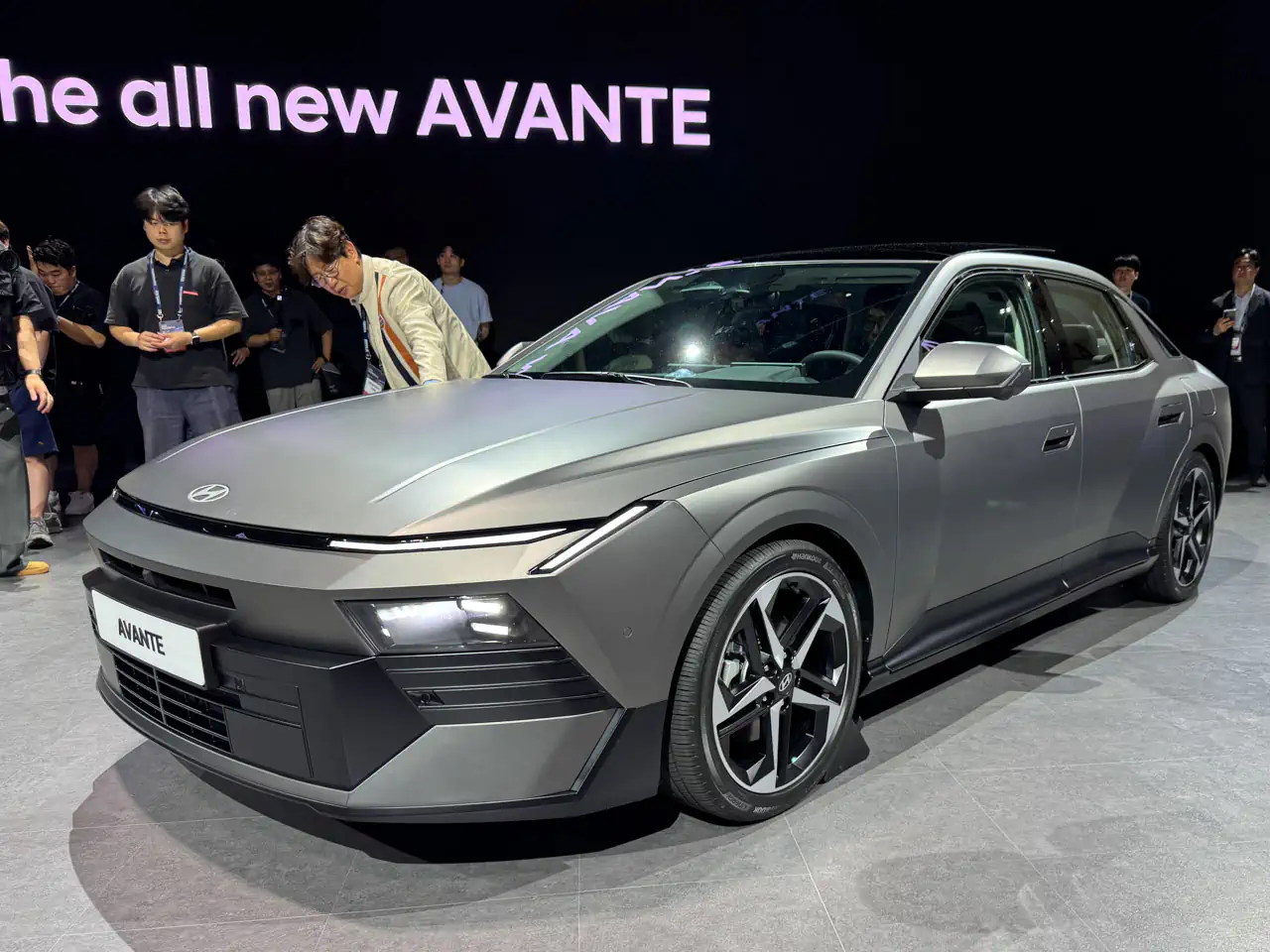
Hyundai pulled the wraps off the eighth-generation Elantra at the 2026 Busan Mobility Show, and the message was unmistakable: this is not your typical compact sedan. The automaker is positioning the car as an “SDV” — a software-defined vehicle — with a generative AI assistant and an entirely new infotainment architecture built from the ground up.
This is a full generational redesign, not a refresh. The car grew in size, added a twin-motor hybrid powertrain, and debuts the Pleos Connect platform alongside the Gleo AI voice assistant.
On paper, the 2027 Elantra is aimed squarely at the Toyota Corolla and Honda Civic in global markets. US shoppers can expect to see it on dealer lots in the first half of 2027.
Quick Stats
| Spec | Details |
|---|---|
| Segment | Compact sedan (C-segment) |
| Powertrain | 2.0L naturally aspirated gas / 1.6L TMED-II hybrid (twin electric motors) |
| Horsepower | 2.0: ~147 hp / Hybrid: ~155 hp (combined system output) |
| Torque | 2.0: ~132 lb-ft / Hybrid: ~195 lb-ft |
| Transmission | 2.0: IVT automatic / Hybrid: dedicated TMED-II automatic |
| Drive | Front-wheel drive (FWD) |
| 0–60 mph | Not officially disclosed |
| Top Speed | Not officially disclosed |
| Fuel Economy | Current hybrid: up to 54 MPG combined (EPA); 2027 target exceeds that |
| Range | ~620 miles per tank (hybrid — automaker’s stated target) |
| On Sale | Korea: Q3 2026 / United States: First half 2027 |
The spec sheet already says a lot about what Hyundai means by “software-defined sedan” — but the numbers in that table are just the opening act. The real story is in what follows.
Art in Steel or Too Much of It? The Sedan That Refuses to Blend In
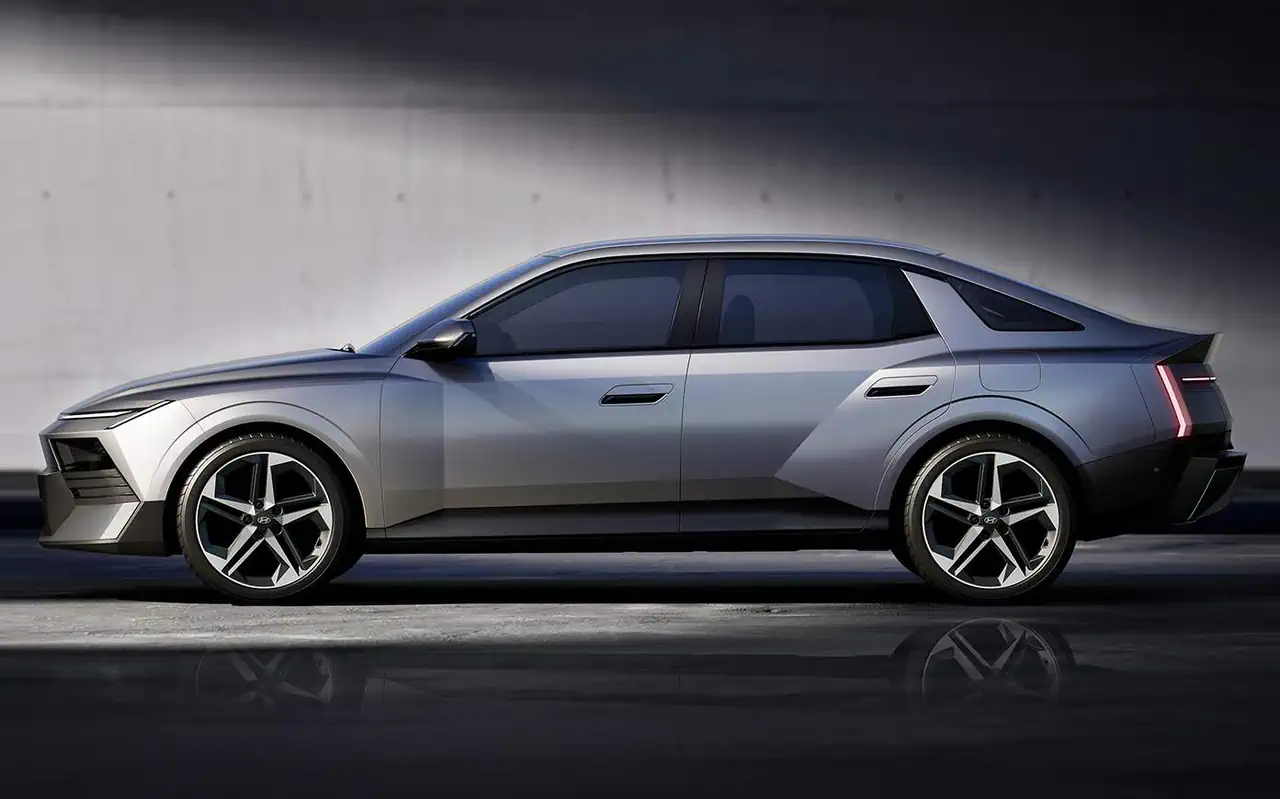
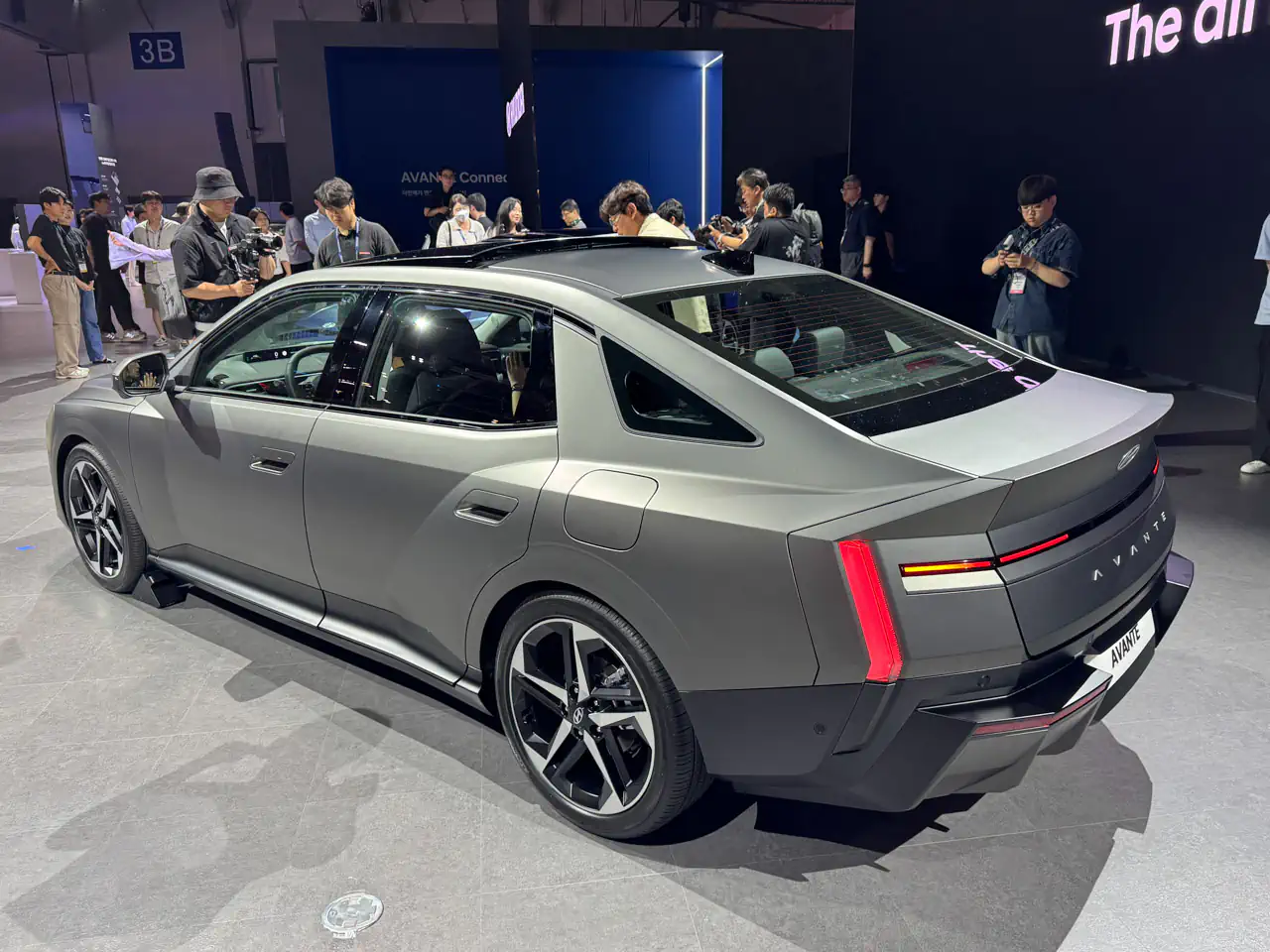
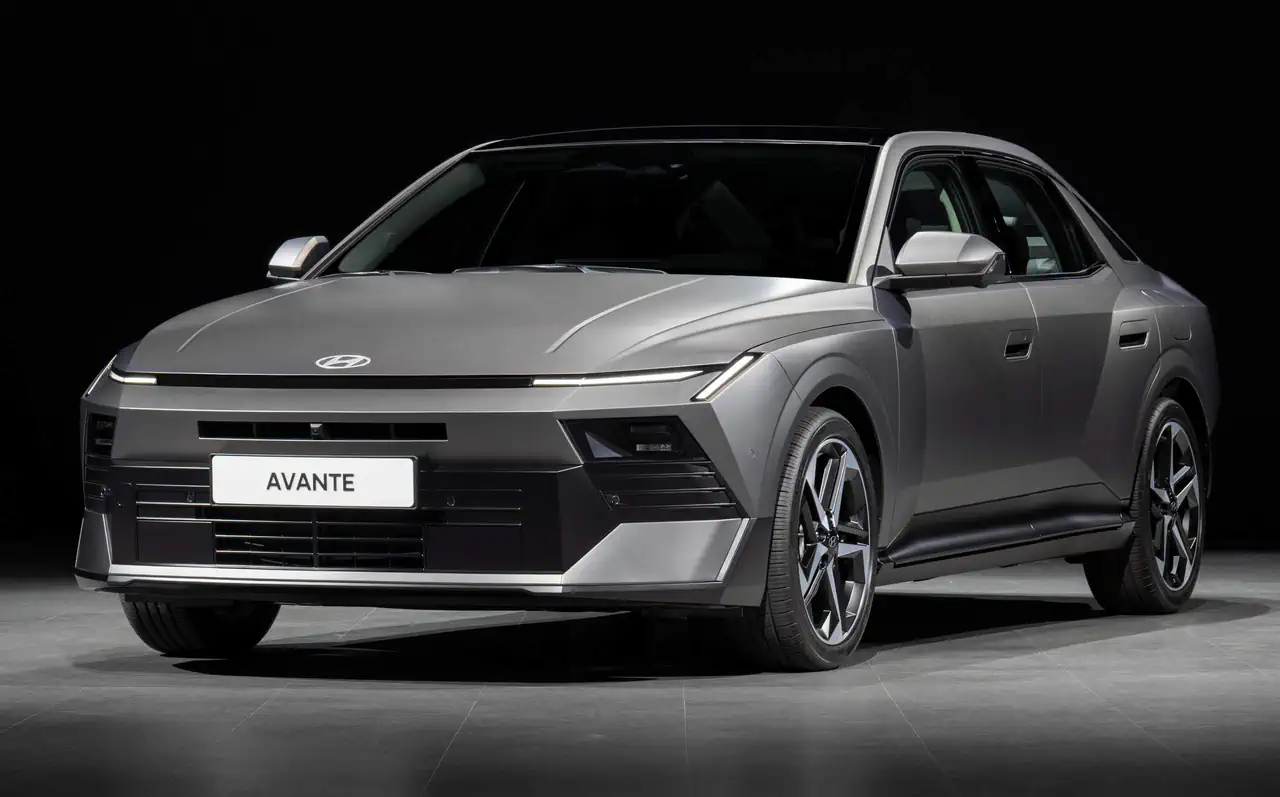
Walking around the 2027 Elantra for the first time, the reaction is somewhere between surprise and genuine curiosity — and that’s clearly by design. Hyundai’s “Art of Steel” language pushes the car toward extremely sharp angles, deep character lines, and proportions that feel closer to a concept car than something you’d find at a dealership.
Up front, the H-Edge lighting signature runs horizontal DRLs intersected by vertical elements that form a stylized H. The result is a low, aggressive face with a sculpted bumper and prominent air intakes that leave no doubt about which direction the brand is heading.
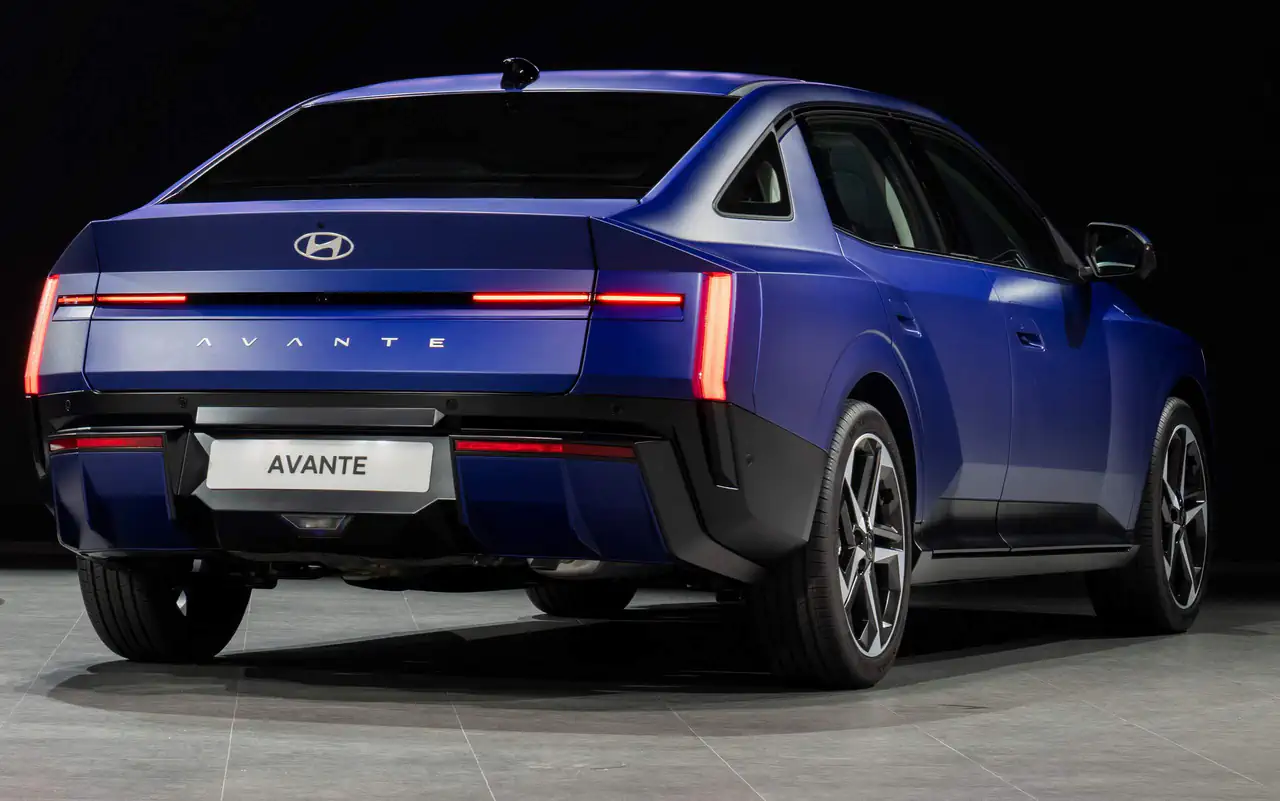
Along the sides, muscular wheel arches and sharp door creases reinforce the athletic stance. The roofline drops in a gradual fastback curve toward the rear — a detail that helps the aero profile but does come at a cost to rear headroom, something worth keeping in mind before you sign anything.
Out back, the connected taillights carry the same H theme, a subtle ducktail spoiler adds just enough visual tension, and flush door handles complete the clean, almost EV-like silhouette.
Does it work? That depends entirely on who you ask. Several automotive journalists who walked the floor in Busan described the exterior as “polarizing,” particularly the folded, origami-like door surfaces. It’s a design that breaks hard from the previous generation — and from what Corolla and Civic are doing.
Inside, Hyundai Wants You to Forget You’re in a Compact Sedan
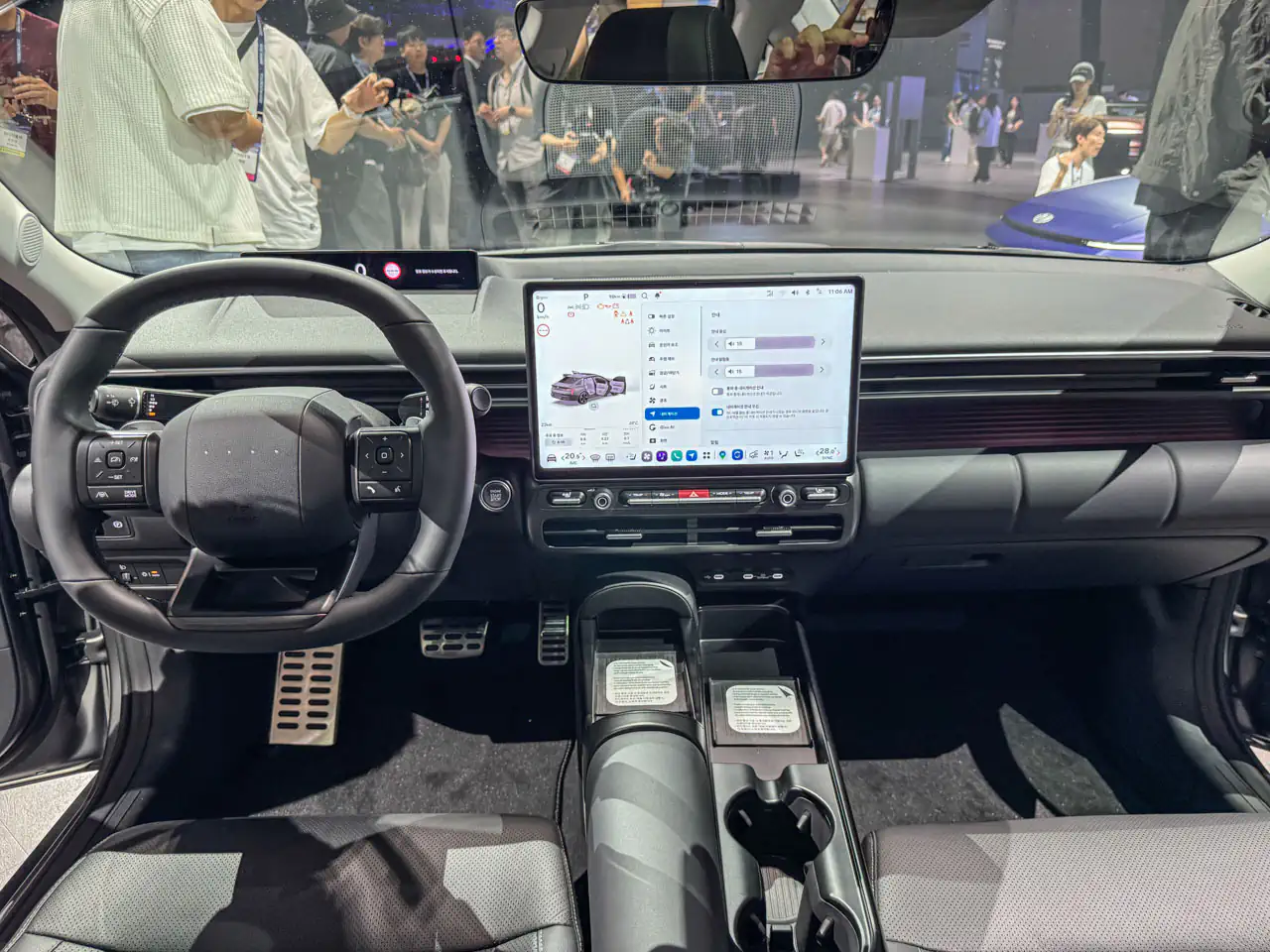
Step inside the 2027 Elantra, and the exterior aggression gives way to something unexpectedly refined. The interior follows a “lounge” concept — curved surfaces, soft-touch materials on contact points, a floating center console, and ambient lighting that runs continuously across the dashboard and door panels. Journalists who sat in the car at Busan consistently noted that the perceived quality felt like a step up from the outgoing model, and a genuine step ahead of most competitors in the segment.
The screen layout is one of the more thoughtful decisions Hyundai made here. Rather than fusing two displays into one slab — a look that’s becoming increasingly tired — the 9.9-inch digital instrument cluster sits close to the base of the windshield for easy sightline management. The central display ranges from 12.9 to 17 inches depending on trim and market.
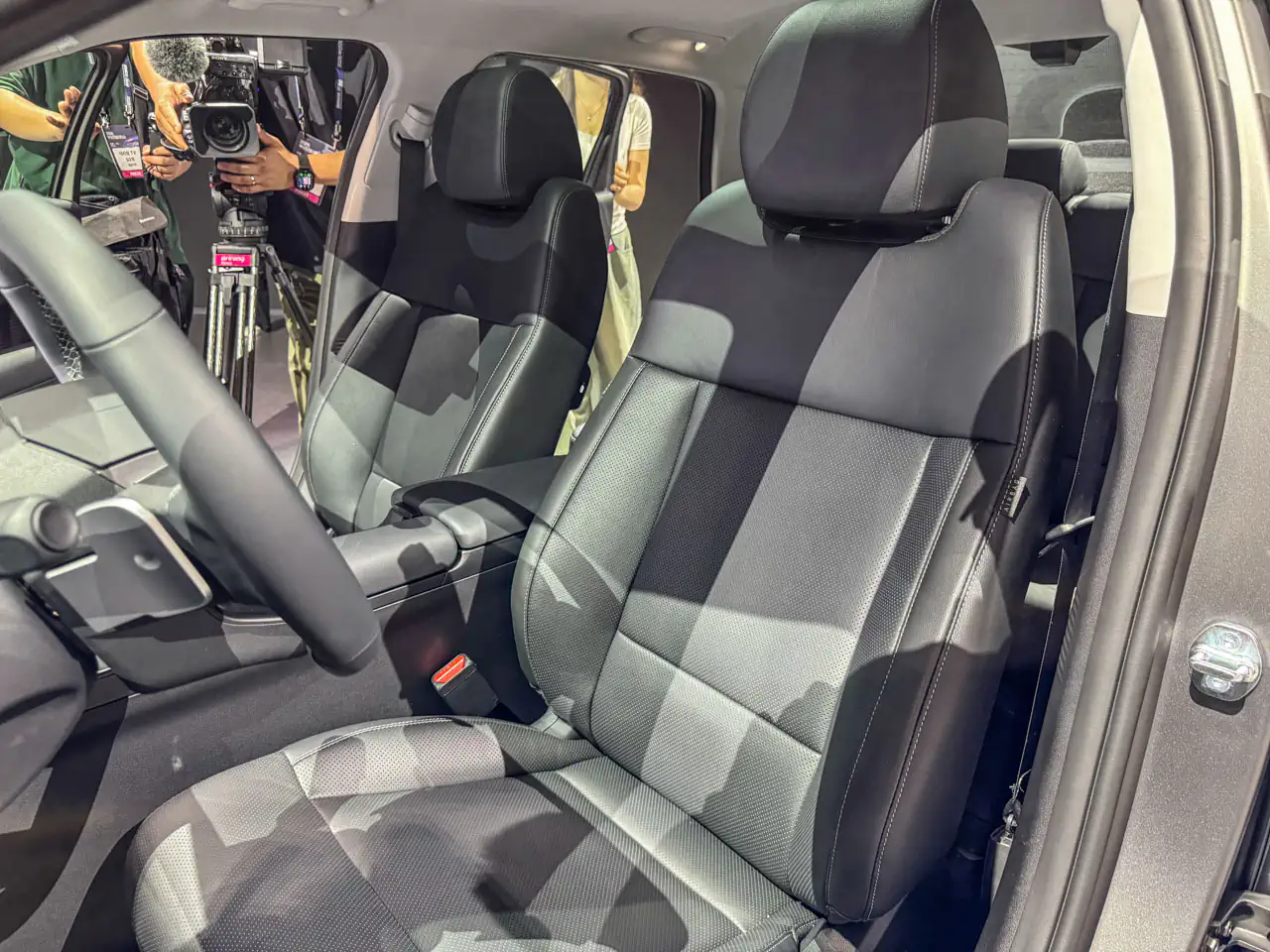
Front seat comfort drew positive remarks across the board: good lateral support, power adjustments, and a driving position that felt natural rather than engineered for spec-sheet purposes. The materials used throughout suggest Hyundai put real thought into where your hands and eyes actually go.
Screens, AI, and What the Back Seat Actually Feels Like
The Pleos Connect system runs on Android Automotive, supports its own app marketplace, over-the-air updates, and Vehicle-to-Load (V2L) capability. The Gleo AI assistant handles natural language commands — traffic queries, climate control, navigation, and vehicle function adjustments — without the robotic rigidity of older voice systems. Upper trims add Bang & Olufsen audio and an integrated dashcam.
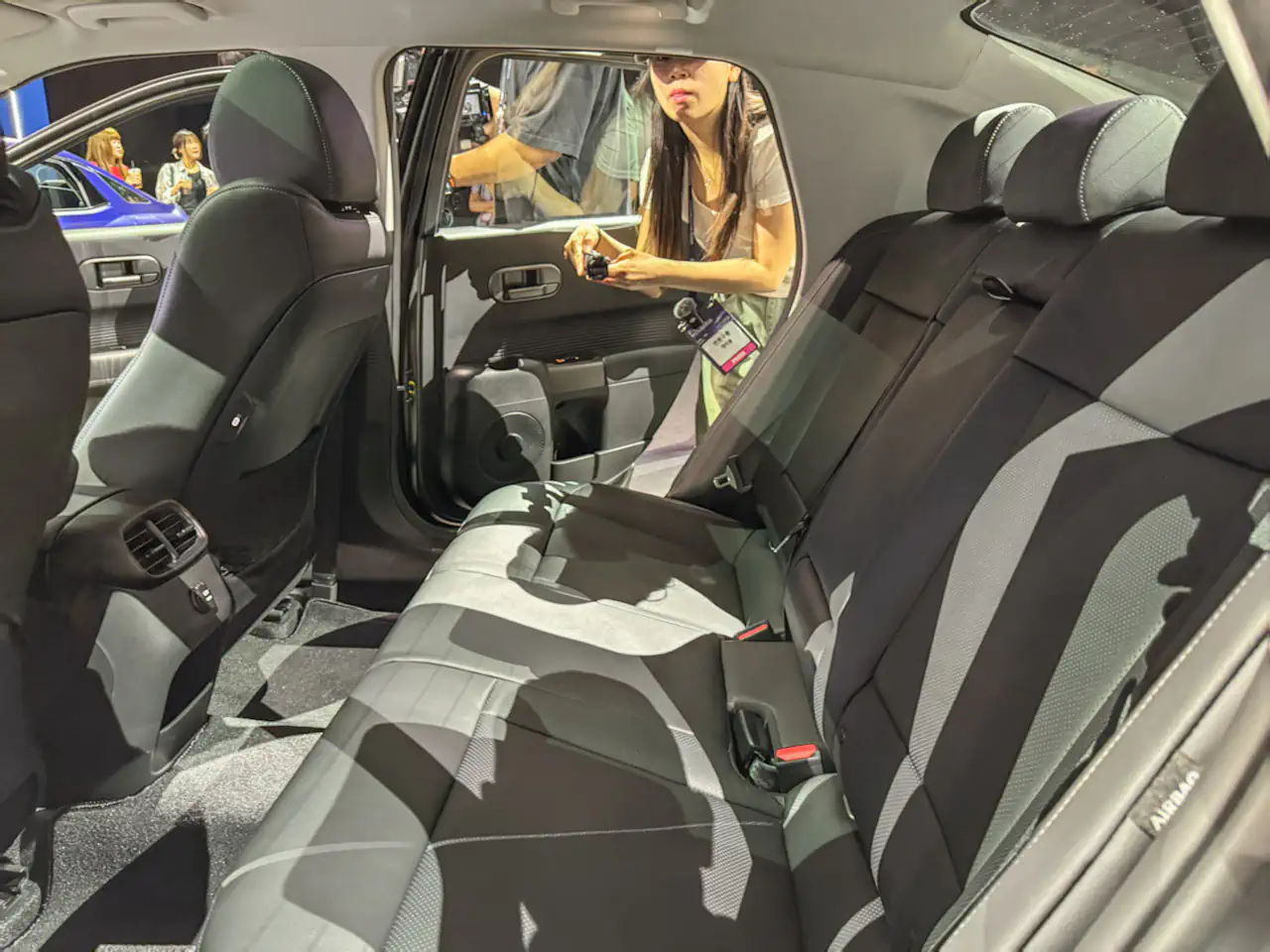
In back, the news is mostly good. Reviewers report generous legroom and headroom for passengers up to around 6 feet, putting rear-seat comfort closer to a midsize sedan than you’d expect from a compact. Rear USB-C charging ports and ambient lighting carry the premium feel through to the second row.
The undisputed cabin highlight is the sheer amount of usable space for the segment. The real limitation — and it shows up in every first-look review — is a low roofline combined with a tall center tunnel that makes rear-seat access awkward and squeezes the middle passenger. Official trunk volume for the 2027 has not been released; the current Elantra’s 14.2 cubic feet serves as the closest reference point.
Under the Hood: Two Powertrains, Big Promises, and a Few Blanks Still to Fill
The 2027 Elantra comes with two confirmed powertrain options for the US and global markets. The base setup carries over a 2.0-liter naturally aspirated Smartstream four-cylinder, rated at approximately 147 horsepower and 132 lb-ft of torque, paired with an IVT automatic. It’s a sensible, low-drama setup — adequate for daily commuting and highway cruising without pushing any boundaries.
The powertrain worth paying attention to is the 1.6-liter TMED-II hybrid, which uses twin electric motors to bring combined system output to around 155 horsepower and 195 lb-ft of torque. That torque figure, available with the near-instant response you get from electric assist, should translate to noticeably stronger pulls in traffic and on highway on-ramps compared to the base engine. Hyundai says the transmission architecture has been optimized for the new hybrid system, though the exact gearing specifics haven’t been officially confirmed.
Official 0–60 mph and top speed figures for both the 2.0 and the hybrid haven’t been released. Journalists with hands-on time in Busan describe the overall performance character as comfort- and efficiency-focused rather than sporty — with a future Elantra N variant in development that will be a different conversation entirely.
On the efficiency side, the current Elantra Hybrid already earns up to 54 MPG combined under EPA testing, which puts it ahead of the Corolla Hybrid and well ahead of the base Civic. The TMED-II system in the 2027 was engineered specifically to push that number higher, and Hyundai has stated a target of roughly 620 miles of range per tank. Those figures need real-world EPA certification before they mean much, but the direction is credible given where the outgoing hybrid already lands.
MSRP, Insurance, and Maintenance: What the 2027 Elantra Will Actually Cost You
In the US, the 2027 Elantra is expected to reach dealerships in the first half of 2027. The current model starts at $23,870 and tops out around $31,045. Market analysts project the 2027 — particularly the hybrid — will come in between $26,000 and $30,000 at MSRP, though Hyundai has not released official pricing. Expect the hybrid trim to carry a premium of roughly $2,000 to $3,000 over the base 2.0 gas version, in line with industry norms for electrified variants.
For insurance, the current Elantra runs an average annual premium between $1,346 and $2,282 for full coverage, depending on driver profile and location — slightly above the compact sedan average, largely because of the electronics package. The 2027’s expanded ADAS suite and larger infotainment displays will likely keep premiums in a similar range or nudge them slightly higher. Shoppers who prioritize low insurance costs may find the Corolla or Sentra more forgiving on that front.
Maintenance costs on Hyundai’s compact sedans have historically been competitive with the Civic and Corolla. Hyundai’s standard 5-year/60,000-mile warranty and 10-year/100,000-mile powertrain coverage provide meaningful long-term protection. The open question for the 2027 is what out-of-warranty repair costs will look like for the Pleos Connect system, the Gleo AI hardware, and the expanded ADAS sensors — electronics-heavy vehicles can generate steep repair bills once the factory coverage runs out.
For financing, buyers who move early will pay the new-model premium. Waiting 12 to 18 months typically brings better incentive rates and allows real-world reliability data to surface — particularly relevant for the new hybrid system and the software stack. Depreciation data on the 2027 doesn’t exist yet; the current Corolla depreciates around 5.2% annually, which sets a useful benchmark for where the Elantra should aim.
The buyer who gets the most out of this car is a city-based professional who wants technology, efficiency, and a genuinely distinctive sedan — without the footprint or cost of a crossover.
Frequently Asked Questions About the 2027 Hyundai Elantra
What is the 2027 Elantra’s fuel economy?
The current hybrid model earns up to 54 MPG combined (EPA). The 2027 TMED-II system is engineered to exceed that, with Hyundai targeting roughly 620 miles of range per tank — official EPA numbers are still pending.
Will the 2027 Elantra be expensive to maintain?
Based on the current generation, maintenance costs are competitive with the Civic and Corolla. The wildcard is long-term repair costs for the new electronics and ADAS hardware once the warranty expires.
Who are the 2027 Elantra’s main competitors?
The Toyota Corolla, Honda Civic, Nissan Sentra, VW Jetta, and Mazda3 are the direct rivals in the US compact sedan segment. The Corolla Hybrid is the closest benchmark for the Elantra Hybrid specifically.
When does the 2027 Elantra go on sale in the US?
Hyundai has indicated US availability in the first half of 2027. Official on-sale dates and final pricing have not been confirmed.
Does the 2027 Elantra Earn a Spot in Your Garage?
The 2027 Elantra is a rational purchase for buyers who want above-average technology, a proven hybrid system, and more interior space than most compact sedans offer — without paying European premium prices.
It is not the right car for buyers who prefer conservative styling, families who need easy rear-seat access, or anyone who plans to keep the car well past the warranty window and doesn’t want software complexity in the repair bill.
A compact sedan that finally took technology seriously — now it just needs to prove it can live up to the spec sheet on American roads.
What do you think — does the 2027 Elantra’s sharp new design push the compact sedan segment forward, or did Hyundai go too far? Drop your take in the comments below.
Share this article

Por: Danniel Bittencourt
29/06/2026
Related posts