Bold Design: Here Is What We Know About the Eclipse Sportback
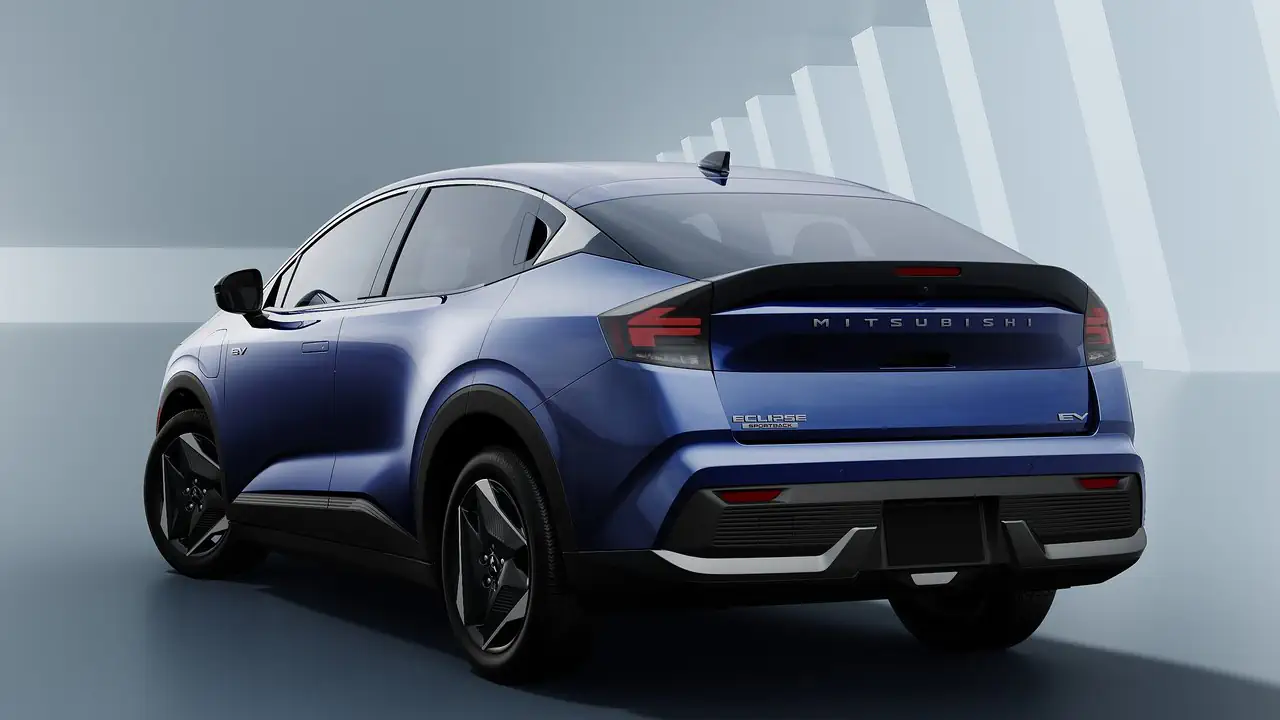
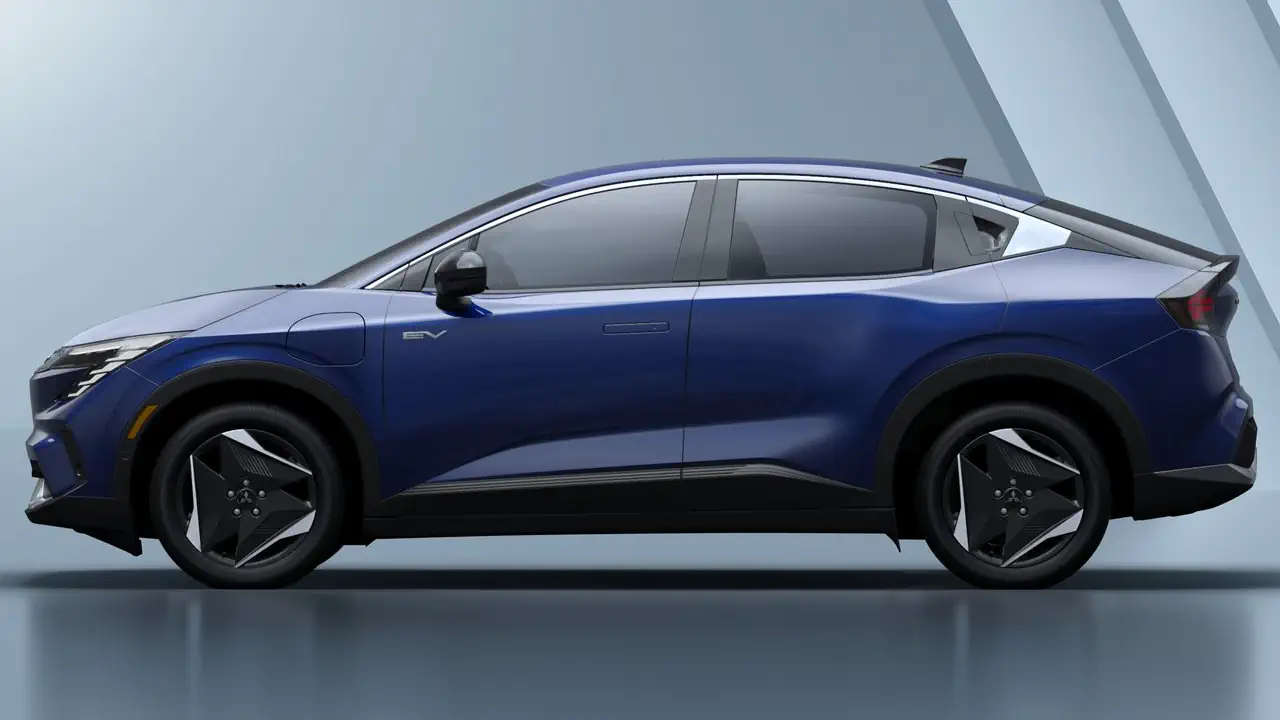
Mitsubishi plans to reinvent the Eclipse for the 2027 model year. The Sportback format combines a coupe silhouette with an electrified powertrain. Here is what we know about the upcoming Japanese bet for the US SUV market.
The New Direction for the Eclipse Sportback
The Eclipse lineup is set for an aggressive overhaul in the coming years.
Mitsubishi is considering adopting the Sportback body style for the 2027 generation.
This shift focuses on aerodynamics and the strong visual appeal of modern coupe SUVs.
Quick Facts: 2027 Mitsubishi Eclipse Sportback
| Specification | Detail |
| Category | Coupe SUV |
| Powertrain | Plug-in Hybrid (Estimated) |
| Horsepower | Information still unconfirmed |
| Torque (lb-ft) | Not yet disclosed by the automaker |
| Transmission | Automatic (CVT or Dual-Clutch) |
| Drivetrain | All-Wheel Drive (S-AWC) |
| 0 to 60 mph | More details should emerge closer to launch |
| Top Speed | Estimate based on preliminary info |
| Fuel Economy (MPG) | Not yet disclosed by the automaker |
| Range (miles) | Information still unconfirmed |
| Estimated MSRP | Pricing has not been announced yet |
| Release Date | Expected in 2027 |
What Changes on the Road
Understanding the strategy behind this new design explains a lot about the brand’s future.
The coupe silhouette directly impacts the vehicle’s aerodynamic drag and interior headroom.
We will break down how these updates affect daily driving and the car’s market positioning.
Sportback Design and Styling
The sloping roofline concept answers a growing demand among US buyers.
Consumers want a higher driving position without sacrificing a sporty profile.
This puts the Eclipse Sportback on a direct collision course with premium segment brands.
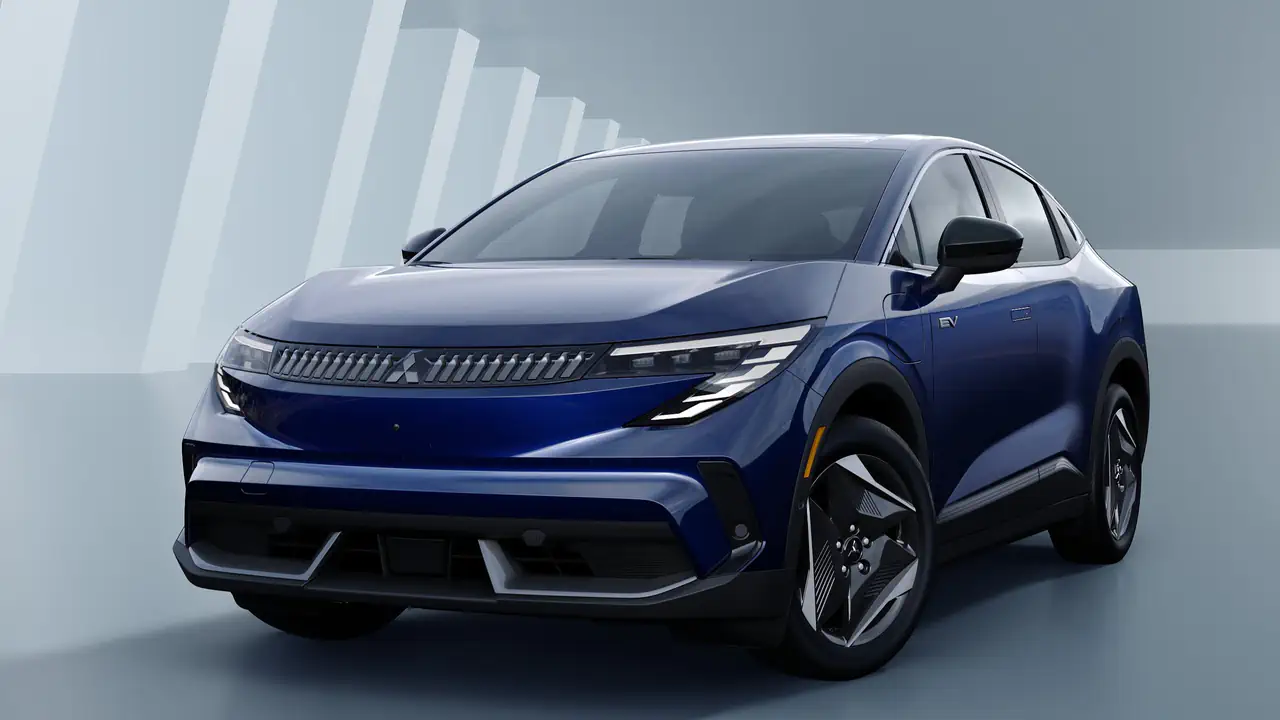
Visually, the front fascia should maintain and refine the automaker’s Dynamic Shield identity.
The sleek LED headlights and bold grille guarantee a strong presence on the road.
The sporty rear end promises full-width taillights, modernizing the vehicle’s nighttime signature.
Powertrain and Performance
Adopting a plug-in hybrid powertrain is practically a given for the new model.
The PHEV system ensures instant torque off the line and reduces emissions in urban traffic.
You can check out other upcoming releases leading this electric transition.
The traditional S-AWC all-wheel-drive system will be a dynamic advantage over competitors.
This setup distributes power between the axles, maintaining maximum grip in fast corners.
Fans of sharp driving dynamics often value this technical heritage, frequently seen in classic and V8 models.
Technology and Market Outlook
The cabin will feature larger screens and a completely revamped infotainment system.
Connectivity will set the standard, offering over-the-air (OTA) software and security updates.
To see how autonomous driving tech evolves, explore our concept vehicles section.
The US market eagerly awaits the announcement of official trim levels and starting MSRP.
The manufacturer is currently focusing on validating aerodynamics and battery thermal management.
Any fine-tuning in this final phase will impact the overall value the car delivers.

Danniel Bittencourt
09/06/2026