Lexus ES 350e: The Quietest Electric Sedan You Can Buy Under $50K
The 2026 Lexus ES 350e arrives as a fully electric luxury sedan priced below the brand’s own hybrid. With 307 miles of EPA range and near-silent cabin refinement, it challenges the BMW i5 and Mercedes EQE at a price nobody saw coming.
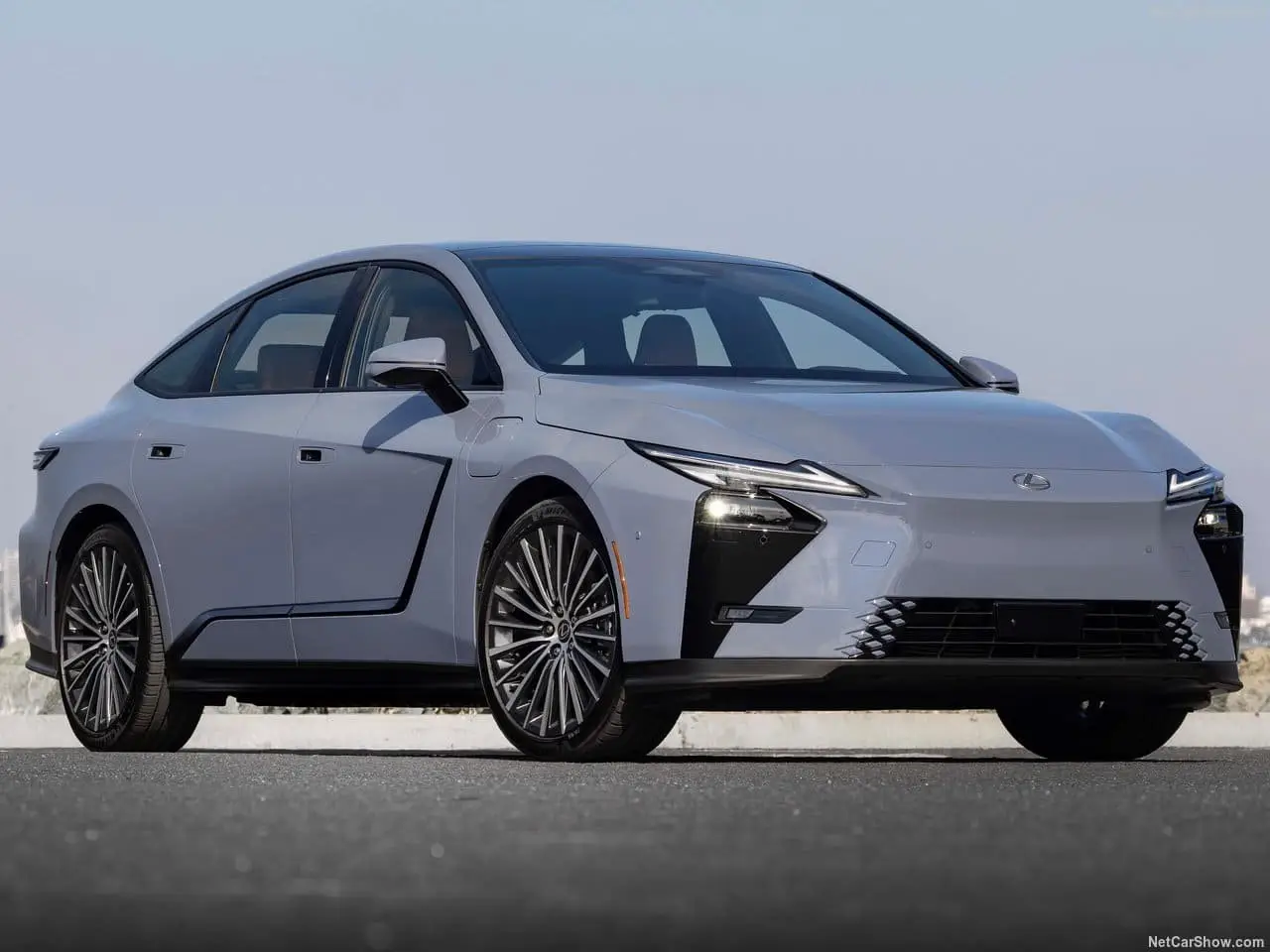
2026 Lexus ES 350e: The Electric Sedan Priced Below Its Own Hybrid
Lexus did something nobody expected: it priced the ES 350e electric sedan lower than the ES 350h hybrid. While rivals charge a significant premium for battery technology, the Japanese brand flipped the script and made the BEV the entry point of the entire lineup.
The ES 350e marks the eighth generation of the ES sedan and introduces a fully electric powertrain to the nameplate for the first time. This isn’t a refresh or a special edition. It’s a ground-up redesign with a stretched platform, new exterior language and a completely reimagined interior.
The closest competitors are the BMW i5 eDrive40, starting above $60,000, and the Mercedes-Benz EQE Sedan, which climbs past $70,000. The ES 350e opens at $48,895 MSRP. That gap is hard to ignore.
Quick Facts
| Specification | Details |
|---|---|
| Category | Luxury sedan |
| Powertrain | Single synchronous electric motor (BEV) |
| Output | 221 hp |
| Torque | 198 lb-ft |
| Transmission | Single-speed direct drive |
| Drive | Front-wheel drive (FWD) |
| 0–60 mph | 7.4 seconds |
| Top Speed | 99 mph (electronically limited) |
| Fuel Economy | Electric — no fuel consumption |
| Range | Up to 307 miles (19″ wheels) / 292 miles (21″ wheels) |
| Battery | 74.7 kWh |
| Model Year | 2026 (8th generation) |
The spec sheet alone doesn’t tell the full story. The ES 350e was engineered around a clear set of priorities: silence, refinement and long-term ownership value. Understanding what sits behind these numbers is where the real case for this car gets built.
The Sedan That Redesigned Its Own Visual Identity
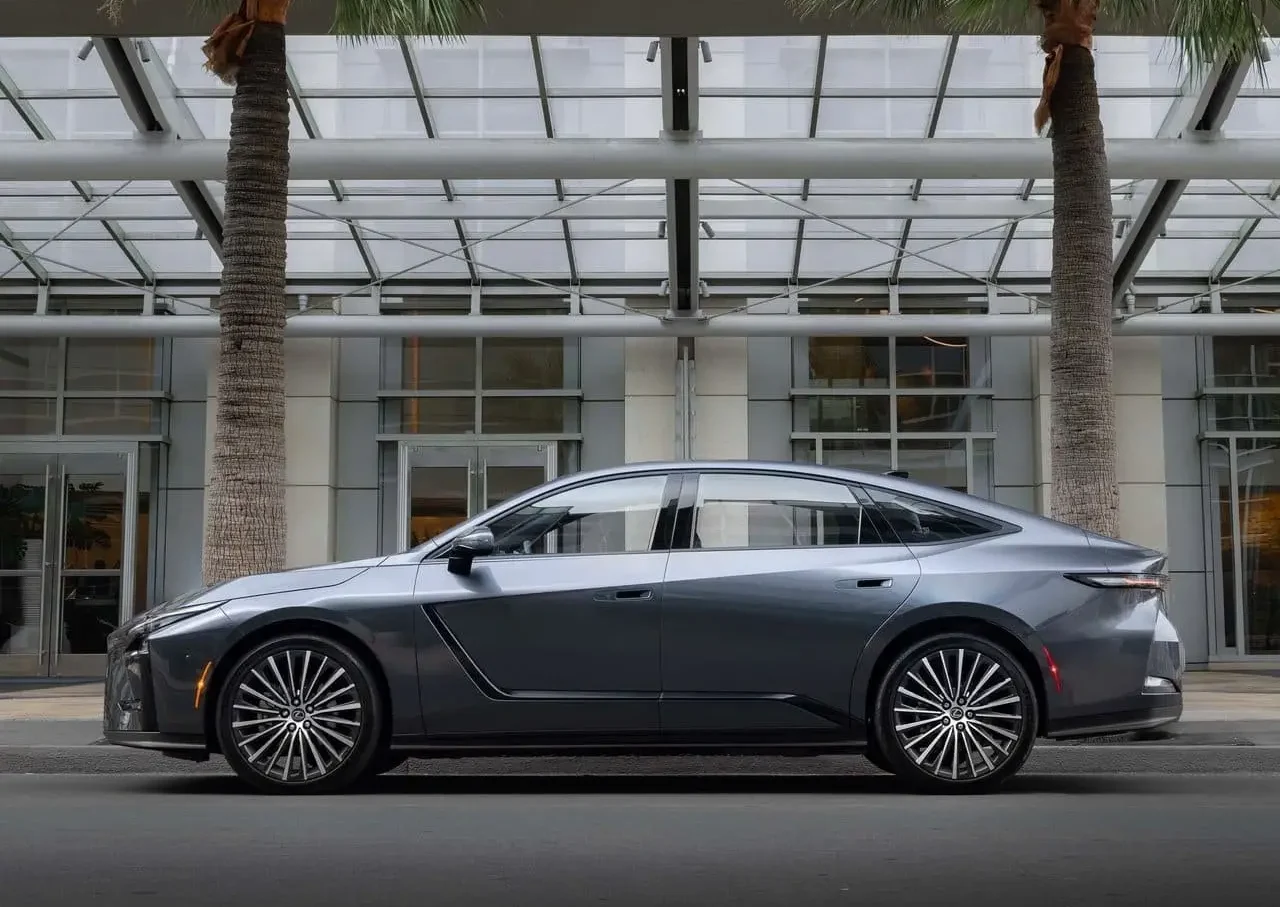
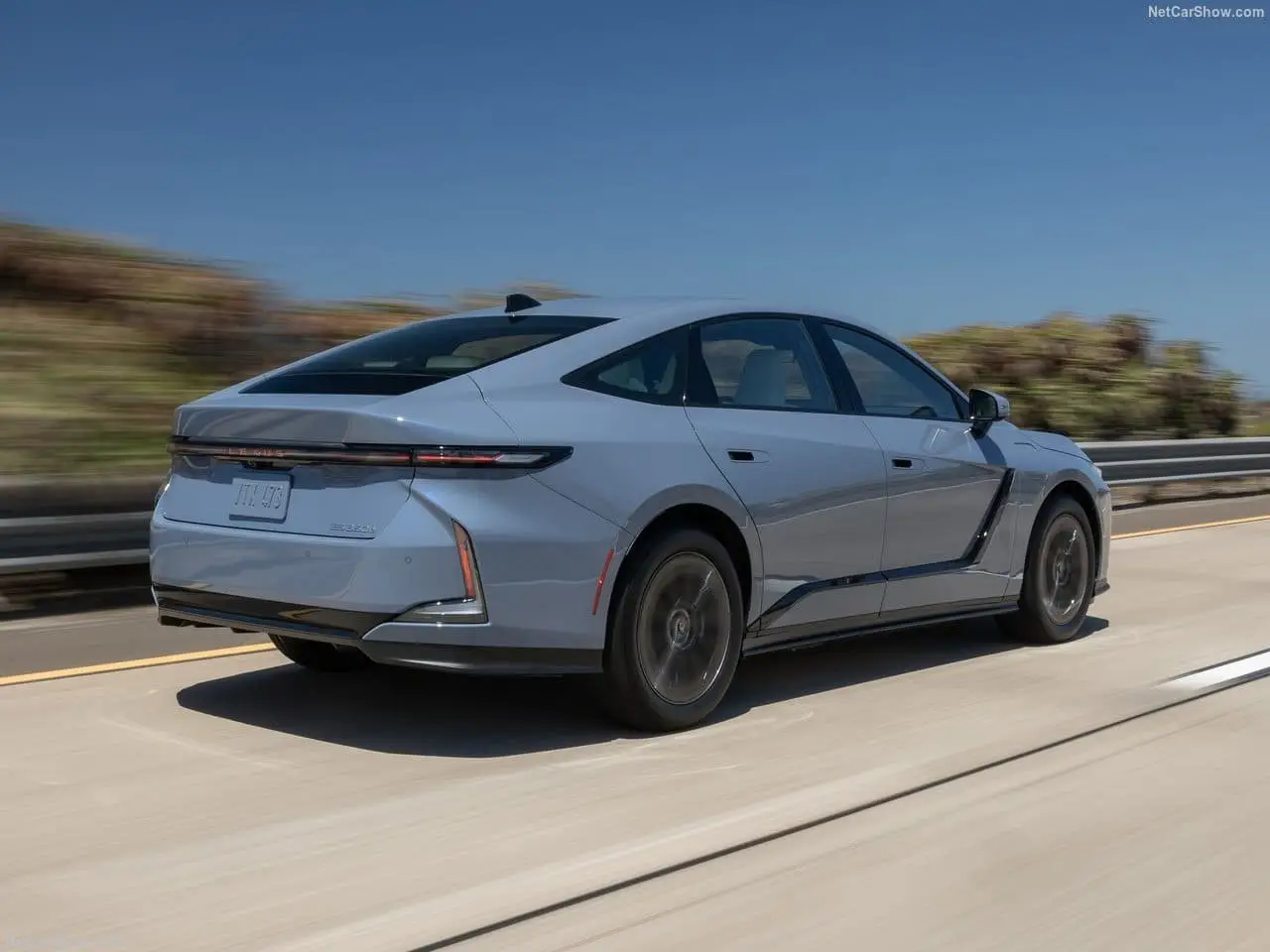
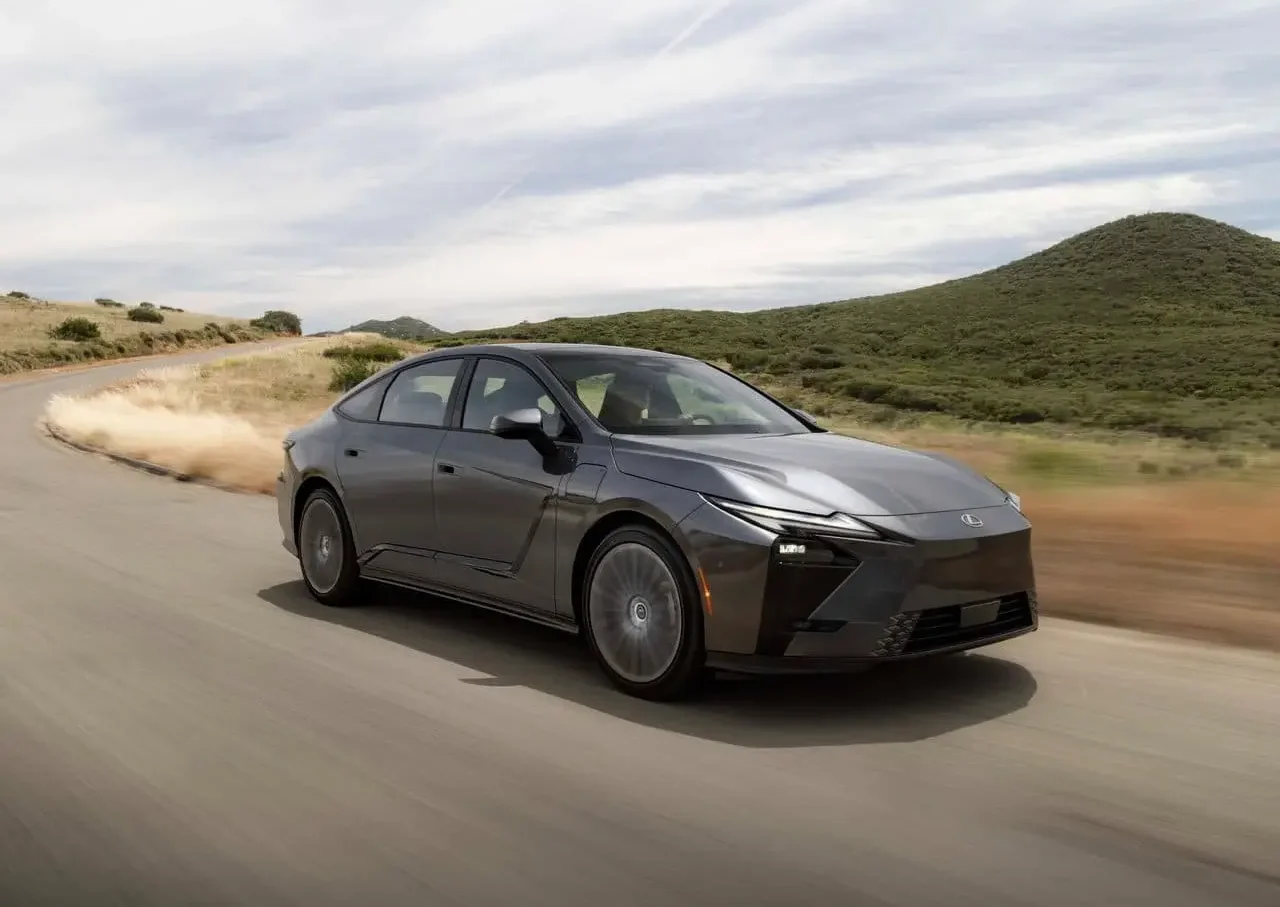
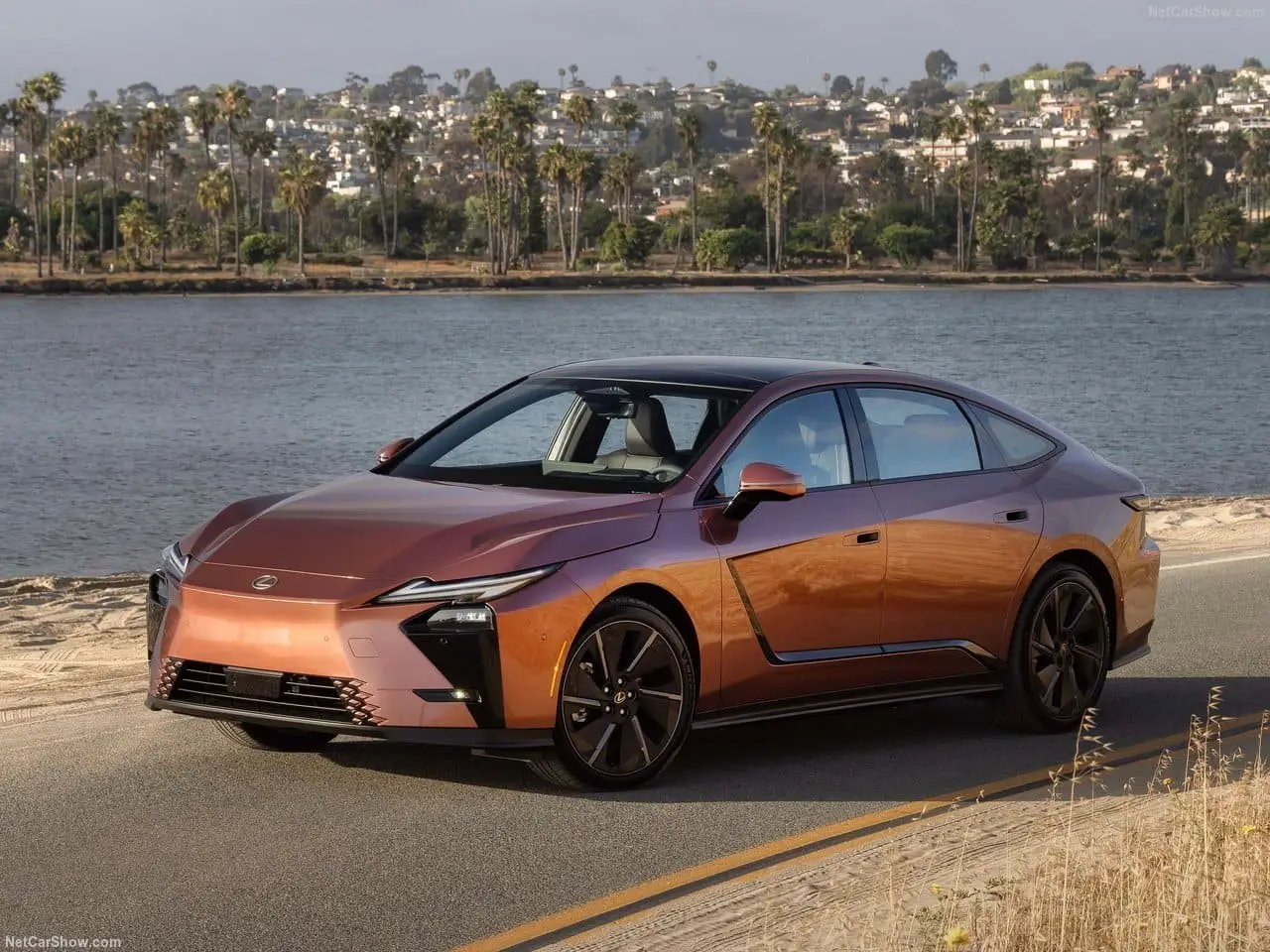
Walking around the ES 350e, the first thing you notice is how long and low it sits. At 202.4 inches long and 75.6 inches wide, it commands space on the road without resorting to aggressive surfacing or oversized proportions.
Up front, the signature Spindle Grille has been completely rethought. Since there’s no combustion engine demanding massive airflow, the front fascia arrives largely closed off and sculpted, with active lower vents managing battery cooling and brake airflow. The result is a cleaner, more purposeful face, with sharp twin L-signature LED headlamps carved into the edges of the front fenders.
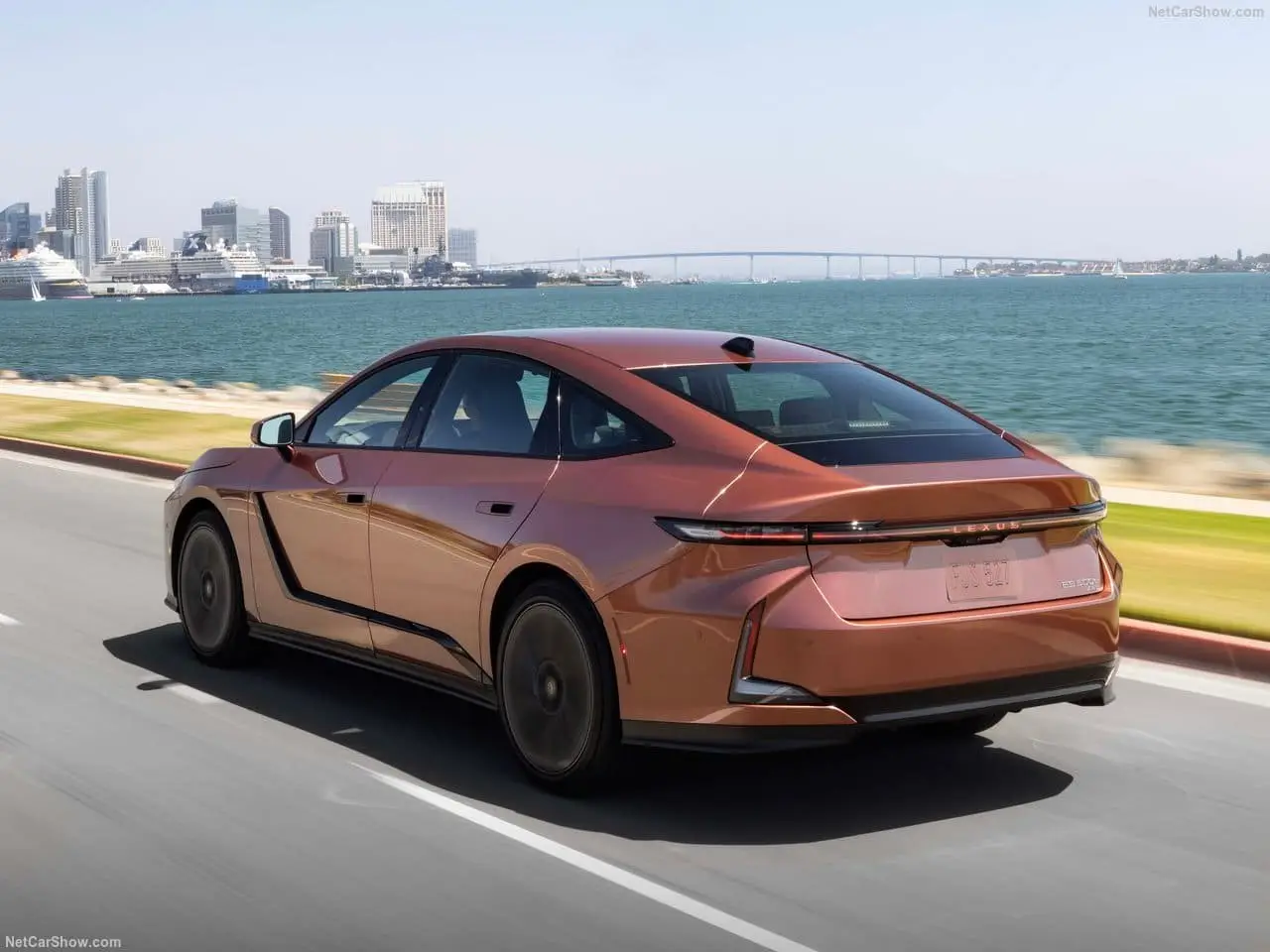
The profile transitions into a near-fastback roofline that flows cleanly into the tail. That slope isn’t just styling — it reduces aerodynamic drag and contributes directly to the 307-mile EPA rating. Standard 19-inch aero-optimized wheels keep efficiency at its peak, while optional 21-inch wheels add visual presence at the cost of roughly 15 miles of range.
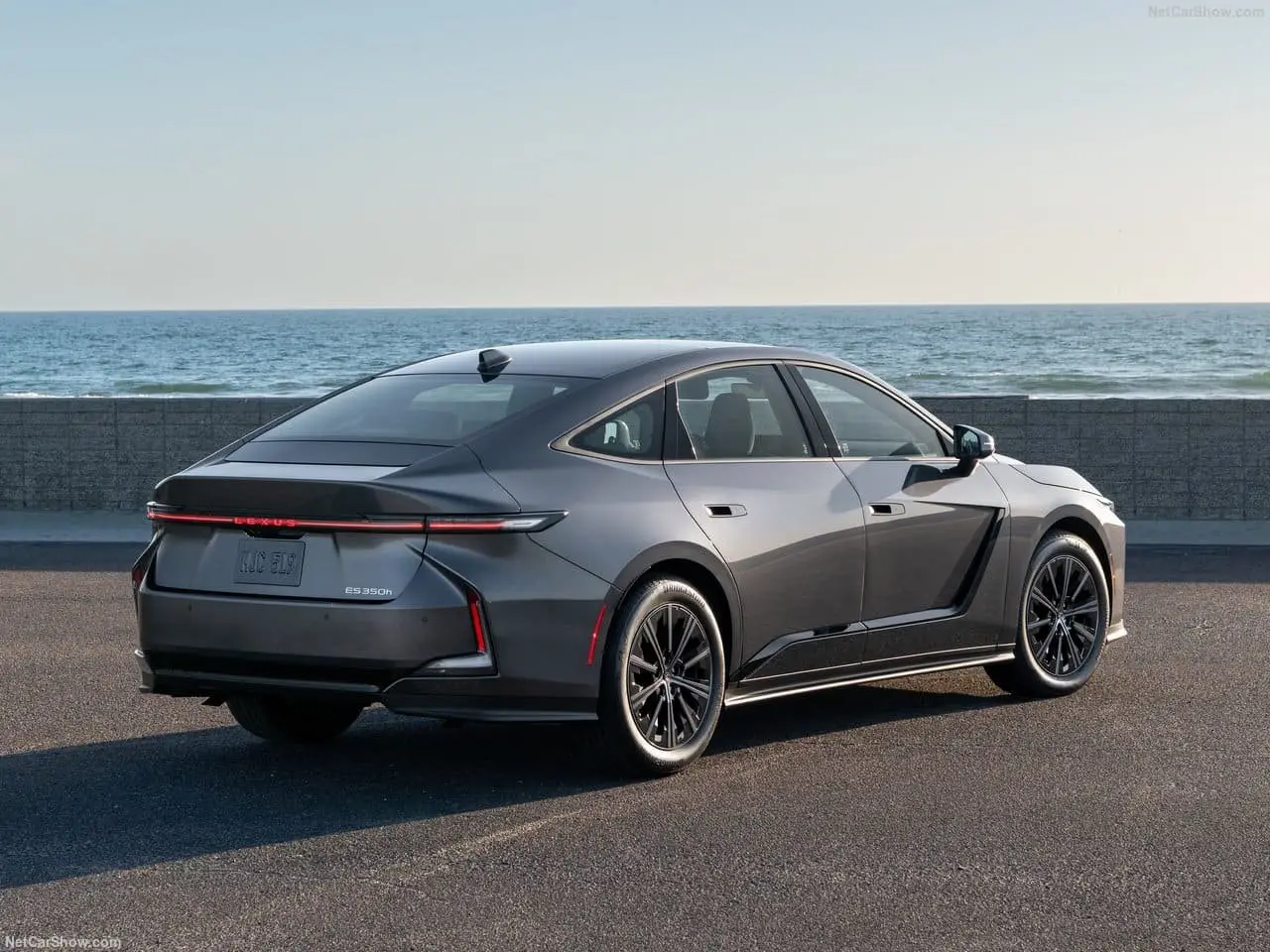
Out back, a full-width LED light bar runs across the entire tail, with the illuminated Lexus badge centered between the lamps. It’s the kind of detail that reads clearly in a rearview mirror. The new Wavelength exterior color uses microscopically oriented aluminum flakes to shift the appearance of the finish depending on light angle — a subtle effect that makes the car look like it’s moving even when parked.
This design communicates technical elegance, not athletic aggression. If you want a sport-forward presence, the BMW i5 is waiting. If you want understated sophistication with a distinct personality, the ES 350e makes a strong case.
The Most Refined Cabin Lexus Has Ever Put in a Midsize Sedan
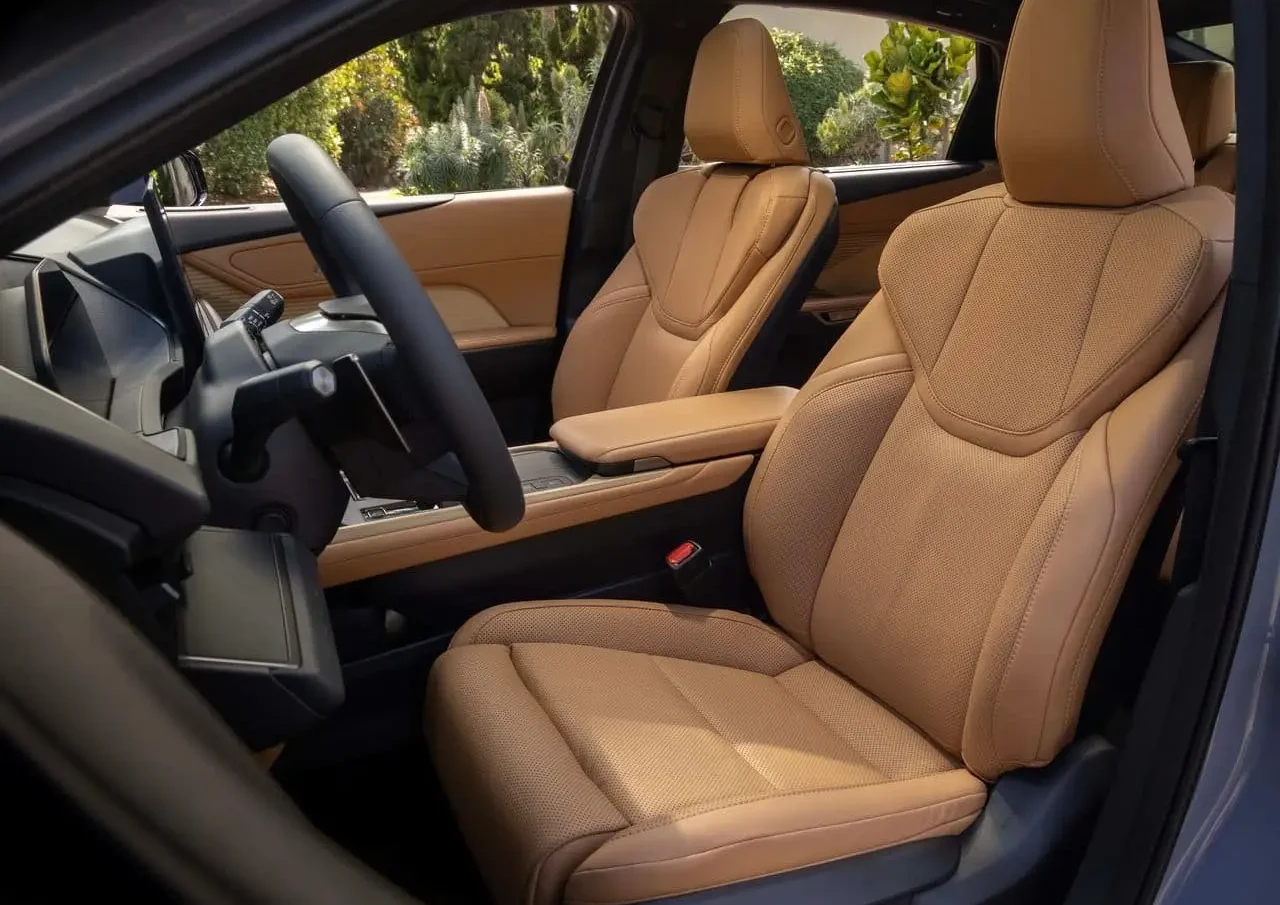
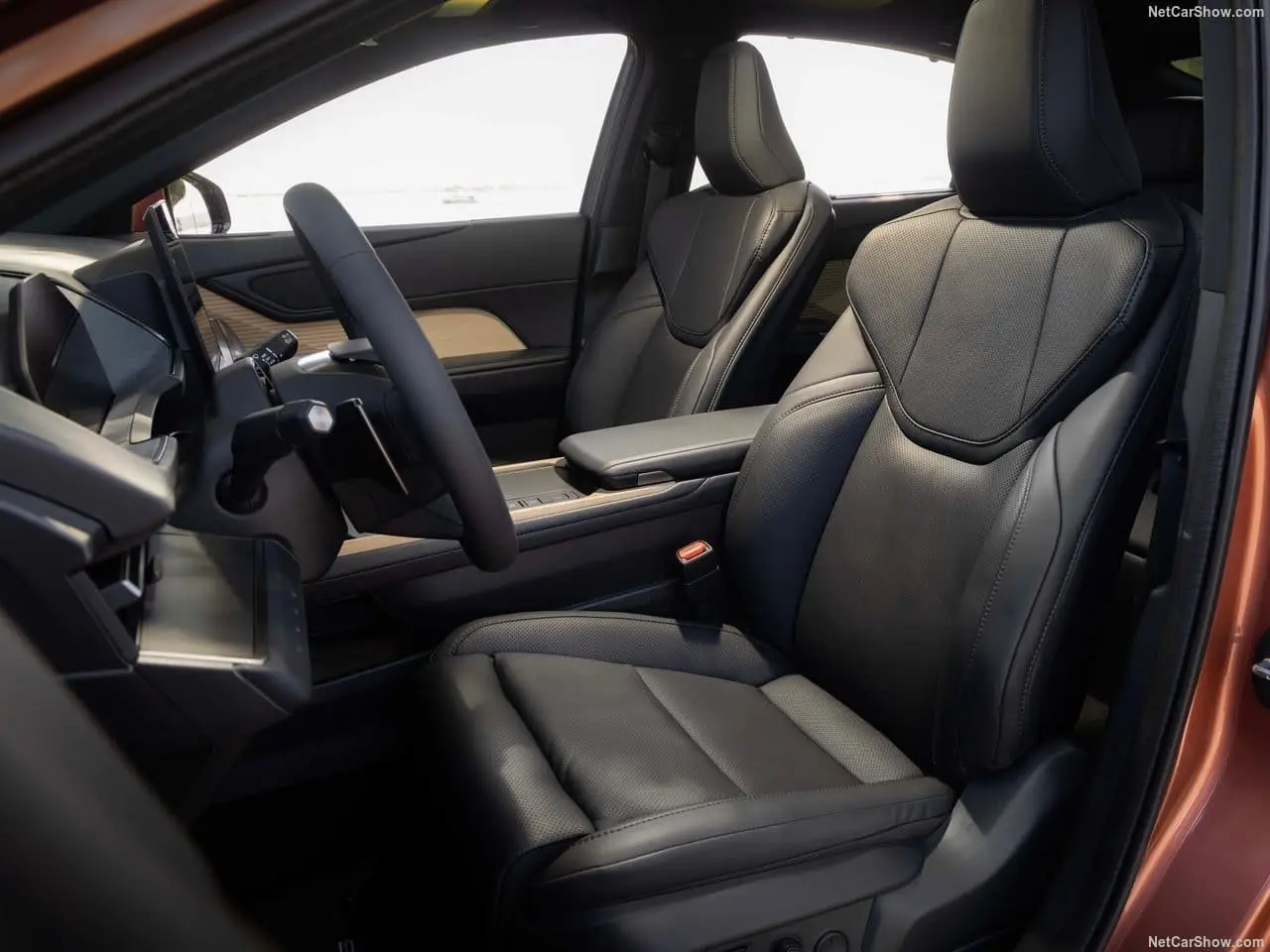
Step inside the ES 350e and the 116.1-inch wheelbase immediately pays dividends. Rear legroom stretches to 40.7 inches, putting it in direct competition with sedans from the segment above. The lowered beltline opens the greenhouse considerably, letting natural light fill the cabin from multiple angles.
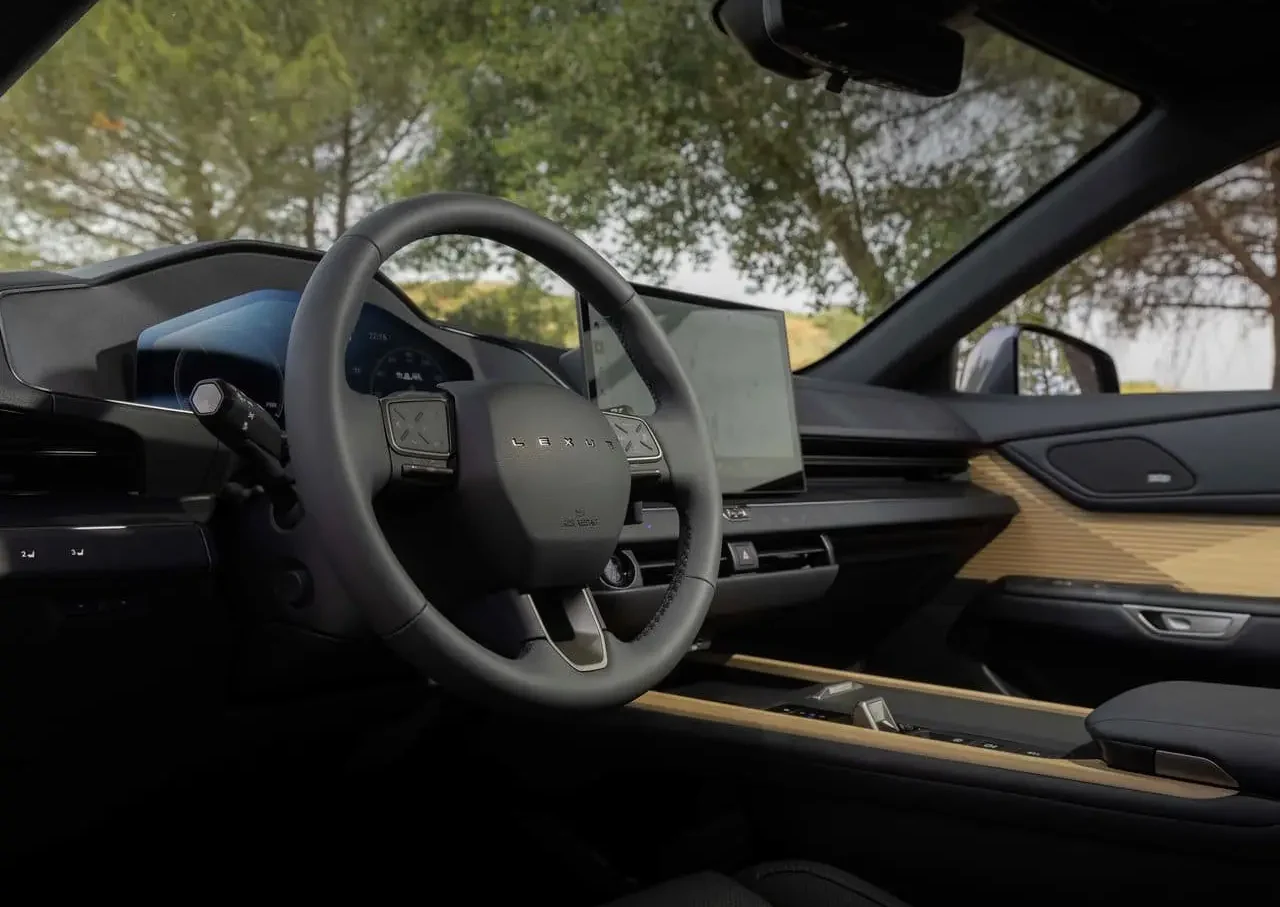
The materials go well beyond what you’d expect at this price point. The dashboard features 3D-printed bamboo layering with an organic, three-dimensional texture that you actually feel when you run a hand across it. Semi-aniline leather, suede-like surfaces and textured synthetic leather appear in combinations that don’t feel like they came from a cost-engineering spreadsheet. Panel fitment is tight throughout — a byproduct of the Takumi craftspeople at the Kyushu assembly plant, where near-zero panel gaps are considered baseline, not exceptional.
The Thematic and Dynamic Ambient Illumination system adjusts cabin lighting based on drive mode, climate settings or personal preference. On longer evening commutes, that kind of environmental tuning matters more than most buyers expect until they’ve lived with it.
Screens, Connectivity and the Package Nobody Expected in This Segment
The 14-inch touchscreen with integrated glass anchors the dashboard and responds with high frame rates and shallow menu architecture. There’s no digging through sub-menus to adjust the temperature. The updated “Hey Lexus” voice assistant handles natural language commands without requiring specific phrases. And the Remote Touchpad that frustrated buyers for years has been eliminated entirely.
The 12.3-inch digital instrument cluster can project full navigation maps directly behind the steering wheel, keeping eyes on the road rather than bouncing between screens. The available Mark Levinson surround sound system was tuned specifically for an EV cabin — with no engine noise to compete against, the acoustic stage is genuinely impressive.
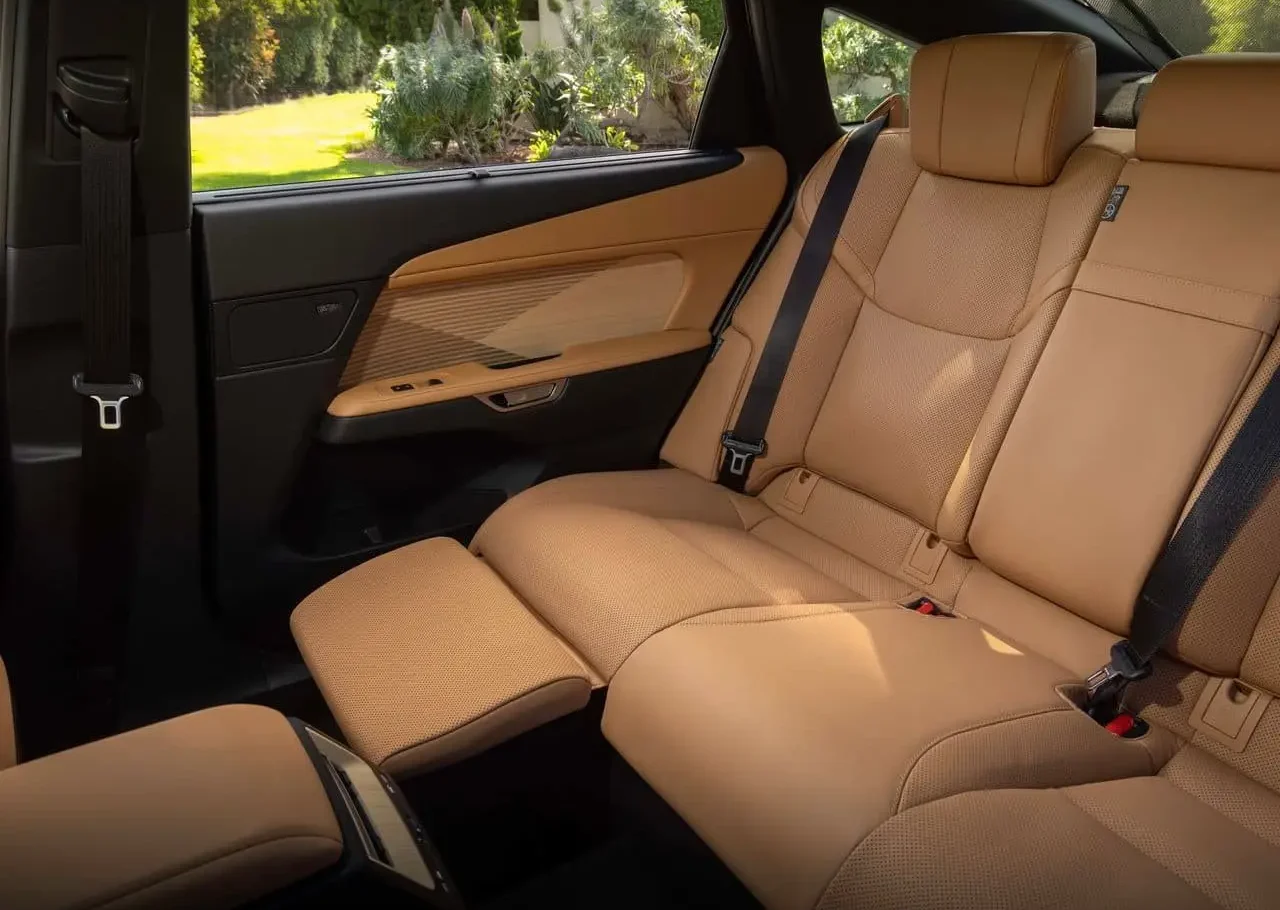
Rear passenger space is a genuine selling point. The optional Executive Package, available on the Luxury trim, adds power-reclining rear seats with ventilation, multi-zone pneumatic massage and a footrest ottoman on the right rear passenger side. That level of rear-seat equipment typically shows up in full-size executive sedans or Japanese luxury minivans, not midsize EVs under $60,000.
Cargo capacity comes in at 13.3 cubic feet. That’s a step down from the hybrid ES 300h, and it’s the one measurable interior limitation the research identifies.
Single Motor, Instant Torque: What the ES 350e Actually Feels Like on the Road
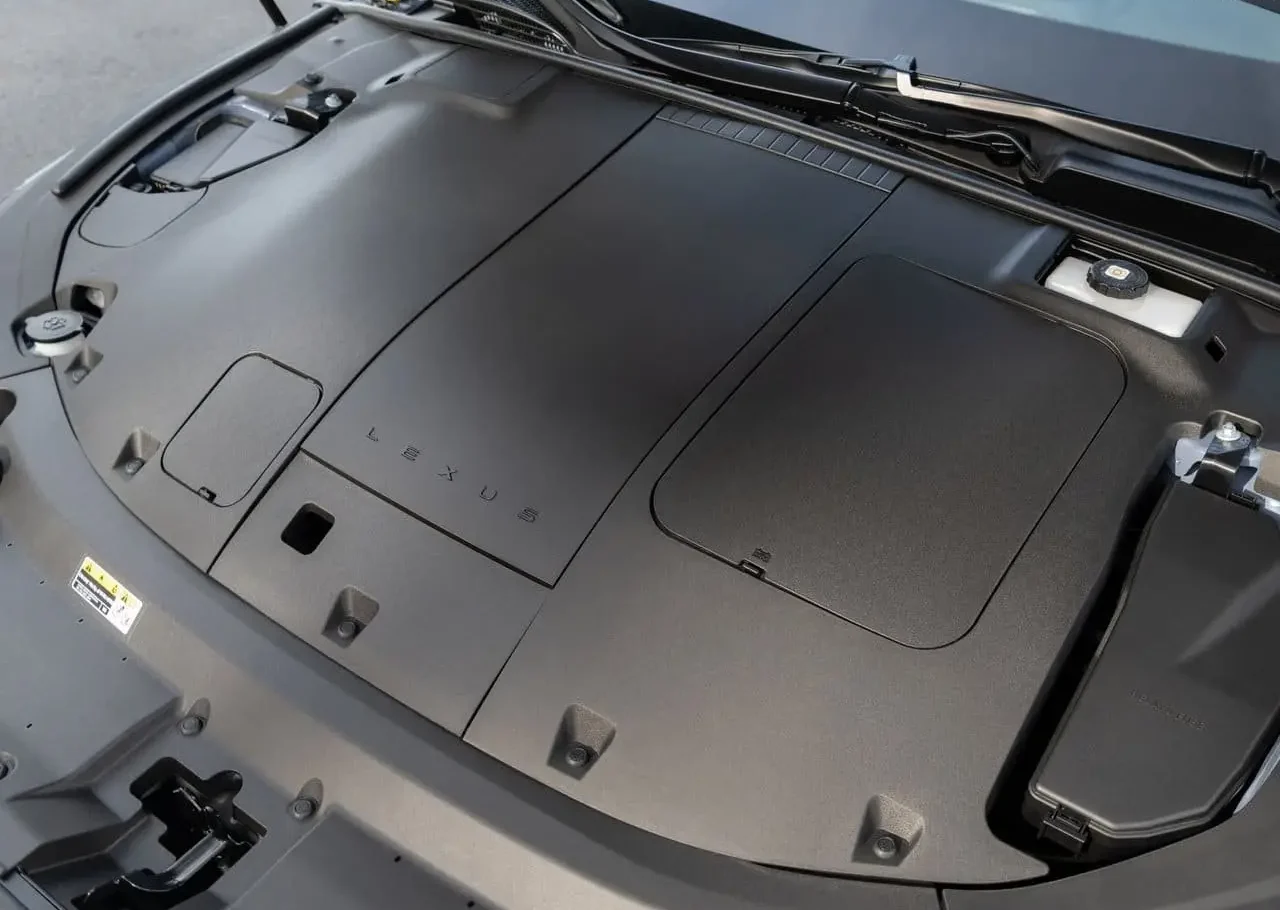
The ES 350e runs a single synchronous electric motor driving the front axle. No gears, no torque converter hesitation, no waiting for a downshift before the car responds. All 198 lb-ft arrive at zero rpm, which translates to immediate pull off the line and confident throttle response in urban traffic.
That output is pushing 4,641 lbs of sedan. The 0–60 mph time of 7.4 seconds reflects that reality honestly. Lexus knows this number won’t win any bar arguments, and they didn’t design the car to. The ES 350e was built for composed highway cruising and quiet urban commuting, not quarter-mile runs. Buyers who want performance can step up to the ES 500e AWD with 338 hp and all-wheel drive.
Top speed is electronically capped at 99 mph. On American roads and highways, that limit is rarely relevant. On European unrestricted motorways, it’s a hard constraint.
EPA-estimated range reaches 307 miles on the standard 19-inch wheels. Opting for the 21-inch Luxury wheels drops that figure to 292 miles, still competitive at this price point. DC fast charging peaks at 150 kW, covering 10% to 80% in roughly 28 to 30 minutes under ideal conditions. Level 2 AC charging at 11 kW handles a full overnight charge in approximately 7 hours. The car uses a NACS port natively, giving it access to Tesla’s Supercharger network, with a CCS adapter included for legacy stations.
The 150 kW charging ceiling is where the engineering conservatism becomes most visible. The Hyundai Ioniq 6 and the upcoming Mercedes CLA EV both support rates above 250 kW. On road trips, that gap means noticeably longer charging stops compared to the fastest-charging competitors in the segment.
MSRP, Insurance and Maintenance: The Real Cost of Owning the ES 350e
Lexus priced the ES 350e aggressively relative to its own lineup and every German rival in the segment. The ES 350e Premium opens at $48,895 MSRP — below the ES 350h hybrid at $51,095. The Luxury trim climbs to $57,295, and adding the Executive Package brings that figure to approximately $60,930. The ES 500e AWD tops the electric range at $60,295.
Insurance premiums for a battery-electric luxury sedan in this price bracket typically run higher than comparable ICE vehicles. The structural battery pack integrated into the floor represents a total-loss risk that insurers price accordingly. Expect annual premiums in the range of $2,200 to $3,200 depending on location, driving record and coverage level — a Market Estimate based on comparable EVs in this segment.
Maintenance costs tell a more favorable story. Without oil changes, spark plugs, timing belts, exhaust components or catalytic converters in the equation, scheduled service is reduced to coolant loop inspection, brake fluid, cabin air filters and software diagnostics. Regenerative braking handles most deceleration in daily driving, which dramatically extends brake pad and rotor life — potentially tripling replacement intervals compared to a combustion-powered equivalent.
The 10-year / 150,000-mile battery warranty is the strongest ownership argument in the segment. Competing German EVs typically offer 8 years or 100,000 miles. That additional coverage directly supports financing decisions for buyers planning to keep the car beyond the typical 5-year loan cycle.
Kelley Blue Book data consistently shows the ES nameplate retaining value better than BMW and Mercedes-Benz equivalents after the initial warranty period expires. For buyers weighing the long-term cost of ownership, that residual value advantage partially offsets the higher insurance premiums of a BEV. The new launches in this space rarely combine a sub-$50K entry price with a decade of battery coverage — that combination is genuinely uncommon.
Buying at launch makes financial sense for buyers who plan to hold the car long-term. The warranty coverage is strongest on early production units, and Lexus dealer service consistently ranks at the top of J.D. Power satisfaction surveys — a practical advantage that gets overlooked in spec comparisons.
The target buyer isn’t chasing performance metrics. It’s the executive or professional who values silence, build quality and predictable operating costs over everything else.
What to Know Before You Visit the Dealership
What is the real-world range of the Lexus ES 350e?
EPA estimates 307 miles on 19-inch wheels and 292 miles on 21-inch wheels. Cold weather and heavy climate control use will reduce both figures in practice.
How long does it take to charge the ES 350e?
DC fast charging covers 10% to 80% in roughly 28 to 30 minutes at a 150 kW peak. A full charge on a Level 2 home charger at 11 kW takes approximately 7 hours overnight.
How does the ES 350e compare to the BMW i5 and Mercedes EQE?
The ES 350e undercuts both on MSRP by $11,000 to $21,000. It leads on cabin refinement and NVH isolation. The German alternatives offer faster charging speeds, more aggressive performance and, in the EQE’s case, a polarizing exterior design.
Is the maintenance cost on the ES 350e high?
Lower than most luxury alternatives. The absence of an internal combustion engine eliminates oil changes, spark plugs, belts and exhaust maintenance. Regenerative braking significantly extends brake service intervals. Dealer visits are primarily software diagnostics and fluid checks.
Does the 2026 Lexus ES 350e Earn Its Place in the Garage?
The ES 350e is a rational purchase wrapped in genuine luxury. The sub-$50K MSRP, reduced maintenance costs, 10-year battery warranty and best-in-class cabin isolation build an ownership argument that’s harder to dismiss than most EVs in this segment.
The limitations are real and intentional: a 99 mph top speed, a 7.4-second 0–60 time and a 150 kW charging ceiling that trails the fastest competitors by a significant margin. If you need performance urgency or fast charging for frequent long-distance driving, this car will leave you wanting more.
This is not a car built for people who want to feel the road. It’s built for people who want to stop hearing it.
Which bothers you more about the ES 350e — the 99 mph speed cap on a $50K luxury sedan, or the 150 kW charging limit when competitors are hitting 300 kW? Drop your take in the comments below.
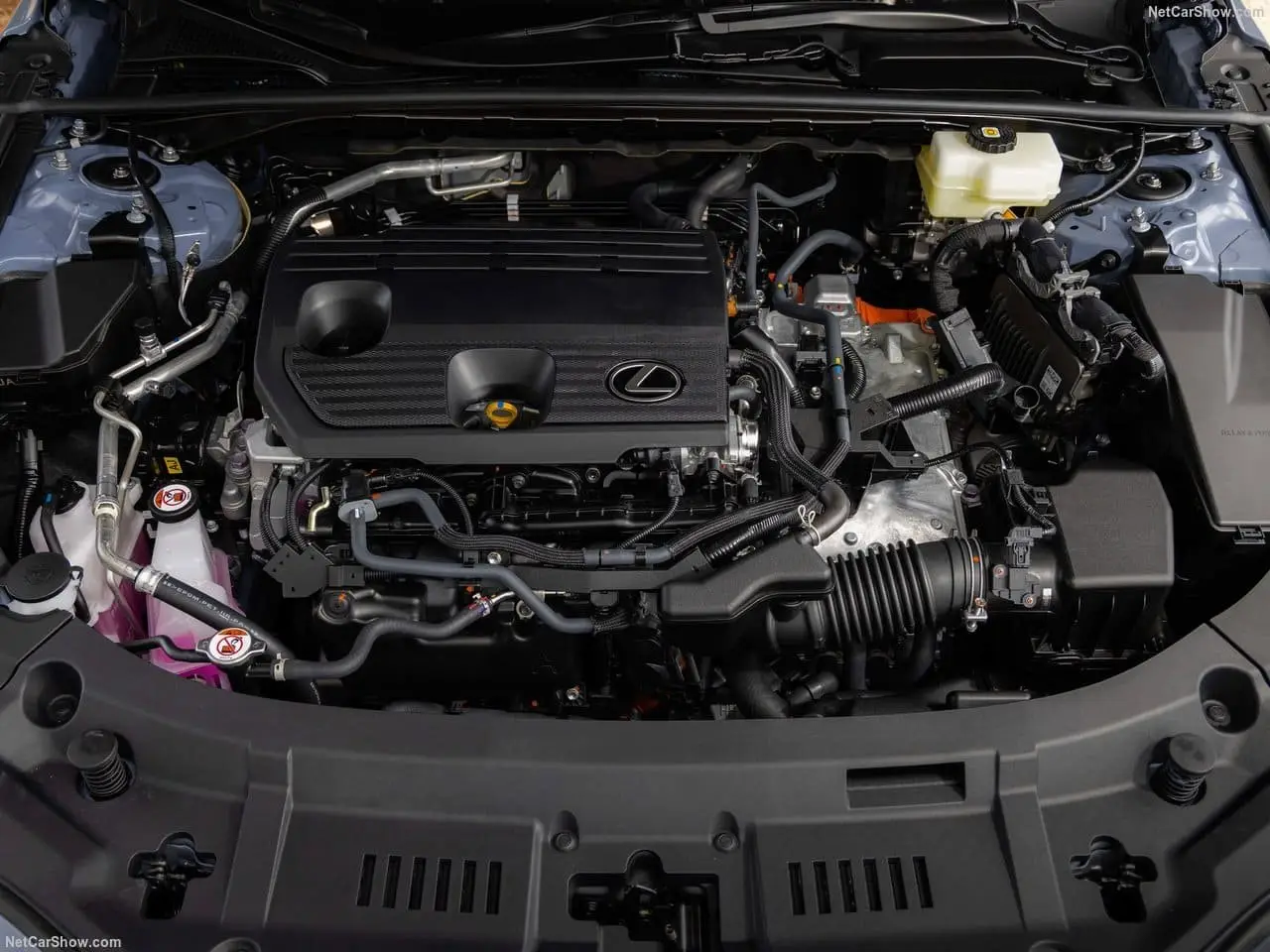
LEXUS ES 350h
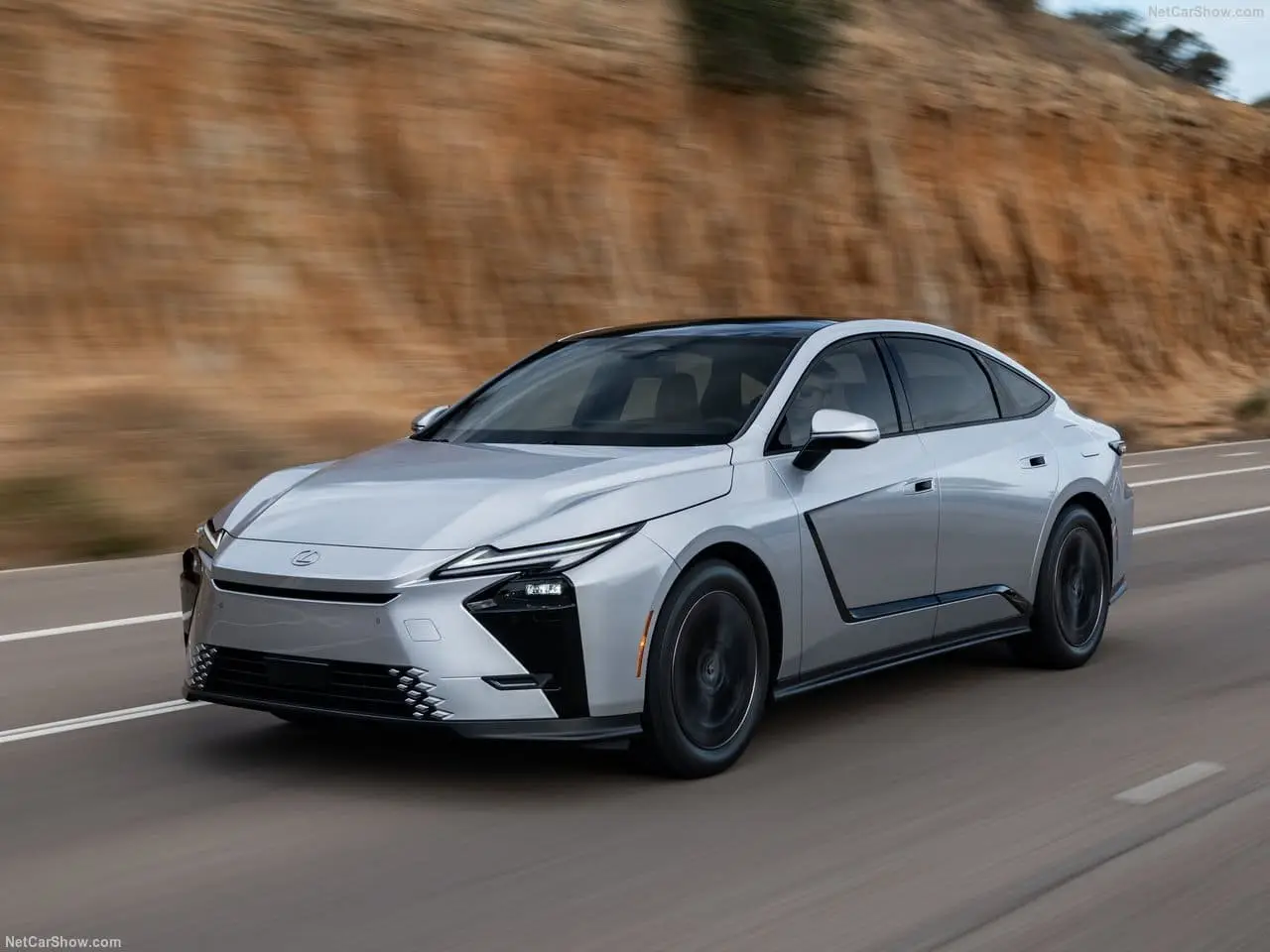
LEXUS ES 500e AWD
Share this article

Por: Danniel Bittencourt
08/06/2026
Related posts