
The Lexus GS F That Earned a Place Among the Internet’s Most Talked-About Cars
The Lexus GS F arrived with a mission few expected it to accomplish: challenge Europe’s top performance sedans while keeping a naturally aspirated V8 alive. Years later, that decision is exactly what makes it special.

Lexus GS F: The V8 Performance Sedan That Refused to Compromise
Technical Specifications
| Specification | Details |
|---|---|
| Engine | 5.0L Naturally Aspirated V8 |
| Horsepower | 467 hp |
| Torque | 389 lb-ft |
| 0-60 mph | Approximately 4.5 seconds |
| Top Speed | 168 mph |
| Transmission | 8-Speed Automatic |
| Drivetrain | Rear-Wheel Drive |
| Current Market Value | $40,000–$70,000+ (used market) |
A Different Approach to the Performance Sedan Formula
The Lexus GS F entered the luxury performance sedan segment at a time when most manufacturers were downsizing engines and relying heavily on turbochargers.
Instead of following that path, Lexus chose to keep a naturally aspirated V8 under the hood.
That decision gave the GS F a unique identity.
While competitors focused on maximizing power figures, the GS F emphasized driver engagement, predictable throttle response, and the unmistakable sound of a high-revving V8.
Built in Japan, the GS F quickly developed a loyal following among enthusiasts who appreciated a more traditional driving experience.
Exterior Design That Has Aged Gracefully
Even years after production ended, the GS F still looks sharp.
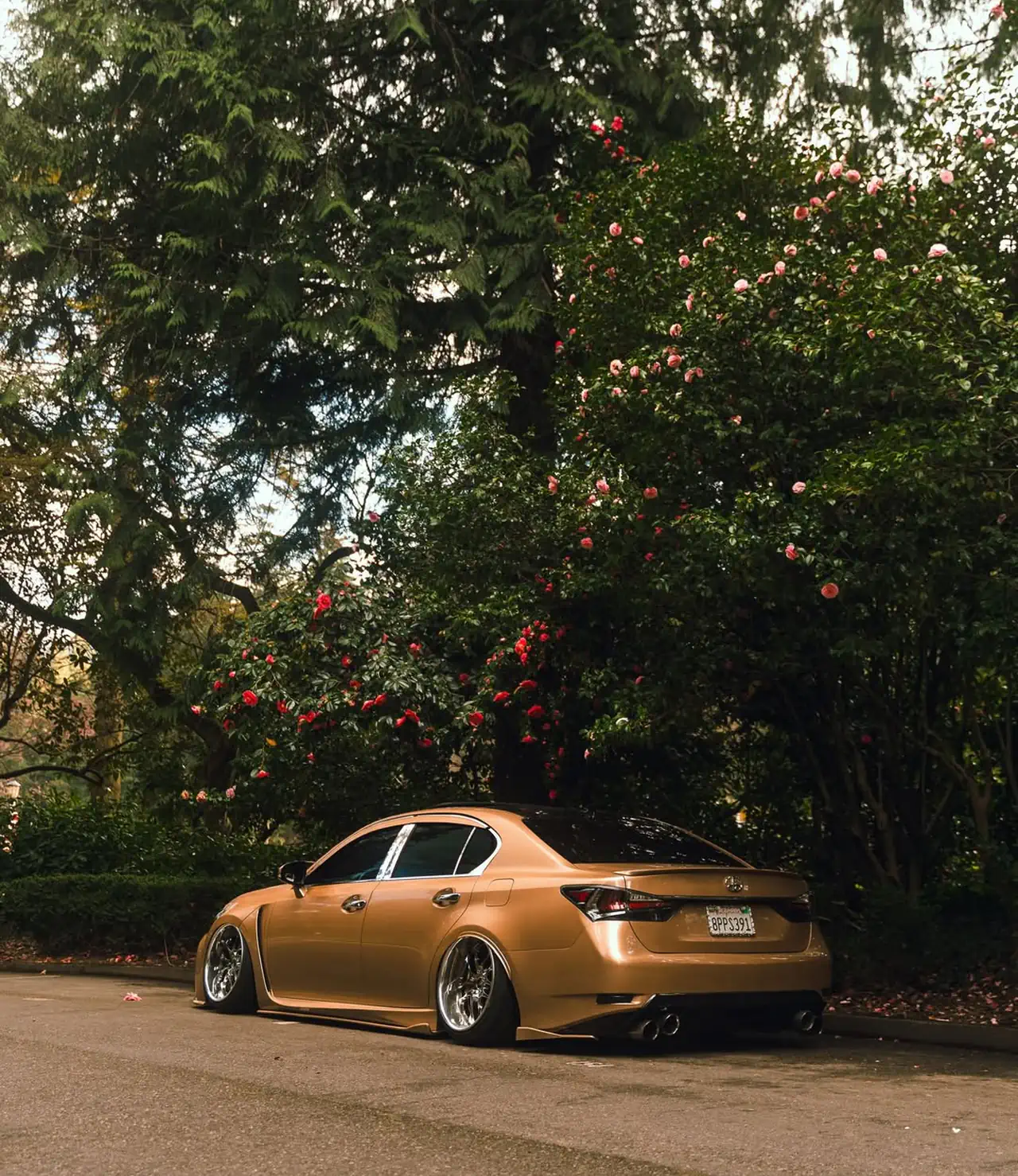
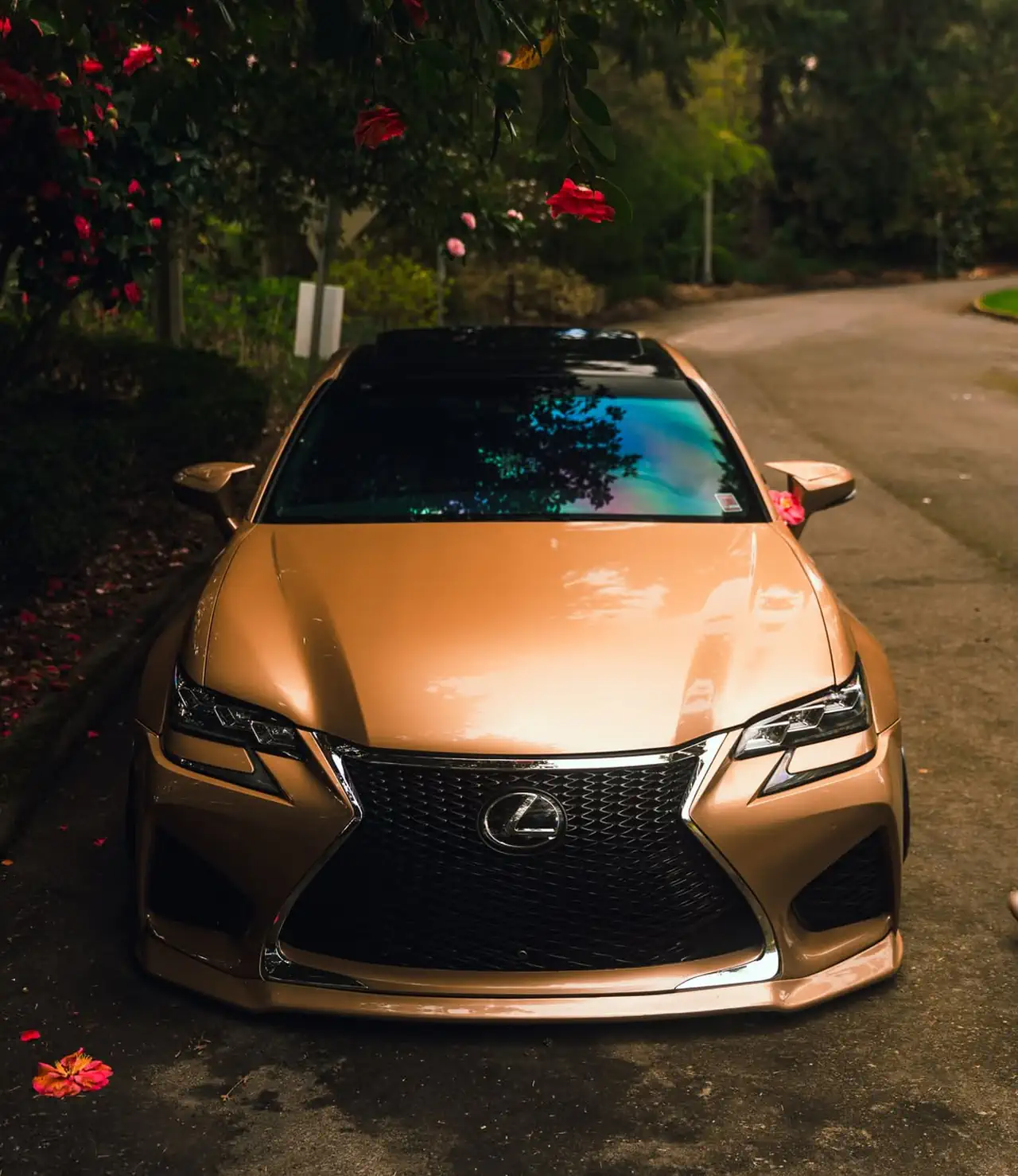
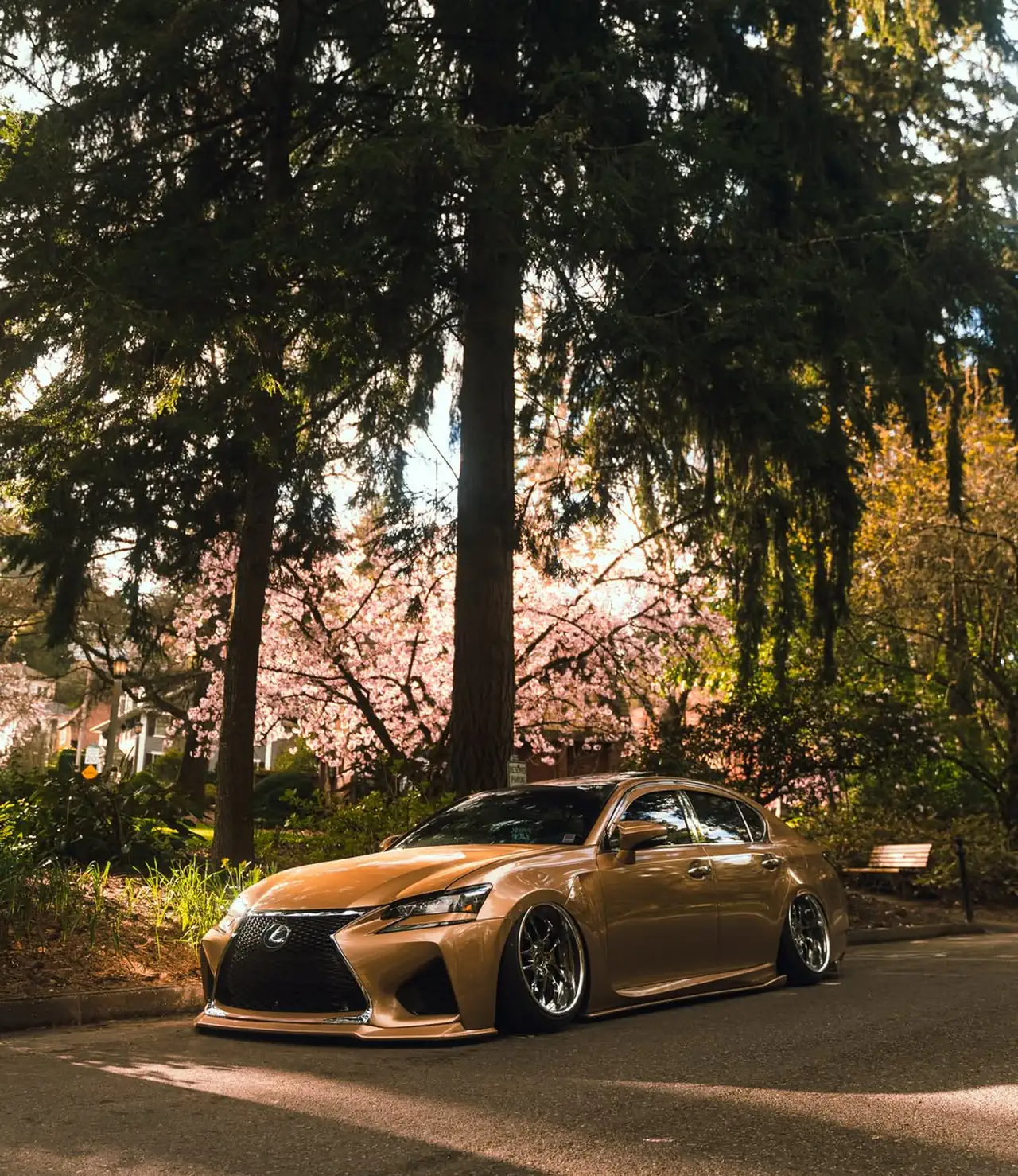
The aggressive spindle grille immediately identifies it as a Lexus, while wider fenders, larger air intakes, and subtle aerodynamic enhancements separate it from the standard GS sedan.
Unlike many modern performance vehicles that rely on exaggerated styling, the GS F balances sophistication with athleticism.
It looks fast without trying too hard.
The quad exhaust outlets and muscular rear stance complete the package.
Interior: Luxury Meets Performance
Inside, the GS F delivers exactly what buyers would expect from a premium sports sedan.
The cabin combines high-quality materials with a driver-focused layout. Supportive sport seats keep occupants comfortable during long highway drives while providing excellent lateral support during spirited driving.
Carbon-fiber accents, premium leather surfaces, and precise assembly quality reinforce Lexus’ reputation for craftsmanship.
Although newer vehicles offer larger screens and more advanced infotainment systems, the GS F’s interior remains functional and comfortable.
The Heart of the GS F: A Naturally Aspirated V8
Everything about the GS F revolves around its 5.0-liter V8.
Producing 467 horsepower, the engine rewards drivers who explore the upper reaches of the rev range.
Throttle response is immediate, power delivery feels linear, and the soundtrack becomes increasingly addictive as RPMs climb.
Unlike many turbocharged competitors, there is no artificial surge of torque. Instead, drivers experience a smooth and progressive build of power that feels connected and authentic.
The eight-speed automatic transmission complements the engine well, delivering quick shifts while remaining refined during everyday driving.
Lexus GS F vs Its Main Rivals
| Model | Horsepower | Engine | 0-60 mph |
|---|---|---|---|
| Lexus GS F | 467 hp | 5.0L NA V8 | 4.5 sec |
| BMW M5 (F10) | 560 hp | 4.4L Twin-Turbo V8 | 4.3 sec |
| Mercedes-AMG E63 S | 577 hp | 5.5L Twin-Turbo V8 | 3.6 sec |
The German competitors clearly win the horsepower battle.
However, many GS F owners value reliability, long-term ownership costs, and the unique character of its naturally aspirated powertrain.
Updates Throughout Production and Successor
The GS F remained relatively unchanged during its production run, receiving minor technology upgrades and equipment refinements rather than major mechanical revisions.
This consistency helped preserve the original formula that made the car appealing in the first place.
When Lexus discontinued the GS lineup in 2020, the GS F disappeared with it.
While the Lexus IS 500 F SPORT Performance carries a similar V8 spirit today, it is not a direct replacement for the GS F.
Three Things That Make the Lexus GS F Stand Out
1. Naturally Aspirated V8 Character
Few modern performance sedans offer the responsiveness and sound of a naturally aspirated V8.
2. Strong Reliability Reputation
Lexus has built a reputation for durability, and the GS F benefits from that legacy.
3. Daily Driver Comfort
The GS F can comfortably handle commuting duties while remaining capable on back roads and track days.
Three Areas Where It Falls Short
1. Fuel Economy
The large-displacement V8 consumes more fuel than many modern alternatives.
2. Aging Infotainment System
Technology is one area where the GS F shows its age.
3. Lower Performance Numbers
Turbocharged rivals deliver quicker acceleration and higher output figures.
Why Enthusiasts Still Talk About the GS F
The GS F was never the highest-selling performance sedan in its segment.
Yet it managed to build something arguably more valuable: respect among enthusiasts.
Its combination of luxury, reliability, rear-wheel-drive dynamics, and naturally aspirated V8 power has become increasingly rare in today’s market.
As manufacturers continue moving toward electrification and smaller engines, the GS F stands as a reminder of a different era of performance.
The images featured in this article come from an Instagram profile owned by a true automotive enthusiast—someone who lives and breathes car culture every day. Their Instagram account will be featured at the end of the article.
FAQ
Is the Lexus GS F naturally aspirated?
Yes. The GS F uses a 5.0-liter naturally aspirated V8 without turbochargers.
How much horsepower does the Lexus GS F make?
The GS F produces 467 horsepower and 389 lb-ft of torque.
Is the Lexus GS F reliable?
Yes. It is widely regarded as one of the most reliable performance sedans in its class.
When was the Lexus GS F discontinued?
Production ended in 2020 when Lexus discontinued the GS lineup.
Is the Lexus GS F rear-wheel drive?
Yes. All GS F models feature a rear-wheel-drive layout.
What are the GS F’s main competitors?
The BMW M5, Mercedes-AMG E63, and Audi RS7 are commonly considered its primary rivals.
Is the Lexus GS F becoming collectible?
Many enthusiasts believe so, thanks to its naturally aspirated V8, limited production numbers, and growing rarity in the performance car market.

Danniel Bittencourt
Danniel Bittencourt é especialista e entusiasta do setor automotivo, com atuação focada em análise de veículos, lançamentos e tendências do mercado global. É fundador do site e responsável por diversos canais no YouTube voltados ao universo dos carros.
Related posts >