The Return of a Speed Legend
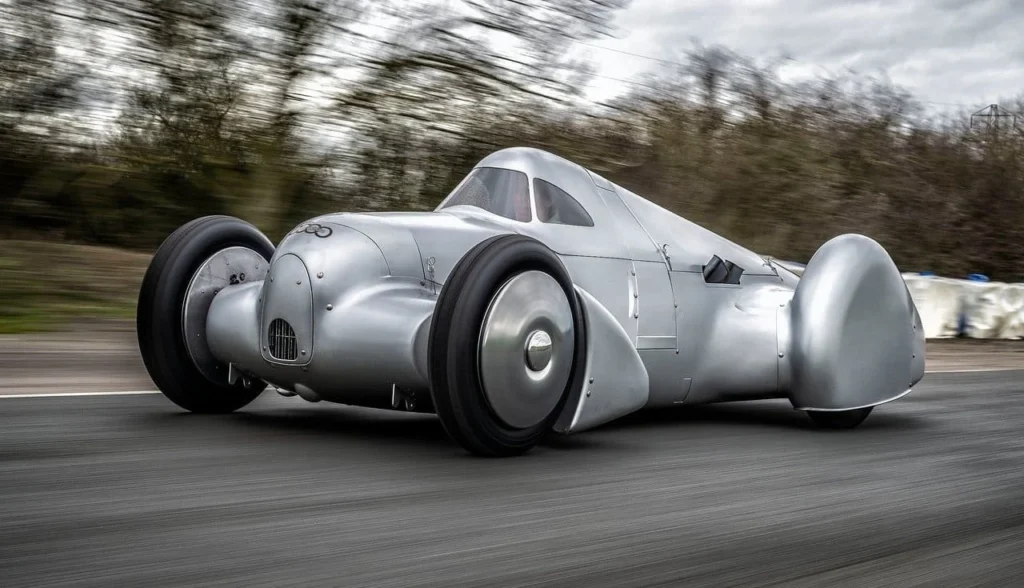
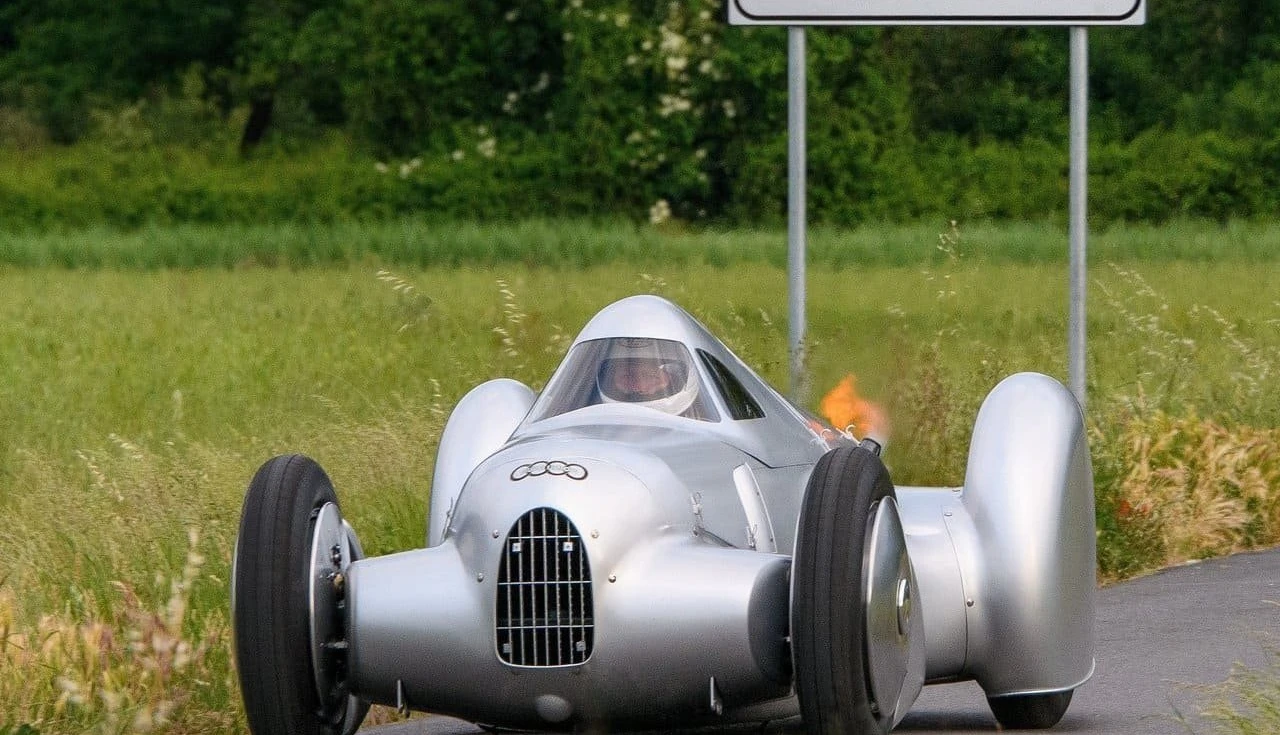
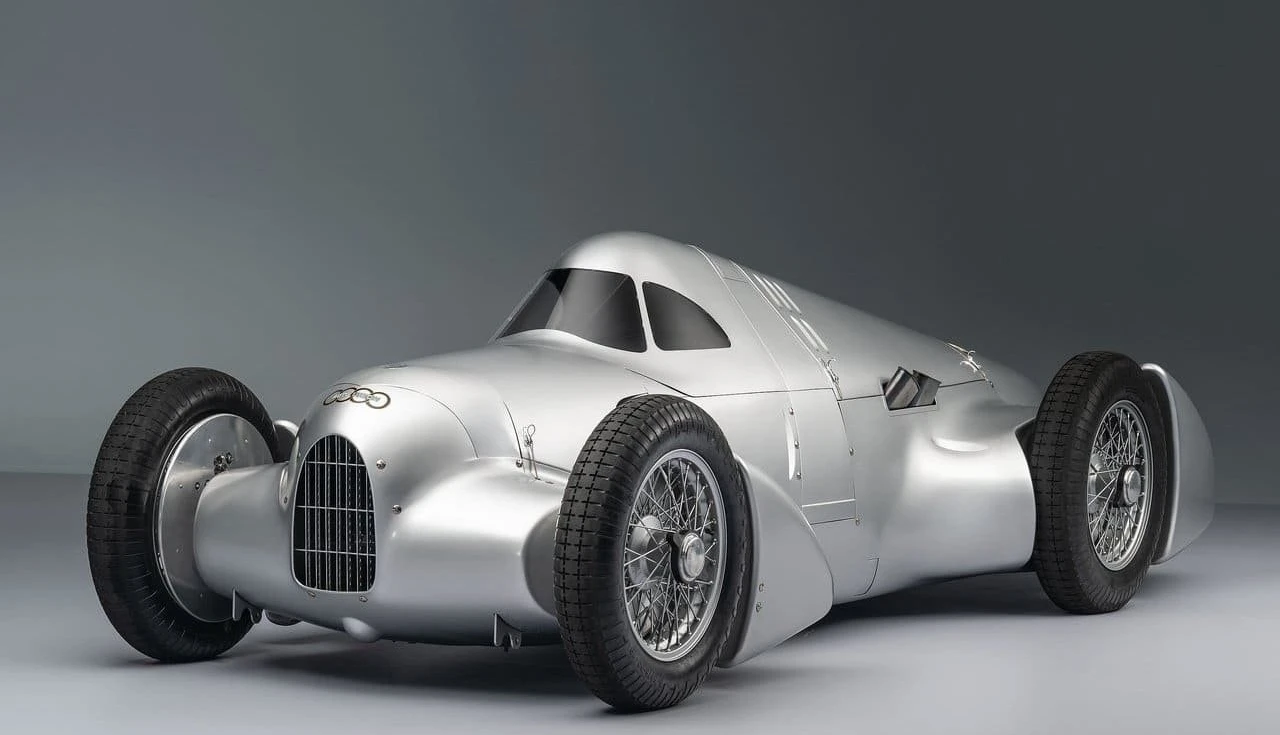
Audi brought one of the most brutal machines in automotive history back to life. The original model was engineered to shatter the physical limits of the 1930s.
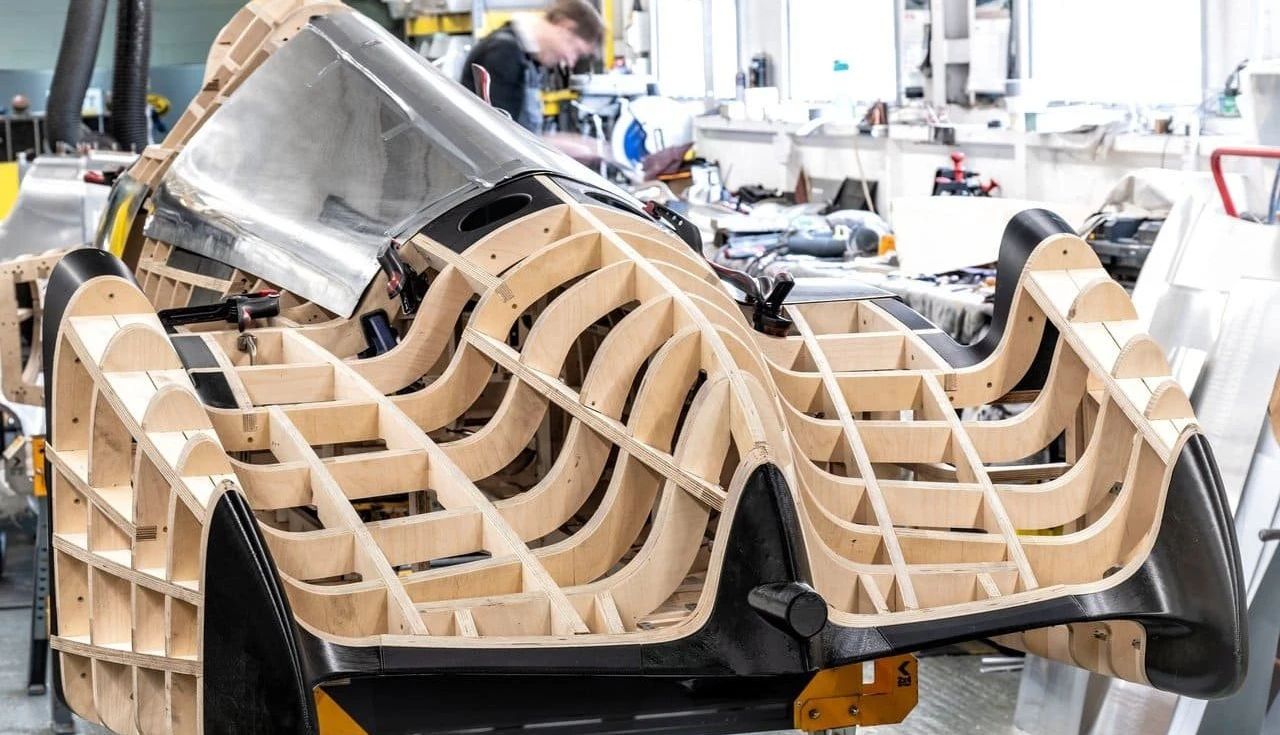
The brand’s historical division spent three years on a highly complex restoration process. This effort resulted in a perfect mechanical replica of the legendary speed king.
Specialists from Crosthwaite & Gardiner in England led the technical build. This silver arrow now fills a vital gap in the manufacturer’s permanent heritage collection.
Why Rebuild a 1935 Vehicle Today?
Racing in Germany during the 1930s was a demonstration of raw industrial power. Speed records proved technical dominance on a global stage.
Intense competition between manufacturers demanded immediate answers on the test track. When rivals clocked 196 mph, engineers shifted into high gear.
The team needed a machine capable of crushing that mark while maintaining stability. This drive for engineering perfection led to the rapid development of the Lucca project.
Engineering the Massive 16-Cylinder Engine
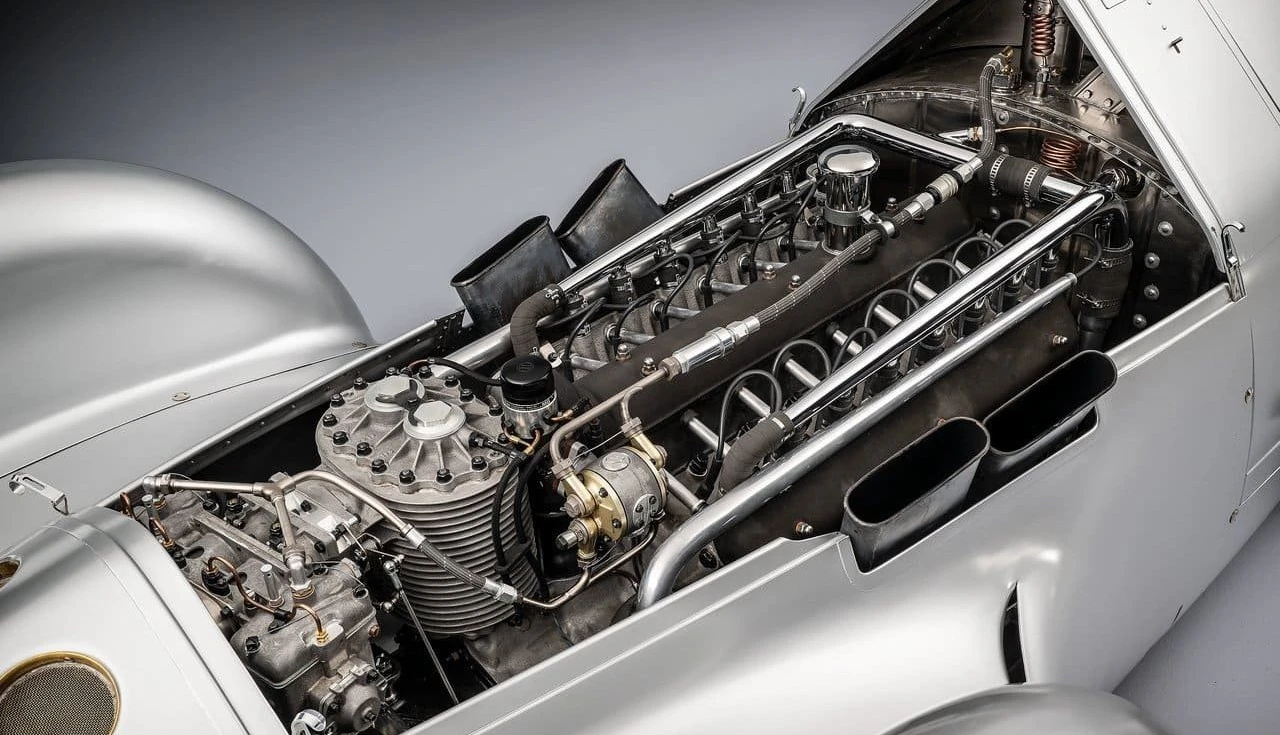
The original setup featured a 5-liter engine producing 343 hp. All that power had to move a heavy frame while fighting extreme wind resistance.
The newly recreated version uses a slightly updated mechanical heart for better durability. It features a 6-liter V16 engine block shared with the famous Type C.
This choice ensures the technical team can source replacement parts more effectively. The cooling system was also upgraded to prevent overheating during modern track demonstrations.
Aerodynamics in the Pre-Computer Era
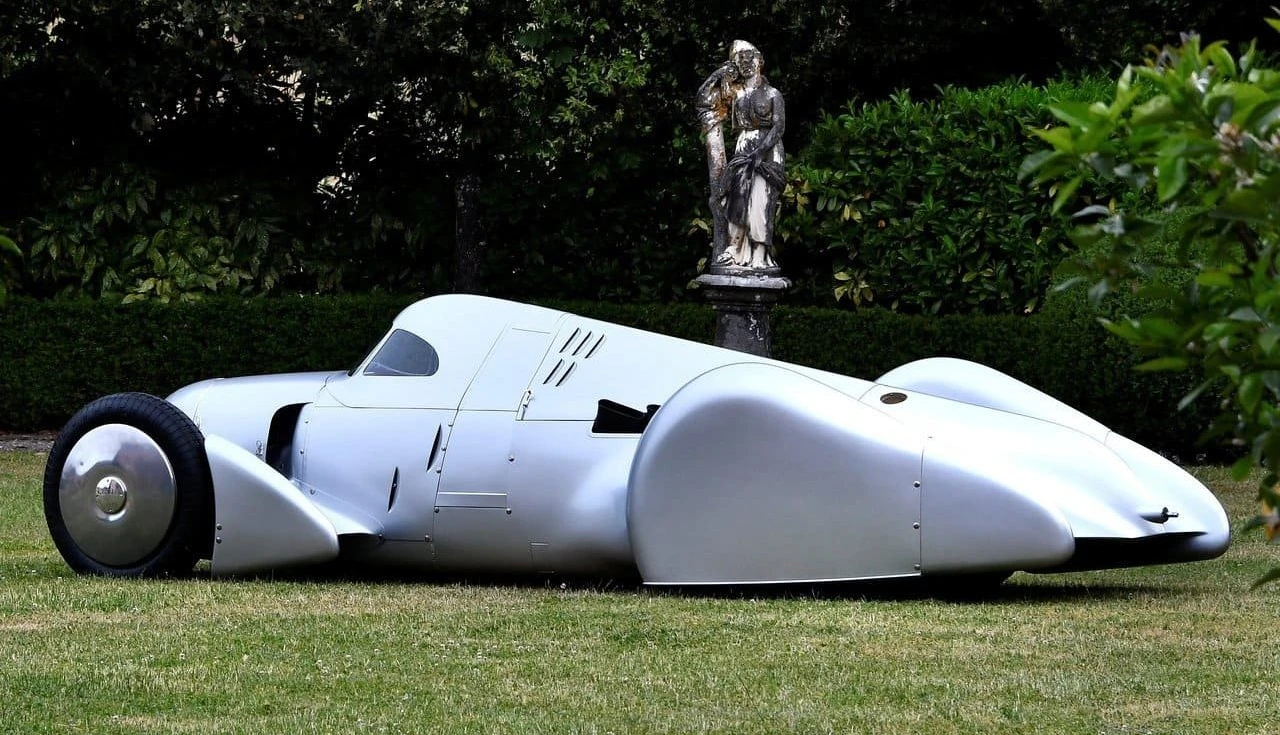
The bodywork wasn’t just a creative choice for these classic cars. For the first time in Europe, wind tunnel data dictated the final exterior shape.
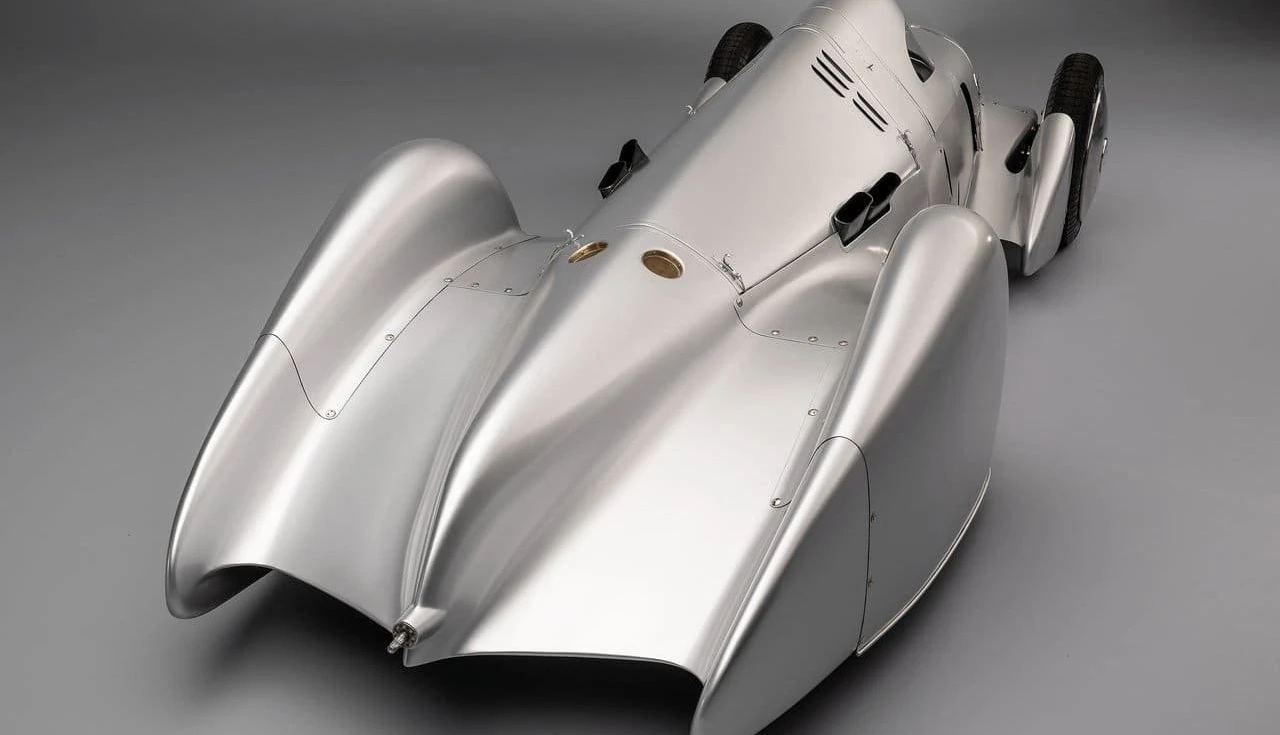
The polished lightweight metal skin features enclosed wheel fairings to reduce drag. A long tail design helped achieve a 0.43 Cx drag coefficient, essential for high-speed stability.
This shape allowed the car to slice through the air with minimal mechanical effort. Without this fluid design, air resistance would have blocked any attempt at a world record.
Chasing 203 MPH on Italian Soil
The search for perfect track conditions led the team to escape the harsh northern winter. They chose Lucca, Italy, for its mild climate and pristine asphalt.
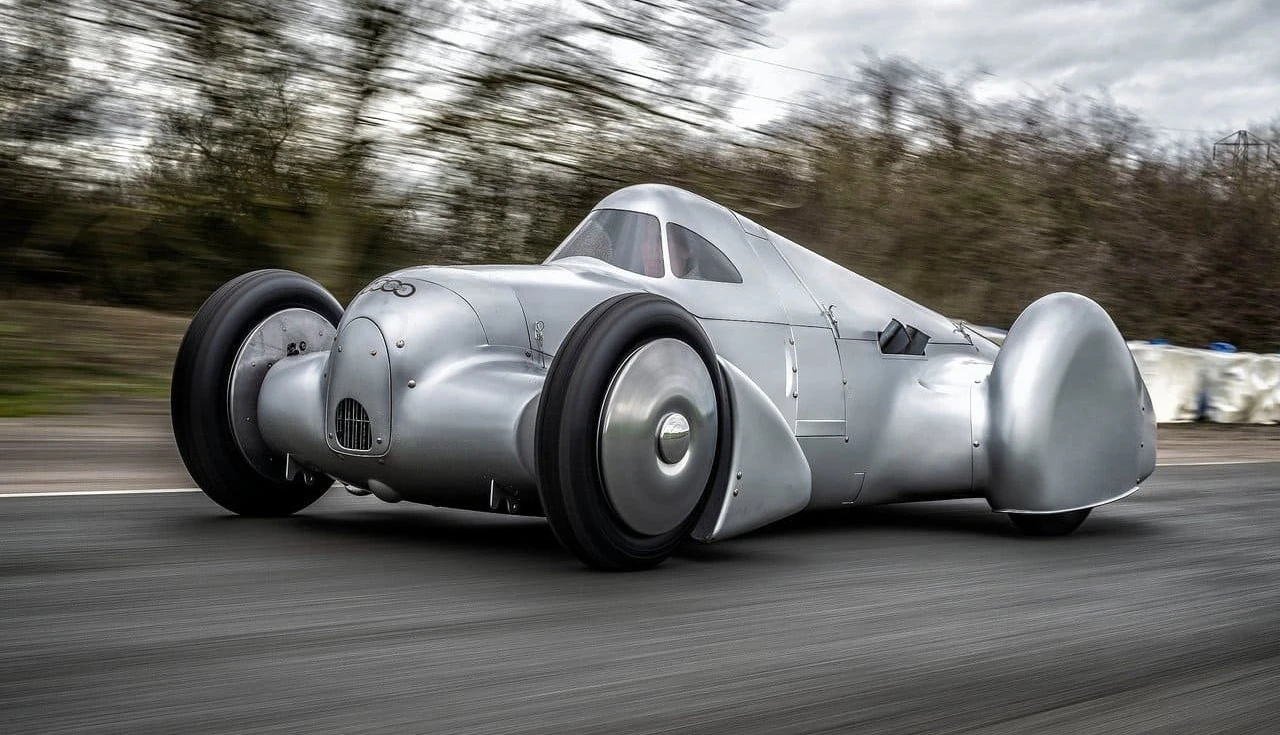
The local highway offered a perfectly level, three-mile straight section. Legend Hans Stuck used this stretch to reach an average speed of 199 mph.
At the absolute peak of acceleration, the car hit a confirmed 203.17 mph. This feat instantly crowned the model as the fastest road race car on the planet.
The Physical Challenge of Analog Racing
Controlling this much power required extreme physical strength and mental focus. The massive steering wheel and cramped cockpit made every run a grueling experience.
The non-synchronized 5-speed manual gearbox had no modern electronic assistance. Every gear change required precise double-clutching to avoid destroying the transmission.
Driving this recreated legend today remains a severe test of true pilot skill. The machine demands total respect and offers a raw, unshielded connection to the road.