This Japanese Coupe Refuses to Be Forgotten
A naturally aspirated V6, rear-wheel drive, and a driving experience that has become increasingly rare. The Nissan 370Z remains one of the most recognizable Japanese sports cars of the modern era.
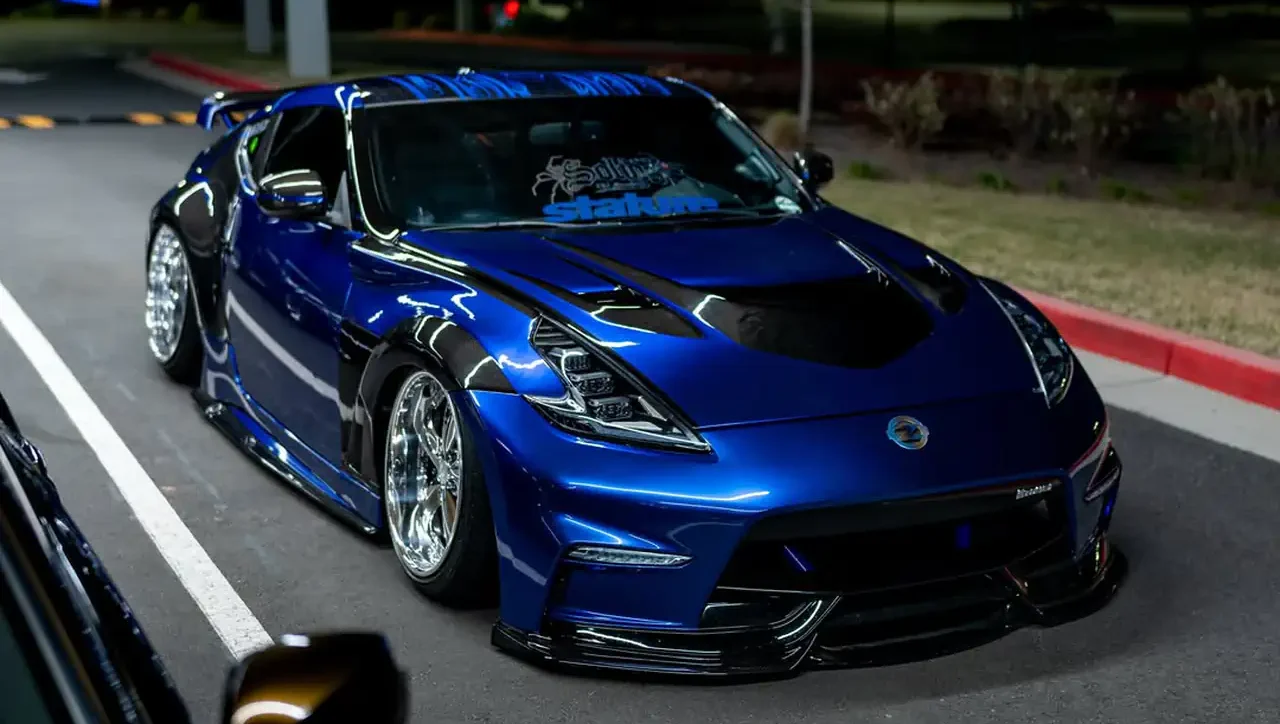
Nissan 370Z: A Pure Sports Car Built for Driving Enthusiasts
Technical Specifications
| Specification | Details |
|---|---|
| Engine | 3.7L V6 Naturally Aspirated |
| Horsepower | Up to 350 hp (NISMO) |
| 0-60 mph | Approximately 5.0 seconds |
| Top Speed | Around 155 mph |
| Current Market Value | $20,000–$45,000+ |
| Transmission | 6-Speed Manual or 7-Speed Automatic |
The Story Behind the Nissan 370Z
The Nissan 370Z arrived for the 2009 model year as the successor to the popular 350Z. Designed and built in Japan, it continued the legendary Z-car lineage that began decades earlier and became one of the most respected names in the sports car world.
Compared to its predecessor, the 370Z featured a shorter wheelbase, wider stance, and a more aggressive appearance. The result was a sports coupe that looked sharper while offering improved handling and responsiveness.
Throughout its production run, Nissan introduced several updates, special editions, and performance-focused trims, including the highly regarded NISMO models.
Eventually, the 370Z was replaced by the modern Nissan Z, but many enthusiasts still view the 370Z as one of the purest expressions of the Z formula.
A Naturally Aspirated V6 That Defined the Car
The heart of the 370Z is its VQ37VHR engine.
This 3.7-liter V6 became famous for its reliability, smooth power delivery, and distinctive exhaust note. Unlike many modern turbocharged engines, the 370Z’s power builds progressively as the revs climb, creating a more engaging connection between driver and machine.
Rear-wheel drive further enhances the experience.
Whether on a winding back road or a racetrack, the car delivers balanced handling and predictable behavior that enthusiasts appreciate.
The available six-speed manual transmission is often considered one of the highlights of the driving experience, offering precise shifts and excellent driver involvement.
Exterior and Interior Design
From the outside, the Nissan 370Z looks purposeful.
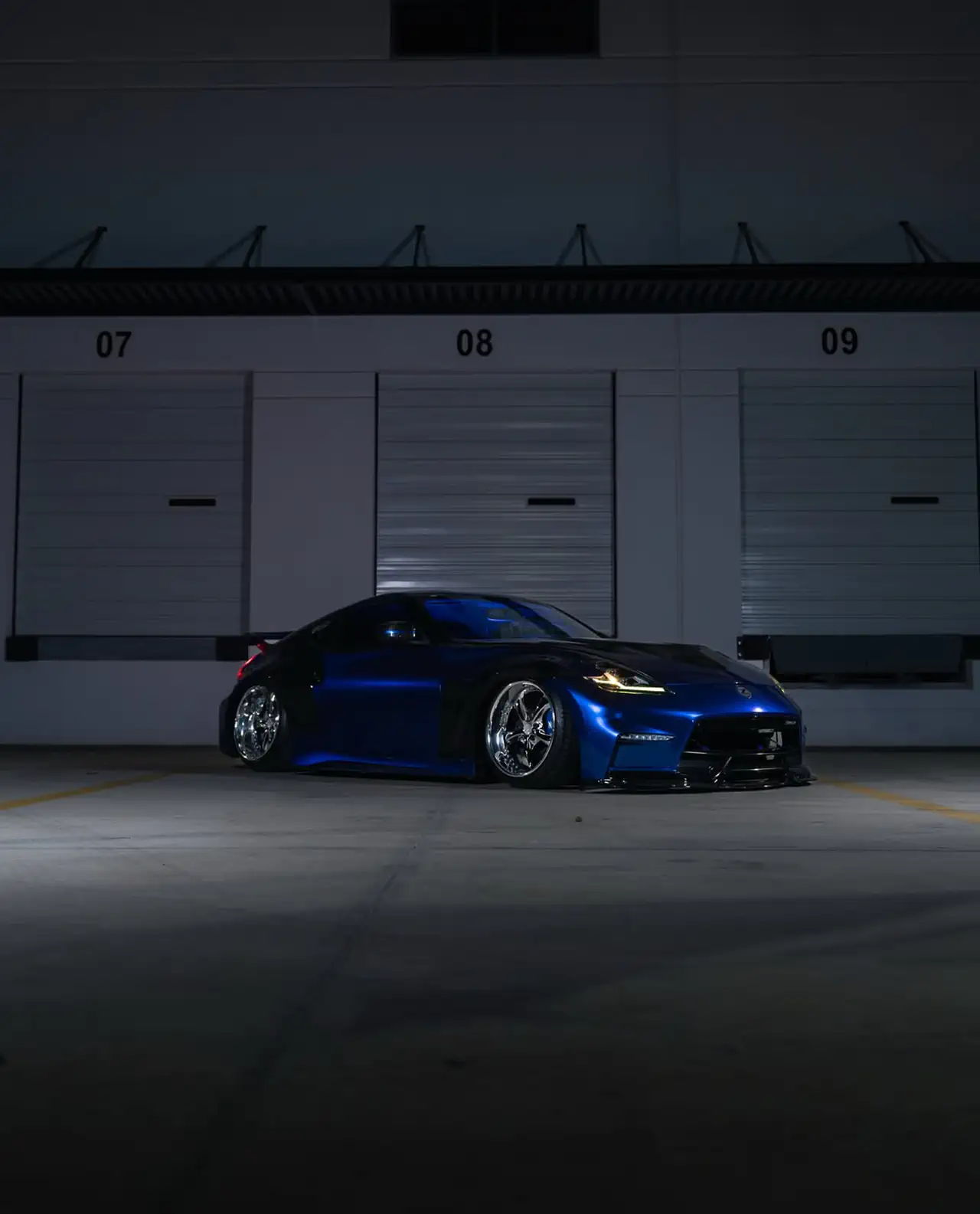
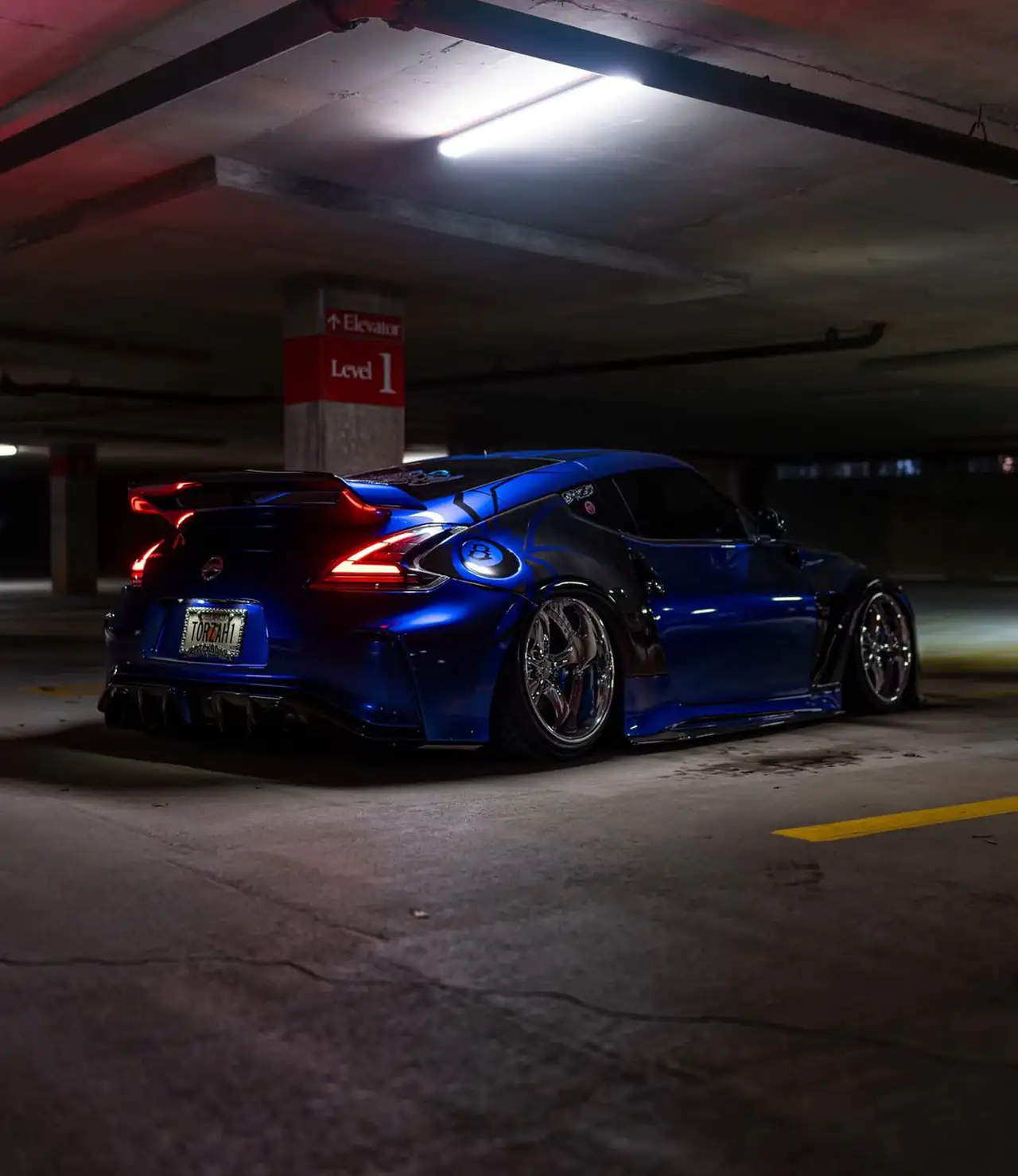
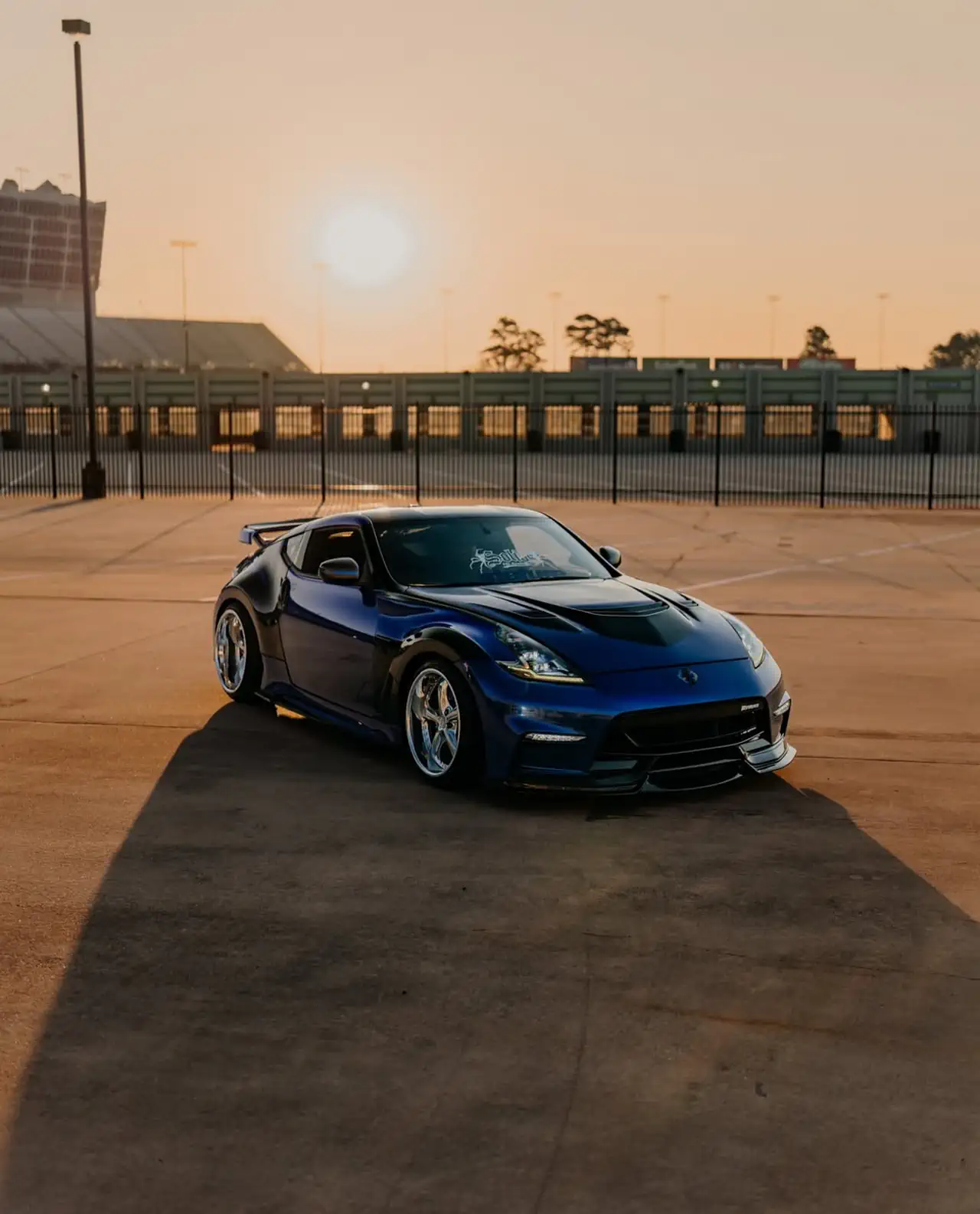
Its long hood, muscular fenders, wide stance, and distinctive boomerang-shaped headlights create an unmistakable presence. Even years after production ended, the design still looks modern and athletic.
Inside, the cabin focuses on the driver.
The dashboard wraps around the cockpit, while the gauges remain easy to read and performance-oriented. Although newer sports cars offer more advanced technology, the 370Z prioritizes driving engagement over excessive digital features.
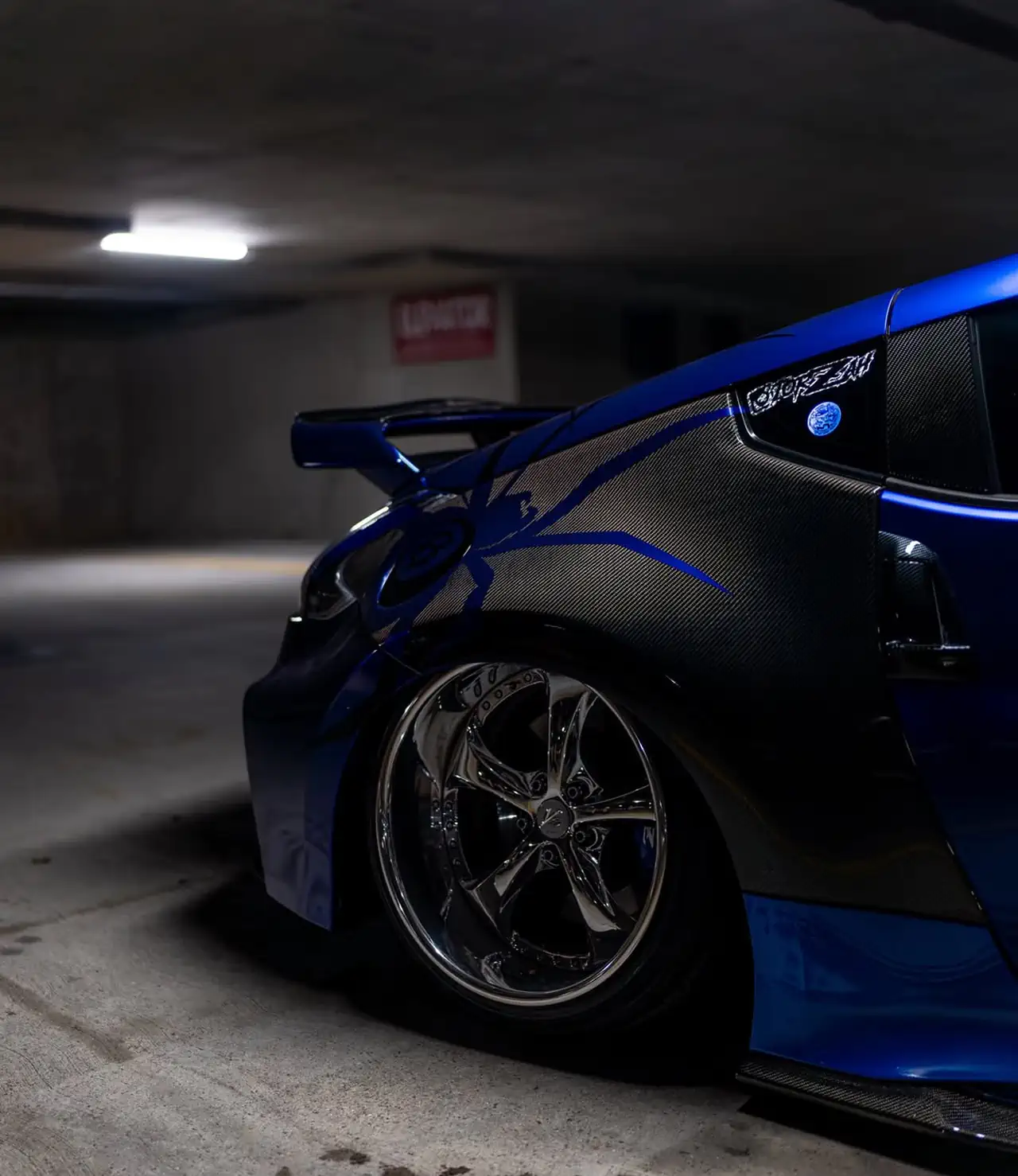
Not surprisingly, the model has also become a favorite among owners who enjoy building modified cars, thanks to its strong aftermarket support and tuning potential.
Nissan 370Z vs Its Main Rivals
| Model | Horsepower | Engine | Drivetrain |
|---|---|---|---|
| Nissan 370Z | 332 hp | 3.7L V6 NA | RWD |
| Toyota GR Supra 2.0 | 255 hp | 2.0L Turbo | RWD |
| Ford Mustang GT | 480 hp | 5.0L V8 | RWD |
3 Highlights of the Nissan 370Z
1. Engaging Naturally Aspirated Engine
The V6 delivers immediate throttle response and a rewarding driving experience.
2. Balanced Rear-Wheel-Drive Chassis
Its chassis provides confidence in corners and remains enjoyable on a variety of roads.
3. Timeless Sports Car Styling
The design has aged remarkably well compared to many competitors from the same era.
3 Areas Where It Falls Short
1. Limited Interior Space
The two-seat layout reduces practicality for daily use.
2. Fuel Economy
The naturally aspirated V6 prioritizes performance over efficiency.
3. Outdated Technology
Older models lack many of the modern infotainment and driver-assistance features found in today’s sports cars.
Why the Nissan 370Z Still Matters
The Nissan 370Z represents a period when sports cars focused primarily on driver engagement rather than technology.
Its naturally aspirated V6, rear-wheel-drive platform, and mechanical feel continue to attract enthusiasts across the globe.
Many of the images circulating online come from the Instagram profile of a true car enthusiast—someone who lives and breathes automotive culture every day. The owner’s Instagram account will be featured at the end of this article.
For drivers looking for a sports coupe that delivers authentic performance and character, the 370Z remains a compelling choice in today’s used car market.
FAQ
Is the Nissan 370Z reliable?
Yes. The VQ37VHR engine has a strong reputation for reliability when properly maintained.
What engine does the Nissan 370Z have?
It uses a naturally aspirated 3.7-liter V6 engine.
Is the Nissan 370Z rear-wheel drive?
Yes. Every production version of the 370Z features rear-wheel drive.
How fast is the Nissan 370Z?
Depending on the version, it can reach a top speed of approximately 155 mph.
Has the Nissan 370Z been discontinued?
Yes. It was replaced by the new Nissan Z.
Was the Nissan 370Z available with a manual transmission?
Yes. Buyers could choose a six-speed manual gearbox.
Is the Nissan 370Z worth buying today?
For enthusiasts seeking a traditional sports car experience with a naturally aspirated engine and rear-wheel drive, the 370Z remains a highly appealing option.

Danniel Bittencourt
Danniel Bittencourt é especialista e entusiasta do setor automotivo, com atuação focada em análise de veículos, lançamentos e tendências do mercado global. É fundador do site e responsável por diversos canais no YouTube voltados ao universo dos carros.
Related posts >