0 to 60 in 1.9 Seconds: Inside the Insane 2027 Czinger 21C Spyder
The 2027 Czinger 21C Spyder is a $2.75M hybrid hypercar packing 1,250 hp. Built using 3D printing, this V8 monster hits 60 mph in 1.9 seconds. Only 30 units will be produced in LA.
What makes the 2027 Czinger 21C Spyder powertrain so aggressive?
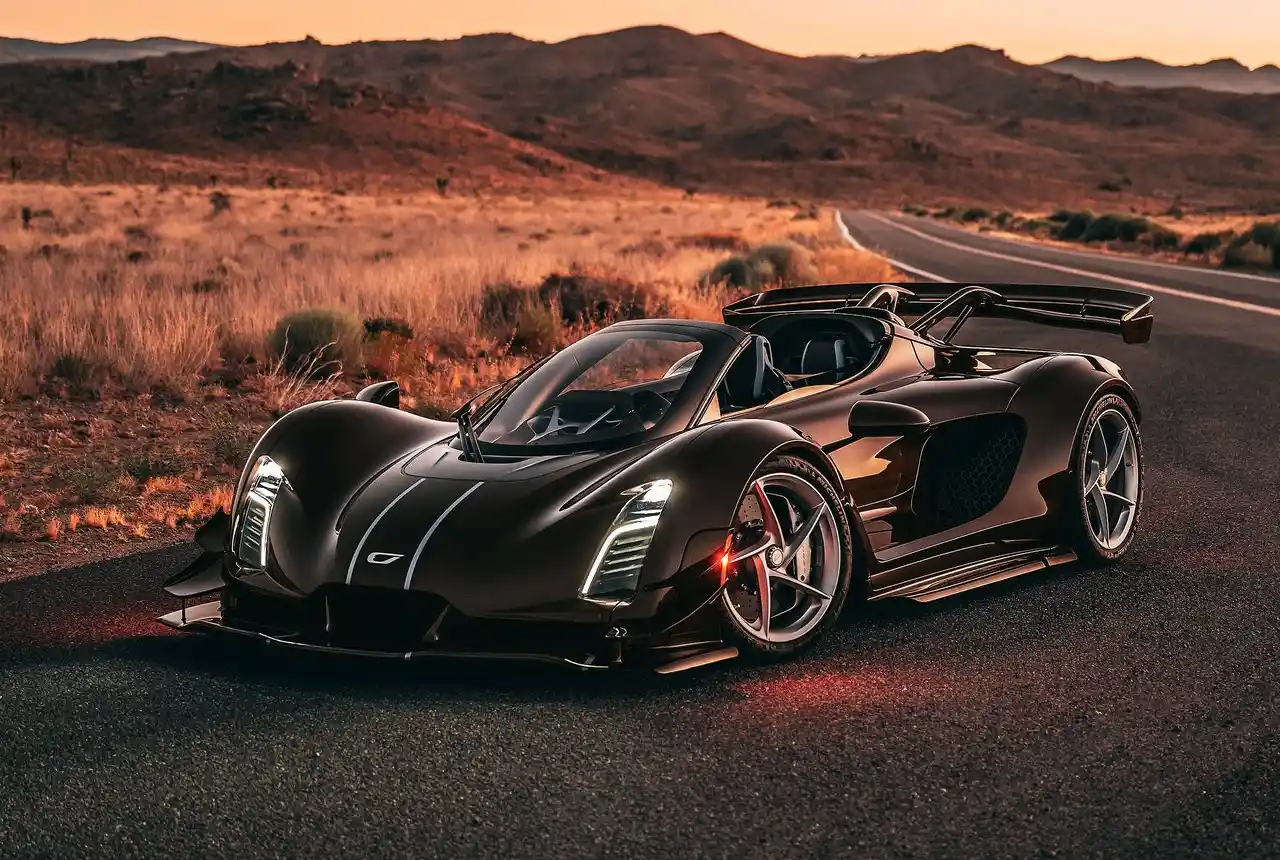
A 2.88-liter twin-turbo V8 paired with three electric motors delivers a massive 1,250 horsepower. This AWD setup makes the open-top hypercar one of the fastest street-legal vehicles ever built.
The combustion engine alone generates 750 hp and revs to an ear-piercing 11,000 RPM, echoing the scream of vintage Formula 1 cars. The remaining 500 hp comes from an electric propulsion system split between the front axle and a rear generator.
This hybrid architecture launches the car from 0 to 60 mph in a blistering 1.9 seconds. Keep the pedal planted with the top closed, and the speedometer will climb all the way to 205 mph.
How are 3D printing and AI reshaping its chassis?
The Spyder relies on AI-generated structures and industrial 3D printers to form its intricate metal components. The engineering team ditched traditional assembly lines for lightweight, organic designs.
The standout innovation here is the BrakeNode™ system. It houses the brake caliper, hydraulic fluid passages, and suspension mounts inside a single, 3D-printed aluminum block.
Out on the road, this means zero external brake hoses, reduced unsprung weight, and up to a 15% shorter braking distance. It is a highly advanced piece of engineering that keeps the driver secure at extreme speeds.
Why does the cabin look exactly like a fighter jet?
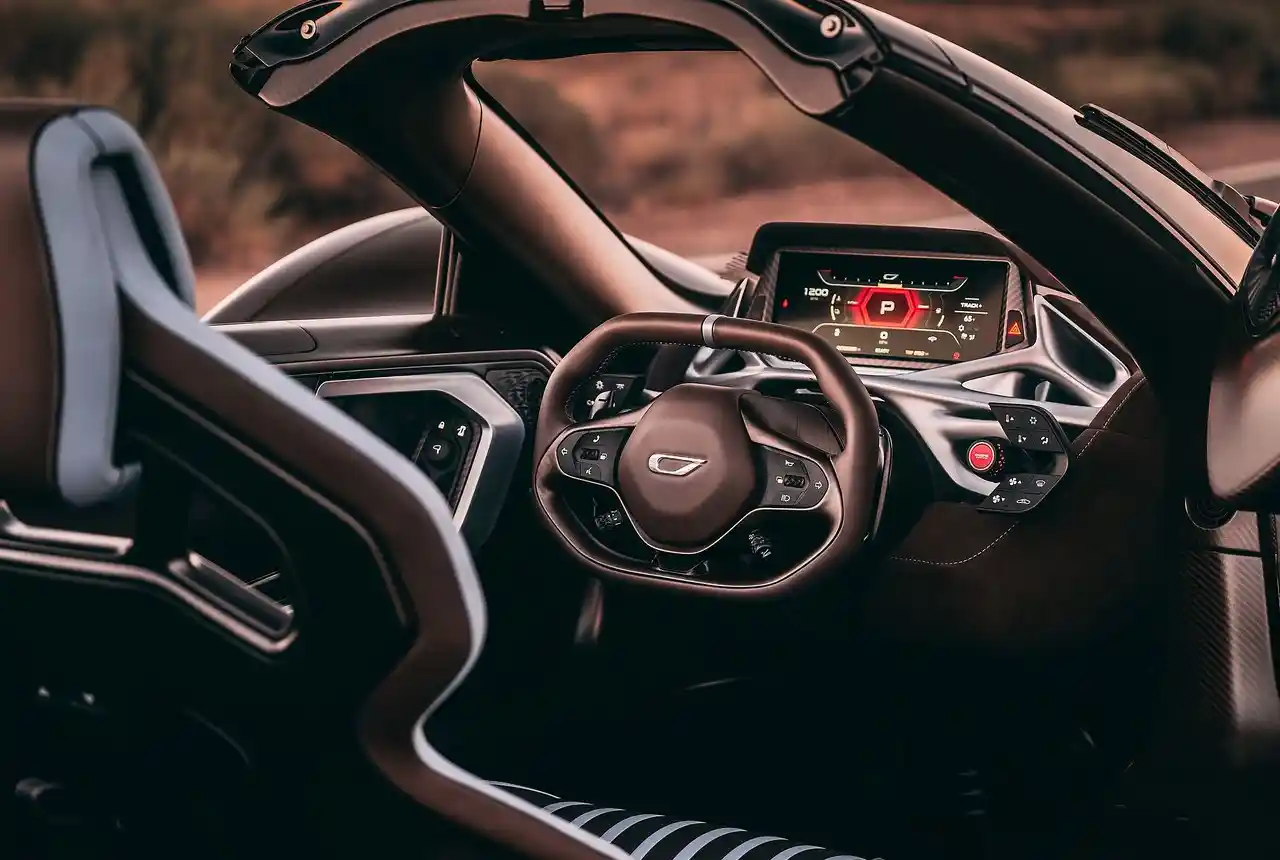
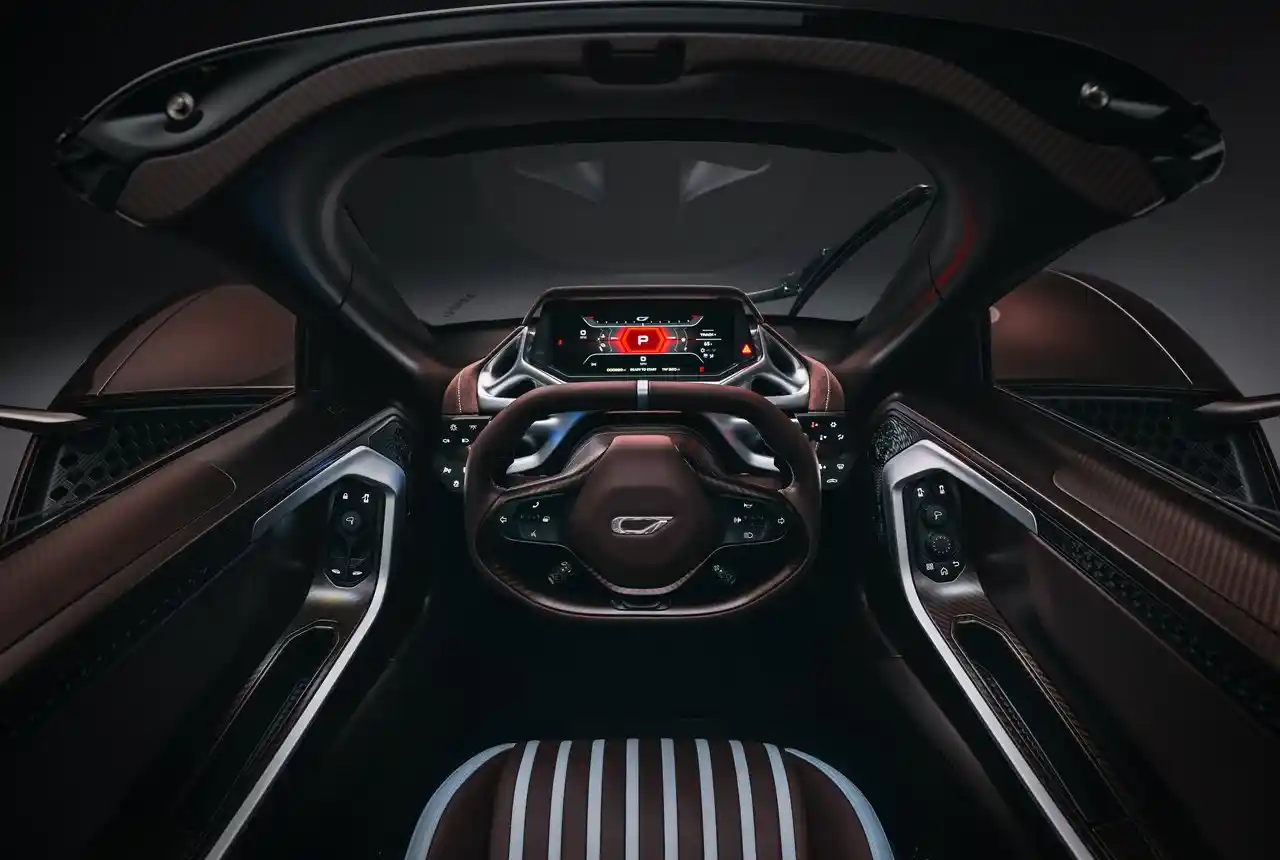
The driver sits dead center, while the sole passenger is positioned directly behind them in an inline seating layout. This military-inspired configuration ensures perfect weight distribution across the chassis.
Placing the steering wheel in the middle provides a completely unobstructed peripheral view of the track or highway. Getting into the seat takes some effort, but the sheer immersion makes the awkward entry worthwhile.
The cockpit also features the NeuralNode system, swapping massive touchscreens for perfectly sculpted physical and tactile controls. Climate and vehicle adjustments flow directly through ducts integrated into the dash structure itself.
Can a roofless hypercar generate real aerodynamic grip?
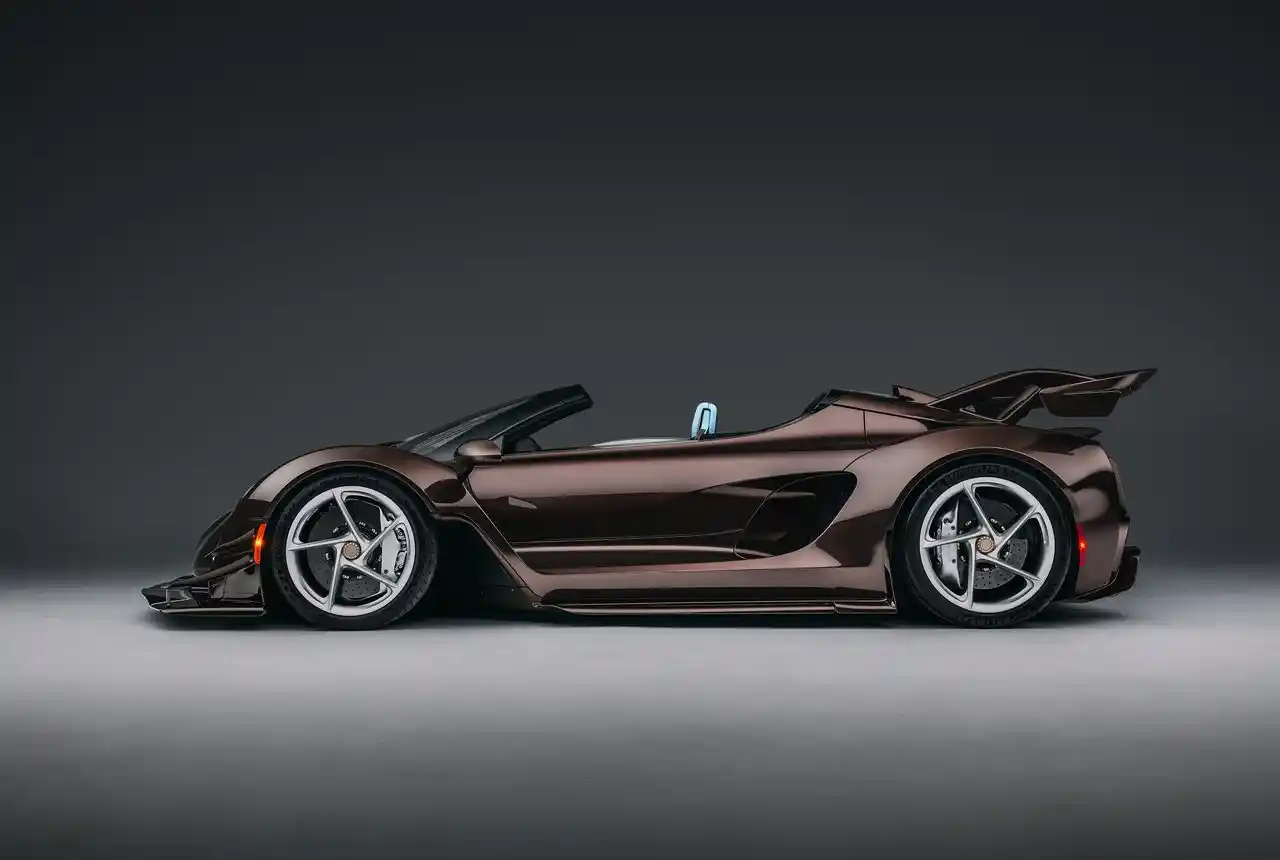
Even without a fixed roof, the bodywork produces an astonishing 3,267 lbs of downforce at 150 mph. The airflow physically pins the vehicle to the tarmac, ensuring massive cornering grip.
Czinger claims this is the highest aerodynamic load ever recorded for a production convertible anywhere in the world. It provides the stability needed to keep this high-output machine planted when pushed to the limit.
Strengthening the chassis to compensate for the missing roof only added 22 lbs to the overall build. Weighing in at just 3,571 lbs dry, the power-to-weight ratio remains absolutely stellar.
Does the 21C Spyder justify its $2.75 million MSRP?
This hypercar makes perfect sense for serious collectors chasing disruptive engineering that embarrasses century-old European legacy brands.
Production is strictly capped at 30 units worldwide, with every vehicle hand-built and meticulously tuned at the brand’s Los Angeles facility. No two cars will be exactly alike, giving buyers endless customization options.
Buying the 21C Spyder is more than just securing an incredibly fast convertible. It is purchasing a piece of automotive history that proves algorithms and 3D printing are the future of high-performance manufacturing.

Danniel Bittencourt
14/08/2026