Inside the Denza Z Spider, BYD’s Open-Top Supercar Translation
The Denza Z Spider is a 1,582-hp electric convertible supercar from BYD’s Denza brand, hitting 0-62 mph in 2.3 seconds. It’s not yet sold in the US.
Is the Denza Z Spider Coming to the US?
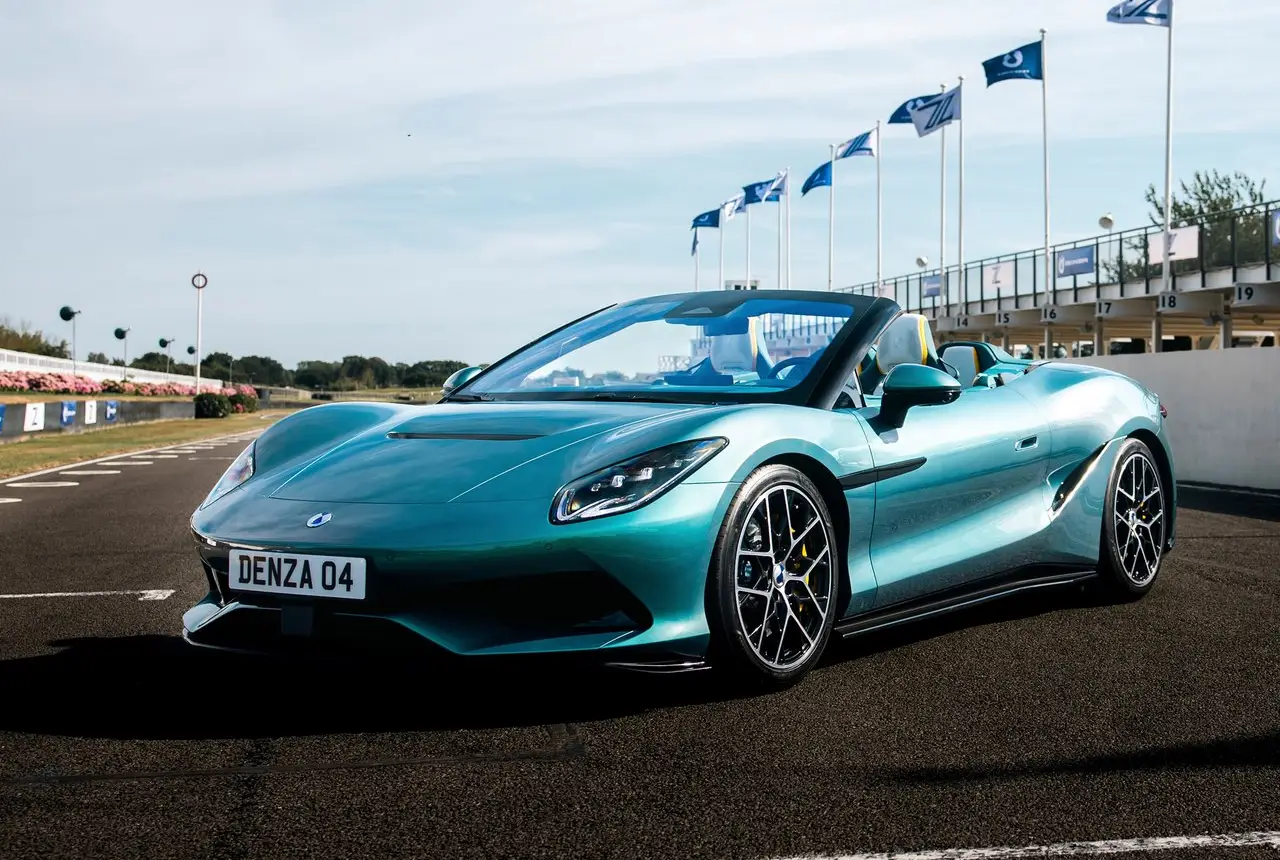
The Denza Z Spider is the drop-top version of BYD-owned Denza’s electric supercar, packing three motors, all-wheel drive, and 1,582 hp. It sprints from 0-62 mph in 2.3 seconds and carries a WLTP-rated range of up to 248 miles.
It’s one of three production variants in the Z lineup, alongside a fixed-roof Coupe and a track-focused Racing model. Denza revealed the production version in 2026, with international materials tying the car to the 2027 model year. British outlets have already placed its pricing near Porsche 911 territory, and the Maserati GranCabrio Folgore and Tesla Roadster are the most logical rivals once the car reaches additional markets. As of now, Denza has not confirmed US or Brazilian availability, pricing, or a launch date.
Quick Specs
| Specification | Detail |
|---|---|
| Body style | Two-door convertible, retractable roof (mechanism not disclosed) |
| Drivetrain | Three electric motors, all-wheel drive |
| Horsepower | 1,582 hp / 1,604 PS (1,180 kW) |
| Torque | 914 lb-ft (1,240 Nm) |
| 0-62 mph | 2.3 seconds |
| Top speed | 186 mph (per outside reporting; unconfirmed by Denza) |
| Battery | BYD Blade Battery 2.0, LFP chemistry, 76 kWh |
| Electrical architecture | 800V |
| Range (WLTP) | Up to 248 miles |
| Max DC charging | Up to 1,500 kW |
| 10-70% charge time | 5 minutes (compatible charger required) |
| Length / width / height | 188.2 in / 78.3 in / 53.1 in |
| Wheelbase | 109.4 in |
| Curb weight | Approximately 5,071 lbs (per outside reporting) |
| Suspension | DiSus-M magnetorheological damping |
| Price | UK: £159,900. US/Brazil: not disclosed |
With those headline numbers out of the way, here’s what they actually mean once you look past the spec sheet.
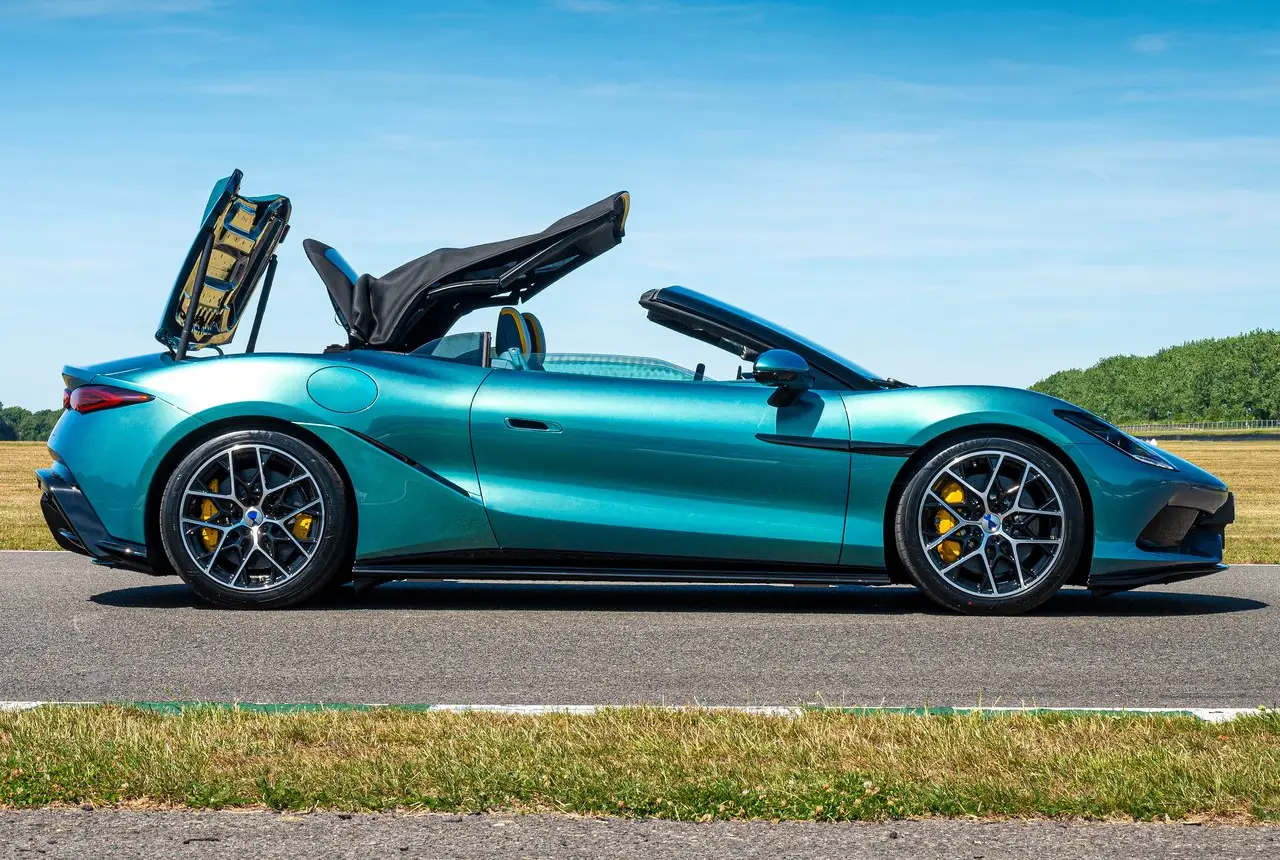
What Does the Denza Z Spider Look Like?
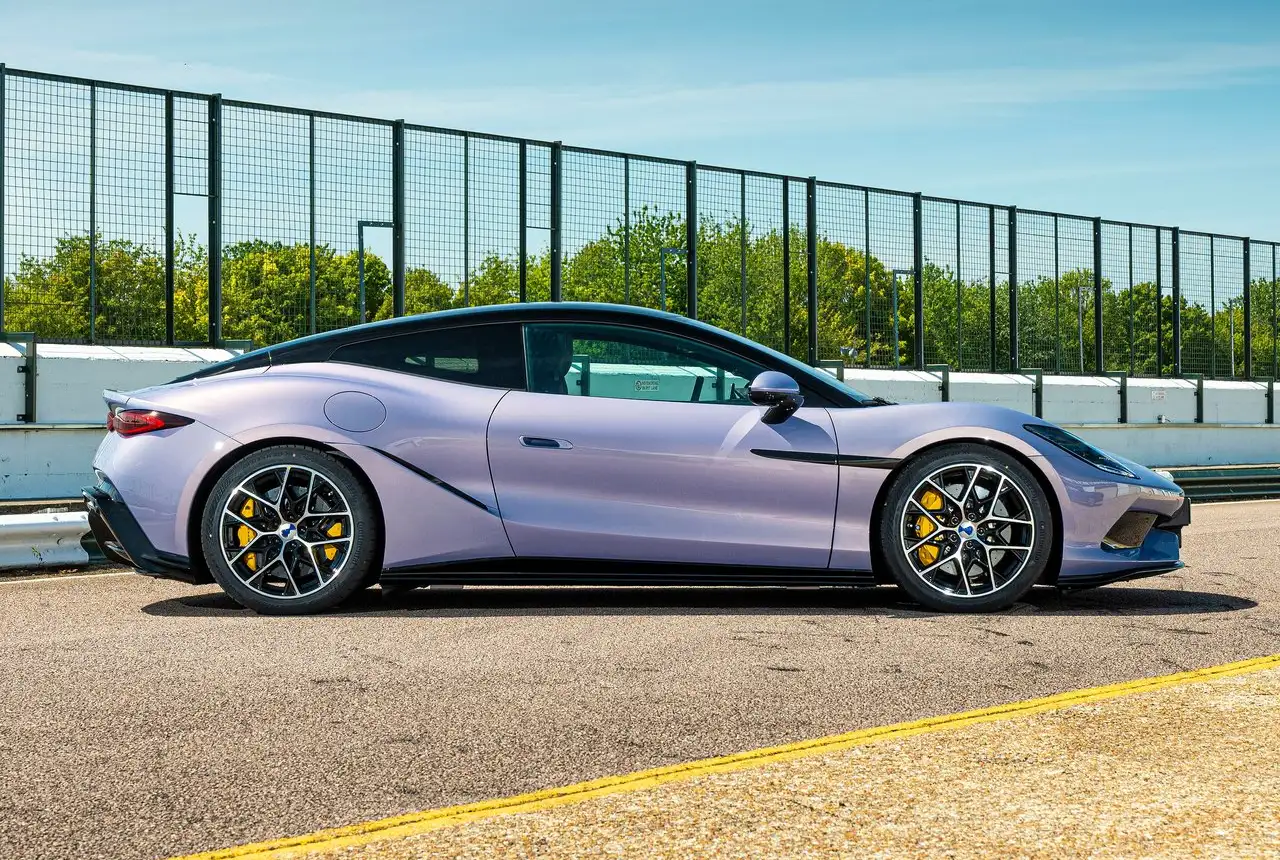
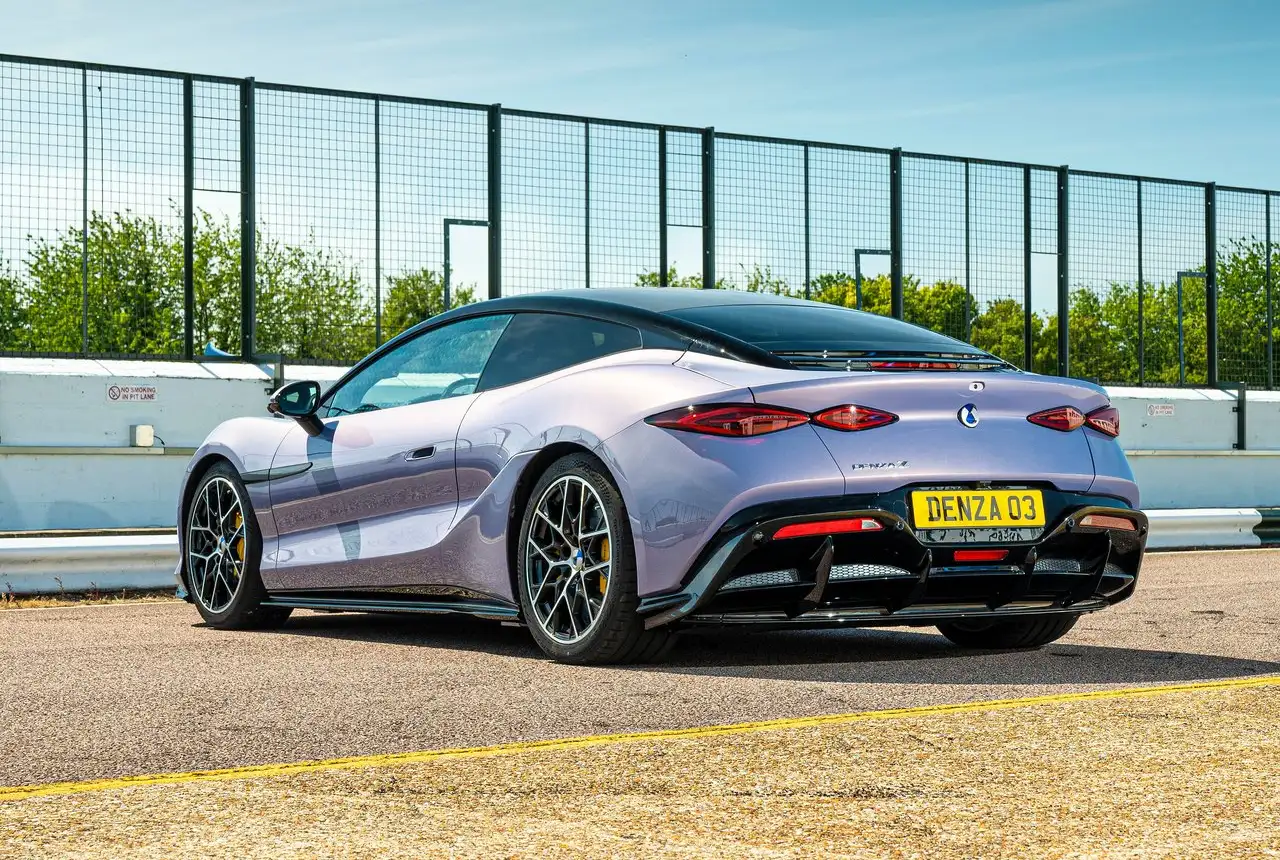
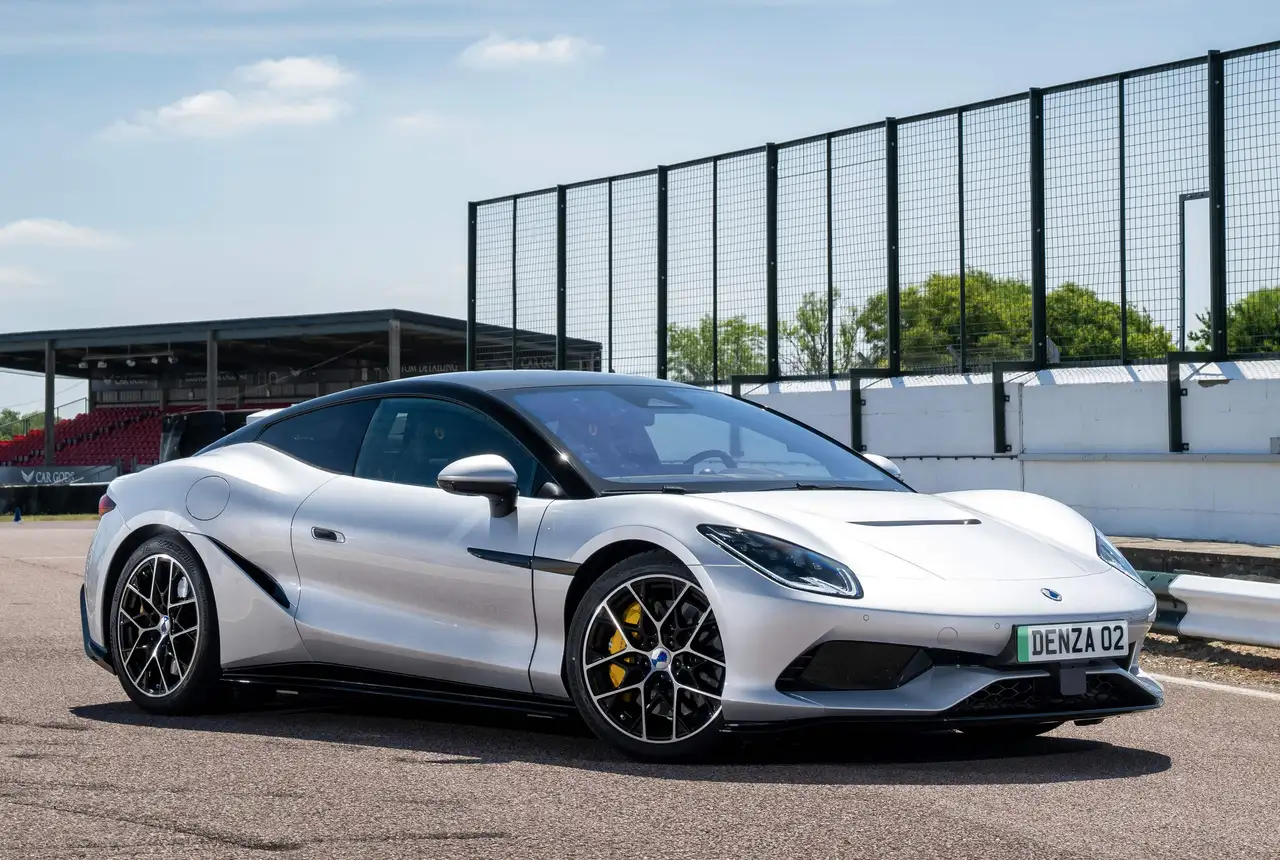
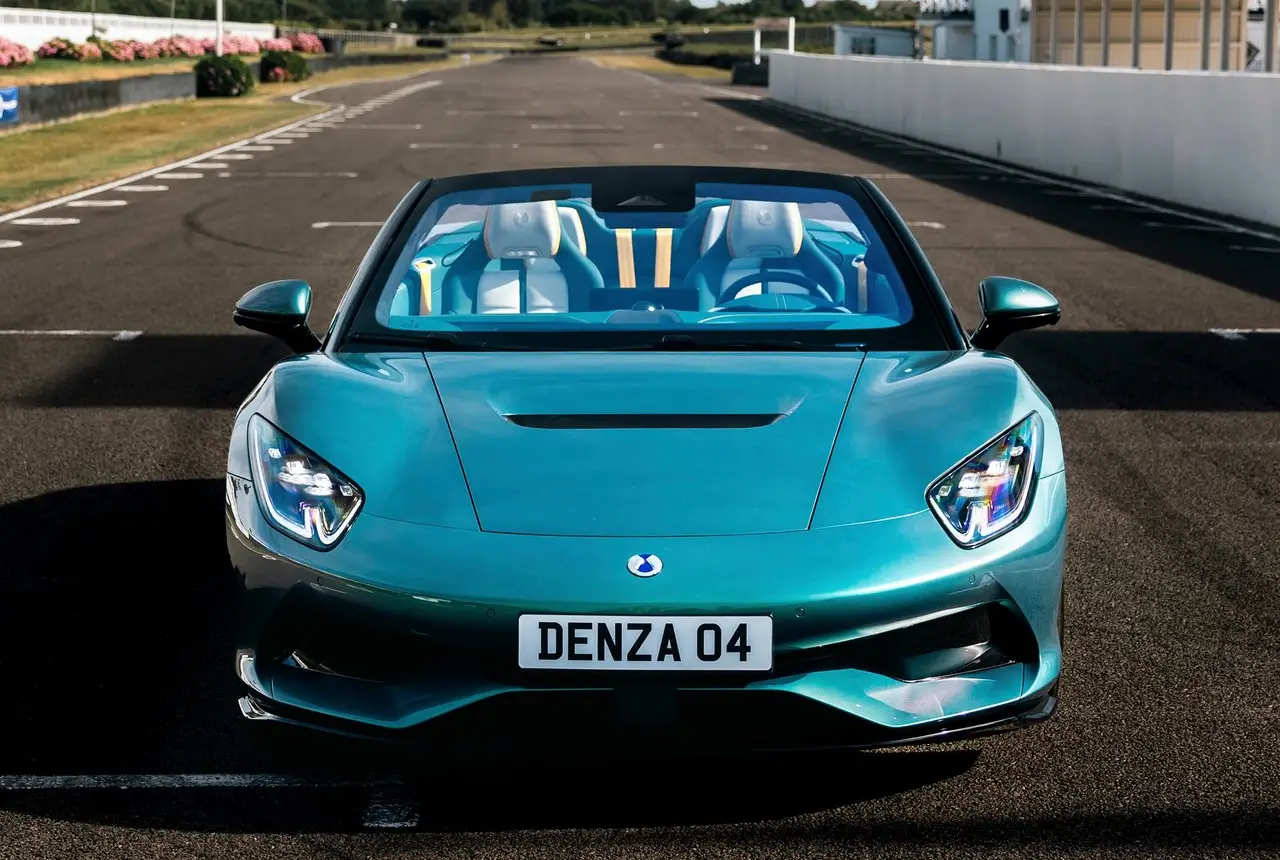
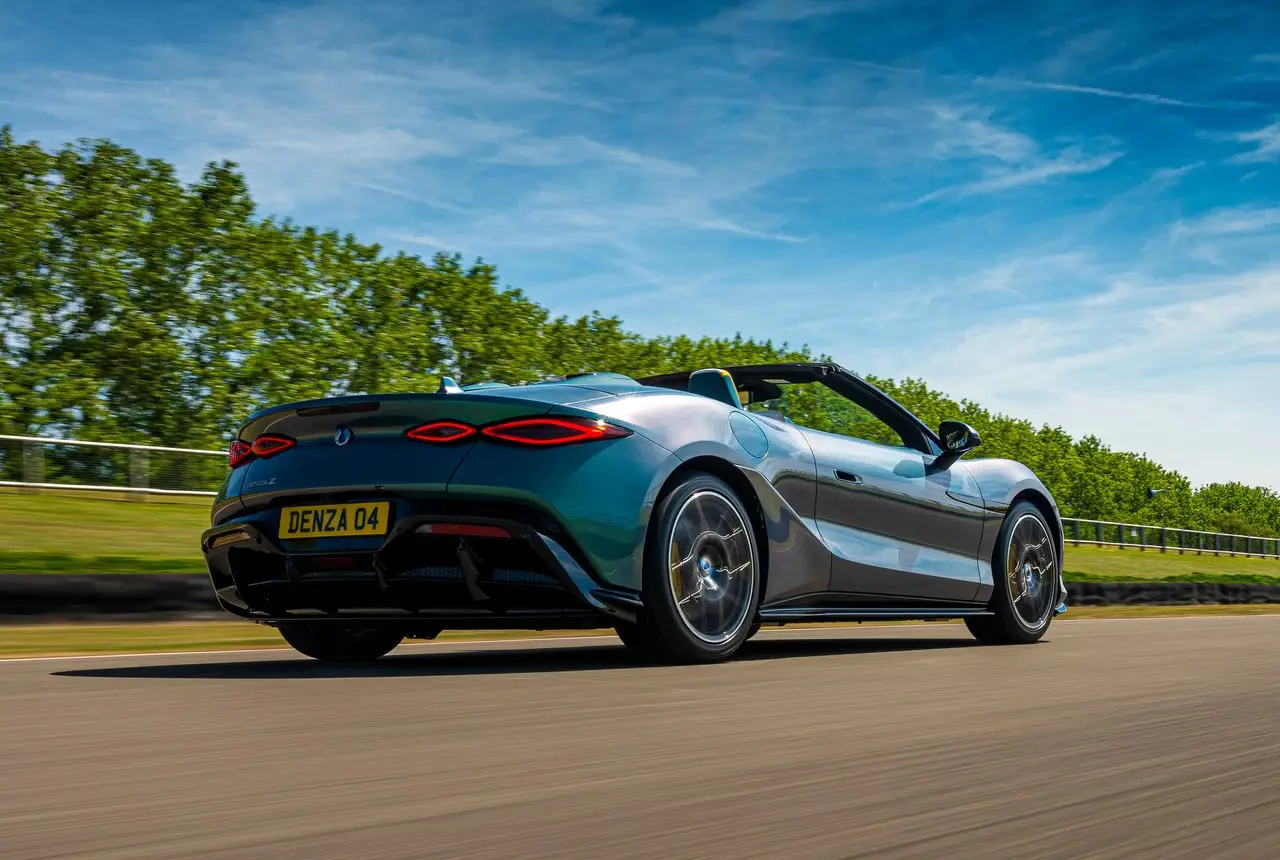
The Denza Z Spider is a low, wide two-seat convertible measuring 188.2 inches long, 78.3 inches wide, and just 53.1 inches tall, on a 109.4-inch wheelbase. Those are classic supercar proportions, and they line up with a car built around a floor-mounted battery pack and all-wheel-drive hardware.
Denza hasn’t detailed exactly how the folding roof works, and official seating capacity hasn’t been published either — though a two-seat layout is the safe assumption given the segment.
The car’s weight is worth flagging. Outside reporting puts the Spider at roughly 5,071 lbs, which is heavy for anything wearing a supercar badge. That’s largely the tax paid for battery mass and the extra structural reinforcement a convertible needs. Denza hasn’t published an official curb weight, so treat that figure as a reported estimate rather than a factory spec.
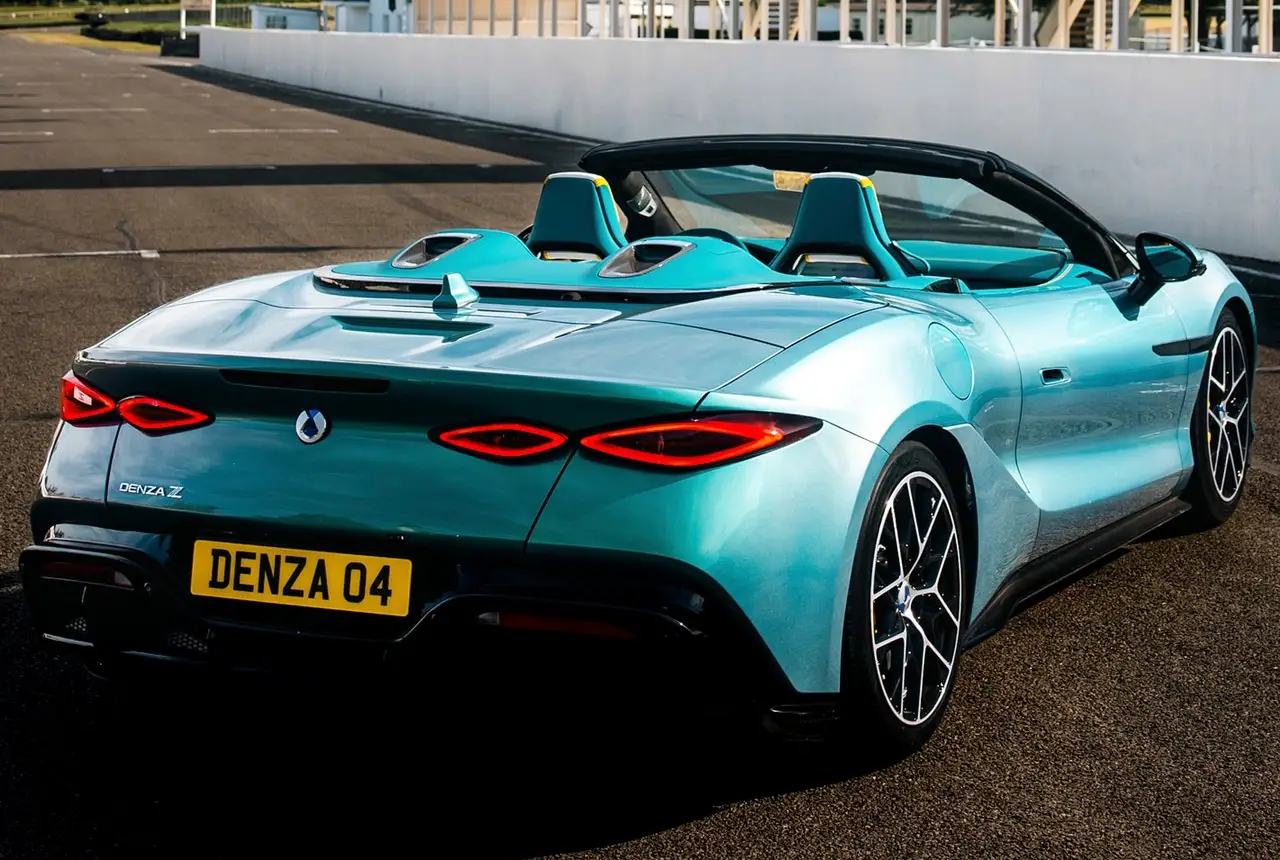
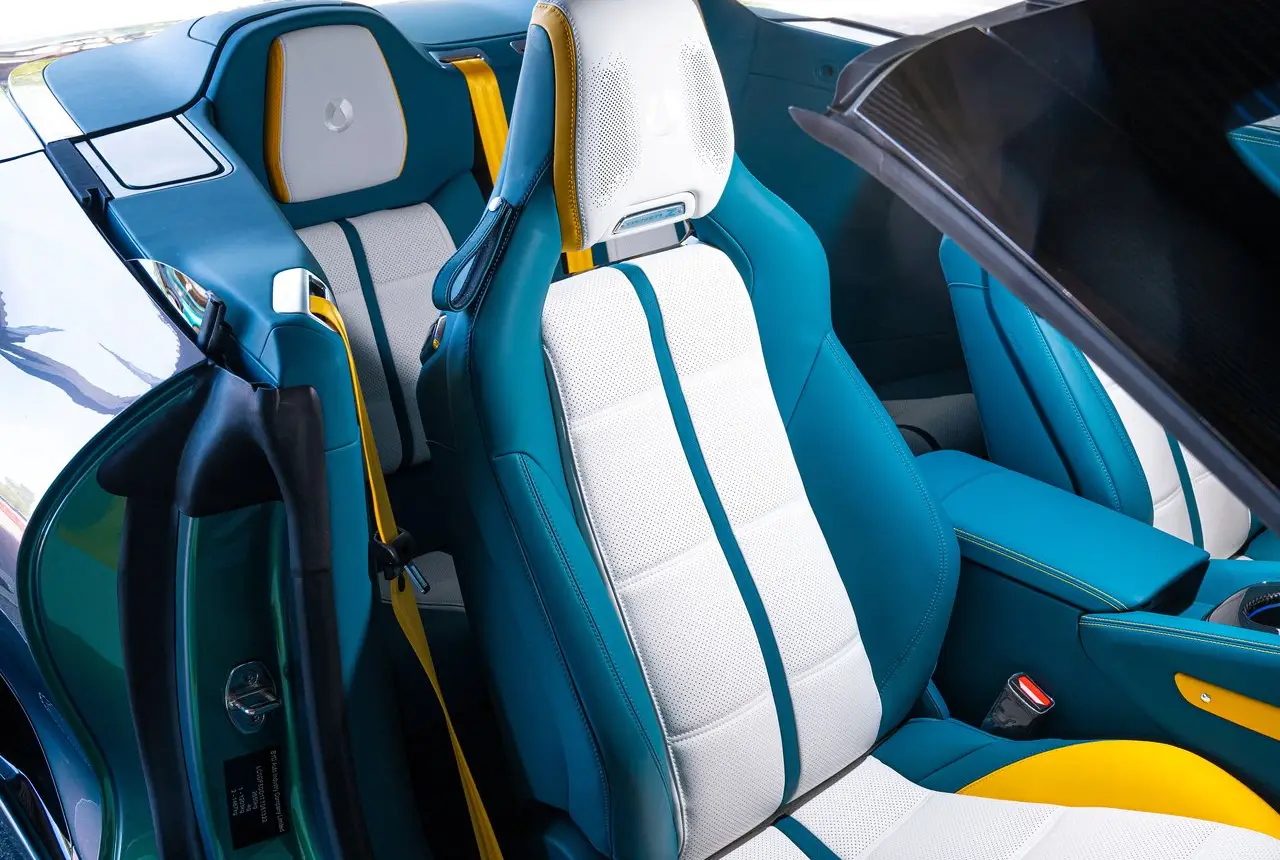
How Much Interior Space Does the Denza Z Spider Have?
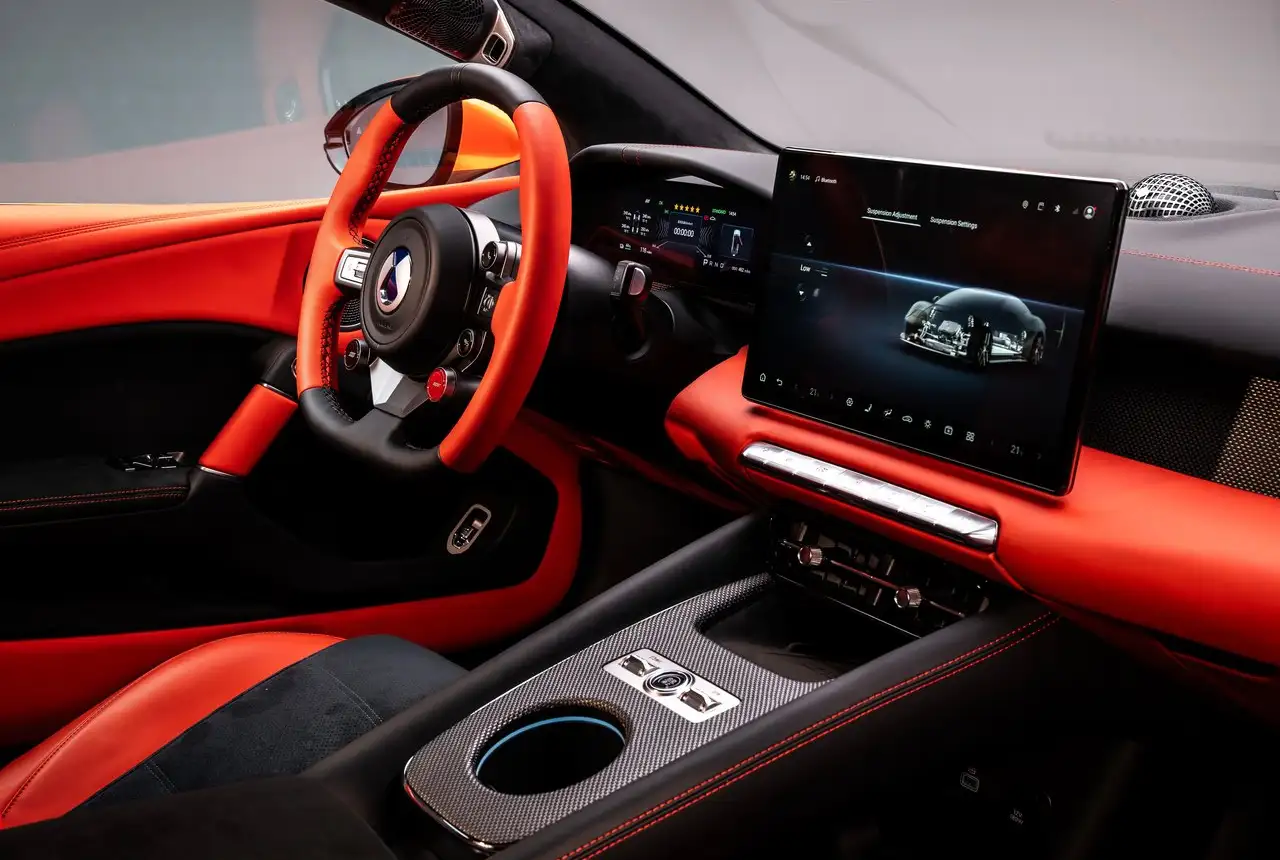
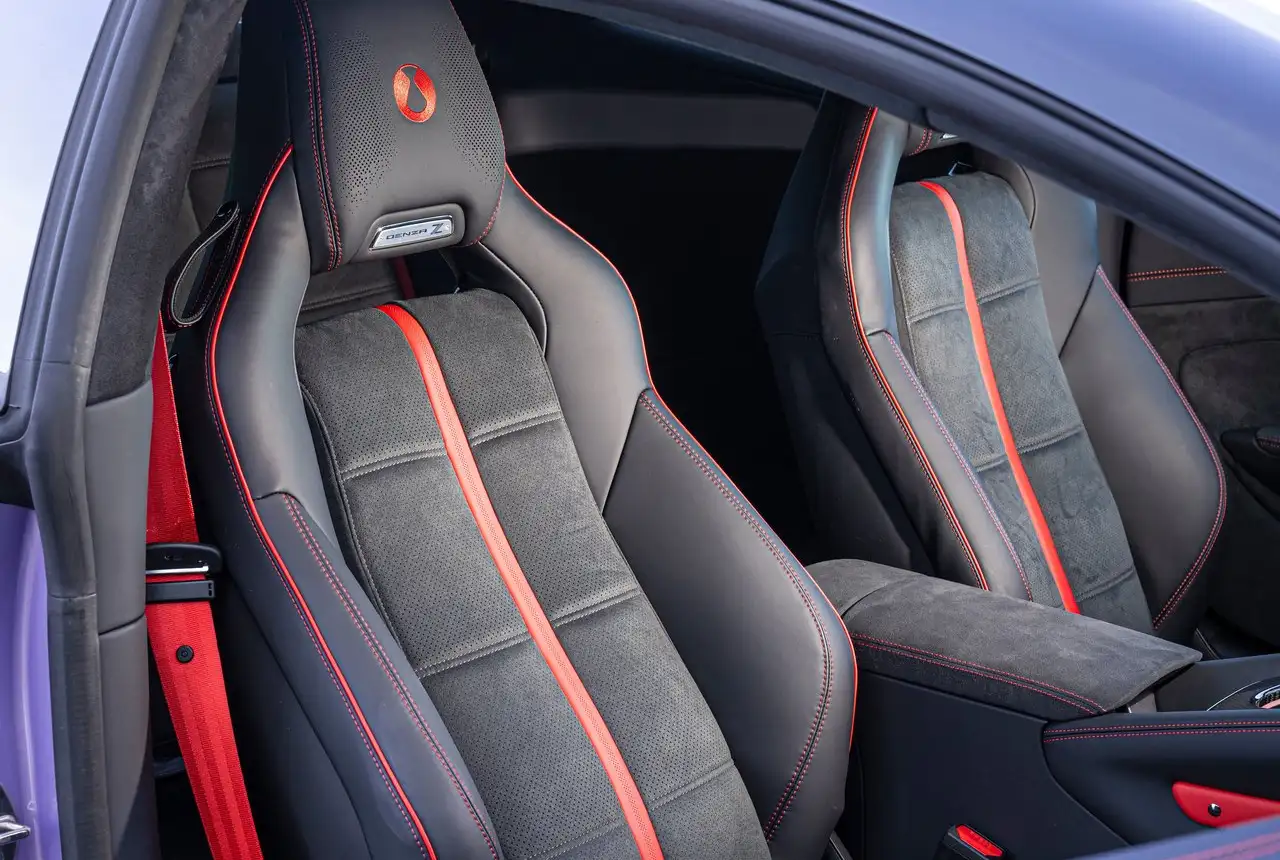
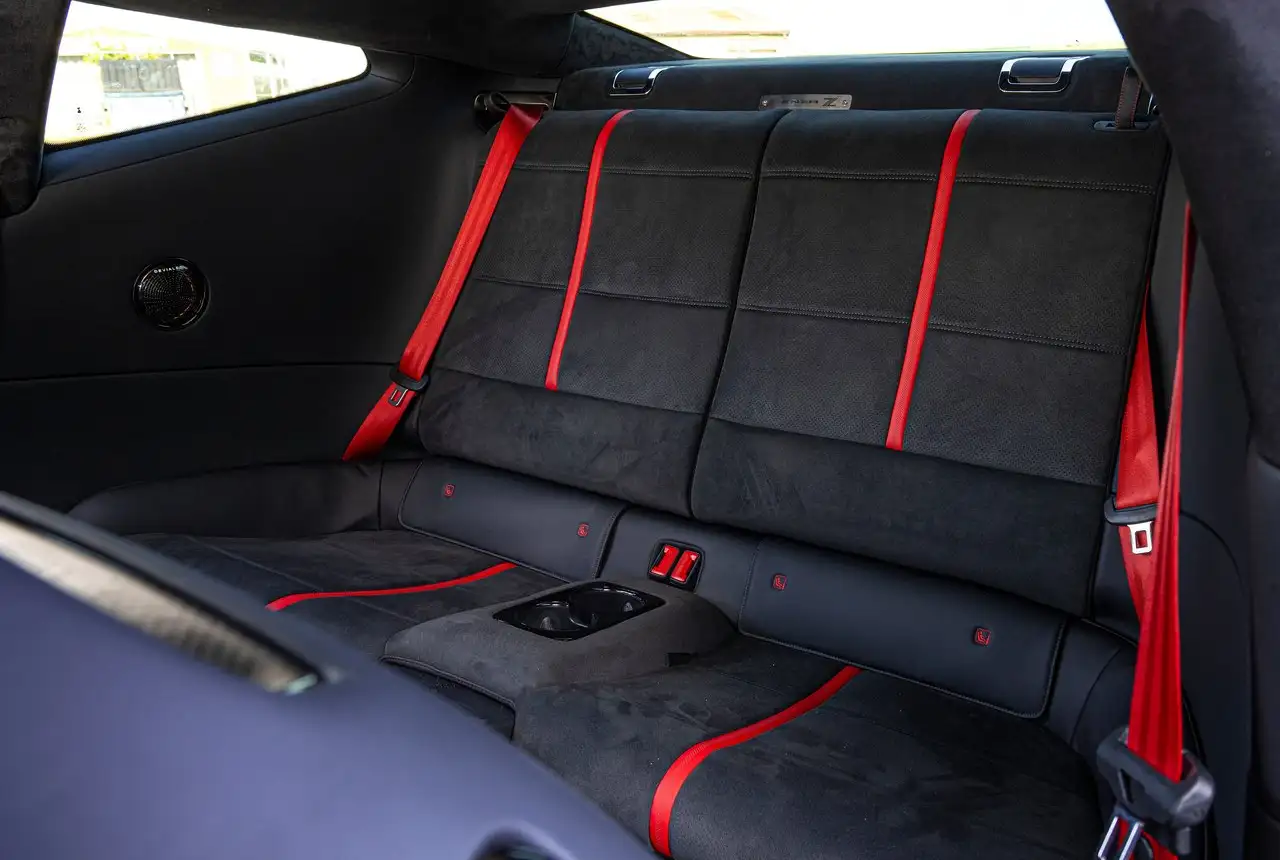
Denza hasn’t released cabin dimensions, seat details, or cargo space figures for the Z Spider. The brand describes the Z lineup in general terms as ergonomic and premium, but nothing specific to the Spider’s interior — trim materials, seating position, or usability — has been confirmed.
Given the car’s focus on open-top performance driving, that’s not unusual for a vehicle at this stage of rollout. Still, without published cargo volume or passenger specs, it’s not possible to say how livable the Spider actually is day to day.
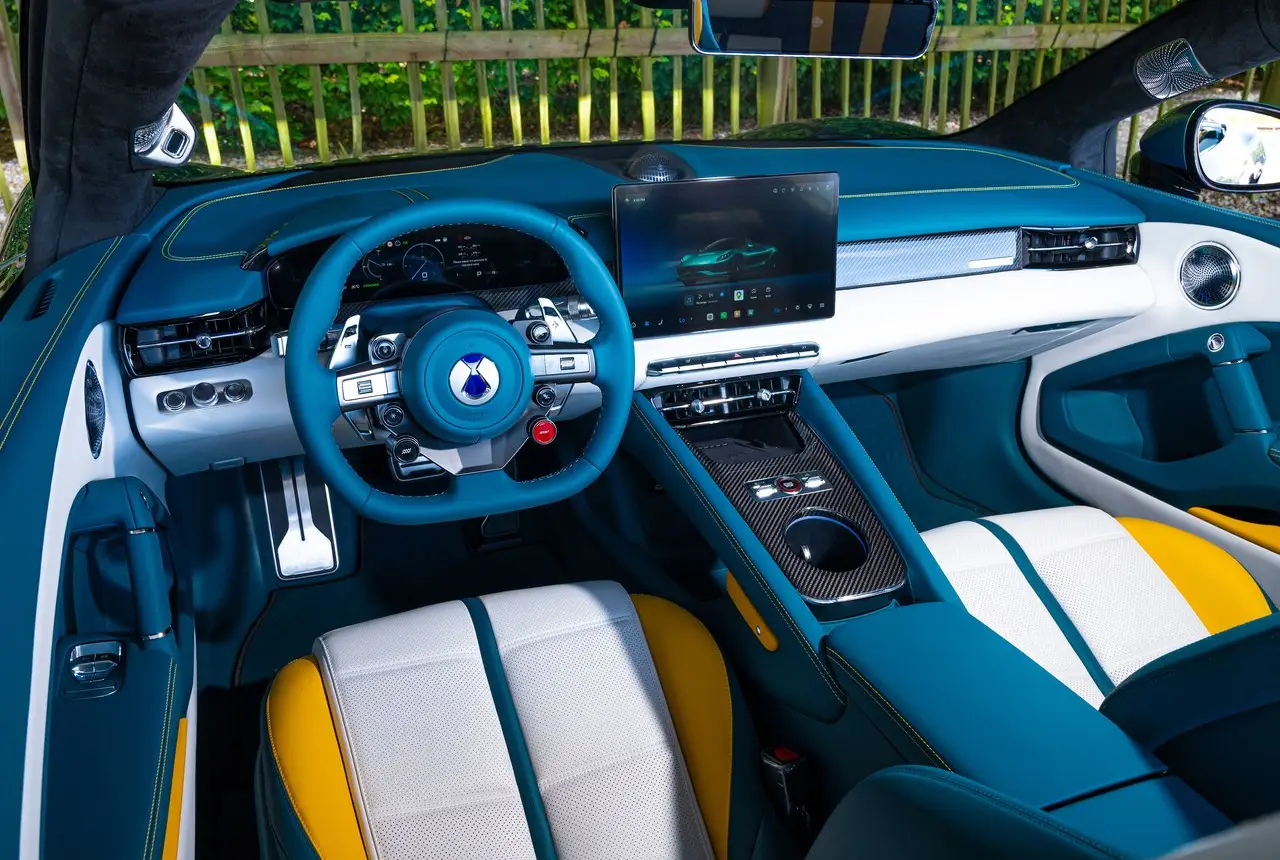
Infotainment and Tech Features
Denza has not disclosed infotainment screen size, Apple CarPlay or Android Auto support, sound system details, or the driver-assistance suite for the Z Spider. Airbag count, automatic emergency braking, adaptive cruise control, and lane-keeping assist also remain unconfirmed.
In other words, the performance numbers are locked in, but most of what a driver actually interacts with day to day — the tech and safety layer — is still an open question.
Denza Z Spider Engine and Performance
The Denza Z Spider runs three electric motors — one up front, two out back — producing a combined 1,180 kW, or 1,582 hp, with 914 lb-ft of torque. Power routes through all four wheels via a single-speed reduction gear; Denza hasn’t published the exact ratio or gearbox name.
That setup is good for 0-62 mph in 2.3 seconds, with outside sources citing a 186-mph top speed that Denza itself hasn’t confirmed directly. That kind of acceleration puts the Spider in hypercar territory, and it demands serious traction and brake management, especially in a convertible that’s heavier than its Coupe sibling.
For context within the lineup, the track-oriented Racing variant is quicker still, running 0-62 mph in as little as 1.96 seconds, while the Coupe is tuned more toward maximum range. The Spider splits the difference — it keeps the lineup’s peak output but gives up some aerodynamic efficiency to the folding roof.
Range and Charging
The Denza Z Spider carries a WLTP-rated range of up to 248 miles, a bit shorter than the Coupe’s roughly 255 miles, most likely due to the convertible’s added weight and less efficient shape. WLTP is the European testing cycle; an EPA-rated figure hasn’t been published, so expect the real-world US number to differ once — or if — the car is tested here. Key numbers:
- Battery: BYD Blade Battery 2.0, LFP chemistry, 76 kWh
- Electrical architecture: 800V
- Max DC charging: up to 1,500 kW with compatible BYD Flash Charging hardware
- 10-70% charge: 5 minutes
- 10-97% charge: 9 minutes
- 20-97% charge at -30°C: 12 minutes, per Denza
Combined, city, or highway MPGe figures haven’t been released. If those charging numbers hold up outside controlled conditions, the Z Spider would rank among the fastest-charging EVs on sale anywhere — but that depends on access to chargers built for that kind of power, which remain rare outside China.
Denza Z Spider Price and US Availability
The Denza Z Spider has no confirmed MSRP, launch date, or dealer network in the US or Brazil. In the UK, Denza priced the Spider at £159,900, a figure British media has compared directly to Porsche 911 pricing. A separate report pegs Chinese pricing at around 780,000 RMB, though Denza’s official by-trim pricing for that market still needs local confirmation.
Because there’s no US sale path yet, any dollar figure would be speculation rather than fact. A straight currency conversion from the UK price also wouldn’t reflect how Denza — or any automaker — would actually position the car against US rivals like the Porsche 911 Turbo S Cabriolet or the Tesla Roadster, both of which come with established dealer networks and service infrastructure the Denza currently lacks here.
Ownership costs — insurance premiums, scheduled maintenance, battery replacement, warranty terms, and depreciation — also haven’t been published. The carbon-ceramic brakes reported by outside sources typically carry higher replacement costs than standard setups, but without confirmed pricing, that remains an expectation rather than a documented cost.
Right now, the Z Spider is a car worth tracking rather than budgeting for. It’s likely to draw interest from performance and EV enthusiasts following the segment closely, not from buyers who need predictable costs and an established service network today.
Denza Z Spider FAQ
Is the Denza Z Spider sold in the US?
No. Denza hasn’t announced US pricing, availability, or a dealer network for the Z Spider.
What’s the difference between the Denza Z Spider and the Coupe?
The Spider is a convertible with a WLTP range of up to 248 miles, versus roughly 255 miles for the fixed-roof Coupe.
Is the Denza Z Spider faster than the Racing model?
No. The Racing variant hits 0-62 mph in as little as 1.96 seconds, quicker than the Spider’s 2.3 seconds.
How fast does the Denza Z Spider charge?
Denza says a compatible charger can take the battery from 10% to 70% in 5 minutes.
2027 Denza Z Coupe
The Verdict
The Denza Z Spider’s biggest draw is pairing hypercar-level performance — 1,582 hp and a 2.3-second 0-62 mph time — with open-top driving and genuinely fast charging, up to 1,500 kW where supported. Its biggest gap is basic market information: US and Brazilian pricing, availability, and service support remain unannounced, and interior space, safety data, and standard equipment are still unconfirmed. It’s a car for EV performance enthusiasts tracking the segment closely, not for buyers who need cost certainty today. This is an emotional purchase, not a practical one.
A convertible that promises hypercar speed but still has to prove it outside a spec sheet.
Would you consider an electric supercar with no US service network and no confirmed price, just on the strength of its numbers?

Por: Danniel Bittencourt
20/08/2026
Related posts