You Won’t Believe What They Did to This Ferrari 599!
The Ferrari Daytona Shooting Brake Hommage is a breathtaking one-off V12 masterpiece. Blending modern 599 power with a hand-built aluminum body, this coachbuilt dream hides an incredible backstory.
The Ferrari Daytona Shooting Brake Hommage Transforms the 599
Real coachbuilding barely exists anymore. Most people with the money for something truly custom end up choosing from a factory personalization catalog, or they just buy whatever exotic is already sitting on the showroom floor. Niels van Roij Design decided that wasn’t good enough.
Their answer is the Ferrari Daytona Shooting Brake Hommage — a one-off, built from the ground up, that takes the long-roof wagon shape of a classic and pairs it with a modern V12 underneath.
A Nod to a 1970s Original
The story behind this car actually starts in 1972, when an American real estate developer asked the British coachbuilder Panther to turn a Daytona into a shooting brake. It was a strange, wonderful request, and the result became one of those cars people still talk about decades later.
Van Roij wasn’t trying to copy that car panel for panel. Instead, the Dutch studio wanted to capture its spirit — the same sweeping roofline and muscular stance, but reworked with softer, more modern proportions.
What’s Underneath
For the donor car, they went with a Ferrari 599, which meant a naturally aspirated, front-mounted V12 was already part of the package. The team left the mechanicals alone — engine, drivetrain, all of it stock. The owner wanted something he could actually drive across the country, not a garage trophy, so reliability mattered as much as the way it looks. The V12 still delivers the kind of power and drama you’d expect, just without sacrificing everyday usability.
15,000 Hours by Hand
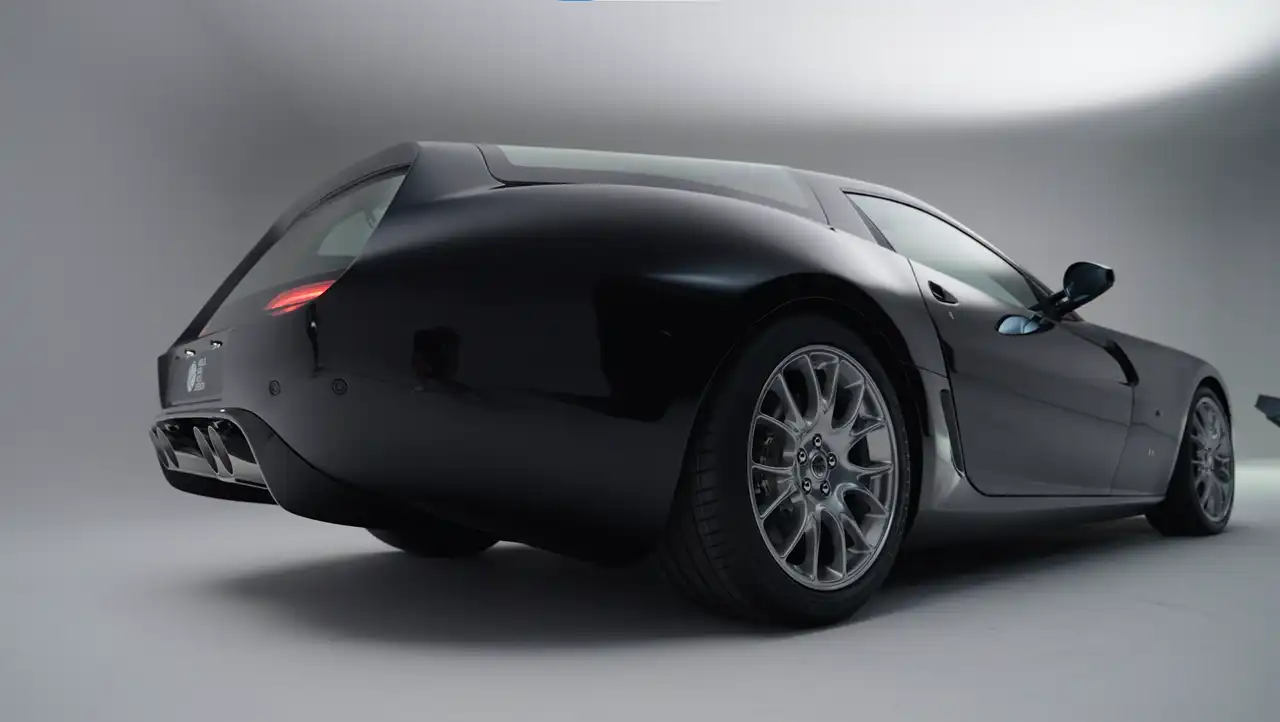
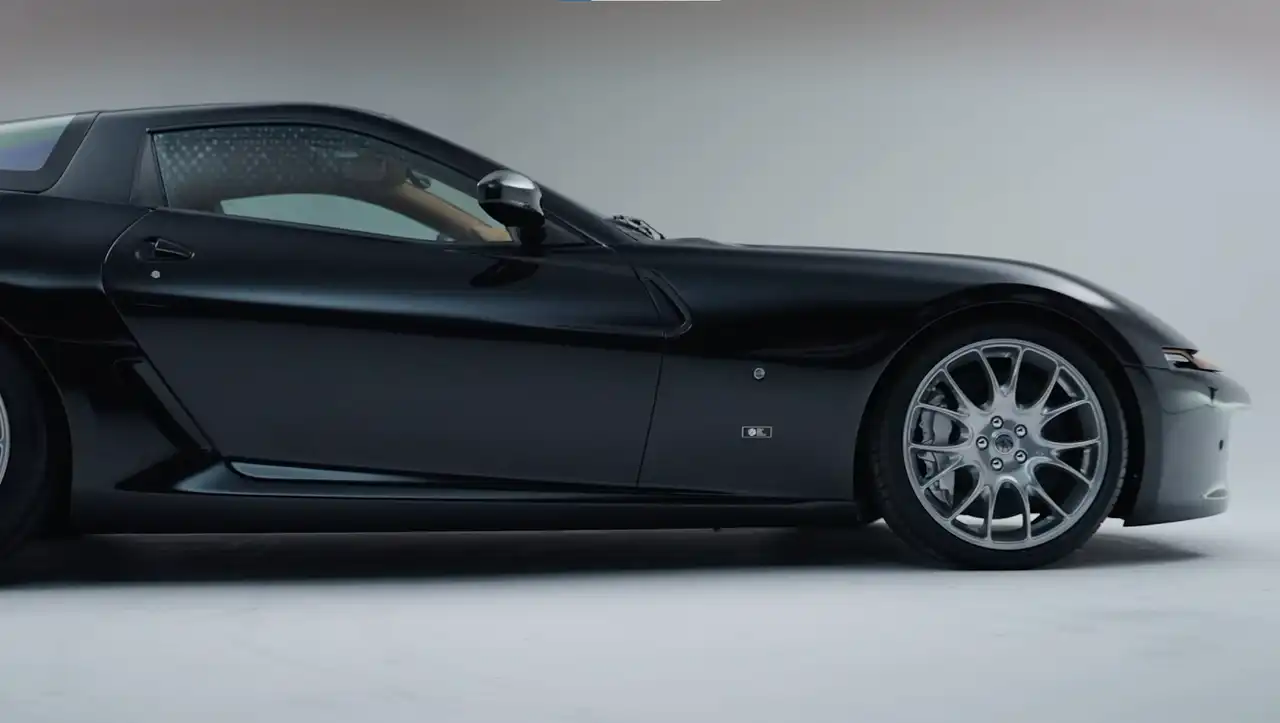
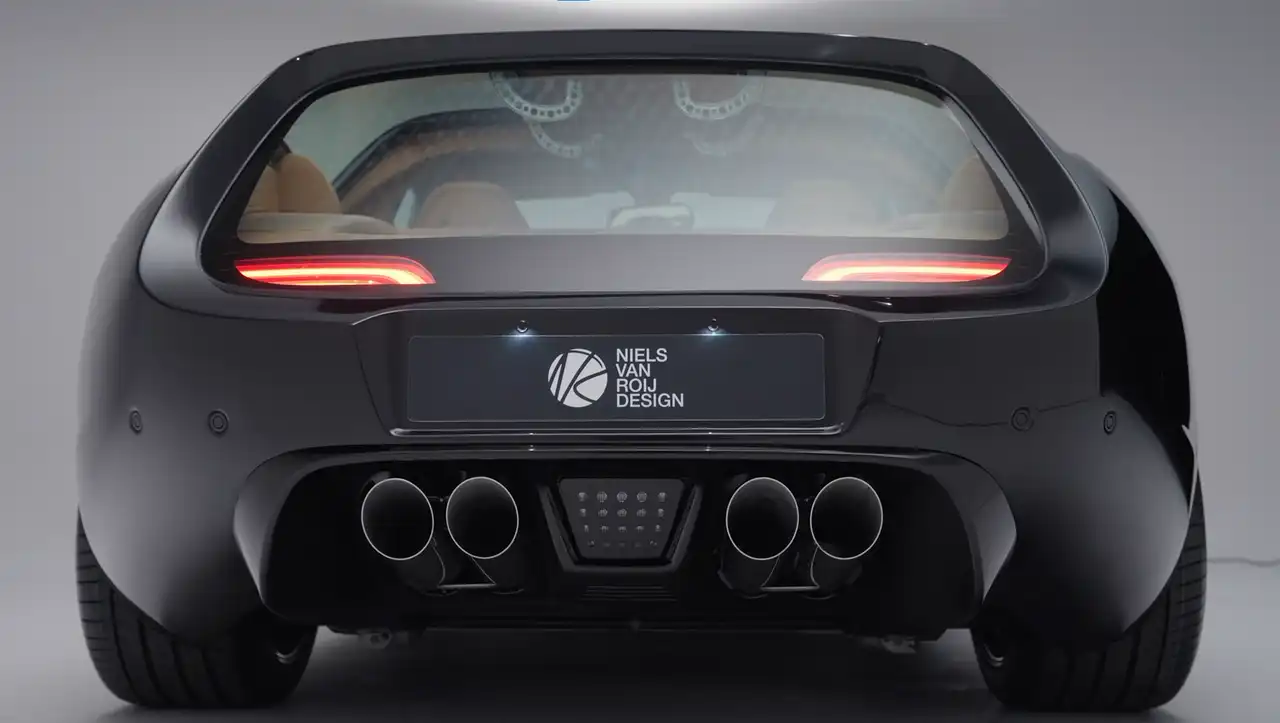
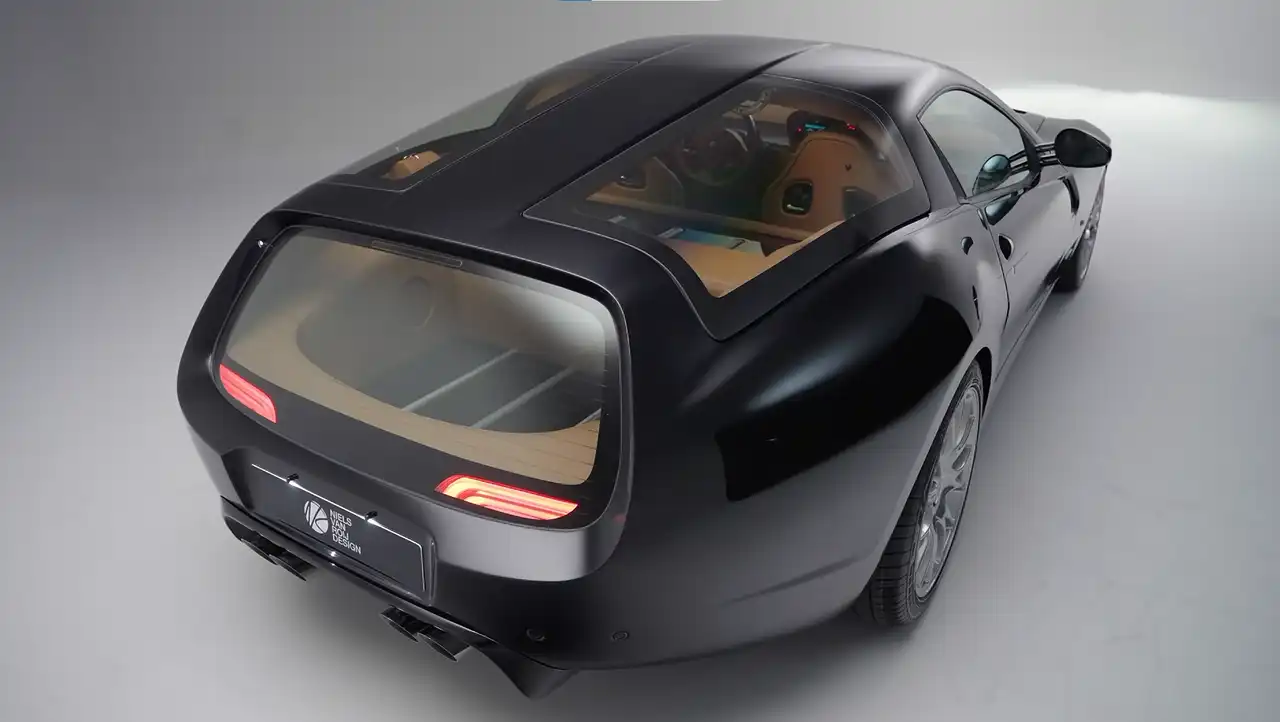
The scale of the handwork here is hard to wrap your head around. Roughly 15,000 hours went into the body alone. Nothing is stamped out of a factory press — every panel was shaped by hand out of aluminum. In fact, the only parts carried over from the original 599 are the windshield and the basic door skins. Everything else, from the fenders to the roof, was built from scratch, right down to a rear end with no visible seams breaking up its trapezoidal tail.
No Badges, But Plenty of Character
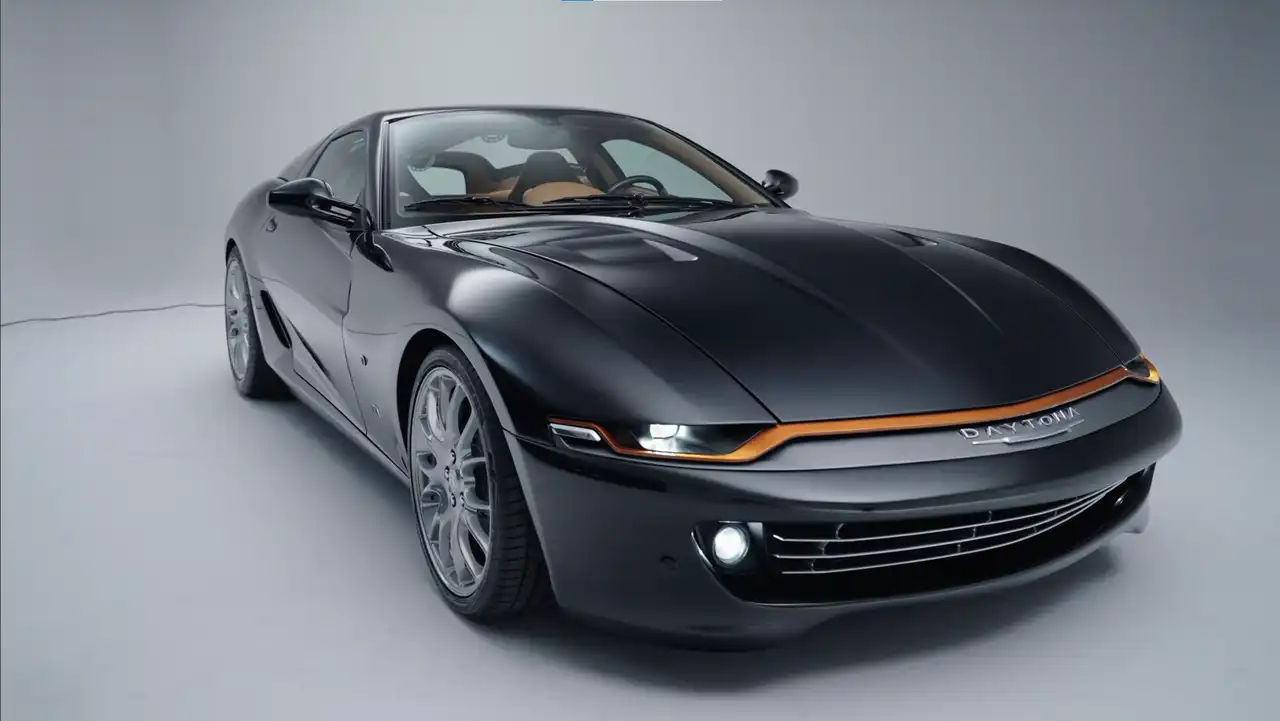
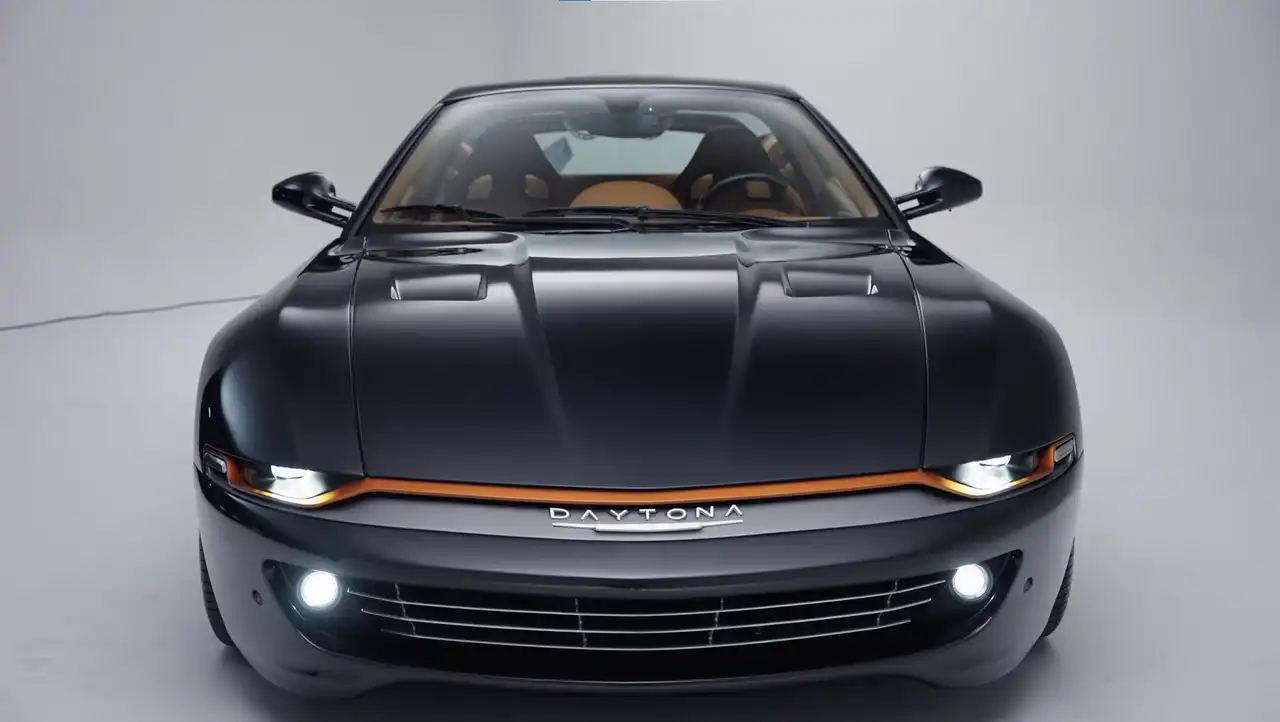
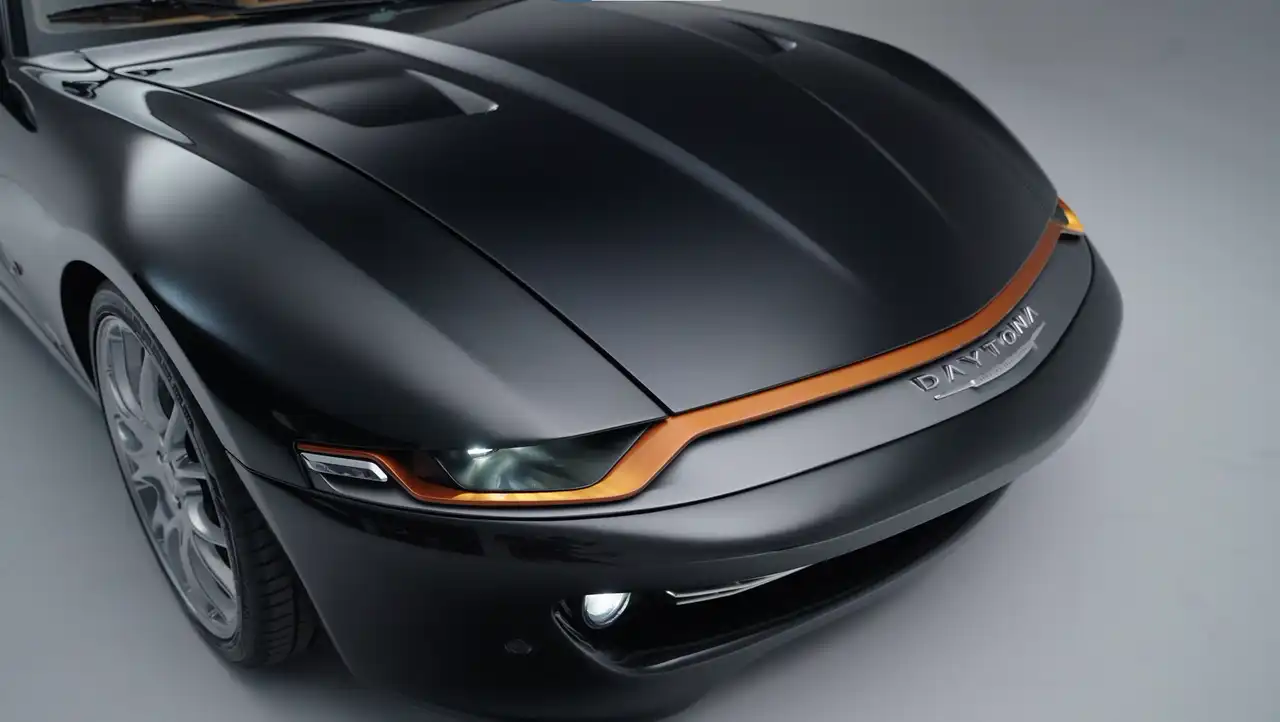
There isn’t a single Prancing Horse badge anywhere on the car — a deliberate decision, meant as a sign of respect toward Ferrari rather than an attempt to pass the car off as something it isn’t. Up front, the headlights reference the plastic-fascia look of the ’72 original, reinterpreted as a sculpted, three-dimensional wing finished in a warm ochre metallic. It gives the nose a quieter, more mysterious presence than most modern supercars go for.
Butterfly Windows and a Custom Cargo Hold
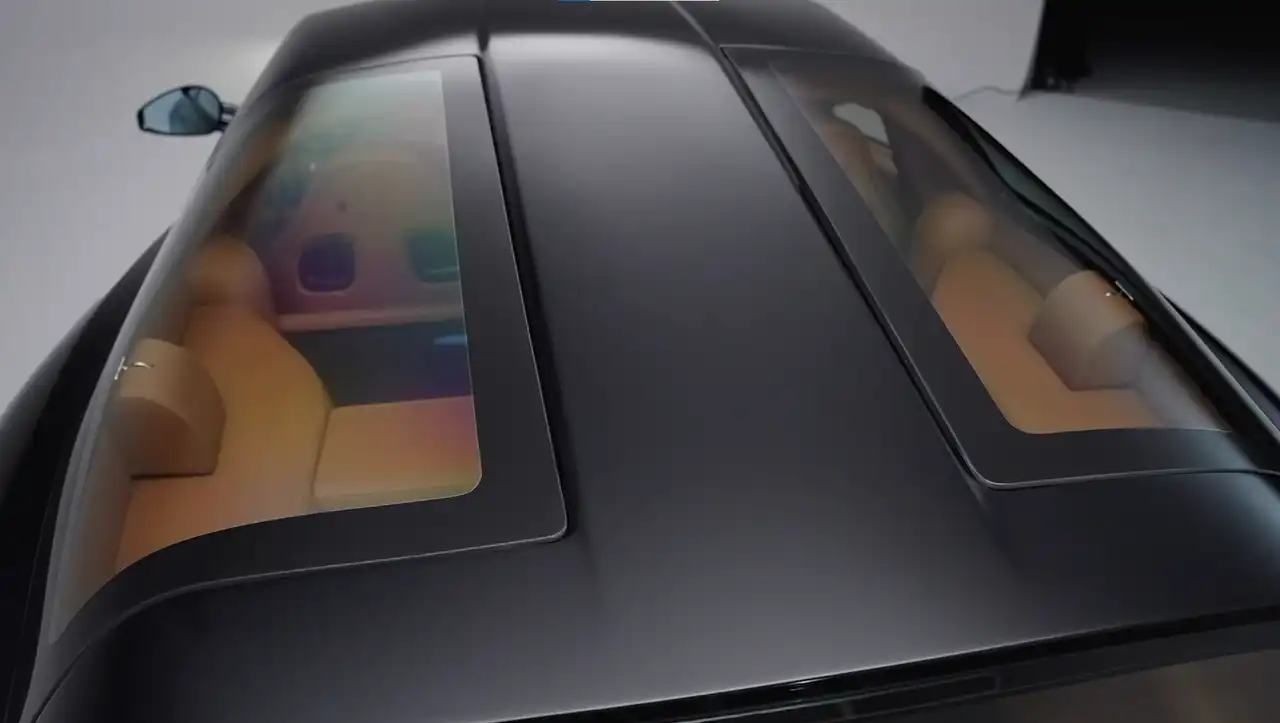
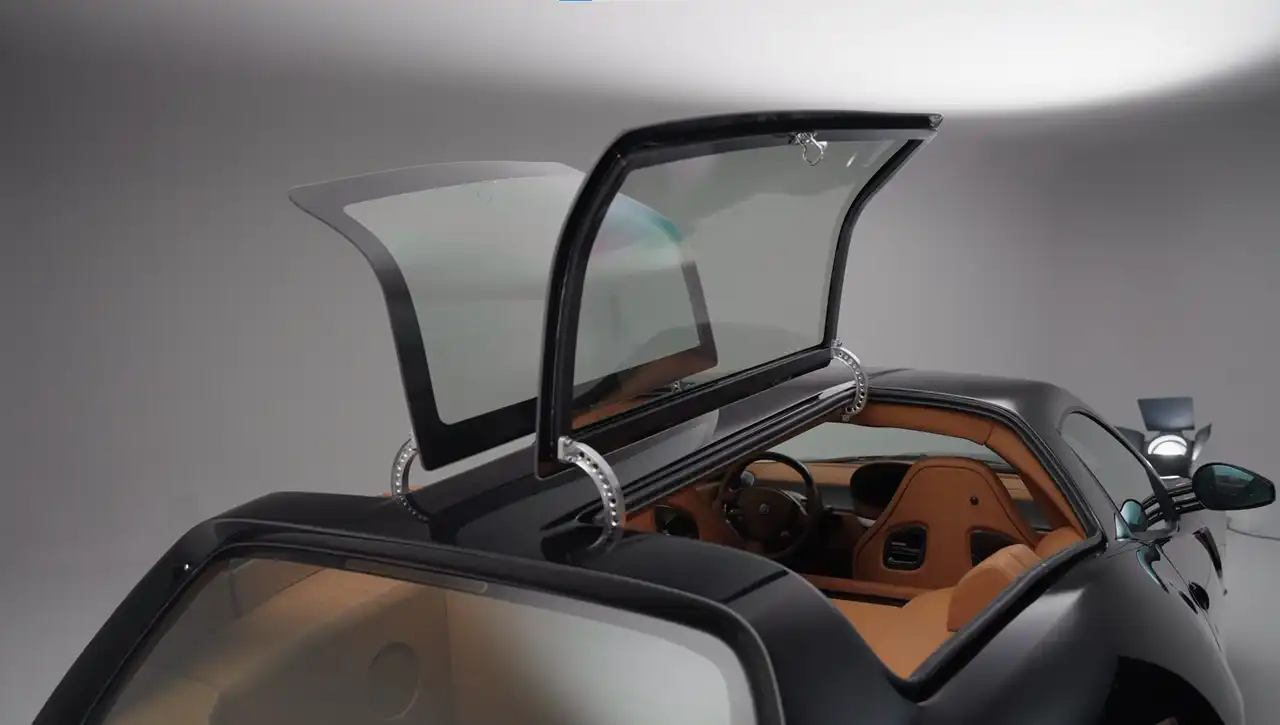
The rear is where the shooting brake identity really comes through. Like the original, the big glass hatch back there is fixed in place — you don’t lift it to load anything. Instead, luggage goes in through a pair of motorized butterfly windows on the sides. Inside, the cargo floor was raised slightly to make room for the relocated fuel tank, and the whole space is finished with subtle 3D luggage straps and a few personal touches hidden away for the owner.
Carbon Fiber Instead of Wood
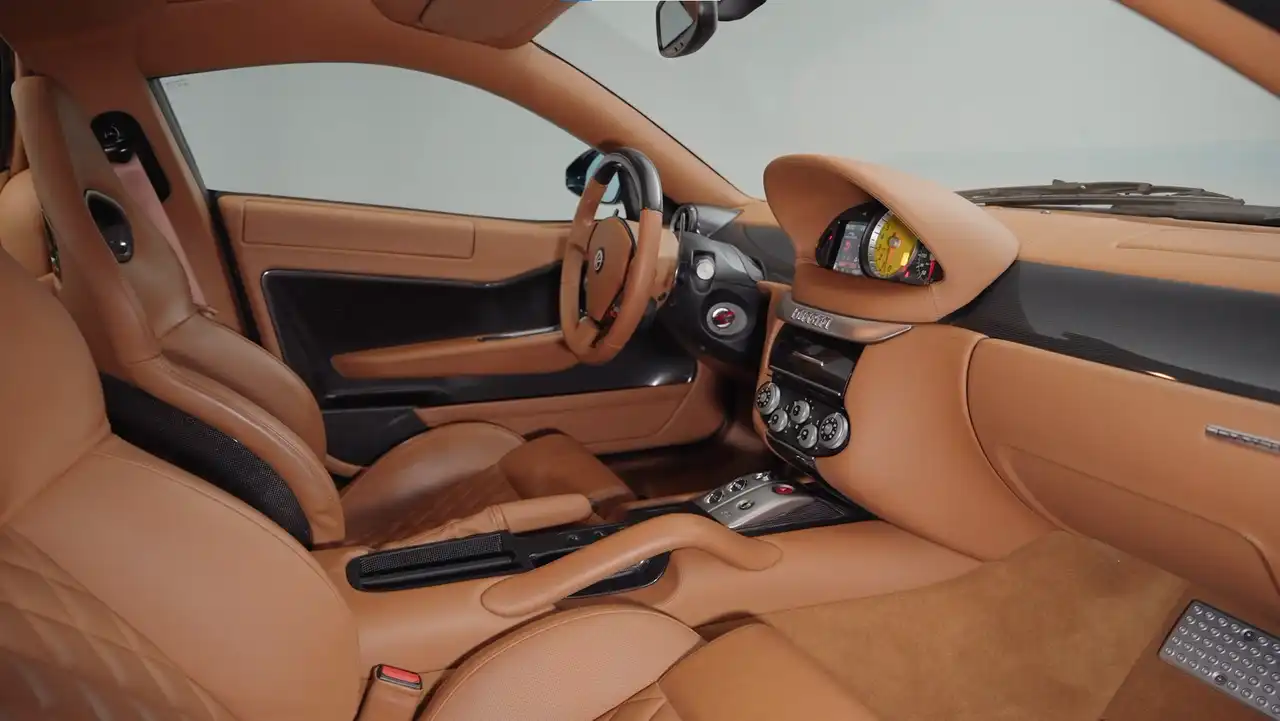
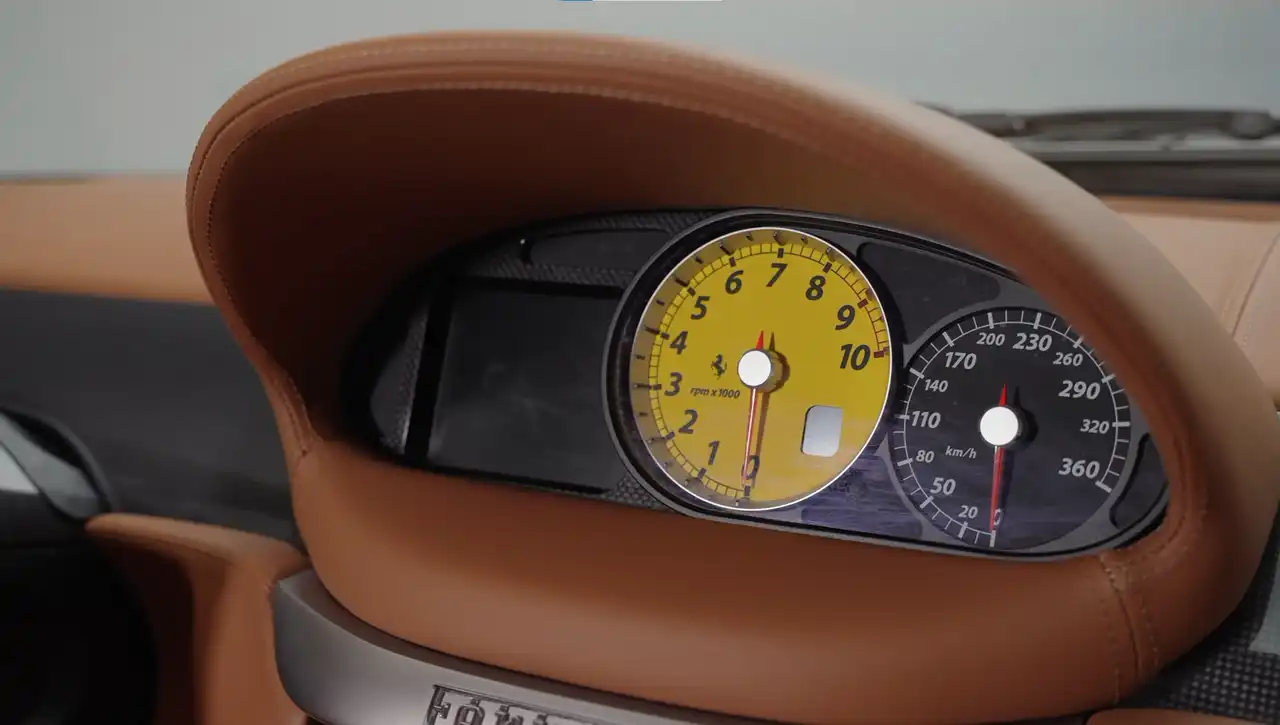
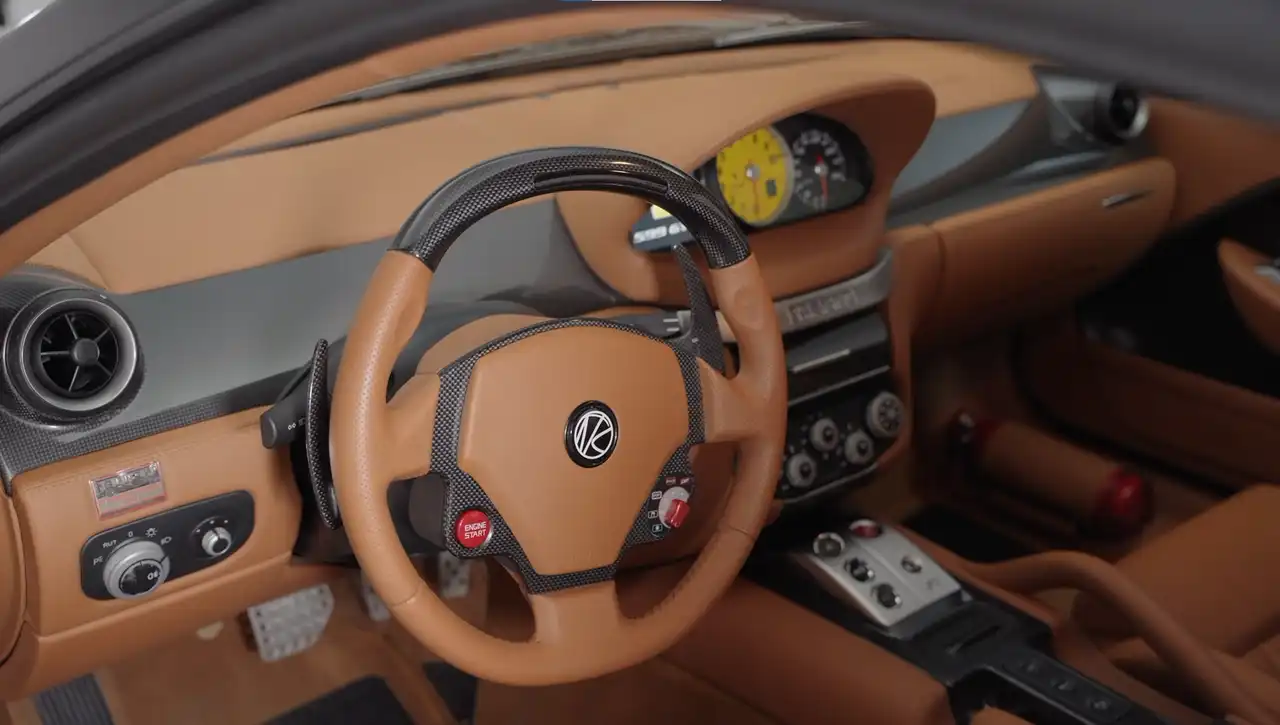
Inside, the changes go just as deep. The original ’70s car leaned heavily on burled walnut trim; here, it’s all carbon fiber instead. The instrument cluster was also shifted slightly toward the center console, echoing the layout of the donor car — a small change that opens up the driver’s forward view and makes it easier to place the front fenders in tight corners. Combined with that sloped rear glass, visibility ends up being surprisingly good for a car this custom.
The Point of It All
The Ferrari Daytona Shooting Brake Hommage is proof that this kind of coachbuilding still exists, and that it can still feel relevant. It ties together 1970s design language and a modern V12 in a way that’s hard to pull off convincingly. And crucially, it wasn’t built to sit under a cover in a climate-controlled garage — it was built to be driven, and to turn heads wherever it ends up parked.

Danniel Bittencourt
22/07/2026