Geely Just Put a Physical Robot Inside a Sedan’s Dashboard
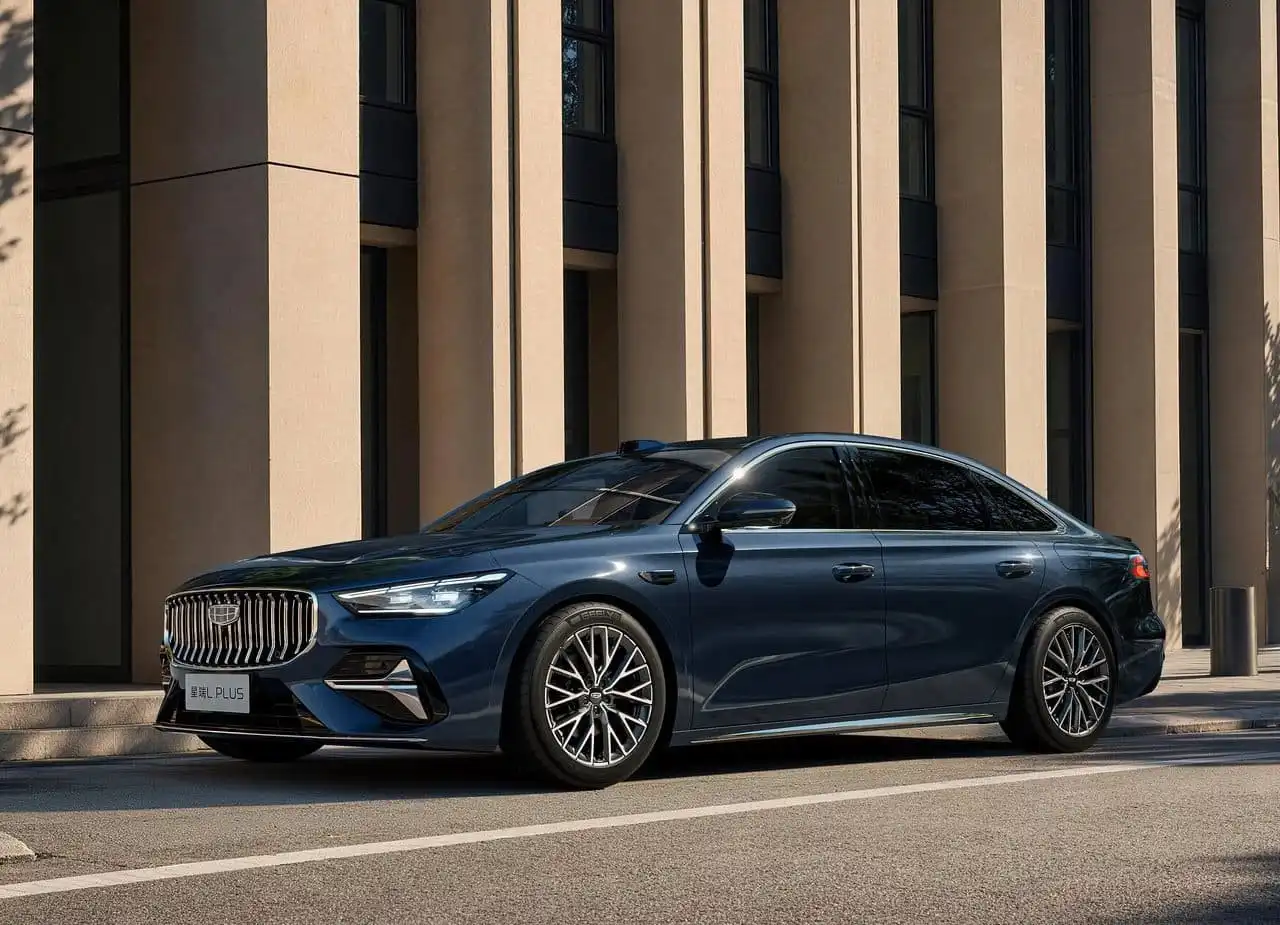
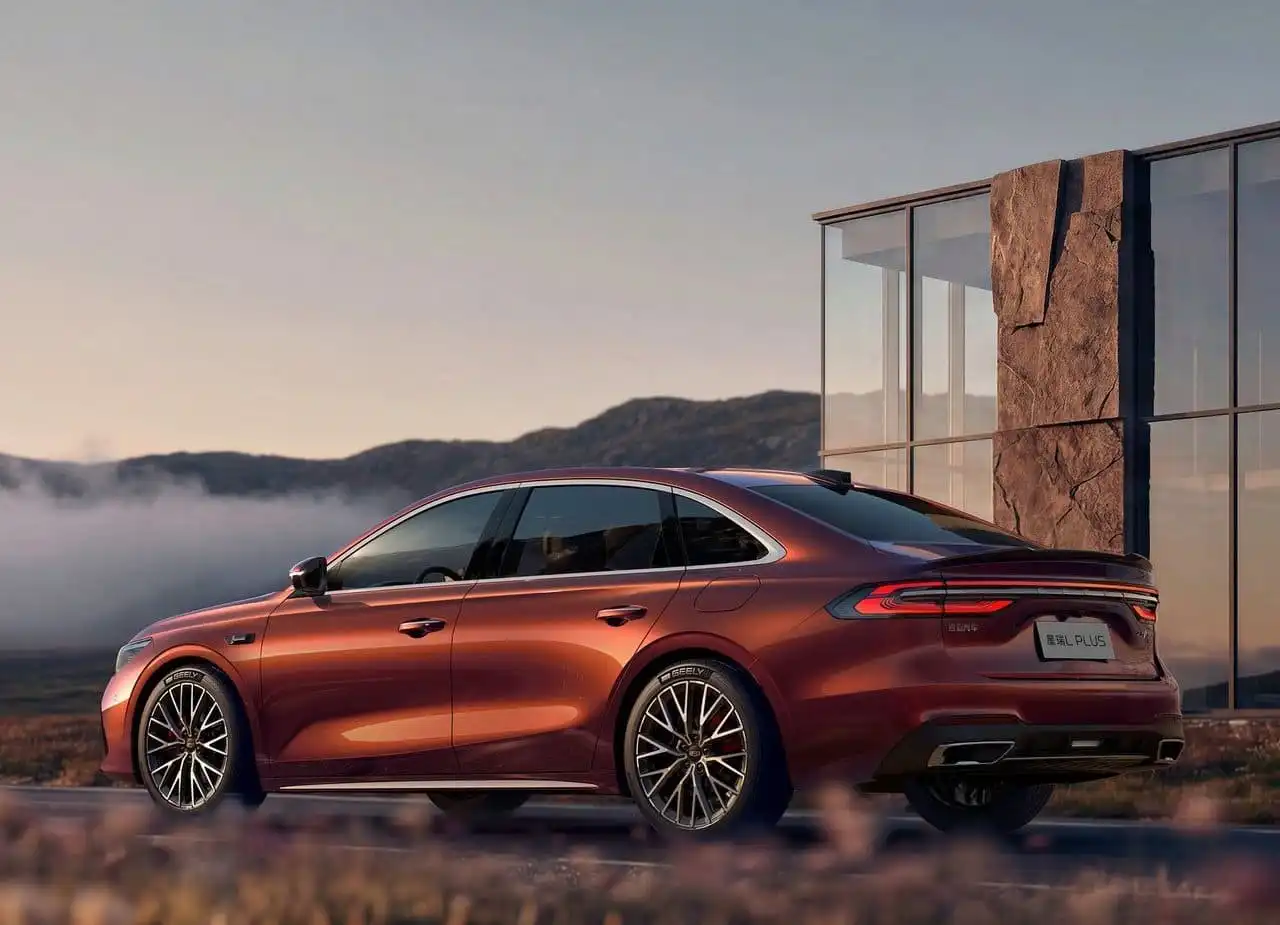
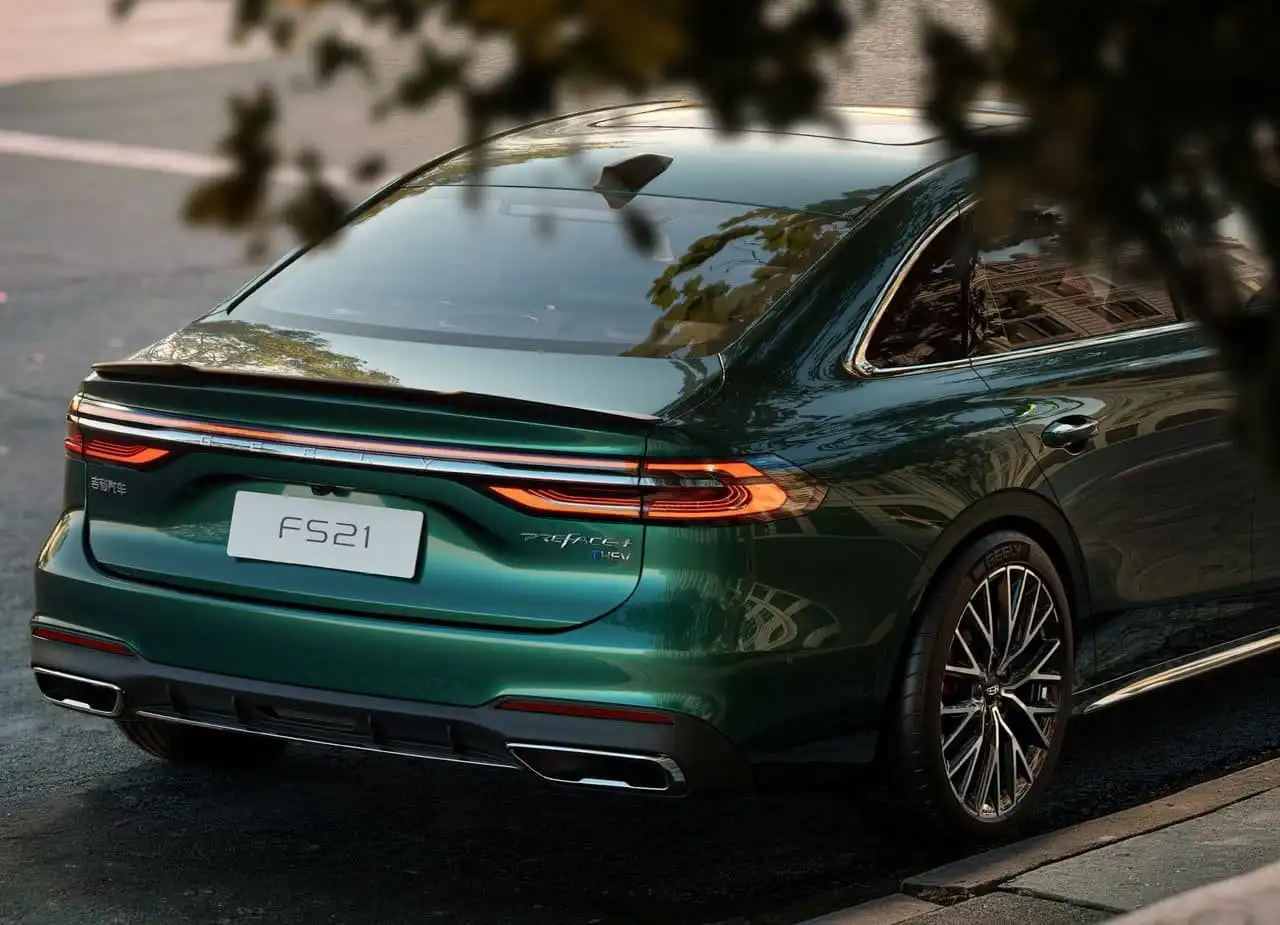
Geely just unveiled the Xingrui L Plus, a sedan that grows in size, adds an efficient hybrid powertrain, and packs in tech usually reserved for pricier cars. It’s aimed squarely at America’s best-selling midsize sedans.
Geely’s Betting Big on Space and Fuel Efficiency to Take On the Segment Leaders
Geely rolled out the next generation of its Xingrui sedan in July 2026, now badged the Xingrui L Plus. It’s bigger, more tech-heavy, and built around a simple pitch: full-size sedan space at a midsize price point.
At nearly 195 inches long with a 112-inch wheelbase, this sedan isn’t playing small. Those dimensions put it in direct competition with the Toyota Camry Hybrid, Honda Accord, and Volkswagen Passat.
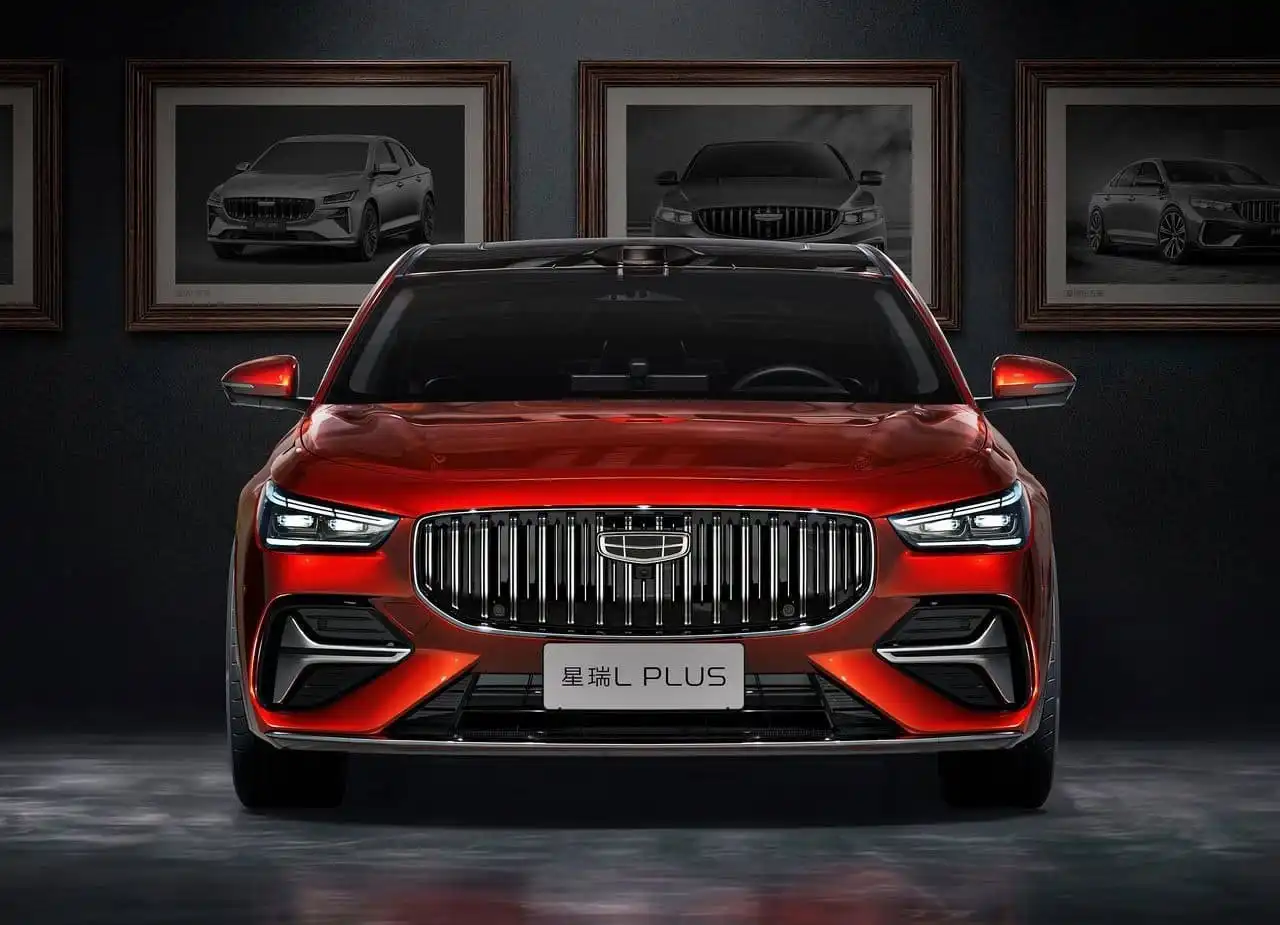
The exterior design follows a theme Geely calls “Oriental Timeless,” drawing inspiration from the 24 solar terms of the traditional Chinese calendar. The front fascia features a 31-bar vertical grille, and the headlights use a dual-lens setup with a diamond-cut trim piece.
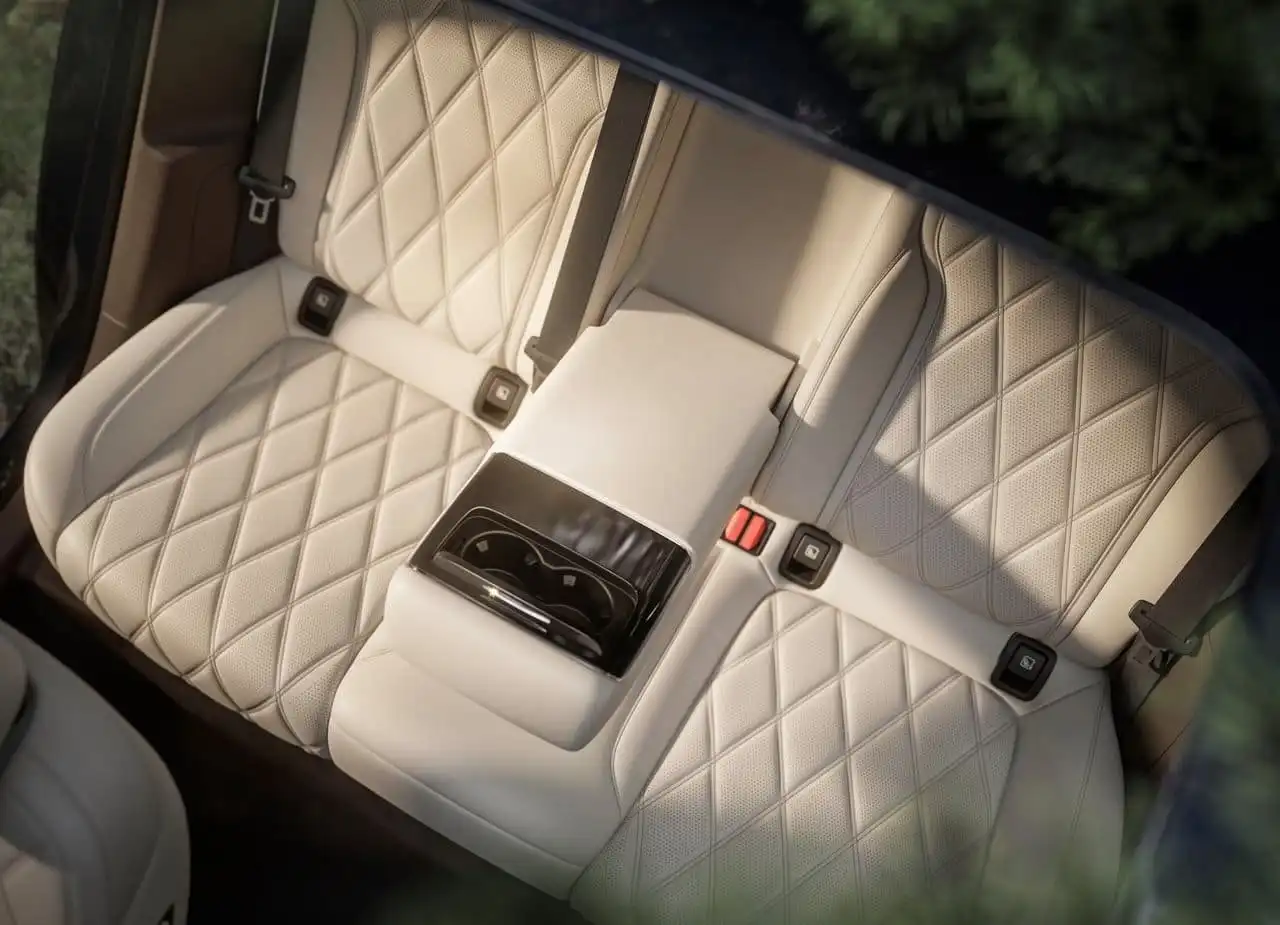
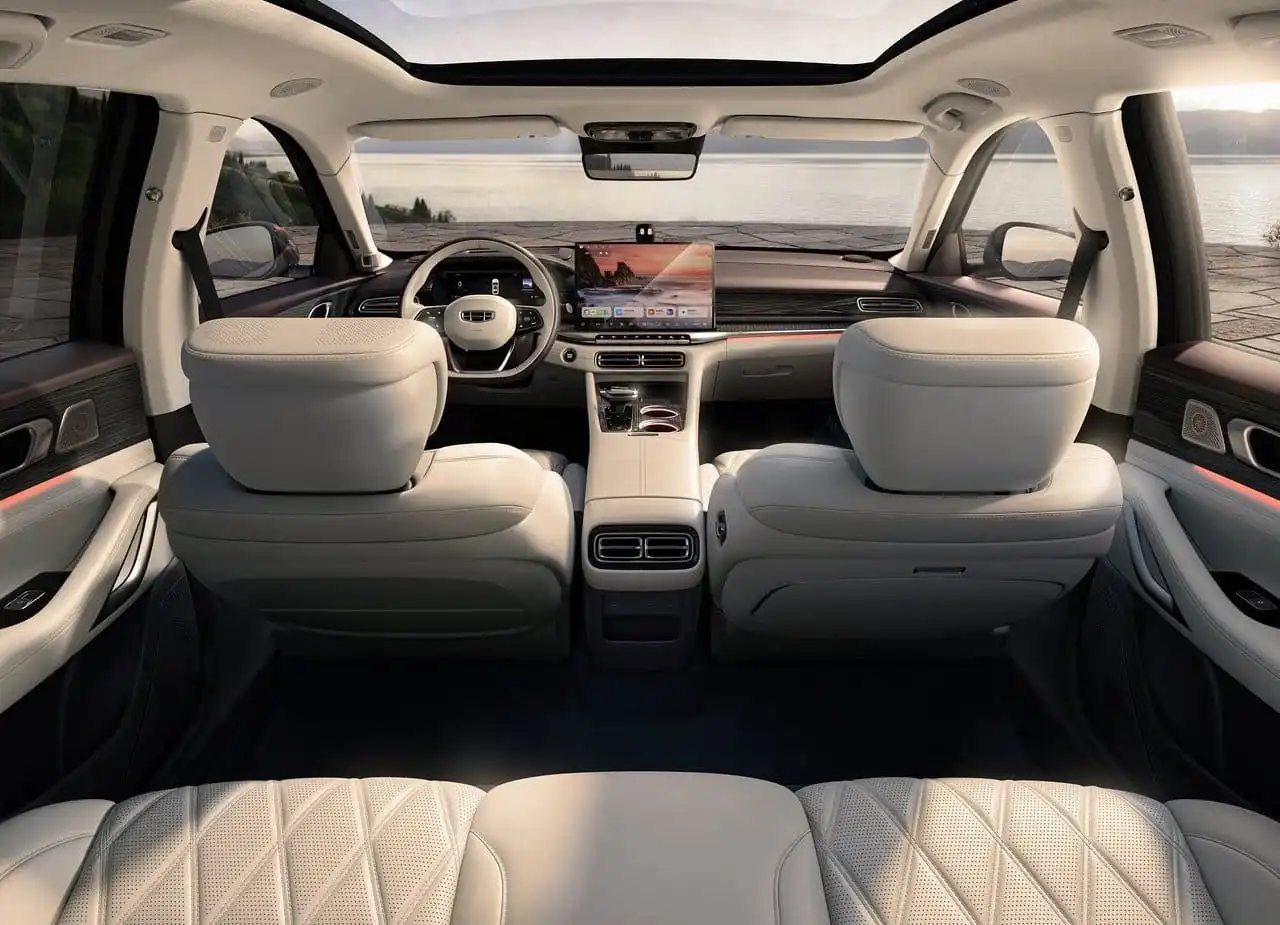
Inside, Geely says the cabin delivers 45 square feet of usable space, with an interior efficiency rating of 84.5%. In plain terms, less of the car’s footprint gets eaten up by structure, and more of it goes to actual passenger room. Cargo volume lands at 20 cubic feet.
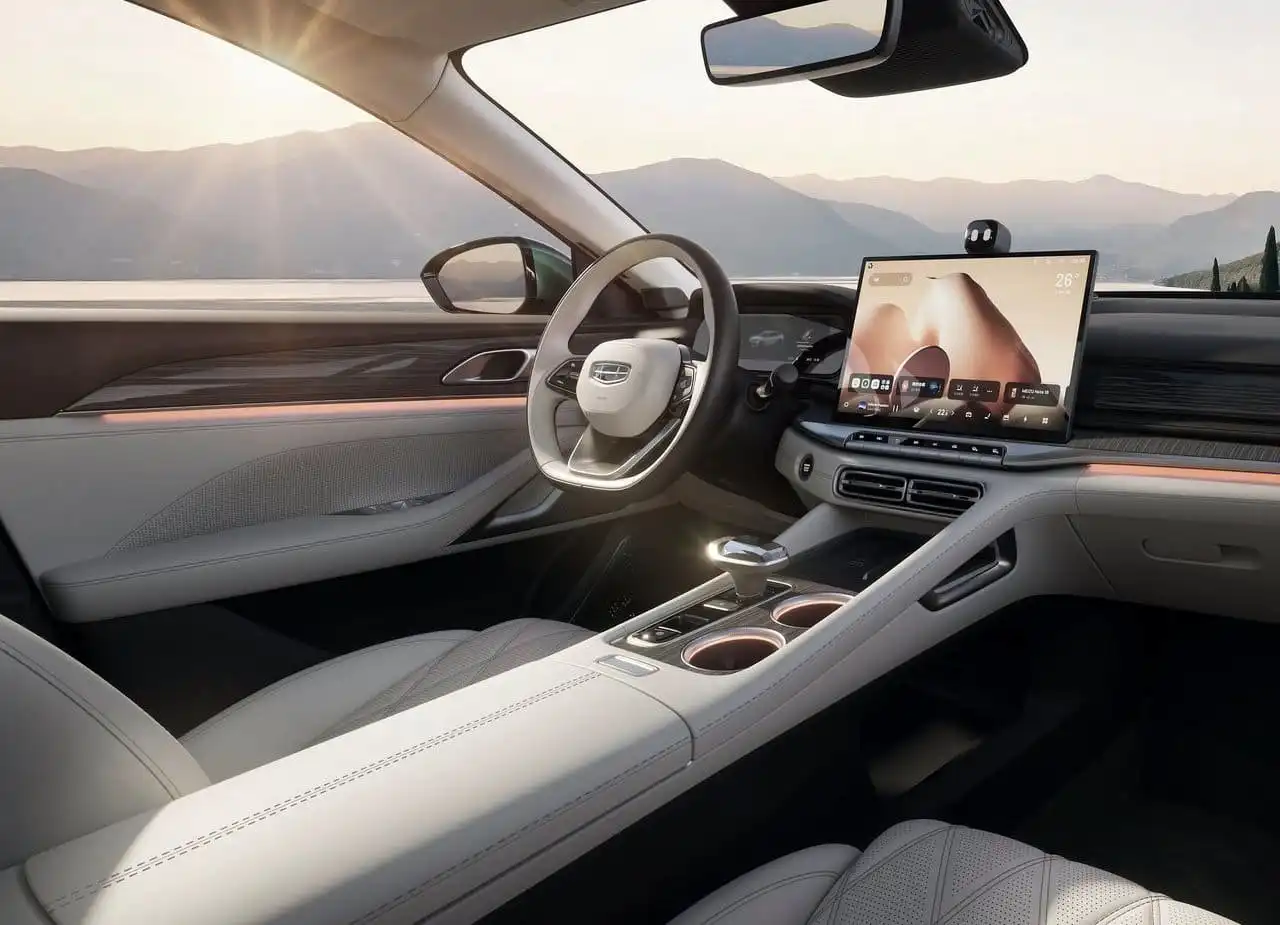
Tech is where the Xingrui L Plus really tries to stand out. Drivers get a 10.2-inch digital gauge cluster, a 15.4-inch center touchscreen running at 2.5K resolution, and a 16.6-inch head-up display. The whole system runs on Flyme Auto 2, co-developed with Meizu, paired with a voice assistant called EVA.
Geely also built a physical robot assistant into the cabin, called the EVA Intelligent Robot. It’s designed to interact with occupants beyond simple voice commands, something you almost never see on a production car.
On the safety side, the standout feature is a roof-mounted lidar unit, a piece of hardware many automakers still reserve for flagship trims only. Combined with a high-performance sensor array, it enables advanced driver-assist functions.
The Xingrui L Plus launches with three powertrain options. Base models get a 1.5-liter turbo four making 201 horsepower, while the upgraded engine is a 2.0-liter turbo four with 268 horsepower. Both send power exclusively to the front wheels.
The version most buyers will want to talk about is the 1.5T i-HEV hybrid, paired with a 3-speed dedicated hybrid transmission. Official WLTC fuel economy comes in at 3.98 L/100km, which converts to roughly 56 mpg.
During a controlled road test on Hainan Island, that same hybrid model returned an even lower figure, equivalent to about 106 mpg. The result earned Geely a Guinness World Records certification for hybrid efficiency.
Underneath it all sits the CMA platform, developed by CEVT, Geely’s Swedish engineering subsidiary with deep Volvo influence. That heritage helps explain why Xingrui models tend to get praised for structural rigidity and composed handling.
Geely hasn’t released pricing, trim names, or standard equipment lists yet. Those details are expected closer to the China delivery window, which kicks off in August 2026.
That leaves one open question: can a Chinese sedan with this much space, efficiency, and tech pull buyers away from a Camry or an Accord?

Danniel Bittencourt
17/07/2026