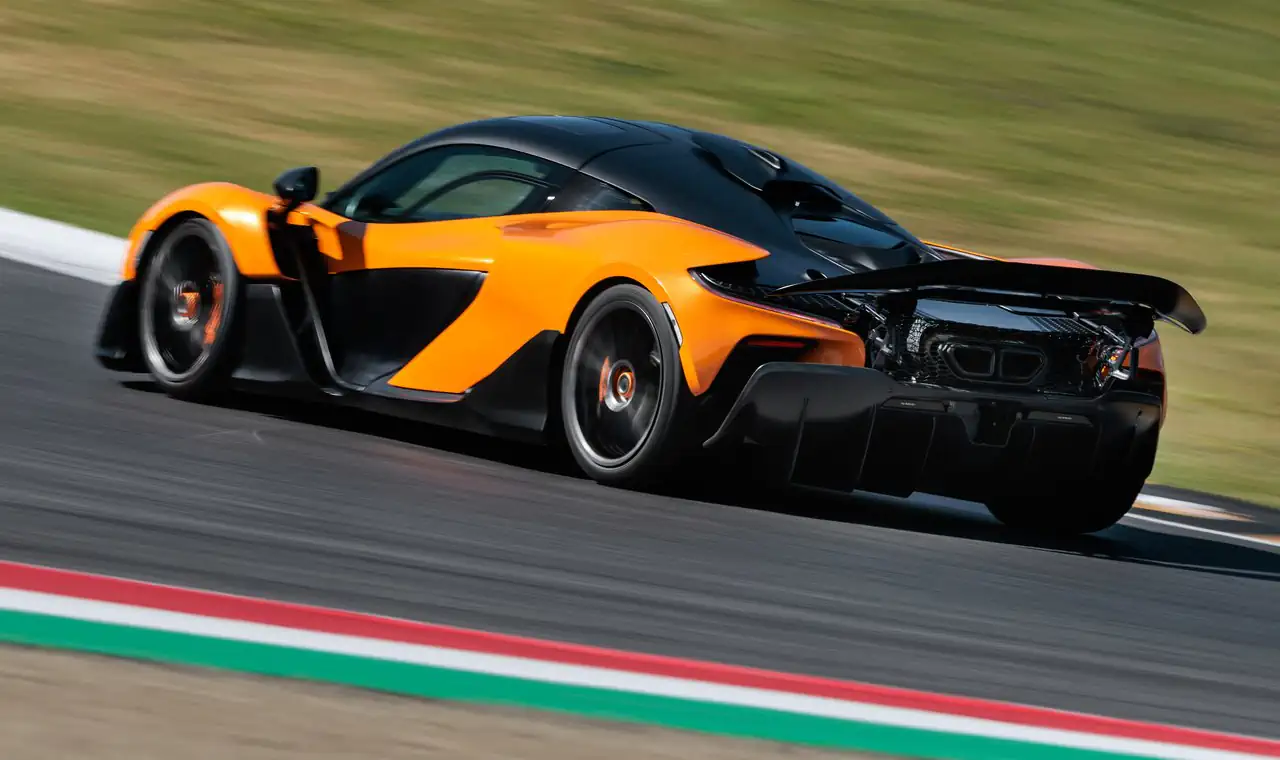
1,275 Horsepower on the Rear Wheels: Is the McLaren W1 Too Dangerous
The hypercar landscape has just been shattered forever. Toss out everything you thought you knew about raw speed. A 1,275-horsepower beast has arrived to completely rewrite the laws of physics.

The Dawn of the Ultimate Track Dominator
Ready for the next chapter in hypercar history? The highly anticipated heir to the legendary P1 has finally stepped into the spotlight.
Crafted with bleeding-edge technology, this machine aims to completely change how we experience the tarmac.
Fans expected greatness, but the engineering team managed to leave even the harshest critics speechless. How did they pull it off?
Extreme Output and the Hybrid Core
Picture yourself behind the wheel of a vehicle unleashing a ruthless 1,275 horsepower.
The powertrain is an absolute masterpiece. We are looking at a brand-new 4.0-liter twin-turbo V8 that screams up to a dizzying 9,200 rpm.
On its own, the V8 pushes out 928 hp. But the real savagery happens when the electric system kicks in.
Drawing direct inspiration from Formula 1 wizardry, the electric module injects an instant 347 hp of raw, immediate force.
Performance That Defies Reality
The acceleration figures of the 2026 McLaren W1 are enough to terrify even the most seasoned drivers.
Sprinting from 0 to 60 mph takes a blistering 2.7 seconds. Blink, and it’s gone.
However, high-speed runs are where things get genuinely frightening. Hitting 124 mph (200 km/h) takes a mere 5.8 seconds.
What does that translate to? The top speed is electronically limited to 217 mph (350 km/h), turning your surroundings into an absolute blur.
The Bold Choice of Rear-Wheel Drive
While major competitors rely on heavy all-wheel-drive setups, McLaren made a remarkably gutsy move.
They decided to send all that power straight to the rear wheels, keeping a fanatic focus on weight reduction.
Tipping the scales at a dry weight of just 3,084 lbs (1,399 kg), this lightness guarantees razor-sharp, aggressive handling.
But the real question is: would you dare switch off the traction control to tame this unpredictable beast?
Out-of-This-World Aerodynamics
This design isn’t just about showing off or turning heads on the street. Every single inch has been sculpted by the wind.
Ground-effect aerodynamics and active body components pin the chassis to the ground with brutal force.
Switch to track mode, and the suspension drops, generating a massive 2,205 lbs (1,000 kg) of downforce.
The Future of Velocity is Here
Among all the latest automotive reveals, this hypercar stands as a true historical milestone.
Production was strictly capped at 399 units globally. Naturally, every single one is already spoken for, selling for millions.
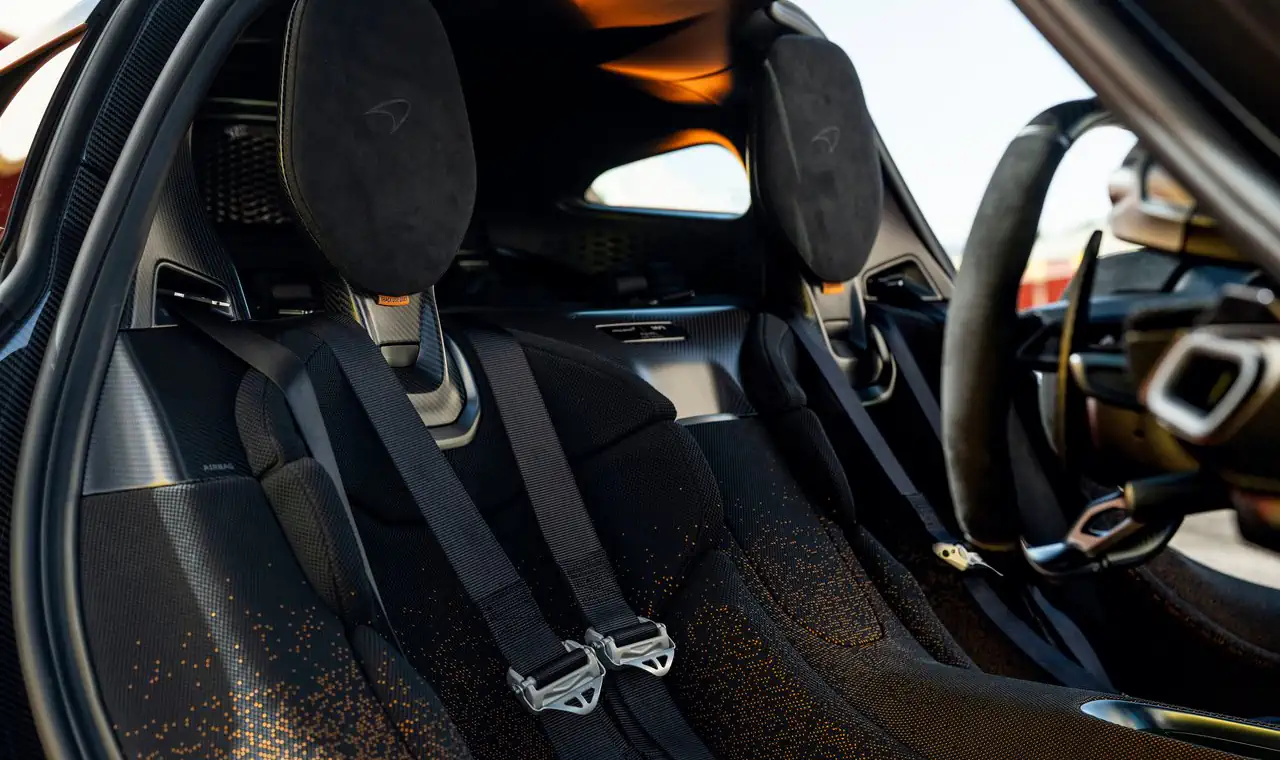
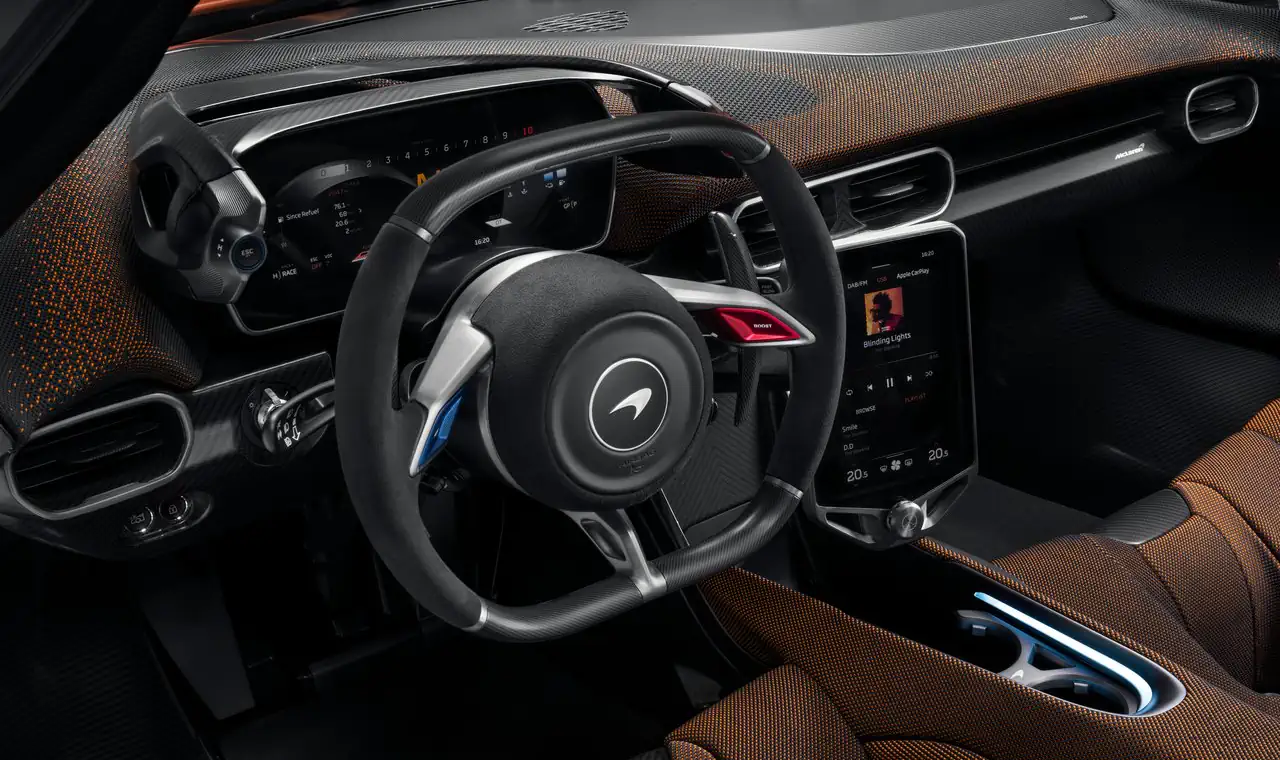
Its driver-focused, minimalist cabin proves this vehicle was built solely for pure, unadulterated adrenaline.
So, what do you think of this modern engineering marvel? Does it take the crown from its Ferrari and Porsche rivals in your eyes?

Danniel Bittencourt
09/07/2026