Is the 2026 Nissan Kicks Worth It or Did Nissan Overprice It?
The 2026 Nissan Kicks arrives with a sharper design, upgraded tech, and a starting MSRP of $22,730. But does it have enough firepower to outrun the Trax, Kona, and Seltos in the most competitive SUV segment in America?
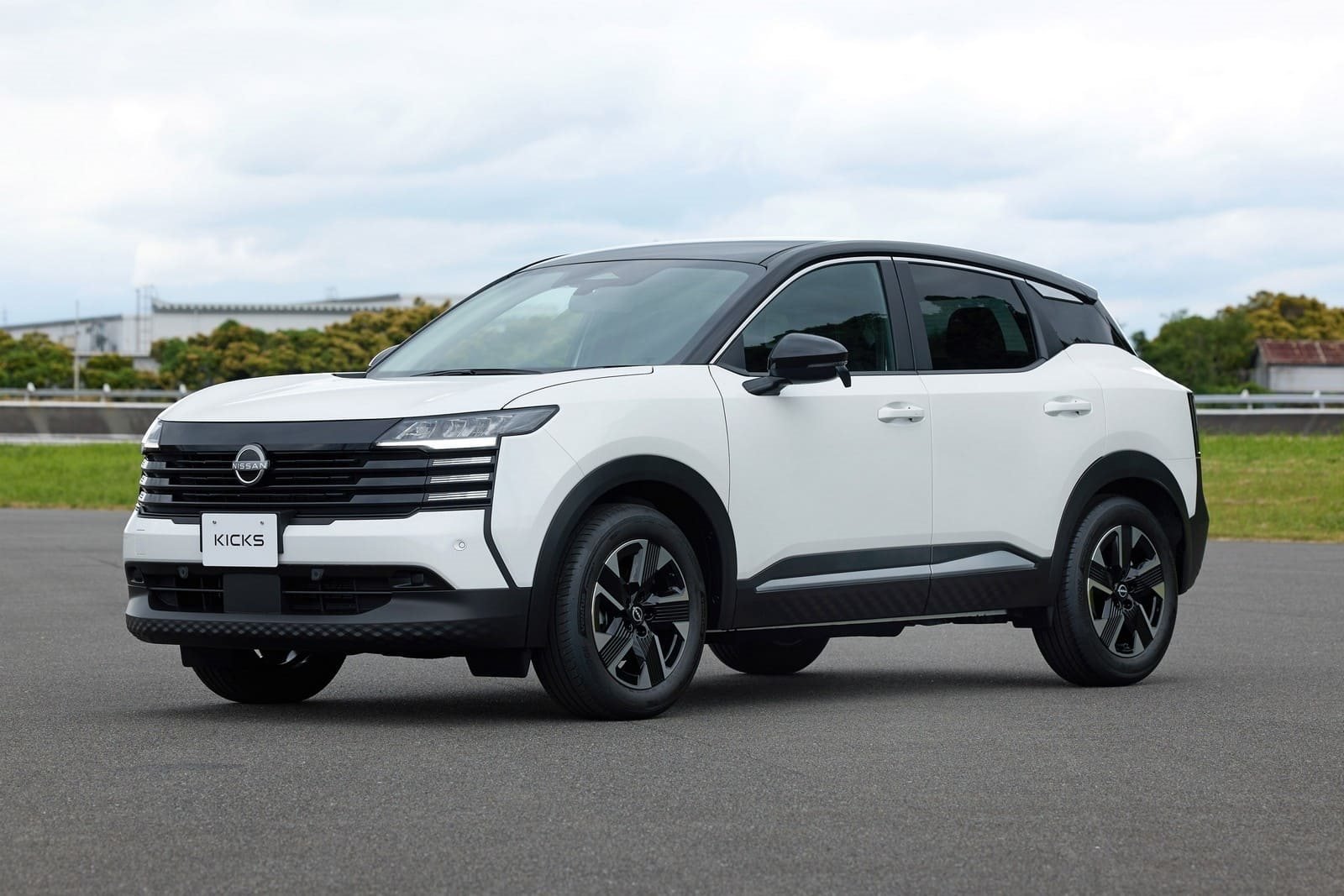
The 2026 Nissan Kicks Arrives Fully Redesigned — and It’s Gunning for the Top of Its Class
Nissan didn’t just refresh the Kicks. The second-generation model, developed under the internal project code P16, represents a ground-up rethink of what a subcompact crossover should be. Built on the CMF-B High Spec platform — shared across the Renault-Nissan-Mitsubishi Alliance — the new Kicks arrives in showrooms with a bolder design, a more sophisticated interior, and a tech package that punches well above its price point.
This is a full second generation, not a facelift. The platform is new, the proportions are larger, and the engineering priorities have shifted considerably from the outgoing model.
In the American market, the Kicks sits squarely against the Chevrolet Trax, Kia Seltos, Hyundai Kona, and Mazda CX-30 — a segment that has grown sharply more competitive over the last two model years.
Quick Facts
| Specification | Details |
|---|---|
| Category | Subcompact Crossover SUV |
| Engine | 2.0L naturally aspirated inline-4, direct injection |
| Horsepower | 141 hp @ 6,000 rpm |
| Torque | 140 lb-ft @ 4,000 rpm |
| Transmission | Xtronic CVT with D-Step Logic Control |
| Drivetrain | FWD (standard) / Intelligent AWD (available) |
| 0–60 mph | Approx. 9.0–10.3 sec (AWD optimized to FWD base) |
| Top Speed | 120 mph (electronically limited) |
| Fuel Economy | 31 mpg combined (FWD) / 30 mpg combined (AWD) |
| Range | 400+ miles per tank (11.9-gal tank) |
| On Sale | Now (MY2026) |
Those numbers set the stage, but the spec sheet barely scratches the surface of what changed in this generation. The real story is in how this SUV drives, what it costs to own over time, and whether it holds its ground against rivals that have been raising the bar quickly.
A Design That Finally Commands Attention on the Street
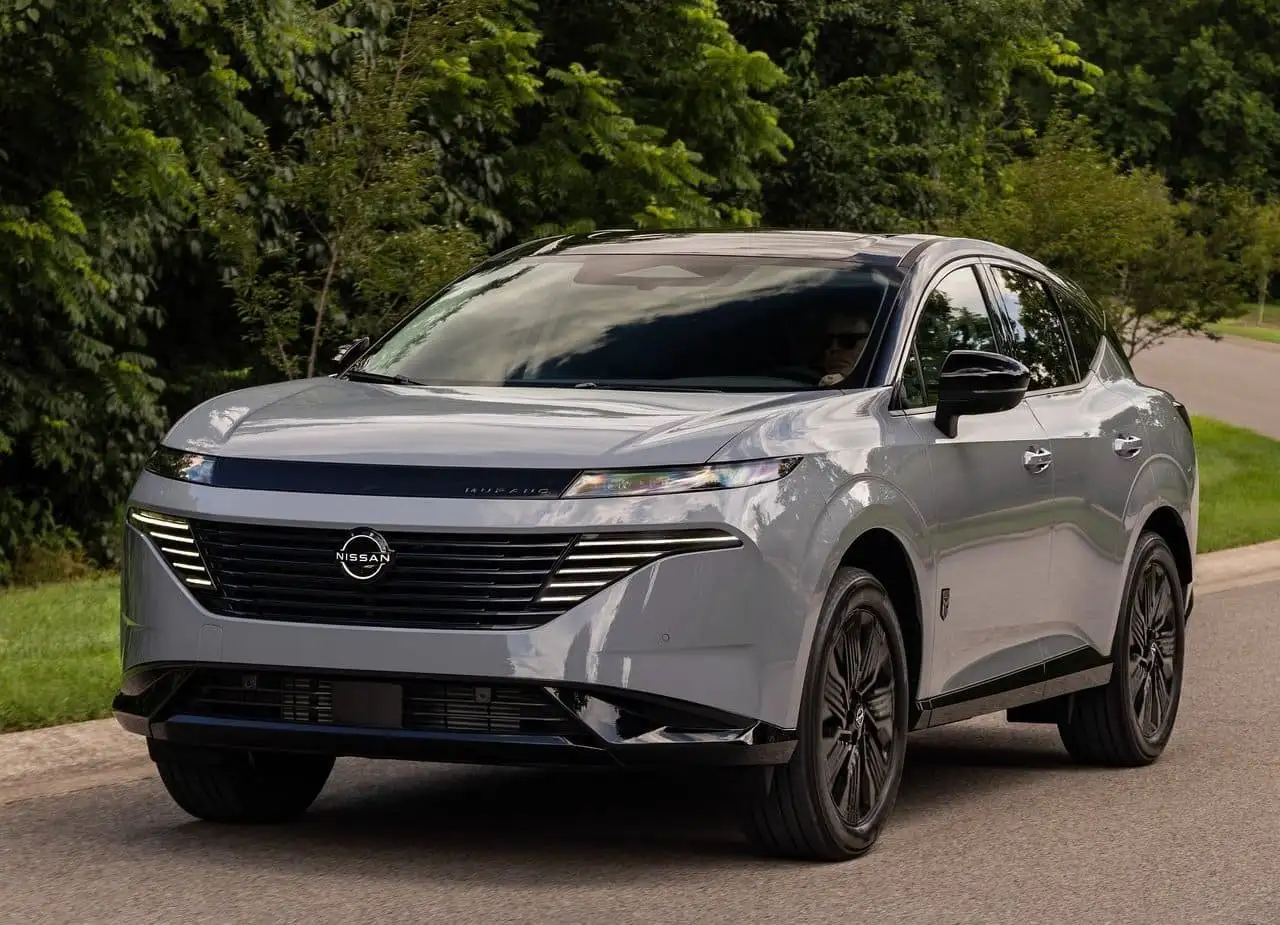
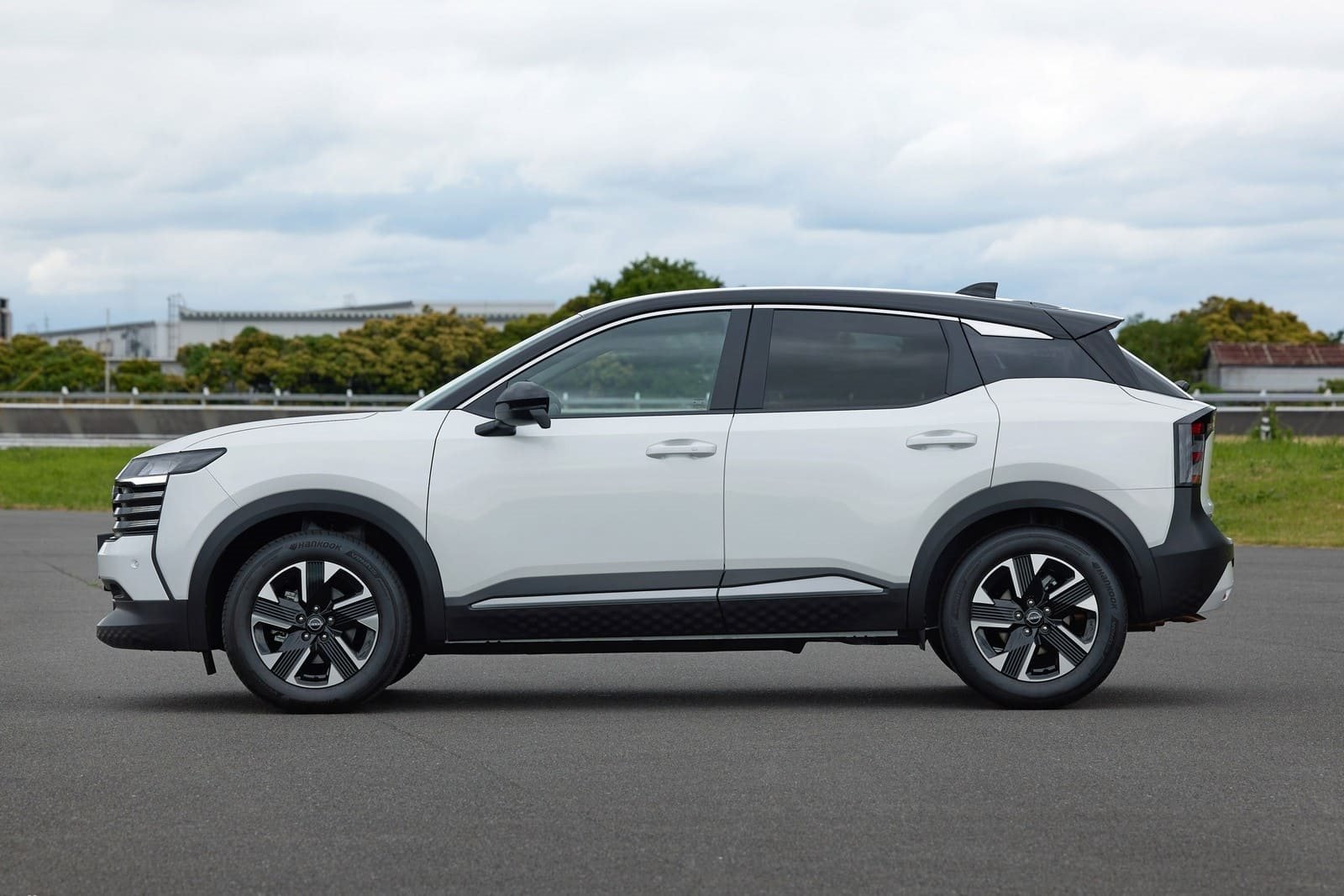
Walk up to the new Kicks and the first thing you notice is how much wider and more purposeful it looks compared to its predecessor. The old “V-Motion” grille with thick chrome borders is gone. In its place, Nissan fitted a wide, flat front fascia — described internally as inspired by football helmet design — flanked by slim Full LED headlights and segmented daytime running lights that stretch across the full width of the face.
The proportions grew meaningfully. At 171.9 inches long with a 104.5-inch wheelbase on FWD models (104.9 inches on AWD), the Kicks now occupies a noticeably larger footprint than before. The beltline sits high, the C-pillar darkens to create a floating roof effect, and the body sides carry clean, minimal sculpting without unnecessary creases.
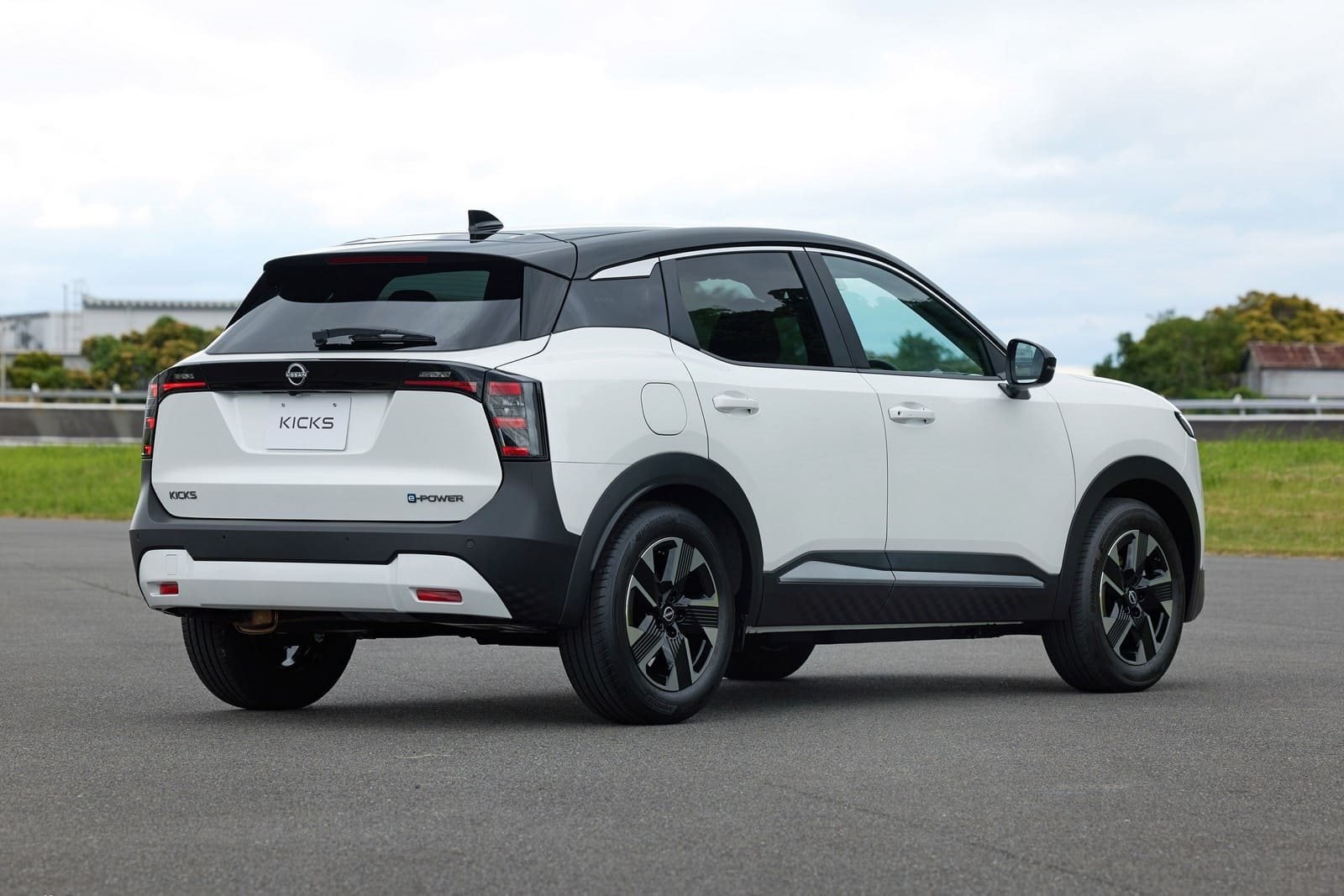
Out back, LED taillights are connected by a darkened trim panel running edge-to-edge — a visual trick common in vehicles costing considerably more. The rear bumper is well-integrated and proportionate, avoiding the blunt, cost-cut look that plagues some competitors at this price.
Nissan’s design language here clearly takes cues from the Ariya and the Z. Whether that reads as brand cohesion or borrowed prestige depends on the viewer, but there’s no question the P16 generation looks like a completely different vehicle than what came before it.
The Interior Is Where Nissan Made Its Biggest Bet
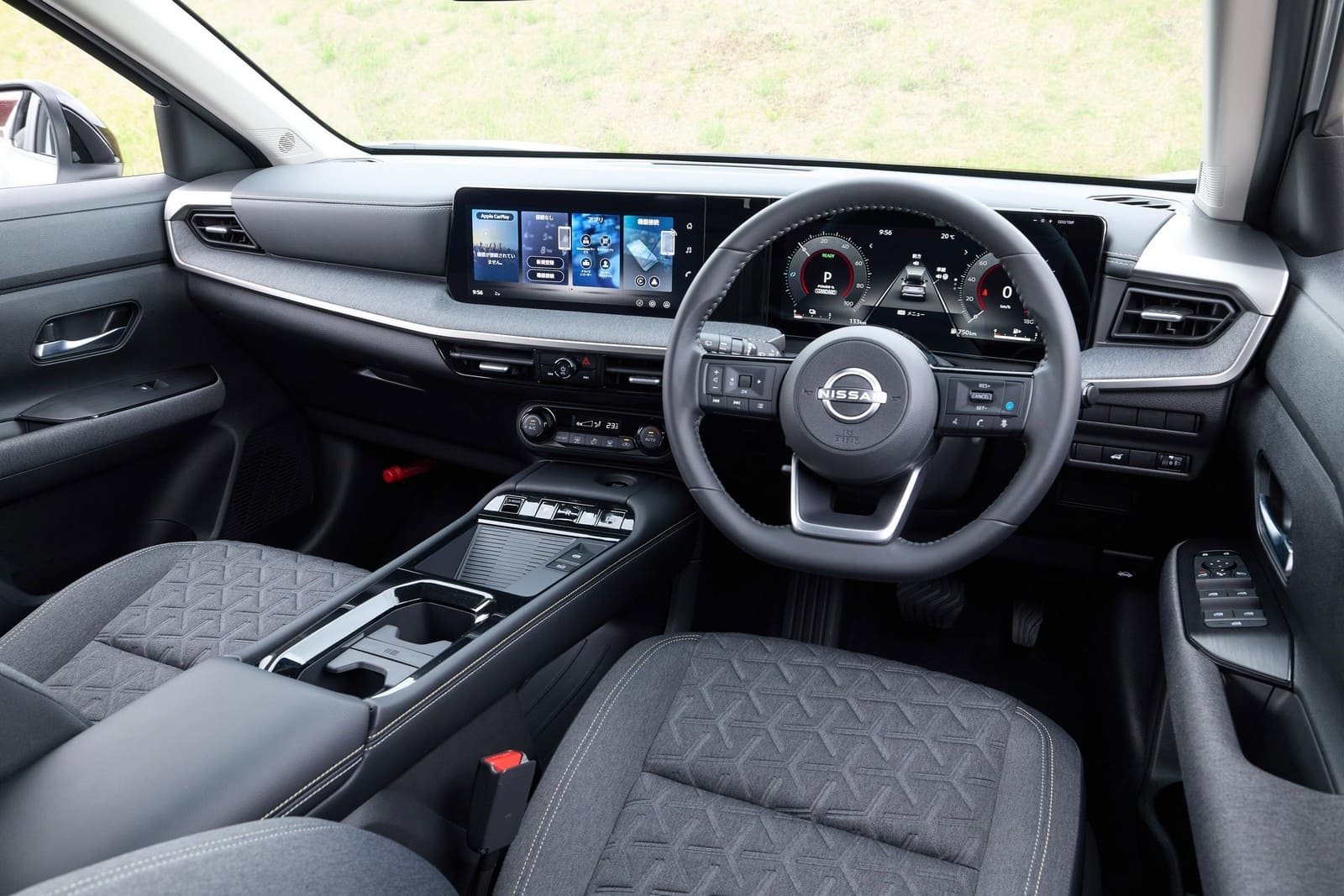
Step inside and the argument for the Kicks gets considerably stronger. The dashboard is organized around a dual 12.3-inch display setup — one for the instrument cluster, one for the infotainment — housed under a single continuous panel that gives the cabin a genuinely premium feel. On higher trims, soft-touch synthetic materials replace the hard plastics that defined previous Kicks generations, and the overall assembly quality reflects the new platform’s ambitions.
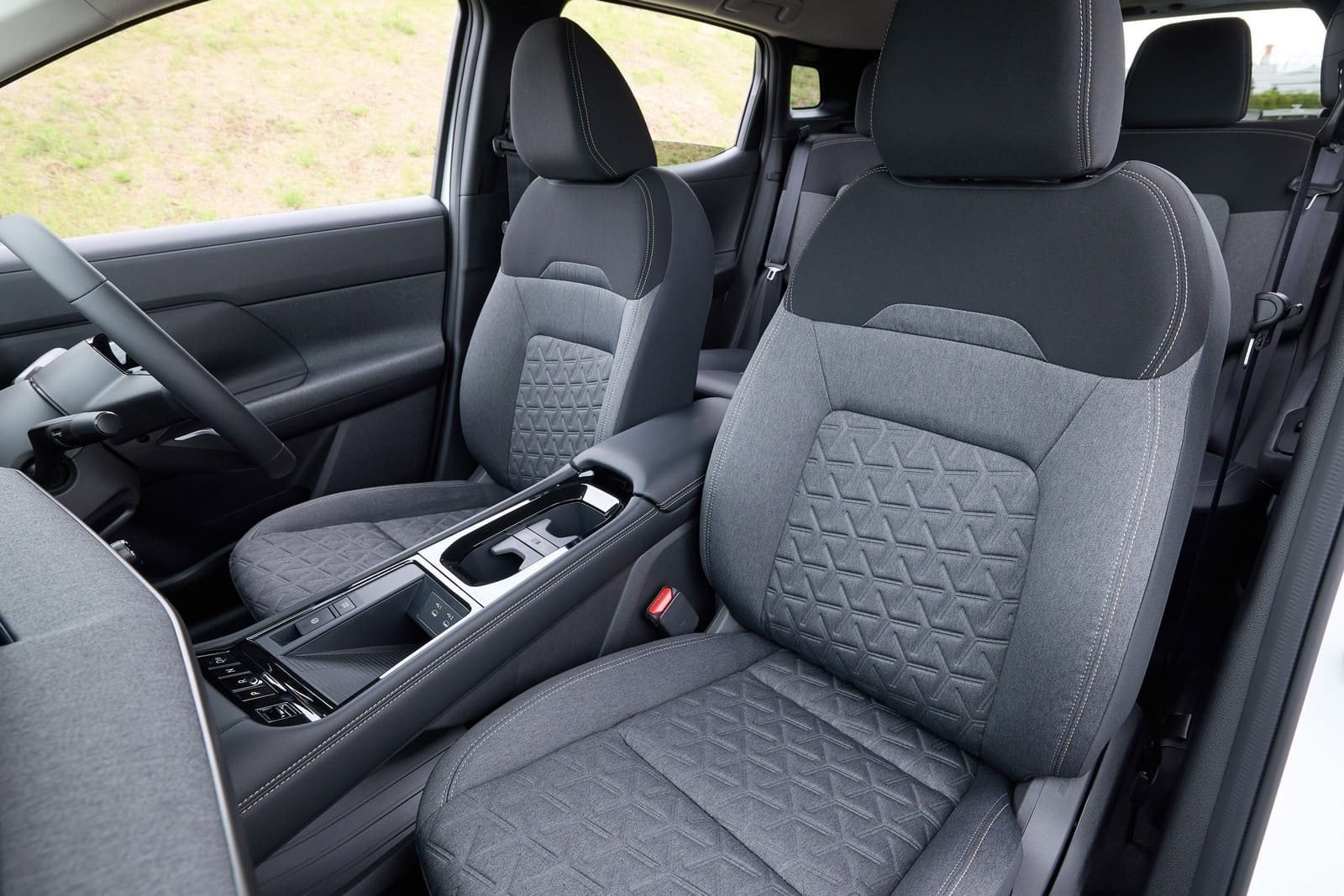
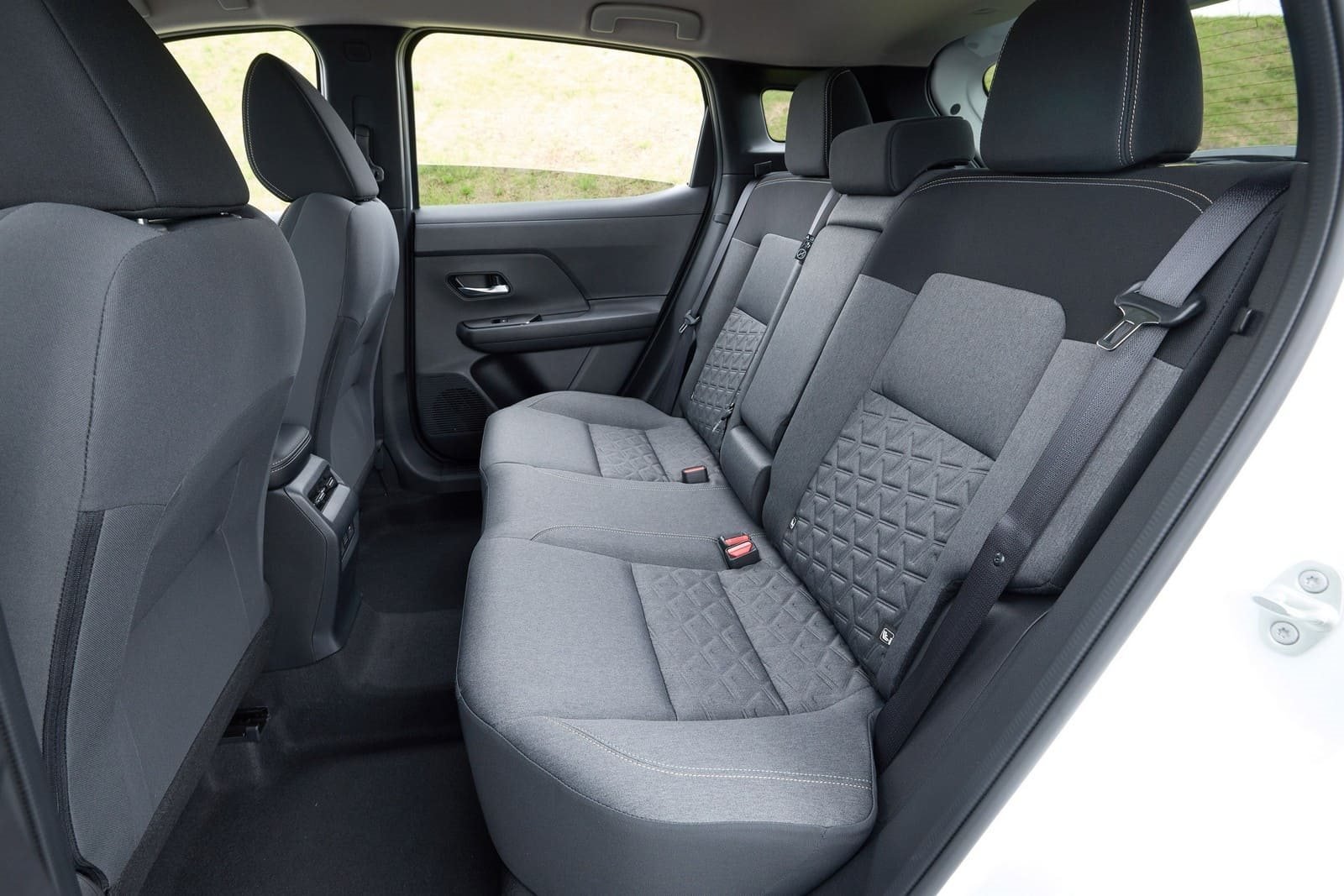
The front seats use Nissan’s Zero Gravity design, developed with biomechanical research to reduce fatigue by distributing body weight more evenly across the seat surface. Reviewers at Car and Driver and Edmunds consistently flagged these as among the better-bolstered seats in the class. Rear outboard passengers also get the Zero Gravity treatment — a first for the Kicks lineup and a genuine differentiator against most rivals in this segment.
Material quality at the SR trim level represents a real step forward from competitors like the base Trax or entry Seltos, particularly in the armrests and door panel surfaces.
Screens, Safety Systems, and the Cargo Question
The NissanConnect infotainment system runs on that 12.3-inch touchscreen with haptic feedback and improved processing speed. Apple CarPlay and Android Auto are wireless on applicable trims. The top-tier BOSE Personal Plus audio system deploys 10 speakers throughout the cabin, including ultra-compact units built into the front headrests for a directional surround effect. Four USB-C ports and a wireless charging pad round out the connectivity stack.
The ProPILOT driver assistance package — standard across all Japanese-market trims and available on upper U.S. configurations — delivers Level 2 semi-autonomous driving through radar and camera fusion. That means adaptive cruise control, lane centering, and an emergency braking system capable of detecting pedestrians and cyclists at complex intersections. The Intelligent Around View Monitor adds a virtual “transparent hood” function that renders the area directly in front of the front wheels, helpful for tight parking or rough terrain.
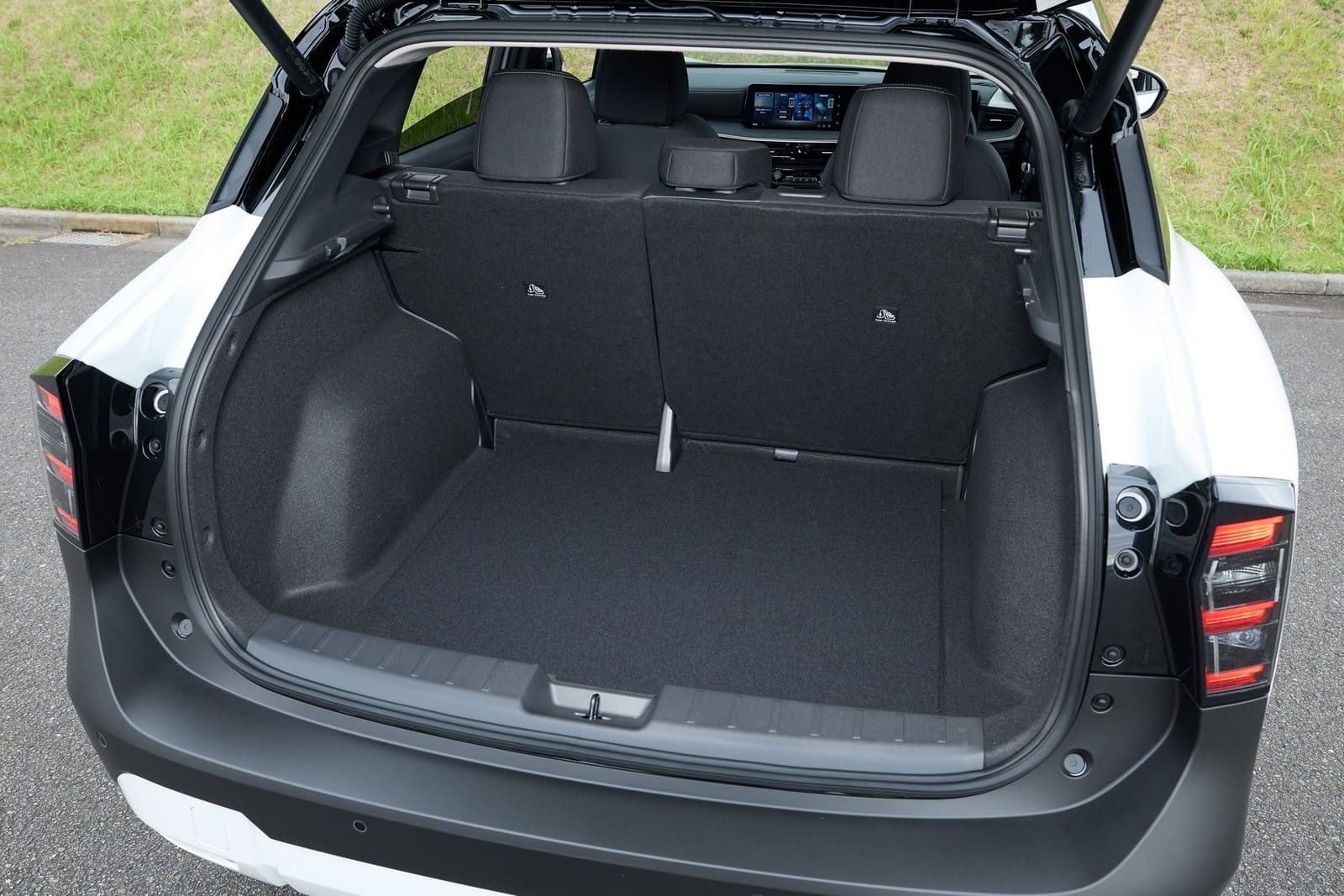
Cargo volume comes in at 30.0 cubic feet behind the rear seats on FWD models, dropping to 23.9 cubic feet in AWD configurations. That’s competitive for the segment, though the Trax and Seltos offer slightly more usable flat-floor space in some configurations.
Standout strength: the combined tech package — dual screens, wireless integration, ProPILOT, and 360-degree camera — is rarely offered at this price point without option packages that add thousands to the sticker. Real limitation: the climate controls are touch-sensitive surfaces rather than physical knobs or buttons. Multiple test drivers noted the interface requires eyes-off-road adjustments more frequently than traditional controls — an ergonomic trade-off that won’t sit well with everyone.
Under the Hood: What the 2.0L Delivers on American Roads
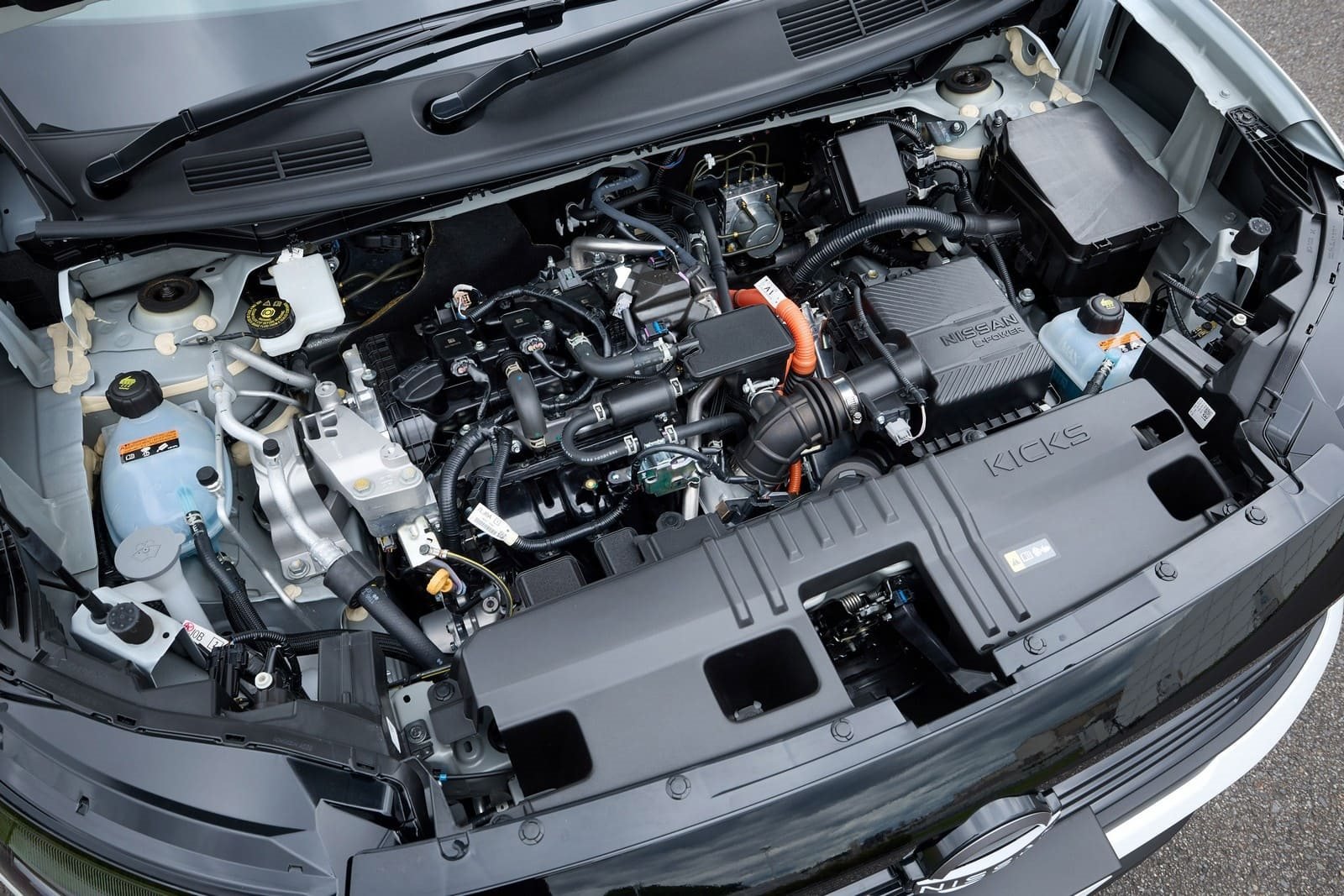
The U.S.-spec Kicks runs a 2.0-liter naturally aspirated four-cylinder with direct injection — the MR20DD block, which Nissan carried over from other models with one notable refinement. The cylinder walls use a mirror bore coating, a friction-reduction technology borrowed from Nissan’s performance lineup, to improve thermal efficiency and reduce internal wear over time.
Output lands at 141 hp at 6,000 rpm and 140 lb-ft of torque at 4,000 rpm. Those figures are modest by current compact crossover standards — the Trax’s 137-hp turbo-three, for instance, makes a more urgent case in real-world driving despite the similar peak numbers. The Kicks pairs this engine with the Xtronic CVT, which includes D-Step Logic Control software that simulates gear-step behavior under hard acceleration. It helps, though the transmission still lacks the immediacy of a traditional automatic under sudden throttle demand.
The 0–60 mph time lands somewhere between 9.0 and 10.3 seconds depending on trim and conditions. That’s enough for confident freeway merges and everyday urban driving, but the Kicks consistently finishes near the back of the class in instrumented acceleration tests. Highway passing maneuvers — particularly that 50–70 mph pull — require planning ahead rather than instinct. The engine is also notably vocal under heavy load; the improved cabin acoustics that filter wind and road noise effectively do less to muffle the engine when pushed hard.
Where the Kicks earns back ground is efficiency. EPA-rated at 31 mpg combined on FWD and 30 mpg on AWD, with an 11.9-gallon tank that consistently delivers over 400 miles of real-world range. That’s a legitimate strength in this class and one of the most practical arguments for choosing it over turbocharged rivals that sacrifice fuel economy for acceleration.
MSRP, Ownership Costs, and the Honest Math of Buying One
The 2026 Kicks opens at $22,730 MSRP for the base S in FWD — a genuinely competitive entry point in a segment where the Kona and CX-30 can climb well past $30,000 on upper trims. The range-topping SR AWD approaches $29,065 before destination and dealer adjustments. That spread gives Nissan room to compete on value without cannibalizing itself.
Insurance for a typical buyer — good credit, clean record, full coverage — is projected around $2,264 annually, adding up to roughly $11,320 over five years of ownership. That’s in line with segment norms and reflects the Kicks’ favorable safety profile. The ProPILOT suite’s ability to prevent low-speed urban collisions has a secondary benefit: it helps buyers avoid premium reclassifications after minor incidents.
Maintenance costs over a five-year ownership cycle are estimated at approximately $2,425 for scheduled service, fluids, filters, and predictable wear items. The MR20DD engine has a documented reliability history across multiple Nissan platforms, operating within conservative thermal and mechanical stress margins. Early quality metrics from independent reliability institutes are favorable, though long-term data past 100,000 miles on the P16-specific build remains limited given how recently production launched.
Depreciation is worth monitoring. Five-year residual value projections suggest the Kicks loses approximately 35% of its original value — around $9,433 on a base trim — by the end of that window. That’s a moderate curve for the segment, but buyers who purchase at MSRP and sell within the first two years may face a steeper early drop. The used market is typically where the Kicks offers its sharpest value proposition.
For financing, a 60-month loan on the SR AWD at current average rates places the monthly payment in a range that competes directly with leasing a slightly larger vehicle. Buyers with flexibility should run both scenarios before committing. The total cost of ownership picture — factoring MSRP, insurance premiums, maintenance, and residuals — positions the Kicks as a rational, low-drama choice rather than an exciting one.
The buyer this SUV is built for is practical, urban-focused, and between 25 and 45 years old. They care more about infotainment quality and seat comfort on a 45-minute commute than about track-day dynamics or towing capacity.
Frequently Asked Questions: What Buyers Actually Want to Know
What’s the real-world fuel economy of the 2026 Nissan Kicks?
EPA-rated at 31 mpg combined (FWD) and 30 mpg (AWD). Real-world highway testing at a steady 75 mph returned approximately 33 mpg, matching the manufacturer’s claims closely.
Is the CVT transmission reliable in the new Kicks?
The Xtronic CVT is a known quantity in Nissan’s lineup. It’s been deployed across multiple platforms and generations, with a generally solid track record in everyday driving conditions.
How does the 2026 Kicks stack up against the Chevrolet Trax and Kia Seltos?
The Trax has a more urgent engine and more cargo flexibility. The Seltos offers stronger optional powertrains. The Kicks counters with superior seat comfort, a more refined cabin, and better fuel economy across the board.
Is the 2026 Nissan Kicks a good buy right now or should you wait?
At $22,730 to start, it’s priced right for what it offers. Buyers who can wait six to twelve months may find slightly better deals as dealer inventory normalizes, but there’s no dramatic update cycle coming soon.
Our Verdict: Does the 2026 Nissan Kicks Earn a Spot in Your Driveway?
This is a rational purchase — not an emotional one. The Kicks makes its case through cabin refinement, fuel efficiency, and a technology package that genuinely overdelivers at its price point. The ProPILOT suite, Zero Gravity seats, and dual 12.3-inch displays are hard to match for under $25,000 in this segment.
But it’s not the right call for drivers who frequently need confident passing power on two-lane highways, regularly carry five adults, or expect sharp throttle response in daily stop-and-go driving.
The 2026 Kicks won’t excite you at the stoplight — but it will quietly impress you every single day you own it.
What do you think — does the 2026 Nissan Kicks offer enough to justify skipping the Trax or Kona, or is the competition just too strong right now? Drop your honest take in the comments below.
Share this article

Por: Danniel Bittencourt
26/06/2026
Related posts