How a Standard 2012 Jeep Wrangler Became a 1,500 HP Monster
Picture a 1,500 HP Jeep Wrangler that burns more fuel than an M1 Abrams tank. Step inside the madness of an extreme supercharged LS V8 build engineered for one thing: melting rubber into pure smoke.
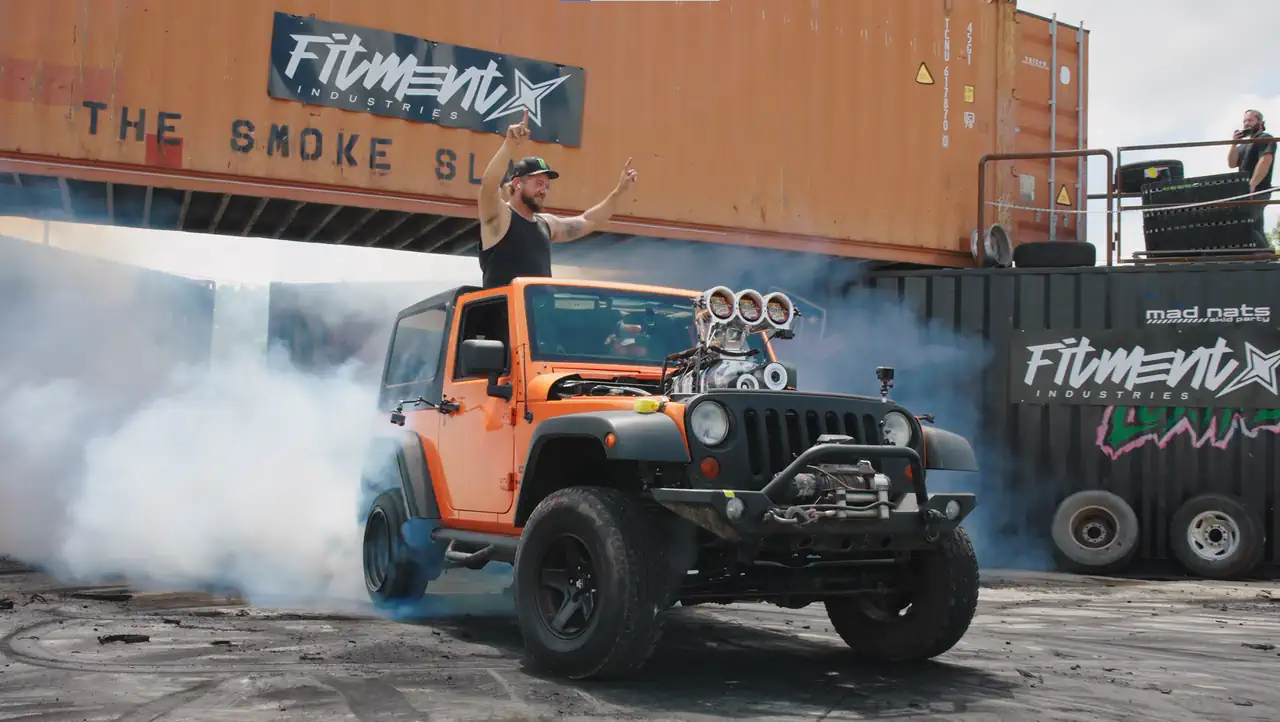
1,500 HP Jeep Wrangler: Inside the Supercharged LS V8 Build
When you picture a 2012 Jeep Wrangler, you probably think of slow rock crawling, muddy trails, and weekend camping trips. But what happens when you strip out the stock powertrain and replace it with pure, unadulterated American muscle?
You get a 1,500-horsepower Jeep Wrangler powered by a massive supercharged LS V8. It is an automotive Frankenstein built to redefine pavement-ripping brutality.
Would you dare strap into a machine that shakes the earth like a localized earthquake and twists its own chassis under acceleration?
The Recipe for Chaos: A Built Supercharged LS V8
To hit numbers usually reserved for multi-million-dollar hypercars, this humble Wrangler shell received a fully forged, ground-up LS engine. The mission statement was simple: generate relentless, violent power to vaporize rear tires.
Sitting dead center in the engine bay is a towering BDS 871 supercharger poking aggressively through the hood. Spinning at a bone-crushing 24 pounds of boost, this mechanical blower turns the V8 into an absolute weapon.
How do you keep a monster of this magnitude fed? The fuel setup alone is an engineering marvel.
Running on Straight Methanol
Handling the massive fuel demand is a cutting-edge Holley Dominator EFI system commanding a shocking 16 individual fuel injectors.
Instead of standard pump gas, this rig drinks pure methanol. This ensures an ultra-clean burn while drastically cooling the combustion chambers under extreme loads.
Mind-Bending Stats: Hypercar Power and Military MPG
Strapped to the dyno, the preliminary tune put down roughly 1,300 horsepower directly to the rear wheels. When calculated at the crankshaft, true output sits comfortably between 1,500 and 1,600 horsepower.
The price for that earth-shattering power shows up instantly at the pump. During shakedown runs, this beast devoured 15 gallons of fuel in just eight short miles.
That breaks down to an eye-watering average of nearly two gallons burned per mile. It is a staggering thirst for fuel that rivals an M1 Abrams battle tank.
Earth-Shaking Noise: Police Visits and Hearing Protection
The very first throttle blip inside the shop proved this build was dangerously unhinged. The torque was so violent it immediately snapped the heavy-duty engine mounts right off the frame.
Running straight open headers, the exhaust note is so deafening it triggered four separate noise complaints to the local police department.
To safely drive this rig without suffering permanent ear damage, the pilot has to wear maximum-volume noise-canceling earbuds.
The Build Breakdown: Strengths, Weaknesses, and Flaws
Pushing a vehicle this far past its factory limits comes with major trade-offs. Here is how the engineering balances out:
Pros:
Instant Showstopper: It generates thick, blinding clouds of white tire smoke within two seconds of hitting the gas.
Savage Low-End Torque: The roots-style blower delivers maximum, neck-snapping pulling power right off idle.
Overbuilt Cooling: Oversized water tanks and massive transmission coolers keep operating temperatures strictly in the green.
Cons:
Chassis Stress: The torsional forces are so extreme they shattered the welded rear differential during early testing.
Zero Range: You cannot drive it far; it requires a complete refuel after just a few minutes of wide-open throttle.
Vibration Gremlins: The violent shaking regularly rattles spark plug wires and crank sensors completely loose.
The Ultimate Tarmac Shakedown
Once the electrical gremlins were chased down and the rear axle was locked, the beast was unleashed onto the asphalt.
The real-world performance is nothing short of terrifying. It takes mere seconds in third gear to strip brand-new rear tires down to the bare steel belts.
Even with the rev limiter safely capped at 5,200 RPM, this Wrangler easily obliterates 99% of traditional sports cars on the road today.
Pushing the Boundaries of Custom Builds
Building a 1,500 HP Jeep Wrangler proves that car culture thrives when logic is tossed right out the window.
It is the ultimate collision of high-level mechanical engineering and the chaotic joy of turning solid rubber into smoke.
If someone handed you the keys to this unhinged rig, would you take it for a daily coffee run, or keep it strictly locked up for the burnout pad?

Danniel Bittencourt
25/06/2026