
Is the Jetta Evolving? Volkswagen Unveils the Future of Electric SUVs
Volkswagen is redefining one of its most iconic nameplates. The legendary Jetta is stepping out of the sedan shadow and into the spotlight as a dedicated electric vehicle brand, aiming to make high-tech SUVs more affordable than ever.

Danniel Bittencourt
22/04/2026
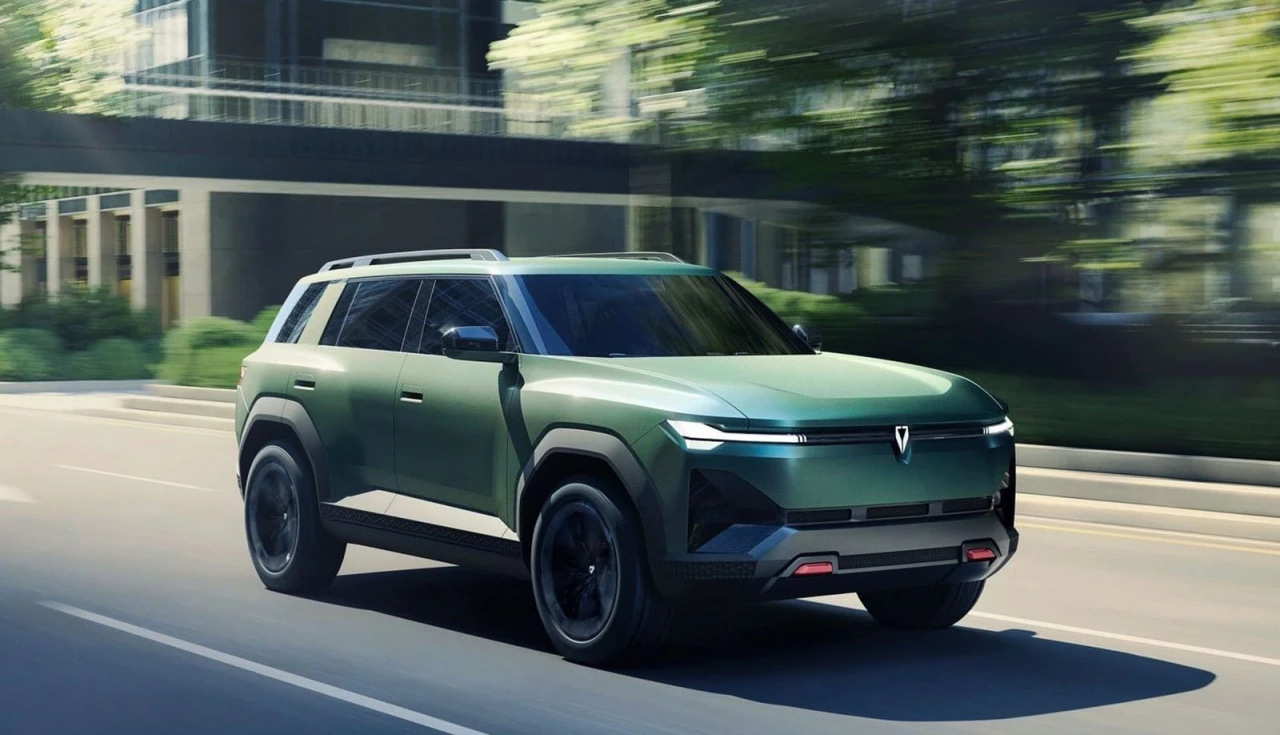
The automotive world is buzzing as Volkswagen takes a bold step with the Jetta name. In a strategic move to capture the growing demand for affordable mobility, Jetta has transitioned from a single model into a standalone brand. The centerpiece of this transformation is the Jetta X Concept, a vehicle that signals a fresh design language and a tech-heavy future for the years 2025 and 2026.
A New Identity for the Jetta Brand
This shift isn’t just about a new logo; it’s a complete pivot in market positioning. Through a partnership with FAW, Volkswagen is using the Jetta brand to target the entry-level electric vehicle (EV) segment. By leveraging German engineering with more cost-effective production methods, the brand aims to offer EVs at a price point significantly lower than the current ID. series, making electric car ownership accessible to a much broader audience.
Jetta X Concept: Cutting-Edge Design and Tech
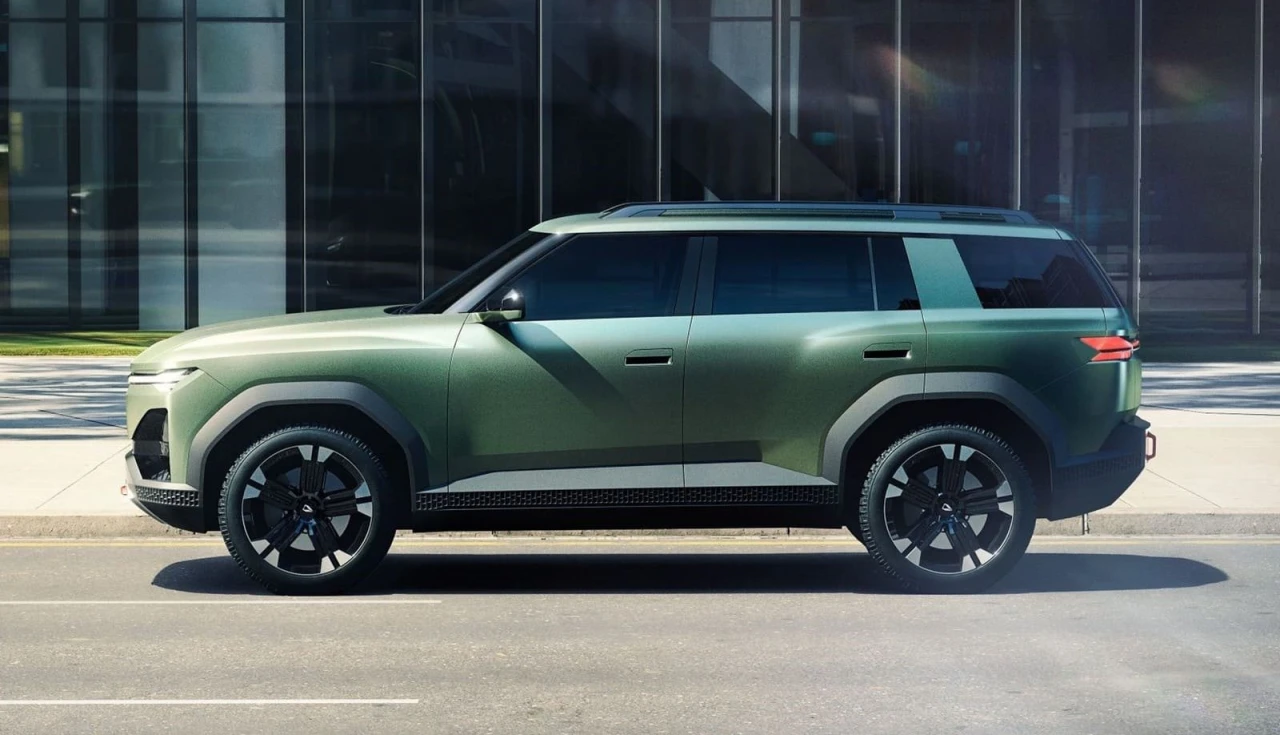
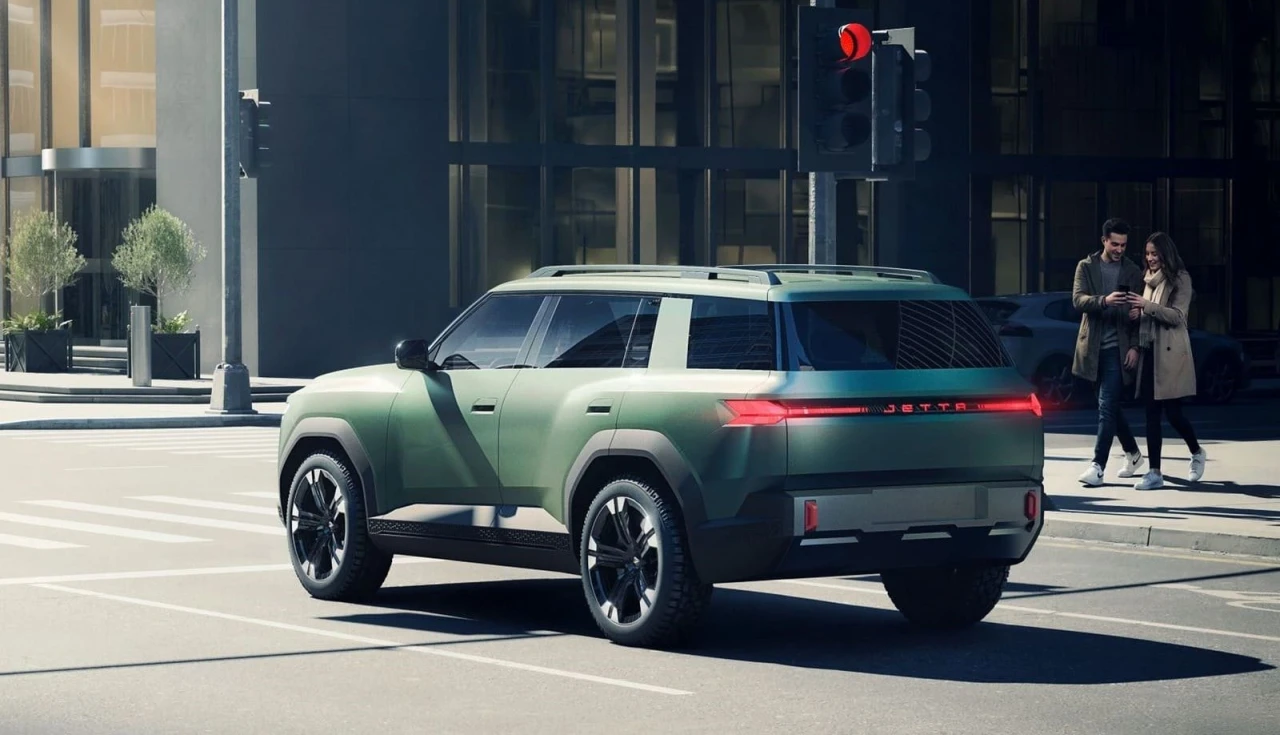
The Jetta X Concept is a departure from the traditional three-box sedan silhouette American drivers know so well. This SUV prototype features a bold, boxy stance and a distinctive “Y-shaped” LED lighting signature. The rugged look is paired with sleek lines that prioritize aerodynamics without sacrificing interior room.
Built on a dedicated electric platform, the Jetta X promises a spacious cabin packed with modern amenities. While full specs are still under wraps, the production version is expected to feature Level 2 autonomous driving capabilities and a highly intuitive digital cockpit, bridging the gap between budget-friendly pricing and premium tech.
An Electric SUV for Under $15,000?
The most shocking aspect of this rollout is the potential price tag. Volkswagen is positioning Jetta to be the “gateway” to electric driving. Industry reports suggest that in its primary markets, these new electric SUVs could launch with prices starting around $13,000 to $15,000.
While these figures reflect specific market conditions and local production incentives, they represent a massive shift in the global EV landscape. If this pricing strategy proves successful, it could force a major price correction across the industry, even if US-bound models eventually cost more due to tariffs and shipping.
Expanding the Lineup: Concept V and Beyond
The Jetta X isn’t the only star in the stable. The brand also introduced the Concept V, a vision for a next-generation electric sedan. This dual-track strategy ensures that both SUV fans and sedan enthusiasts have a place in the new Jetta ecosystem. By 2026, the brand intends to have a full fleet of hybrid and fully electric models ready for the road.
Volkswagen is essentially using Jetta as a high-volume laboratory. By mastering the art of the “affordable EV,” the innovations found in the Jetta X could eventually trickle down—or up—to other Volkswagen Group models globally, potentially solving the affordability crisis currently facing the electric car market.
FAQ
1. Is Jetta its own brand now? Yes, in specific international markets like China, Jetta operates as an independent brand under the Volkswagen Group, focusing on entry-level buyers.
2. What is the Jetta X Concept? It is a prototype SUV that showcases the future design and electric technology for the Jetta brand’s upcoming 2025-2026 lineup.
3. Will the Jetta X be sold in the United States? Currently, the Jetta brand is focused on overseas markets. There is no official word on bringing these specific models to the US yet.
4. How much will the Jetta electric SUV cost? The goal is extreme affordability, with target prices in some markets starting as low as $15,000 USD.
5. What is the driving range of the Jetta X? While official numbers haven’t been released, it is expected to offer a competitive range of over 250 miles on a single charge.
6. Is the traditional Jetta sedan being discontinued? The gas-powered Jetta sedan remains a staple in the US market for now, but the brand is shifting toward electric SUVs globally.
7. How does the Jetta brand differ from Volkswagen? Jetta uses VW technology but targets a younger, more budget-conscious demographic with unique styling.
8. Does the Jetta X have self-driving features? The concept includes advanced driver-assistance systems (ADAS) capable of Level 2 autonomy, such as lane-keeping and adaptive cruise control.
9. When will the Jetta X go into production? The production version is slated to hit the market between late 2025 and early 2026.
10. Is the Jetta X a hybrid or full electric? The Jetta X Concept is designed as a pure battery-electric vehicle (BEV), representing the brand’s commitment to zero emissions.
Share this article

Related posts
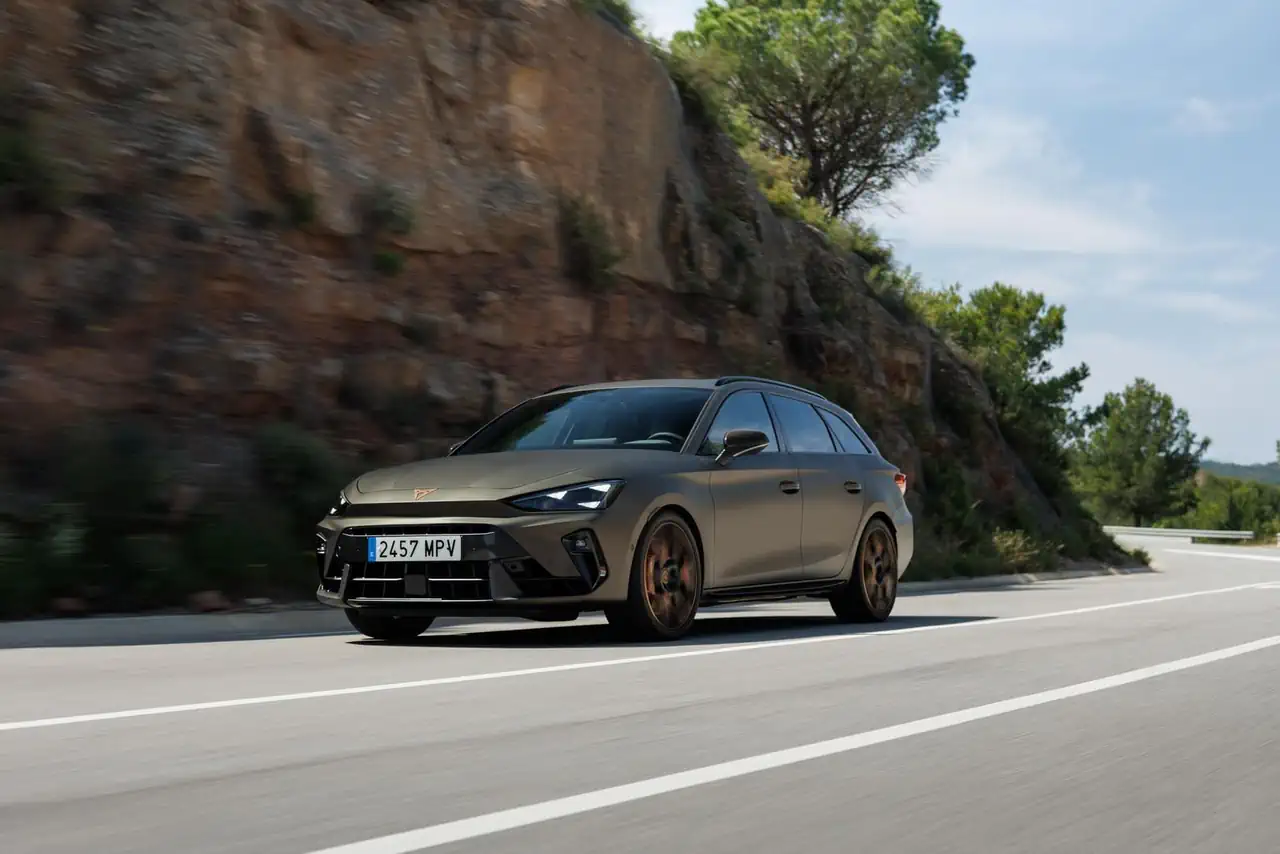
Why the 2026 Cupra Leon VZx AWD Is Worth the Wait for the U.S.
The 2026 Cupra Leon VZx Sportstourer AWD brings a 333-HP 2.0-liter turbo and a new torque splitter. Explore the design updates, performance specs, and the brand’s expected