2027 Mercedes-Benz VLE Overview: Inside the Brand’s All-New Premium EV Van
The Mercedes-Benz VLE arrives as an ultra-luxury electric van featuring a 31-inch 8K roof screen, executive airline seating, and up to 440 miles of range. But does the six-figure price tag make sense?
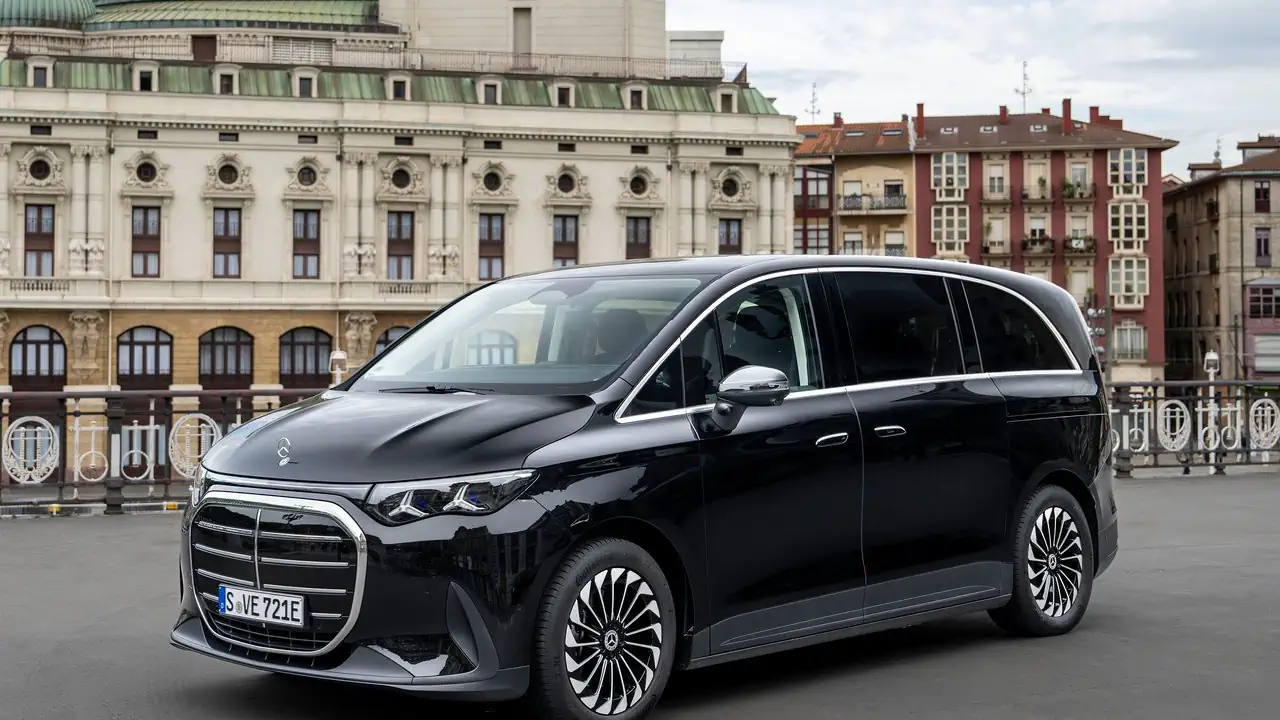
2027 Mercedes-Benz VLE: The Electric Van with an 8K Overhead Screen and 439 Miles of Range That Redefines Luxury MPVs
Mercedes-Benz launched the VLE as its first luxury electric van built on the all-new VAN.EA platform — and the result is a vehicle that blends boardroom, home theater, and family hauler into a single body style.
Production began in June 2026 for the 2027 model year. This isn’t a refresh or a mid-cycle update. The VLE is a ground-up redesign, built on an 800-volt architecture, featuring a 31.3-inch retractable overhead panoramic screen and a 115 kWh battery capable of up to 439 miles on the WLTP cycle.
The positioning is deliberate: Mercedes is going after the Toyota Alphard, the Zeekr 009, and the Buick GL8 EV in the premium electric MPV space. No U.S. launch date or pricing has been confirmed at this time.
Quick Facts
| Detail | Specification |
|---|---|
| Category | Luxury Electric Minivan / MPV |
| Powertrain | Single motor (VLE 300) or dual motor (VLE 400 4MATIC) |
| Output | 272 hp (VLE 300) / 403–409 hp (VLE 400 4MATIC) |
| Torque | ~258 lb-ft (VLE 300) |
| Transmission | Single-speed reducer (standard for EVs) |
| Drive | FWD (VLE 250/300) / AWD 4MATIC (VLE 400) |
| 0–60 mph | 9.5 sec (VLE 300) / 6.5 sec (VLE 400 4MATIC) |
| Top Speed | 112 mph (electronically limited) |
| Efficiency | 18.1 kWh/100 km — WLTP (VLE 300) |
| Range | Up to 439 miles WLTP (VLE 300, 115 kWh battery) |
| On Sale | Production started June 2026 — 2027 model year |
The specs tell part of the story. What the VLE delivers beyond the numbers — in its interior experience, driving dynamics, and long-term cost of ownership — is where things get more interesting.
A Van That Looks Like It Was Designed by an Aerospace Studio
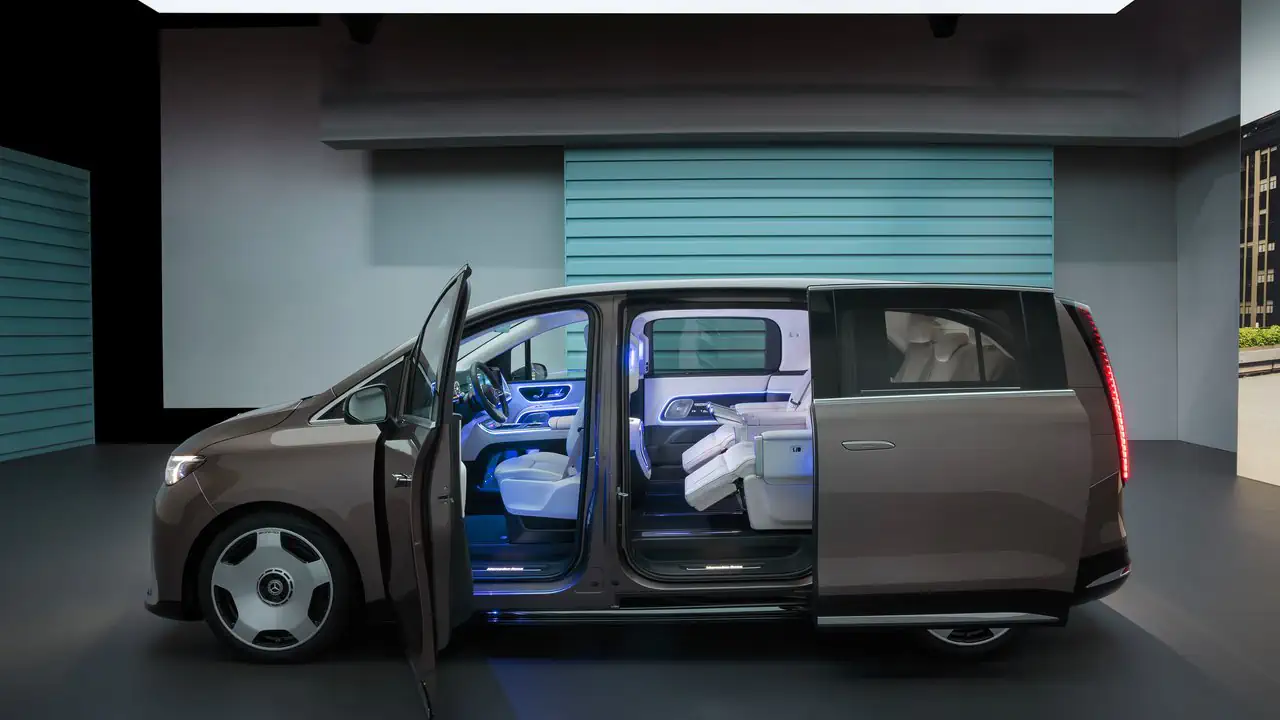
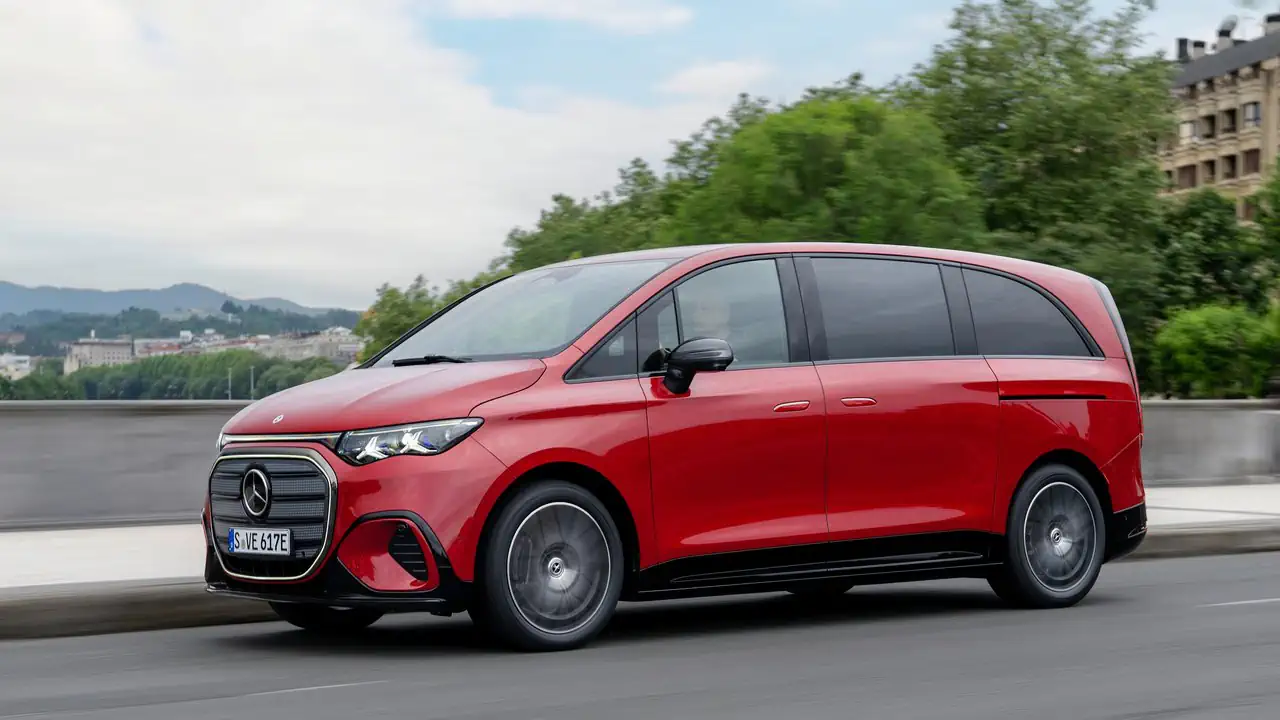
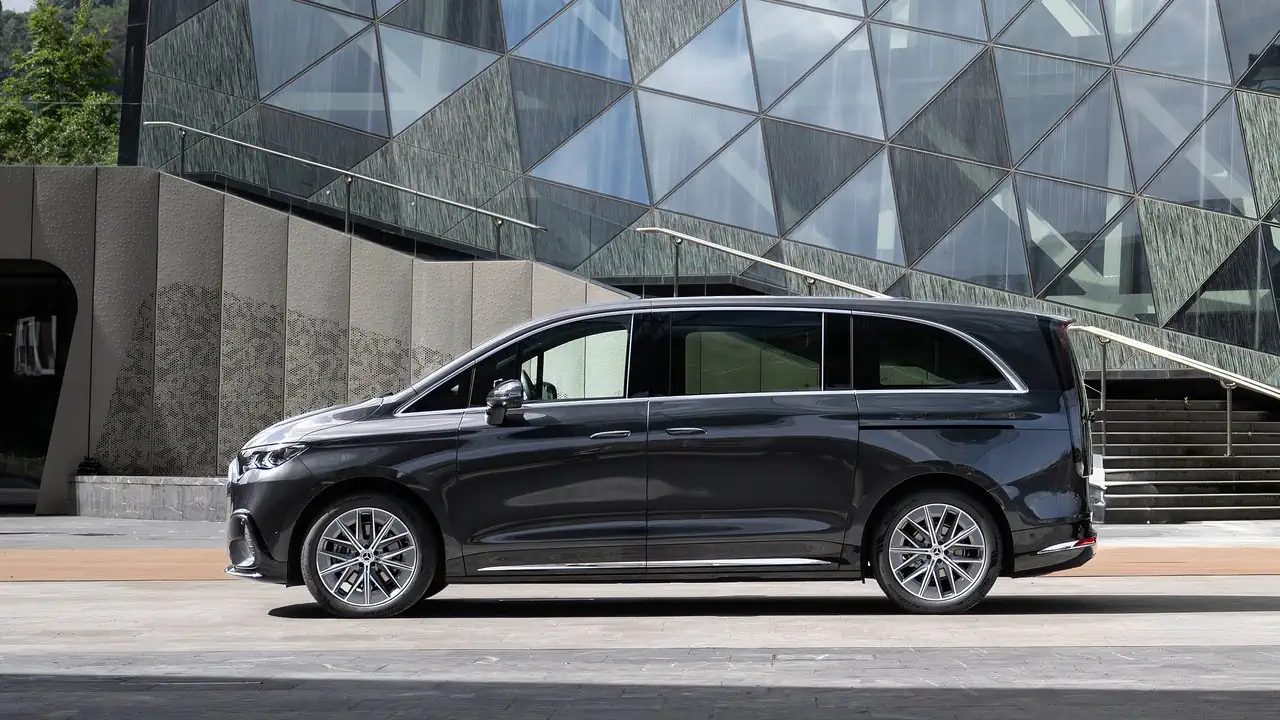
The VLE’s exterior surprises for one straightforward reason: it doesn’t look like a van. The lines are clean, the roofline sits proportionally lower than most MPVs this size, and the 0.25 drag coefficient puts it in the same aerodynamic territory as premium electric sedans like the Audi A6 e-tron.
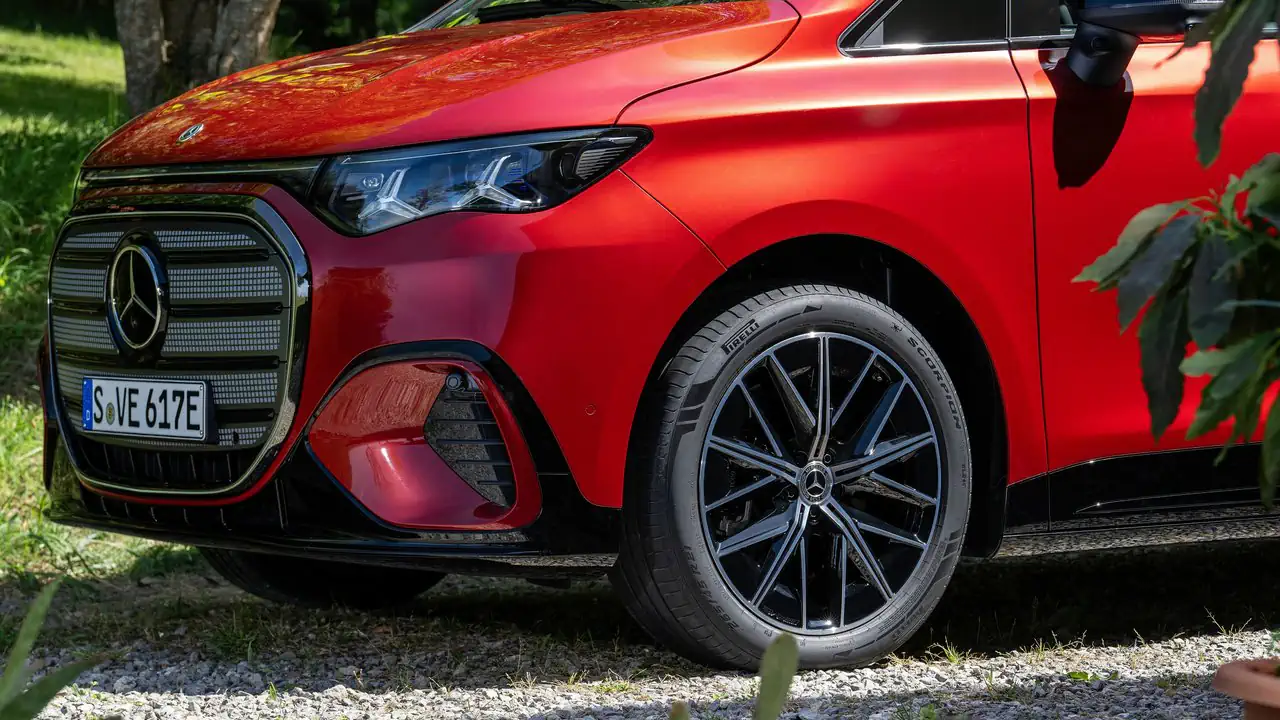
Up front, a closed-off fascia dominates the face, framed by an illuminated surround and the brand’s signature star-pattern DRL. Depending on the trim, buyers can choose between the classic upright hood star — available on the Exclusive package — or the centered logo treatment favored by the AMG Line.
Along the sides, power-integrated sliding doors maintain the practicality you’d expect from a people-mover without compromising the visual flow. The roofline taper and body crease lines give the van a sense of motion that few vehicles in this segment manage.
At the rear, an inverted U-shaped light bar wraps the liftgate. Beyond being a distinct design signature, it serves a genuine aerodynamic function — managing airflow separation cleanly at highway speeds.
Taken together, the VLE reads as expensive before the doors even open. And once they do, things get considerably more serious.
The Interior Is Where Mercedes Put Everything It Knows
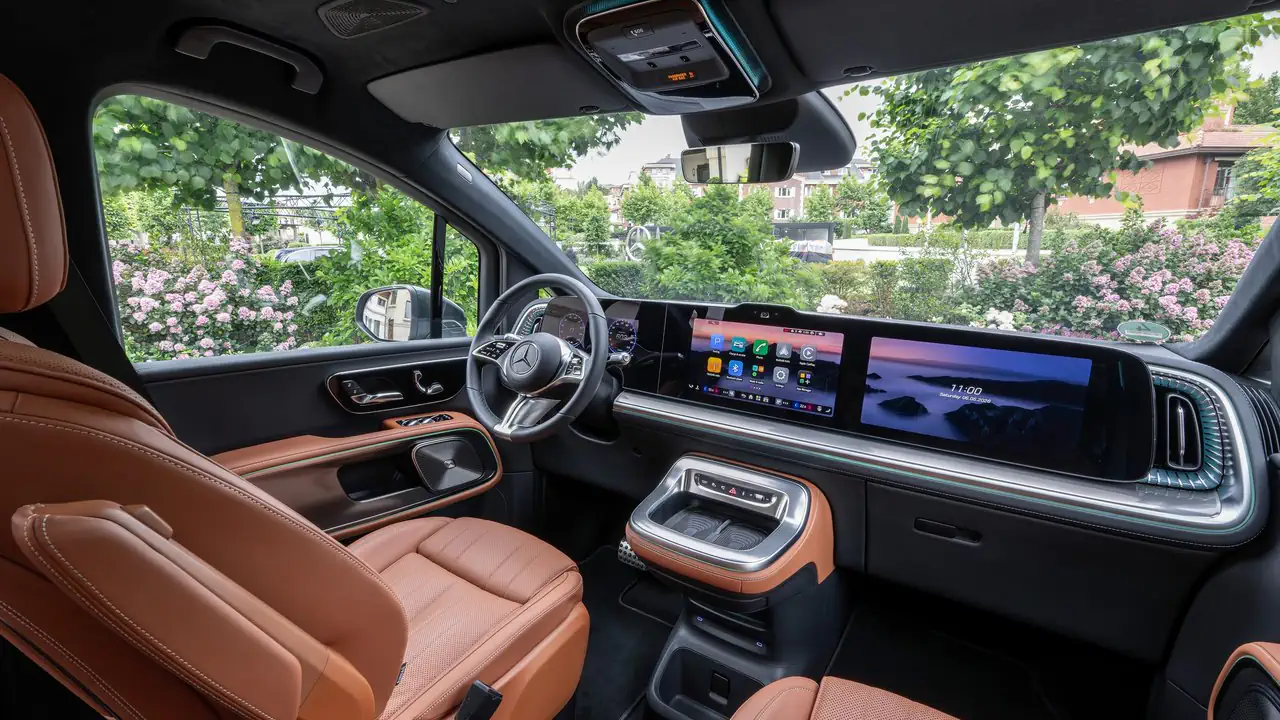
Settling into the front of the VLE feels familiar to anyone who has spent time in an S-Class or EQS. The dashboard is anchored by the MBUX Superscreen: three displays under a single continuous glass panel, consisting of a 10.25-inch instrument cluster, a central screen up to 14.5 inches, and a front passenger display of comparable size.
Materials hold up under scrutiny — Nappa leather, real wood, aluminum trim, and pervasive ambient lighting define the upper configurations. There’s no hard plastic at any contact point. Driver ergonomics follow Mercedes’ established pattern: power-adjustable seating, solid lateral support, and a layout that doesn’t require a learning curve.
Against its most direct competitor in the U.S. luxury van space, the VLE delivers a noticeably more technology-forward front cabin than the Toyota Alphard, without sacrificing material refinement to get there.
A 31-Inch Overhead Screen and Seats That Compete with Business Class
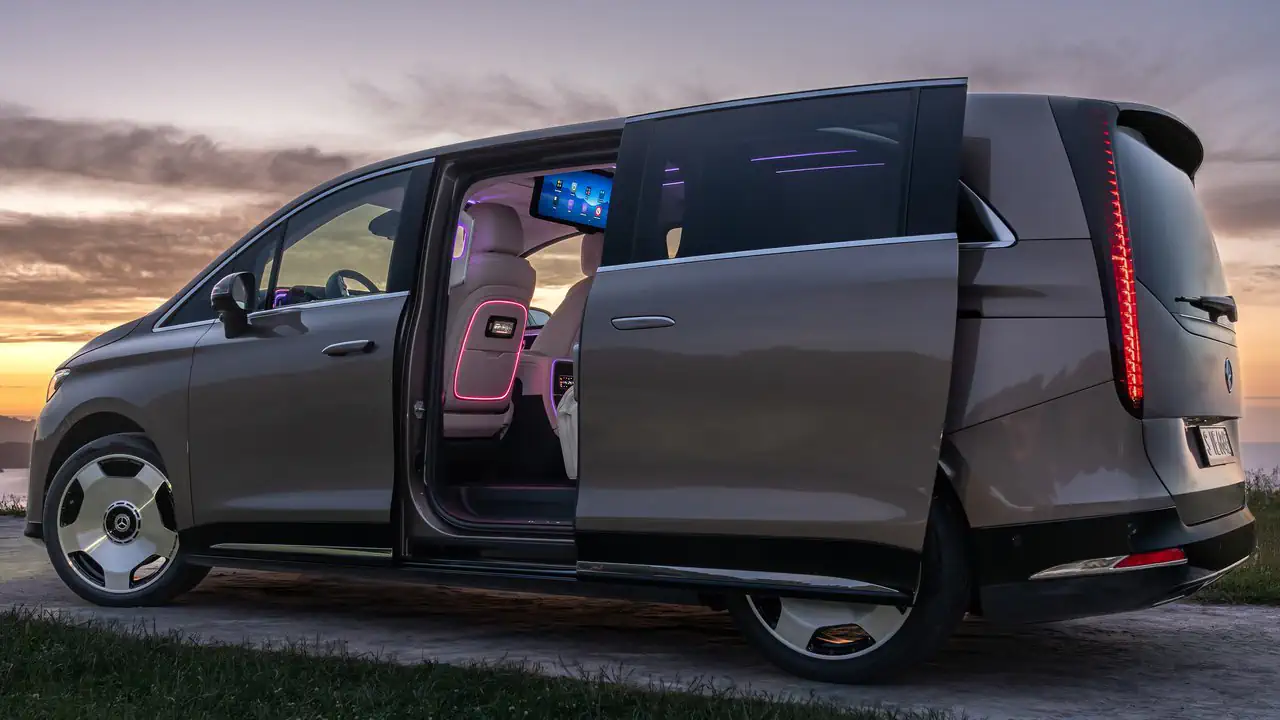
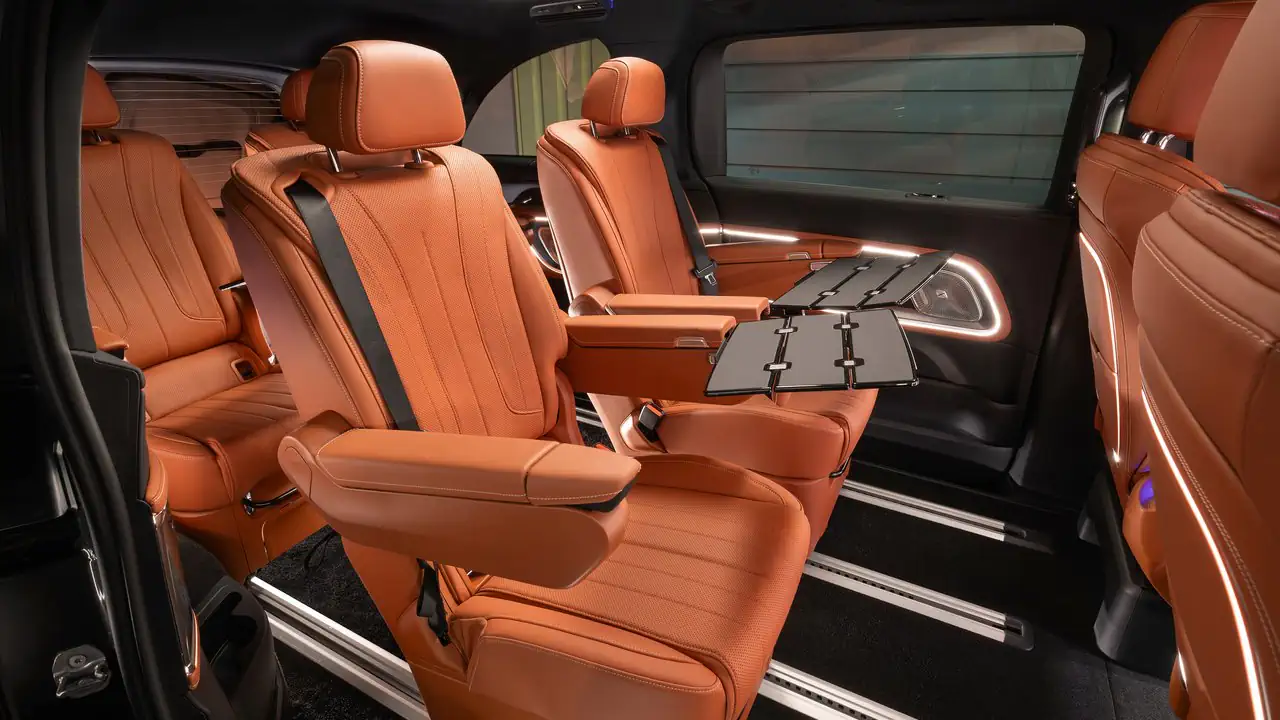
The real story is in the rear. The 31.3-inch retractable overhead display with 8K resolution is the feature that’s drawn the most attention in early international reviews — for good reason. It supports split-screen, an 8-megapixel videoconference camera, and streaming, which turns the rear cabin into something closer to a mobile conference room than a passenger compartment.
Rear seating comes in three tiers: Comfort (manual adjustment with removable casters), Premium Comfort (power-adjustable with heating, ventilation, and massage), and Grand Comfort (a first-class airline-style configuration with extendable leg rests, wireless charging, and privacy curtains). The seats can be fully removed and used outside the vehicle — a detail that’s easy to overlook but genuinely expands the van’s versatility.
With all rows removed, cargo volume reaches approximately 4,078 liters — roughly 144 cubic feet. With all seats in place, the rear cabin remains generous for a vehicle in this class.
The standout integration is between the MBUX system and the rear seats. Passengers can adjust position, lighting, ambient fragrance, and audio directly from the central screen or by voice. The one real-world limitation flagged in early press evaluations is a higher-than-usual floor level — a direct consequence of the battery pack below the floor — which slightly reduces the perception of headroom inside.
Power and Range: What the Numbers Actually Mean on the Road
The entry-level VLE 300 runs a single front-mounted electric motor fed by a 115 kWh NMC battery. Output is rated at 272 hp and approximately 258 lb-ft of torque. In a vehicle weighing between 7,700 and 8,157 lbs, that translates to a 0–60 mph time of around 9.5 seconds — adequate for urban driving without any drama, but with no claims to sportiness.
Buyers wanting more urgency can step up to the VLE 400 4MATIC: dual motors, all-wheel drive, 403 to 409 hp, and 0–60 in 6.5 seconds. For something approaching four tons, that number is legitimately surprising. Both versions are electronically limited to 112 mph.
The 800-volt architecture supports DC fast charging at up to approximately 315 kW. On compatible chargers, the battery goes from 10 to 80 percent in 15 to 25 minutes. Mercedes claims up to 200 miles of added range from a single 15-minute charging stop — a figure that, if consistent in real-world use, would make long interstate runs genuinely manageable with just one or two stops.
The EPA rating hasn’t been published yet — the WLTP figure of 439 miles for the VLE 300 is the reference point for now. Early real-world testing suggests consumption runs somewhat above the 18.6 kWh/100 km WLTP figure under loaded urban conditions, which is expected given the weight and typical use profile. The efficiency is still competitive for this class of vehicle.
The VLE 250, equipped with an 80 kWh battery, is expected to return between 249 and 298 miles of range. Exact power output hasn’t been officially disclosed.
Price, Insurance, and Maintenance: What It Actually Costs to Own One
In the U.S. market, analyst estimates and early configurator data from European markets suggest an MSRP in the range of $80,000 or more for a base VLE 300 in mid-level trim — with fully loaded configurations pushing well beyond that. No official MSRP has been published for American buyers.
Insurance premiums for a vehicle in this segment would likely land in line with other large luxury electric SUVs — think EQE SUV or EQS SUV territory, which in major markets typically runs $3,000–$5,000 annually depending on driver profile, location, and coverage level. Early insurance data specific to the VLE isn’t available yet given how recently production started.
Maintenance costs should follow the logic of Mercedes’ top-tier EVs: longer service intervals focused on wear items, but with labor rates and parts pricing consistent with the premium segment. Specific maintenance plans for the VLE haven’t been released.
Financing a vehicle at this price point means either a substantial down payment or monthly figures that narrow the buyer pool considerably. Purchasing at launch rarely makes financial sense for niche EVs: depreciation in the first two to three years tends to be steep, and entry-level trim examples tend to appear on the certified pre-owned market at meaningful discounts after 24 to 36 months. Corporate and executive fleet buyers are the exception — residual values tend to hold better in that context.
The realistic buyer profile here is fairly specific: executive transportation companies, five-star hotels, corporate buyers running chauffeured fleets, and high-net-worth families who need limousine-grade interior space without giving up electrification.
Frequently Asked Questions
What is the real-world range of the Mercedes-Benz VLE?
The official WLTP figure is up to 439 miles for the VLE 300. Early real-world testing under loaded urban conditions shows consumption above the official figure, but range remains competitive given the vehicle’s size and weight class.
Is the Mercedes VLE coming to the United States?
No official confirmation has been issued. Mercedes-Benz USA has not announced pricing, variants, or a timeline for a domestic launch. Any reports of a confirmed U.S. release should be treated as speculation until the automaker makes a formal announcement.
Who are the main competitors of the VLE?
In markets where it’s available, the direct rivals are the Toyota Alphard, Zeekr 009, and Buick GL8 EV. At its expected price point, it also competes indirectly with large luxury electric SUVs like the BMW iX and the Audi Q8 e-tron.
Is the Mercedes VLE expensive to maintain?
No consolidated data is available yet. Given the vehicle’s complexity — 115 kWh battery, power-adjustable seating, advanced ADAS systems, and 800V architecture — maintenance and repair costs are expected to track closely with Mercedes’ top-tier EV lineup, which means above-average figures by most standards.
Verdict: The VLE Impresses, But It’s Built for a Very Specific Buyer
The Mercedes-Benz VLE is an emotional purchase with a rational disguise. The interior is technically exceptional, the range figures are real, and the performance surprises given the mass involved. But the expected sticker price, the external footprint, and the technological complexity all draw clear lines around who this vehicle actually serves.
For buyers who genuinely need executive-grade mobility with maximum rear-cabin comfort — and who can absorb the cost — the VLE makes a strong case for itself. For drivers who navigate dense urban environments, deal with tight parking structures on a daily basis, or simply don’t need seven or eight seats, there are more practical choices at similar price points.
The VLE isn’t trying to be a vehicle for everyone. That’s exactly the point.
Do you think the concept of a luxury electric van with a 31-inch ceiling screen and an SUV-tier price tag makes sense for the American market — or is it too much vehicle for too narrow a use case? Drop your take in the comments below.
Share this article

Por: Danniel Bittencourt
22/06/2026
Related posts