2027 Mercedes-Maybach GLS 680: Everything We Know So Far
The 2027 Mercedes-Maybach GLS 680 lands with a more powerful electrified V8 and a new digital cabin, but Mercedes still hasn’t confirmed pricing, fuel economy, or performance figures.
2027 Mercedes-Maybach GLS 680: New Flagship Bets on Power and Back-Seat Comfort
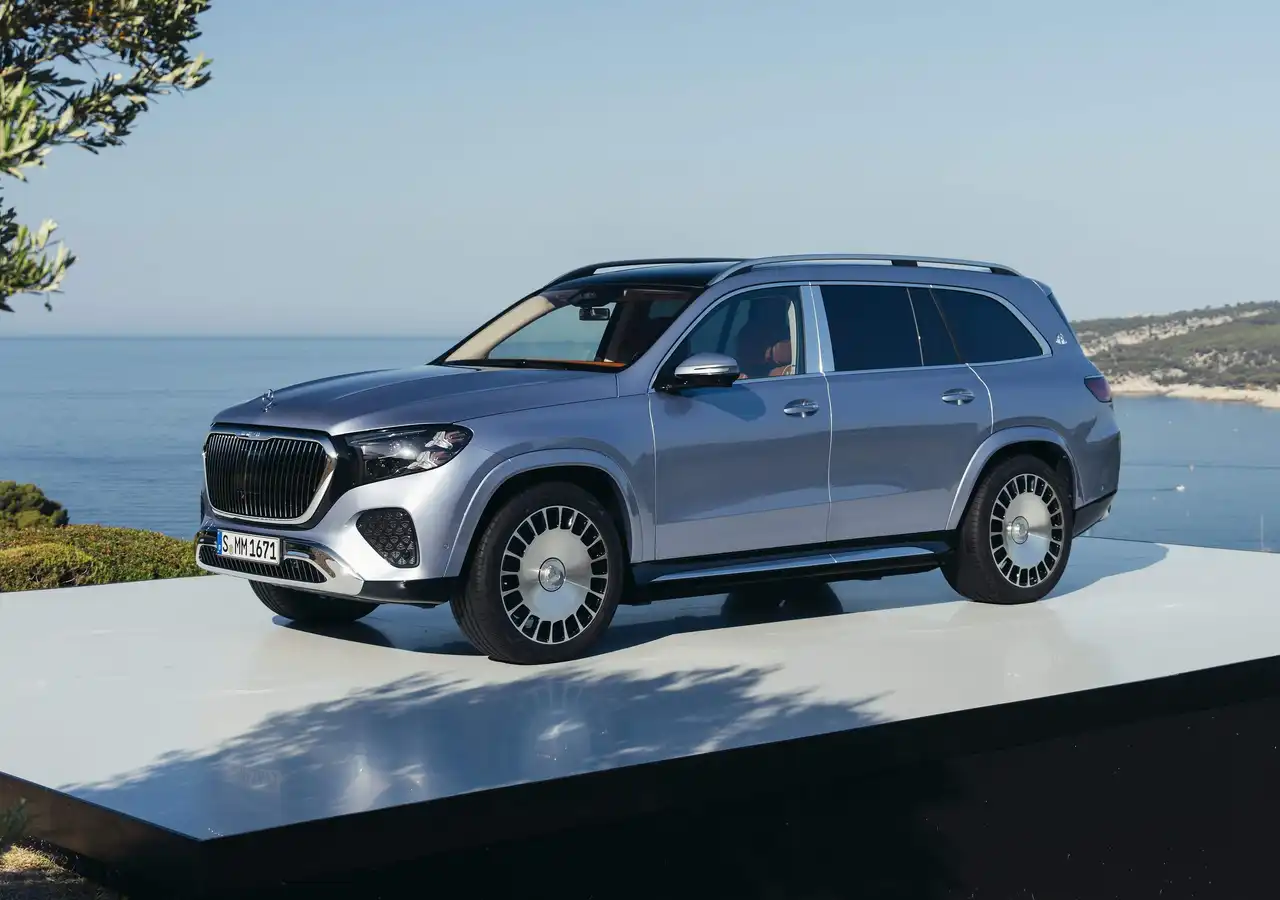
The Mercedes-Maybach GLS 680 is the updated flagship of the brand, replacing the GLS 600 nameplate with a more powerful engine, a refreshed digital package, and revised suspension and cabin tuning. The automaker unveiled the SUV to journalists on July 19 and 20, 2026.
This is the SUV for buyers who are already cross-shopping a Bentley Bentayga or a Rolls-Royce Cullinan, and the emphasis remains squarely on rear-seat comfort and personalization rather than everyday practicality. U.S. dealer arrival is expected later in 2026, with official pricing to follow closer to the on-sale date.
Quick Specs
| Spec | Info |
|---|---|
| Segment | Full-size ultra-luxury SUV |
| Powertrain | Electrified 4.0-liter twin-turbo V8 (M177 Evo) with 2nd-gen 48V ISG |
| Horsepower | 603 hp combined (U.S.); 612 PS / 450 kW combined (Europe) |
| Torque | 627 lb-ft (850 Nm) |
| Transmission | 9-speed automatic |
| Drivetrain | All-wheel drive (4MATIC+) |
| 0-60 mph | Not officially disclosed |
| Top speed | Not officially disclosed |
| Fuel economy | Not officially disclosed |
| Range | Not officially disclosed |
| Release date | Revealed to press on July 19-20, 2026; U.S. dealer arrival expected later in 2026 |
That table covers what’s confirmed so far, but Mercedes still hasn’t released some of the numbers that matter most for daily driving, like EPA fuel economy or a tested 0-60 time. That’s not unusual this early in a launch cycle, but it does limit how precisely we can judge real-world behavior right now. Here’s what we do know about the exterior, cabin, and mechanical package.
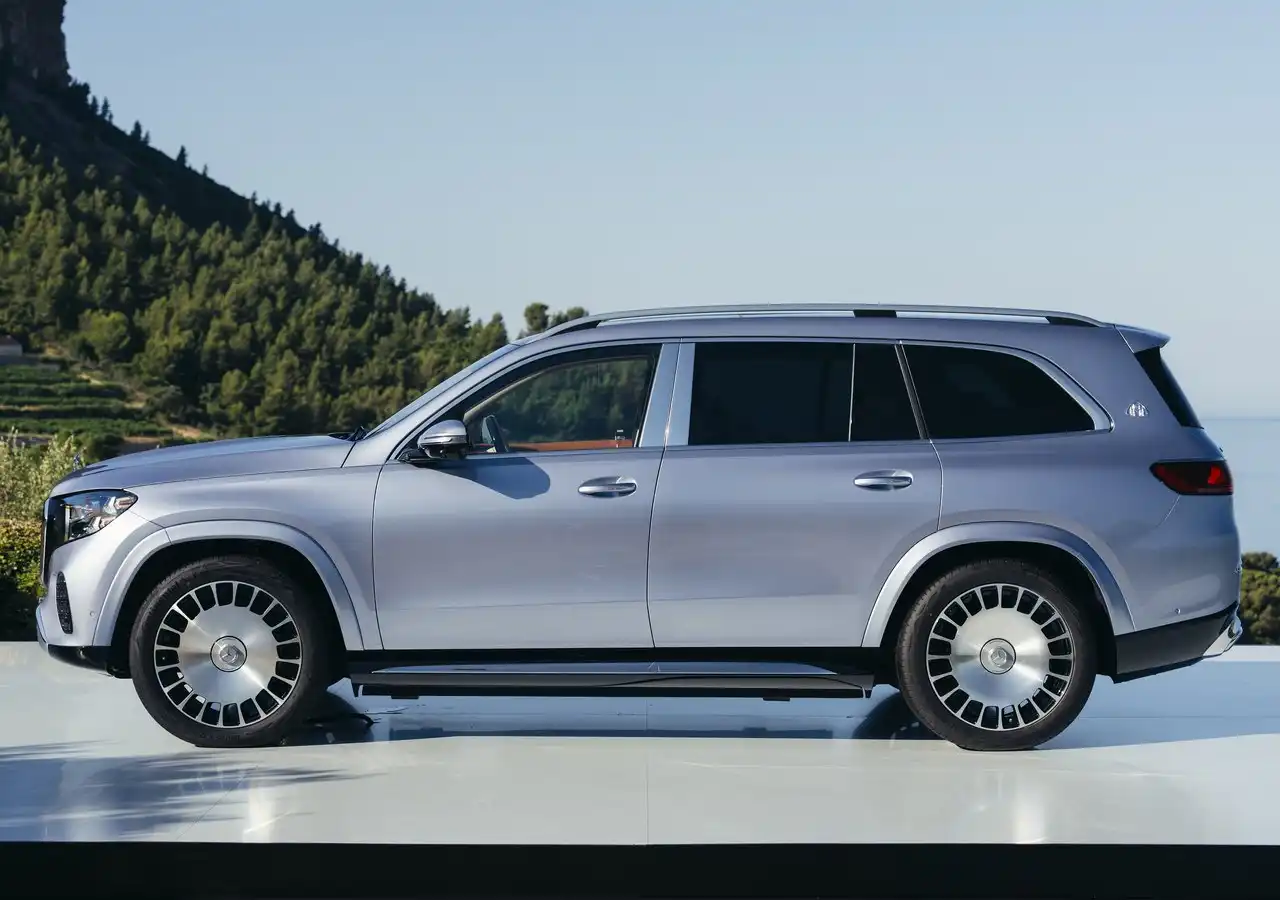
A Lit-Up Grille and 23-Inch Wheels Give the Maybach GLS a New Face
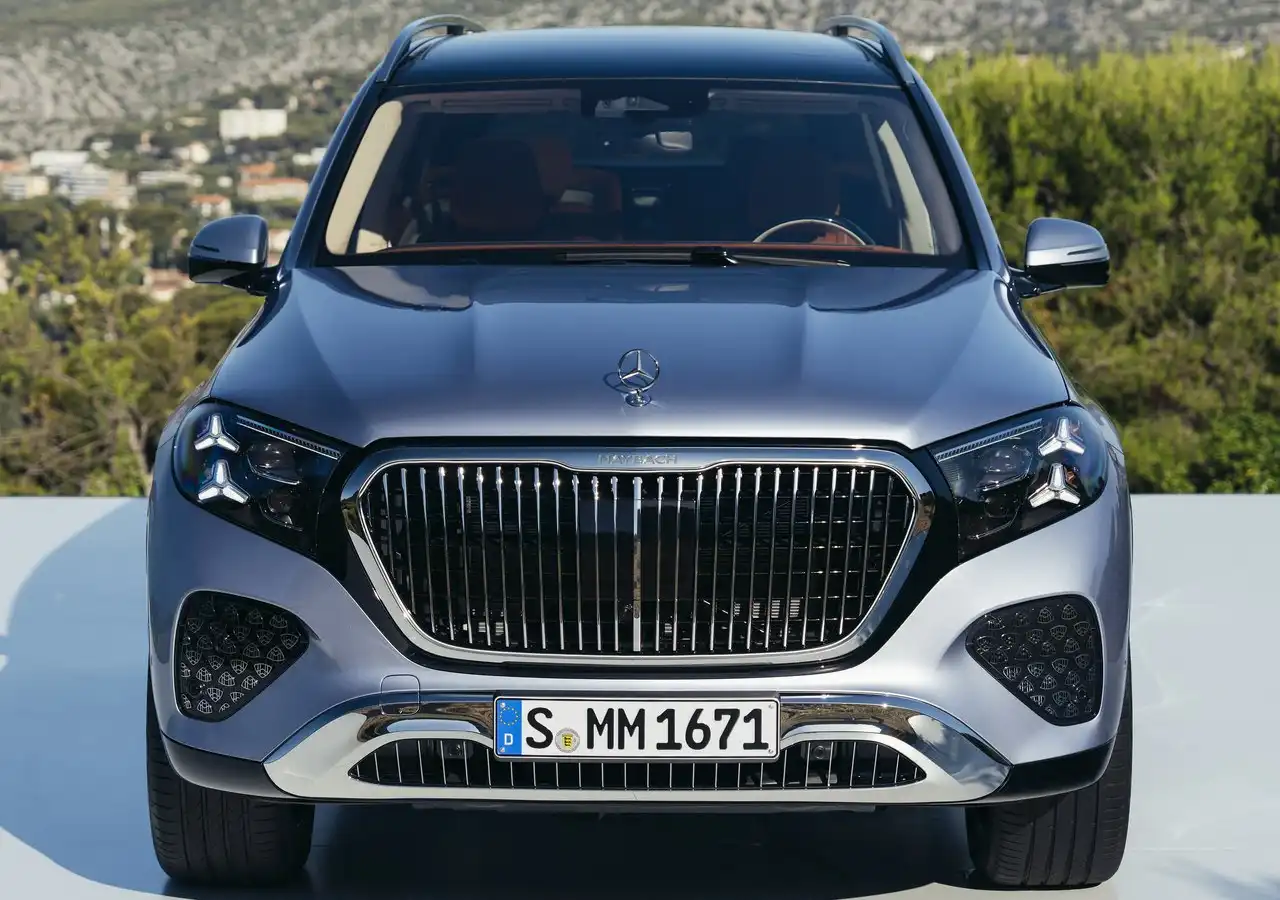
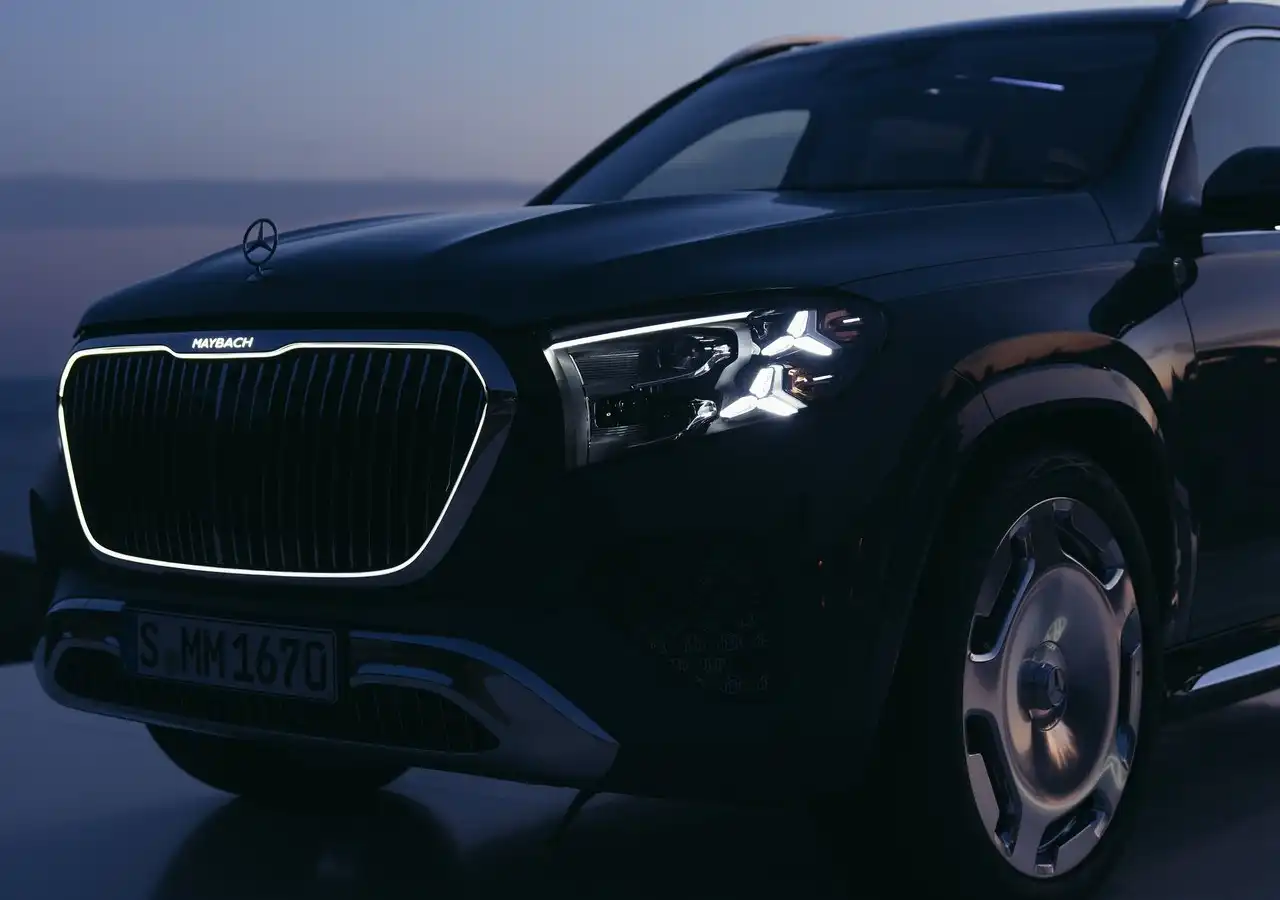
The GLS 680 keeps the familiar three-box SUV shape, but the front end now gets an illuminated grille, a lit Maybach emblem, and an illuminated Mercedes star — details the brand hasn’t offered before.
Along the sides, the standout feature is the wheels. Standard rims measure 22 inches, but buyers can step up to 23-inch wheels with a bearing-based hub that keeps the center-cap logo upright at all times, no matter how fast the wheel is spinning. It’s an expensive engineering flourish that does nothing for handling — it’s purely there to reinforce exclusivity.
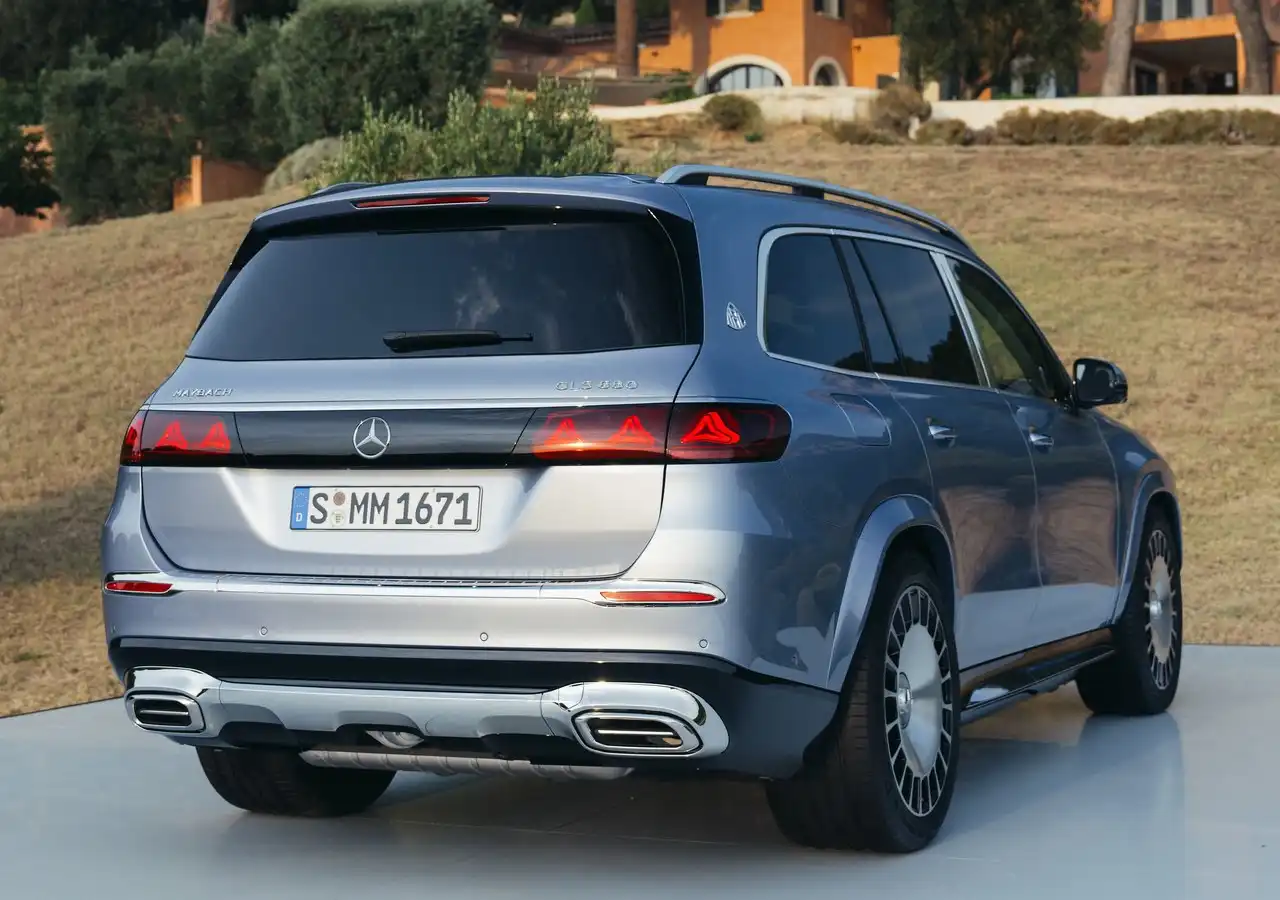
Around back and across the rest of the body, the GLS 680 picks up new styling cues, two-tone paint combinations, and unique monoblock wheel designs. Compared with the outgoing GLS 600, this is more of a refinement than a reinvention, which tracks with how Maybach tends to evolve an already well-established design rather than start over.
Triple Screens and Rose-Gold Trim Reinforce the Cabin’s Executive Feel
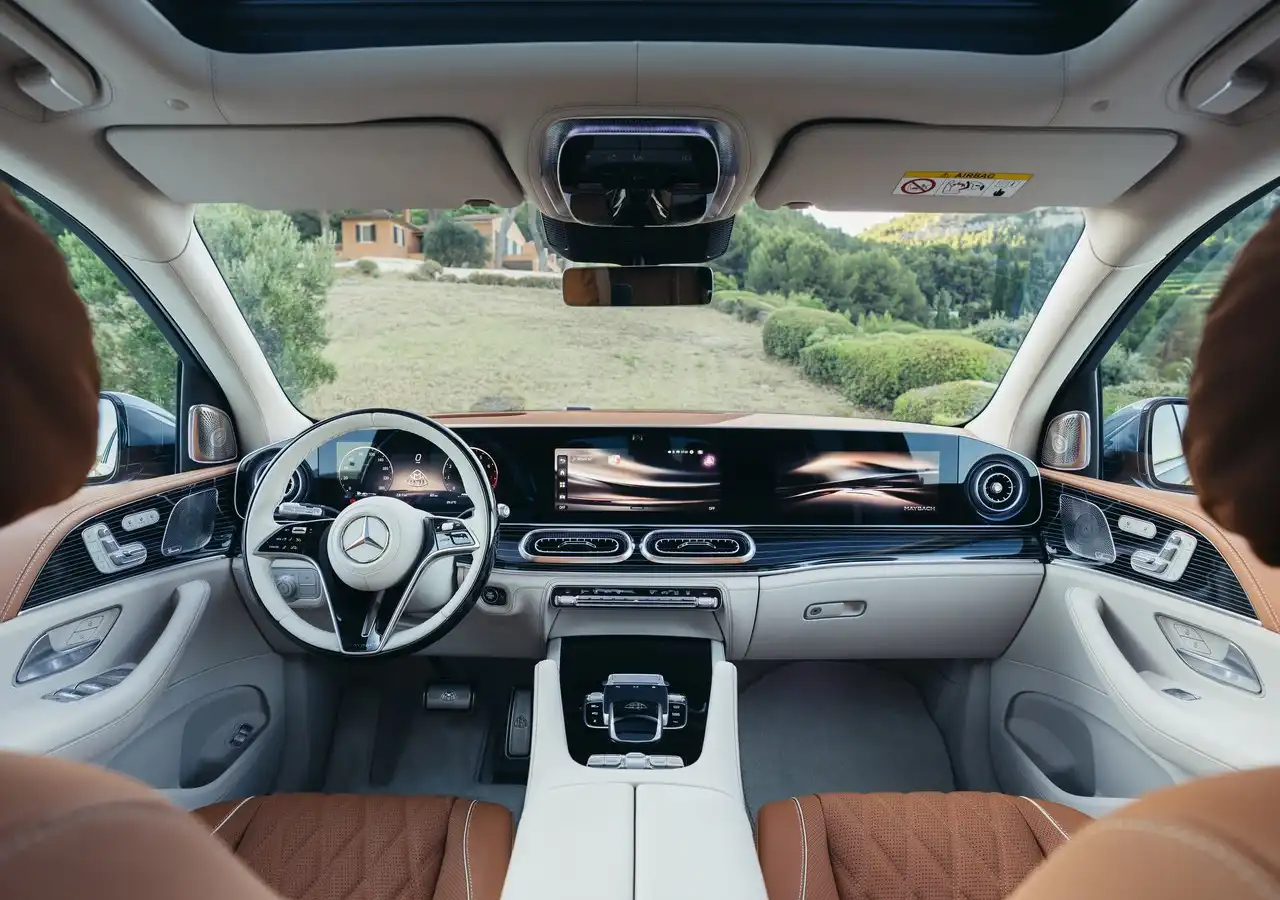
The dashboard is dominated by the MBUX Superscreen, a trio of 12.3-inch displays running the updated MB.OS software. It’s an architecture built to give front occupants their own dedicated information zone instead of relying on one shared central screen.
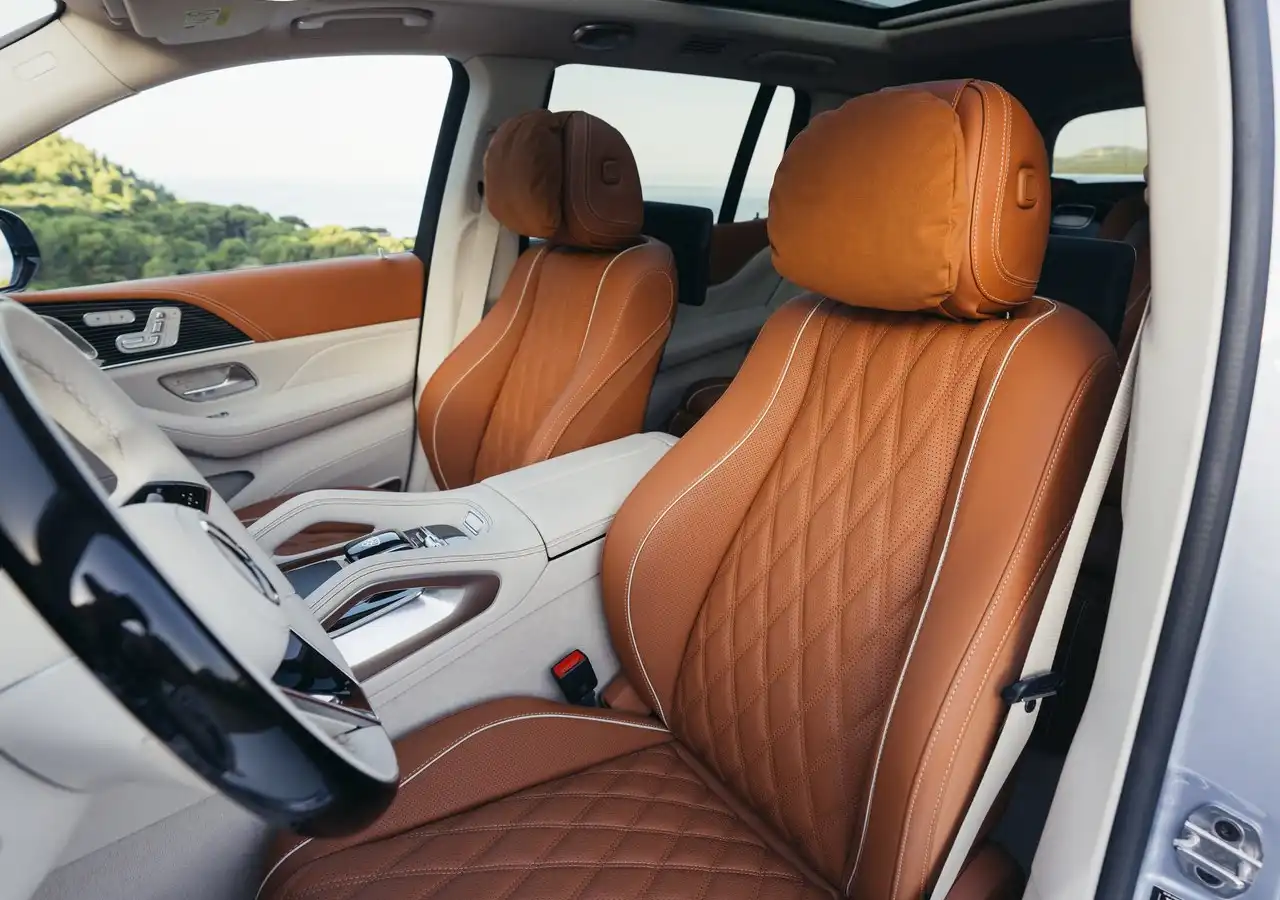
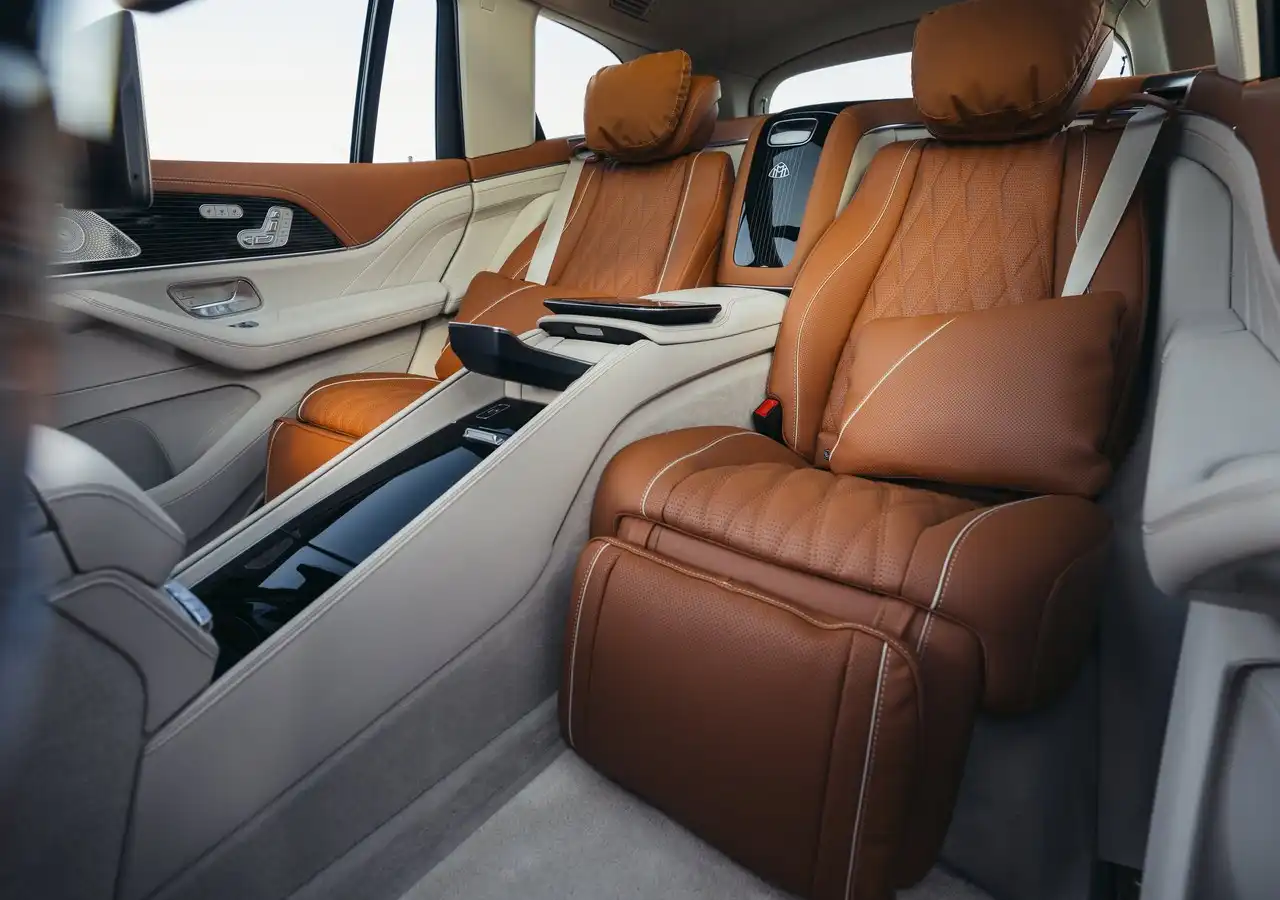
Trim work leans on rose-gold accents and new upholstery combinations, with extra attention paid to whoever’s sitting in back — a clear sign that Maybach still treats the rear bench, not the front seats, as the real focal point of this SUV.
Rear Screens, Burmester Sound, and a Trunk That Shrinks
Rear passengers can option in dual 11.6-inch HD screens, along with Executive Seats that add extended massage functions. Sound comes from a Burmester 3D Surround system with Dolby Atmos, 15 speakers, and a 710-watt amplifier — an upgrade of two extra speakers and more power over the setup on the previous model.
Driver-assist features include full-range adaptive cruise control, automated parking assistance, a 360-degree camera, and Rim Protection Warning, which flags potential wheel damage. Mercedes also confirms MB Drive Assist Pro is coming, offering point-to-point hands-free driving in select markets — though that feature isn’t confirmed everywhere yet.
The cabin’s biggest strength is exactly that rear-focused comfort package, including four-zone climate control, an available refrigerator, and folding rear tables depending on configuration. The real trade-off is that those same features — the fridge and the Executive Seats — eat into usable cargo room, making the GLS 680 less practical than other GLS trims if you actually need to haul cargo or a full family’s luggage.
What Changes When You Put Your Foot Down in the GLS 680
At the heart of the GLS 680 is a 4.0-liter twin-turbo V8, internally known as the M177 Evo, now electrified with a second-generation 48V integrated starter-generator. That system helps the combustion engine off the line and smooths out load spikes, which should translate to gentler throttle response in stop-and-go traffic.
In the U.S., combined output lands at 603 hp, with the electric motor contributing a 23-hp (17-kW) boost. European outlets cite the same setup as 612 PS (450 kW), with the identical 17-kW electric assist — the difference is just unit conversion, not hardware. The 627 lb-ft (850 Nm) torque figure is the number that matters most day to day: it should deliver strong highway passing power even in a heavy, full-size SUV.
Power routes through all four wheels via the 4MATIC+ system, referenced in international coverage, paired with a 9-speed automatic — a combination built to balance low-traction grip with smooth cruising shifts. Mercedes hasn’t confirmed 0-60 mph, top speed, or fuel economy yet, which makes it tough to judge real-world efficiency right now. Airmatic air suspension and the optional E-Active Body Control, which reduces body lean in corners, round out the chassis package, along with Curve mode, which can tilt the vehicle up to 3 degrees to cut the lateral forces passengers feel.
Does the Maybach GLS 680 Make Sense as a Purchase Right Now?
There’s no official MSRP for the 2027 GLS 680 yet. As a reference point, the outgoing Maybach GLS started at $181,350 in the U.S., including destination charge. Industry estimates put the 2027 model somewhere between $185,000 and $190,000, but that’s a market projection, not a confirmed number from Mercedes.
At that price point, the GLS 680 sits squarely against the Bentley Bentayga and Rolls-Royce Cullinan, both of which already have established pricing, financing programs, and resale data in the U.S. market. Buyers cross-shopping those two rivals will have a clearer picture of total cost of ownership until Mercedes locks in final numbers.
Insurance premiums and maintenance costs for the 2027 model aren’t published yet, but as a Market Estimate, expect both to land on the high end for the segment, given the cost of replacement parts for items like the Burmester audio system and the 23-inch wheels. Buyers considering a day-one purchase should also weigh that niche ultra-luxury SUVs like this one tend to see steeper early depreciation, which could favor shoppers willing to wait for the first used examples to hit the market. This SUV suits buyers who prioritize brand presence and rear-seat comfort over cargo versatility; anyone who needs a genuinely practical family hauler will likely be happier with a standard GLS trim instead.
Frequently Asked Questions About the 2027 Mercedes-Maybach GLS 680
How much horsepower does the Mercedes-Maybach GLS 680 have?
It makes 603 hp combined in the U.S., with the same powertrain rated at 612 PS (450 kW) in European markets.
How much does the 2027 Mercedes-Maybach GLS 680 cost?
Official pricing hasn’t been released. Estimates point to a range of $185,000 to $190,000, based on the outgoing model’s price.
Is the Mercedes-Maybach GLS 680 sold in the U.S.?
Yes — it’s a U.S. market vehicle, built in Tuscaloosa, Alabama, with dealer arrival expected later in 2026.
What’s different between the GLS 680 and the previous GLS 600?
The GLS 680 gets a more powerful engine, a new illuminated front end, a triple-screen MBUX Superscreen dashboard, and an updated sound and suspension package.
The Verdict
The GLS 680 is an emotional purchase, not a rational one — nobody buys a Maybach off a spreadsheet. It appeals to buyers who want to be driven, not to drive, and who’ll appreciate small touches like a wheel logo that never tilts.
It’s not the right pick for anyone who needs real cargo space or a versatile family SUV. And until Mercedes confirms pricing, fuel economy, and tested performance numbers, a full verdict has to wait.
This is an SUV built for the back seat, not the driver’s seat.
Would you pay north of $180,000 for an SUV before even knowing its real-world fuel economy?
Share this article

Por: Danniel Bittencourt
21/07/2026
Related posts