The Greatest JDM Cars Ever Built: A Complete Guide to Japanese Icons
From legendary Skylines to the wildest Supras ever built, discover the cars that turned JDM culture into a worldwide obsession, winning the hearts of millions of fans on the streets and on the track. Cars and vehicles.

Por: Danniel Bittencourt
09/05/2026
Legends of the Streets: The Ultimate Guide to JDM Icons
If you grew up around car culture in the 1990s and 2000s, you already know Japan created some of the most addictive machines ever built for the streets. It was never just about speed or horsepower, it was about character. Every model had its own unique identity, and many of these legendary cars are still worth a fortune today, highly desired by collectors and enthusiasts around the world.
| Car | Power |
|---|---|
| Nissan Skyline GT-R R34 | 280 hp |
| Nissan Silvia S15 | 250 hp |
| Nissan 180SX | 205 hp |
| Nissan Fairlady Z 300ZX | 300 hp |
| Datsun 240Z | 151 hp |
| Toyota Supra MK4 | 320 hp |
| Toyota AE86 Trueno / Toyota AE86 Levin | 130 hp |
| Toyota Chaser JZX100 | 280 hp |
| Toyota MR2 SW20 | 245 hp |
| Toyota Celica GT-Four ST205 | 255 hp |
| Honda NSX | 274 to 290 hp |
| Honda Civic Type R EK9 | 185 hp |
| Honda Integra Type R DC2 | 200 hp |
| Honda S2000 | 240 hp |
| Mazda RX-7 FC3S | 200 hp |
| Mazda RX-7 FD3S | 255 to 280 hp |
| Mazda MX-5 Miata NA | 115 to 130 hp |
| Mitsubishi Lancer Evolution VI / Mitsubishi Lancer Evolution IX | 280 hp |
| Subaru Impreza WRX STI GC8 | 280 hp |
| Mitsubishi 3000GT | 320 hp |
| Suzuki Cappuccino | 64 hp |
| Honda Beat | 64 hp |
| Subaru BRZ / Toyota 86 | 200 hp |
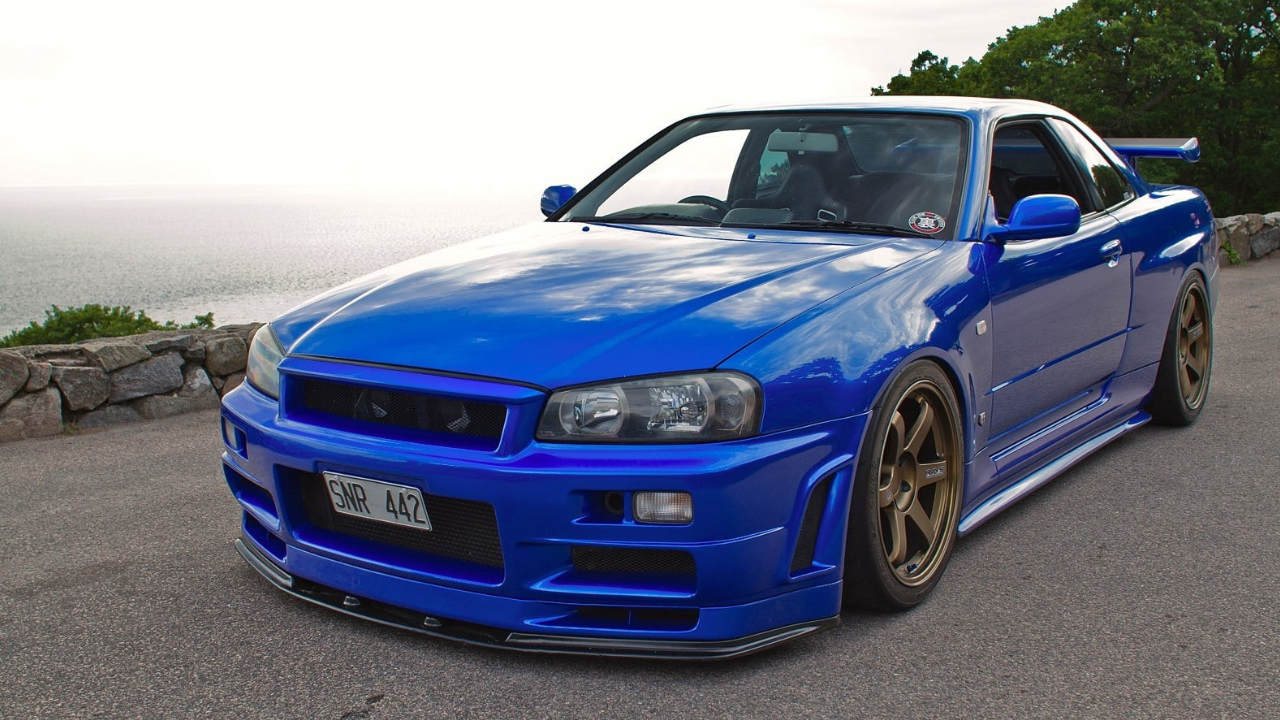
Nissan Skyline GT-R (R34)
There are cars people talk about, and then there are cars people tattoo on their arms. The R34 GT-R belongs firmly in the second category.
The “Godzilla” nickname is no exaggeration. This thing genuinely devours whatever shows up in front of it. The heart of the R34 is the RB26DETT — a 2.6-liter twin-turbocharged inline-six that Nissan conservatively rated at 280 hp from the factory. Real-world output was closer to 320 hp stock, and the cast-iron block is famously capable of handling well over triple that figure with the right build. That kind of bottom-end strength is exactly why the RB26 is still considered one of the greatest performance engines ever produced.
The advanced ATTESA E-TS all-wheel-drive system and rear-wheel steering via HICAS made the car corner in ways that felt physically unfair for something this size. Precise, planted, and viciously fast through technical sections.
It got worldwide exposure through The Fast and the Furious franchise, but Japanese enthusiasts already knew what they had long before Hollywood caught on. Import restrictions in certain markets, particularly the 25-year rule in the United States, have only added to the mystique. A clean R34 GT-R today is the automotive equivalent of a blue-chip investment.
Specs
- Engine: 2.6L Inline-6 Twin-Turbo (RB26DETT)
- Power: 280 hp (factory rated) / est. 320+ hp actual
- Torque: 289 lb-ft
- Transmission: 6-speed manual
- Drivetrain: AWD (ATTESA E-TS)
- 0–60 mph: ~4.9 seconds
- Top Speed: 155 mph (factory limited)
- Weight: 3,439 lbs
- Rarity: Extremely High
- Market Value: $150,000 – $500,000+
Nissan Silvia (S15)
If there’s one car that defines the art of drifting, it’s the S15 Silvia. Released exclusively in the Japanese domestic market in 1999, it combined an aggressive, clean design with a chassis built from the ground up for sideways driving.
The engine is the legendary SR20DET — a 2.0-liter turbocharged four-cylinder known for crisp throttle response and near-endless tunability. D1 Grand Prix professionals ran the S15 as their platform of choice for good reason: it does exactly what you ask, every single time.
Light weight, a communicative chassis, and a factory-equipped mechanical limited-slip differential make the S15 a drift specialist that never gets old. It’s rare, it’s purpose-built, and it’s one of the most respected platforms in the entire JDM world.
Specs
- Engine: 2.0L Inline-4 Turbo (SR20DET)
- Power: 250 hp
- Torque: 203 lb-ft
- Transmission: 6-speed manual
- Drivetrain: RWD
- 0–60 mph: ~5.5 seconds
- Top Speed: 146 mph
- Weight: 2,756 lbs
- Rarity: High
- Market Value: $40,000 – $80,000
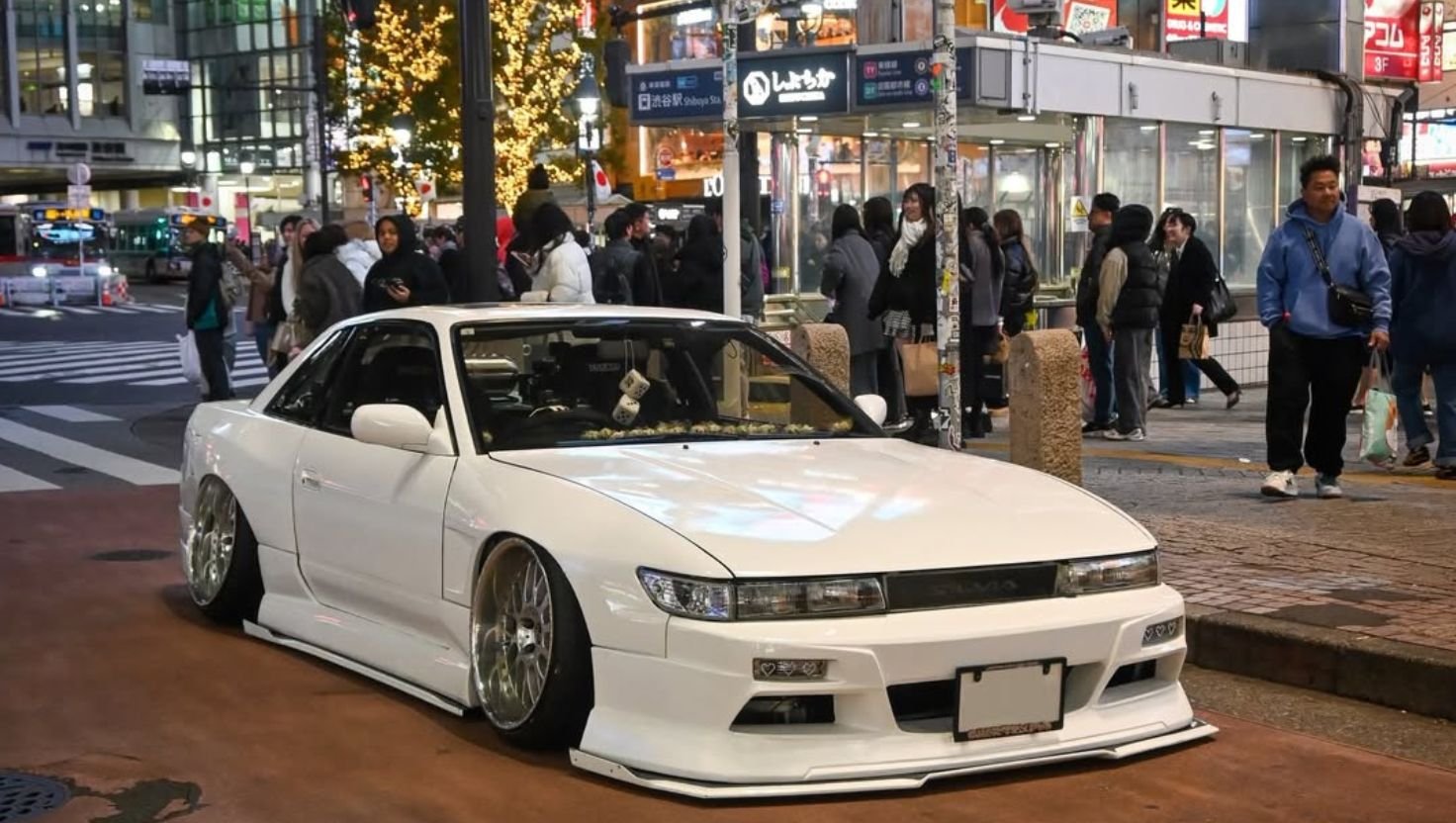
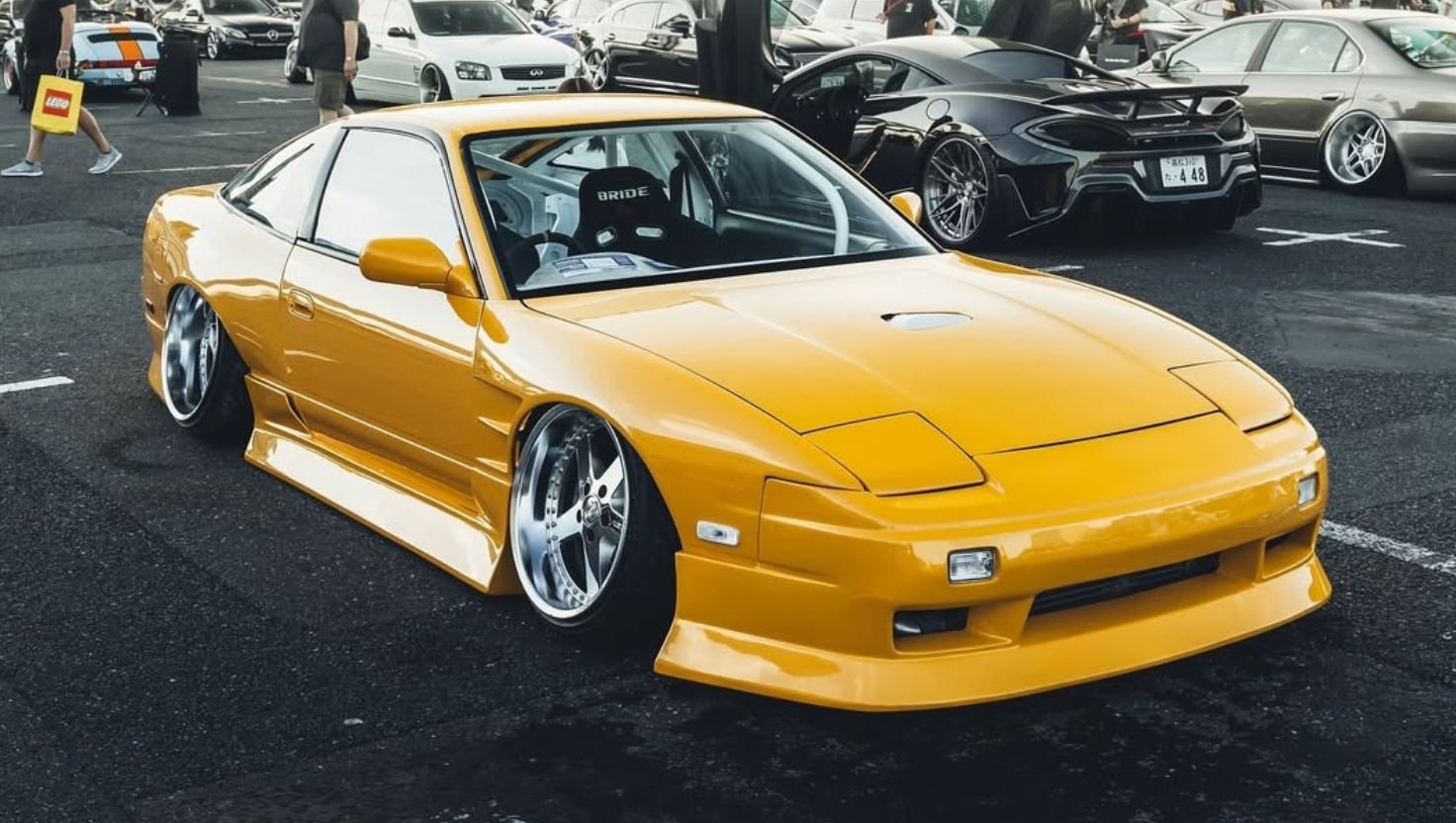
Nissan 180SX (RPS13)
The 180SX shares its platform with the iconic Silvia S13, but it has its own identity. The retractable pop-up headlights and fastback roofline give it a style that’s unmistakably its own before you even hear the engine start.
On the streets of Japan and in the mountain touge passes, the 180SX became a legend through sheer practicality — lightweight, rear-wheel drive, and endlessly customizable. It accepts a huge range of aesthetic and mechanical modifications, including the famous “Sileighty” conversion, where the front clip of a Silvia gets grafted onto the 180SX body.
With the SR20DET under the hood, it was the first drift car for a generation of professional drivers. Affordable when new, durable enough to survive abuse, and iconic enough to remain a pillar of JDM culture decades later.
Specs
- Engine: 2.0L Inline-4 Turbo (SR20DET)
- Power: 205 hp
- Torque: 203 lb-ft
- Transmission: 5-speed manual
- Drivetrain: RWD
- 0–60 mph: ~6.1 seconds
- Top Speed: 143 mph
- Weight: 2,690 lbs
- Rarity: Medium
- Market Value: $20,000 – $40,000
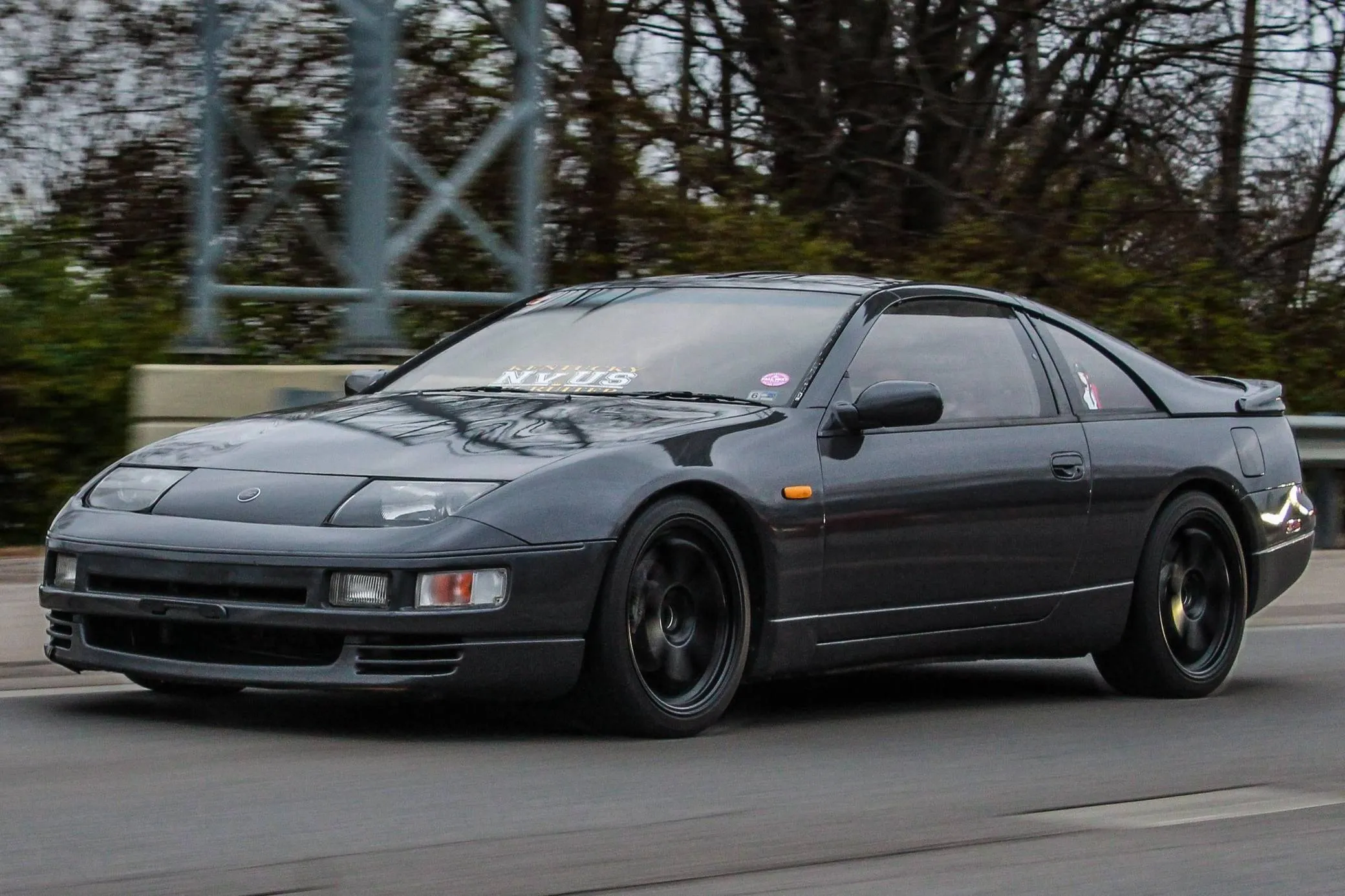
Nissan Fairlady Z (300ZX – Z32)
In the early ’90s, Nissan decided to go toe-to-toe with the best European sports cars on the market. The result was the 300ZX Z32, and it made a strong case.
The wide, low, futuristic body turned heads everywhere, but the tech underneath was what truly set it apart. The VG30DETT — a twin-turbocharged 3.0-liter V6 — delivered serious performance. Add four-wheel steering via the Super HICAS system, electronically adjustable suspension, and a genuinely luxurious interior, and you had a car that operated more like a Japanese Grand Tourer than a typical sports car.
All that complexity made it a nightmare for shade-tree mechanics, but it also cemented a legacy as one of the most ambitious Japanese performance cars of its era. Finding a well-maintained Z32 today is getting harder, and prices reflect that.
Specs
- Engine: 3.0L Twin-Turbo V6 (VG30DETT)
- Power: 300 hp
- Torque: 283 lb-ft
- Transmission: 5-speed manual
- Drivetrain: RWD
- 0–60 mph: ~5.6 seconds
- Top Speed: 155 mph (limited)
- Weight: 3,484 lbs
- Rarity: Medium
- Market Value: $25,000 – $55,000

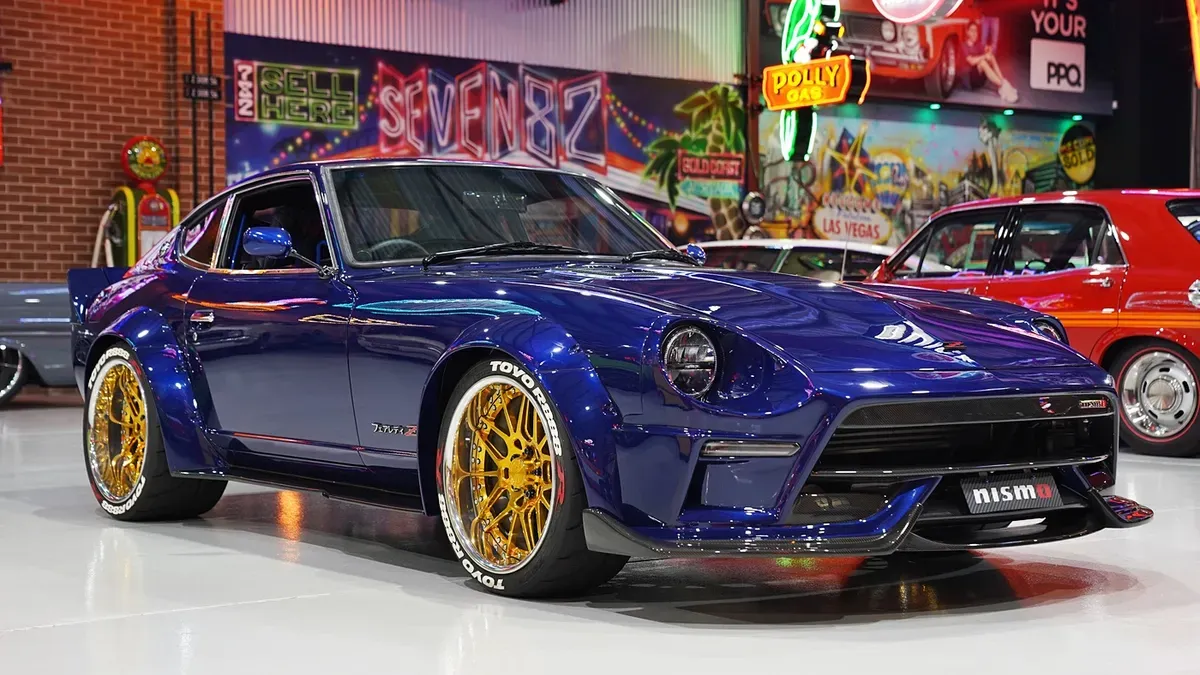
Datsun 240Z (Fairlady Z – S30)
Before the 240Z, the global perception of Japanese cars was simple: cheap, practical, and forgettable. The S30 rewrote that story completely.
Launched in the early 1970s, the Datsun 240Z arrived with a design that turned every head on the road — long hood, reclined cabin, flowing lines clearly inspired by European sports cars of the era. But it sold for a fraction of the price. The 2.4-liter inline-six L24 engine produced a distinctive, raspy exhaust note and delivered real agility thanks to the featherweight body.
This is the car that put Japanese performance on the global map. Today, clean examples command six-figure prices at auction, and collector interest from the American market especially keeps pushing values higher. A true cornerstone of automotive history.
Specs
- Engine: 2.4L Inline-6 (L24)
- Power: 151 hp
- Torque: 146 lb-ft
- Transmission: 4 or 5-speed manual
- Drivetrain: RWD
- 0–60 mph: ~8.0 seconds
- Top Speed: 125 mph
- Weight: 2,355 lbs
- Rarity: High
- Market Value: $40,000 – $100,000+
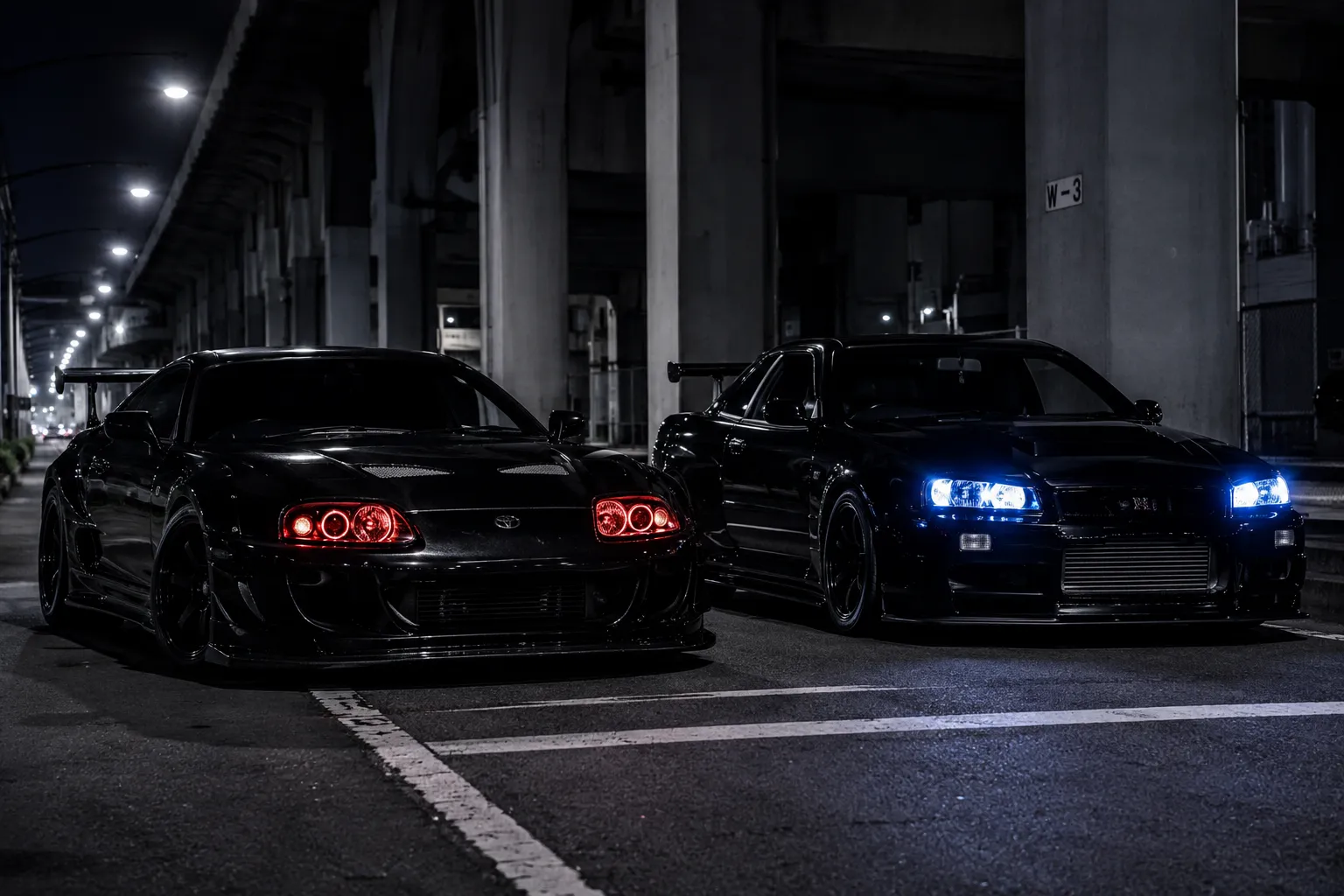
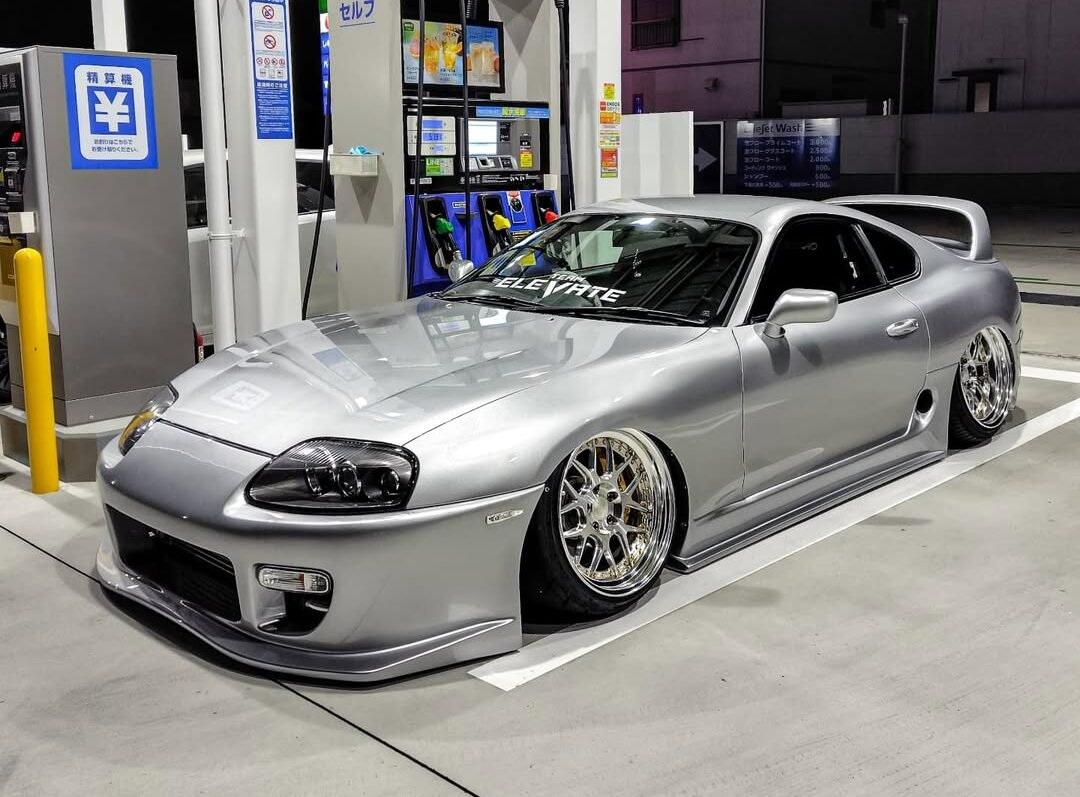
Toyota Supra MK4 (A80)
There are cars that become legends through performance, and then there are cars that become legends through their engines. The MK4 Supra earned its reputation the hard way — through the 2JZ-GTE.
The 2JZ-GTE is a 3.0-liter twin-turbocharged inline-six with a cast-iron block. That’s the key detail. Cast iron means it handles extreme pressure without cracking, which is exactly why 1,000-hp builds running stock internals are documented regularly in the tuner community. It’s not hype. It’s engineering that ages like fine wine.
The car’s cultural explosion happened through The Fast and the Furious, but gearheads already knew. Today, a clean MK4 Supra with a manual transmission isn’t just a sports car — it’s a financial asset that keeps appreciating. One of the few modern classics that genuinely earns that title.
Specs
- Engine: 3.0L Inline-6 Twin-Turbo (2JZ-GTE)
- Power: 320 hp
- Torque: 315 lb-ft
- Transmission: 6-speed manual (Getrag)
- Drivetrain: RWD
- 0–60 mph: ~4.6 seconds
- Top Speed: 155 mph (limited)
- Weight: 3,417 lbs
- Rarity: Extremely High
- Market Value: $80,000 – $200,000+
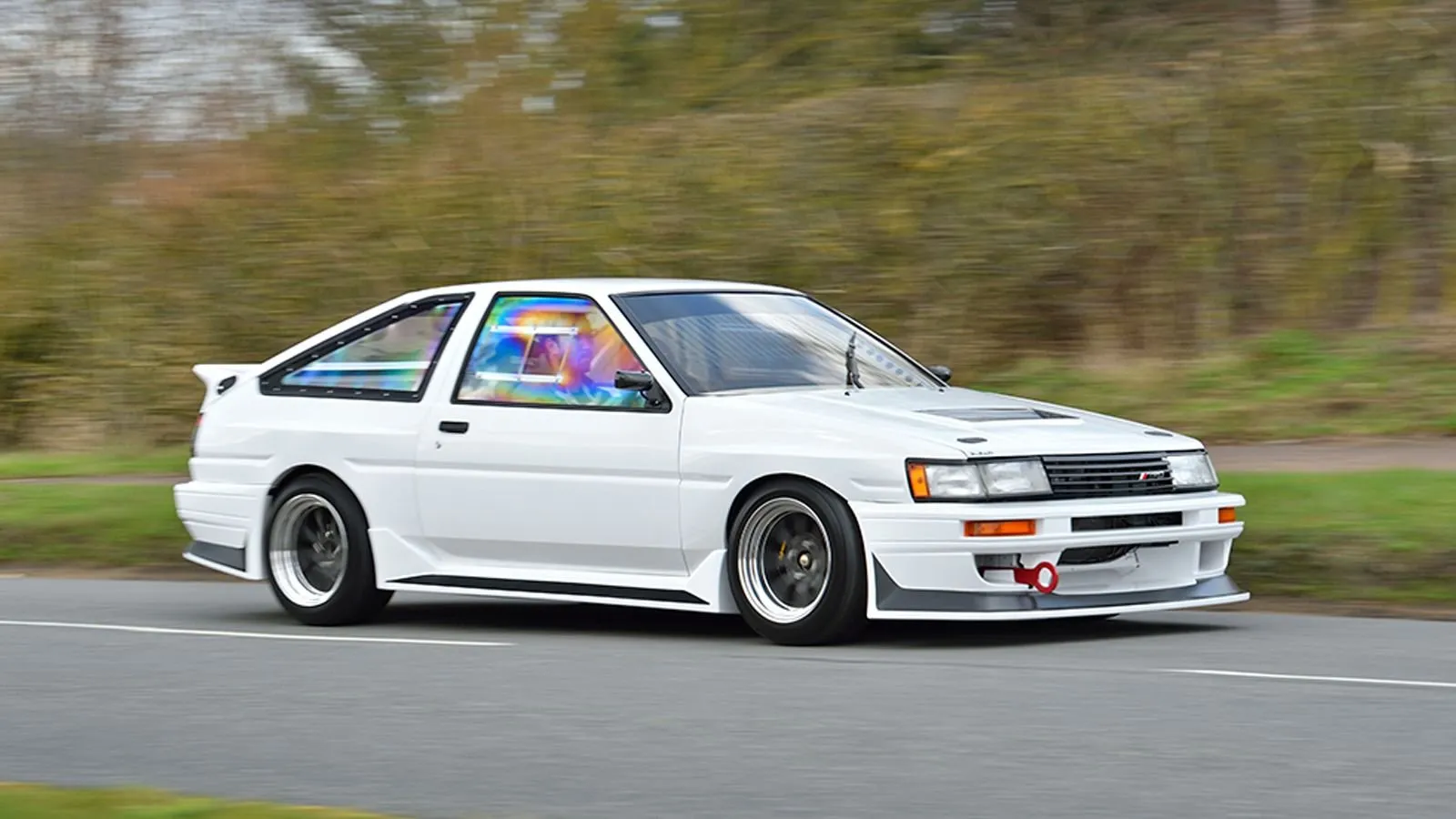
Toyota AE86 (Trueno / Levin)
On paper, the AE86 doesn’t impress anyone. 130 hp, 2,138 lbs, naturally aspirated 1.6-liter engine. Modest numbers by any standard.
But drive one and you immediately understand why it’s legendary. The “Hachi-Roku” is pure driver feedback. Balanced chassis, rear-wheel drive, minimal weight, and a 4A-GE engine that revs hard and sounds fantastic doing it. The connection between driver and machine is something modern cars, with all their electronic assists, simply can’t replicate.
The manga and anime Initial D turned the AE86 into a global cultural icon. But long before that, it was already the car that taught a generation of Japanese drivers how to drift on mountain passes. A legend that needs no introduction.
Specs
- Engine: 1.6L Inline-4 DOHC Naturally Aspirated (4A-GE)
- Power: 130 hp
- Torque: 109 lb-ft
- Transmission: 5-speed manual
- Drivetrain: RWD
- 0–60 mph: ~8.5 seconds
- Top Speed: 121 mph
- Weight: 2,138 lbs
- Rarity: High
- Market Value: $25,000 – $50,000
Toyota Chaser (JZX100)
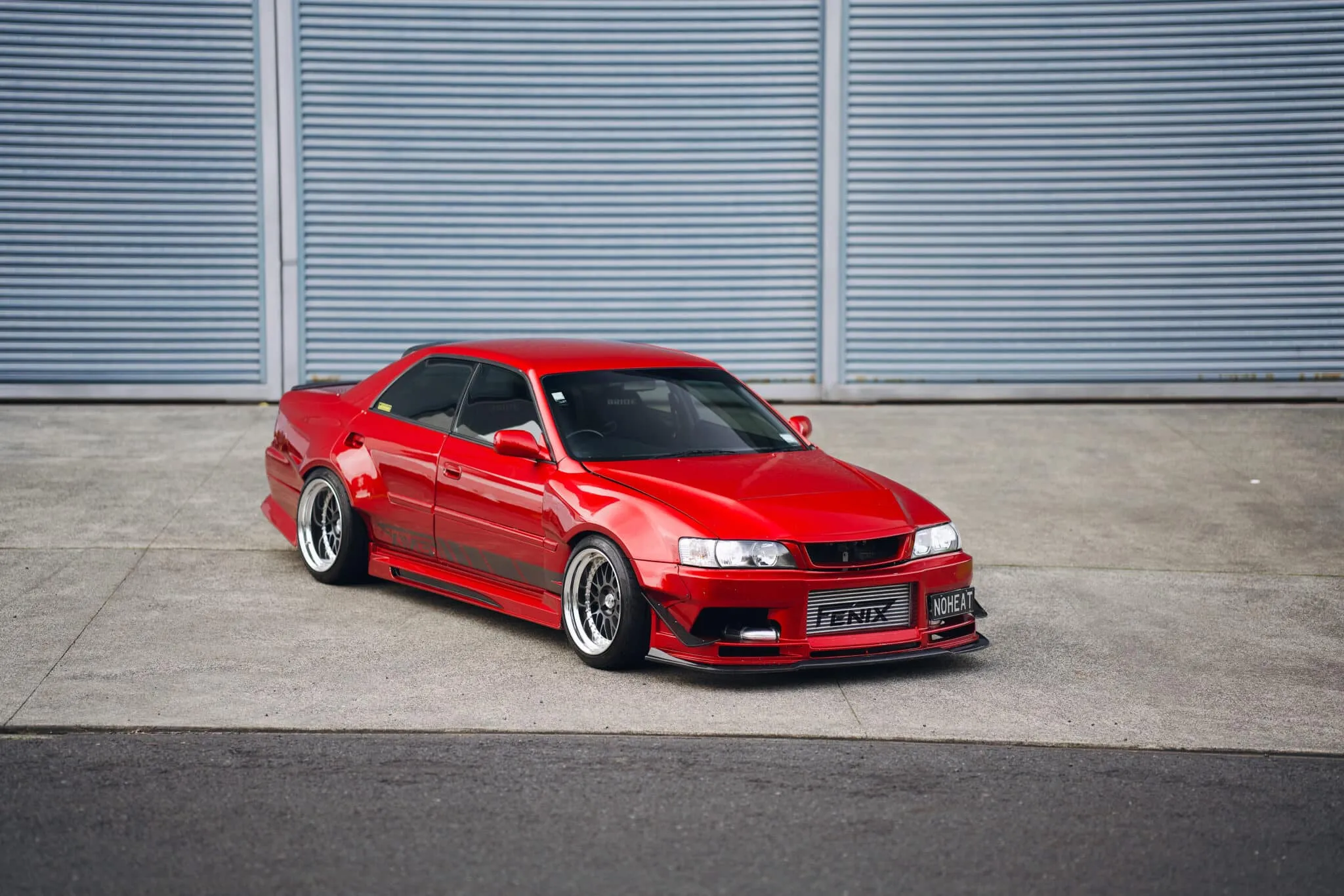
From the outside, it looks like a corporate executive sedan. Plush velour seats, conservative styling, four doors. Nothing that screams performance.
Pop the hood and you find the 1JZ-GTE — a turbocharged 2.5-liter inline-six that shares its DNA directly with the Supra’s 2JZ family. The Chaser JZX100 is the textbook definition of a sleeper, wide enough to stay planted, powerful enough to hold long drifts, and comfortable enough to drive to the office on Monday morning.
In Japan it was attainable. In the U.S. and Western markets, it became a cult object as enthusiasts discovered what was hiding under that understated body. Prices have climbed steadily over the past decade, and they’re not coming back down.
Specs
- Engine: 2.5L Inline-6 Turbo (1JZ-GTE)
- Power: 280 hp
- Torque: 275 lb-ft
- Transmission: 5-speed manual
- Drivetrain: RWD
- 0–60 mph: ~5.6 seconds
- Top Speed: 149 mph
- Weight: 3,197 lbs
- Rarity: Medium (High in Western markets)
- Market Value: $20,000 – $45,000
Toyota MR2 (SW20)
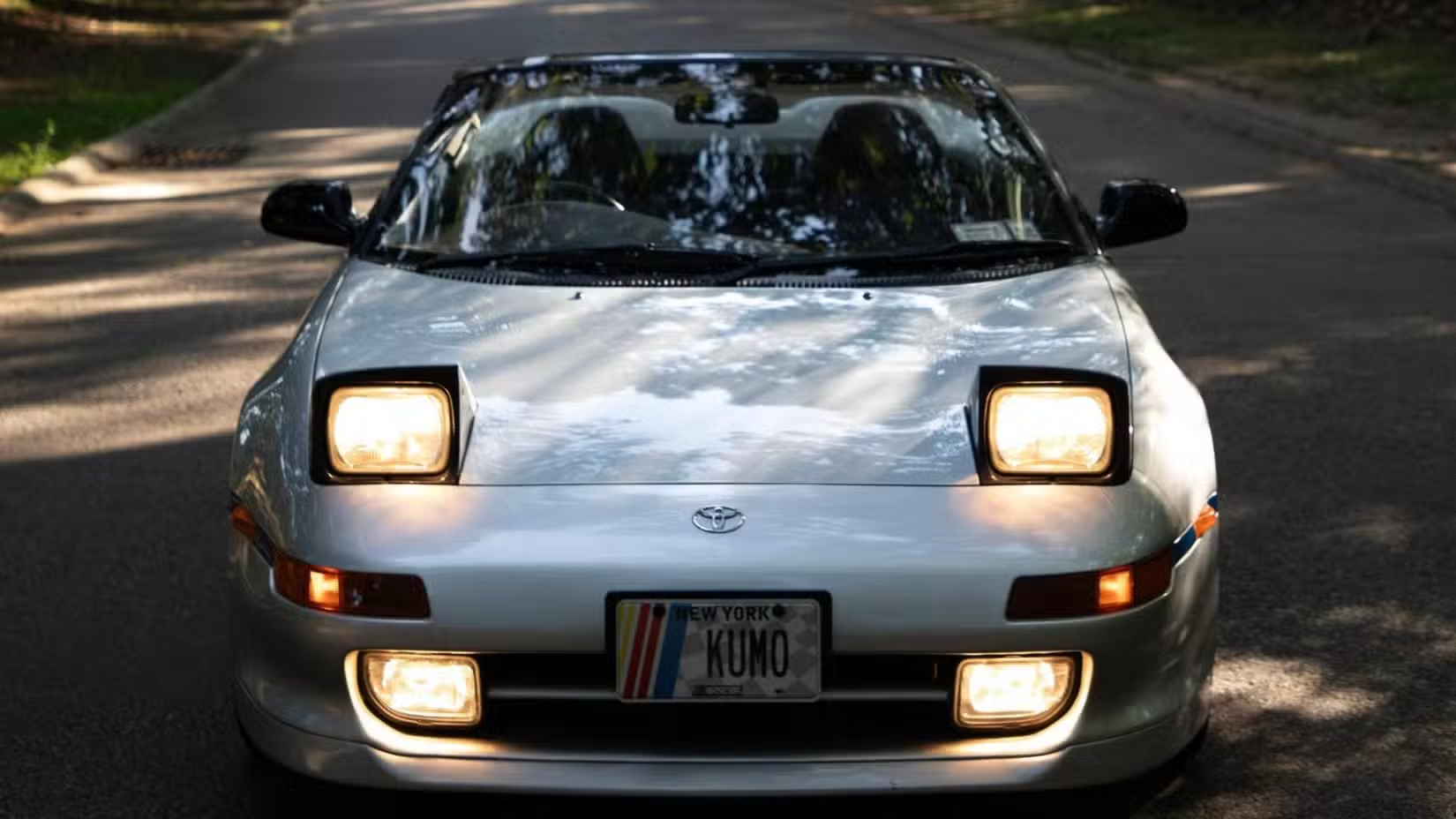
The “poor man’s Ferrari” nickname is a stretch, but it’s not hard to see where it comes from. Italian-influenced lines, deep side air intakes, pop-up headlights, and a mid-engine rear-wheel-drive layout. Toyota clearly looked at what Maranello was doing and took notes.
The SW20 runs the 3S-GTE — a turbocharged 2.0-liter four-cylinder mounted behind the driver. With the weight centered and bias toward the rear, the car demands respect through corners. The snap oversteer tendency is real, and anyone who underestimates it will remind you quickly. But master the dynamics and you have one of the most engaging, involving sports car experiences Japan has ever produced.
Specs
- Engine: 2.0L Inline-4 Turbo (3S-GTE)
- Power: 245 hp
- Torque: 224 lb-ft
- Transmission: 5-speed manual
- Drivetrain: RWD, Mid-Engine
- 0–60 mph: ~5.8 seconds
- Top Speed: 149 mph
- Weight: 2,822 lbs
- Rarity: Medium
- Market Value: $15,000 – $35,000
Toyota Celica GT-Four (ST205)
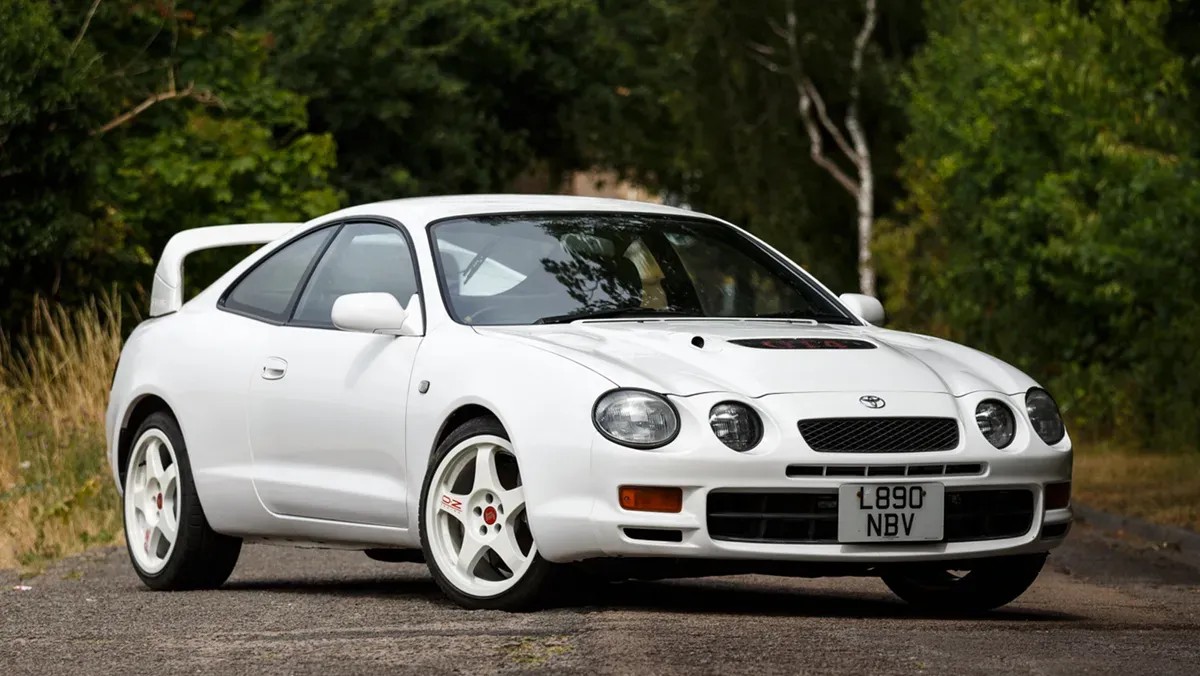
The ST205 wasn’t built for the street. It was built to win rallies, and it was engineered with that singular purpose written into every component.
Toyota developed the GT-Four specifically for World Rally Championship competition in the mid-’90s, and its results on stage proved the work was done right. The 3S-GTE turbo engine paired with an advanced all-wheel-drive system gave drivers the traction and power delivery needed for loose gravel, packed snow, and everything in between. Those oversized front air ducts and the visible intercooler mounted above the engine aren’t styling choices — they’re functional requirements for sustained high-output performance.
A legitimate rally weapon that’s now a serious collector piece.
Specs
- Engine: 2.0L Inline-4 Turbo (3S-GTE)
- Power: 255 hp
- Torque: 224 lb-ft
- Transmission: 5-speed manual
- Drivetrain: AWD
- 0–60 mph: ~5.9 seconds
- Top Speed: 152 mph
- Weight: 3,064 lbs
- Rarity: Medium-High
- Market Value: $25,000 – $45,000
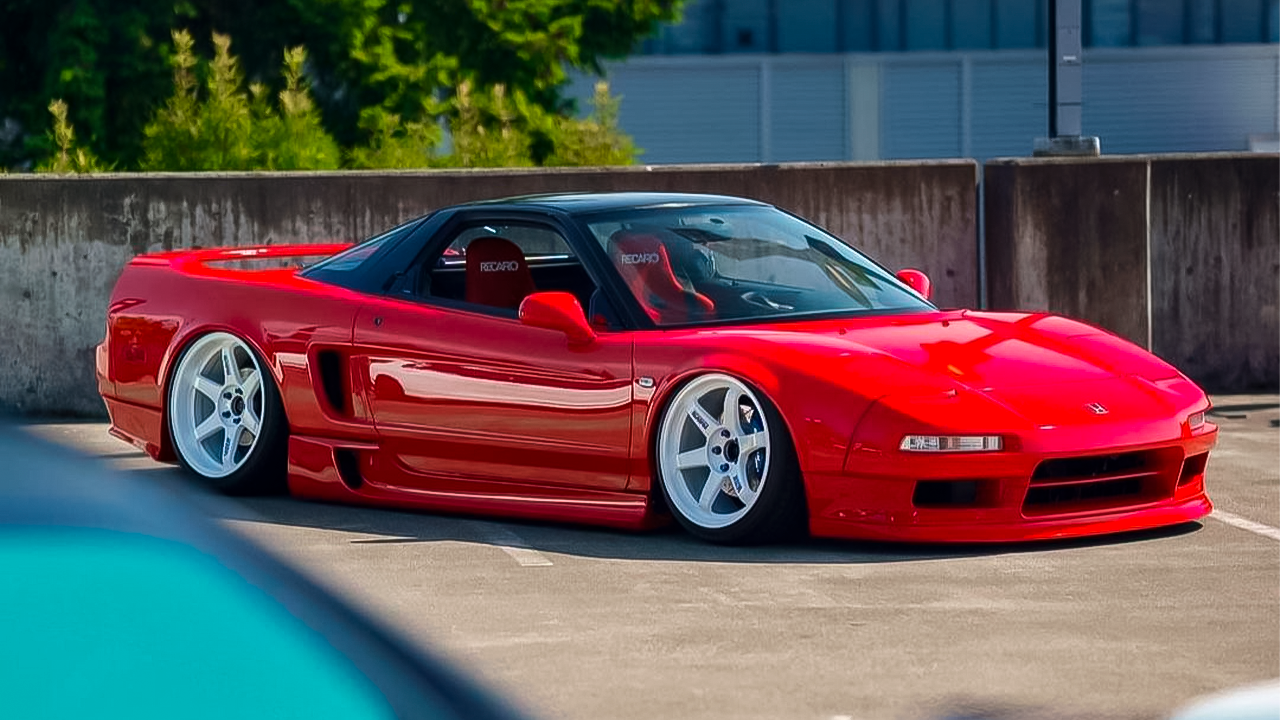
Honda NSX (NA1/NA2)
Honda set out to prove a specific point with the NSX: that you could build a supercar that was reliable enough for daily driving, accessible enough to maintain, and precise enough to humble Italian exotics that cost twice as much.
Ayrton Senna personally calibrated the suspension during development, flagging areas where the car needed improvement before it ever reached production. The result was an all-aluminum chassis that cut weight dramatically, a naturally aspirated V6 mounted mid-rear, and a VTEC system that unlocked the engine’s full character above 6,000 rpm — screaming toward 8,000 with a sound unlike anything else on the road.
No turbocharger. No forced induction. Just mechanical precision taken to its logical extreme. One of Japan’s greatest engineering achievements, full stop.
Specs
- Engine: 3.0L or 3.2L Naturally Aspirated V6 (C30A / C32B)
- Power: 274 – 290 hp
- Torque: 224 lb-ft
- Transmission: 5 or 6-speed manual
- Drivetrain: RWD, Mid-Engine
- 0–60 mph: ~5.7 seconds
- Top Speed: 168 mph
- Weight: 3,021 lbs
- Rarity: Extremely High
- Market Value: $80,000 – $150,000+
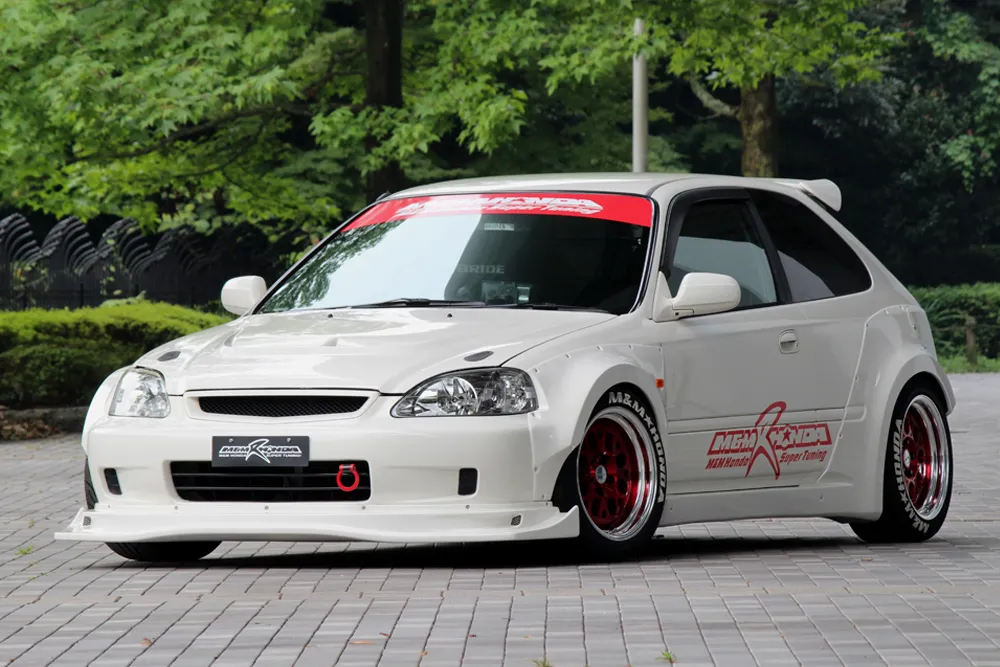
Honda Civic Type R (EK9)
The EK9 makes a point without raising its voice. No turbo, no forced induction — just a 1.6-liter naturally aspirated B16B revving to 8,200 rpm and delivering nearly 185 hp. Those numbers only make sense when you understand what Honda’s VTEC system does at the top of the rev range.
Honda stripped the car down methodically. Sound deadening removed. Thinner glass. Factory mechanical limited-slip differential installed from the factory floor. Every decision was about losing weight and sharpening response. On a tight track, the EK9 embarrasses cars with far more power.
It’s a masterclass in doing more with less — and one of the most respected front-wheel-drive performance cars ever built.
Specs
- Engine: 1.6L Inline-4 DOHC VTEC (B16B)
- Power: 185 hp
- Torque: 118 lb-ft
- Transmission: 5-speed manual
- Drivetrain: FWD
- 0–60 mph: ~6.7 seconds
- Top Speed: 140 mph
- Weight: 2,315 lbs
- Rarity: High
- Market Value: $30,000 – $60,000

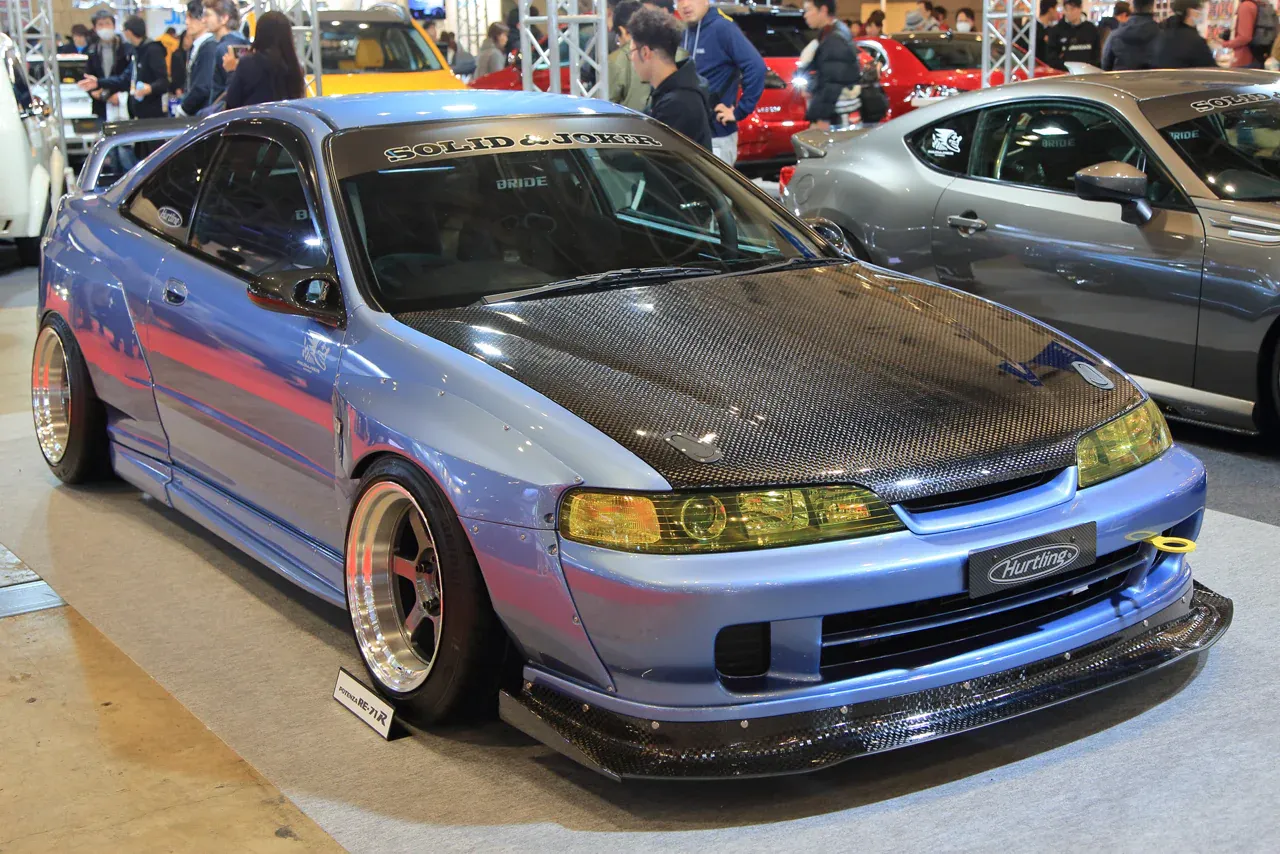
Honda Integra Type R (DC2)
If there’s a definitive all-time title for best front-wheel-drive sports car ever built, the DC2 Integra Type R is the standing champion. Nobody seriously disputes it.
Honda’s engineers hand-assembled these engines. Intake ports were hand-polished for optimized airflow. Heavy carpets, thick glass, and sound insulation were pulled out at the factory level — not as an afterthought, but as a deliberate engineering decision. The B18C 1.8-liter naturally aspirated VTEC engine in full JDM spec makes 200 hp and transforms completely when the cam profile switches above 5,500 rpm.
On a technical circuit, the DC2 is surgical. Examples in genuine factory condition are increasingly rare and priced accordingly.
Specs
- Engine: 1.8L Inline-4 DOHC VTEC (B18C)
- Power: 200 hp (JDM spec)
- Torque: 134 lb-ft
- Transmission: 5-speed manual
- Drivetrain: FWD
- 0–60 mph: ~6.5 seconds
- Top Speed: 145 mph
- Weight: 2,381 lbs
- Rarity: High
- Market Value: $35,000 – $75,000
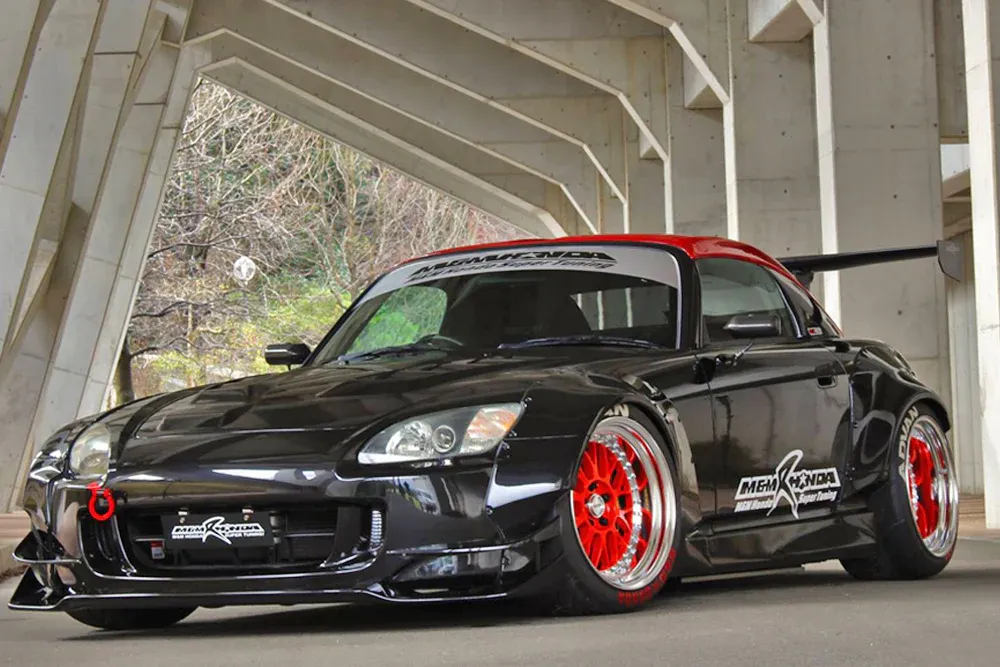
Honda S2000 (AP1/AP2)
Built to celebrate Honda’s 50th anniversary, the S2000 is a roadster that never tried to be anything else. Two seats, a retractable soft top, longitudinal front-mounted engine, rear-wheel drive. A classic formula executed with precision.
The F20C 2.0-liter naturally aspirated engine was a world record holder for specific output at the time of launch — and it revs to 9,000 rpm. The close-ratio six-speed shifter is one of the best manual gearboxes ever bolted to a production car. Any enthusiast who’s driven one will tell you the same thing.
50/50 weight distribution. Direct steering. An honest machine from start to finish.
Specs
- Engine: 2.0L or 2.2L Inline-4 DOHC VTEC (F20C / F22C)
- Power: 240 hp
- Torque: 162 lb-ft
- Transmission: 6-speed manual
- Drivetrain: RWD
- 0–60 mph: ~6.2 seconds
- Top Speed: 150 mph
- Weight: 2,756 lbs
- Rarity: Medium-High
- Market Value: $30,000 – $70,000
Mazda RX-7 (FC3S)
The FC3S arrived in the mid-’80s with angular styling that drew comparisons to the Porsche 944 — and an engine that had no pistons. Literally.
The 13B-T rotary uses triangular rotors spinning inside oval chambers. No connecting rods, no conventional valves, no reciprocating mass. The result is a compact, lightweight engine with a turbine-smooth power delivery that feels unlike anything with a traditional combustion setup. Turbocharged, it produced 200 hp in a remarkably small and light package.
Its role as a key antagonist in Initial D amplified its cultural standing across the JDM community. Finding a clean, well-maintained FC3S today requires patience — and the prices match that difficulty.
Specs
- Engine: 1.3L 2-Rotor Wankel Turbo (13B-T)
- Power: 200 hp
- Torque: 196 lb-ft
- Transmission: 5-speed manual
- Drivetrain: RWD
- 0–60 mph: ~6.7 seconds
- Top Speed: 148 mph
- Weight: 2,888 lbs
- Rarity: Medium-High
- Market Value: $20,000 – $40,000
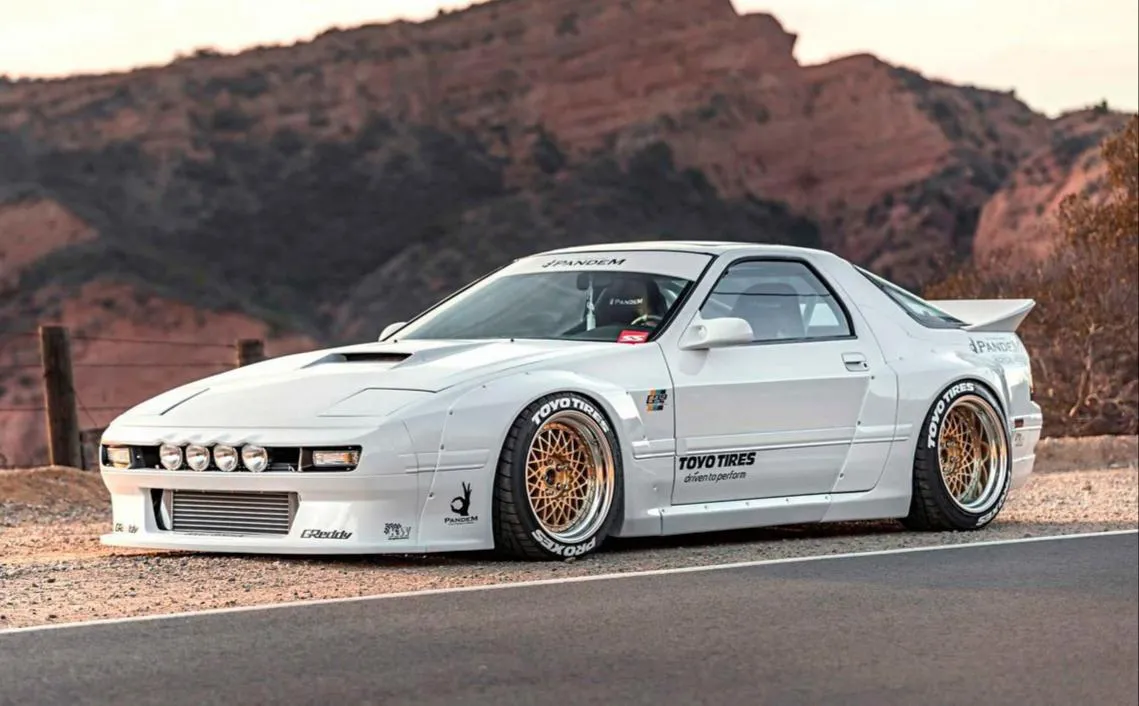
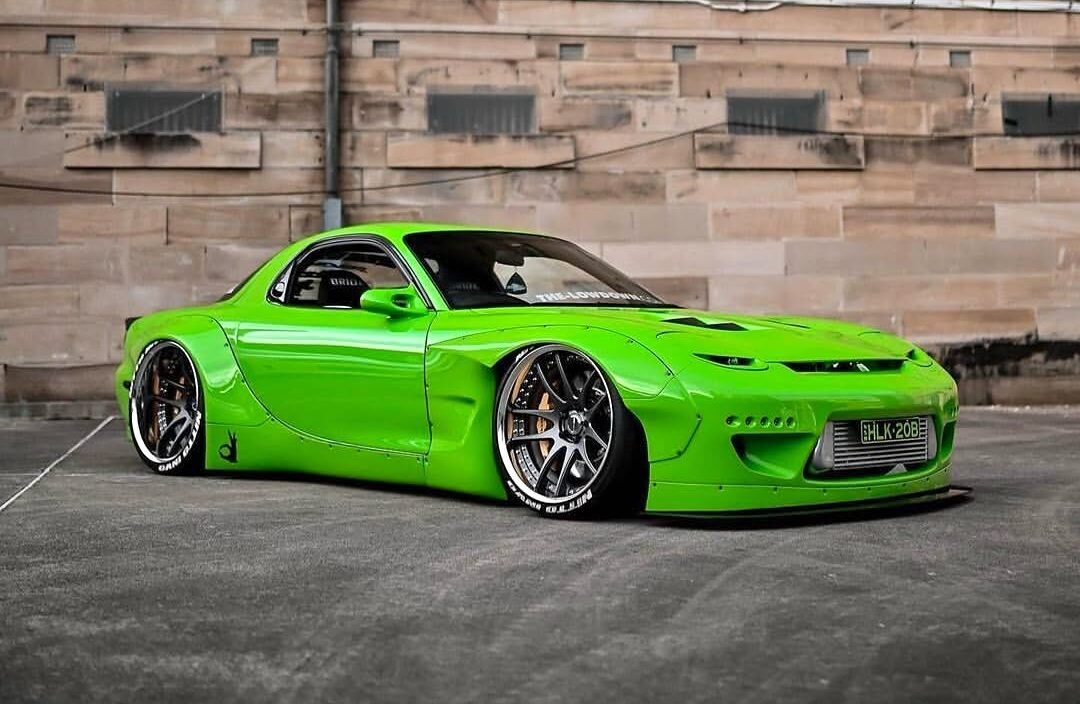
Mazda RX-7 (FD3S)
The FD3S is widely considered one of the most beautiful cars Japan has ever produced. Those organic, flowing curves have aged better than virtually anything else that came out of the early ’90s, and they still look modern today.
Underneath the design is the 13B-REW — a sequential twin-turbo rotary engine that uses a smaller primary turbo to eliminate lag at low RPM and a larger secondary turbo to deliver full power at the top of the range. The result is a progressive, layered power delivery that keeps building, accompanied by a metallic shriek that no other car on earth quite replicates.
The FD demands proper maintenance and specialized knowledge. But for the driver who puts in the work, it rewards like nothing else in its class.
Specs
- Engine: 1.3L 2-Rotor Sequential Twin-Turbo Wankel (13B-REW)
- Power: 255 – 280 hp
- Torque: 232 lb-ft
- Transmission: 5-speed manual
- Drivetrain: RWD
- 0–60 mph: ~5.3 seconds
- Top Speed: 155 mph
- Weight: 2,685 lbs
- Rarity: High
- Market Value: $45,000 – $90,000
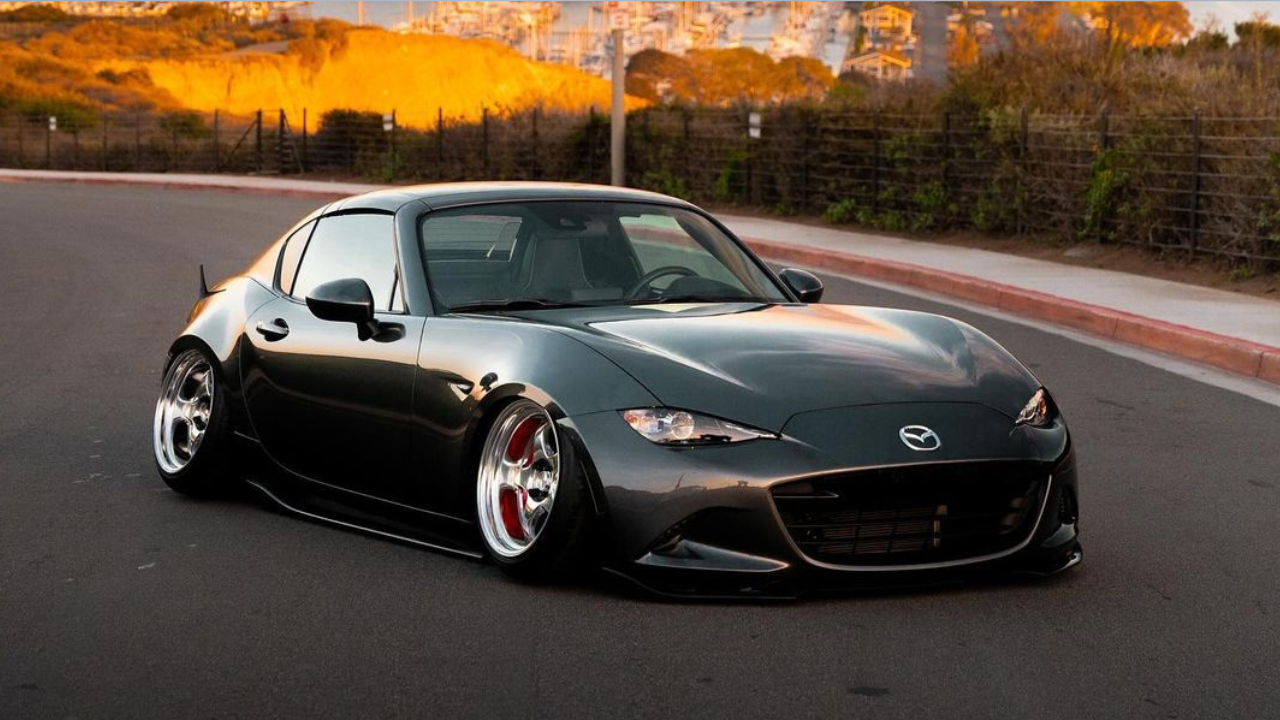
Mazda Miata (MX-5 NA)
In the late 1980s, the classic British roadster was a dying breed. Charming, undeniably — but unreliable, fragile, and constantly in need of attention. Mazda looked at that fading niche and decided to bring it back the right way.
The NA Miata arrived in 1989 with pop-up headlights, a lightweight body, rear-wheel drive, and a simple naturally aspirated engine. It wasn’t fast. But it was fun in a way that pure numbers can never capture. Light weight and near-perfect balance made every road feel like it was designed for that car specifically.
It’s been called the car that generates more smiles per dollar than anything else in automotive history. There’s no official trophy for that, but there probably should be.
Specs
- Engine: 1.6L or 1.8L Inline-4 Naturally Aspirated
- Power: 115 – 130 hp
- Torque: 100 lb-ft
- Transmission: 5-speed manual
- Drivetrain: RWD
- 0–60 mph: ~8.8 seconds
- Top Speed: 118 mph
- Weight: 2,116 lbs
- Rarity: Low
- Market Value: $8,000 – $20,000
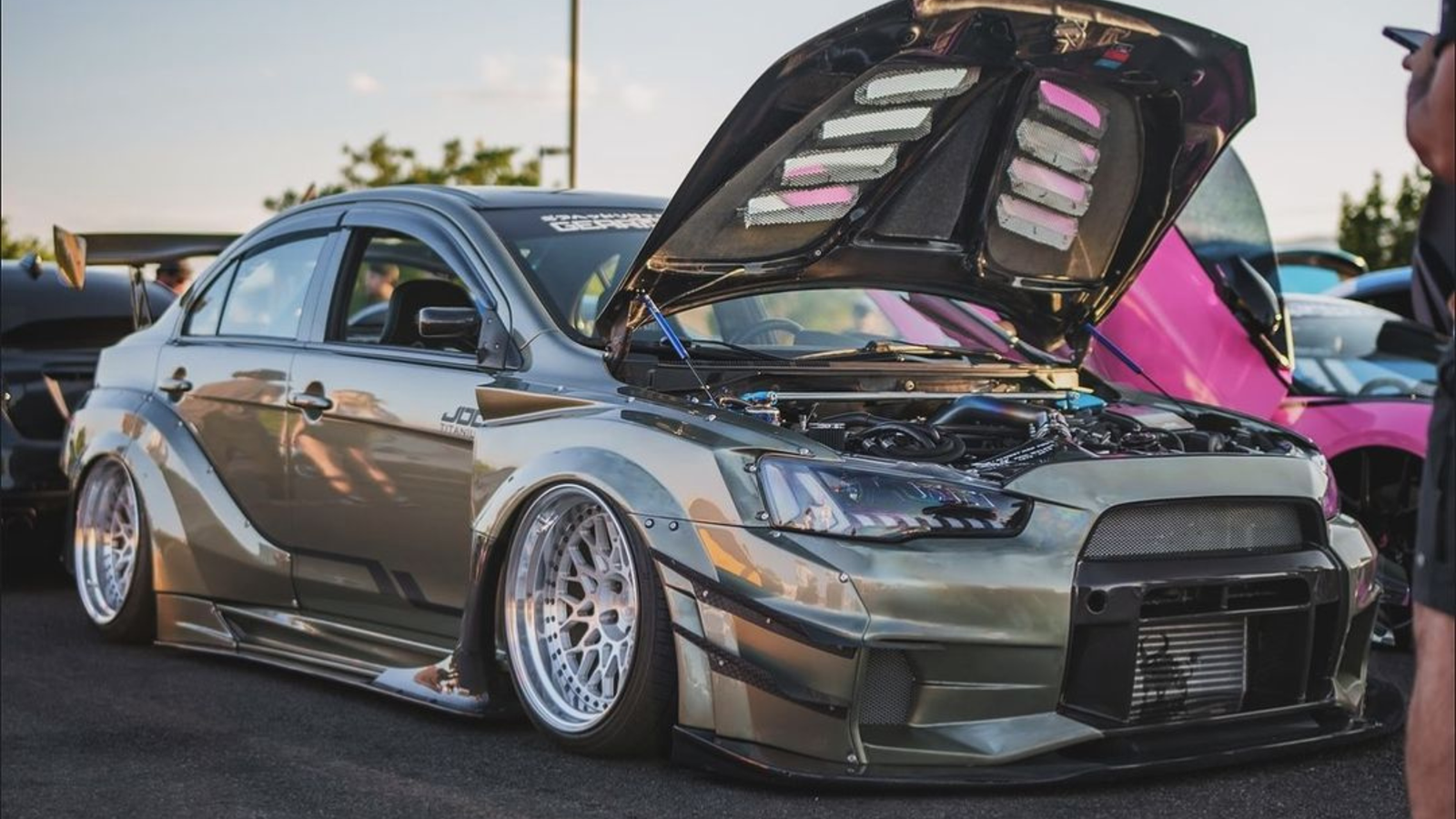
Mitsubishi Lancer Evolution (VI and IX)
The Lancer Evolution was rally technology wrapped in a family sedan body, sold at a dealership near you. That’s not a marketing pitch — the Mitsubishi engineering team genuinely transferred World Rally Championship knowledge directly into a car that anyone could buy and register for the street.
The 4G63T turbocharged 2.0-liter engine was strong and extremely tuneable. The Super All-Wheel Control (S-AWC) system distributed torque with rally-grade precision across all four wheels. The result was a car that handled wet roads, snow, and broken pavement better than European exotics that cost significantly more. No ceremony, no compromise.
The rivalry with the Subaru STI is one of the most honest performance showdowns in modern automotive history — and fans are still choosing sides today.
Specs
- Engine: 2.0L Inline-4 Turbo (4G63T)
- Power: 280 hp (factory rated)
- Torque: 289 lb-ft
- Transmission: 5 or 6-speed manual
- Drivetrain: AWD (S-AWC)
- 0–60 mph: ~4.8 seconds
- Top Speed: 149 mph
- Weight: 2,998 lbs
- Rarity: High
- Market Value: $35,000 – $90,000
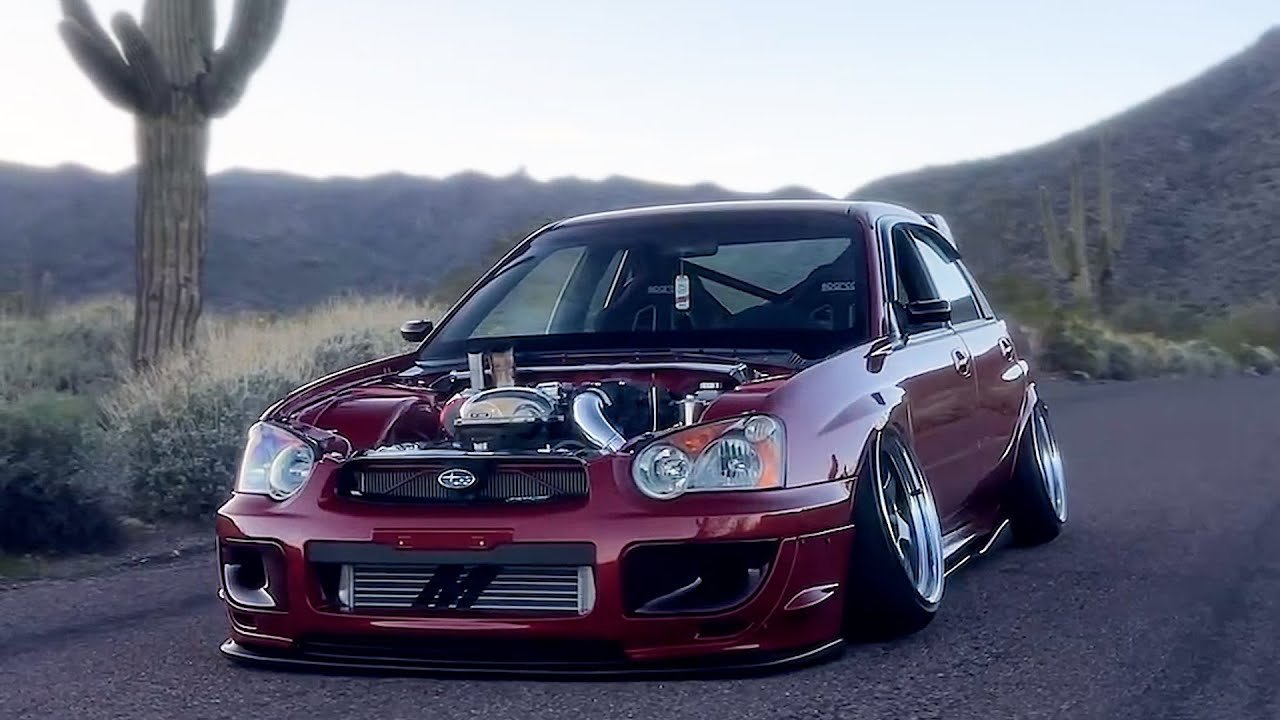
Subaru Impreza WRX STI (GC8)
Where the Evo used electronically managed torque distribution, Subaru took a different philosophy: symmetric simplicity. The Symmetrical AWD system split torque evenly between axles as its baseline, and it worked with a reliability that complex systems couldn’t always match.
The EJ20 flat-four boxer engine produces a distinctive, rhythmic burble that every car enthusiast recognizes immediately. The gold wheels contrasting against the iconic blue body on the GC8 became one of the defining visual images of ’90s motorsport.
The Evo vs STI rivalry shaped an entire generation of car fans. Clean GC8 examples are genuinely hard to find in the U.S., and prices have responded accordingly.
Specs
- Engine: 2.0L Flat-4 Boxer Turbo (EJ20)
- Power: 280 hp
- Torque: 260 lb-ft
- Transmission: 5-speed manual
- Drivetrain: AWD (Symmetrical AWD)
- 0–60 mph: ~4.9 seconds
- Top Speed: 149 mph
- Weight: 2,756 lbs
- Rarity: High
- Market Value: $25,000 – $70,000
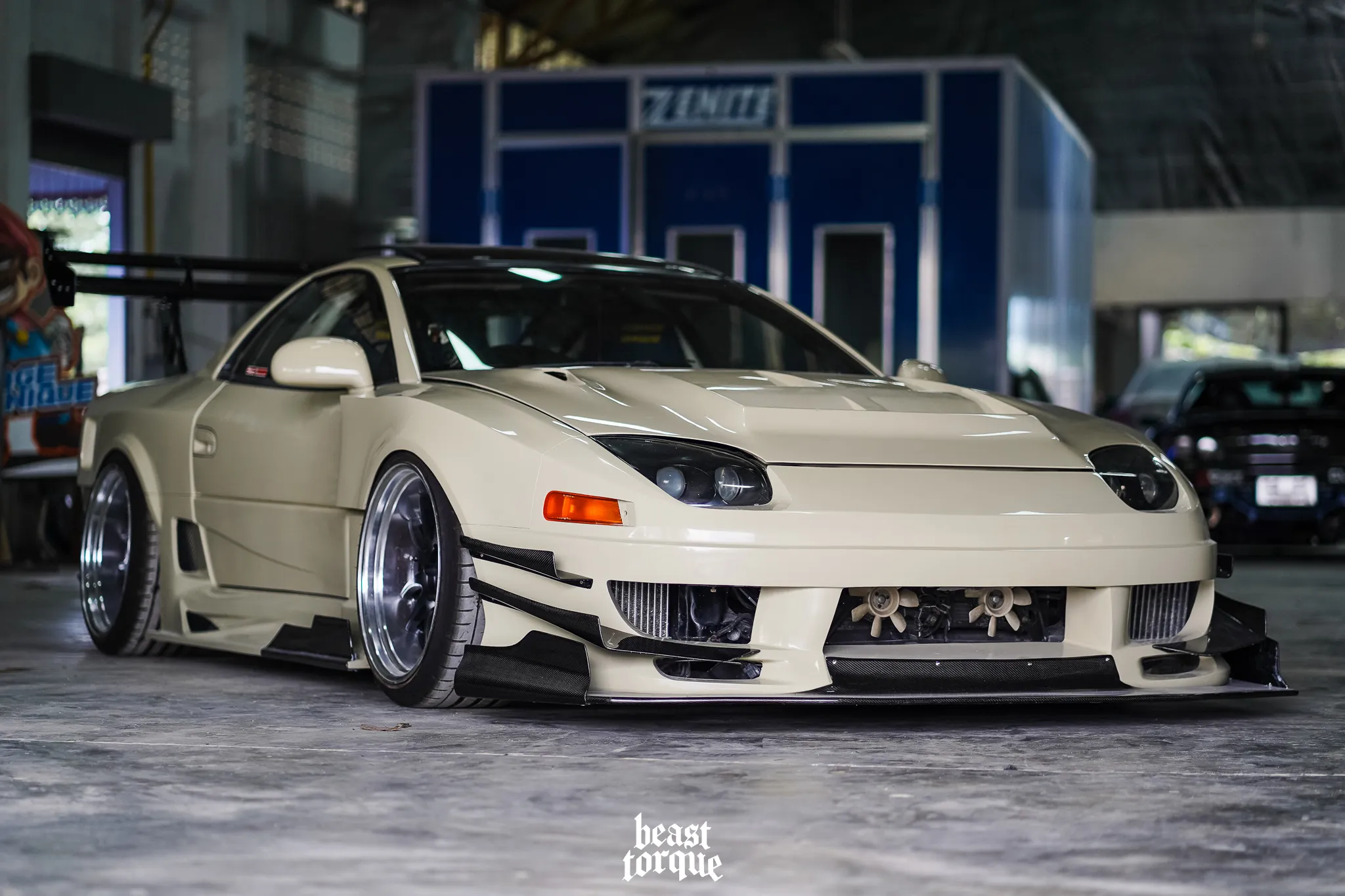
Mitsubishi 3000GT (GTO)
The 3000GT was Mitsubishi’s attempt to out-engineer everyone in the room, and they loaded it with technology that was genuinely ahead of its time.
Active aerodynamics with rear spoilers that deployed automatically based on speed and drag load. Electronically controlled suspension. Active exhaust valves. Four-wheel steering. And under the hood, a twin-turbocharged 3.0-liter V6 producing 320 hp, connected to an all-wheel-drive system. All of this in a car you could buy at a dealership in the early ’90s.
The weight was significant — 3,770 lbs is a lot to manage. But as a showcase of what Japanese engineers could do when given free rein, the 3000GT has no equal. A complex, rare, and genuinely fascinating piece of automotive history.
Specs
- Engine: 3.0L Twin-Turbo V6 (6G72)
- Power: 320 hp
- Torque: 315 lb-ft
- Transmission: 6-speed manual
- Drivetrain: AWD
- 0–60 mph: ~5.4 seconds
- Top Speed: 155 mph
- Weight: 3,770 lbs
- Rarity: Medium-High
- Market Value: $25,000 – $60,000
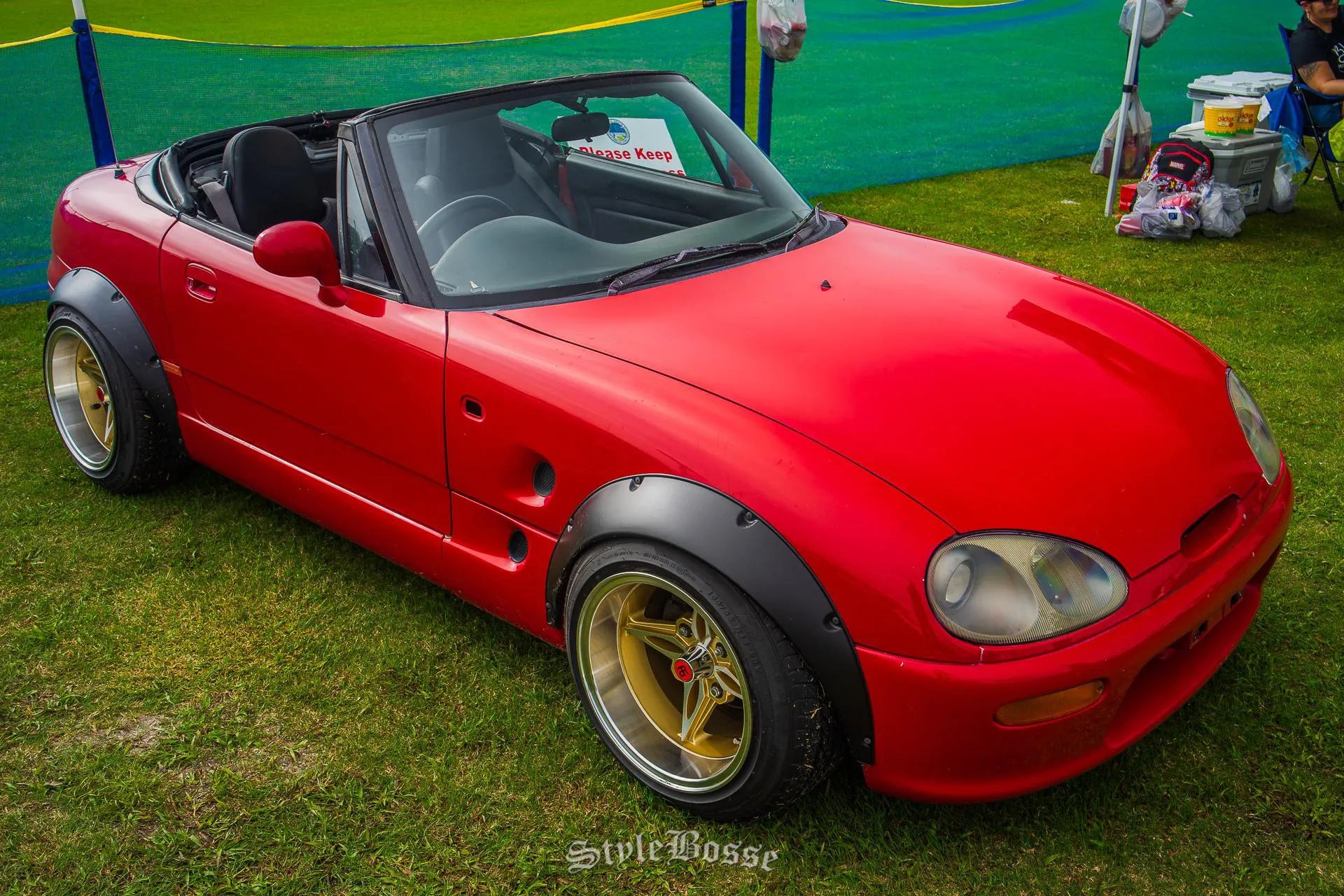
Suzuki Cappuccino
Japan’s kei car regulations are strict: maximum 660cc displacement, strict dimensional limits, and reduced taxation. Most manufacturers responded with economy boxes. Suzuki built a roadster.
The Cappuccino is a tiny, turbocharged, rear-wheel-drive two-seater with a convertible top that comes apart in three separate sections. It weighs 1,598 lbs. The F6A 657cc turbocharged three-cylinder engine makes 64 hp — and at that weight, it actually matters.
It’s the slowest car on this list. It’s also one of the most purely enjoyable. Sometimes small is exactly the right answer.
Specs
- Engine: 657cc Inline-3 Turbo (F6A)
- Power: 64 hp
- Torque: 63 lb-ft
- Transmission: 5-speed manual
- Drivetrain: RWD
- 0–60 mph: ~11.3 seconds
- Top Speed: 87 mph
- Weight: 1,598 lbs
- Rarity: Medium
- Market Value: $12,000 – $20,000
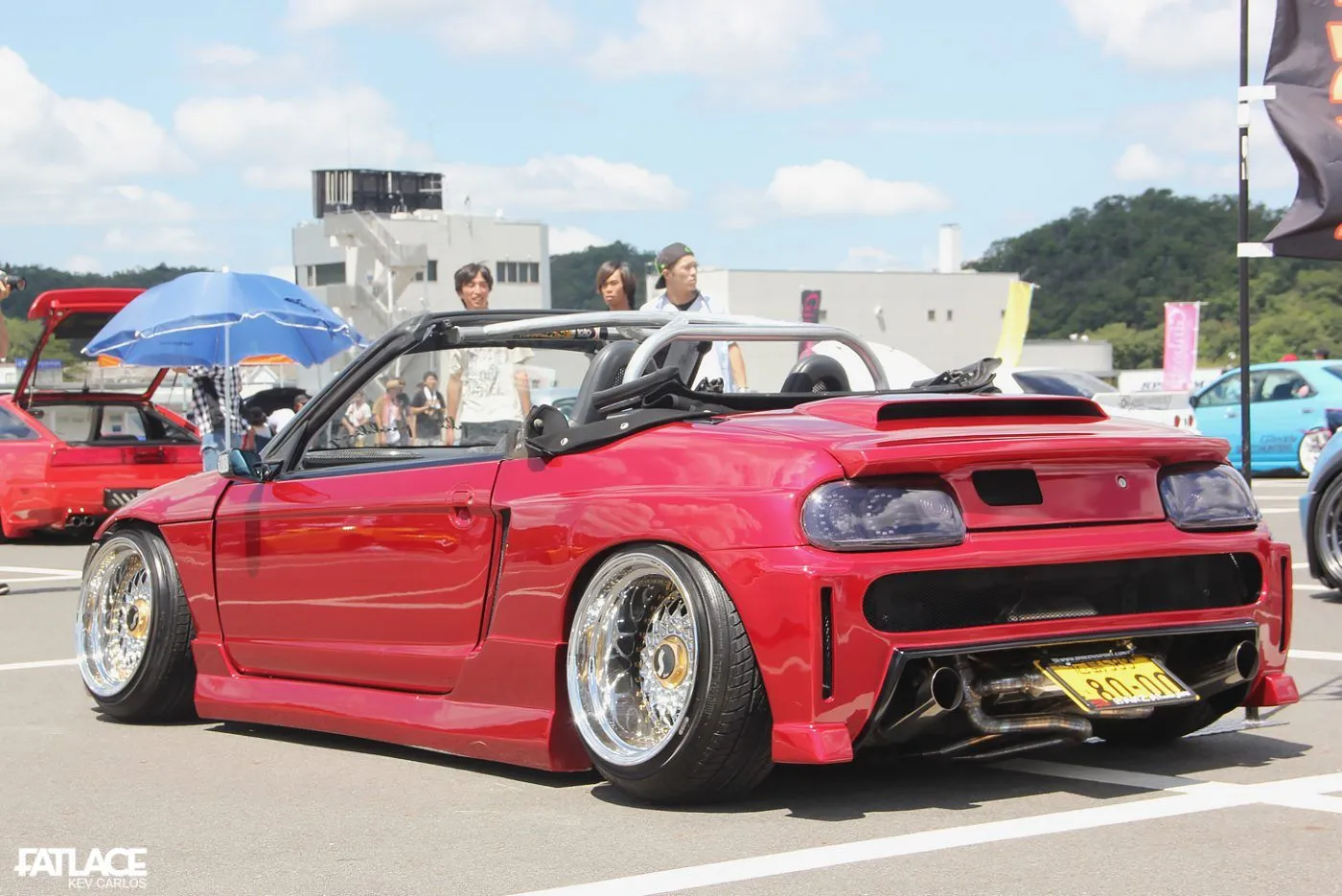
Honda Beat
If the Cappuccino was Suzuki’s take on the kei roadster, the Beat was Honda’s answer. And Honda did something the competition didn’t: they hired Pininfarina to design it.
The result is a micro roadster with genuine Italian styling DNA, a mid-mounted rear engine layout borrowed directly from supercar engineering principles, and a 656cc naturally aspirated three-cylinder that revs to nearly 9,000 rpm without forced induction. The whole thing weighs 1,676 lbs. It’s small, loud, and completely irresistible in the way only a truly honest machine can be.
Specs
- Engine: 656cc Inline-3 Naturally Aspirated (E07A)
- Power: 64 hp
- Torque: 43 lb-ft
- Transmission: 5-speed manual
- Drivetrain: RWD, Mid-Engine
- 0–60 mph: ~13.0 seconds
- Top Speed: 84 mph
- Weight: 1,676 lbs
- Rarity: Medium
- Market Value: $10,000 – $18,000
Subaru BRZ / Toyota 86
For years, enthusiasts complained that modern sports cars were getting heavier, wider, and increasingly disconnected from the driver. The BRZ and 86 were the direct response — a joint project between Subaru and Toyota built around a single idea: make driving fun again.
The FA20 2.0-liter flat-four sits as low as physically possible in the chassis to drop the center of gravity. The body is light. The rear-wheel-drive layout is intentional. The factory tires are deliberately sized to allow oversteer without requiring a heroic input. The goal wasn’t to be the fastest car on the road. It was to be the most rewarding car to drive on any road.
It succeeded. From the first drive, the BRZ/86 sits alongside the AE86 as the best affordable driving school Japan has ever produced.
Specs
- Engine: 2.0L Flat-4 Boxer Naturally Aspirated (FA20)
- Power: 200 hp
- Torque: 151 lb-ft
- Transmission: 6-speed manual or automatic
- Drivetrain: RWD
- 0–60 mph: ~7.4 seconds
- Top Speed: 140 mph
- Weight: 2,756 lbs
- Rarity: Low
- Market Value: $15,000 – $30,000

Everything You Need to Know About JDM Culture
1. What does JDM mean?
JDM stands for Japanese Domestic Market. It refers to vehicles and parts originally produced exclusively for sale inside Japan.
2. How much does a Nissan Skyline R34 cost in Brazil?
It’s extremely rare. Due to import restrictions, taxes, currency exchange rates, and exclusivity, an Nissan Skyline GT-R R34 in Brazil can easily cost between R$2 million and R$4 million.
3. Is it legal to own a right hand drive car in Brazil?
For daily use, no. Brazilian law does not allow regular registration of right hand drive vehicles, except for collectible cars over 30 years old with historical certification.
4. What engine did Brian’s Skyline use in Fast & Furious?
Brian O’Conner’s Nissan Skyline GT-R R34 used the legendary RB26DETT engine, a 2.6 liter twin turbo inline six.
5. Why is the Toyota Supra MK4 so expensive?
Because of its massive fame from movies, the rarity of untouched original examples, and especially the incredible durability of the famous 2JZ engine.
6. How much horsepower can the 2JZ handle?
The stock closed deck 2JZ GTE engine from the Toyota Supra MK4 can reliably support around 800 to 1,000 horsepower with supporting modifications.
7. How does the Mazda RX 7 rotary engine work?
Instead of traditional pistons moving up and down, it uses triangular rotors spinning inside an oval shaped chamber, producing smooth power delivery and extremely high RPM capability.
8. Does the Mazda RX 7 engine have reliability problems?
It is not weak, but it requires very strict maintenance. The apex seals wear over time and need preventive rebuilding. The engine also injects oil into the combustion chamber for lubrication.
9. What is the difference between the RX 7 FC and FD?
The Mazda RX-7 FC3S features an angular 1980s wedge design and a single turbo setup. The Mazda RX-7 FD3S introduced smoother curves and a sequential twin turbo engine.
10. What is the main car in Initial D?
The main character, Takumi Fujiwara, drives a Toyota AE86 Trueno painted in the iconic black and white “Panda” style.
11. What is Honda’s VTEC system?
VTEC stands for Variable Valve Timing and Lift Electronic Control. It changes the camshaft profile at high RPM, delivering extra power and a completely different engine sound.
12. Is the Honda Civic Type R EK9 rear wheel drive?
No. The legendary Honda Civic Type R EK9 and Integra Type R are front wheel drive cars famous for their incredible chassis balance and cornering performance.
13. Did Ayrton Senna help develop the Honda NSX?
Yes. Ayrton Senna tested early prototypes of the Honda NSX and gave crucial feedback that helped Honda improve chassis rigidity and suspension tuning.
14. Why is the Honda S2000 engine famous?
The F20C engine in the Honda S2000 held the world record for the highest specific output of a naturally aspirated production engine for many years.
15. Which is better: Lancer Evolution or Subaru WRX STI?
This is one of the biggest rivalries in JDM history. The Mitsubishi Lancer Evolution IX is loved for its durability and aggressive AWD system, while the Subaru Impreza WRX STI GC8 is famous for its Boxer engine sound and excellent balance.
16. What is a sleeper car in JDM culture?
A sleeper is a car with a normal or understated appearance that hides serious performance upgrades and massive power under the hood.
17. What is a Kei Car?
Kei Cars are tiny Japanese vehicles created to reduce taxes and fit crowded urban areas. Japanese regulations limit them to around 660cc and 64 horsepower.
18. Which Nissan Silvia is the cheapest for drifting?
Although none are truly cheap anymore, the S13 and S14 generations are generally more affordable than the highly sought after S15 Spec R.
19. What does “Sileighty” mean?
It’s a custom combination created in Japan using a Nissan 180SX with the fixed front end of a Nissan Silvia S13.
20. What engine does the Mitsubishi Lancer Evolution use?
Most generations of the Mitsubishi Lancer Evolution used the legendary 4G63T 2.0 turbo engine. Only the Evo X switched to the newer 4B11T.
21. How can you legally import a JDM car to Brazil?
In most cases, only brand new vehicles or collectible cars over 30 years old can be legally imported and registered.
22. What does AE86 mean?
In Toyota terminology, “A” refers to the engine family, “E” identifies the Corolla platform, and “86” defines the specific sporty chassis variation.
23. Are the Toyota 86 and Subaru BRZ the same car?
Basically yes. The Toyota 86 and Subaru BRZ were developed together and share the same chassis and Boxer engine.
24. What is the top speed of the original Supra MK4?
Factory models were electronically limited to 250 km/h in Japan. Without the limiter, the twin turbo version can reach around 280 to 290 km/h.
25. Why were 1990s JDM cars officially limited to 280 horsepower?
Because of the famous “Gentlemen’s Agreement” created in Japan during 1989. Manufacturers agreed not to officially advertise cars above 280 horsepower, even though many actually produced much more.
26. What is AWD?
AWD means All Wheel Drive. Power is sent to all four wheels, improving traction and stability in all conditions.
27. Is the Fairlady Z the same as the 350Z or 300ZX?
Yes. “Fairlady Z” was the Japanese market name used for Nissan’s Z cars, including the Nissan Fairlady Z 300ZX.
28. What is a Boxer engine?
A Boxer engine has horizontally opposed cylinders, a layout made famous by Subaru. This design lowers the center of gravity and improves handling.
29. What is the difference between the Nissan 180SX and 240SX?
The Japanese Nissan 180SX came turbocharged, while the American market Nissan 240SX used a naturally aspirated 2.4 liter engine focused more on torque.
30. Is the Mazda Miata a good first project car?
Absolutely. The Mazda MX-5 Miata NA is considered one of the best beginner project cars in the world thanks to its simplicity, reliability, huge aftermarket support, and fun rear wheel drive platform.
E aí, de todos esses monstros sagrados do asfalto japonês, qual você escolheria para ser o projeto dos sonhos na sua garagem? 🎌🏎️
Share This Article
Related Posts