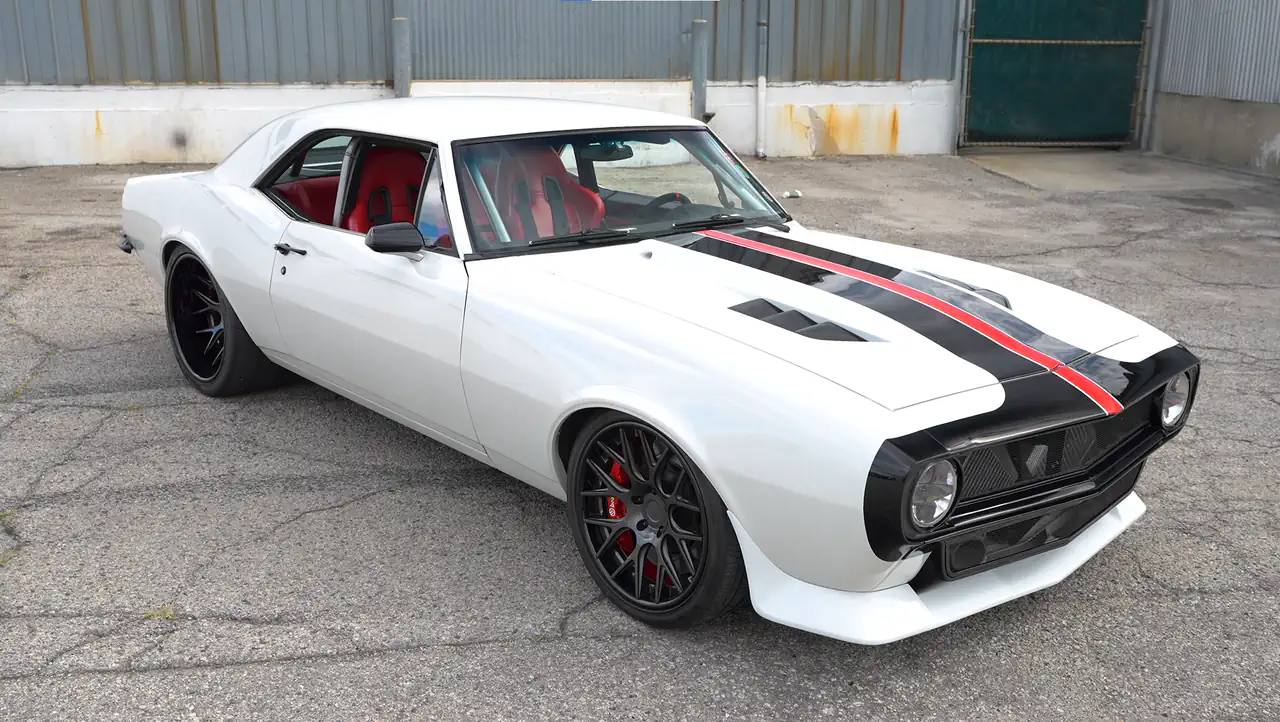
Audi Q4 e-tron 2027: The Electric SUV That Charges Fast and Depreciates Faster
The 2027 Audi Q4 e-tron arrives with a new silicon carbide motor, 288 miles of EPA range and 27-minute fast charging — but does brutal depreciation and a controversial brake feel undermine the case for buying one?
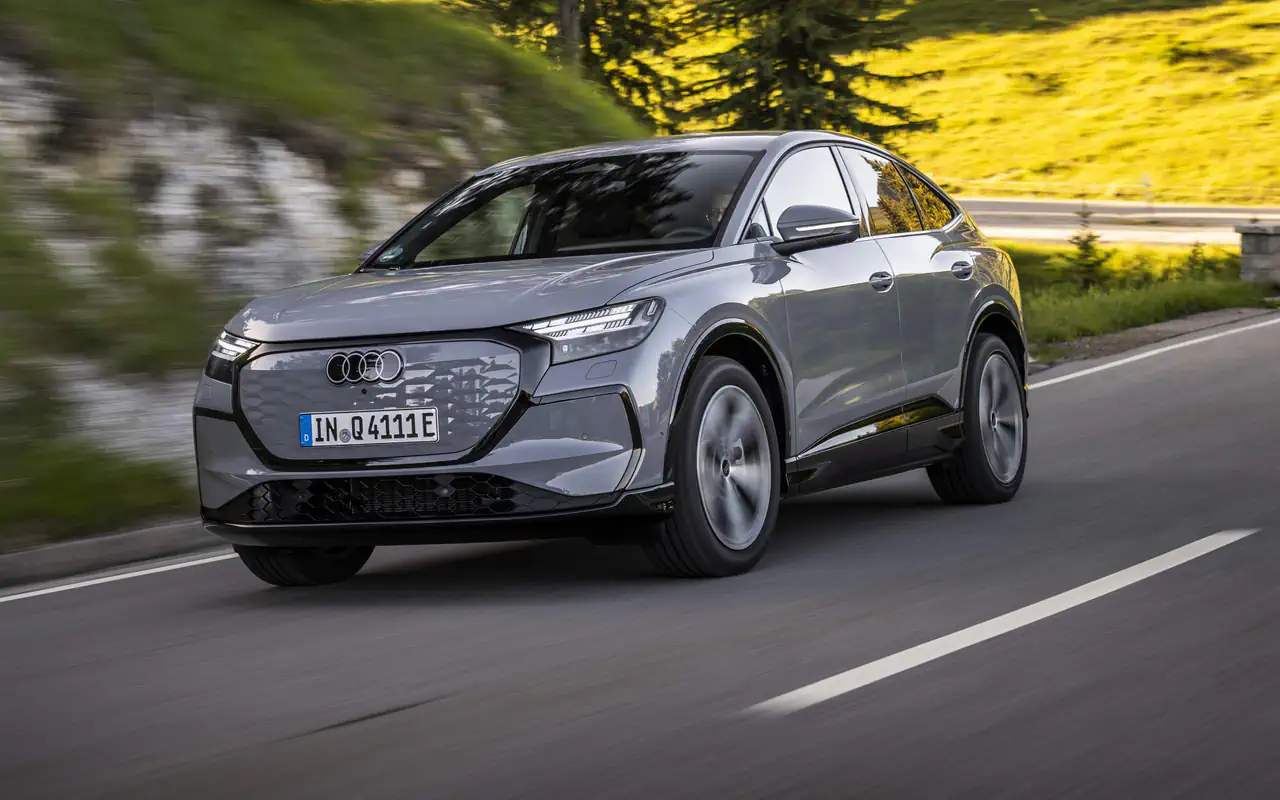
2027 Audi Q4 e-tron: New Motor, Real-World Range and a Depreciation Problem Worth Knowing
The biggest news is under the hood — or rather, under the floor. For 2027, Audi completely reworks the Q4 e-tron’s rear drive unit with the new APP350, an electric motor whose inverter now uses silicon carbide (SiC) semiconductors. The result is a 10% improvement in thermal efficiency over the outgoing version.
This isn’t a new generation. It’s the deepest mid-cycle update the Q4 has received since launch — with meaningful changes to the powertrain, interior architecture and software platform. In the American market, it goes up against the BMW iX1, Tesla Model Y and Mercedes-Benz EQA, three vehicles that define the competitive baseline for compact electric luxury SUVs.
MSRP starts at $50,600, with top-spec quattro AWD configurations crossing $60,000 before options.
Quick Stats
| Spec | Details |
|---|---|
| Category | Compact premium electric SUV |
| Powertrain | PSM rear motor (RWD) or PSM + ASM dual motor (AWD) |
| Horsepower | 201 hp (base) to 335 hp (top quattro) |
| Torque | 229 lb-ft (base) to 402 lb-ft rear + 99 lb-ft front (top) |
| Transmission | Single-speed direct drive |
| Drive | Rear-wheel drive or all-wheel drive |
| 0–60 mph | ~8.0 sec (RWD base) / ~5.0 sec (AWD top) |
| Top Speed | 99 mph (RWD) / 112 mph (AWD) |
| Efficiency | 3.2 to 4.2 mi/kWh (WLTP-equivalent) |
| EPA Range | 258 to 288 miles |
| On Sale | Available now as 2027 model year |
The numbers set the stage — but what they don’t tell you is how this SUV actually behaves in stop-and-go traffic on I-95, on a cross-country stretch through the Southwest, or when the repair estimate lands on your desk after a minor parking lot incident. That’s what the rest of this review covers.
Refined, Not Reinvented: The Styling Choices Behind the Updated Q4
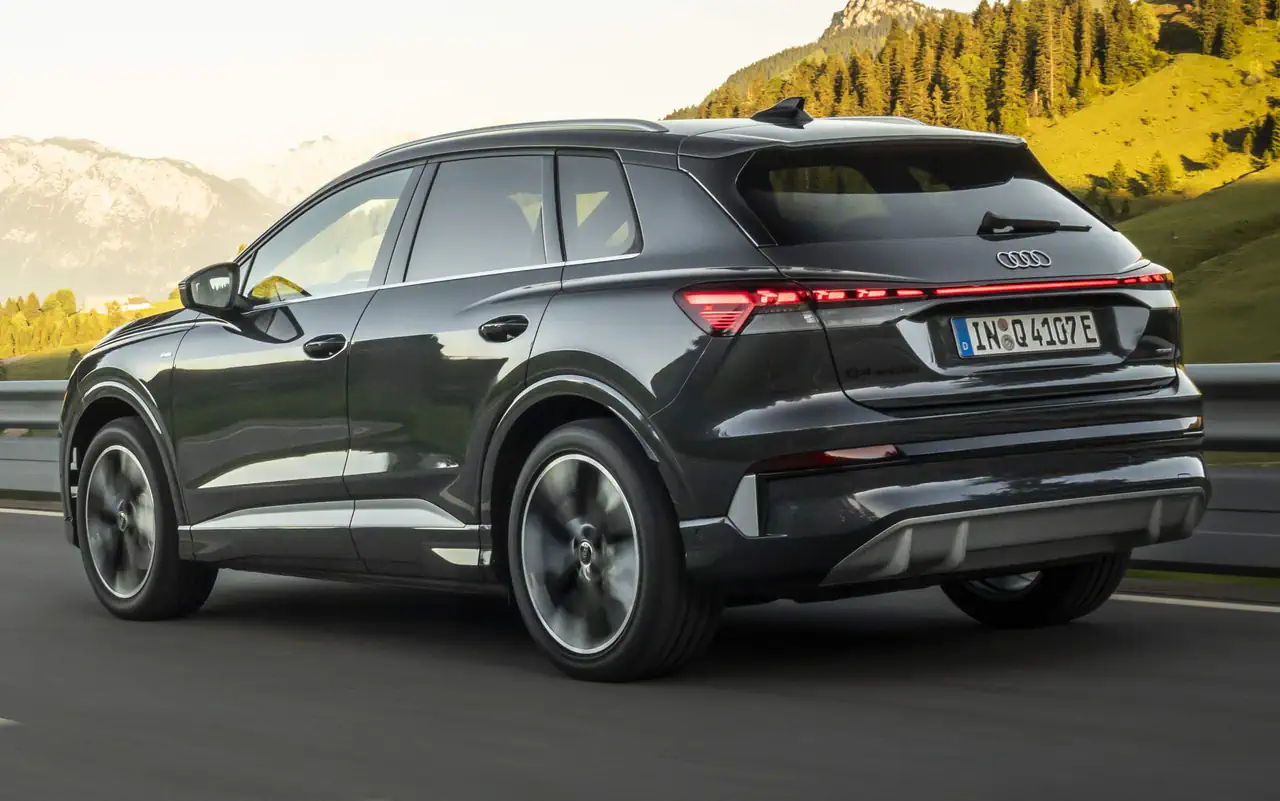
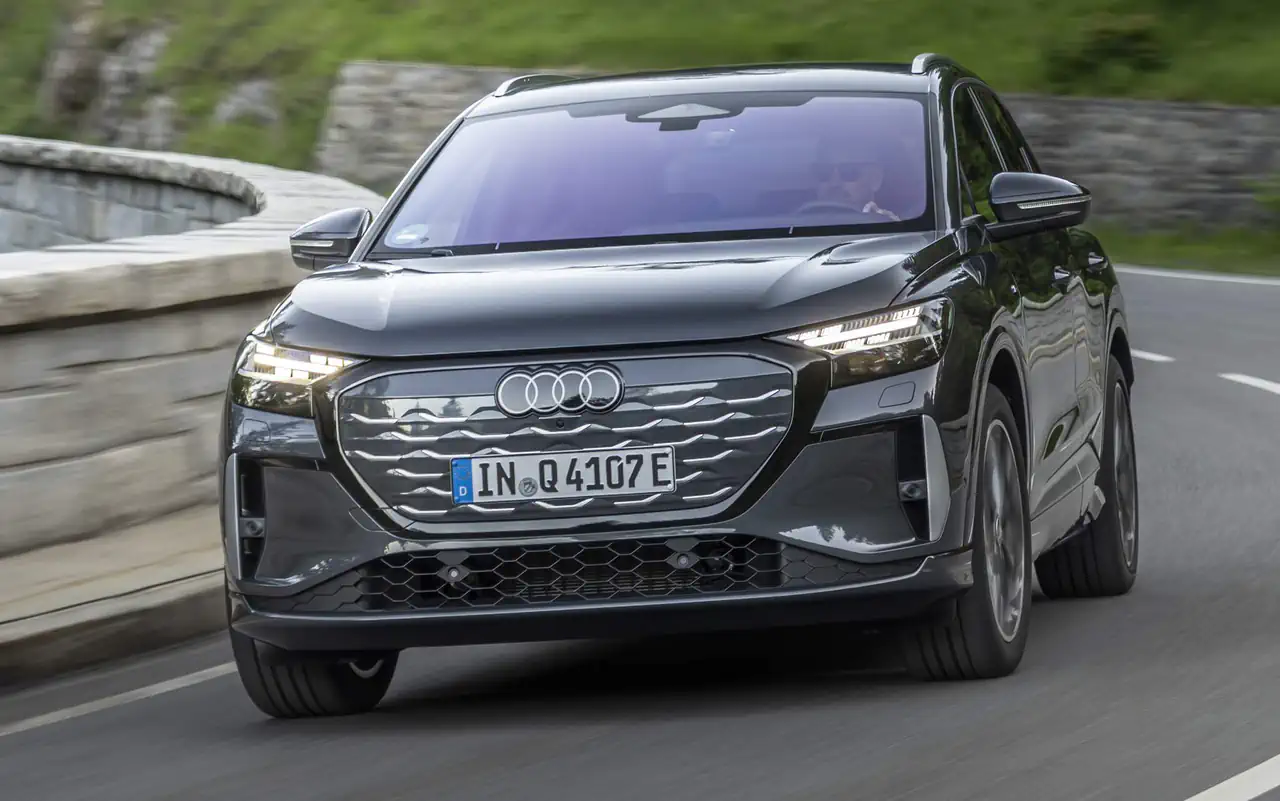
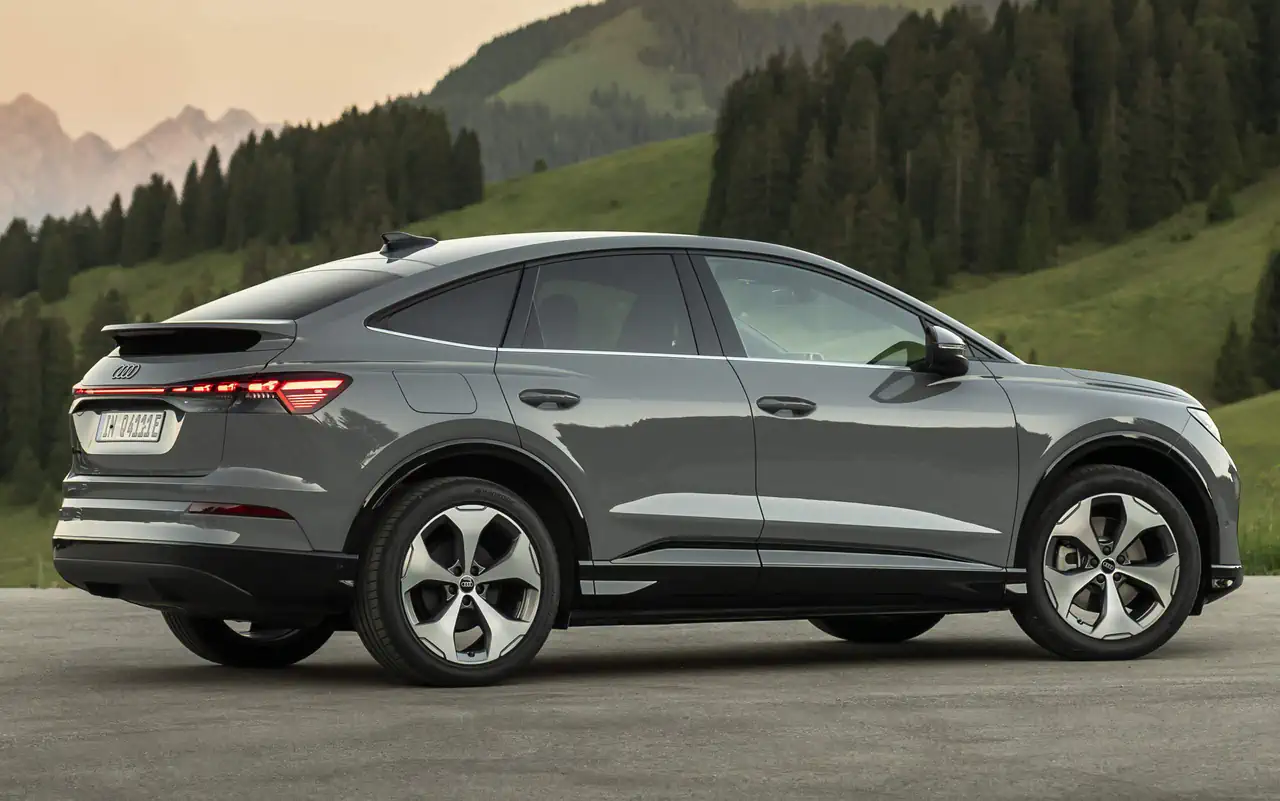
Walking around the refreshed Q4 e-tron, the first impression is one of deliberate restraint. Audi didn’t chase attention — it refined what was already working. The SUV body retains its upright roofline for maximum cabin space, while the Sportback trim offers a sloping fastback profile that exists primarily to shave drag, not just to look sportier.
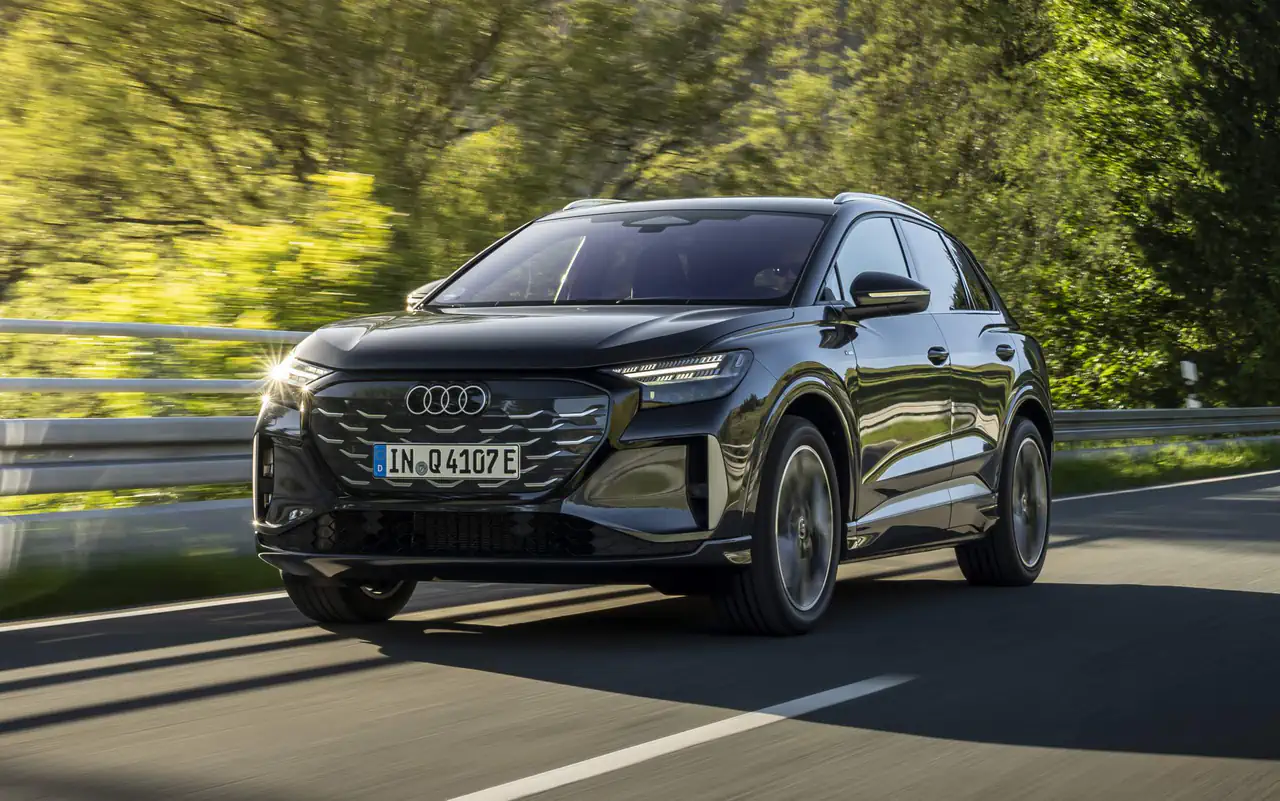
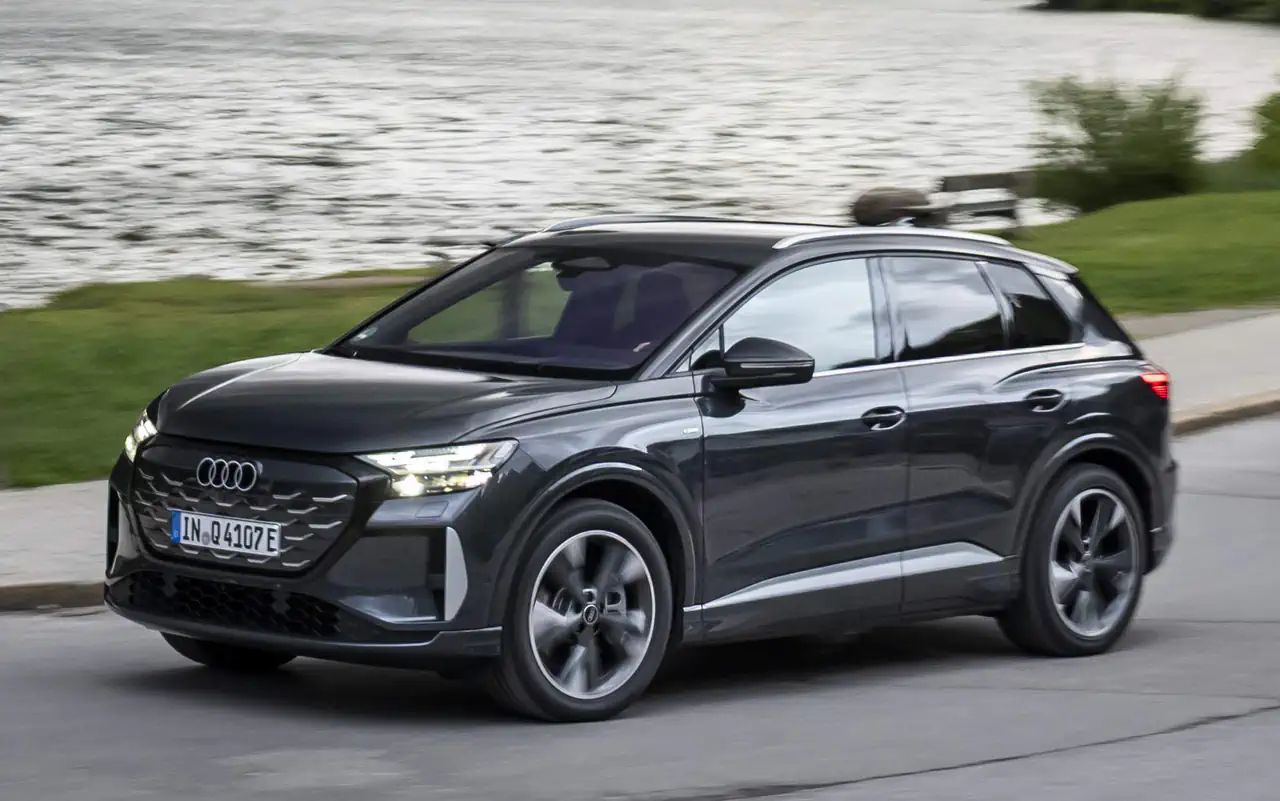
Up front, the Singleframe grille drops the contrasting gray or silver trim inserts and gets painted in body color instead. It’s a subtle shift that makes the nose feel more cohesive, especially where the grille meets the headlamp clusters. The four-ring badge adopts the brand’s newer flat, dark-finish treatment — the same direction you’ll find on the A5 and Q6.
Along the sides, the proportions stay exactly where they were: 180.6 inches long, 73.4 inches wide. What earns attention here is the aerodynamic discipline — a drag coefficient of 0.28 for the standard body and 0.26 for the Sportback. Those aren’t just marketing numbers; they directly translate to the EPA range figures and highway efficiency.
At the rear, the OLED taillights are the clear standout. Through the MMI infotainment system, the driver can switch between four distinct light signatures — a feature that feels genuinely differentiated in a segment where most taillights are simply taillights.
The overall impression is sophisticated and mature. It fits squarely within Audi’s current design language without breaking any new ground, which will read as reassuring to some buyers and unremarkable to others.
The Digital Stage: A Cabin That Looks Sharp and Has One Nagging Flaw
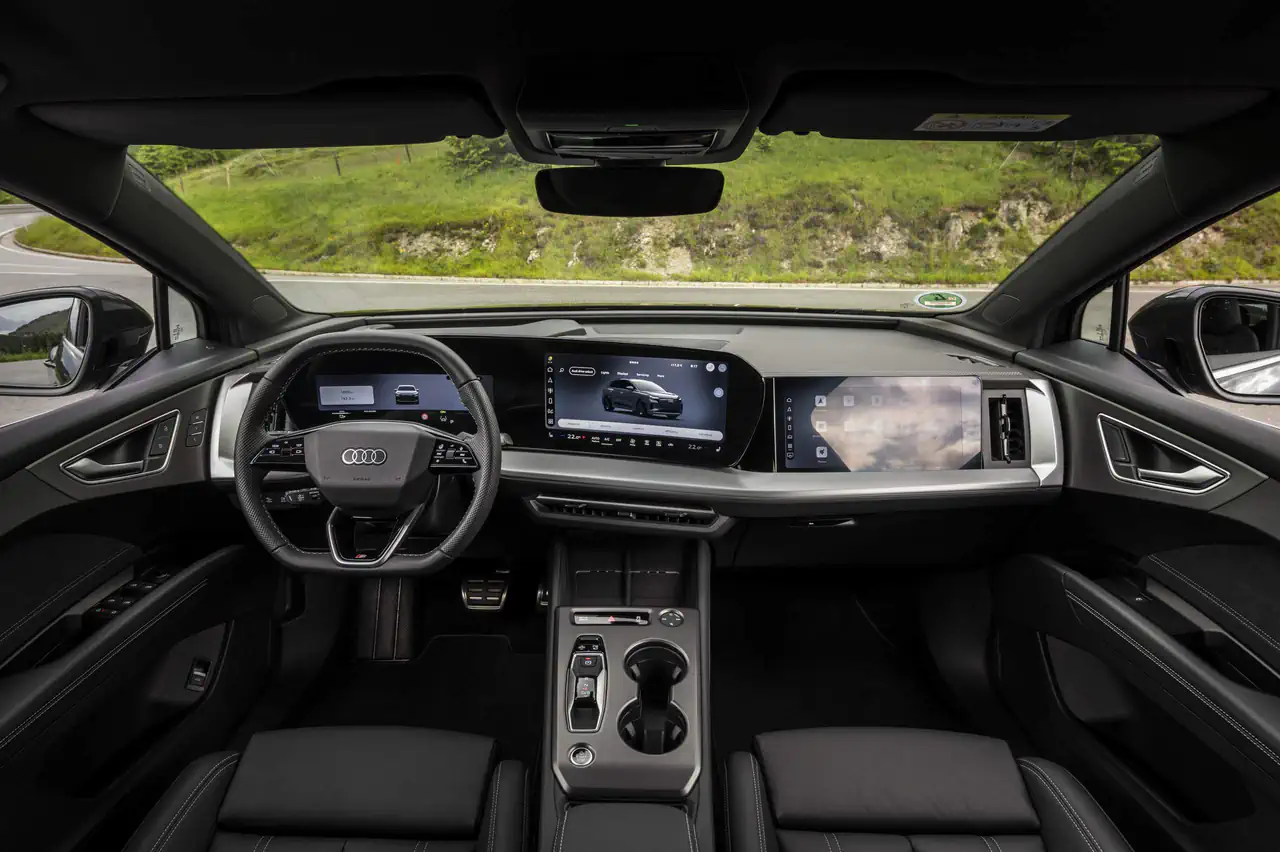
Sit inside the 2027 Q4 e-tron and the “Digital Stage” concept Audi describes becomes immediately apparent. The dashboard architecture is noticeably cleaner than before — fewer diagonal cuts, a more horizontal surface that draws direct visual cues from the newer A5 and A6 interiors.
Build quality at eye level is genuinely strong. Panel gaps are tight, there are no structural rattles, and the soft-touch materials in the upper dashboard meet the standard you’d expect from a $50,000-plus luxury vehicle. The criticism lands lower: the lower door panels in the rear use harder plastics that feel out of place given the price point, a compromise carried over from the shared MEB platform.
Front seats are supportive and well-proportioned, available in Dinamica microsuede-style material or animal-free alternatives. The completely flat rear floor — a structural benefit of the MEB skateboard layout — means three rear passengers can actually sit without fighting a transmission tunnel.
Three Screens, One AI Assistant and One Persistent Headache
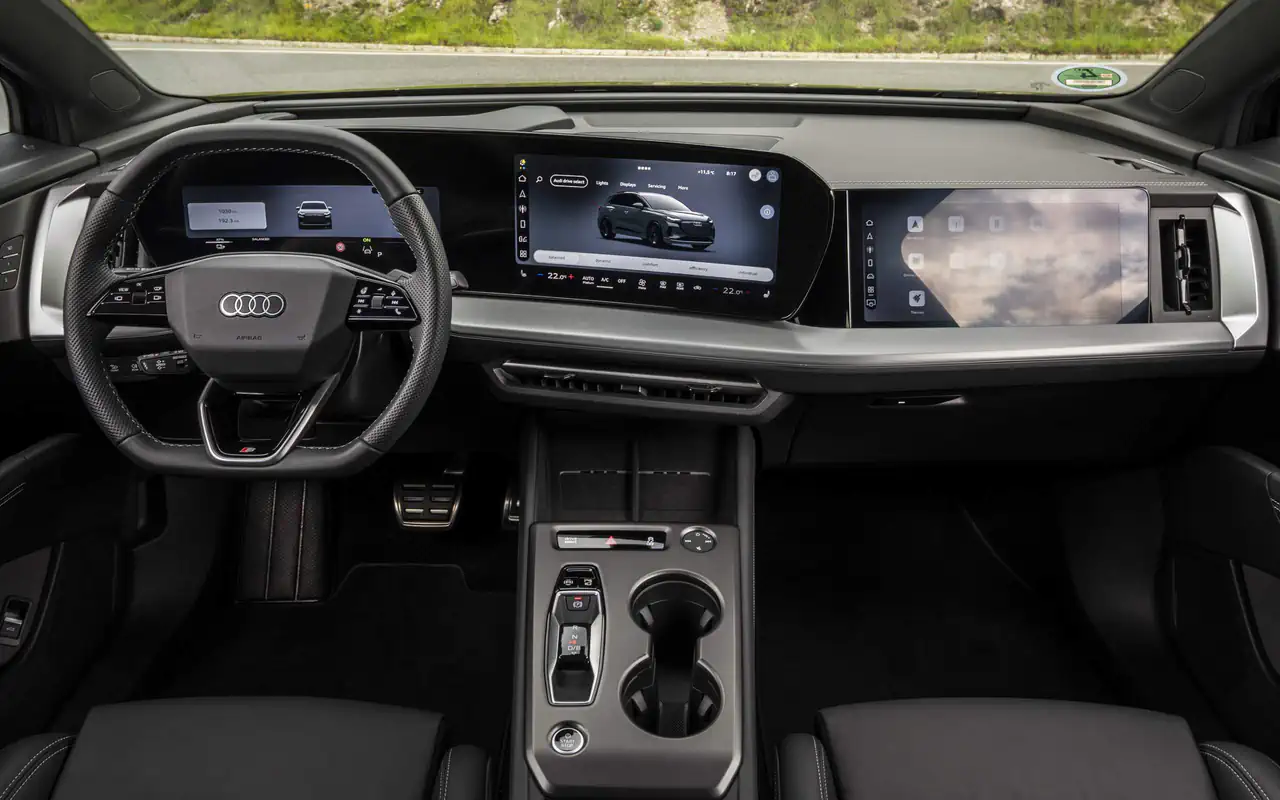
The display setup consists of an 11.9-inch digital instrument cluster behind the wheel, a 12.8-inch curved MMI touchscreen angled toward the driver, and — on upper trims — an optional 12.0-inch passenger screen that operates independently without distracting the person driving. That third screen is rare in this segment.
The system runs on Android Automotive OS with ChatGPT integration powering the voice assistant, which handles a broader range of natural language requests than earlier Audi systems. The augmented reality head-up display projects navigation arrows that appear to float roughly 33 feet ahead on the road surface, layered over a speed readout closer to the driver’s focal plane. It works well once calibrated to your seat position.
Cargo space checks in at 18.2 cubic feet behind the rear seats, expanding to 52.5 cubic feet with them folded — competitive numbers for the class.
Clear strength: The acoustic insulation is class-leading. The doors close with that dense, vault-like thud, and wind noise at highway speeds is noticeably suppressed compared to direct rivals.
Real limitation: The capacitive touch controls on the steering wheel are a recurring source of frustration. Inadvertent inputs — triggering audio changes or resetting instrument displays mid-corner — are a documented issue that this update did not resolve.


How the Q4 e-tron Actually Drives: Power, Range and a Brake Pedal Problem
The APP350 rear motor is the engineering centerpiece of this update. By switching the inverter’s power semiconductors from conventional silicon to silicon carbide (SiC), Audi reduced switching losses — the heat wasted each time the inverter changes current direction — by a meaningful margin, improving overall system efficiency by 10%.
In the base RWD configuration, the single rear motor produces 201 hp and up to 258 lb-ft of torque. The 0–60 mph time of approximately 8.0 seconds is adequate for daily driving and highway merges, without providing much excitement on demand. Step up to the dual-motor AWD top trim — rated at 335 hp, with 402 lb-ft at the rear axle alone — and the character changes entirely. Five seconds to 60 mph puts it in the same conversation as the Porsche Macan EV entry trims, which is not a comparison Audi’s marketing team would discourage.
The 82 kWh gross battery (77 kWh usable) supports DC fast charging at up to 185 kW peak. With the GPS-triggered thermal preconditioning active, the system hits 10% to 80% state of charge in 27 minutes. On-board AC charging runs through an 11 kW charger, adding roughly a full charge overnight on a Level 2 home setup.
EPA-rated range lands at 258 miles for the AWD variant and 288 miles for the more efficient RWD configuration. Real-world numbers from cold-weather drivers — without the optional heat pump — have dropped as low as 160–170 miles. In temperate conditions with efficient driving, the RWD Sportback approaches 4.2 mi/kWh, confirming the SiC gains are measurable outside the lab.
One mechanical shortcoming carries over from the previous generation: the brake blending between regenerative braking and the rear drum brakes doesn’t deliver a linear pedal feel. In slow traffic and final-approach stops, the pedal requires disproportionate pressure, a characteristic that owner forums and long-term press tests describe consistently as spongy. It’s a structural limitation of the MEB platform that the facelift didn’t correct.
What Owning a $50,000 Electric Audi Actually Costs Over Five Years
In the U.S. market, the 2027 Q4 e-tron carries an MSRP ranging from $50,600 to $55,200, with Prestige S line packages pushing past $60,000. Those figures position it directly against the BMW iX1, Mercedes-Benz EQA and — at a slightly lower price point — the Volvo EX40 Recharge.
The insurance picture deserves serious attention before signing. Independent automotive insurance research puts the average annual premium for a risk-neutral driver in the $3,256–$3,270 range. That’s substantially higher than a comparable ICE luxury SUV, and the reason is specific: the aluminum battery housing means that even a minor underbody impact can trigger a full high-voltage pack replacement under safety protocols, turning a fender-bender into a five-figure claim.
Maintenance costs tell a more encouraging story. Five-year TCO projections put scheduled service expenses around $2,309 total — covering dielectric coolant checks, biannual brake fluid changes (brake fluid is hygroscopic and degrades faster than most EV owners expect), ADAS sensor calibration and cabin air filter replacements. The recurring cost that catches owners off guard is tires: instant delivery of 402 lb-ft to the rear wheels, combined with a curb weight between 4,453 and 4,872 lbs, accelerates tread wear noticeably.
The financing math gets complicated when depreciation enters the equation. Analytical data from the U.S. market shows the Q4 e-tron losing approximately 67.1% of its value over five years — leaving a projected residual of around $16,642 on a $50,600 purchase. The segment average for compact electric luxury SUVs sits at 58% depreciation; the broader auto market average is 41.5%. A 400V MEB platform competing in a market where 800V architecture is increasingly becoming the benchmark for newer entries is a real factor pressing resale values down.
The case for buying at launch is strongest for buyers who plan a long ownership cycle, have a Level 2 charger at home and won’t be anchoring financial decisions to the vehicle’s trade-in value. For anyone planning to flip it in three to five years, the depreciation curve is a genuine risk that a lower MSRP on a CPO unit in a few years may handle better.
Frequently Asked Questions: What to Know Before You Buy
What is the real-world range of the 2027 Audi Q4 e-tron?
EPA rates it at 258–288 miles depending on trim. In cold weather without the optional heat pump, owners report drops to 160–170 miles. In warm conditions with efficient driving, the RWD variant regularly exceeds the EPA estimate.
Is the Audi Q4 e-tron expensive to maintain?
Scheduled maintenance costs are low — roughly $2,309 over five years. The real ongoing expense is tires, which wear faster than average due to the vehicle’s weight and instant torque delivery.
How does it compare to the BMW iX1 and Tesla Model Y?
The iX1 delivers sharper driving dynamics but trails on range. The Model Y offers superior software integration and the Supercharger network advantage. The Q4 e-tron counters with stronger build quality, better NVH and a more traditional luxury experience.
Does the 2027 Q4 e-tron support bidirectional charging?
Yes. Vehicle-to-Load (V2L) functionality allows drawing up to 3.6 kW of peak power through the main charge port for external devices. Plug & Charge via ISO 15118-2 is also supported, enabling automatic authentication at compatible public charging stations without an app or RFID card.
Does the Q4 e-tron Justify Its Price?
The 2027 Q4 e-tron is a rational purchase for a specific type of buyer: someone who prioritizes German build quality, cabin refinement and genuine electric range in a luxury package they plan to keep for the long haul.
Run the numbers over five years with a home charger and stable ownership, and the low maintenance costs and strong efficiency make a reasonable case. Run them through a dealer trade-in in year four, and the depreciation curve will sting.
The spongy brake pedal and the erratic steering wheel touch controls are real, unresolved flaws — not minor quibbles — and buyers coming from BMW or Lexus will notice immediately.
The Q4 e-tron is a beautifully engineered apartment on wheels. Just don’t expect the resale market to agree with your taste in real estate.
And what about you — does the 67% five-year depreciation change how you look at the Q4 e-tron, or do the day-to-day benefits still make it worth the ask? Drop your take in the comments below.
Share this article

Por: Danniel Bittencourt
29/06/2026
Related posts