The Honda supercar built with help from Ayrton Senna
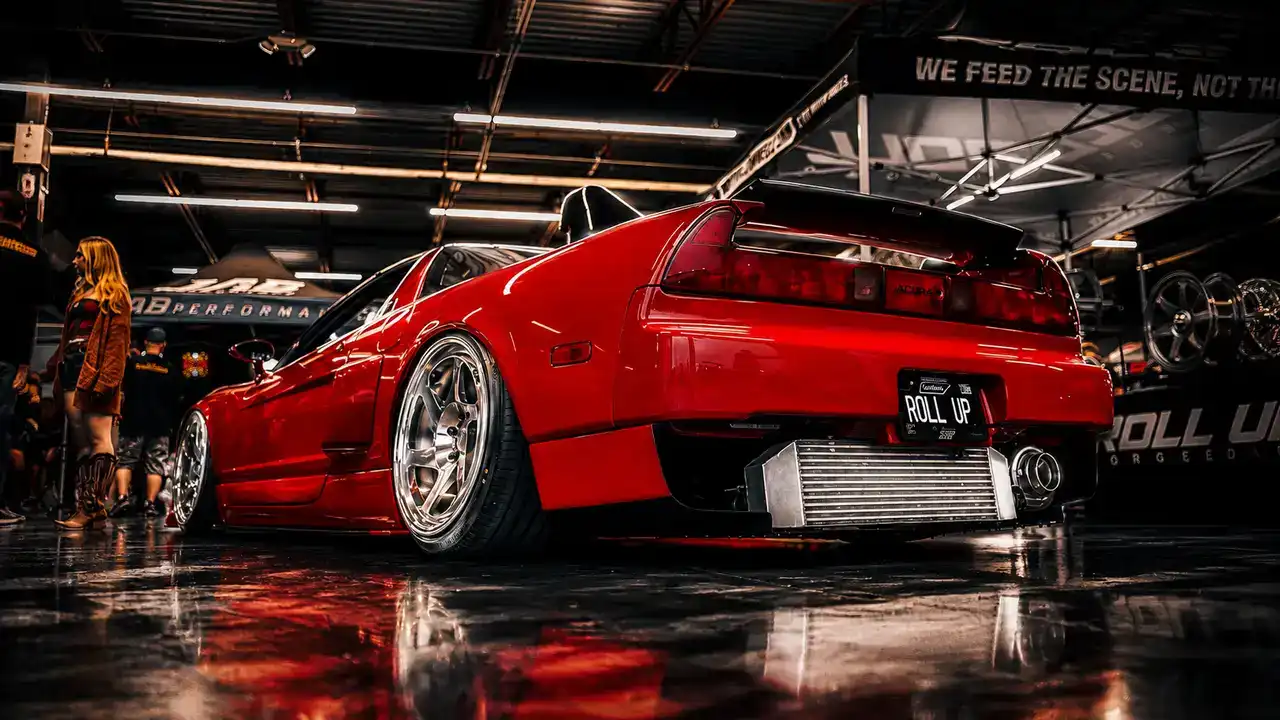
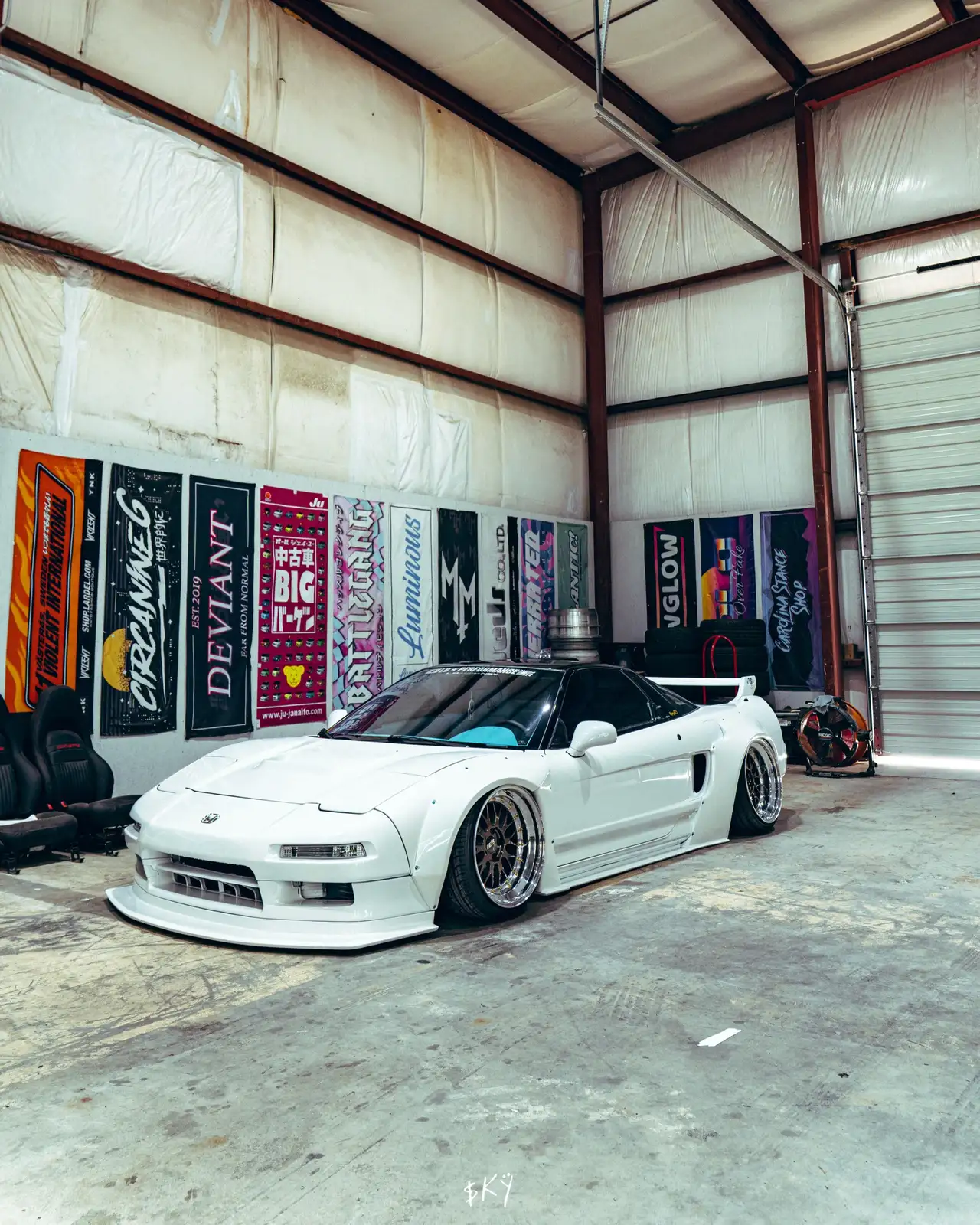
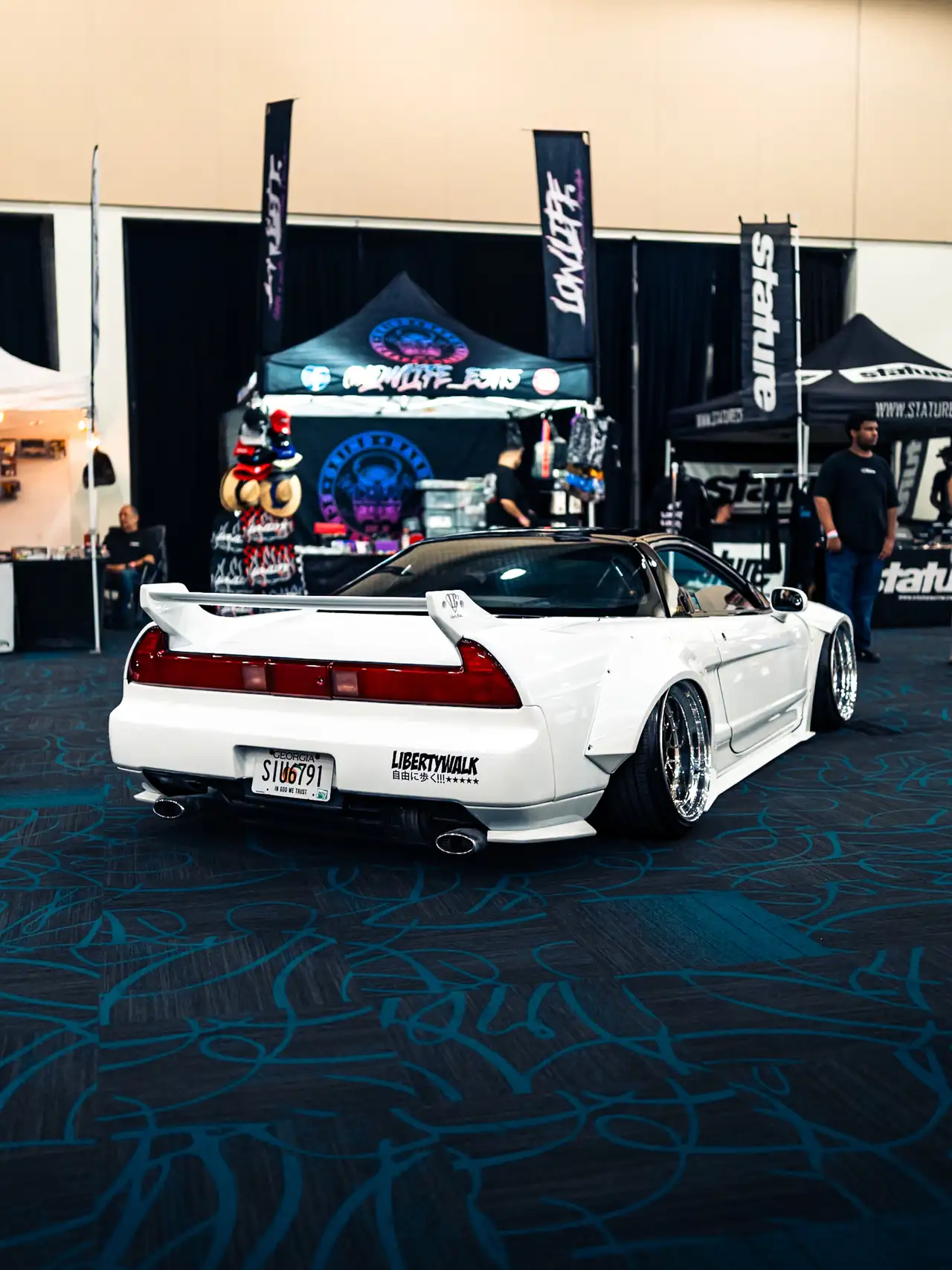
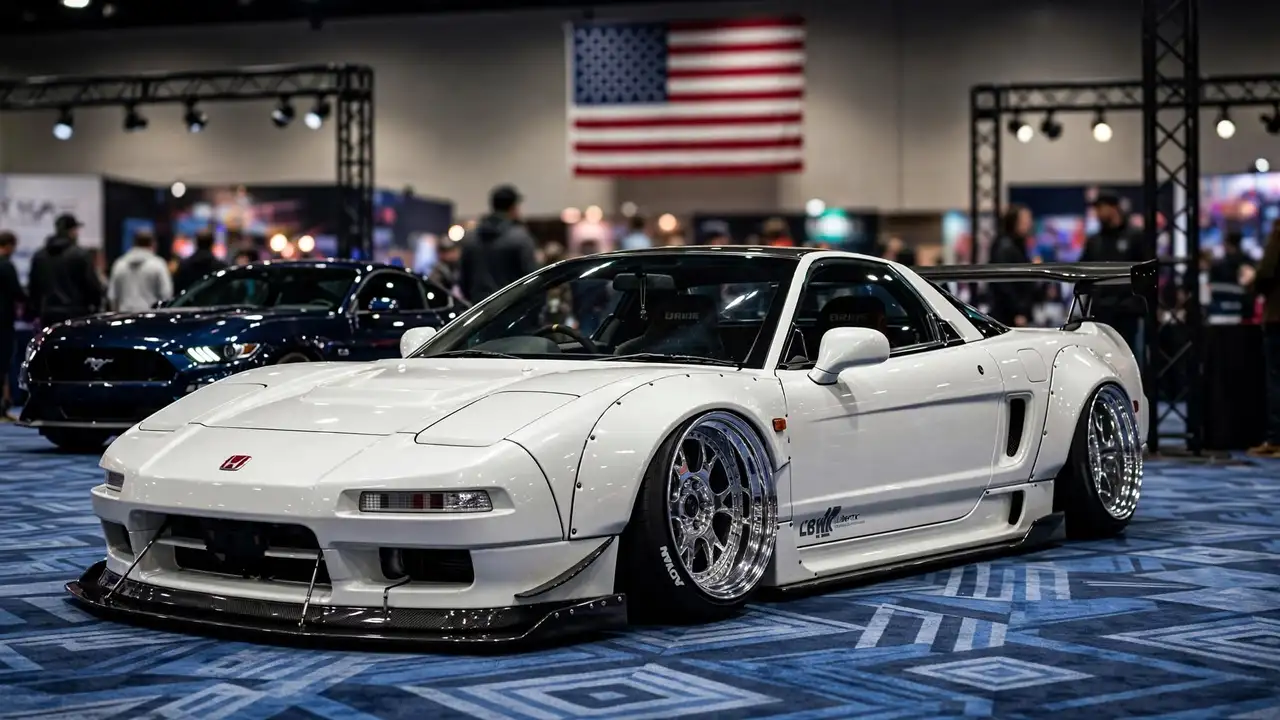
The original Acura NSX (1990-2005) was the first production car with an all-aluminium chassis, developed with input from Ayrton Senna to rival Ferrari.
Acura NSX: the car that made Ferrari raise its game
The original Acura NSX arrived in showrooms in 1990 and quietly rewrote the rules for what a supercar could be. It matched Ferrari-level performance without the reliability headaches Italian exotics were known for at the time.
Why did Honda decide to build a supercar?
Honda wanted to prove it could build something to rival the Ferrari 328, and later the 348, without the mechanical fragility that came with owning one. The project, known internally as NS-X, began in the mid-1980s.
Engineers set themselves a clear brief. The car had to be fast, light, and reliable enough for daily use, something few exotic cars of that era could claim.
What role did Ayrton Senna play in its development?
Senna tested early prototypes at Suzuka and flagged serious concerns about chassis rigidity. Honda’s engineers took his feedback seriously and reworked the body structure before production began.
The three-time Formula One champion reportedly described the car as feeling “fragile” through fast corners. Once his suggested changes were made, the NSX gained the stiffness it needed to compete properly with European rivals.
What made the chassis so significant?
The NSX was the first production car in the world with a fully aluminium monocoque chassis. That choice brought the kerb weight down to around 1,365kg, considerably lighter than most rivals of the time.
Building with aluminium instead of steel meant Honda had to develop entirely new welding techniques just for this car. The result was a stiff, lightweight platform with a low centre of gravity, ideal for cornering.
What engine powered the original NSX?
The NSX launched with a 3.0-litre C30A V6, mounted midships, producing 270bhp with the manual gearbox and 252bhp with the automatic. The engine used Honda’s VTEC system, which adjusted valve timing depending on engine speed.
In 1997, Honda replaced it with a 3.2-litre C32B unit, lifting output to 290bhp and introducing a six-speed manual gearbox. That update also brought firmer suspension settings and larger brakes.
Was the NSX only ever a closed coupé?
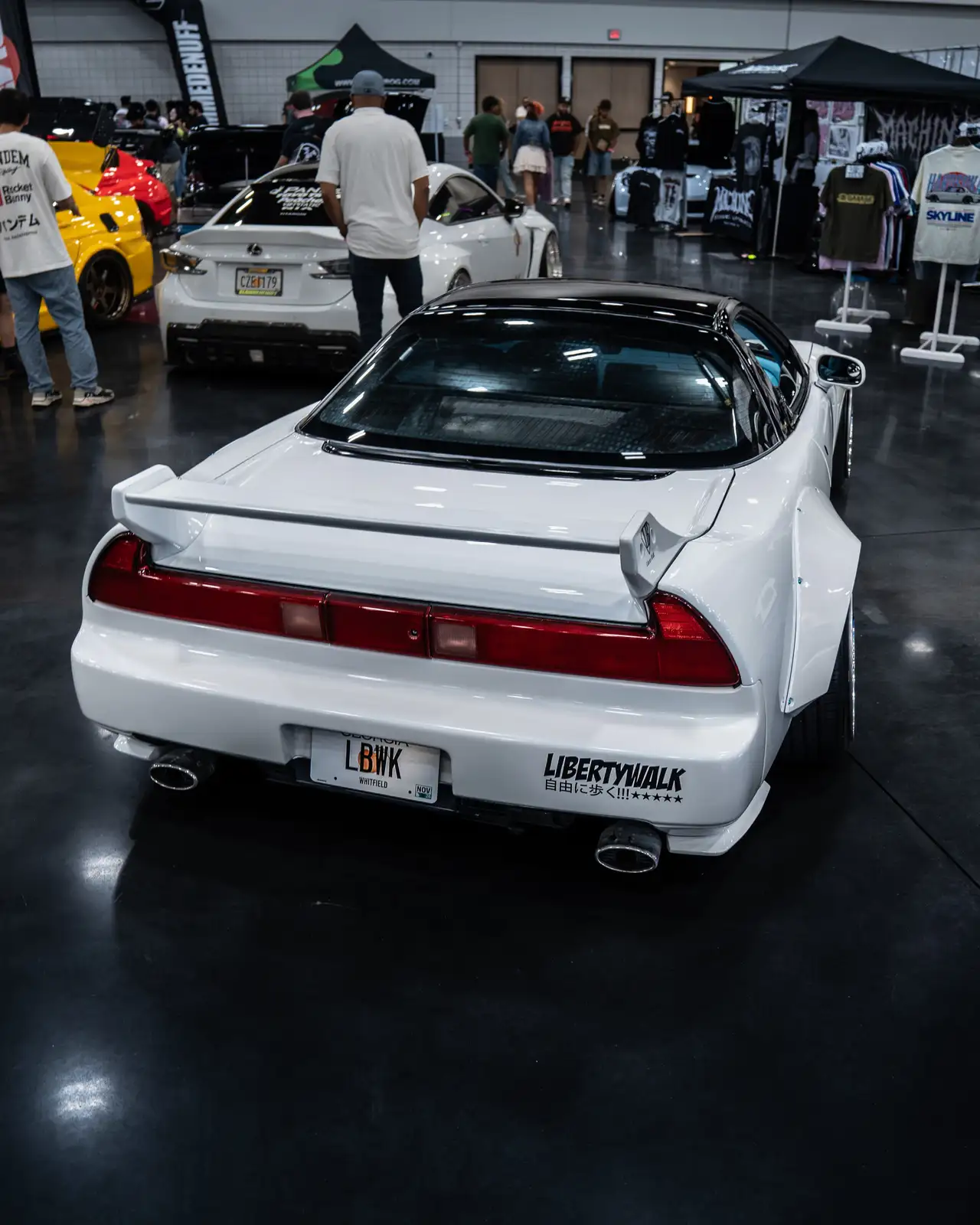
No. From 1995, Honda introduced the NSX-T, a targa-top variant with a removable roof panel. It suited buyers who wanted open-air motoring without giving up the coupé’s dynamics.
Honda also built the Type R, a stripped-out, track-focused version sold only in Japan in limited numbers. It shed comfort features to save weight and sharpen the car’s handling.
How much did an Acura NSX cost when new?
In the United States, the NSX launched at roughly $60,000 in 1990, around half the price of a comparable Ferrari 348. That price gap was a major talking point among rivals at launch.
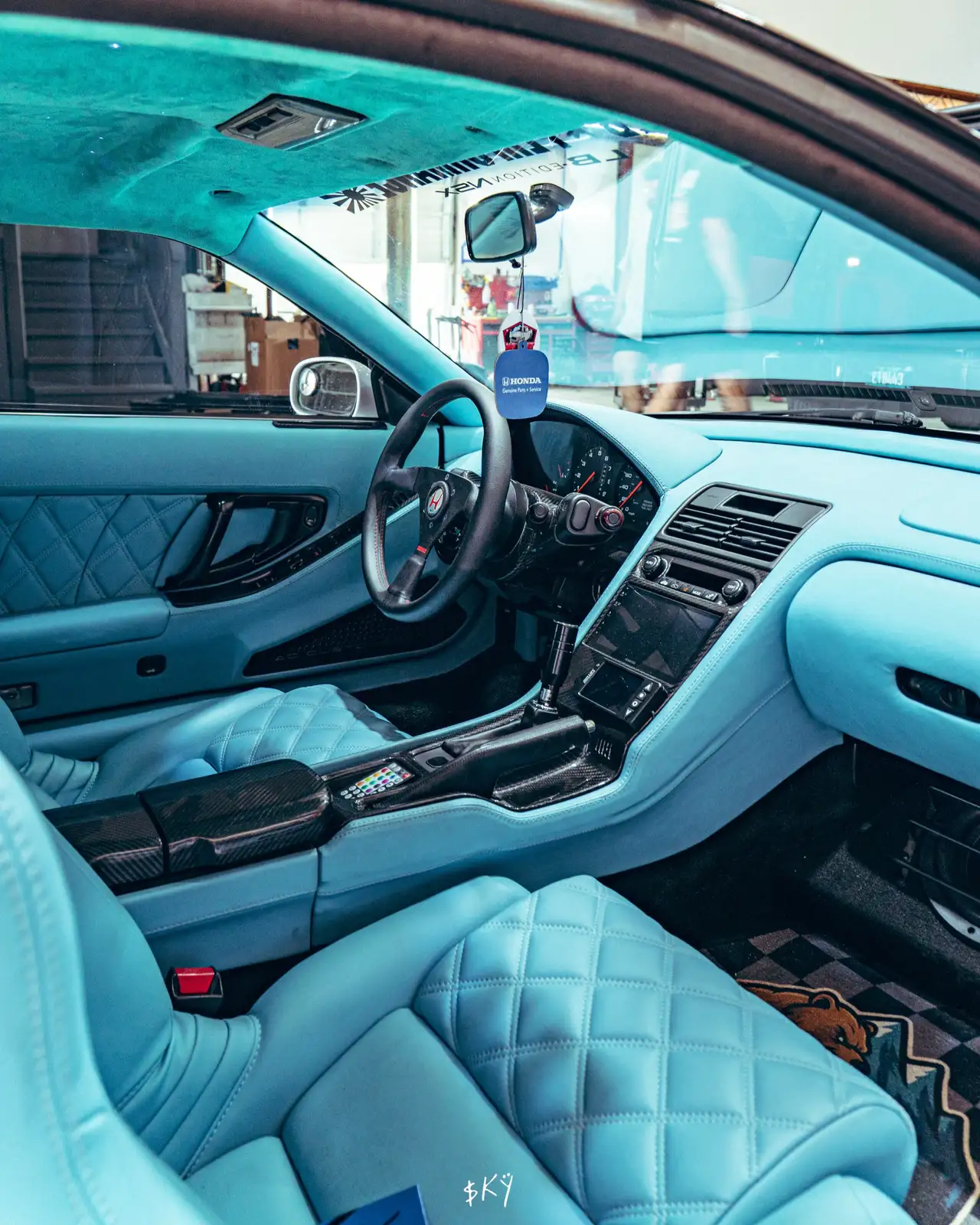
Despite the lower cost, the NSX offered a well-finished cabin, electric power steering, unusual for a supercar at the time, and an engine note that borrowed heavily from Honda’s racing programmes.
Does the original NSX still deserve attention?
It does, and increasingly so. Well-preserved examples have become sought-after among collectors, thanks to a rare mix of engineering significance and genuine everyday usability.
For anyone interested in automotive history, the NSX remains essential reading. It pushed European manufacturers to rethink how they engineered their own supercars, and few Japanese models have left such a direct mark outside their home market.

Por: Danniel Bittencourt
01/09/2026
Related posts