Why Did the 1990 Acura NSX Change Supercars For Good?
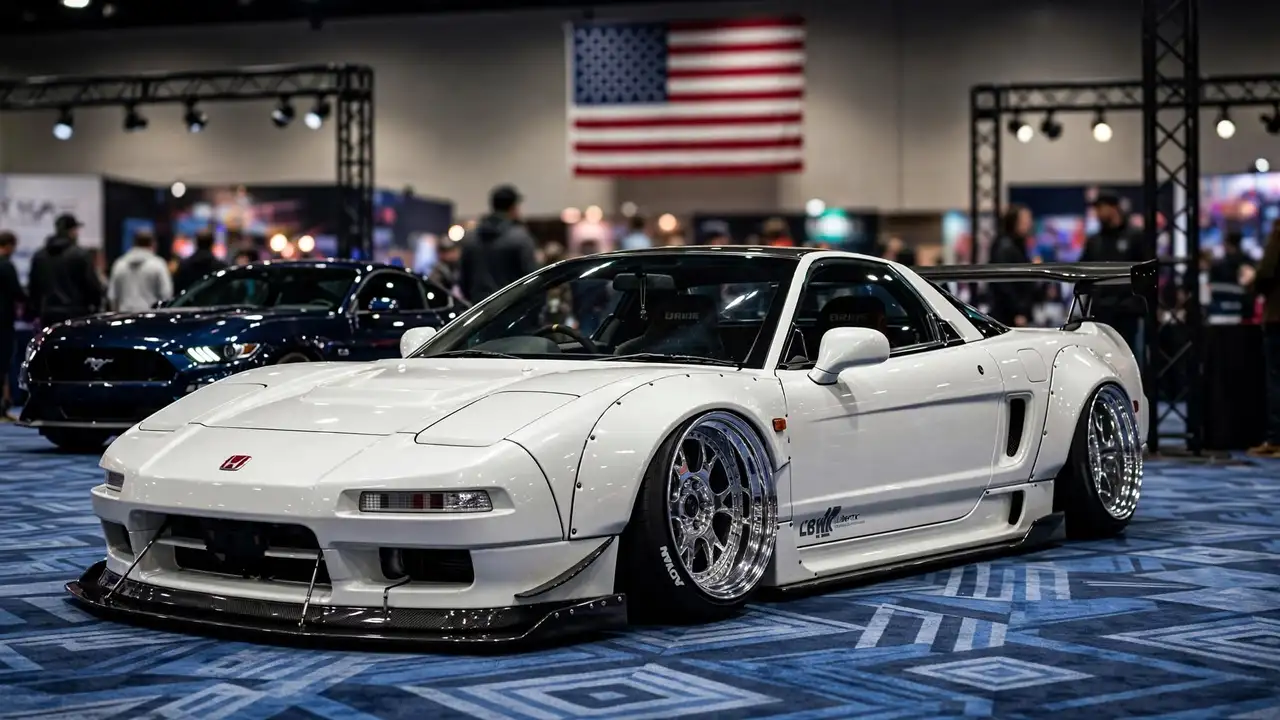
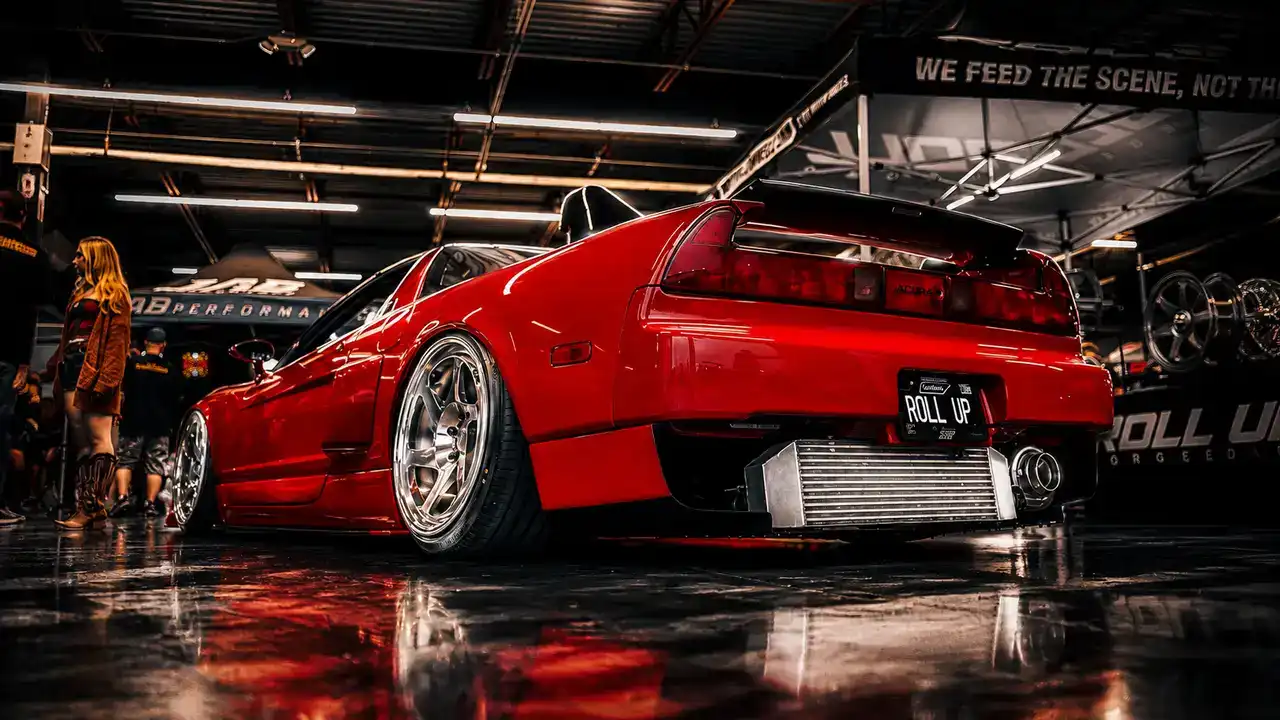
The NSX was the first production car ever built with a fully aluminium monocoque chassis. That single decision cut weight without sacrificing structural strength.
Honda wanted to prove a supercar could be reliable, easy to live with day to day, and still quick enough to trouble the Ferrari 348, its closest rival at launch.
The car made its debut at the Chicago Auto Show in February 1989. Japanese sales began in 1990, with the Acura badge arriving in the US for the 1991 model year.
What Role Did Ayrton Senna Play in Its Development?
Senna tested an early prototype and told Honda’s engineers the chassis flexed too much through fast corners. His feedback led to a stiffer structure before the car ever reached production.
At the time, Senna was already a three-time Formula 1 world champion, driving for Honda’s own engine partner on the grid. His input shaped the steering feel and suspension tuning that followed.
That collaboration became one of the most talked-about chapters in the NSX story, tying the road car to genuine racing pedigree from day one.
What Engine Powered the Original Acura NSX?
The launch model used a 3.0-litre V6 with Honda’s VTEC system, producing 270bhp with the five-speed manual gearbox, or 252bhp with the four-speed automatic.
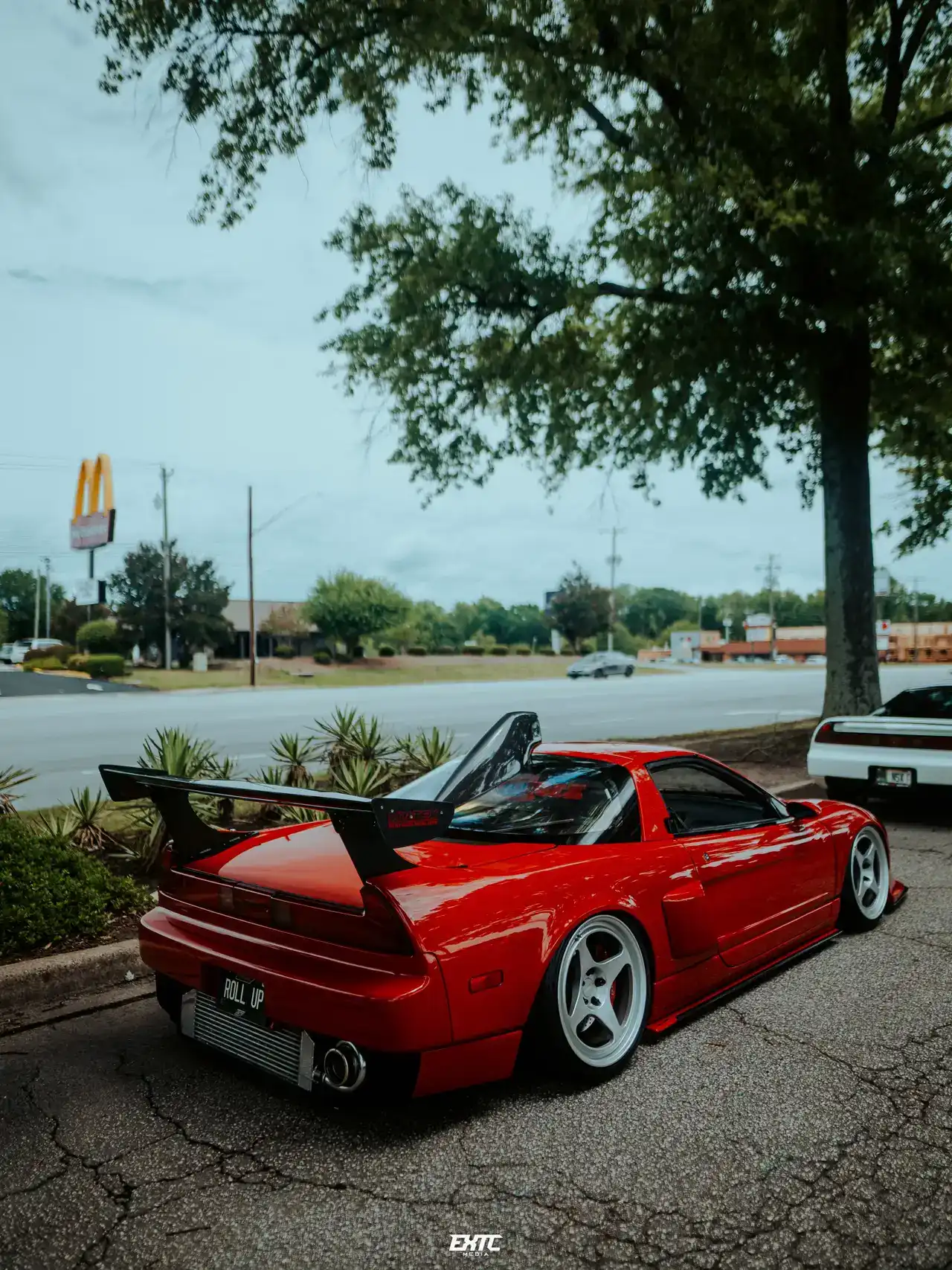
Known internally as the C30A, the engine had an aluminium block and head and could spin to 8,000rpm, an unusually high limit for a road car in 1990. It sat behind the driver, sending power to the rear wheels.
In 1997, Honda increased displacement to 3.2 litres with the C32B engine, lifting output to 290bhp and adding a new six-speed manual gearbox alongside a fresh set of brakes.
How Did the Acura NSX Change Over Time?
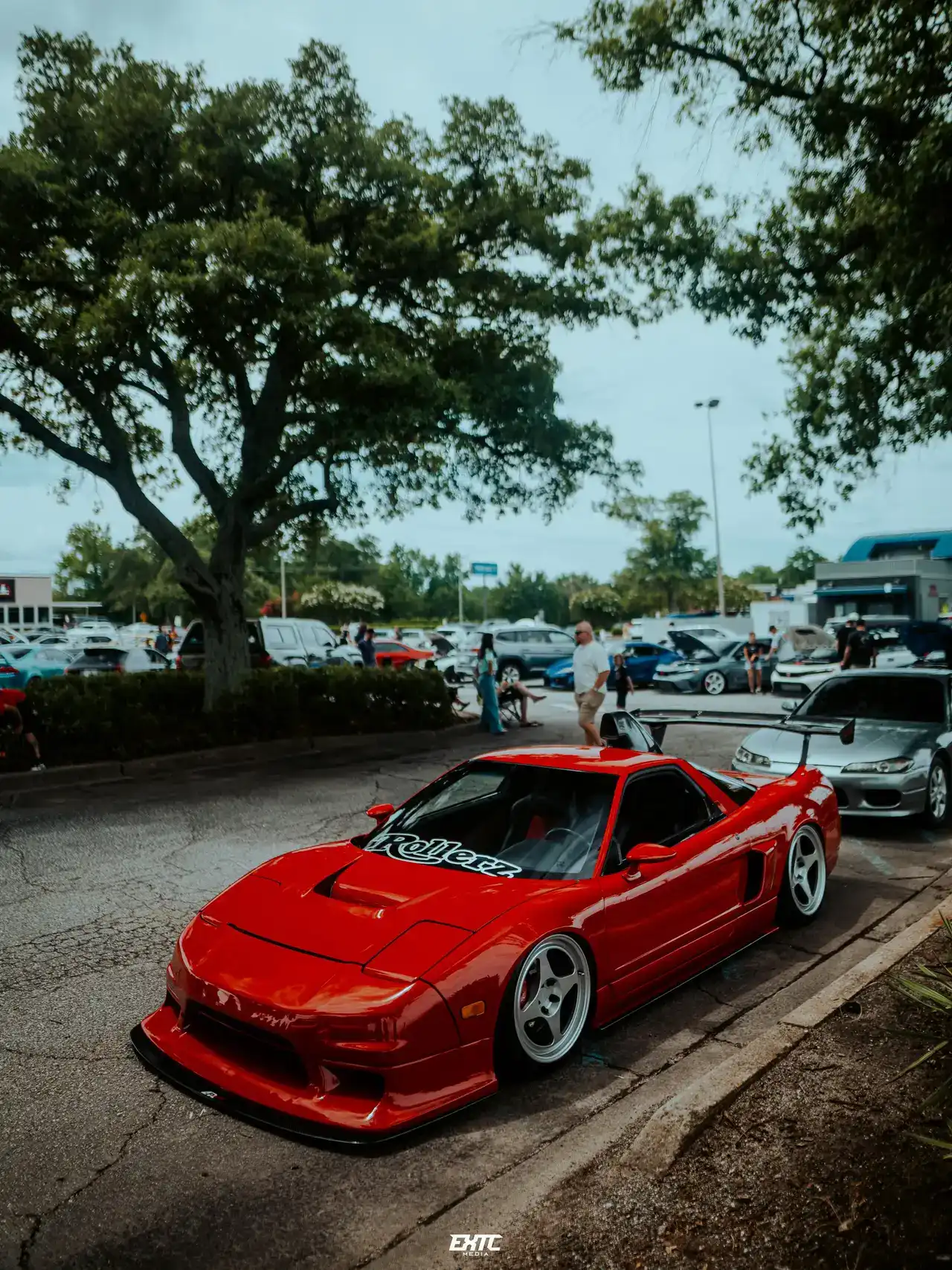
The most visible update came in 2002, when the NSX dropped its pop-up headlights for fixed units and gained revised suspension settings.
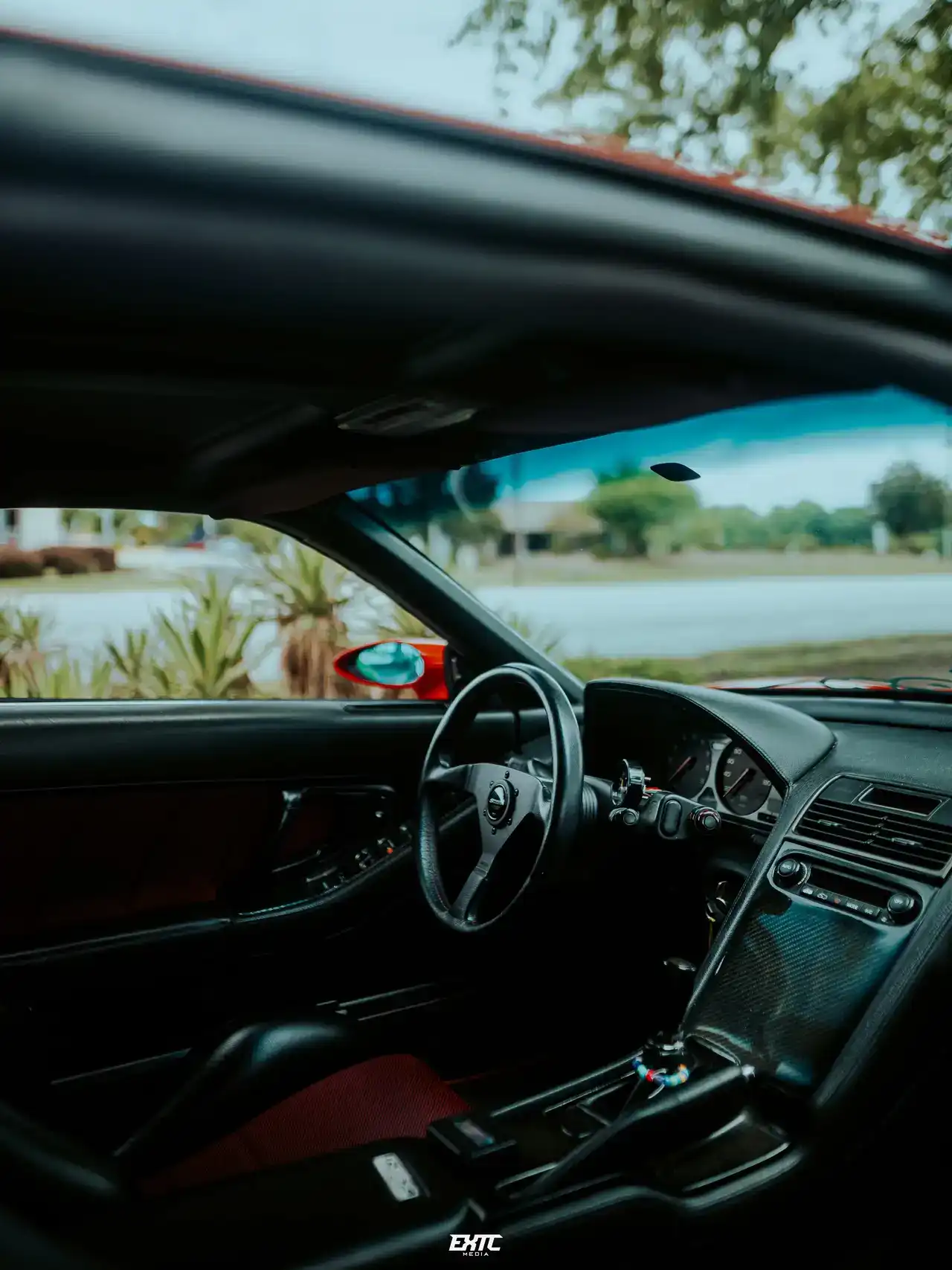
The cabin was also designed with the driver’s sightlines in mind, deliberately modelled on a fighter jet cockpit to maximise visibility on track and on the road.
Sportier variants followed too, including the Type R and Type S, both built with weight savings and sharper responses in mind, largely sold within the Japanese domestic market.
Is the Original Acura NSX Still Worth Attention Today?
Yes, and increasingly so. The first-generation NSX has become a genuine collector’s classic, valued for both its engineering and its connection to Senna.
Production ran until November 2005, closing out 15 years without the car ever needing a major redesign, a sign of how well resolved the original concept was.
For collectors and enthusiasts, the first-generation NSX still stands as proof that a supercar can be dependable and affordable to maintain without losing any of its sporting character.