Audi A3 allstreet 2027: The Cabin Upgrade That Changes the Conversation
The Audi A3 allstreet 2027 brings a new curved display setup, more tech, and crossover attitude without becoming a true SUV. The real question is whether that formula would make sense for American buyers.
Audi A3 allstreet 2027 and the cabin upgrade that changes everything
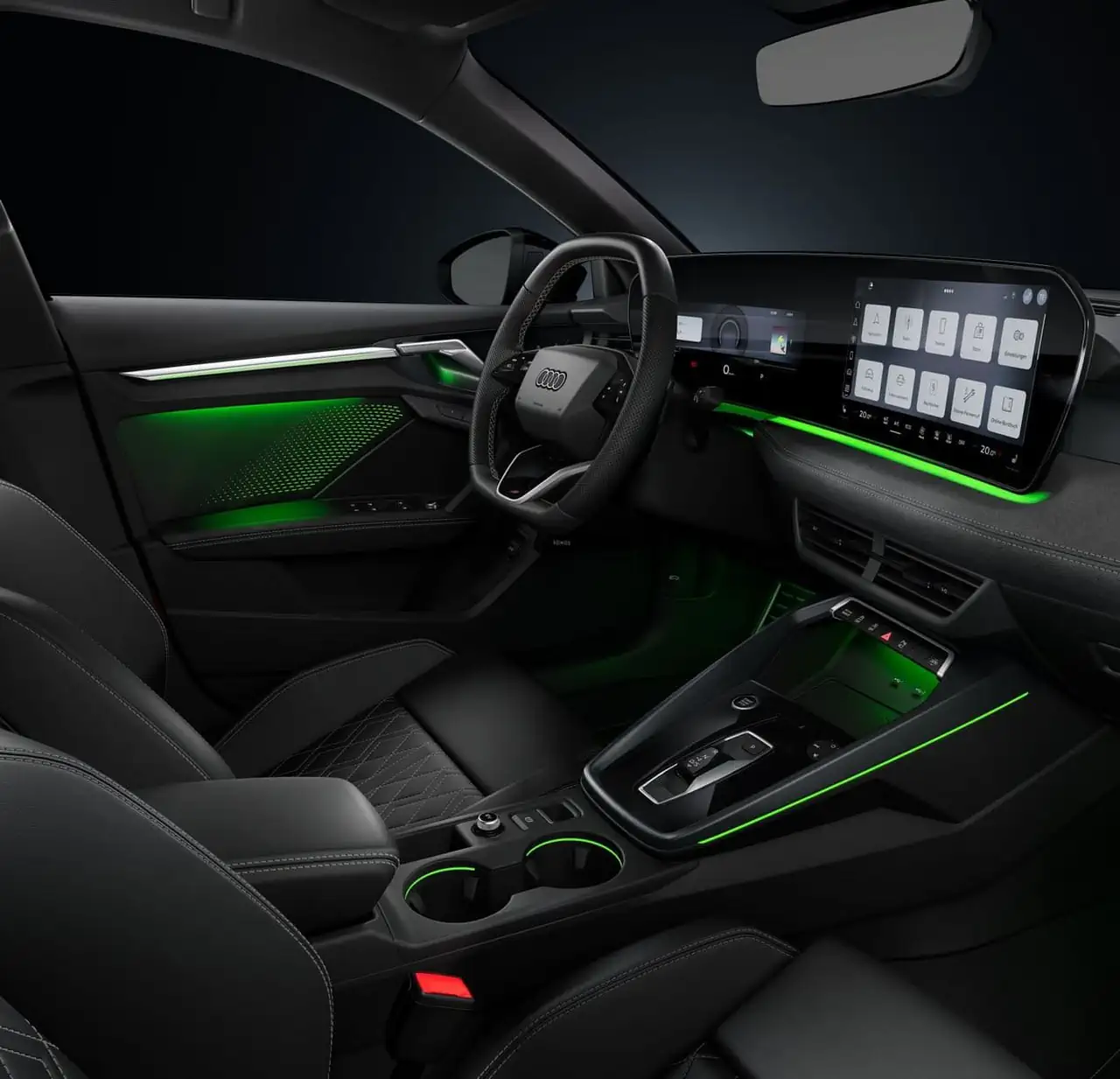
The biggest news is inside. The 2027 update brings a curved dashboard layout with an 11.9-inch digital cluster and a 12.8-inch panoramic touchscreen. This is a mid-cycle refresh of the current A3, not an all-new generation.
The concept is easy to understand. This model targets buyers who want a slightly higher seating position and tougher styling without leaving the world of premium compact vehicles. In a U.S. context, the closest points of reference are the BMW X1 and Mercedes-Benz GLA.
For American buyers, the key issue is availability. Audi has not officially confirmed the allstreet for the U.S., and current reporting suggests this lifted hatch is a Europe-only play.
Dados Rápidos
| Informação | Detalhes |
|---|---|
| Categoria | Premium compact crossover |
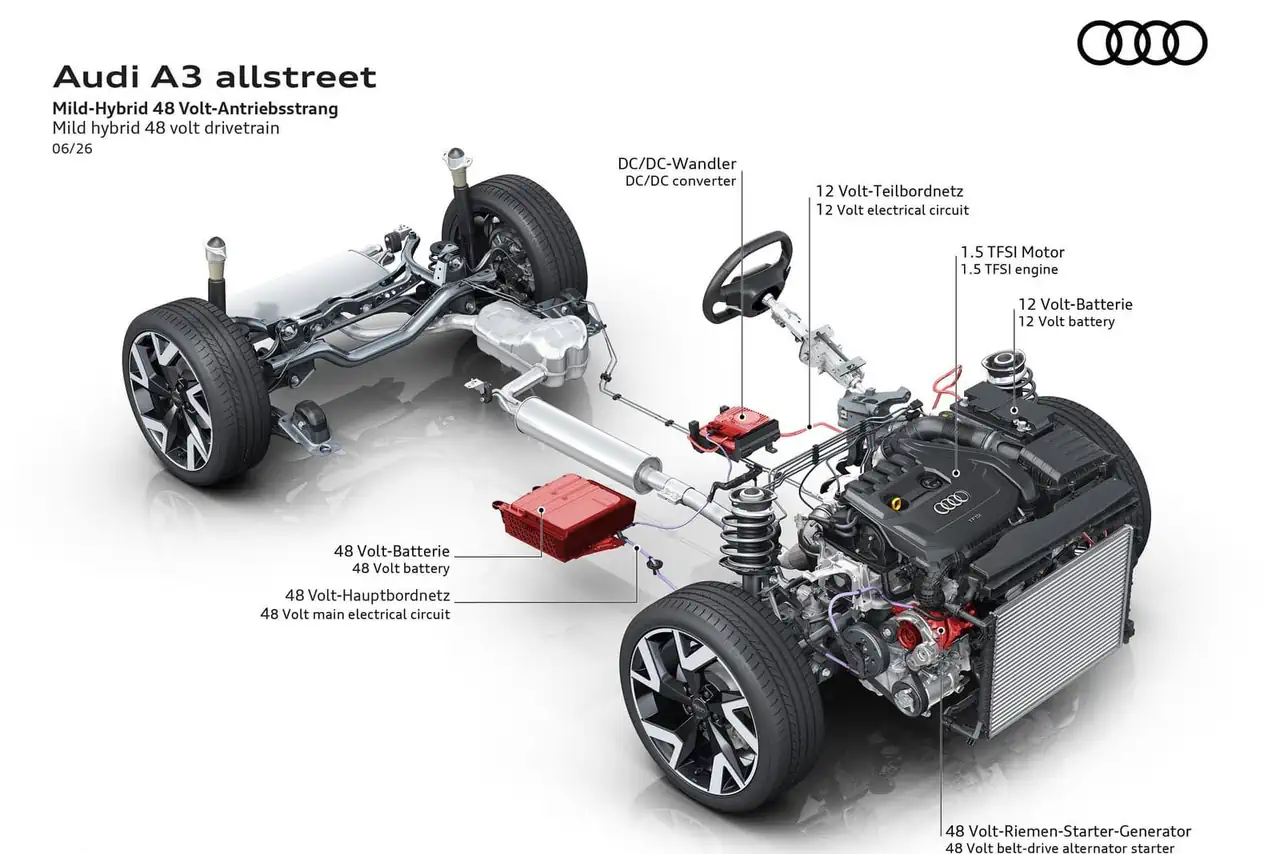
| Motorização | 1.5-liter turbocharged four-cylinder with 48-volt mild-hybrid assistance in certain configurations; 2.0-liter diesel in some markets |
| Potência | 148 hp |
| Torque | 184 lb-ft |
| Câmbio | Six-speed manual or seven-speed S tronic dual-clutch automatic, depending on version |
| Tração | Front-wheel drive; specific 2027 quattro availability is not fully detailed |
| 0 a 100 km/h | 8.8 to 8.4 seconds to 62 mph, depending on configuration |
| Velocidade Máxima | 135 mph |
| Consumo Médio | About 37.9 to 44.4 mpg combined, depending on configuration |
| Autonomia | Not yet officially disclosed for the allstreet plug-in hybrid |
| Data de lançamento | Already introduced in Europe; not confirmed for the U.S. market |
On paper, it looks like a niche A3 derivative. In the real world, the appeal depends on whether this mix of extra ride height, familiar Audi hardware, and a much more digital cabin actually improves daily life enough to justify the concept.
A lifted shape with hatchback roots and a more rugged stance
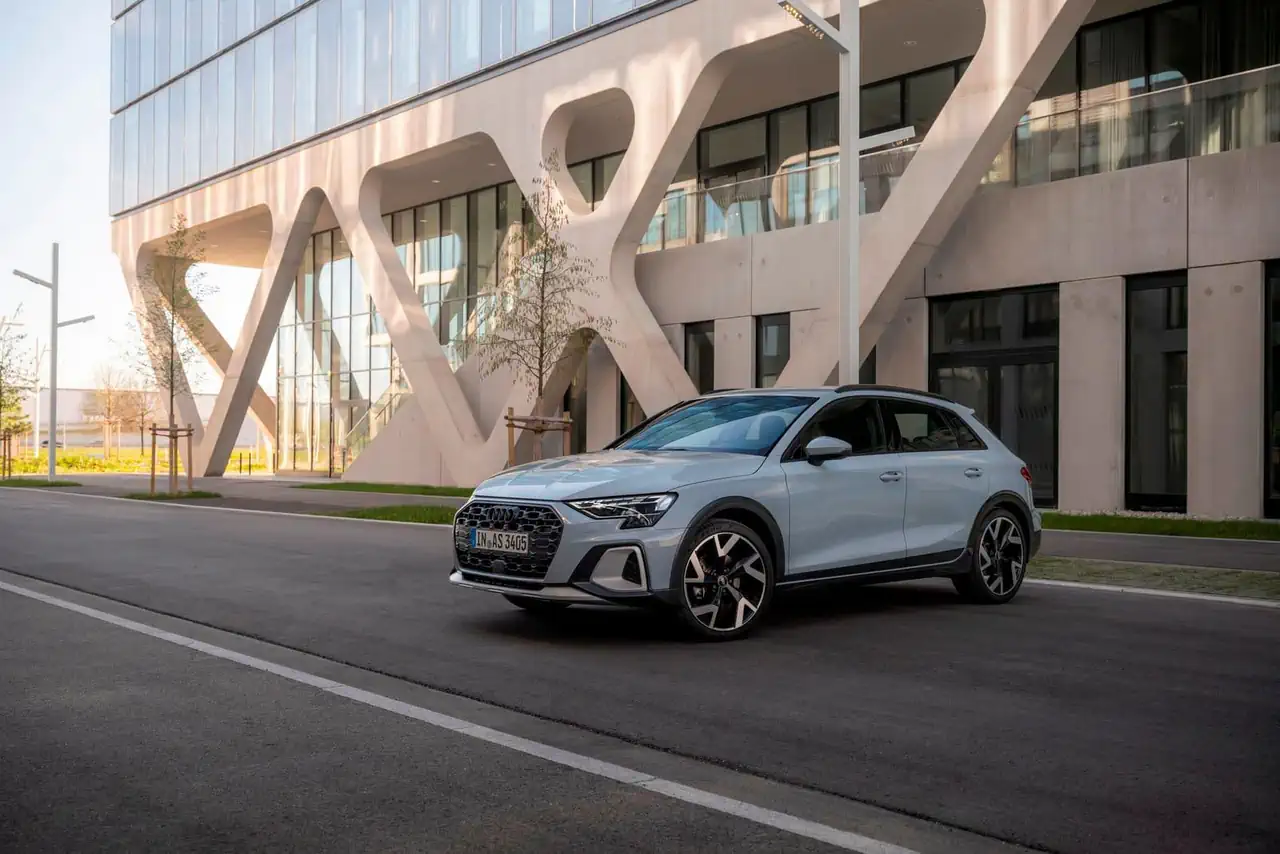
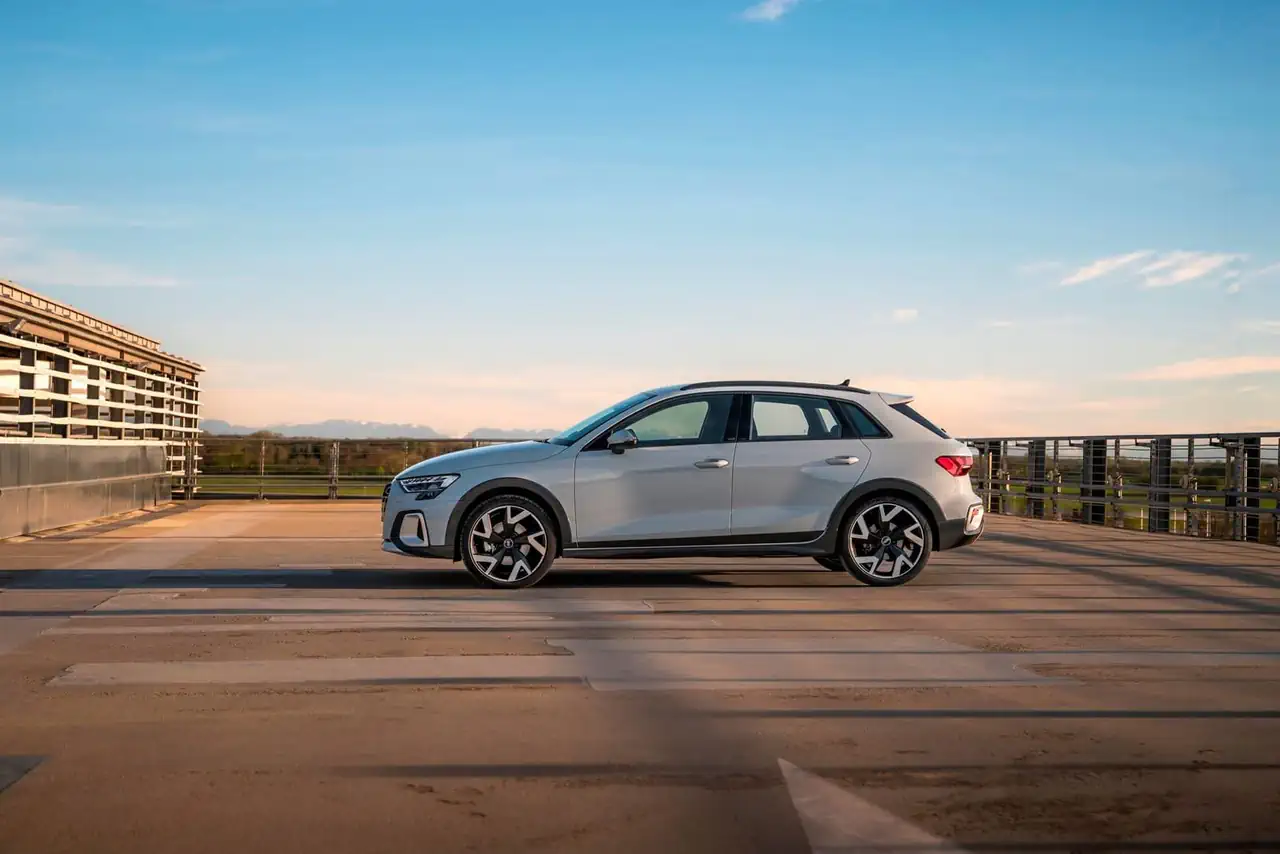
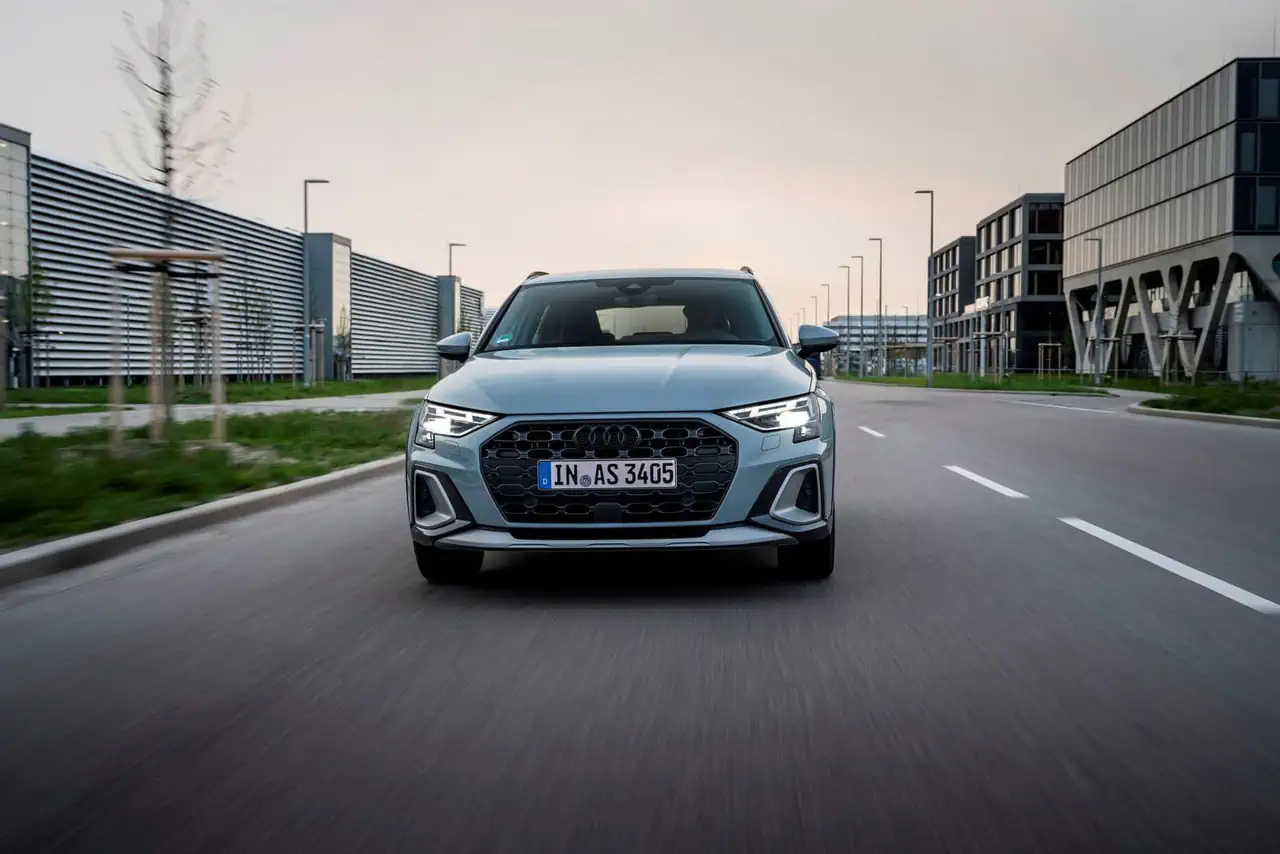
From the side, this thing still reads like a hatchback first. The five-door Sportback profile remains intact, but the raised suspension, larger tire package, and standard roof rails shift the vibe toward crossover territory.
Up front, the Singleframe grille sits higher and gives the nose a more upright look. The headlights follow the latest design language from Audi, while the front bumper uses silver accents and underbody-style trim to separate it visually from the regular A3 Sportback.
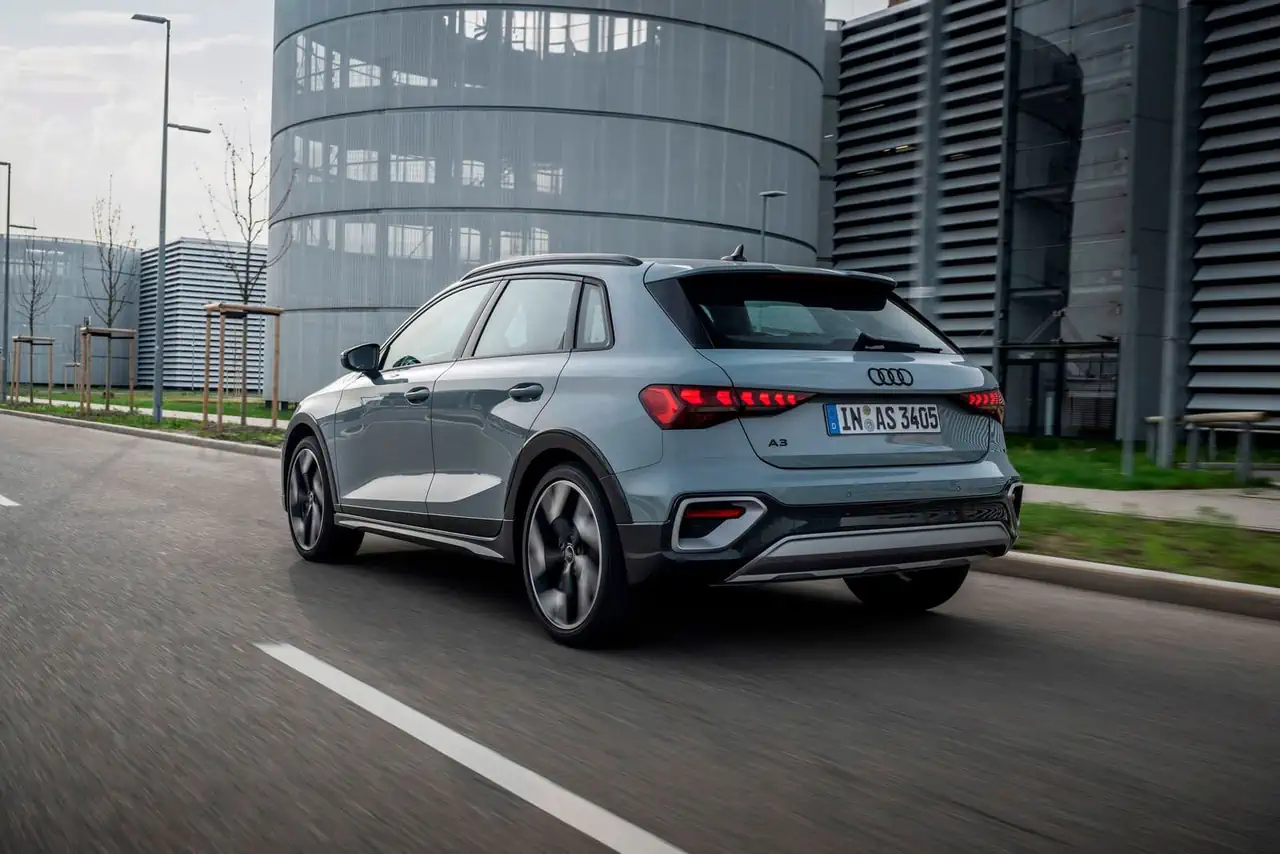
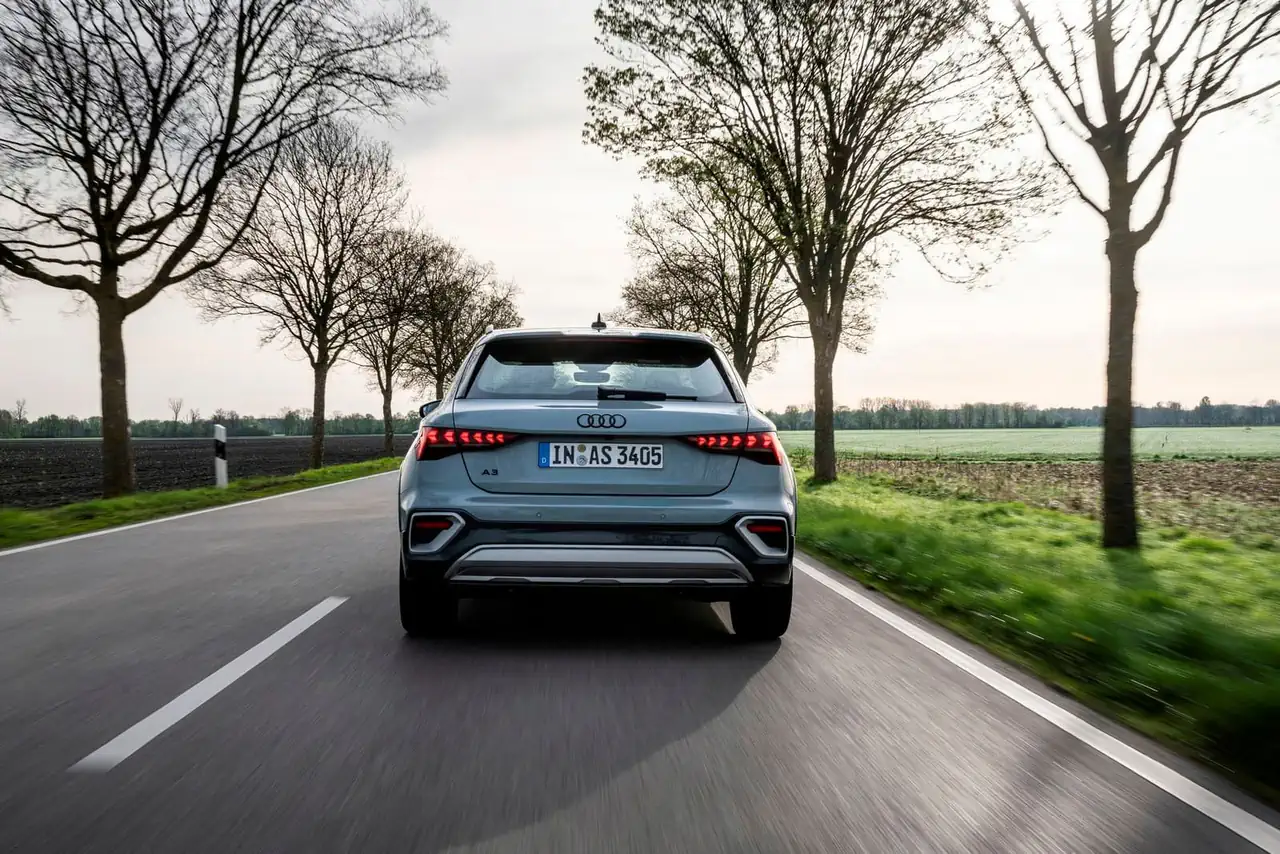
Along the sides, the dark wheel-arch cladding and lower-body trim do most of the work. Wheel sizes range from 17 to 19 inches, depending on trim. Out back, the chunkier bumper treatment and diffuser-style lower section continue the rugged theme without disguising the car’s compact hatch proportions.
In person, it comes across as sturdier rather than sporty. The brand didn’t rewrite its design language here, but it did give this small car a more utility-driven identity without turning it into a fake off-roader.
A cleaner dashboard, upscale feel, and solid day-to-day ergonomics
Inside, the cabin sticks to Audi tradition but moves forward in the areas that matter. The redesigned dashboard and curved-screen layout give the 2027 update a more modern feel the moment you sit down.
Perceived quality remains strong where the driver actually interacts with the car. At the same time, the research points to harder plastics in lower areas, and that matters more in a premium product where buyers are paying close attention to detail.
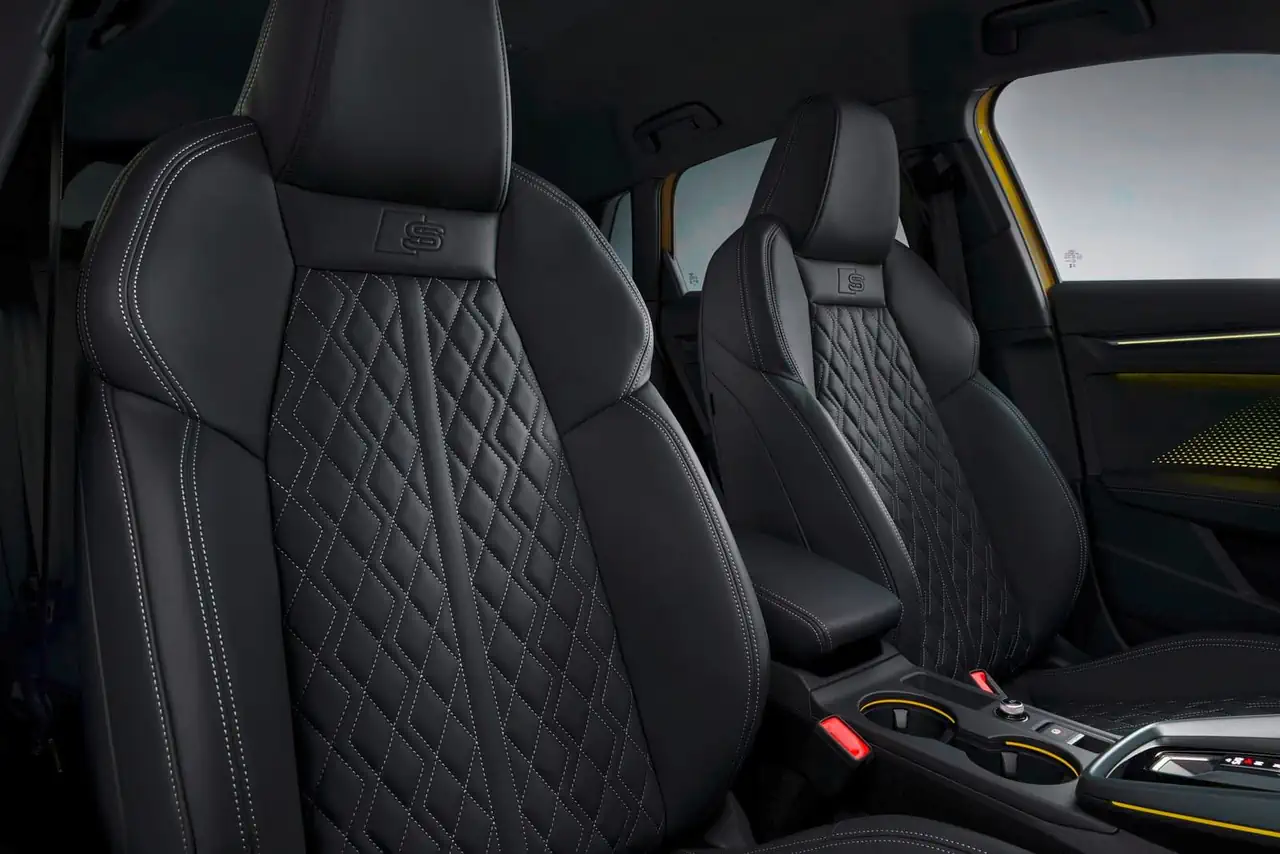
The front seats appear to support the car’s mission well. The slightly raised seating position should make getting in and out easier, and the overall layout stays conservative in a good way, especially for buyers who prefer clean ergonomics over flashy experimentation.
Bigger screens, stronger driver assists, and usable cargo space
The infotainment screen starts at 10.1 inches in the current update, while the 2027 setup moves to a 12.8-inch panoramic display paired with an 11.9-inch digital instrument cluster. In practical terms, that puts the car closer to what premium compact buyers in Germany and beyond now expect from a modern Audi.
Connectivity includes integrated apps, connected services, and features available on demand. Driver-assistance tech goes further with collision mitigation, adaptive cruise functions with lane centering, and more advanced parking aids. Cargo room comes in at 13.4 cubic feet and expands to 42.3 cubic feet with the rear seats folded.
The clearest cabin strength is the mix of tech and everyday usability. The real limitation is rear-seat space, which remains acceptable for adults but not especially generous for taller passengers.



Power and fuel economy: what the numbers mean on the road
The clearest version in the current lineup is the 1.5-liter turbo four with 148 hp and 184 lb-ft of torque, paired with either a six-speed manual or a seven-speed dual-clutch automatic. In most forms, it sends power to the front wheels. Some markets also get a 2.0-liter diesel with the same 148 hp and a stronger 265 lb-ft.
In real driving, the torque matters more than the horsepower headline. That should translate to decent passing response, easy city drivability, and relaxed highway manners, but not the urgency of a true hot hatch. The 0-to-62-mph time of 8.8 to 8.4 seconds backs that up. It’s quick enough to feel premium, not quick enough to feel special.
A 135-mph top speed shows there’s enough reserve for fast-road use. Fuel economy of roughly 37.9 to 44.4 mpg in the 1.5T also tells you where Audi aimed this car: balanced efficiency, not outright performance. The diesel, where offered, pushes the formula even more toward long-distance thrift.
Pricing, insurance, and ownership costs: where the math gets tricky
Overseas, the allstreet sits between a premium hatchback and a compact crossover. In the U.S., the problem is simpler: it isn’t officially part of the lineup, and that changes the buying conversation completely.
In Europe, pricing starts around €37,450. If Audi ever brought it here, an Estimativa de Mercado for the U.S. would likely place it above the standard A3 sedan and uncomfortably close to entry luxury crossovers that already have a foothold with American buyers. That would make positioning difficult, especially when the BMW X1 and Mercedes-Benz GLA already make the case for this kind of vehicle in a more familiar format.
From a cost perspective, insurance premiums would likely run high because of the premium badge and repair costs. Maintenance costs would also follow the usual Audi pattern, meaning this probably wouldn’t be a cheap vehicle to own outside warranty coverage. Financing could be another weak point if MSRP creeps too far upward and early depreciation hits before the market decides what this car really is.
This makes more sense as an emotional buy than a purely rational one. It fits drivers who want something different for urban and highway use, but it’s harder to justify for shoppers focused on straightforward value.
Dúvidas Frequentes: o que saber antes de comprar
Is the Audi A3 allstreet 2027 coming to the U.S.?
As of now, Audi has not officially confirmed the allstreet for the American market, and current coverage suggests it is Europe-only.
What kind of fuel economy does the 1.5 turbo deliver?
International figures point to roughly 37.9 to 44.4 mpg combined, depending on trim and transmission.
Is it roomy enough for small-family duty?
Cargo space is useful, but rear-seat room is only average for taller adults.
Will insurance and maintenance be expensive?
Most likely, yes. As a premium Audi, it would likely carry higher insurance premiums and above-average maintenance costs.
Veredito: o Audi A3 allstreet 2027 compensa a aposta?
The allstreet makes more sense as an emotional purchase than a rational one. It offers a modern cabin, strong tech, and more day-to-day comfort than a conventional hatch, but it may disappoint anyone expecting true SUV practicality or class-leading value.
It’s also not the right fit for drivers who prioritize roomy rear seating, low maintenance costs, or clear-cut buying logic. This is an Audi for people who want distinction without leaving the pavement.
Do you think the Audi A3 allstreet 2027 justifies its premium crossover pitch, or would you rather spend the money on a more traditional rival? Drop your honest take in the comments below.
Share this article

Por: Danniel Bittencourt
02/07/2026
Related posts