2027 Jeep Avenger: Everything You Need to Know About the New Compact SUV
The smallest Jeep ever built is coming as a 2027 model with standard mild-hybrid technology, an estimated price range between $22,000 and $28,000, and a tax incentive that could completely change the math for budget-conscious buyers.

Por: Danniel Bittencourt
14/05/2026
2027 Jeep Avenger Is Already Electrified — And It’s Coming for the Renegade’s Spot
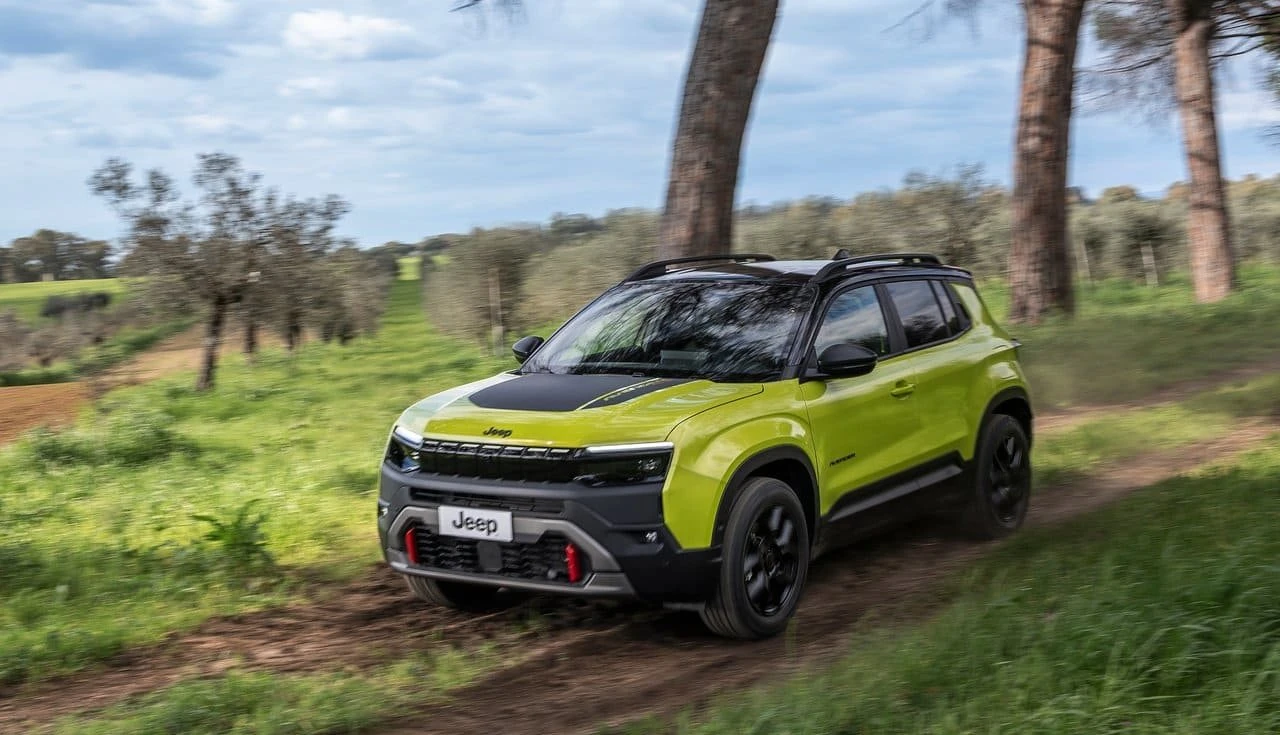
The 2027 Jeep Avenger isn’t just another compact SUV. It’s the first Jeep built with standard electrification straight from the factory — a 12V mild-hybrid system paired with a turbocharged flex-fuel engine. And its mission is clear: fill the gap left by the entry-level Renegade trims that got quietly pushed upmarket.
Production is already underway in Porto Real, Brazil, at the same plant that builds the Citroën C3 and Peugeot 2008. That’s not just a fun fact — it’s what keeps costs in check and parts widely available across the Stellantis network.
The two biggest rivals? The Volkswagen Taos and the Renault Kardian. The target buyer is a young urban professional — someone who wants the Jeep badge and elevated driving position without stepping up to Compass money.
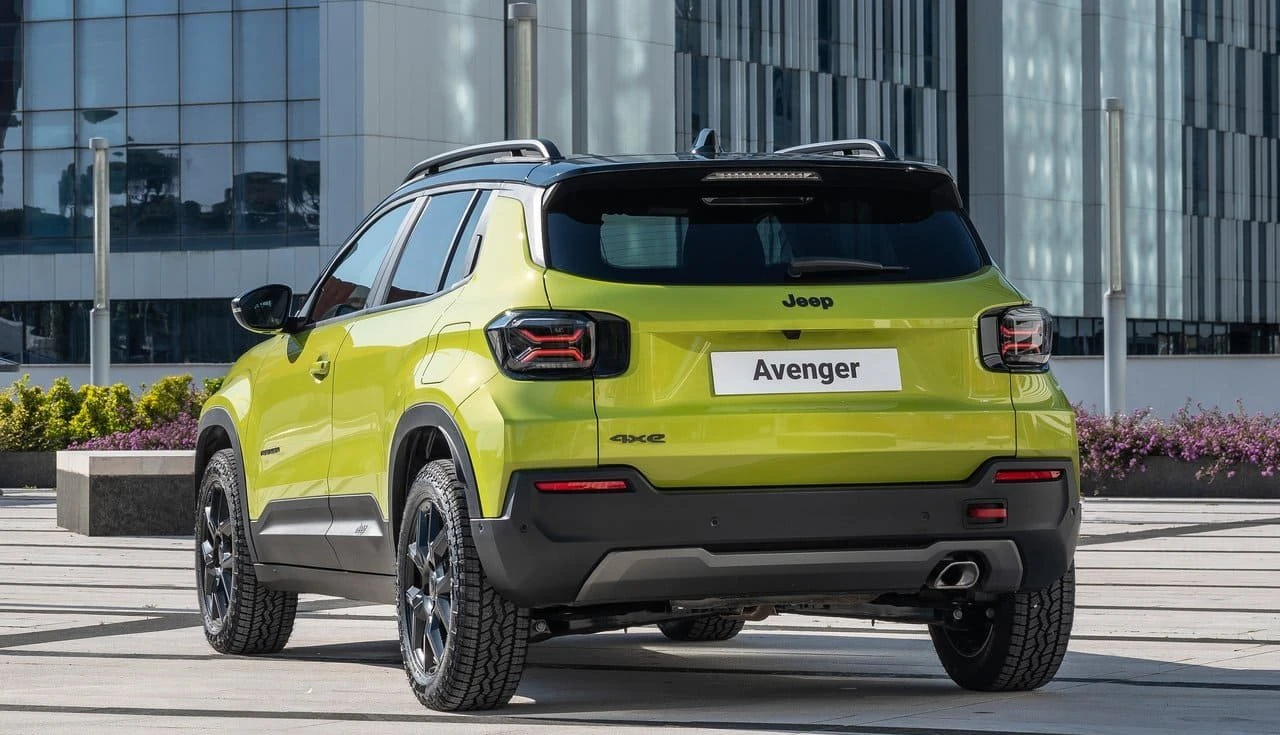
Illuminated Grille, Wide Wheel Arches, and a Hidden Easter Egg Jeep Fans Will Love
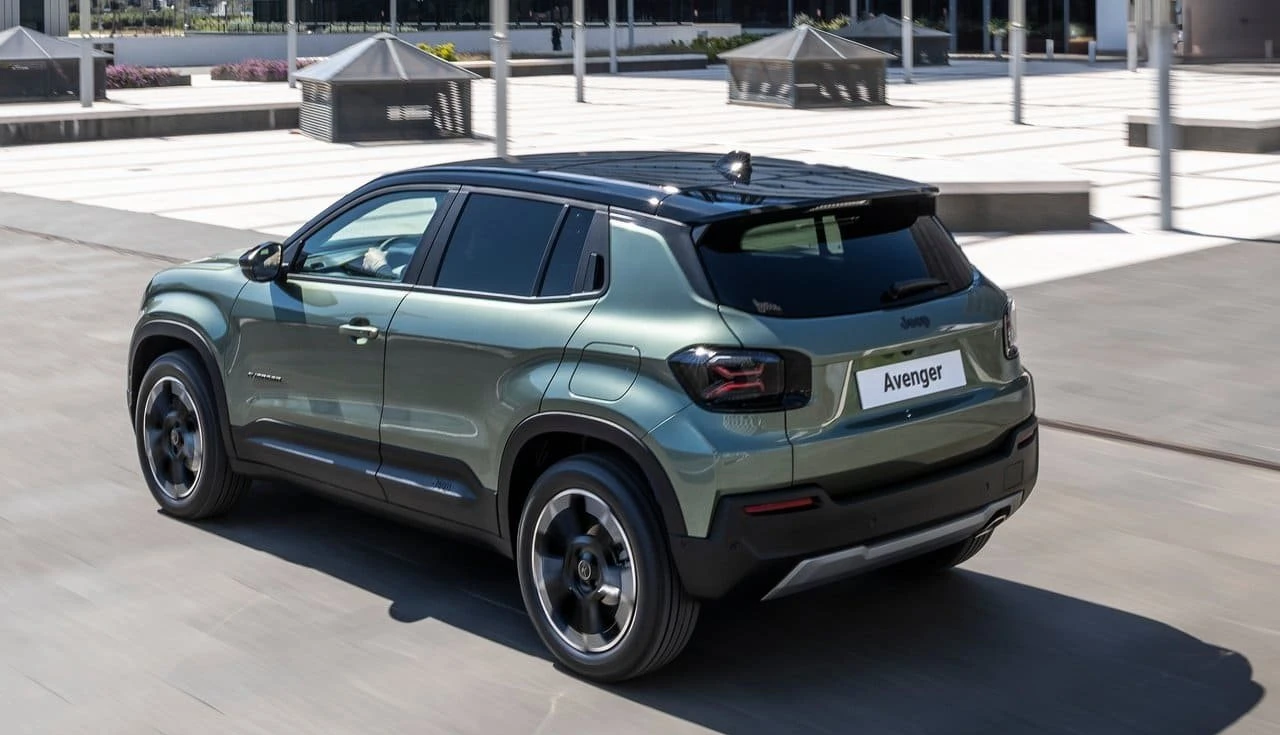
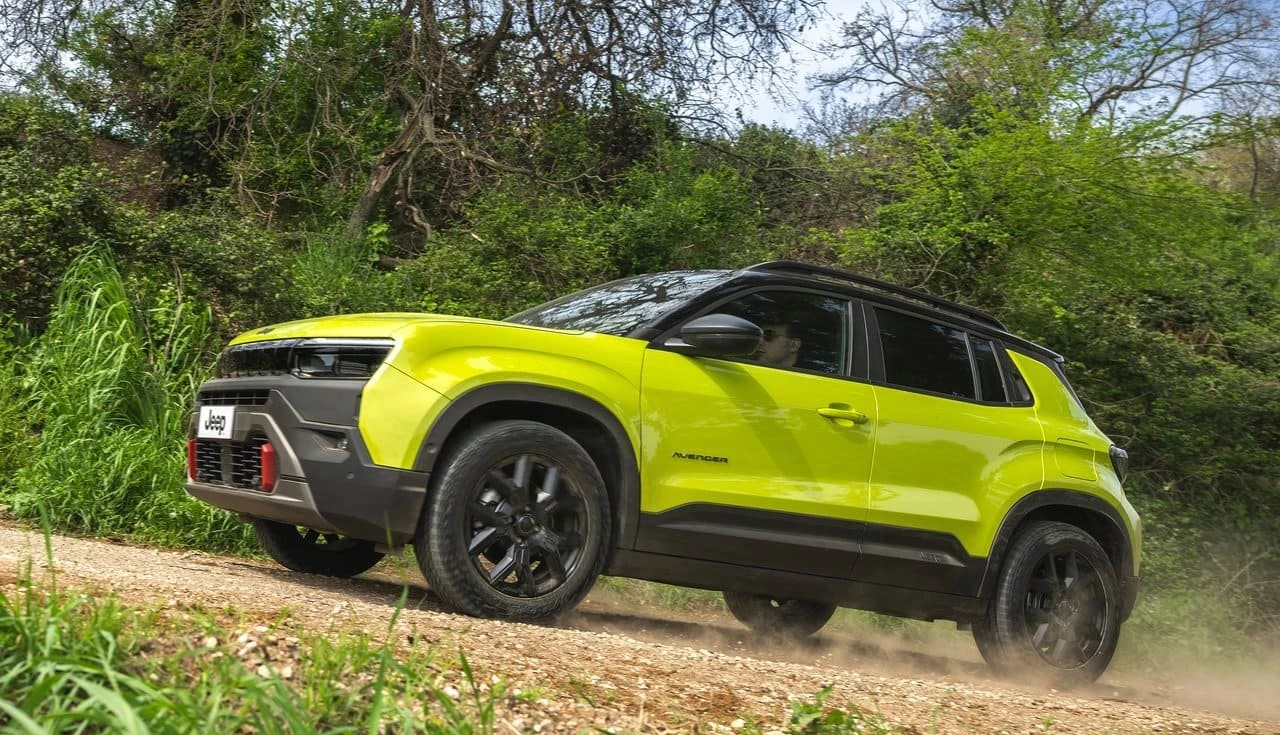
The Avenger pulls off something most compact SUVs can’t: a shape that’s instantly recognizable. The short, tall, sharp-edged body reads as genuinely rugged — miles away from the soft, rounded crossover silhouettes that flood this segment.
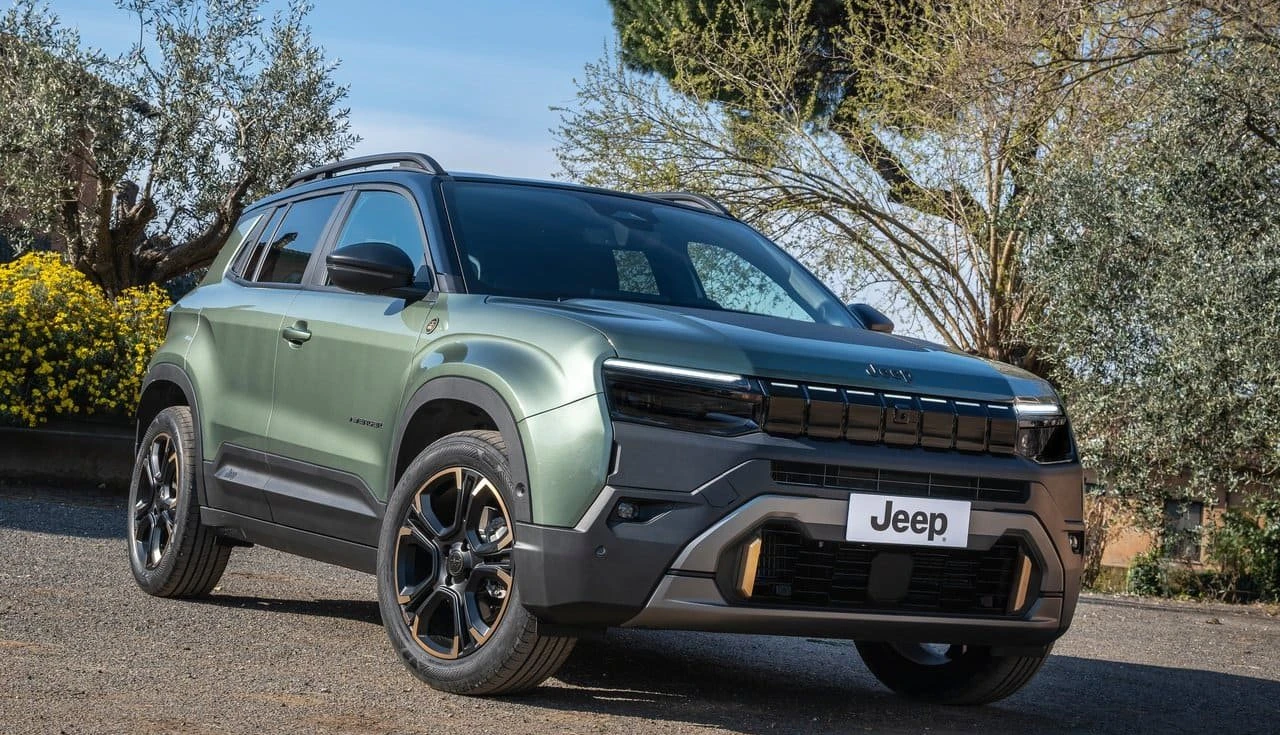
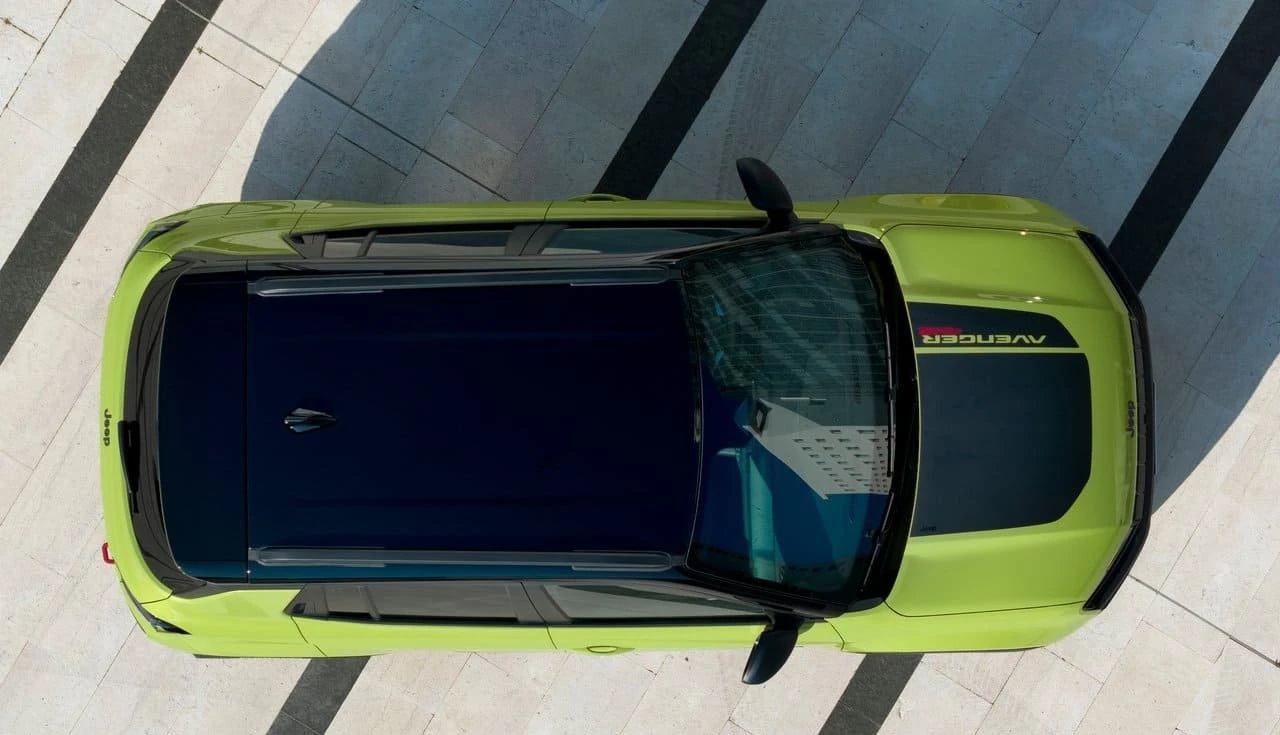
Up front, the iconic seven-slot grille gets a meaningful refresh for 2027. The chrome surrounds are gone, replaced by a cleaner, more modern look. On upper trims, the grille gains LED backlighting — a bold nighttime signature borrowed directly from the new Compass. Higher configurations also add Matrix LED headlights that automatically reshape the beam to avoid blinding oncoming drivers.
The wide plastic cladding on the wheel arches reinforces that boxy, trail-ready stance. Wheel sizes run from 16 to 18 inches depending on trim level. Look closely at the center caps — instead of the standard Jeep wordmark, there’s a silhouette profile of the classic Willys MB. Most buyers won’t catch it. Jeep enthusiasts absolutely will.
The front bumper got a sharper redesign with expanded textured plastic protection that wraps around the lower air intake. That detail matters in daily city driving — it’s a practical shield against the scratches and dings that come with tight parking lots and urban traffic. The Avenger measures 160.8 inches in overall length, making it smaller than every direct competitor, but a 8.3-inch ground clearance keeps the adventure-ready credentials alive.
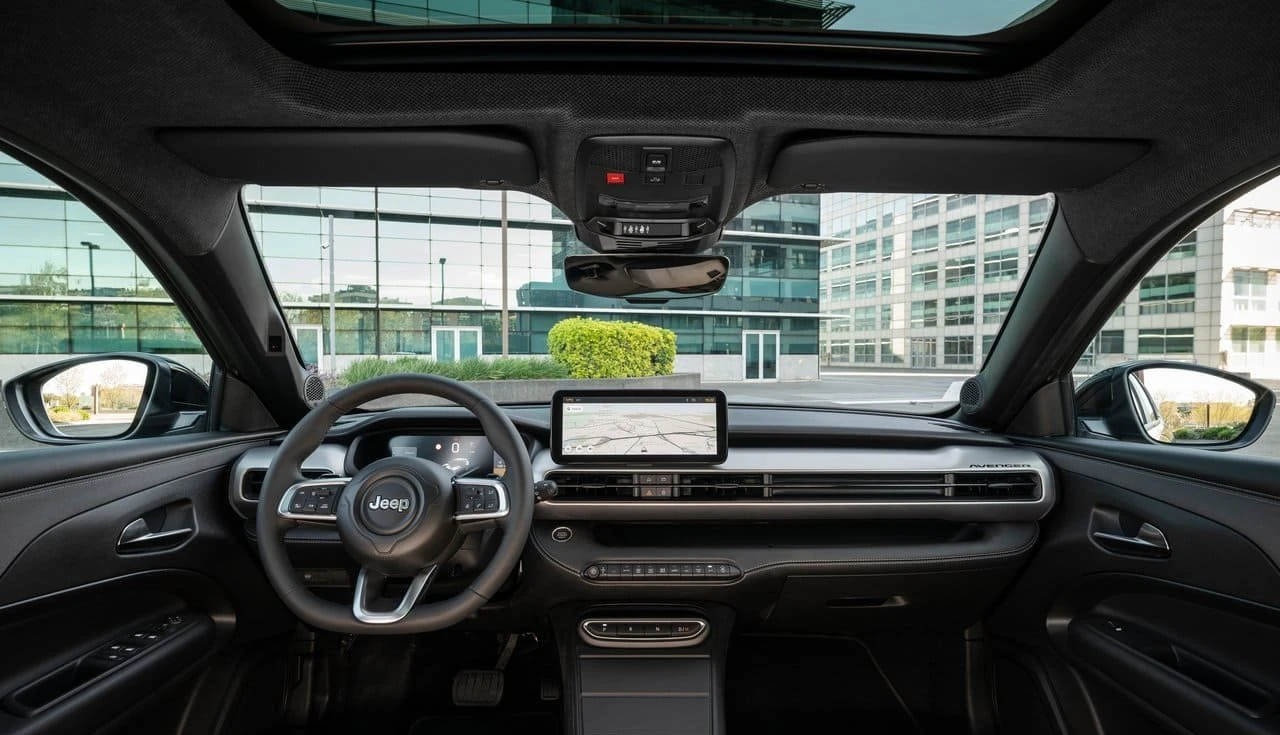
The 2027 Avenger’s Cabin Bets on Ambient Lighting to Elevate the Experience
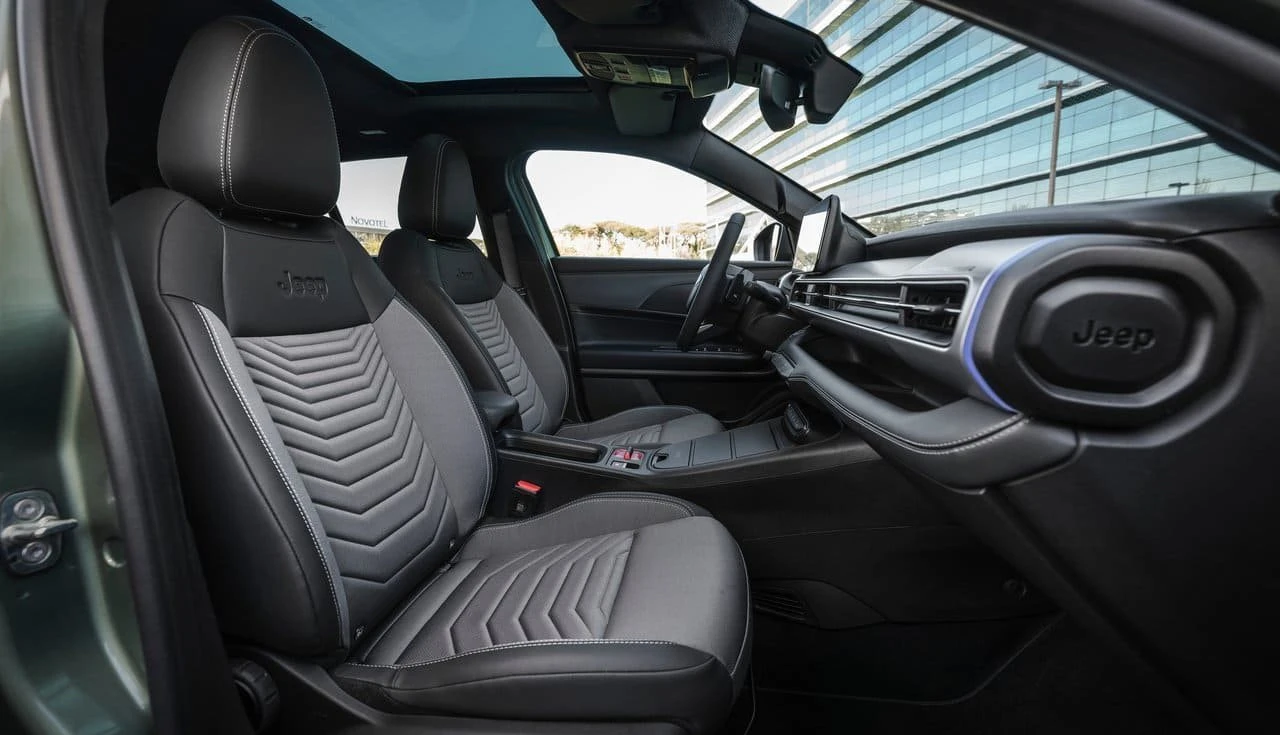
Step inside the 2027 Avenger and you’ll find a dashboard built around clean horizontal lines — a clear nod to the Wrangler’s no-nonsense cockpit layout. The centerpiece is a 10.25-inch floating touchscreen infotainment system, offered as standard across the lineup, paired with a fully digital instrument cluster ranging from 7 to 10.25 inches based on trim.
The materials inside the production model lean heavily on hard plastics — an acceptable trade-off in this price bracket, but noticeable when you’re spending close to $28,000 on a top-spec trim. Stellantis counters this with textured surfaces and fabric or leatherette inserts on the front doors and dashboard depending on the configuration. The standout cabin feature is the green ambient lighting system that traces the dashboard niches, door panels, and wireless smartphone charging pad — it genuinely transforms the interior atmosphere after dark.
The center console is where the U.S.-bound version diverges from its European counterpart. The Euro model uses an electronic gear selector that frees up a large, covered storage compartment beneath it. The version fitted with the physical CVT shifter loses that storage space entirely. The layout feels more conventional as a result — functional, but less thoughtful.
Screens, Safety Tech, and the Back Seat Reality Check
Wireless Android Auto and Apple CarPlay come standard, and the system supports over-the-air (OTA) updates so the software stays current without a dealer visit. The active safety suite is genuinely competitive for this class: Autonomous Emergency Braking (AEB) with pedestrian and cyclist detection, Adaptive Cruise Control with Stop & Go, lane centering assist, traffic sign recognition, and driver fatigue monitoring — all part of the Level 2 ADAS package.
Trunk space comes in at 13.4 cubic feet — better than the Renegade’s 12.3 cubic feet and competitive across the segment. The opening spans nearly 40 inches wide and the reversible floor is washable. Real, practical points in the Avenger’s favor.
The back seat, though, is where reality sets in. The 100.7-inch wheelbase is compact by design, and taller adults will find legroom tight on longer drives. Rear doors are narrow enough to make installing bulky child seats a two-handed workout. For solo drivers and couples, it’s a non-issue. For families of four on a road trip, it asks for compromises.
Turbocharged, Electrified and Tuned for the City: What the 1.0T Mild-Hybrid Actually Does
The 2027 Avenger’s engine is a 1.0-liter three-cylinder turbocharged unit from Stellantis’s GSE T3 family, marketed as the T200. It’s not a new design — the same block powers the Fiat Pulse and Peugeot 2008 — but it was specifically recalibrated for the Avenger application.
Output is rated at 116 horsepower, consistent across all fuel types. That number was intentionally capped to meet Brazil’s incoming Proconve L8 emissions standards and hit a more favorable tax bracket. The trade-off is a torque figure of 147 lb-ft arriving at just 1,750 rpm — which means real low-end pull in stop-and-go traffic, exactly the environment this SUV was built for.
The real story is the 12-volt mild-hybrid system that earns the Avenger its Bio-Hybrid badge. It works on three levels. The e-Start & Stop shuts the combustion engine down before the car fully stops at a red light. The e-Assist delivers a burst of electric torque during acceleration to smooth out turbo lag off the line. The e-Regen function captures kinetic energy during braking and converts it back into electricity to top up the lithium-ion auxiliary battery mounted under the driver’s seat.
All power goes to the front wheels via a CVT transmission programmed to simulate seven distinct gear steps. The 0-to-60 mph sprint is estimated at around 9.5 to 9.7 seconds — in line with the roughly 2,678-pound curb weight and the SUV’s urban focus. Top speed is estimated near 115 mph. Fuel economy projections land at approximately 38 mpg on the highway and 33 mpg in the city — numbers that would make the Avenger one of the most efficient non-plug-in SUVs in its class.
Technical Specs — 2027 Jeep Avenger
| Item | Specification |
|---|---|
| Engine | 1.0L Turbo 3-Cylinder MHEV 12V |
| Horsepower | 116 hp |
| Torque | 147 lb-ft at 1,750 rpm |
| Transmission | CVT (7 simulated ratios) |
| Drivetrain | Front-Wheel Drive (FWD) |
| City fuel economy (est.) | 33 mpg |
| Highway fuel economy (est.) | 38 mpg |
| Curb weight | Approx. 2,678 lbs |
| Wheelbase | 100.7 in |
| Cargo volume | 13.4 cu ft |
| Ground clearance | 8.3 in |
Priced Between $22,000 and $28,000 — and the Savings Don’t Stop There
In Europe, the Avenger already proved its market case. Over 270,000 units sold and the European Car of the Year title aren’t marketing spin — they’re real validation. American buyers who get the 2027 model will receive the mid-cycle refreshed version straight out of the gate, skipping the first-generation growing pains entirely.
The projected U.S. pricing structure breaks down across three trim levels. The entry Altitude is expected to start around $22,000. The mid-range Longitude — likely the volume seller — should land near $25,000. The top-spec Sahara/Limited is estimated between $27,000 and $28,000. These are market estimates based on competitive positioning against the Kardian, Volkswagen Taos, and Fiat Pulse. Official MSRP has not been confirmed by Stellantis.
Ownership costs should trend low to moderate. The T200 engine is already well-established in the Stellantis ecosystem, uses a timing chain instead of a timing belt, and shares components with multiple platform siblings. Service intervals are expected every 7,500 miles or 12 months.
Insurance profiles as medium risk. The Jeep badge historically commands slightly higher premiums than volume brands, and the Matrix LED headlights and illuminated grille aren’t cheap to replace. That said, the full AEB suite as standard equipment typically earns meaningful discounts from insurers who weight active safety tech in their risk models.
The financial argument that may matter most to American buyers: in states with EV and hybrid incentives, the mild-hybrid classification could qualify the Avenger for reduced registration fees or state tax credits — a real ownership cost advantage that pure-combustion competitors simply can’t match.
Your Top Questions About the 2027 Jeep Avenger, Answered
What is the real-world fuel economy of the 2027 Jeep Avenger? Estimates point to roughly 33 mpg city and 38 mpg highway. The mild-hybrid system provides the biggest gains in stop-and-go traffic. Official EPA numbers have not been released yet.
How much does insurance cost for the 2027 Jeep Avenger? Expect a medium-tier premium. The Jeep nameplate traditionally carries slightly higher rates than mainstream brands, but the standard AEB system tends to offset some of that cost. A rough annual estimate for a young urban driver falls between $1,400 and $1,900, varying by state and driving profile.
Does the 2027 Jeep Avenger have all-wheel drive? Not in the standard configuration. Production models come with front-wheel drive only. The 4xe AWD setup — which uses an electric rear motor for on-demand all-wheel traction — is currently a European-market exclusive and has not been confirmed for the U.S. at launch.
Who are the main competitors of the 2027 Jeep Avenger? The most direct rivals are the Volkswagen Taos, the Renault Kardian, and the Fiat Pulse. The Avenger also draws cross-shoppers away from entry trims of the Chevrolet Trax and the Nissan Kicks.
Is the 2027 Jeep Avenger Worth Buying?
For the right buyer, absolutely. The Avenger delivers a genuinely distinctive design, standard mild-hybrid efficiency, and an active safety package that punches well above its price point. It’s a rational choice for urban professionals and first-time SUV buyers who want authentic Jeep character without stretching to Compass territory.
It’s not the right call for buyers who regularly carry four adults on long highway drives — rear legroom is a real constraint. And anyone expecting serious off-road capability from a U.S.-spec model should look elsewhere.
The Avenger isn’t Jeep’s most capable SUV. It’s Jeep’s smartest one for city life.
Share this article
Related posts