XPENG X9: What This Seven-Seat EV MPV Brings to the Table
The XPENG X9 takes the electric MPV formula in a new direction, pairing seven-seat flexibility with 800-volt charging, a roomy cabin, and up to 615 km of WLTP range.

XPENG X9: A Seven-Seat Electric MPV With a Different Kind of Appeal
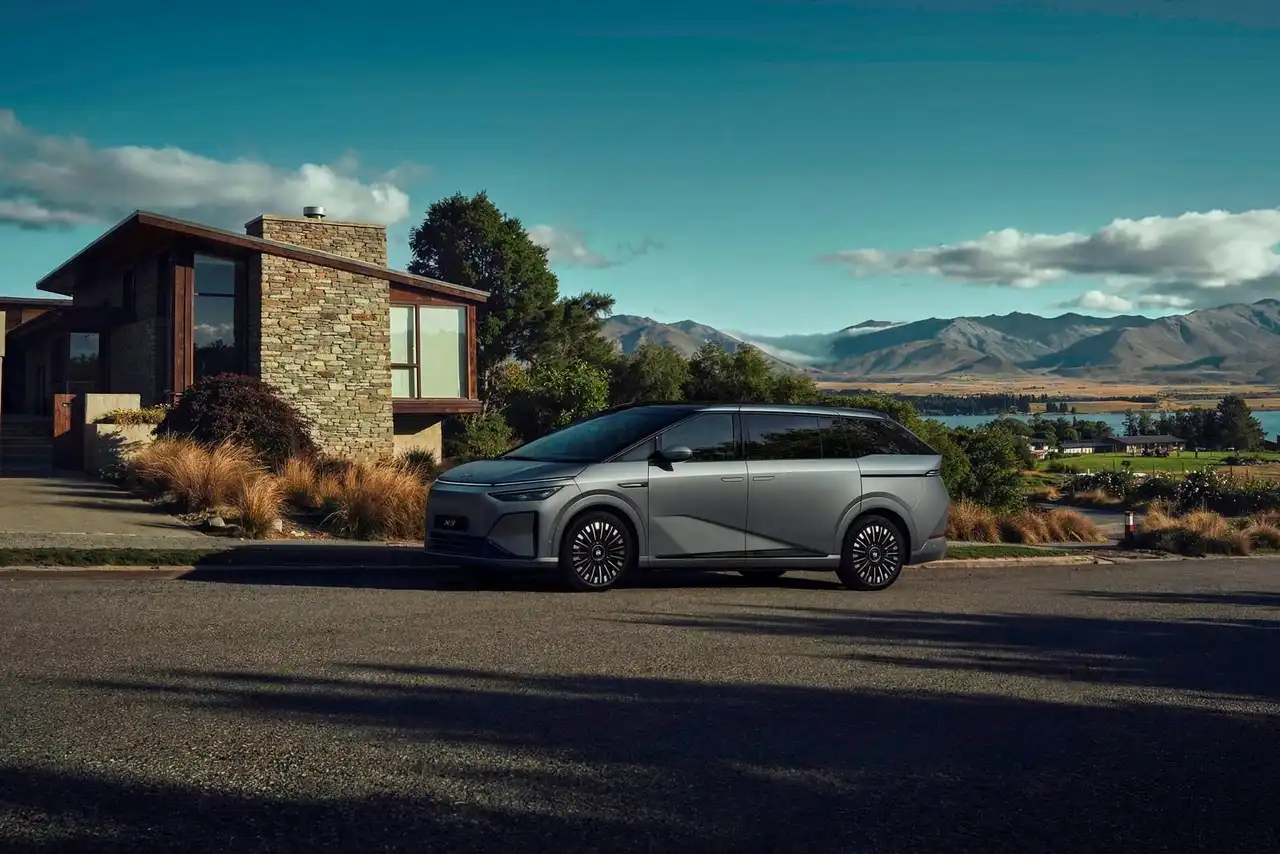
The XPENG X9 is not trying to blend in. It is a large electric MPV with seven seats, a long wheelbase, and a design that feels more like a concept vehicle than a family hauler.
For buyers who want space, range, and high-end tech in one package, the XPENG X9 makes a strong case. It also shows how far the modern electric family vehicle has evolved beyond the usual SUV formula.
Big Dimensions, Big Cabin
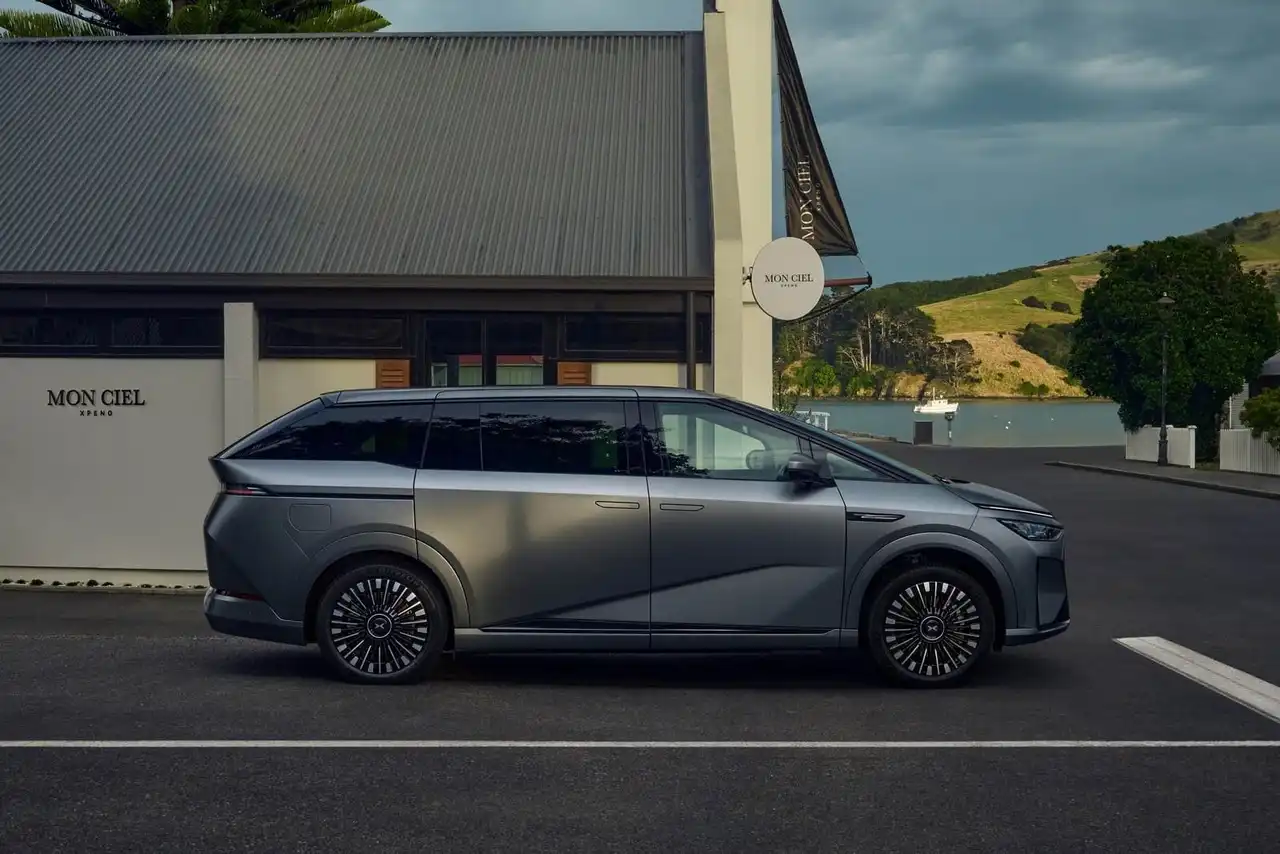
The XPENG X9 measures 5,293 mm long, 1,988 mm wide, and 1,785 mm tall, with a 3,160 mm wheelbase. Those numbers put it firmly in full-size territory and help explain why the cabin feels so open.
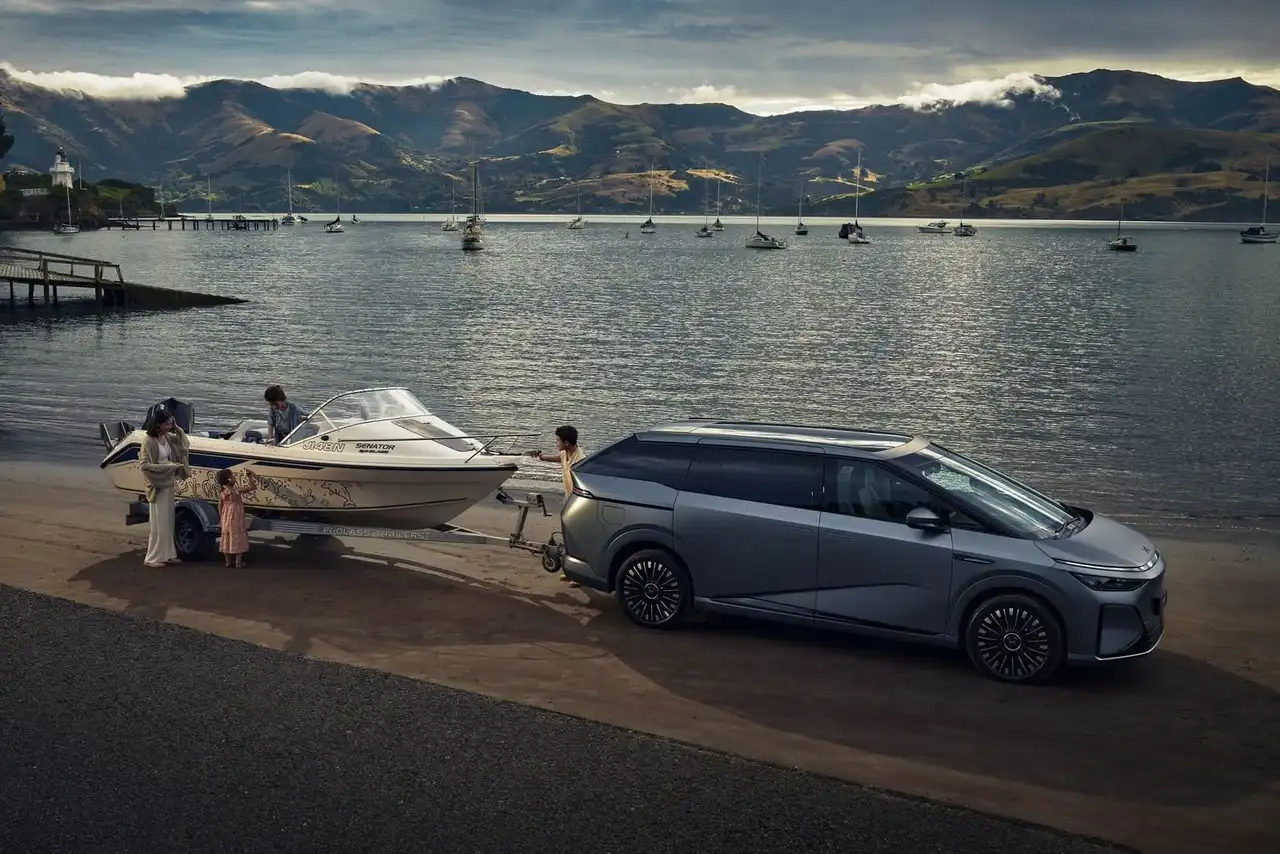
It seats seven across three rows, and the third row can be adjusted for more flexibility. Entry is also designed to be easier, which matters in a vehicle this large.
Cargo space is another part of the story. With all seats in use, the XPENG X9 offers 571 liters of luggage space, and that expands to 1,374 liters with the rear seats folded.
Cabin Tech Takes Center Stage
Inside, the XPENG X9 uses a 10.25-inch driver display and a 15.6-inch central infotainment screen. That setup keeps the dashboard clean while still giving the driver and passengers plenty of information at a glance.
XPENG also leans heavily on voice control, with six-zone operation across the cabin. In practical terms, that means different occupants can interact with the vehicle without everyone crowding the same screen.
The seats can be equipped with ventilation, heating, and massage functions, depending on trim. The air-conditioning system uses more than 6,000 micro-vents to spread airflow more evenly through the cabin.
Comfort Matters Here
That kind of setup is aimed at long-distance family use, not just short city trips. The cabin layout and equipment list suggest the XPENG X9 was designed to make a full vehicle load feel less tiring.
It is the sort of detail that separates a well-packaged MPV from a basic people-mover.
Powertrain and Charging
The XPENG X9 uses an 800-volt electrical architecture, which is one of its headline features. XPENG says that setup supports DC fast charging at up to 542 kW, though that depends on compatible hardware.
Range is listed at up to 615 km on the WLTP cycle. As always, real-world results will depend on speed, weather, terrain, and how much weight the vehicle is carrying.
European-market versions include a front-wheel-drive model with 320 hp and a Performance AWD version with 503 hp. The more powerful version can go from 0 to 100 km/h in 5.9 seconds.
Design That Avoids The Usual Box
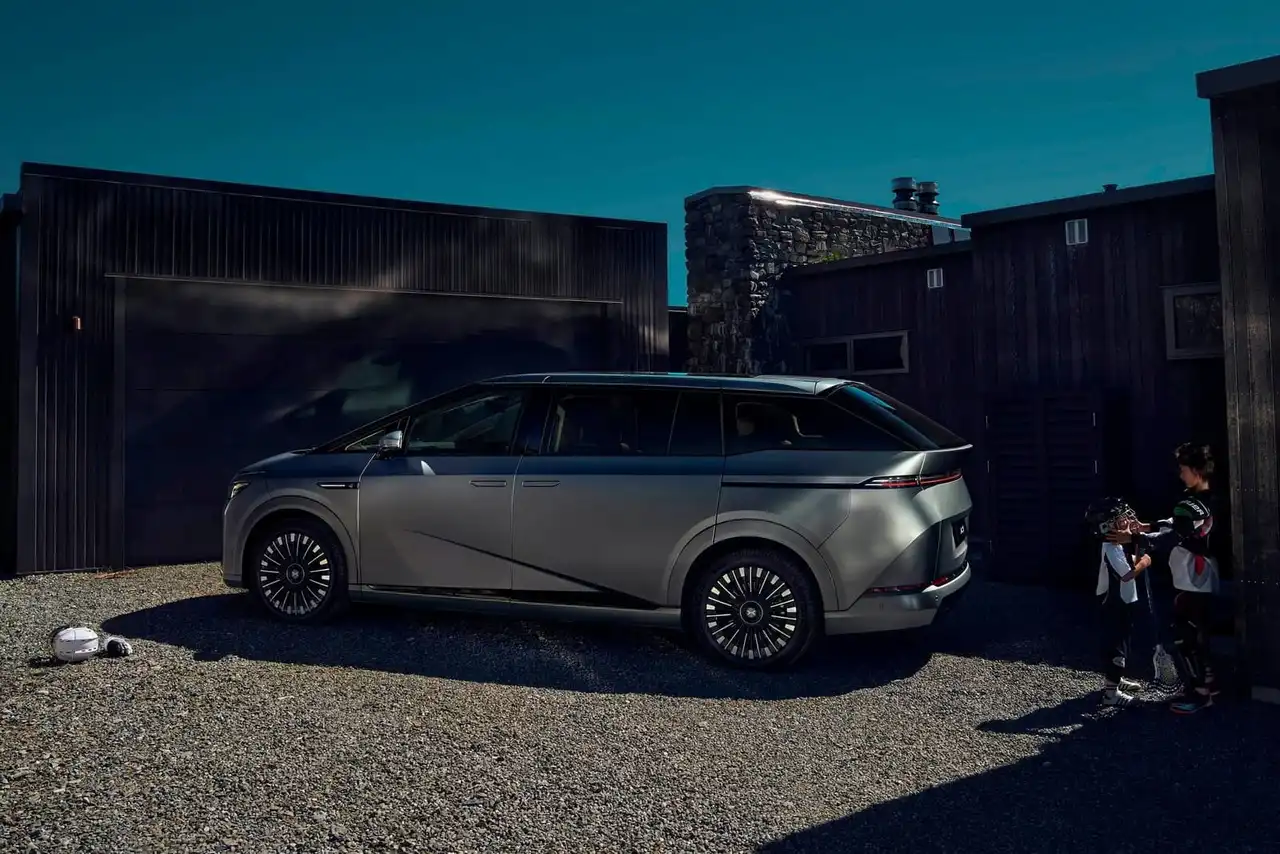
XPENG describes the exterior concept as “Starship,” and the name fits. The X9 uses a low, sleek profile that gives the MPV a more futuristic look than the tall, upright shape most buyers expect.
The styling also serves a practical purpose. A more aerodynamic body helps efficiency, which is especially important in a large electric vehicle built to carry seven people.
That balance of style and purpose is one of the reasons the X9 stands out. It looks different, but it is not just different for the sake of it.
Driver Assistance and Safety
The XPENG X9 comes with a range of driver-assistance features, including adaptive cruise control, lane-keeping assistance, parking aids, and an intelligent parking system. These features are there to support the driver, not replace attention behind the wheel.
XPENG says the structure was developed with a five-star Euro NCAP target in mind. The company also lists nine airbags and an ultra-high-strength steel safety cell rated at 2,000 MPa.
Why the XPENG X9 Matters
The XPENG X9 is part of a broader shift in the EV market. It shows that the family vehicle segment no longer has to be limited to crossovers and three-row SUVs.
Instead, the X9 offers an alternative built around comfort, range, and fast charging. For shoppers who value space and flexibility above image, that combination will be the main draw.
Final Thoughts
The XPENG X9 is a large electric MPV with real substance behind the styling. Seven seats, a flexible cabin, up to 615 km of WLTP range, and 800-volt fast charging give it a clear identity in a growing segment.
It is not a mainstream shape in the U.S. market, but it makes a strong argument for why the modern EV family vehicle does not have to look like an SUV to be practical.

Danniel Bittencourt
27/07/2026