They Turned a Defender Into a Pickup, and the Rear End Is the Wild Part
The Land Rover Defender Avontur Widetrack takes the familiar Defender shape and turns it into something far rarer: a two-seat carbon pickup with a strong luxury focus and a very specific kind of appeal.
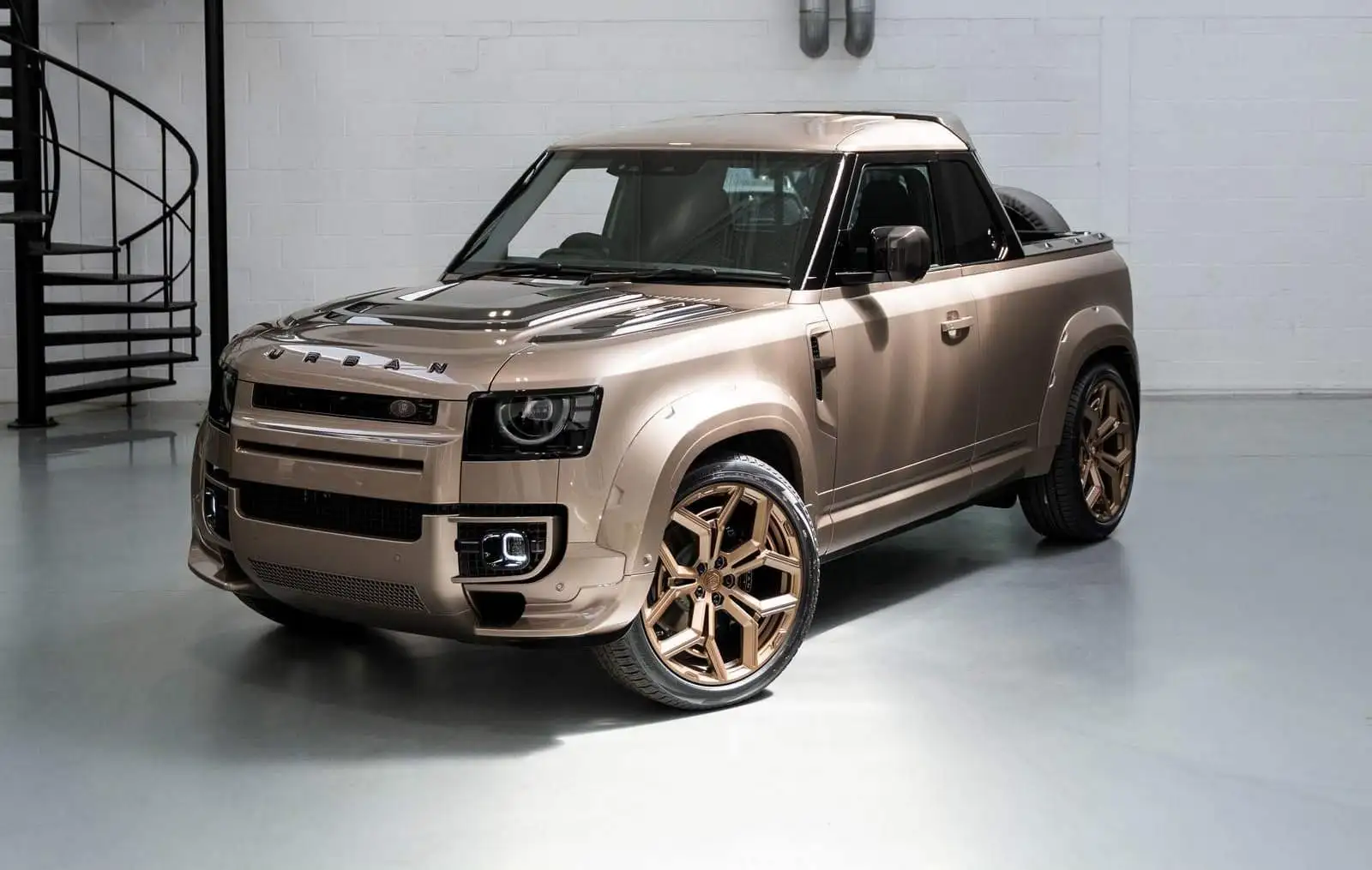
Land Rover Defender Avontur Widetrack: Urban Automotive’s Carbon Pickup
The Land Rover Defender Avontur Widetrack does not try to be the practical answer to anything. It is a statement build, the kind of vehicle that starts with a familiar name and ends somewhere far more exclusive.
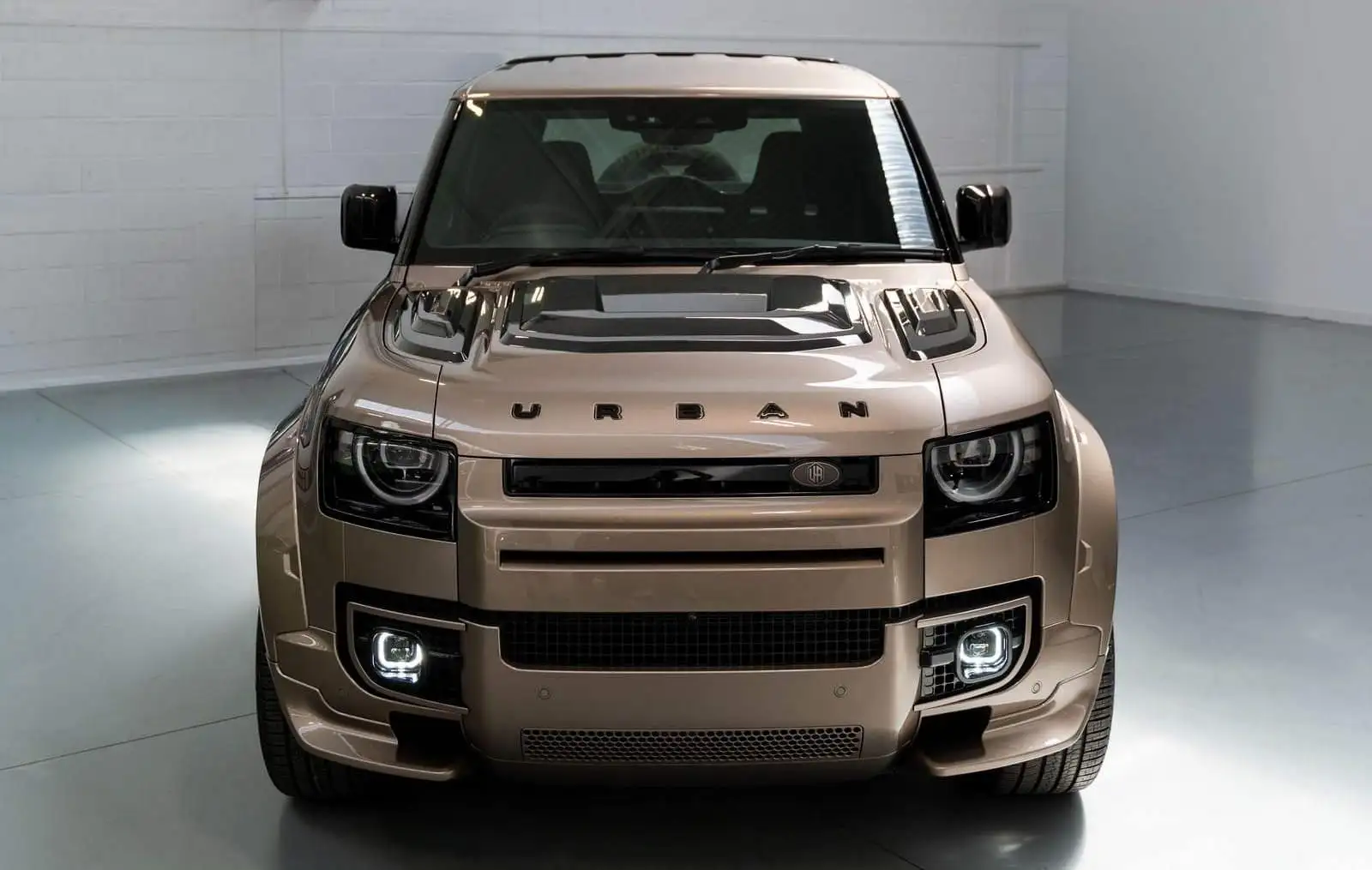
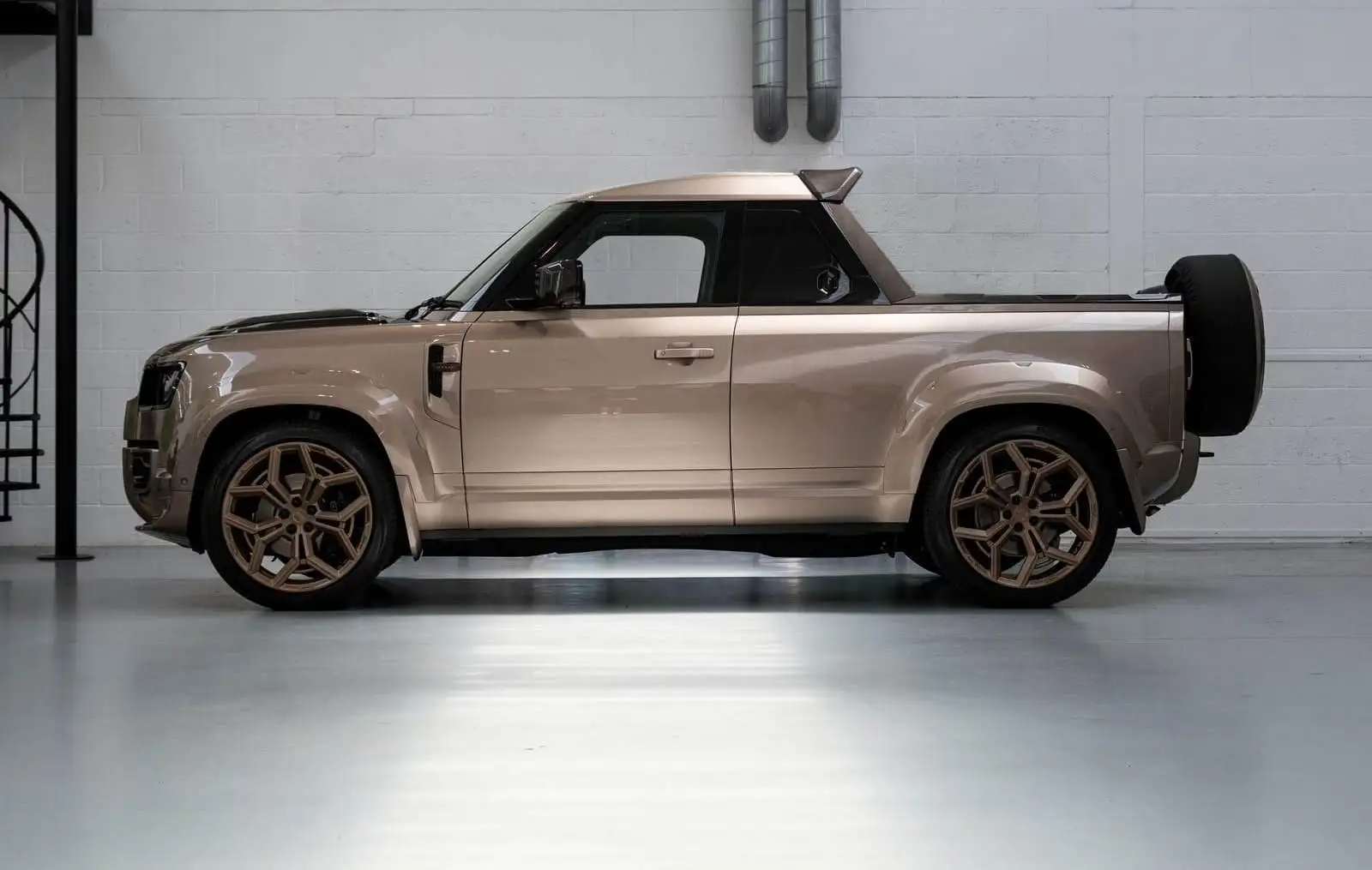
Urban Automotive took the Defender 110 Hard Top as a base and reworked the rear body into an open carbon pickup bed. The result is a two-seat machine with a profile that is hard to ignore, even in a crowd of heavily modified trucks and SUVs.
A Defender Reworked From the Rear
The original Defender has always carried a strong identity. It is square, upright, and instantly recognizable, which makes it a natural canvas for a project like this.
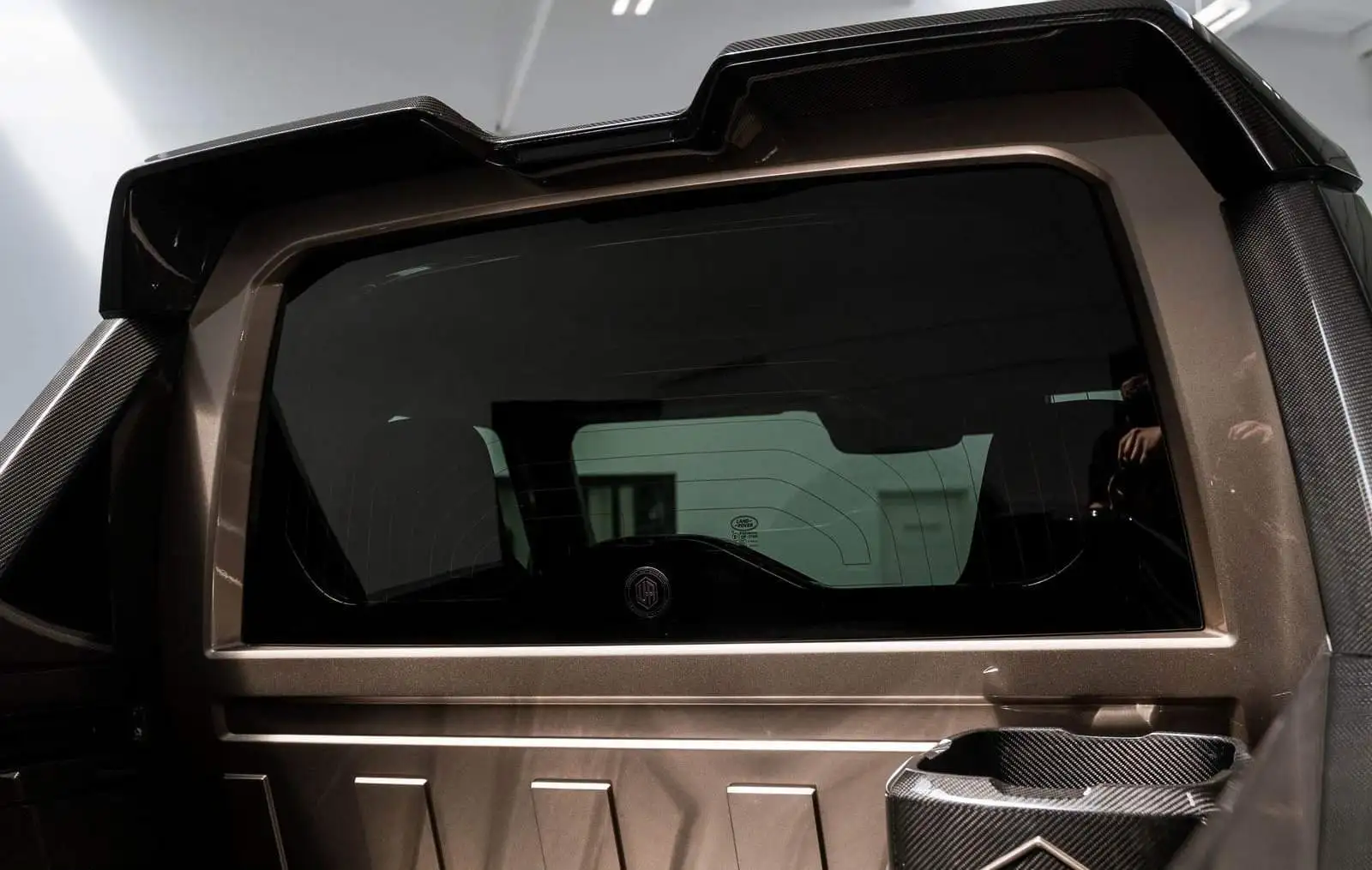
Urban Automotive went beyond simple styling touches. Rear doors were removed, part of the roofline was reworked, and the back half of the vehicle was redesigned around a custom pickup layout.
That matters because this is not just about appearance. When a vehicle changes this much, the proportions, the stance, and the whole sense of purpose change with it.
The Carbon Bed Changes the Whole Mood
The most obvious feature is the exposed carbon pickup bed. It gives the Avontur Widetrack a more technical look, but also a more crafted one.
This is not the sort of bed you would expect on a work truck in Dallas, Denver, or Atlanta. It feels closer to a show build or a high-end specialty project than something meant for hauling mulch on a Saturday morning.
That is exactly why it stands out. The carbon finish makes the rear of the vehicle feel expensive, deliberate, and just a little theatrical without crossing into cartoon territory.
Wide Stance, Big Wheels, Big Presence
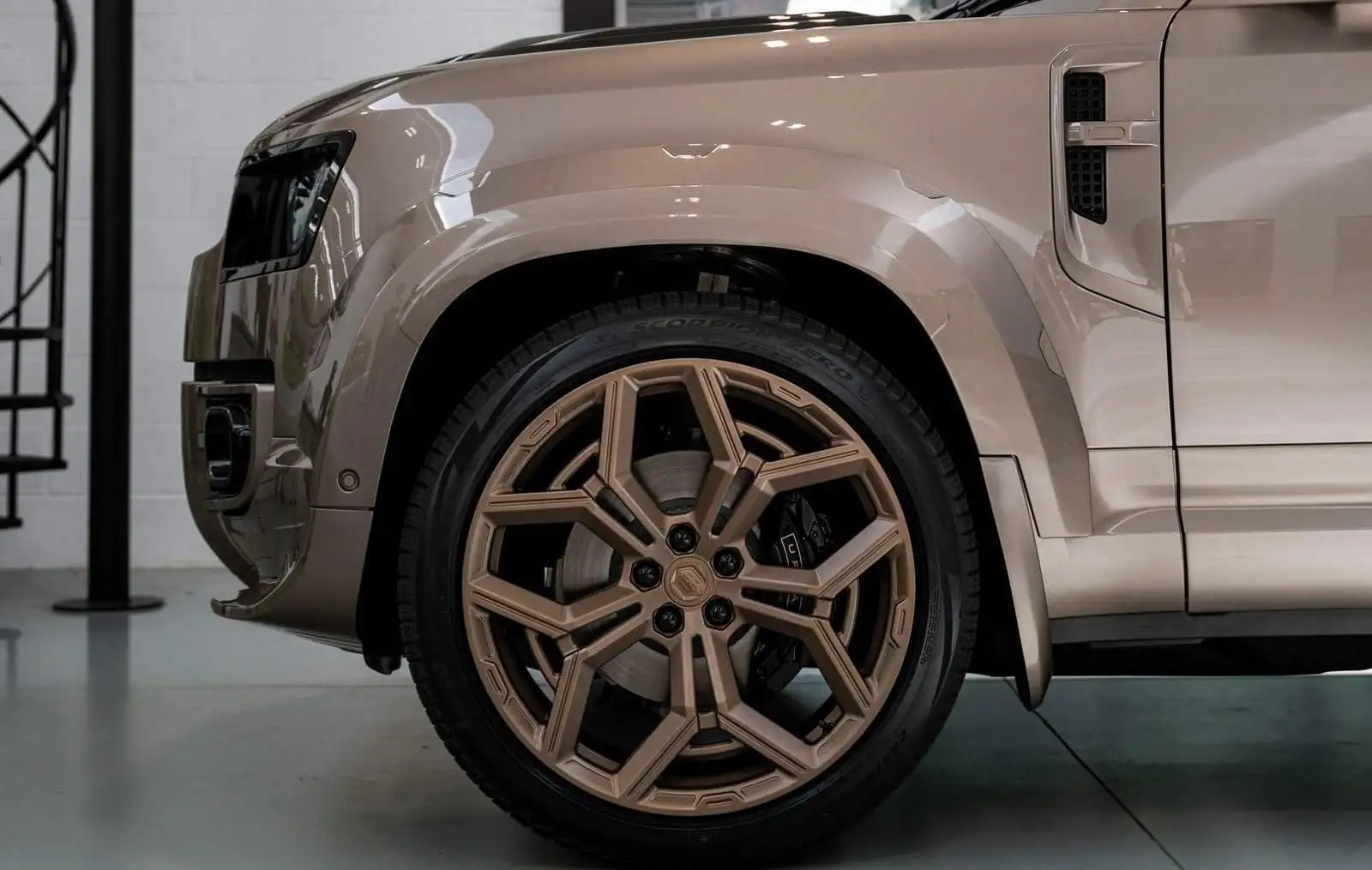
The Widetrack name makes sense as soon as you see the body. The fender treatment gives the Defender a broader visual footprint, and the large-diameter wheels push that stance even further.
This kind of setup is all about road presence. It gives the Defender a more aggressive silhouette and makes it look lower, longer, and more focused on style than on rough terrain.
For some buyers, that will be the appeal. For others, it will feel like a step away from the rugged character that made the Defender famous in the first place.
Built for Style, Not Labor
The Avontur Widetrack is not trying to compete with a Ford Ranger, Chevrolet Colorado, or Toyota Tacoma on utility. It is playing a different game entirely.
Its appeal comes from exclusivity, visual drama, and the kind of craftsmanship that turns a familiar platform into something personal. The rear bed, the bodywork, and the custom details all point in that direction.
That also means the truck-like shape can be a little misleading. It looks capable, but its mission is more about image and rarity than everyday hard use.
Inside the Cabin
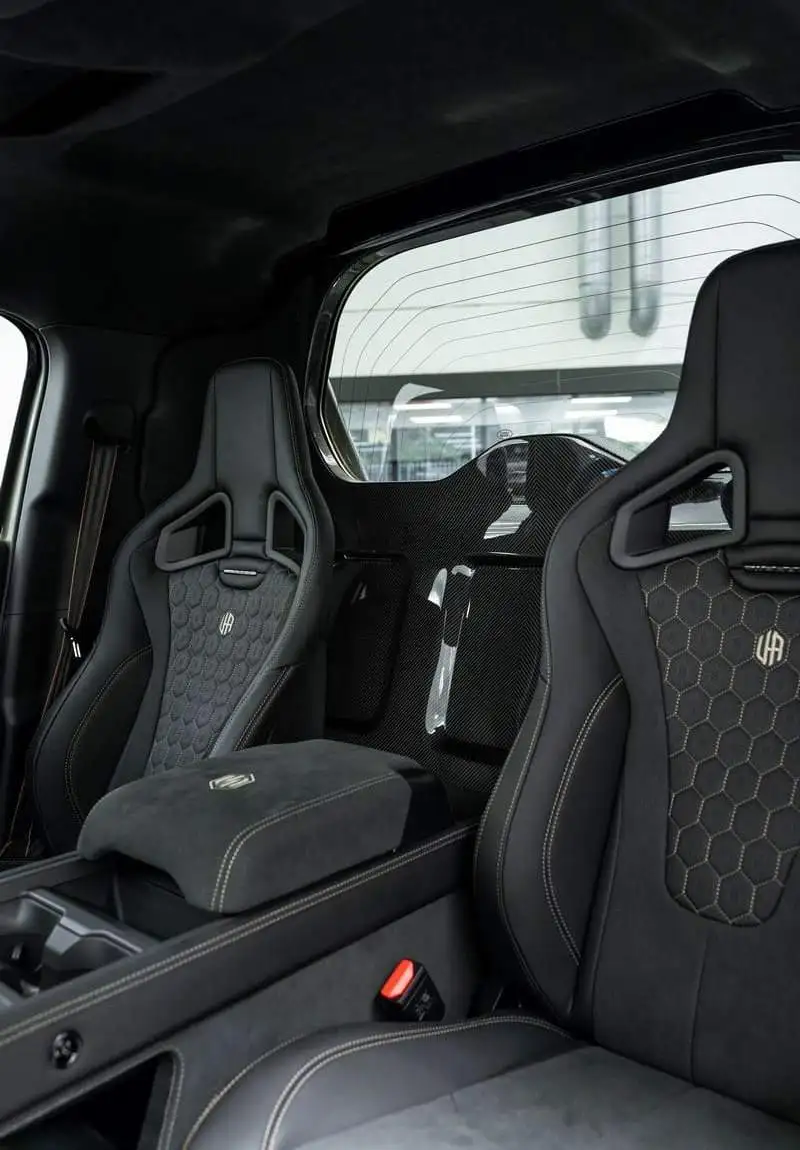
Urban Automotive kept the cabin aligned with the rest of the build. The interior is fitted with sporty Recaro seats and upscale materials that lean into the luxury side of the Defender story.
That combination matters because it keeps the vehicle from feeling like a half-finished conversion. The inside matches the outside: purposeful, premium, and clearly meant for someone who wants more than a standard trim level.
It also reinforces the basic idea behind the project. This is not a tool. It is a conversation starter with a Defender badge.
Why It Stands Out in the Market
Part of the reason the Land Rover Defender Avontur Widetrack draws attention is that there is no factory Defender pickup in the lineup. Urban Automotive filled that gap with a version that is much more custom than corporate.
That gives it a strange kind of freedom. It does not have to please fleet buyers, volume shoppers, or off-road purists. It only has to satisfy a very narrow audience that wants something rare and unusual.
In that sense, it resembles the kinds of builds Americans see at major luxury and custom events: memorable, expensive-looking, and impossible to mistake for something mass-produced.
A Defender for the Right Kind of Buyer
The Land Rover Defender Avontur Widetrack is not the answer for someone who needs a pickup for weekend chores. It is the answer for someone who already has practical vehicles and wants something with presence.
It blends carbon fiber, custom bodywork, and a Defender base into a package that feels more collector-oriented than utility-driven. That may limit its real-world appeal, but it also gives the project a clear identity.
And that identity is the whole point. This is a Defender that chose style over tradition, and it never really looks back.
Would you like me to now turn this into a polished publication-ready article format with tighter mobile reading rhythm and a stronger Discover-style opening?

Danniel Bittencourt
15/07/2026