Changan UNI-S 2026 Arrives With Cutting-Edge Technology at a Surprising Price
The 2026 Changan UNI-S packs 360° cameras, full ADAS, and an interior that shames pricier rivals — all in a midsize SUV most Americans haven’t heard of yet. Should they?

Changan UNI-S 2026: The Tech-Loaded Chinese SUV That’s Already Disrupting Global Markets
Changan isn’t playing it safe with the UNI-S 2026. This midsize SUV has been rolling through South Africa, the Middle East, and Pakistan with a standard equipment list that makes you double-check the price tag — adaptive cruise control, automatic emergency braking, 540-degree camera coverage, ventilated seats, and a 12.8-inch touchscreen. On rivals like the Toyota RAV4 or Volkswagen Tiguan, most of that comes as expensive add-ons.
The honest caveat is that the UNI-S hasn’t officially landed in the United States. It’s a global product with confirmed markets and real-world test data — but American buyers are watching from the sidelines for now.
That distance doesn’t make it irrelevant. Chinese automakers have been building toward a US presence for years, and understanding what the UNI-S delivers abroad gives a clear picture of what could eventually reach American showrooms — and what the competition should be paying close attention to.
QUICK SPECS
| Spec | Details |
|---|---|
| Segment | Midsize SUV, 5 seats |
| Engine | 1.5L turbocharged inline-4 (BlueCore/Blue Whale) |
| Horsepower | 185 hp (approx. 188 metric hp) |
| Torque | 221 lb-ft |
| Transmission | 7-speed wet dual-clutch automatic (DCT) |
| Drivetrain | Front-wheel drive (FWD) |
| 0–60 mph | Not officially disclosed |
| Top Speed | 118 mph |
| Fuel Economy | Est. 34–39 MPG combined |
| Range | Est. 490–560 miles per tank (14.5-gal tank) |
| US Launch Date | Not confirmed |
The numbers read like a value proposition on paper — but specs alone don’t tell the whole story. How the UNI-S actually behaves on the road, what its cabin feels like at 70 mph, and where it cuts corners are the questions that matter most for anyone sizing it up against established competition.
Sharp Lines and a Futuristic Face: This SUV Doesn’t Look Like It’s Playing Catch-Up
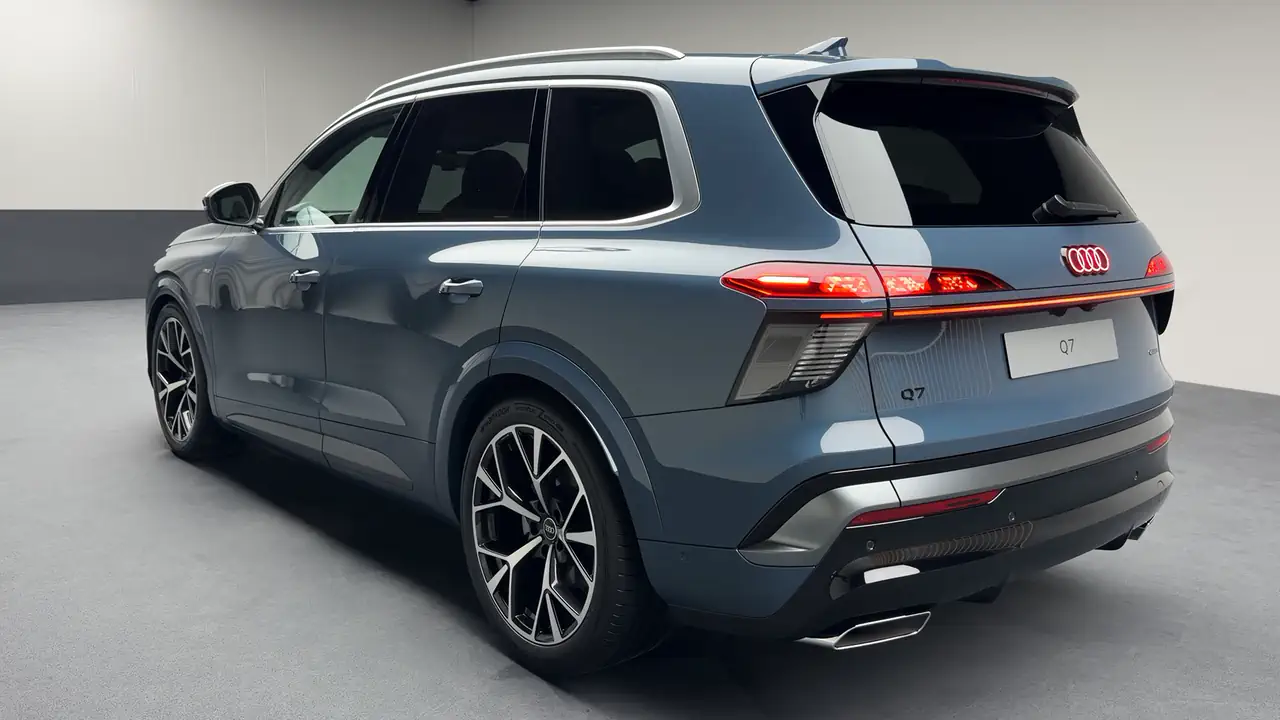
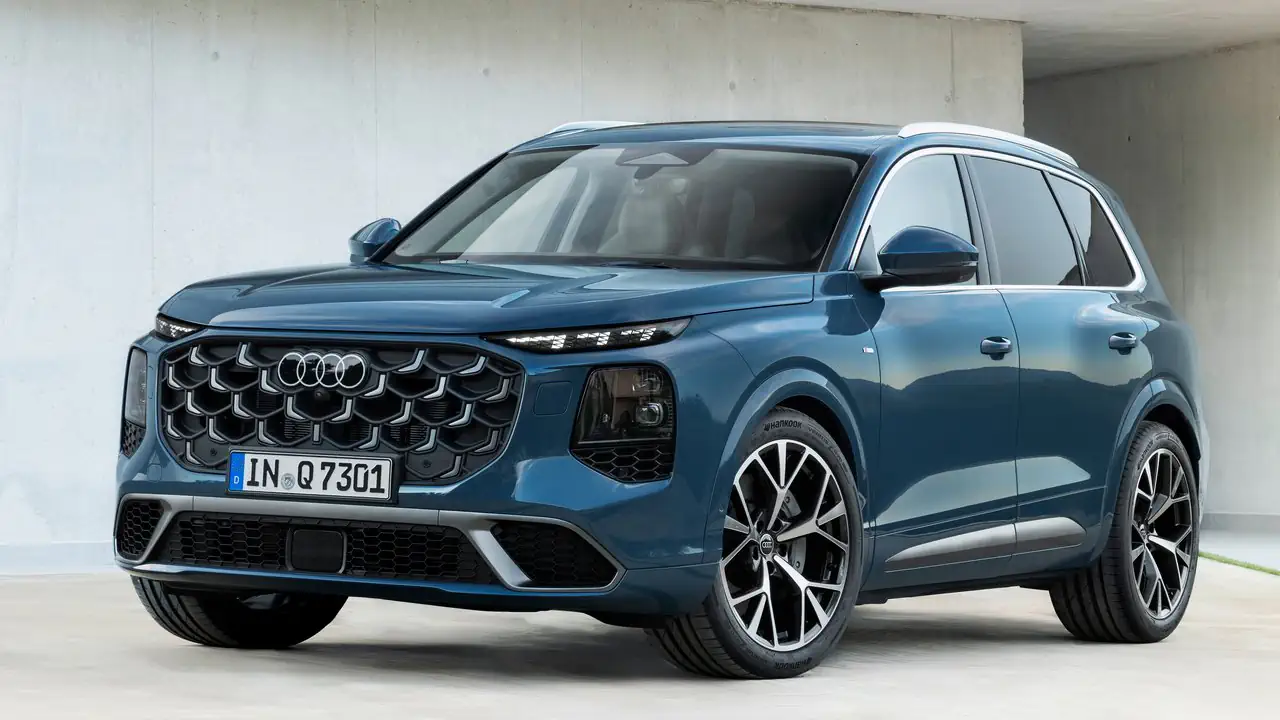
Walking around the UNI-S for the first time, the most immediate impression is that it doesn’t look like a compromise. The front end is led by a frameless parametric grille — no chunky chrome bar, no conservative slot design. Flanking it are razor-thin full-LED headlights with pixel-pattern DRLs that make the vehicle immediately recognizable after dark, a signature move that feels more Audi than entry-level import.
The profile stretches 178.7 inches bumper to bumper, riding on a 104.6-inch wheelbase that puts it in the same ballpark as the Honda CR-V and Toyota RAV4 in terms of overall footprint. The roofline drops slightly toward the rear for a sportier silhouette without sacrificing rear headroom, and 19-inch wheels on upper trims fill the arches properly. Nothing looks borrowed or undersized.
Out back, a full-width 3D light bar connects both taillights in a single sweep — a styling choice that’s becoming common on European EVs but remains rare on combustion-powered SUVs at this price point. Dual exhaust outlets, integrated spoiler, and a clean lower bumper finish the package without overworking it.
Changan is clearly following its own “UNI” design language rather than chasing European aesthetics, and the result holds up well against anything from Hyundai, Kia, or Ford in the same segment. It looks contemporary without being trendy — and that tends to age better.
A Cabin That Punches Well Above Its Price Class
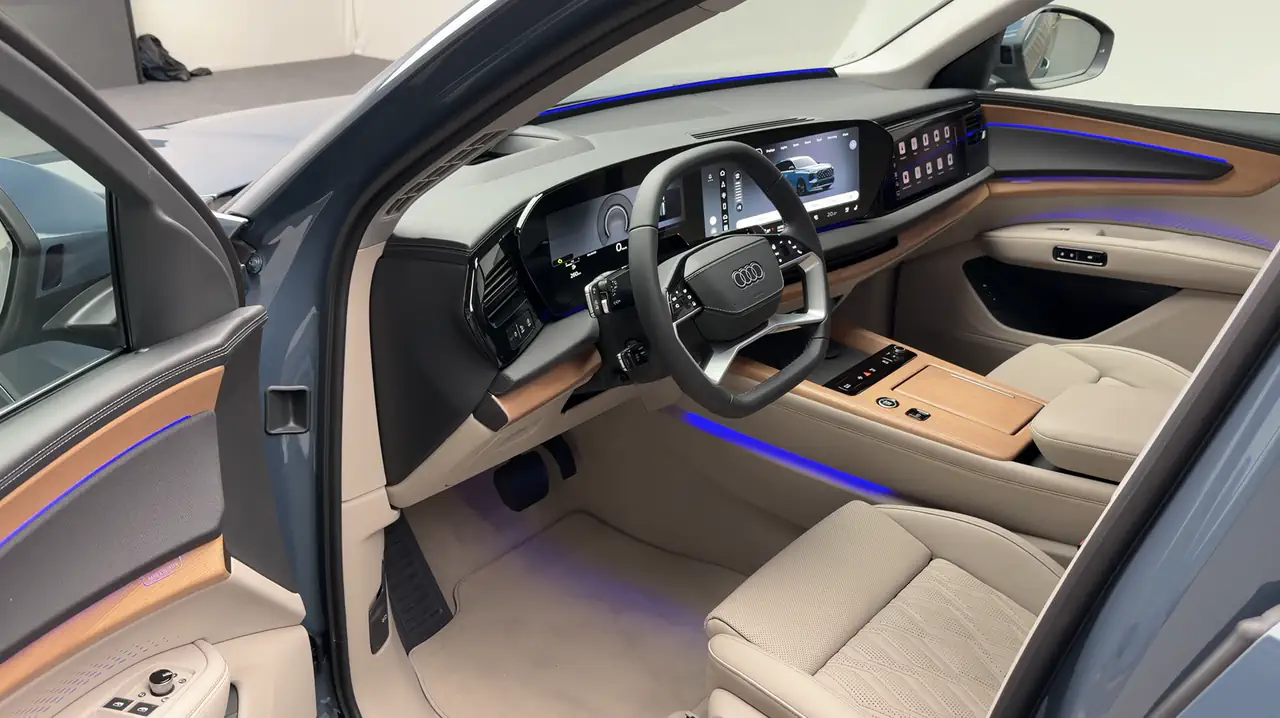
Opening the door reveals an interior that consistently surprises automotive journalists who’ve tested the UNI-S globally — and not because they expected less. The dashboard follows a cockpit-style layout with a raised center console that creates a sense of enclosure and focus, similar to what you’d find in the Volvo XC40 or the Hyundai Tucson N Line. That comparison keeps coming up in South African and Middle Eastern reviews, and it’s not flattery — it’s the most accurate shorthand available.
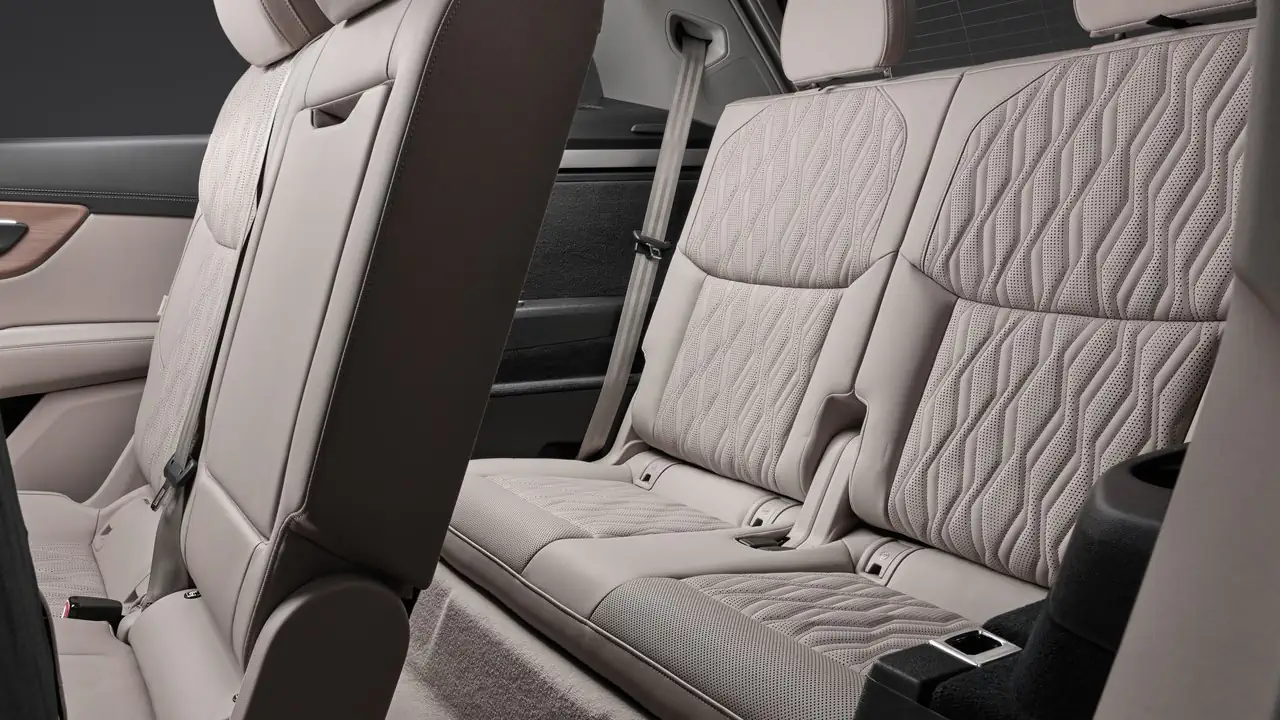
Soft-touch surfaces dominate the areas your hands and eyes spend the most time on. The synthetic leather upholstery is well-executed, and color options in some markets include bolder combinations like a pinkish-red cabin trim that makes the interior feel genuinely designed rather than assembled. Hard plastic exists, but it’s pushed to the lower panels and out-of-reach surfaces where it belongs.
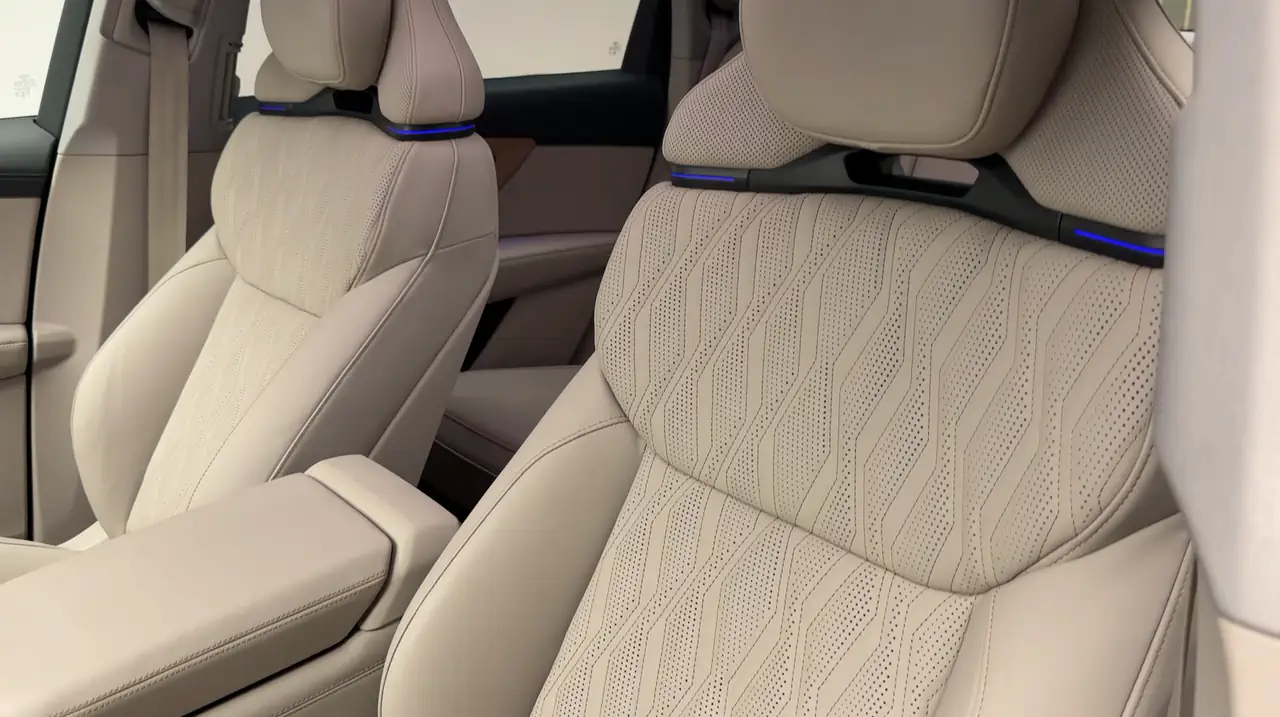
Front seats are sport-styled with pronounced side bolsters, and ventilation and heating are available — features that typically push a vehicle into a higher price bracket. First impressions of build quality lean closer to a $40,000 SUV than a base-trim entry.
Dual Screens, ADAS Stack, and Room to Breathe in the Back
The tech layout centers on two displays: a 10- to 10.25-inch digital instrument cluster and a 12.3- to 12.8-inch central touchscreen, varying by market. Both run at high resolution. Apple CarPlay and Android Auto are standard, wireless charging tops out at 50W on higher trims, and the 360°/540° camera system with see-through chassis view is the kind of feature you’d expect from a luxury brand, not a midsize entry.
The audio system ranges from 6 to 8 speakers depending on trim, with Pioneer supplying hardware in Middle Eastern versions — a supplier that signals quality intent rather than cost-cutting.
Rear passengers benefit from the 104.6-inch wheelbase with genuinely usable legroom and headroom. Cargo sits at 16.8 cubic feet with seats in use, which is competitive but not class-leading against the RAV4’s 37.6 cu-ft total or CR-V’s 39.2 cu-ft.
Clear strength: The ratio of interior quality to asking price is difficult to match in this segment. Materials and technology feel borrowed from a more expensive vehicle.
Real limitation: The base audio package doesn’t keep pace with the rest of the cabin experience. Stepping up to the 8-speaker Pioneer configuration is the move — but that means choosing a higher trim.
What 185 HP and a Dual-Clutch Gearbox Actually Feel Like on the Road
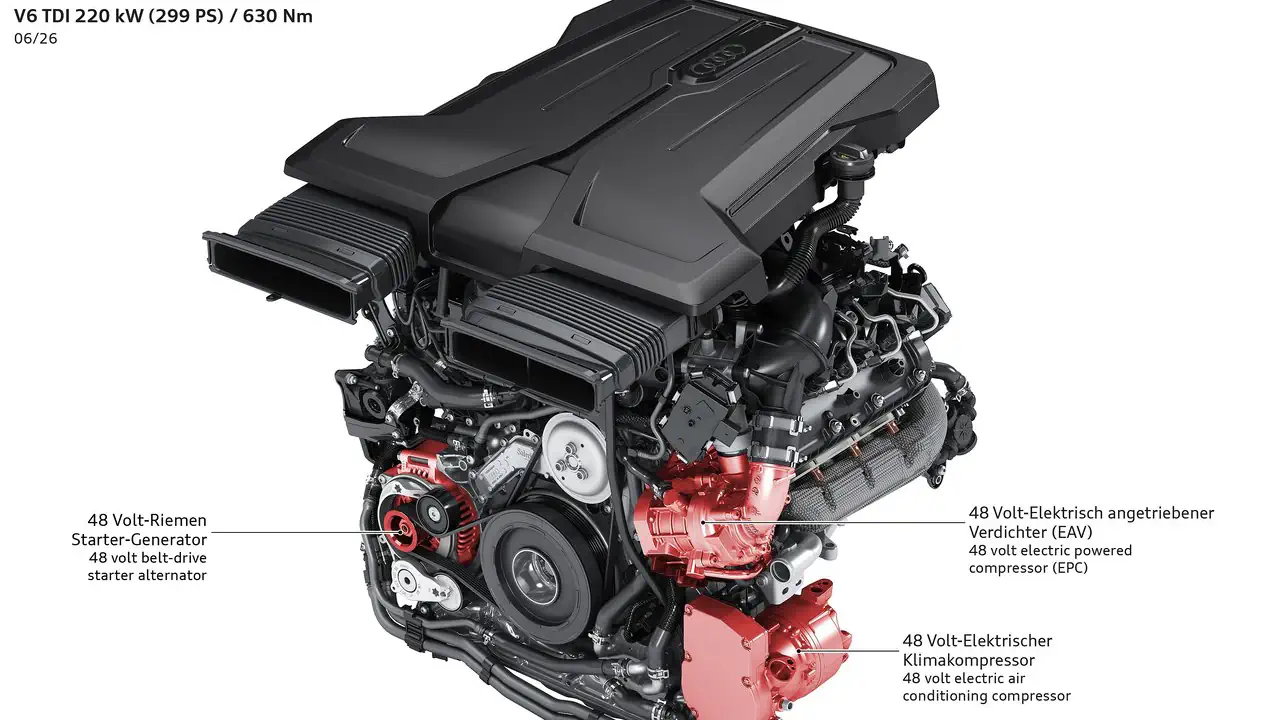
Under the hood sits a 1.5-liter turbocharged four-cylinder from Changan’s BlueCore/Blue Whale family — 1,494cc of displacement paired with direct injection, putting out 185 hp and 221 lb-ft of torque. That torque band runs from roughly 1,600 to 4,100 rpm, which means real-world pull without having to work the engine hard during city driving or highway merges.
The seven-speed wet dual-clutch transmission handles the shifts automatically, and in most driving scenarios it does its job without drawing attention. Dual-clutch units pair well with turbocharged engines because they maintain mechanical efficiency without the slip inherent in traditional torque converters — on paper, it’s the right hardware choice for this application.
In practice, the most consistent criticism from international reviewers is the low-speed calibration. Below 20 mph, the throttle response can feel slightly disconnected from inputs — a lag that reminds some drivers of a CVT rather than a conventional automatic. It’s not a mechanical failure; it’s a tuning choice that Changan could address in a US-spec calibration if the vehicle ever makes that crossing.
Engine noise under hard acceleration is another area flagged repeatedly, particularly noticeable from rear seats when pushing onto the highway. At cruising speeds it’s a non-issue, but the refinement gap versus a Honda CR-V or Mazda CX-5 is real.
Fuel economy sits between an estimated 34 and 39 MPG combined based on international cycle data converted to US standards — solid numbers for a turbocharged 185-hp SUV. A real-world test in South Africa recorded the equivalent of roughly 29 MPG under spirited driving conditions, which remains competitive for the class. Top speed is rated at 118 mph. The 0–60 mph time has not been officially released by the manufacturer.
Pricing, Insurance and Maintenance: What Ownership Actually Looks Like
Internationally, the UNI-S has a real commercial footprint. In South Africa, three trim levels — CS, CL, and CE — are priced between the equivalent of roughly $21,000 and $25,500 USD at current exchange rates, all including a 5-year/93,000-mile warranty and a 5-year/56,000-mile service plan. In Saudi Arabia, the Elite trim runs between approximately $21,700 and $23,500 USD. Those figures reflect markets without US import tariffs — and that distinction matters enormously.
For the American market, no official launch has been announced. If the UNI-S were to arrive in the US with current Chinese import duties factored in, a realistic MSRP estimate would land somewhere between $32,000 and $40,000 depending on trim — placing it against the Toyota RAV4, Honda CR-V, Mazda CX-5, and Volkswagen Tiguan. At that price, the equipment list remains genuinely compelling, but the value math shifts considerably from what buyers in other markets experience.
Insurance premiums for Chinese-brand vehicles in the US tend to run higher than their Japanese or Korean counterparts, primarily because actuarial data on parts availability, repair cycles, and long-term reliability is thin. Insurers price uncertainty, and a brand without US service history is uncertain by definition. Expect premiums to reflect that risk until a track record is established.
Maintenance costs are partially mitigated globally by included service plans, but those plans cover scheduled maintenance, not unplanned repairs. In markets where the brand is new, independent mechanics are scarce and dealer networks limited — a practical concern that affects day-to-day ownership. Financing options would depend entirely on which lending partners Changan brings to market; without a US banking relationship announced, that remains an open question.
Buying at launch versus waiting is a straightforward calculation for a brand building US credibility: early adopters absorb the uncertainty premium. Waiting 18 to 24 months allows residual values to stabilize, the service network to develop, and any first-year production quirks to surface and get addressed.
The buyer profile here is someone who prioritizes technology and value per dollar over badge recognition — likely between 30 and 45, urban or suburban, comfortable researching beyond traditional showroom options.
What to Know Before You Consider the UNI-S
What is the real-world fuel economy of the 2026 Changan UNI-S?
International cycle data converts to roughly 34–39 MPG combined under normal driving. A South African real-world test recorded closer to 29 MPG under spirited conditions — still competitive for a 185-hp midsize SUV.
Is the Changan UNI-S expensive to maintain?
In current markets, a 5-year/56,000-mile service plan is included. In the US, where no dealer network exists yet, maintenance costs have not been officially established.
Who are the direct competitors of the Changan UNI-S?
The Toyota RAV4, Honda CR-V, Mazda CX-5, Volkswagen Tiguan, and Hyundai Tucson represent the closest competition in terms of size, price positioning, and target buyer.
Is the Changan UNI-S available in the United States?
No. As of mid-2026, the UNI-S has no confirmed US launch date, pricing, or trim structure. It remains a global product available in select international markets.
Impressive Hardware, But the US Still Has Questions to Answer
The UNI-S makes a rational case and an emotional one at the same time. The equipment-to-price ratio in its current markets is genuinely difficult to match, and the interior quality consistently surprises people who approach it expecting a budget Chinese crossover.
The mechanical package works, but the DCT calibration at low speeds and engine refinement under hard acceleration show there’s still a gap between the UNI-S and the segment’s best-driving vehicles — the Mazda CX-5 and Honda CR-V set a bar that’s harder to clear than it looks.
For American buyers, the conversation is premature until tariffs, dealer networks, and service infrastructure are part of the equation. When and if that changes, this is a vehicle worth taking seriously.
The UNI-S proves that premium technology is no longer a European exclusive. Whether the US market gets to experience that firsthand depends on factors that have nothing to do with the vehicle itself.
What do you think — if the Changan UNI-S showed up at a US dealership tomorrow with a $35,000 MSRP and that equipment list, would you cross-shop it against a RAV4 or CR-V? Drop your honest take in the comments below.
Share this article

Por: Danniel Bittencourt
10/06/2026
Related posts