Is the Renault 4 E-Tech Plein Sud Really Worth the Price?
The canvas roof makes a comeback on the 2026 Renault 4 E-Tech Plein Sud, blending retro styling with modern electric power. Discover how its mechanical setup and battery range justify the price tag for daily city driving.
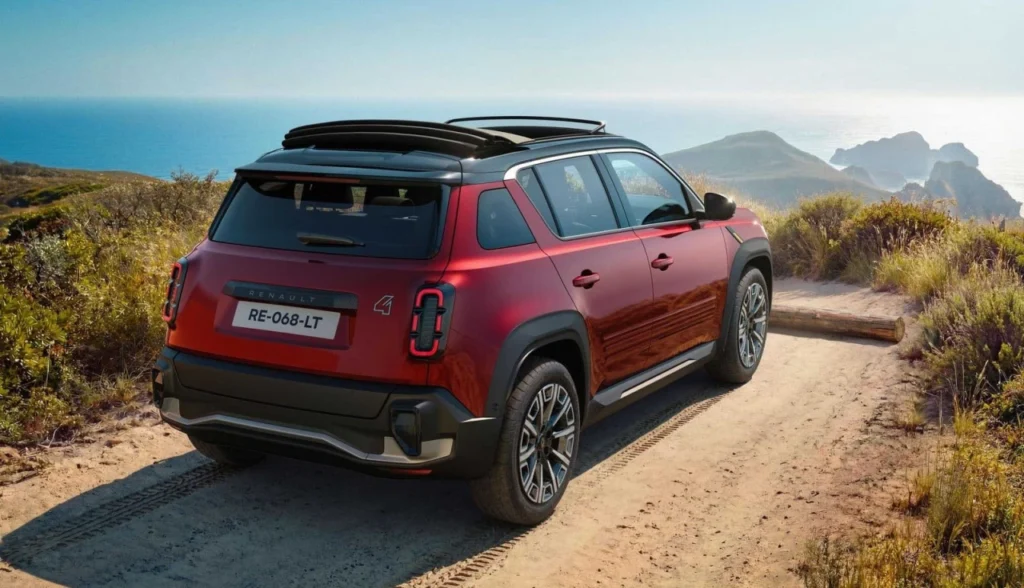
The Vision Behind the 2026 Renault 4 E-Tech Plein Sud
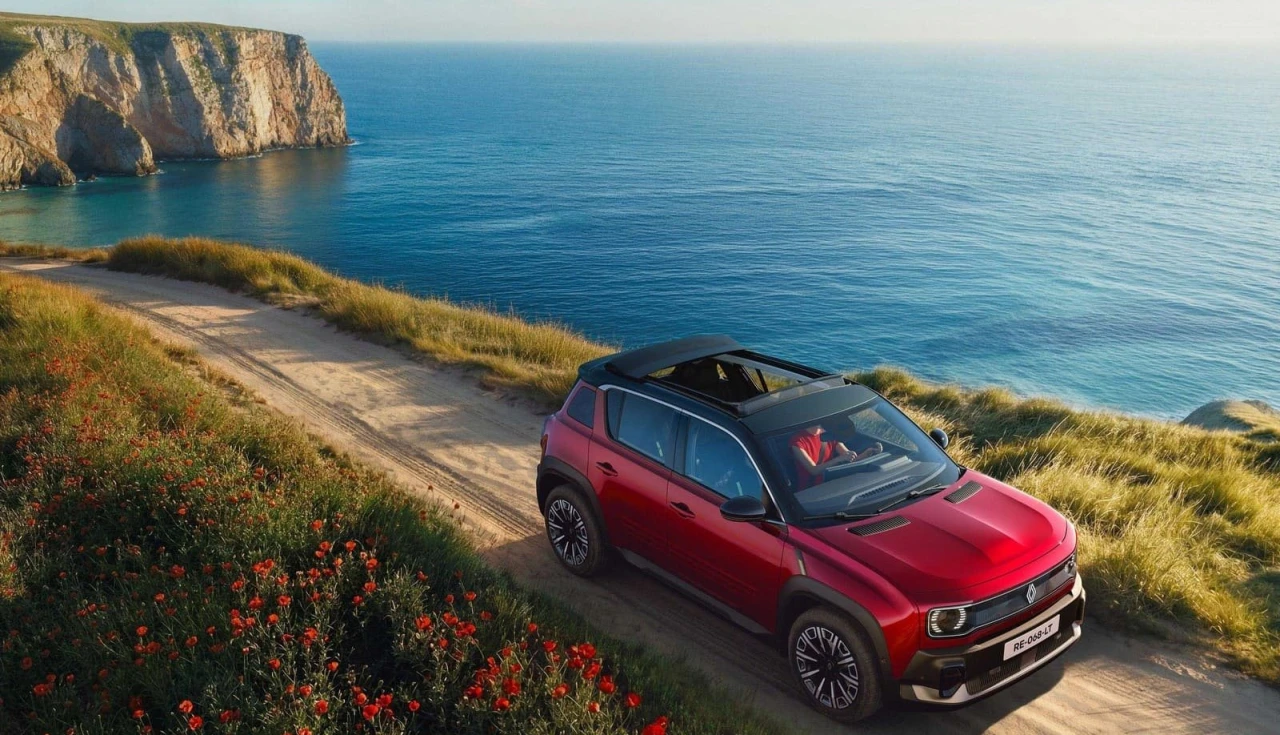
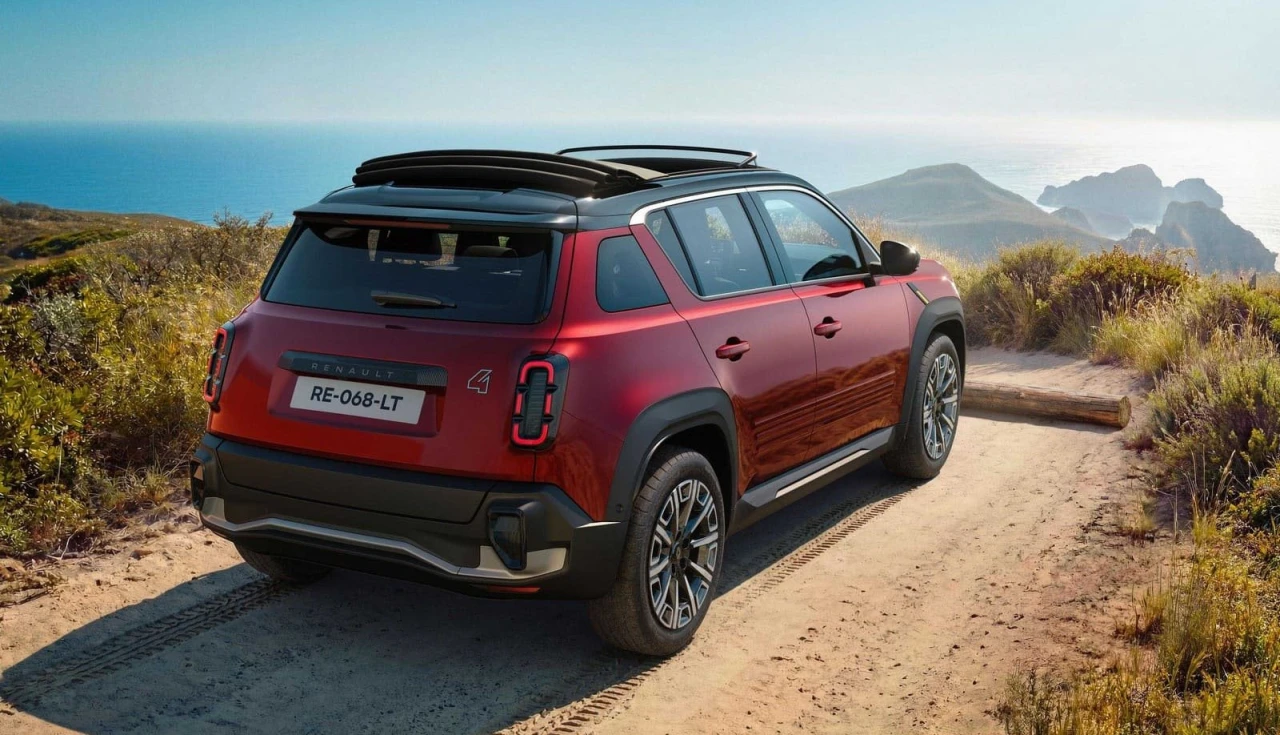
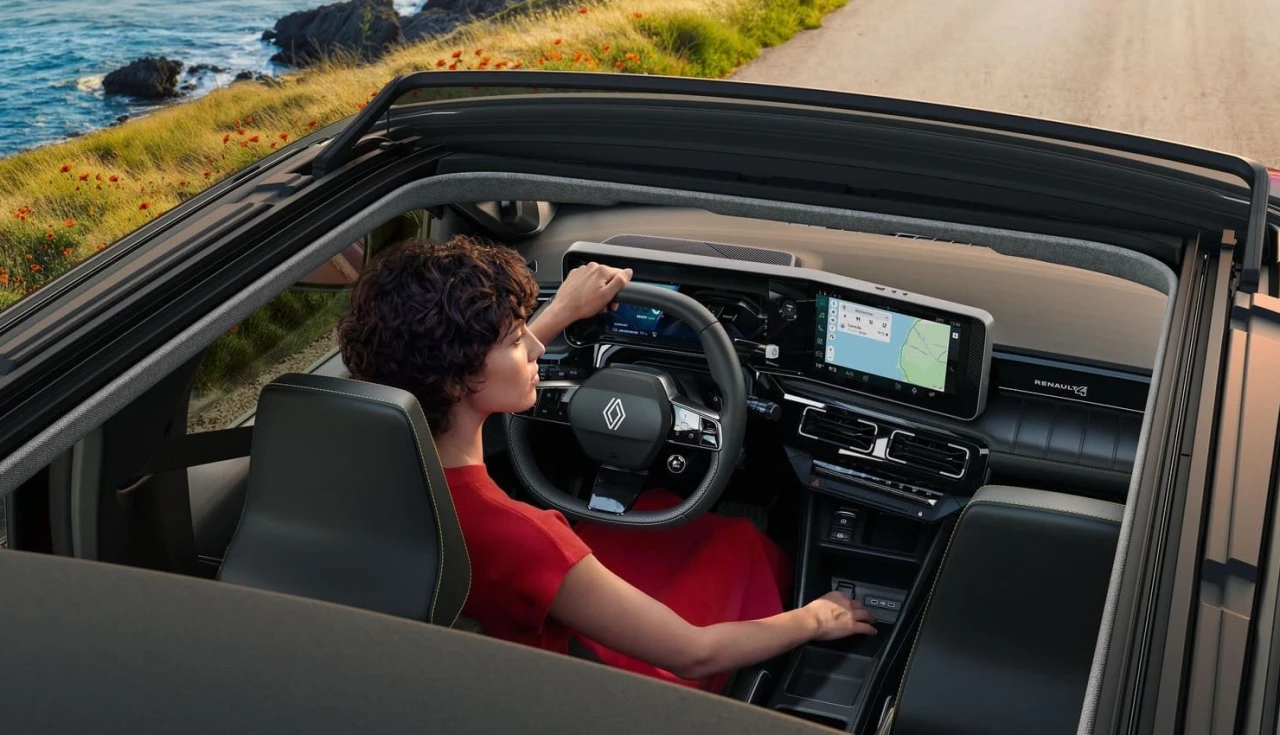
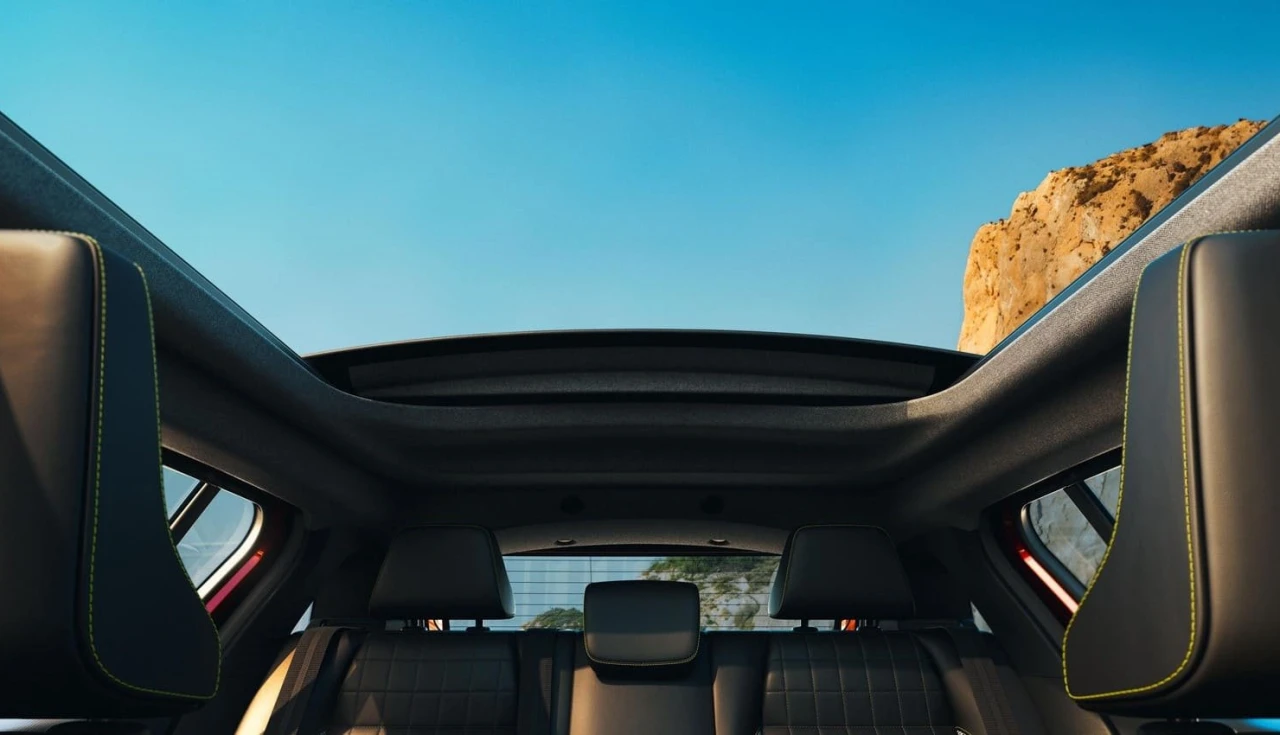
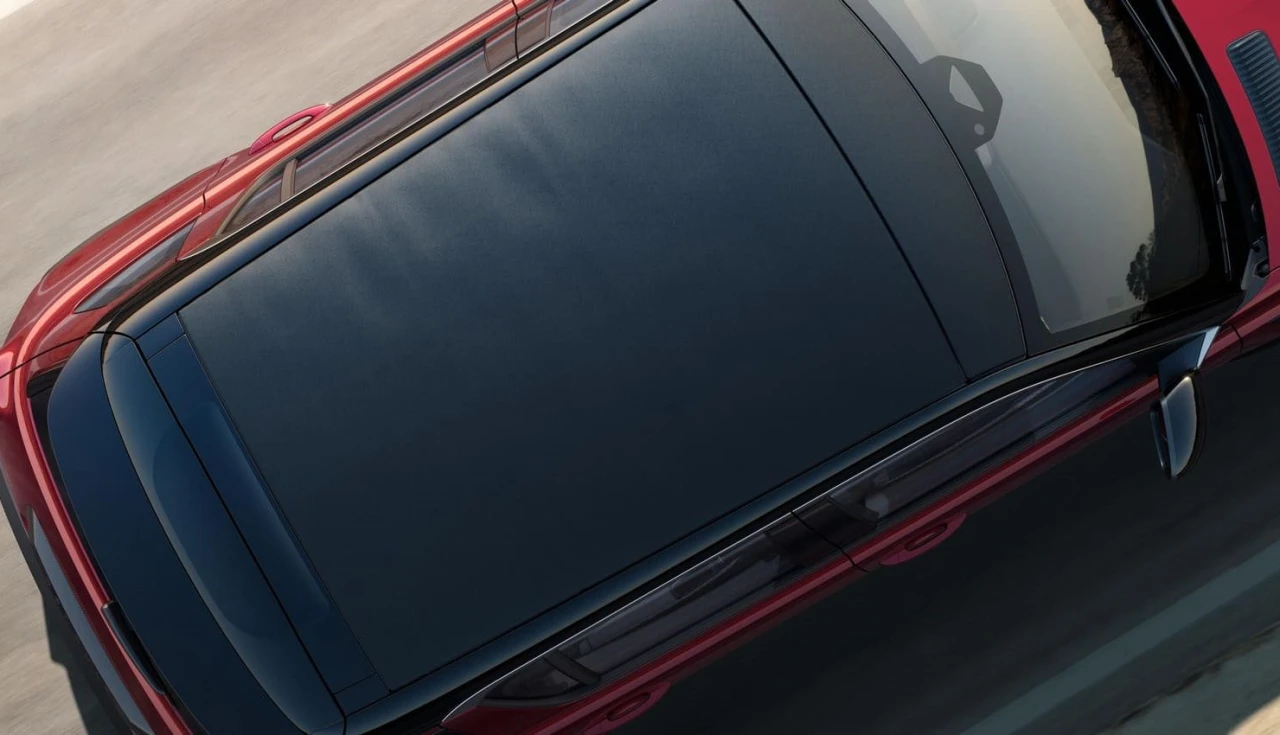
The EV market gains a fresh alternative to standard cookie-cutter designs. Renault brought back the core identity of its original 1968 hatch. The power-retractable canvas roof is the main draw of this trim.
This setup delivers an open-air driving experience while keeping the cabin well-insulated. Unlike classic cars from that era, the modern fabric structure prioritizes acoustics. It effectively blocks heavy wind noise during highway cruising.
Real-World Performance and Efficiency
Under the hood, the powertrain pushes out 150 hp and 181 lb-ft of torque right off the line. These figures eliminate any sluggishness at stoplights and during highway overtakes. The electric motor responds instantly to throttle inputs.
Considering the 3,223 lbs curb weight, the throttle mapping provides sharp and agile acceleration. The vehicle easily handles steep inclines, even when carrying a full load of passengers and cargo.
The 52 kWh battery delivers an estimated 254 miles of range on the WLTP cycle. For daily urban commutes, this capacity means drivers won’t need to plug in every single night.
Charging Times and Thermal Management
Debuting at auto shows in Paris, the engineering team integrated a new heat exchanger. This mechanical component actively manages and stabilizes the temperature of the battery cells.
Active thermal control allows the SUV to accept up to 100 kW at DC fast chargers. This charging capability restores the battery from 15% to 80% in exactly 30 minutes.
Cutting down charging time prevents early chemical degradation of the battery pack. The system ensures fast and efficient power delivery even on freezing mornings, a condition where standard batteries usually lose efficiency.
Dimensions, Cargo Space, and Rivals
The body shape maintains a high roofline, offering 35.6 inches of headroom in the front. Rear-seat passengers ride comfortably without their heads brushing against the ceiling fabric.
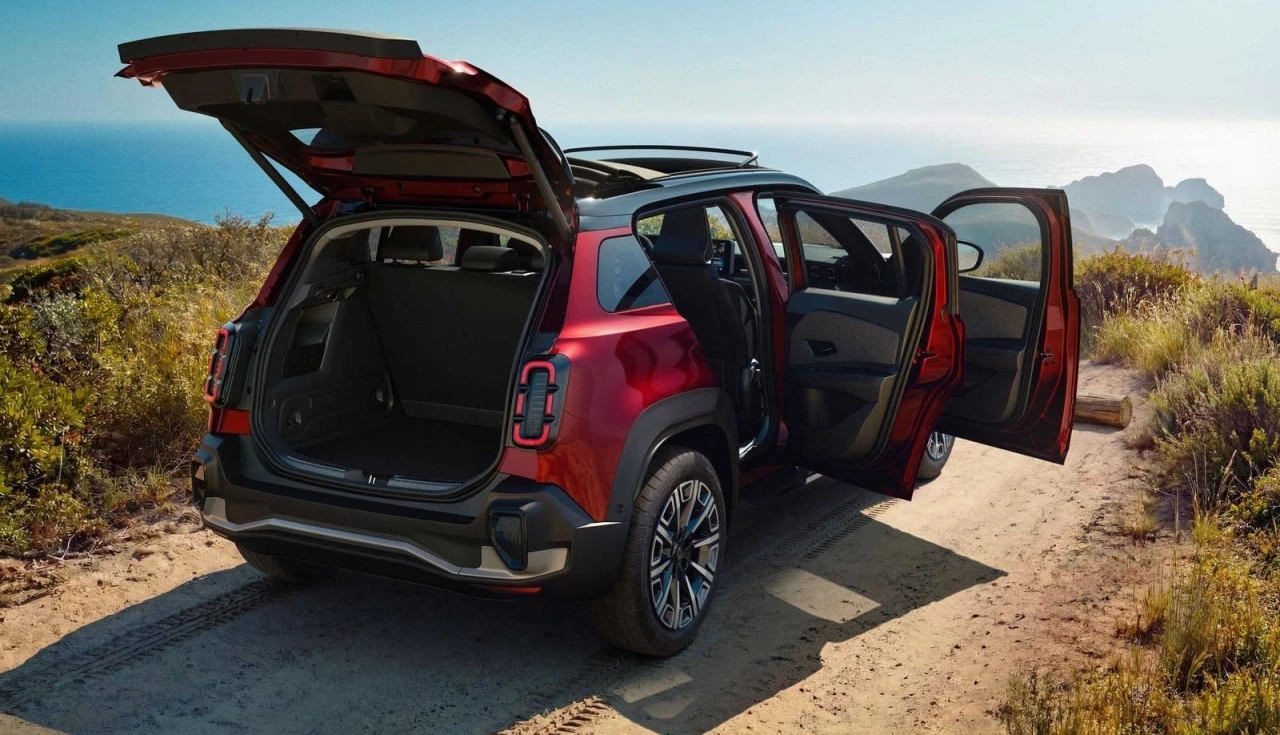
Cargo space in this compact utility vehicle expands to 49.6 cubic feet when the rear seats are folded flat. The hands-free power tailgate automatically opens the hatch with a simple foot kick under the rear bumper.
The 7.1 inches of ground clearance protects the undercarriage from scraping on speed bumps and steep driveways. This stance handles potholes and curbs much better than direct European competitors like the Peugeot e-2008 and Fiat 600e.
Pricing and Market Positioning
This top-tier trim carries a starting price of roughly €37,040 (around $40,000) at dealerships in France. This price tag positions it at the higher end of the subcompact urban EV segment.
The value proposition relies heavily on the long list of standard equipment. The automatic climate control works seamlessly alongside the modern dual 10-inch digital dashboard displays.
The infotainment center rolls off the assembly line with built-in Google services and native navigation. This package targets buyers looking for strong visual appeal without sacrificing advanced active driving safety features.
Do you think the price tag on this French EV is fair for city driving? Let us know your analysis.

Danniel Bittencourt
19/05/2026