The 2026 Nissan Kicks Got Bigger, Smarter and a Lot More Expensive
The 2026 Nissan Kicks arrives completely redesigned with a new platform, a 143-hp engine and up to 35 MPG. But at nearly $29,000, does it still make sense against the Trax and HR-V?
2026 Nissan Kicks Arrives With a New Platform, More Tech and a Higher Price Tag
Nissan didn’t just update the Kicks for 2026. They started over. New platform, new engine, new interior architecture, and a price that pushes well past what this segment used to charge. It’s a complete generational shift, not a refresh.
In the U.S., the Kicks gets a naturally aspirated 2.0L four-cylinder paired with a CVT, with available Intelligent AWD on higher trims. The SR tops out near $28,765 before options. Meanwhile, in Japan, the same vehicle runs a third-generation e-POWER hybrid system with no mechanical connection between the gas engine and the wheels.
The 2026 Kicks is already on sale at U.S. dealerships.
Quick Specs
| Info | Details |
|---|---|
| Category | Compact SUV (B-segment) |
| Engine | 2.0L naturally aspirated inline-4 (U.S.) / e-POWER hybrid (Japan) |
| Horsepower | 141 hp (U.S.) |
| Torque | 140 lb-ft (U.S.) |
| Transmission | Xtronic CVT |
| Drivetrain | FWD or Intelligent AWD |
| 0–60 mph | ~9.0 seconds (AWD) |
| Top Speed | Not officially disclosed |
| Fuel Economy | 28 city / 35 hwy / 31 combined MPG (FWD) |
| Range | ~400 miles on a full tank (estimated) |
| On Sale | Now (U.S. market) |
The specs tell part of the story, but they don’t tell all of it. What makes the 2026 Kicks interesting, and occasionally frustrating, is what happens when you dig deeper into the trims, the technology and the real-world driving experience.
A Compact SUV That Finally Looks Like It Means Business
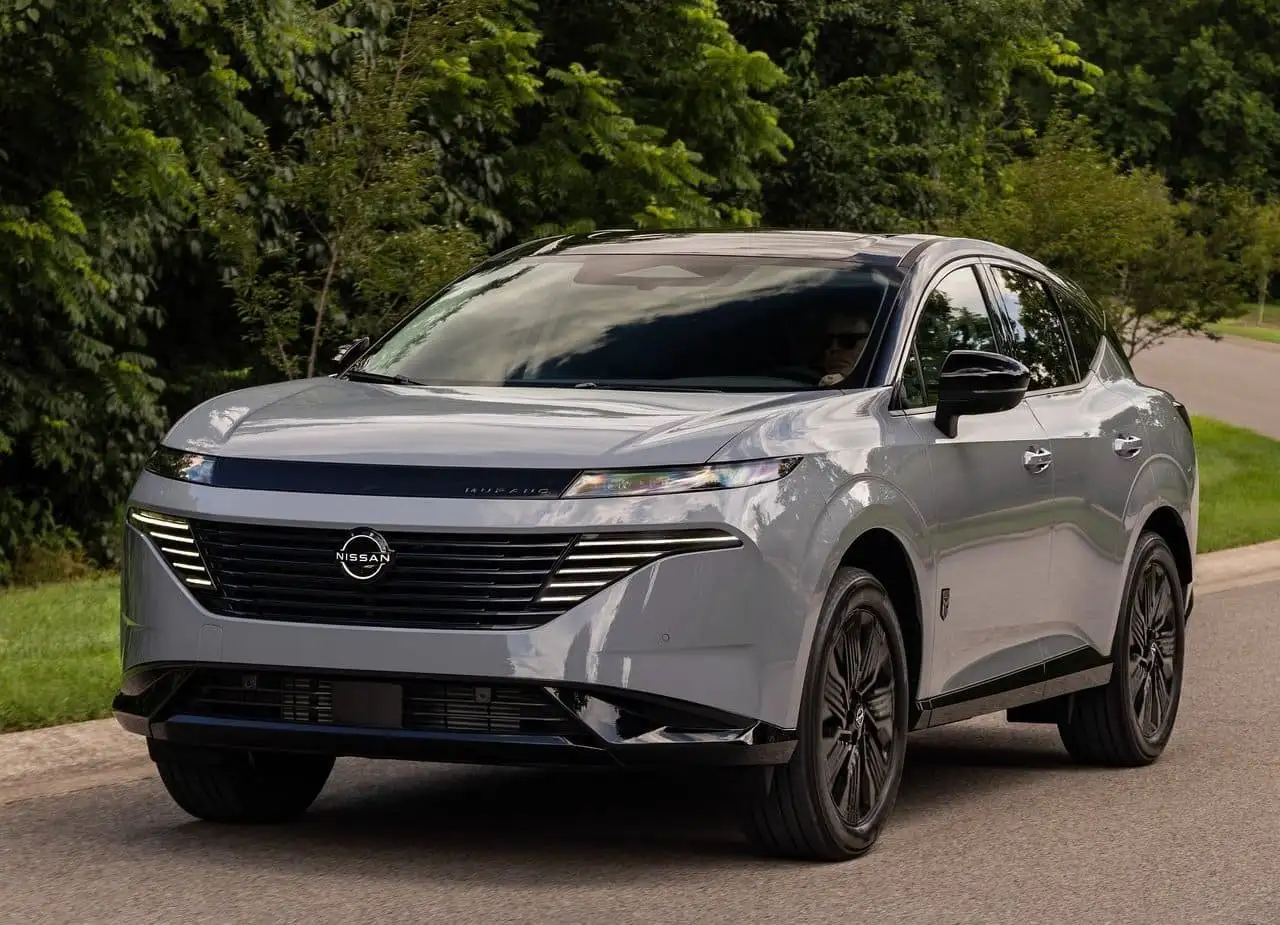
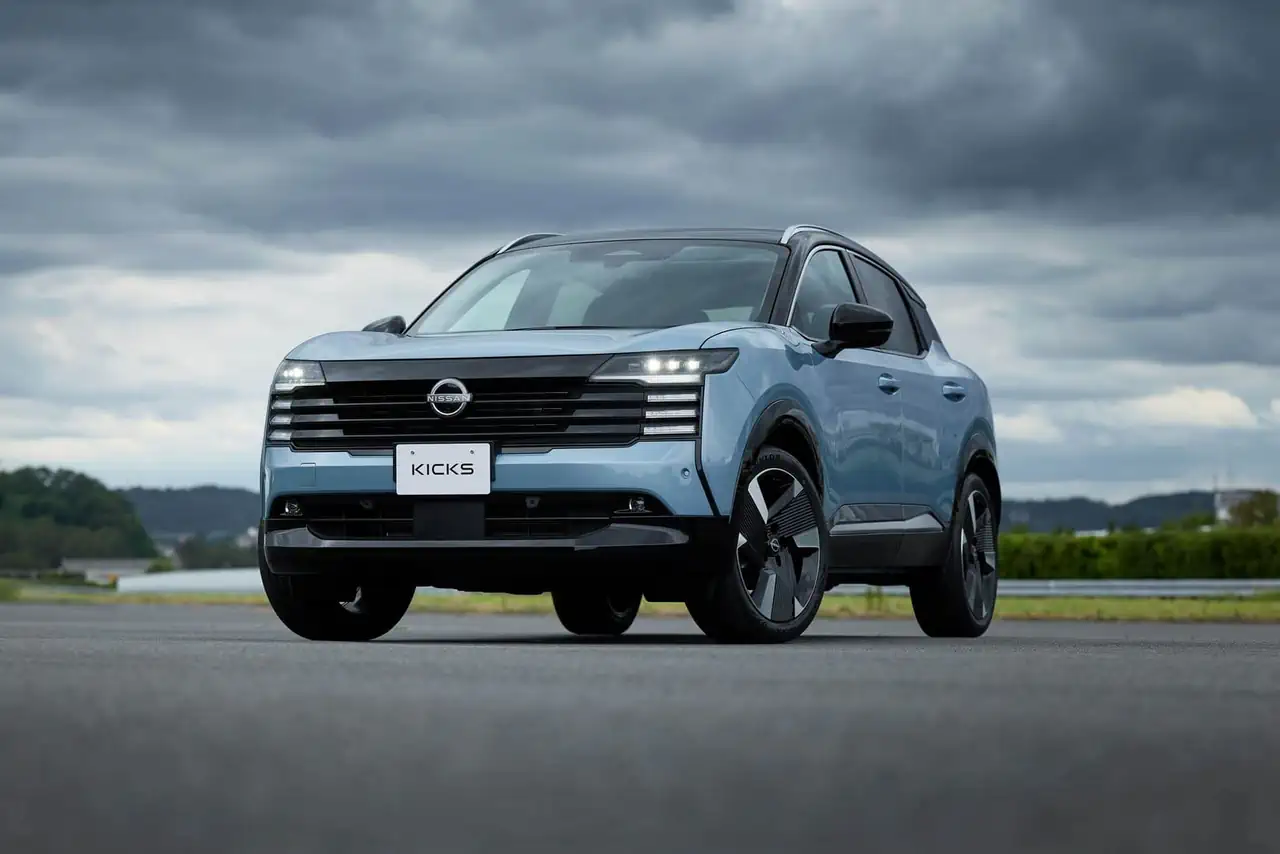
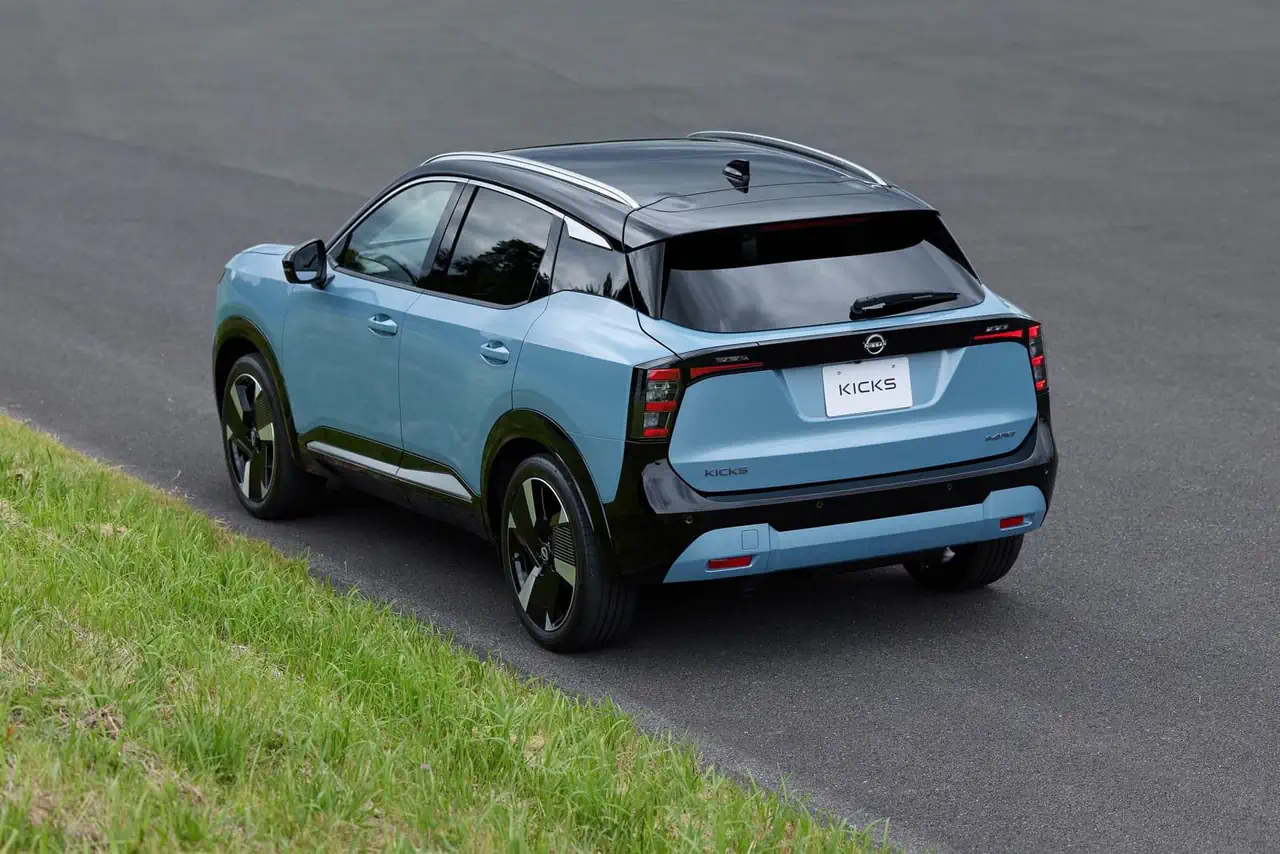
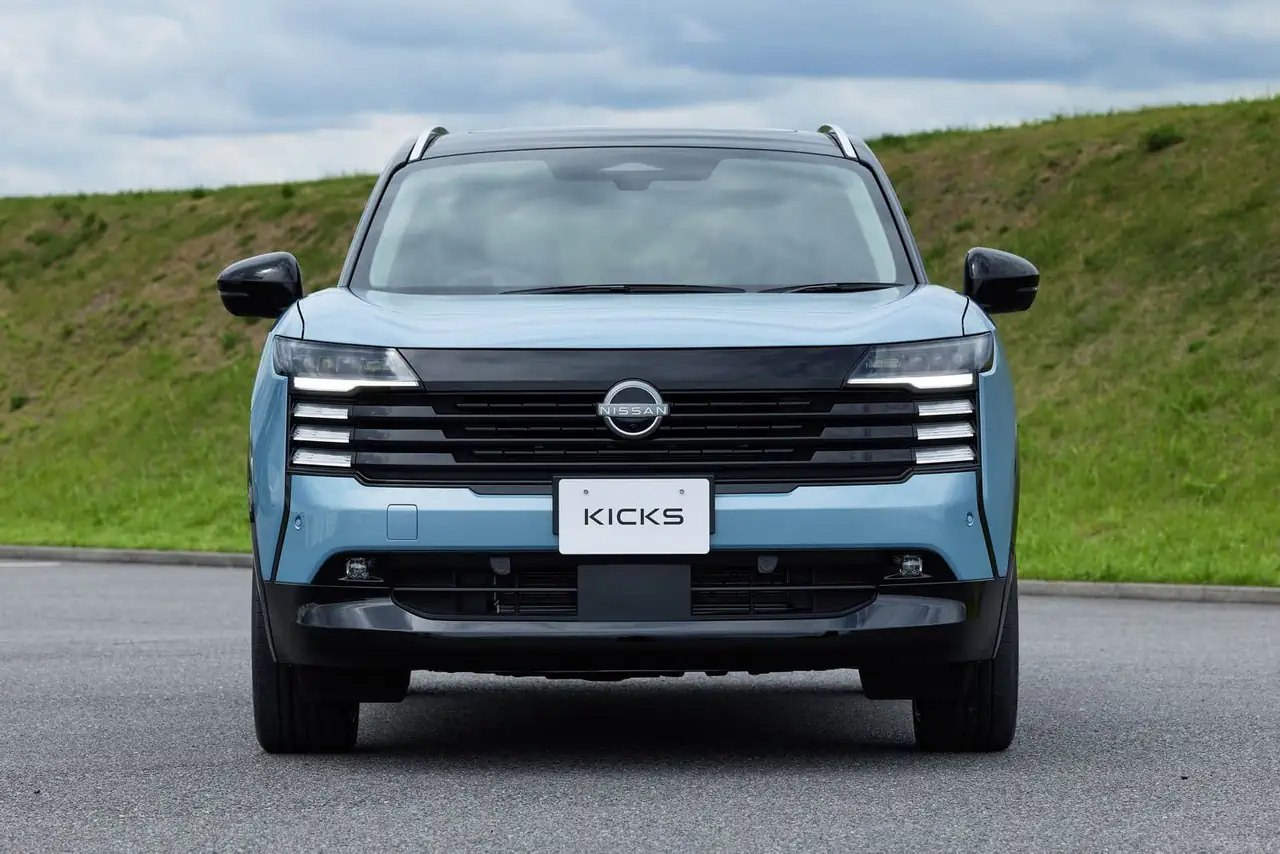
The first thing you notice is the front end. The soft, curved lines of the previous generation are completely gone. What replaced them is a wide, horizontal grille flanked by stacked LED headlights with a layered signature that’s easy to spot in traffic. Nissan said the design was inspired by a football helmet. Standing in front of it, you can see why.
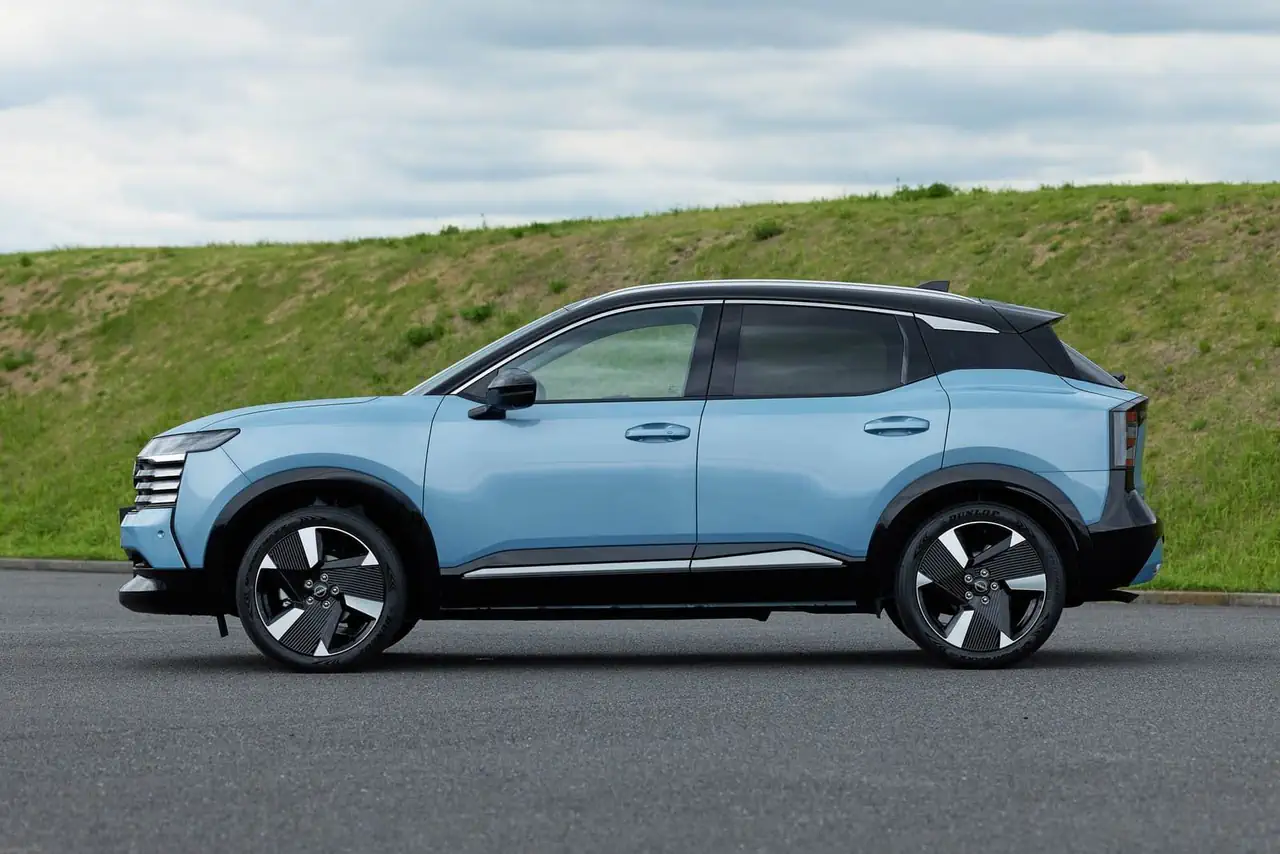
The profile is lower and more planted than before, with strong fender flares and sculpted body lines that add visual mass without making the vehicle feel bulky. Depending on the trim, exterior accents shift from body-color to gloss black on upper levels, giving the top-spec S trim a distinctly more upscale look than the base model.
Out back, the horizontal tail lamps and structured rear bumper round out a design that feels cohesive and deliberate. It doesn’t look like a crossover that’s trying to be a truck, but it doesn’t look like a stretched hatchback either. It sits in its own lane visually, which is a real improvement over the outgoing model.
Compared to the Chevrolet Trax and Honda HR-V, both of which have polarizing styling, the Kicks takes a more resolved approach. It won’t turn heads at a stoplight, but it looks genuinely solid and well-proportioned from every angle.
The Interior Is Where Nissan Made the Biggest Statement
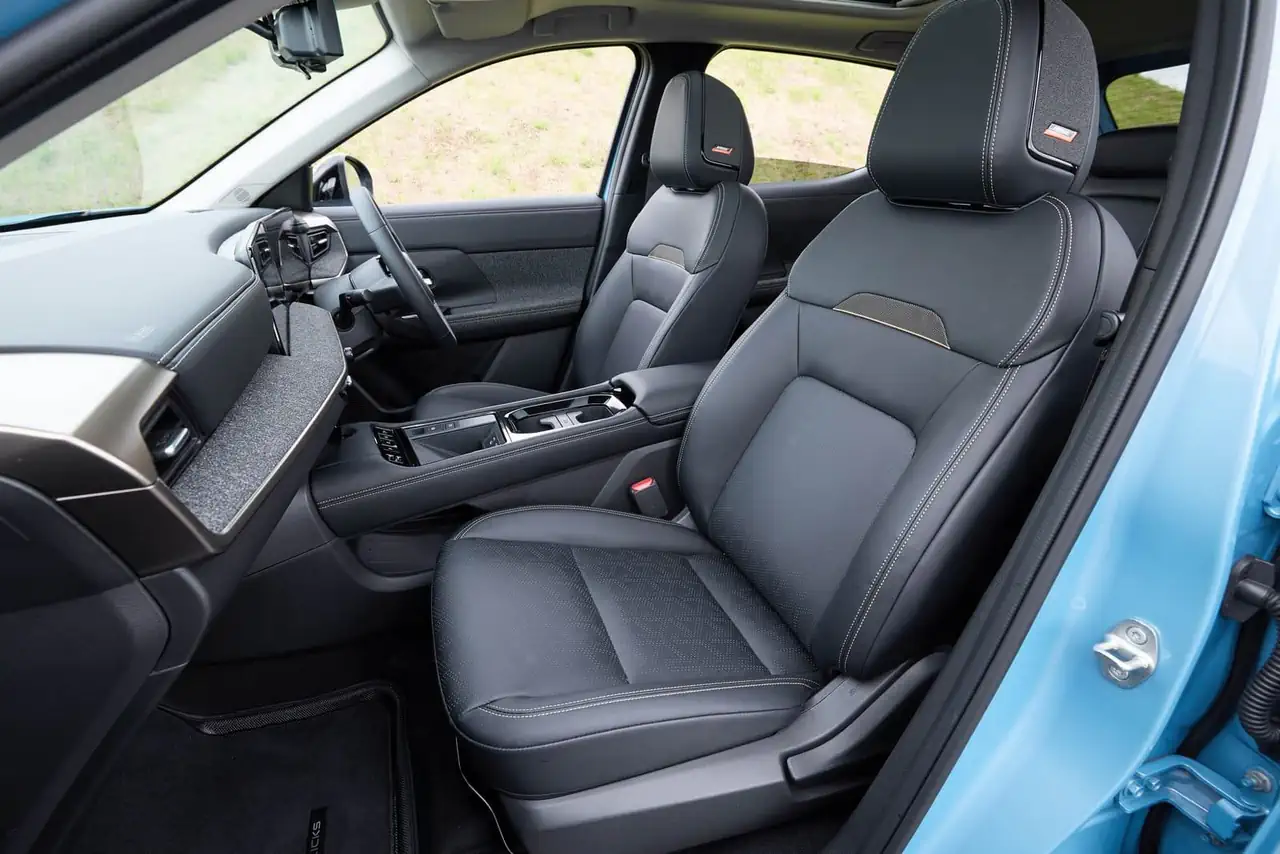
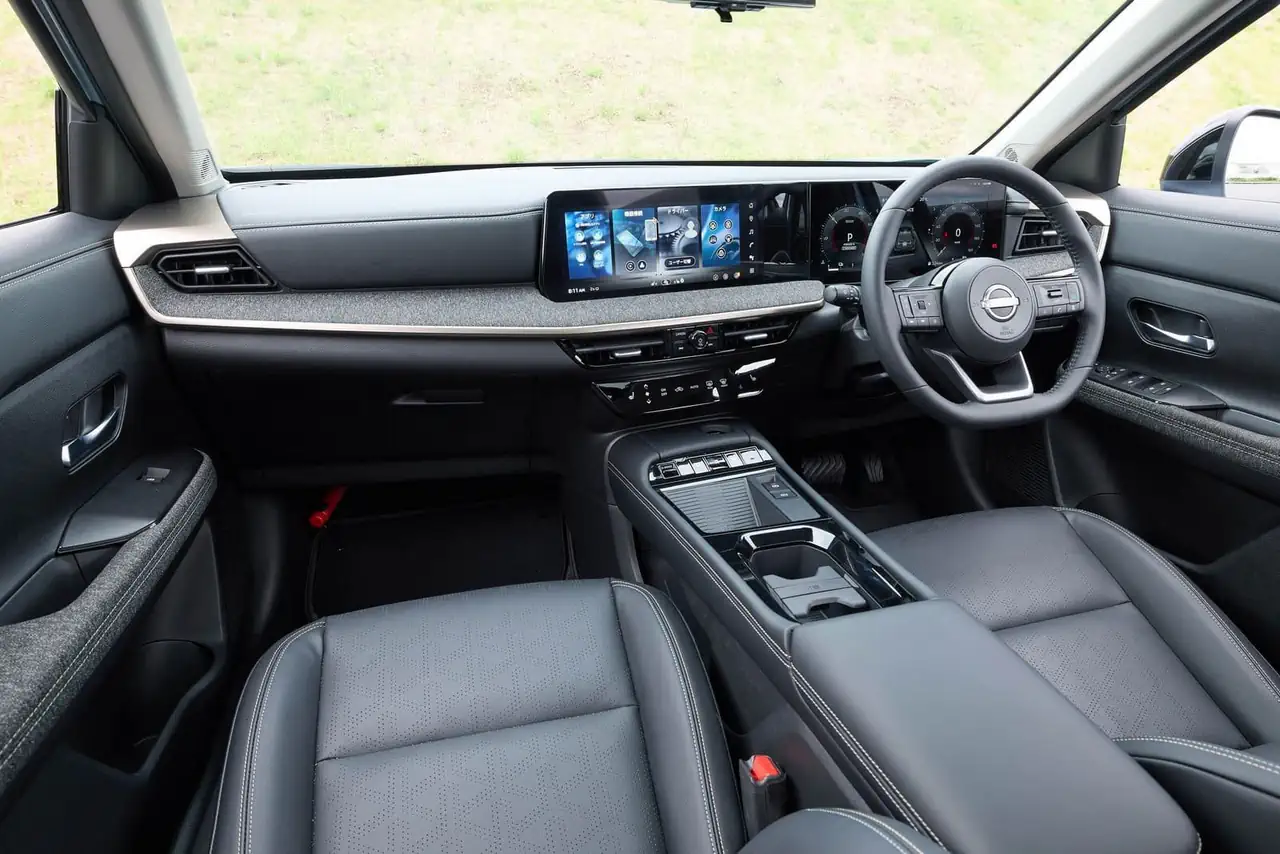
Step inside and the jump in quality is immediate. The dashboard uses a horizontal, minimalist layout with soft-touch surfaces across the panel, visible contrast stitching and perforated vegan leather covering the main touchpoints. It doesn’t feel like a $22,000 car inside, which is one of the better surprises in this segment right now.
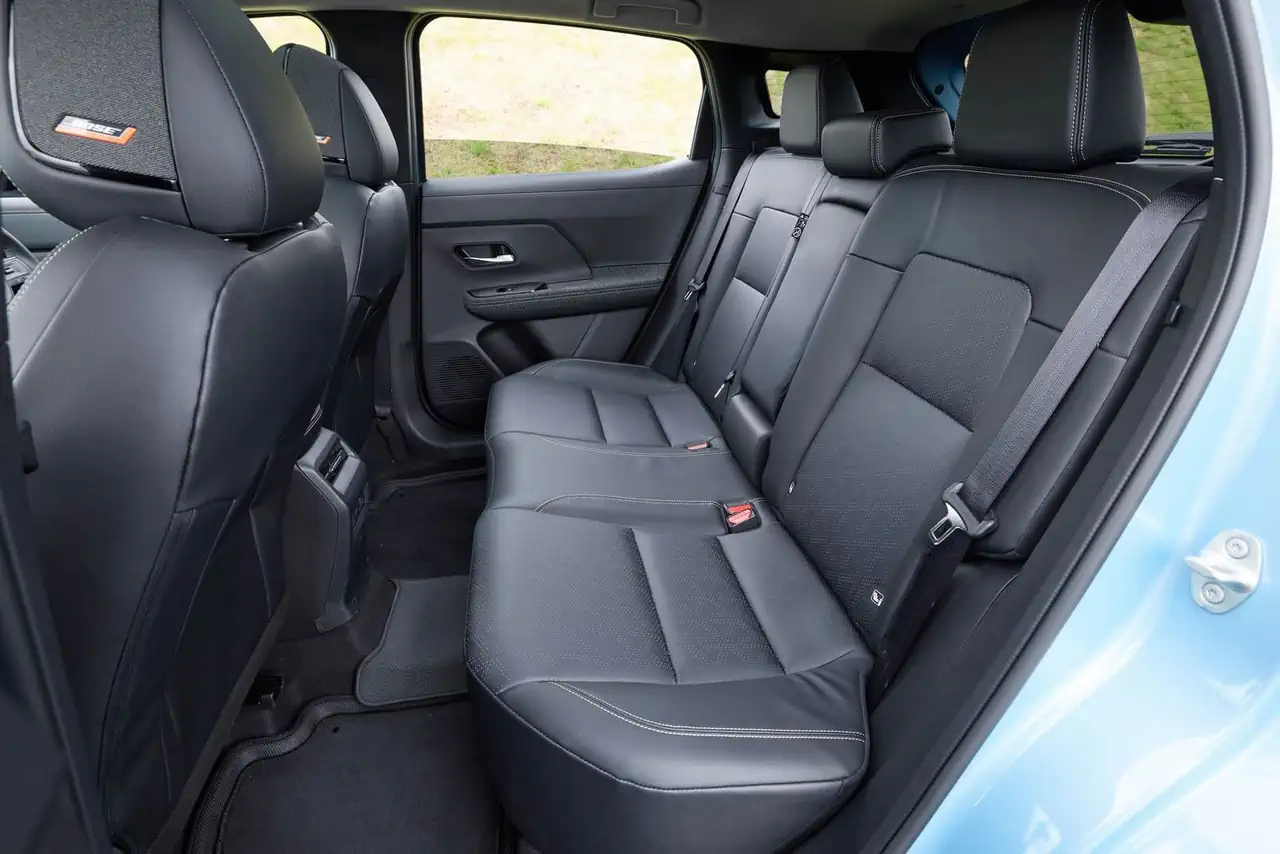
The front seats use Nissan’s Zero Gravity technology, developed from research into neutral posture in low-gravity environments. The result is a seat that distributes pressure differently than a standard bucket, and it’s noticeably better on longer drives. The outer rear seats get the same treatment, which isn’t common at this price point.
The Tech Stack That Separates This Trim From the Competition
The centerpiece of the cabin is what Nissan calls the Monolith Display: two 12.3-inch TFT screens physically unified into a single 24.6-inch digital surface, combining the instrument cluster and the infotainment screen. Response is fast and the interface is well-organized. Wireless Apple CarPlay and Android Auto are standard, along with up to four USB-C ports and a wireless charging pad.
The Bose Personal Plus audio system includes 10 speakers, with UltraNearfield neodymium drivers built directly into the front headrests. It creates a notably immersive listening experience that you don’t typically find outside of vehicles priced significantly higher.
Nissan Safety Shield 360 covers the full ADAS suite, including ProPILOT Assist, which combines adaptive cruise control with active lane centering and Stop & Go functionality, a genuine Level 2 system. Cargo space behind the rear seats checks in at 29.2 cubic feet on FWD models, dropping to 23.9 cubic feet with the AWD setup due to rear drivetrain packaging.
One real-world complaint worth noting: the haptic touch controls for the climate system require you to look at the panel to use them, which is a distraction the physical knobs of earlier models didn’t create.
Under the Hood: What the 2.0L Actually Delivers on the Road
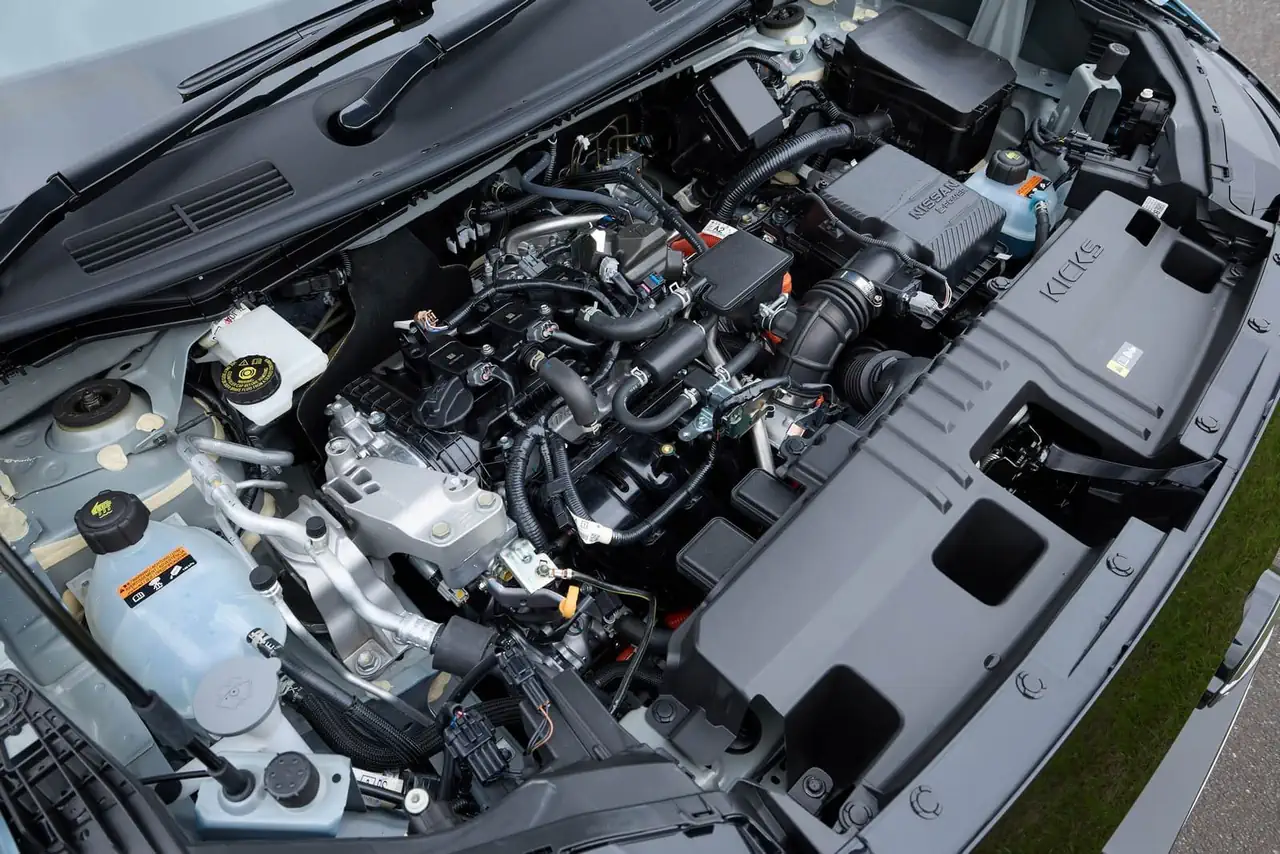
The U.S.-spec Kicks runs a 2.0L four-cylinder with DOHC, direct injection and mirror bore coating technology, a friction-reduction treatment originally developed for the GT-R’s engine. It produces 141 hp and 140 lb-ft of torque, routed through Nissan’s Xtronic CVT. FWD is standard; Intelligent AWD is available on SV and SR trims.
In everyday driving, the engine is competent and linear. There’s no turbo lag to manage and the CVT keeps the engine in its comfort zone without the rubber-band feel that plagued earlier CVT-equipped crossovers. The 0–60 mph run takes around 9.0 seconds in AWD form, which puts it roughly in line with the Subaru Crosstrek and slightly behind the Chevrolet Trax’s turbocharged setup.
Where this powertrain earns its keep is at the pump. EPA-rated at 28 city and 35 highway MPG on FWD models, it’s among the more efficient non-hybrid options in the segment. AWD drops those numbers slightly to 27 city and 34 highway. For a daily driver covering a mix of highway miles and city errands, the efficiency figures translate to real savings over time.
It won’t excite anyone at a highway on-ramp, and passing at 75 mph requires planning ahead. But for the buyer who prioritizes reliability, efficiency and a calm daily experience, the powertrain delivers exactly what it promises without drama in either direction.
Pricing, Insurance and the Real Cost of Owning One
The 2026 Kicks starts at around $22,430 for the base S trim in FWD configuration. The mid-range SV adds meaningful technology content, while the SR AWD tops out near $28,765 before dealer fees or optional packages. That’s a notable jump from where this model used to live, and it puts the Kicks in direct competition with the Honda HR-V, Mazda CX-30 and Subaru Crosstrek.
Nissan backs the vehicle with a 3-year/36,000-mile basic warranty and a 5-year/60,000-mile powertrain warranty, which is standard for the brand but trails Toyota and Hyundai’s more generous coverage in this segment.
Insurance premiums for the Kicks will run moderately higher than the segment average, primarily because of the radar and sensor array in the Safety Shield 360 suite. Replacing those components after even a minor fender bender adds up fast, and insurers price that risk into the policy. On the maintenance costs side, the Kicks follows a 7,500-mile or 12-month service interval. The MR20DD engine has a solid reliability track record, and the CVT, while not universally beloved, is a proven unit in Nissan’s lineup.
For financing, current rates and incentives vary by region, but the higher MSRP on upper trims means monthly payments on a standard 60-month loan push into territory that starts competing with entry-level versions of larger crossovers. Buying at launch means paying full price. Waiting 12 to 18 months typically brings depreciation that opens up the used market at a more compelling value.
The ideal buyer here is someone who wants a genuinely well-equipped daily driver with strong fuel economy, a premium-feeling interior and modern safety tech, but doesn’t need a vehicle that performs above its weight class dynamically.
Frequently Asked Questions About the 2026 Nissan Kicks
What is the real-world fuel economy of the 2026 Nissan Kicks?
EPA ratings sit at 28 city / 35 highway MPG for FWD models. Owners driving mixed routes without aggressive acceleration consistently report numbers close to the official figures.
Is the 2026 Nissan Kicks reliable?
The MR20DD engine has a well-established track record. The main concern at launch involved a software bug that caused instrument cluster screens to go blank in cold starts on some U.S. units, addressed through a dealer software update via NHTSA recall campaign 26V331.
How does the 2026 Kicks compare to the Honda HR-V and Subaru Crosstrek?
The Kicks matches the HR-V on interior quality and beats it on cargo space in FWD form. The Crosstrek offers standard AWD and a more engaging driving experience, but trails the Kicks on interior technology and display size at comparable price points.
Is the 2026 Nissan Kicks worth buying over a used or certified pre-owned option?
At the SR AWD price point, waiting for the first wave of off-lease units makes financial sense for budget-conscious buyers. The technology gap between the 2026 and the outgoing generation is significant, but not urgent enough to justify full MSRP for everyone.
Does the 2026 Nissan Kicks Earn Its New Price?
The 2026 Kicks is a genuinely better vehicle than anything this nameplate has offered before. The interior quality, the Monolith Display and the ADAS suite put it ahead of several rivals that cost the same or more. The 2.0L is efficient and proven, even if it won’t impress anyone who cares about acceleration numbers.
The issues are real but manageable: the software recall dented early confidence, the haptic climate controls are a step backward in usability, and the SR AWD pricing puts real pressure on the value argument.
This is not the right vehicle for someone who wants driving engagement, strong passing power or maximum cargo flexibility on a tight budget. For everyone else who wants a well-built, tech-forward compact SUV that won’t need a trip to the dealership every other month, it makes a solid case.
The Kicks grew up for 2026. Whether the price grew too fast is the question every buyer needs to answer for themselves.
What do you think: does the 2026 Nissan Kicks justify its price against the Crosstrek and HR-V, or is Nissan asking too much for a compact SUV? Drop your take in the comments below.
Share this article

Por: Danniel Bittencourt
18/06/2026
Related posts