2026 Mazda Flair Crossover Update Brings Enhanced Safety Features
The 2026 Mazda Flair Crossover debuts in Japan, delivering a mild-hybrid powertrain, updated safety tech, and refreshed styling for under $10,000. This JDM exclusive maximizes urban efficiency in an ultra-compact package.
What Changed on the 2026 Mazda Flair Crossover?
Mazda’s most affordable urban commuter just received targeted design and safety updates for the Japanese domestic market. The model stays true to its strict Kei car roots, engineered specifically to navigate tight city streets and crowded parking spots. The automaker focused on packing big-car active safety technology into a highly downsized footprint.
New Styling and Color Options
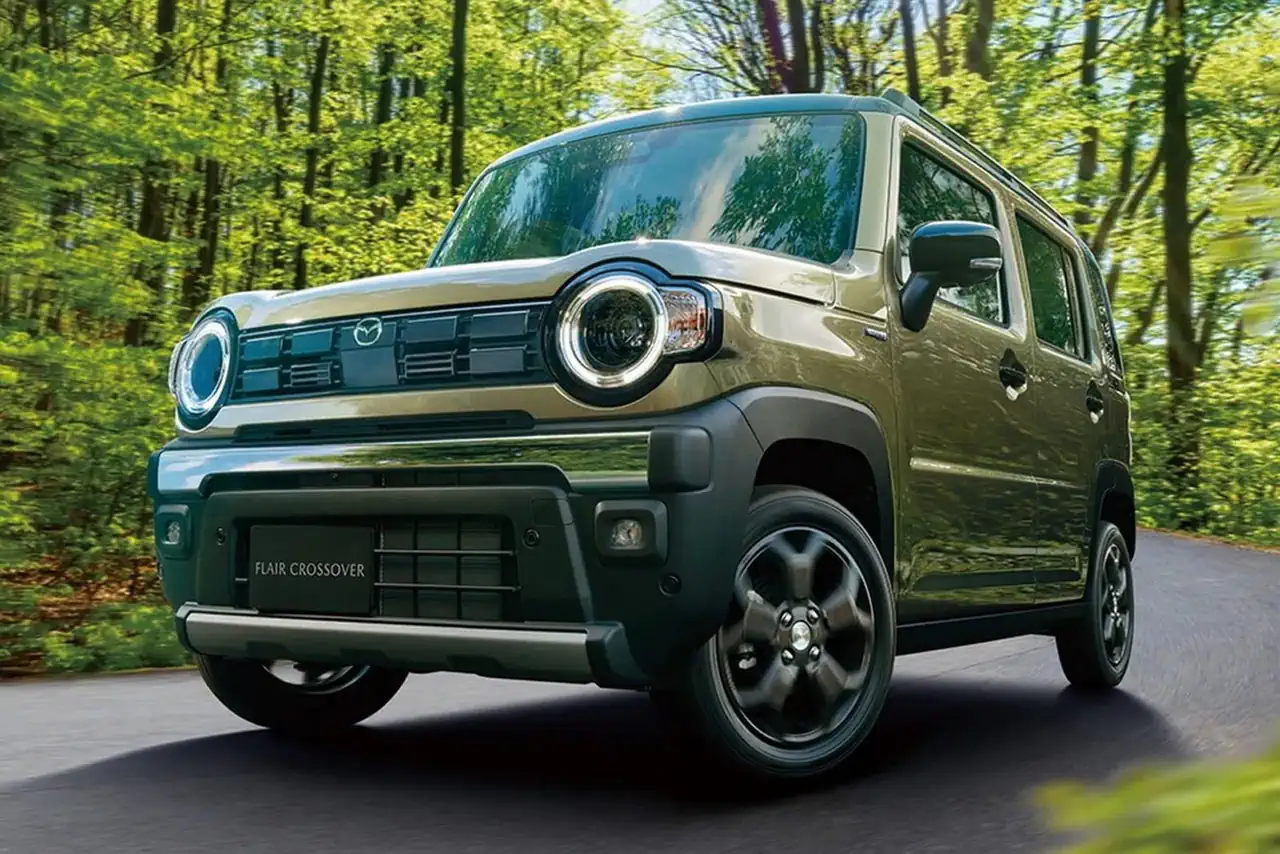
The front fascia receives the most noticeable visual update for this model year revision. The XG, XS, and XT trim levels now showcase a larger, revised grille insert that proudly wears the Mazda wing badge. The lower front bumper was also reshaped to give the micro-sized vehicle a significantly more rugged appearance.
For buyers looking to stand out, a new Woodland Khaki Metallic paint finish joins the options list. Customers can pair this new color with a contrasting roof finish, expanding the vehicle’s dual-tone personalization options.
Mild-Hybrid Powertrain Efficiency
Under the hood, the mechanical setup relies on a mild-hybrid system paired with a tiny 660cc three-cylinder engine. The naturally aspirated base variants produce 48 HP, which provides adequate performance for low-speed city driving. Stepping up to the high-tier XT and ZT trims adds a turbocharger, bumping output to a more respectable 63 HP.
Every configuration sends power through a smooth, efficiency-mapped Continuously Variable Transmission (CVT). This powertrain combination skips high-speed performance targets to focus purely on maximizing city fuel economy. Buyers can configure their vehicle with standard front-wheel drive or optional full-time all-wheel drive.
A Focus on Active Safety Tech
Mazda expanded the active driver-assistance suite, making premium safety features standard across the board. The updated model now comes equipped with the advanced Dual Sensor Brake Support II system from the factory. This technology utilizes a monocular camera and millimeter-wave radar to recognize pedestrians, cyclists, and motorcycles.
Front-facing parking sensors and adaptive cruise control also join the standard equipment checklist for this year. These additions bring the budget-friendly compact in line with the safety expectations of modern car buyers.
Dimensions and Proportions
Strict Japanese legal frameworks dictate the exact exterior footprint of the Flair Crossover. The micro SUV measures just 133.4 inches in total length and a narrow 57.8 inches in width. However, it stands 66.1 inches tall, utilizing a boxy silhouette to maximize headroom and interior space.
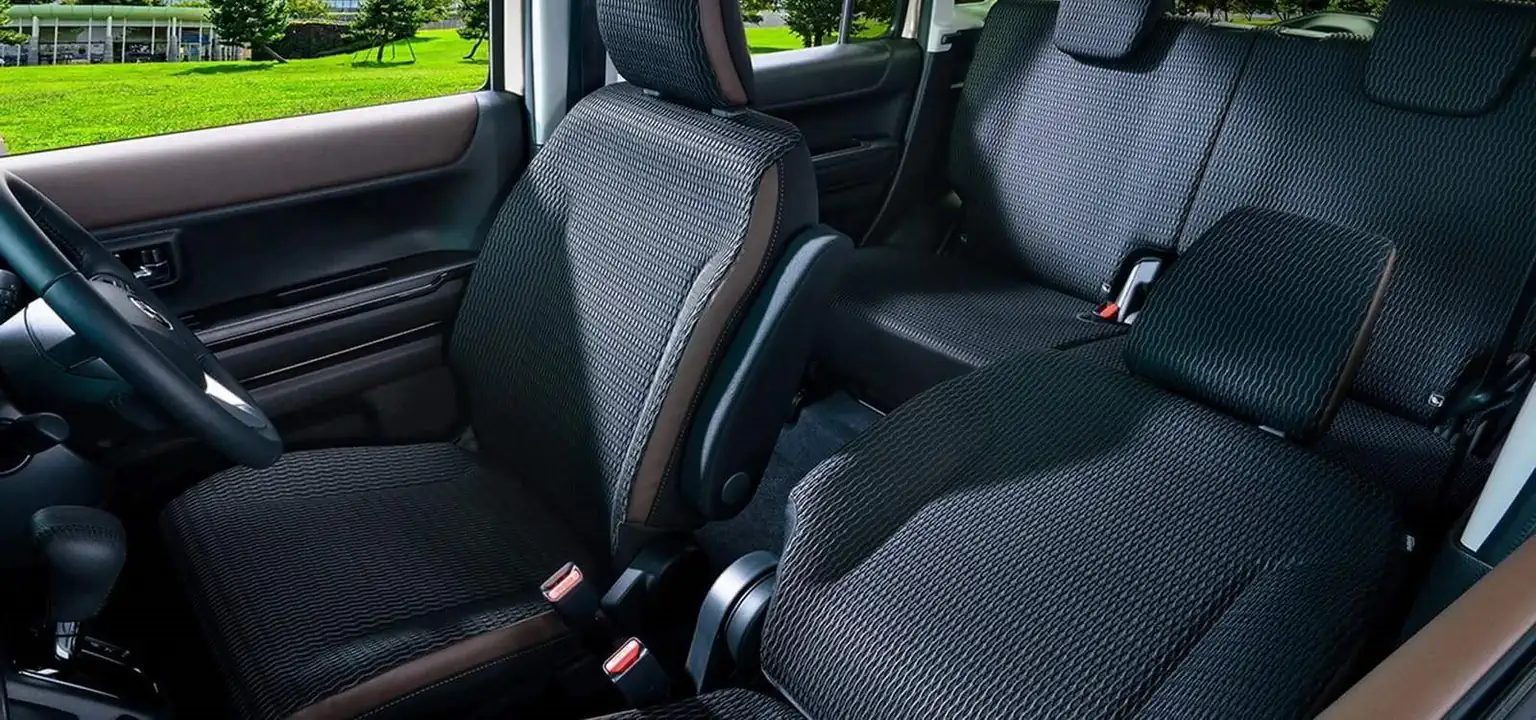
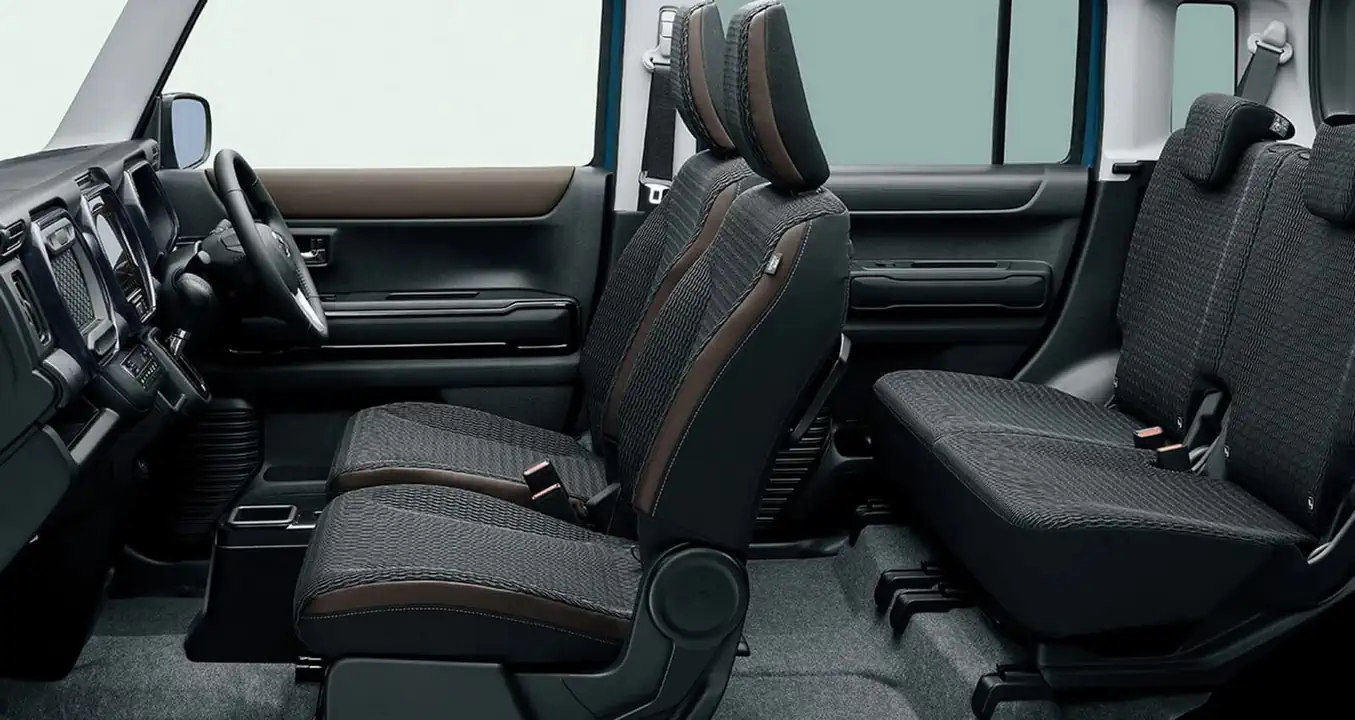
Despite the incredibly tiny exterior dimensions, the cabin legally and comfortably seats four adults. In the enthusiast community, this boxy layout makes the platform a popular choice for custom styling projects. The Japanese aftermarket scene frequently fits these vehicles with custom wheels, lowering kits, or overland gear.
Expected MSRP and Availability
The starting price in Japan begins at 1,610,400 yen, which translates to roughly $9,950 at current exchange rates. The top-tier turbo variant with all-wheel drive tops out the pricing structure at approximately $14,050. The model will remain a Japanese domestic market exclusive due to global regulatory and sizing differences.
Strict Federal Motor Vehicle Safety Standards and highway needs prevent these micro-sized vehicles from being sold new in the U.S. Mazda currently has no plans to develop a larger, US-spec version of this platform for North American showrooms.
WHAT YOU NEED TO KNOW
1. Will the Mazda Flair Crossover be sold in the United States? There are no plans to export this model to North America or adapt it for left-hand-drive markets. The vehicle’s dimensions, weight, and displacement are engineered specifically to comply with Japanese domestic laws.
2. What is the fuel economy rating for the 2026 Mazda Flair Crossover? Official EPA-equivalent MPG ratings have not been announced yet for this specific model year update. Estimated pricing and engineering data suggest it will easily exceed an estimated 45 MPG in typical city commuting.
3. Is the 660cc engine powerful enough for U.S. highways? The small three-cylinder engine is designed strictly for urban environments and low-speed commuting. While the 63 HP turbo version adds usable pep, the vehicle lacks the power required for American interstate speeds.
4. Does this compact vehicle offer an all-wheel-drive option? Yes, Japanese buyers can opt for an all-wheel-drive configuration across multiple trim levels. The optional AWD setup provides extra traction for drivers living in northern Japanese regions that experience heavy winter snow.
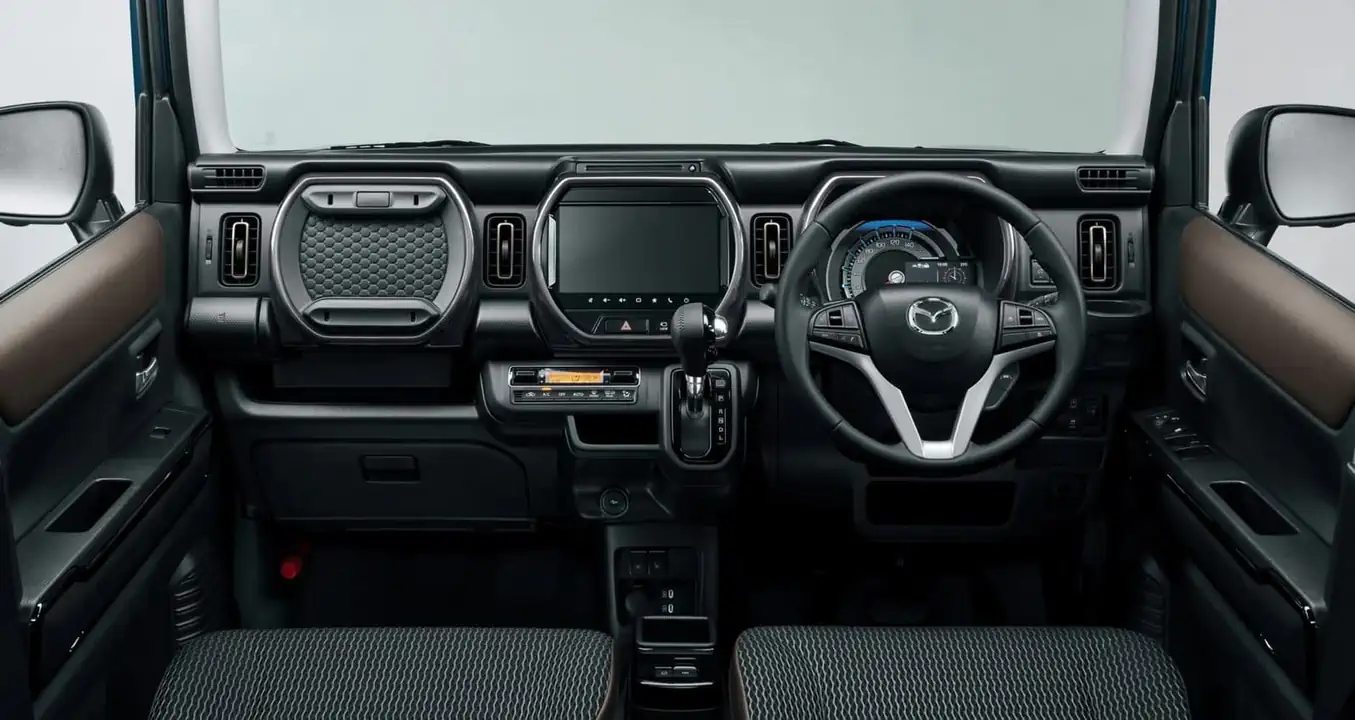
5. What is the difference between the Mazda Flair Crossover and the Suzuki Hustler? The two vehicles are identical sibling cars developed, engineered, and manufactured by Suzuki under an OEM agreement. The Mazda version simply swaps out the badging, grille trim, and select interior accent pieces to match Mazda’s branding.

Danniel Bittencourt
02/07/2026