The Hennessey Blackbird Was Inspired by the SR-71 Spy Plane
The Hennessey Blackbird brings a high-revving V8, rear-wheel drive, and a gated manual gearbox to a hypercar market increasingly shaped by hybrids, screens, and automation.
Hennessey Blackbird Brings an Analog Edge to the Hypercar World
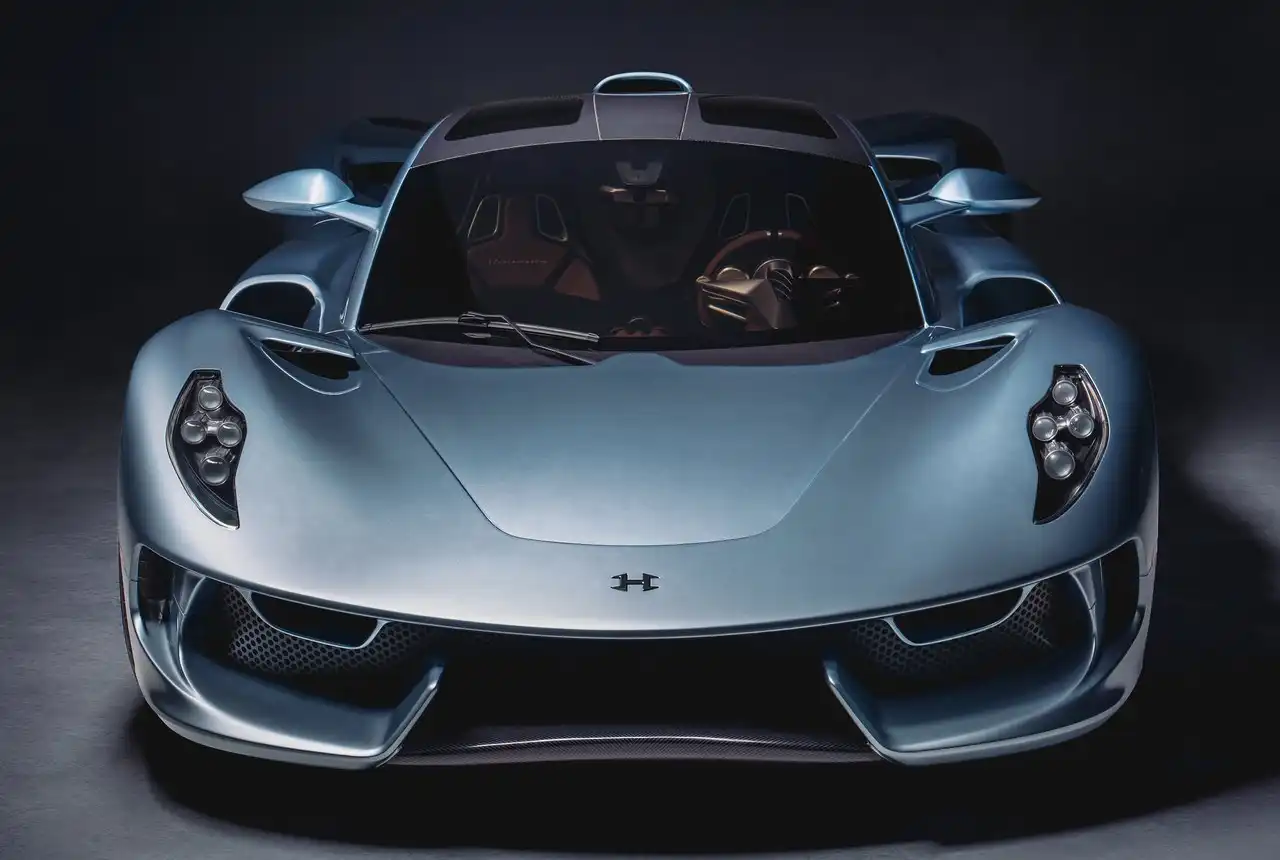
The Hennessey Blackbird is taking a deliberately different route through the modern hypercar market. While rivals chase hybrid systems, massive output figures, and increasingly digital cabins, this Texas-built machine puts the focus back on the driver.
Its formula is straightforward but unusual in today’s top-tier performance world: a naturally aspirated V8, a six-speed manual transmission, rear-wheel drive, and a cabin without large displays.
Hennessey plans to build only 71 examples, each starting at $2.5 million before options, taxes, and personalization.
A Naturally Aspirated V8 Built to Rev
At the center of the Hennessey Blackbird is a new 6.2-liter naturally aspirated V8 developed with Ilmor Engineering. Rather than relying on turbochargers or electric assistance, the powertrain is designed around throttle response, sound, and high-rpm character.
Hennessey is targeting between 800 and 850 horsepower. The engine is expected to rev beyond 9,000 rpm, placing it among the most extreme naturally aspirated V8s planned for a road-going production car.
Final torque figures have not been announced. Neither have complete engine details such as compression ratio and internal dimensions, so those numbers will have to wait until the production-spec car is closer to launch.
The Blackbird is not meant to compete directly with the company’s own Venom F5 in outright power. Instead, it is aimed at drivers who value the feeling of working through the gears as much as the numbers on a spec sheet.
Six Speeds, Three Pedals, Rear-Wheel Drive
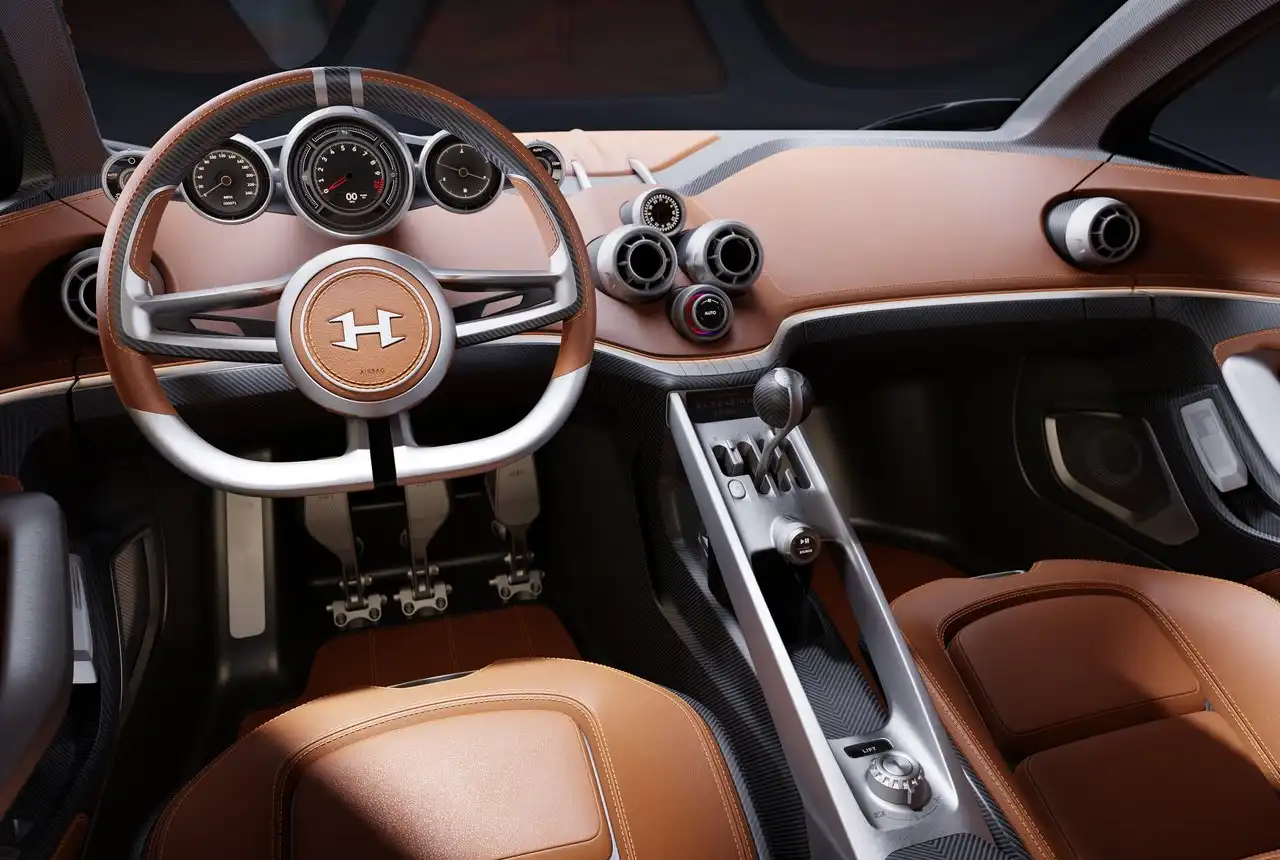
The engine sends its power exclusively to the rear wheels through a six-speed manual gearbox. Its open-gate shifter is one of the most recognizable elements inside the cabin and a rare sight in a hypercar segment now dominated by paddle-shift automatics.
That choice gives the Hennessey Blackbird a more traditional character than most modern exotics. Drivers will need to operate the clutch, choose the gear, and manage the engine themselves rather than simply relying on software and launch-control systems.
Hennessey will still equip the car with ABS and traction control. Those systems matter when a lightweight, rear-wheel-drive machine is expected to deliver more than 800 horsepower without all-wheel drive.
Performance Targets Include a 220-MPH Top Speed
The Blackbird is being developed to reach 60 mph in about 2.5 seconds. Hennessey also targets a top speed of 220 mph, which puts the car at roughly 354 km/h.
Those are serious figures, but Hennessey has been clear that raw acceleration and top-speed records are not the central purpose of the Blackbird. The goal is to create a hypercar that feels alive at everyday road speeds as well as on a fast circuit.
That philosophy separates it from many current models, where electrified powertrains and advanced systems often produce incredible performance with less involvement from the driver.
Carbon Fiber Keeps the Weight Down
The Hennessey Blackbird will use a carbon-fiber monocoque and carbon-fiber bodywork. The company is targeting a dry weight below 3,000 pounds.
Keeping weight low is vital to the Blackbird’s character. A lighter chassis should sharpen steering response, braking feel, and acceleration while allowing the V8 to feel more immediate than it would in a heavier hybrid hypercar.
The car is also expected to feature an adaptive inboard suspension layout. This setup places key suspension components inside the bodywork, helping engineers improve packaging and response.
Michelin Pilot Sport Cup 2 tires are planned, giving the Blackbird a road-legal performance tire developed for serious grip in demanding driving conditions.
SR-71 Inspiration Shapes the Exterior
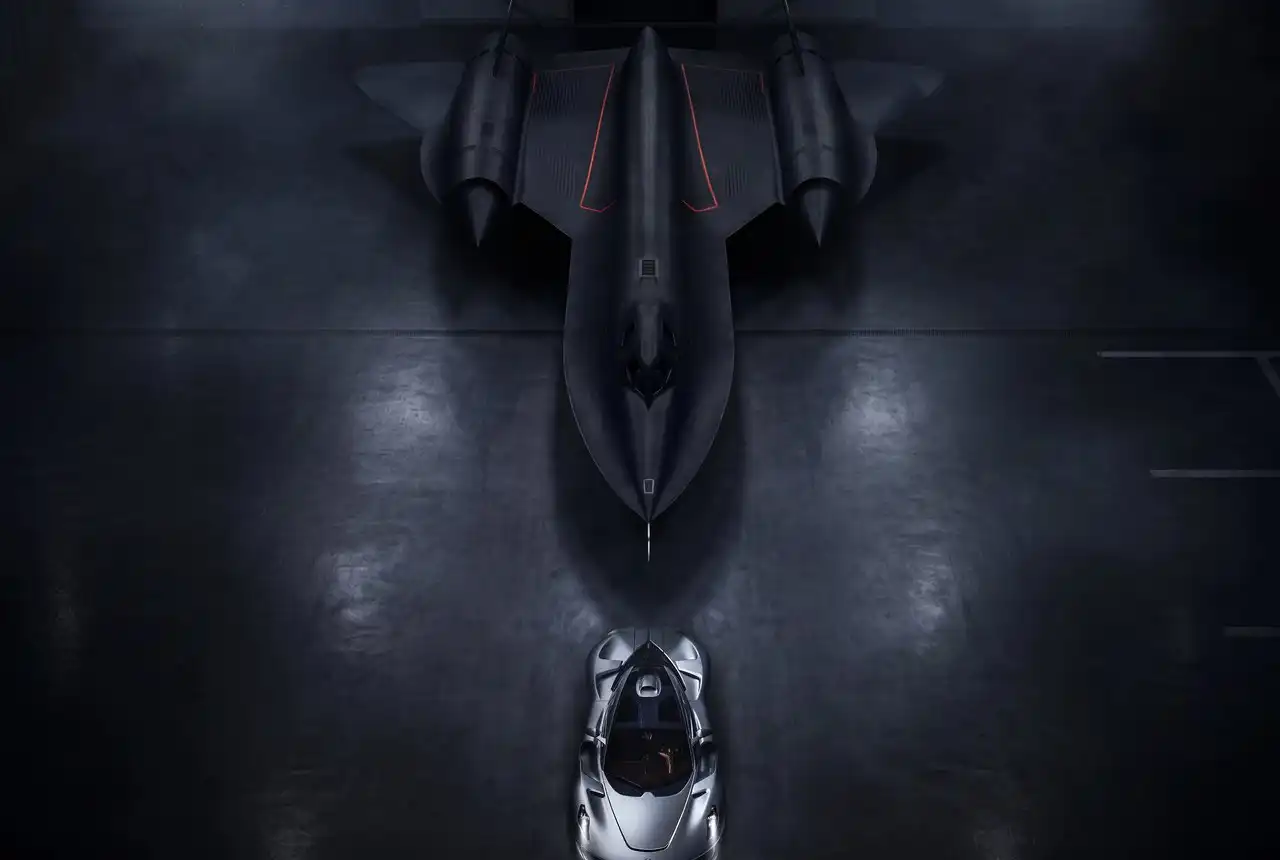
The Blackbird takes its name from the Lockheed SR-71 Blackbird, the famous American reconnaissance aircraft known for its dramatic shape and extraordinary speed.
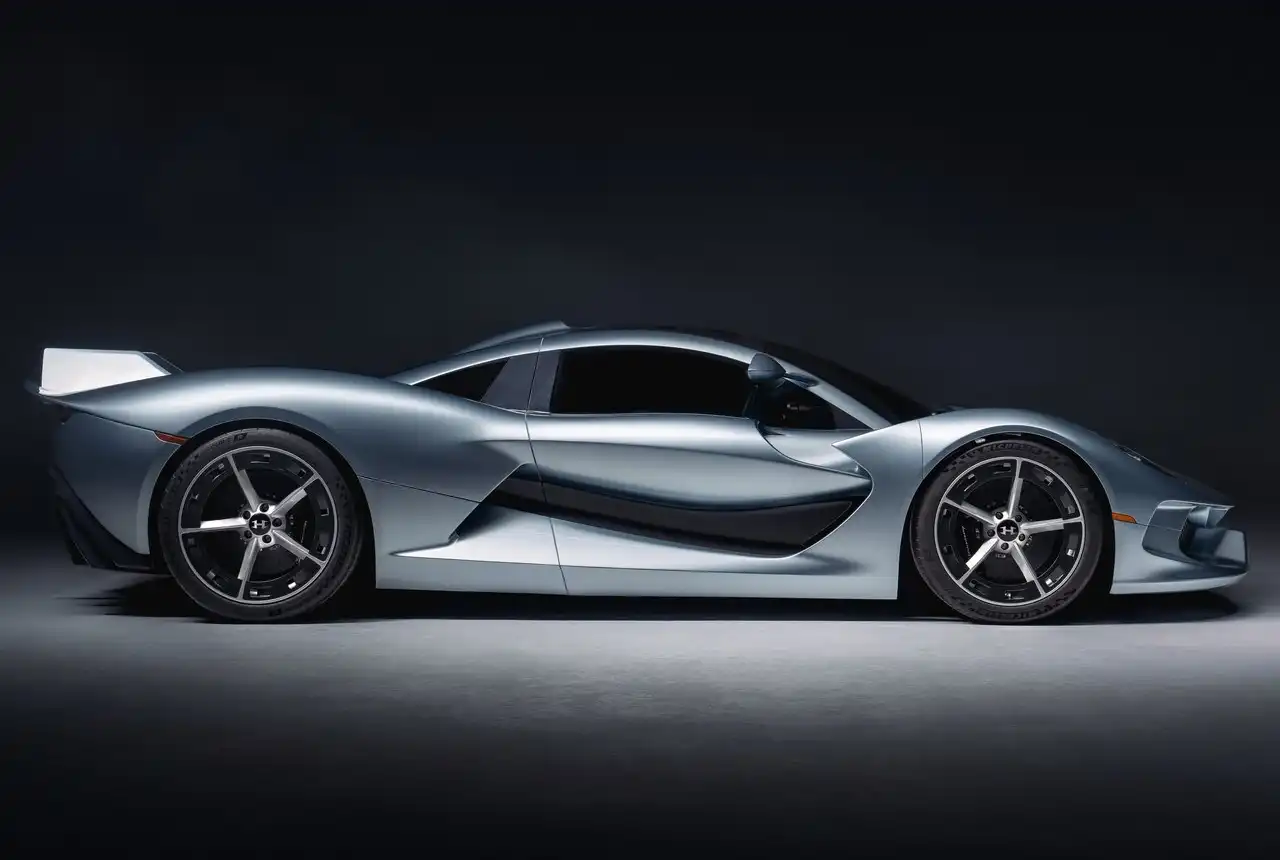
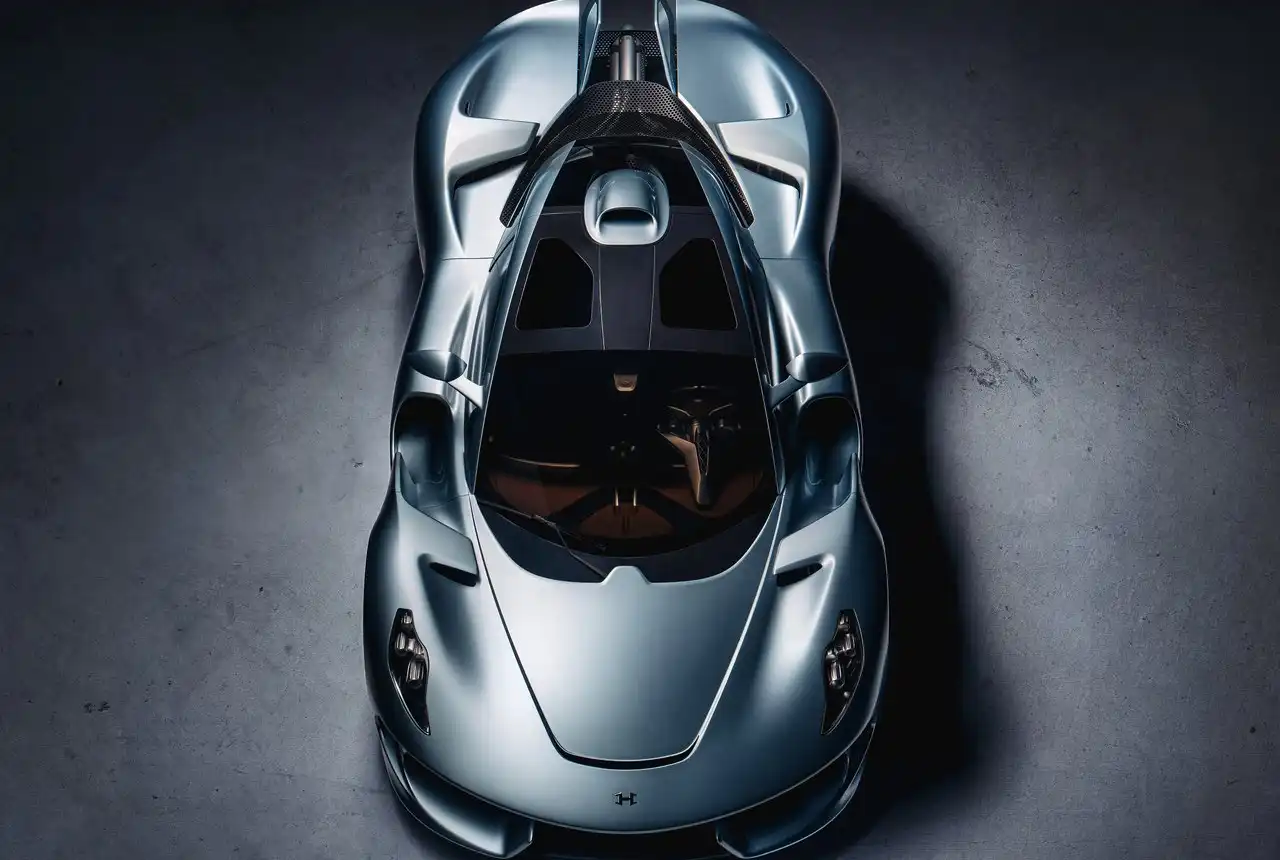
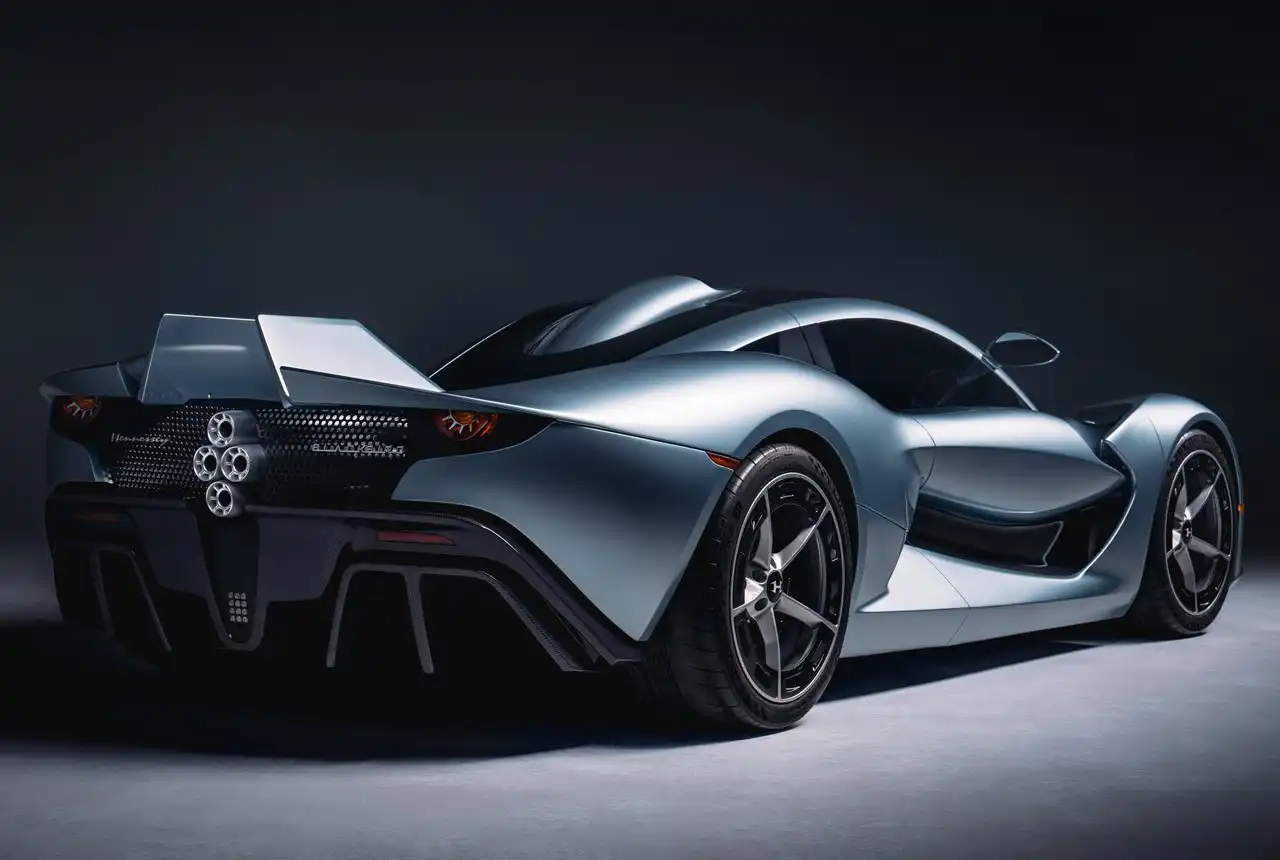
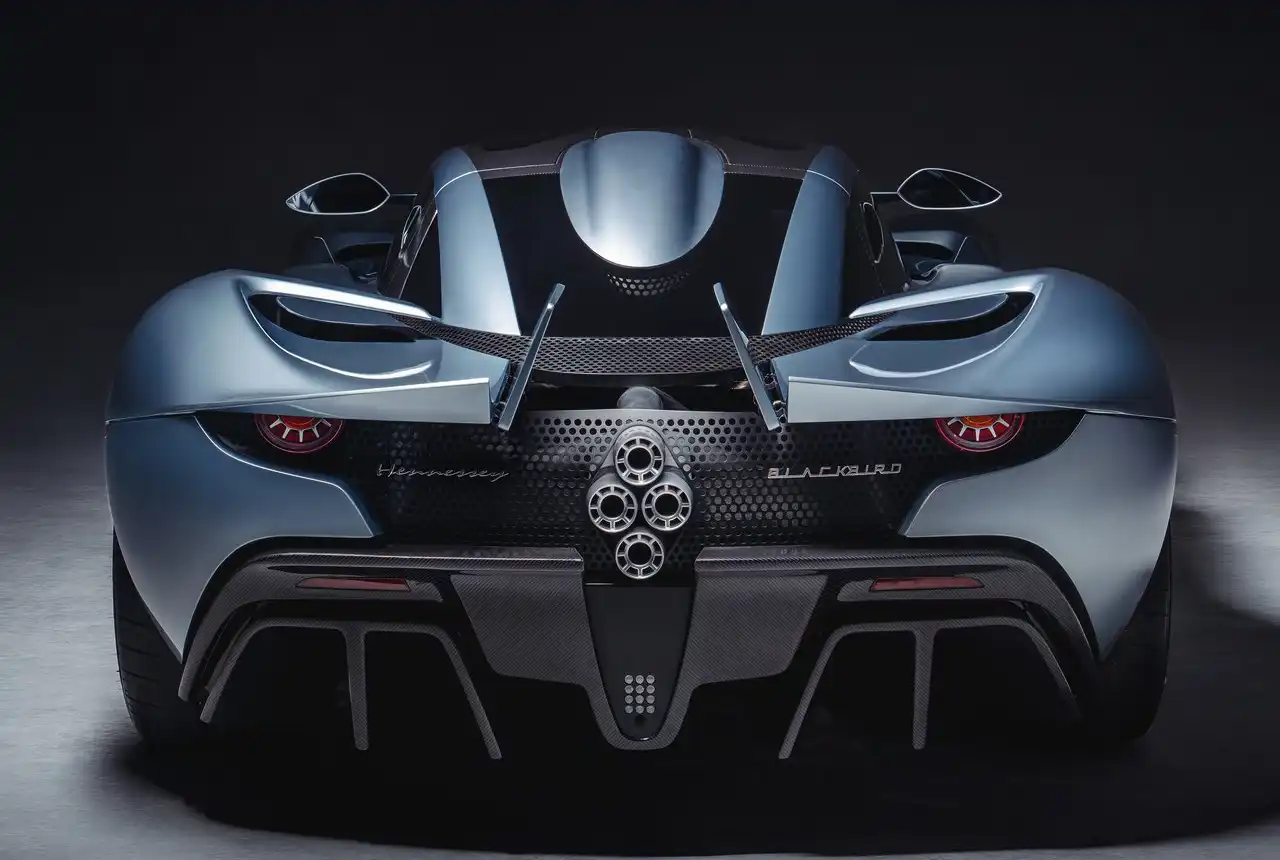
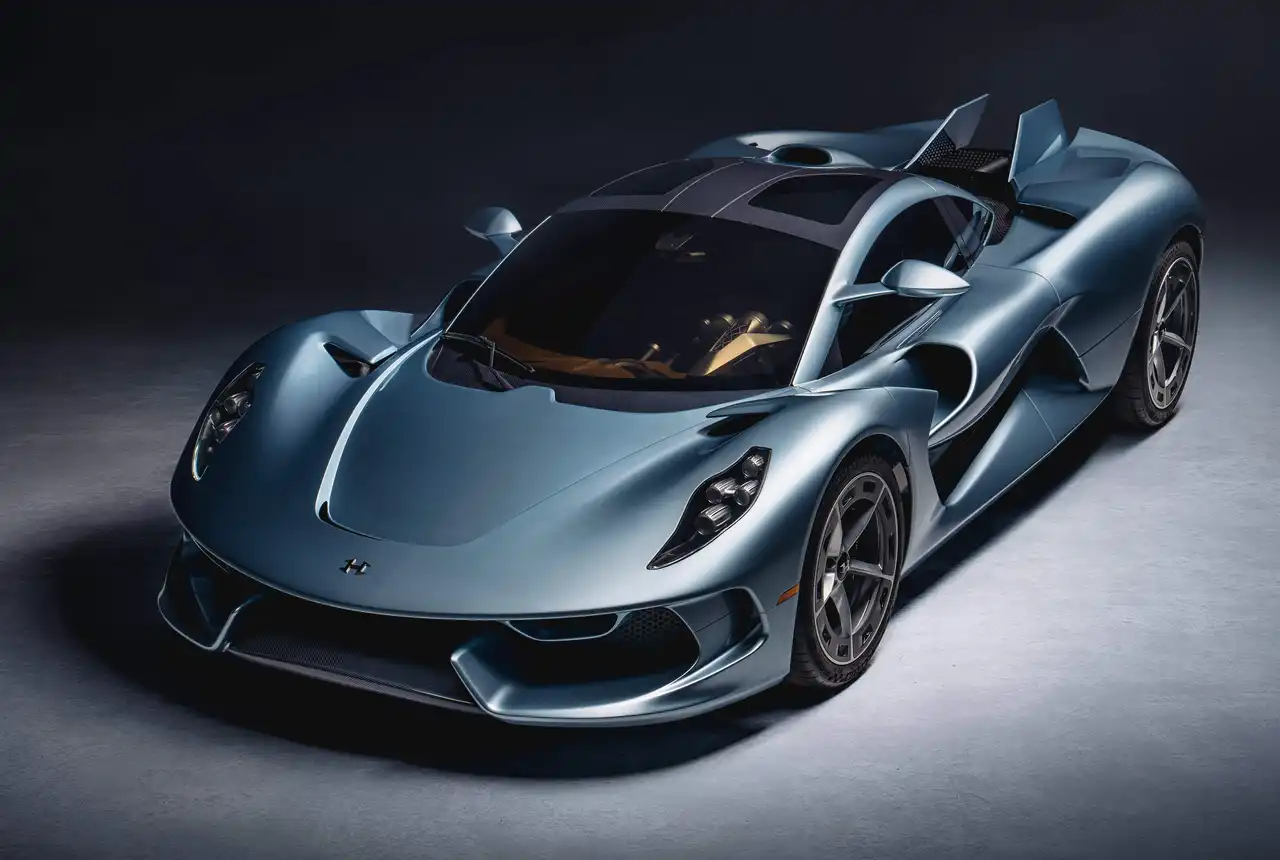
Hennessey did not simply turn an airplane into a car. Instead, the SR-71 influenced the Blackbird’s long, low proportions, its air-management details, and the active vertical stabilizers at the rear.
The exterior also includes a roof-mounted intake, four exhaust outlets, and aerodynamic elements intended to improve high-speed stability. The result is a design that feels distinct from the softer, more rounded style often seen in European hypercars.
It looks futuristic, yet much of its appeal comes from old-school mechanical elements rather than digital technology.
The Cabin Leaves the Screens Behind
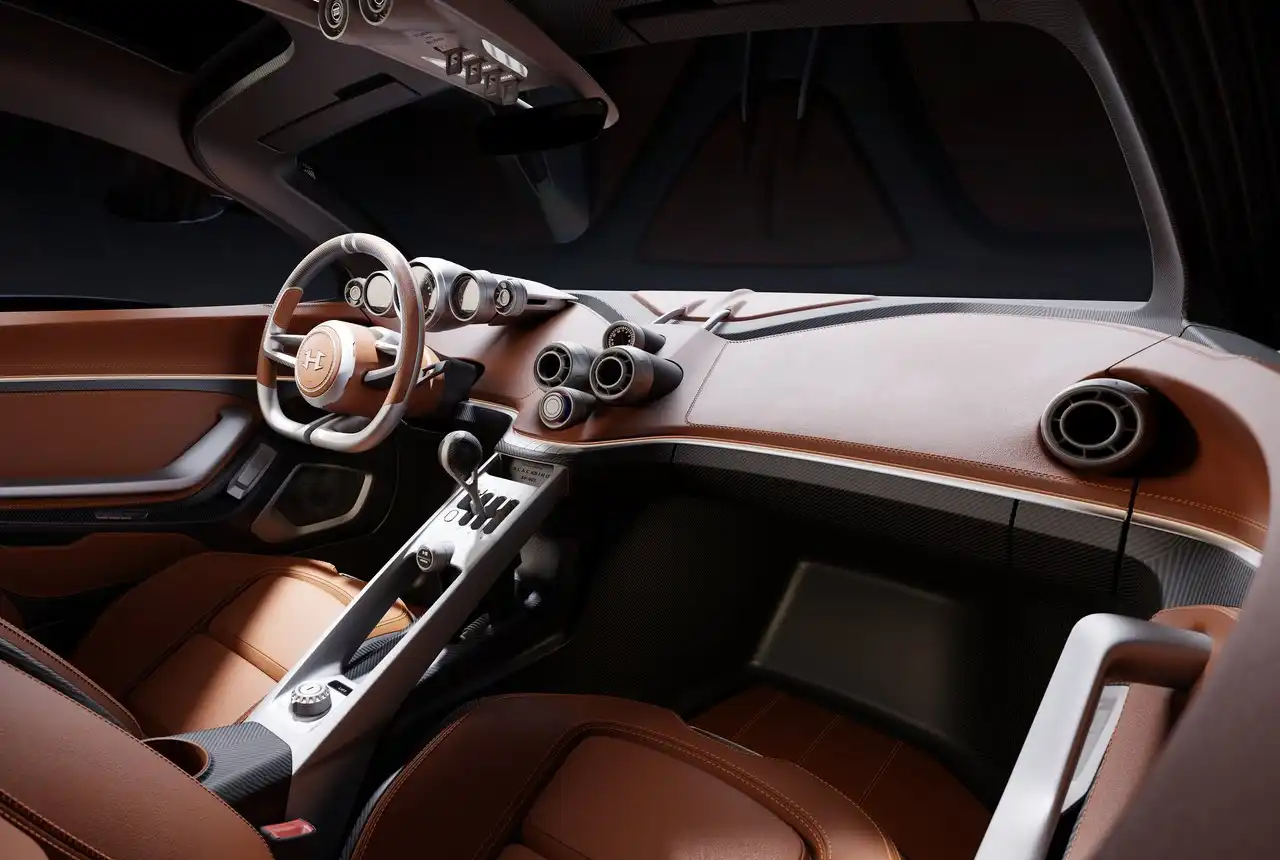
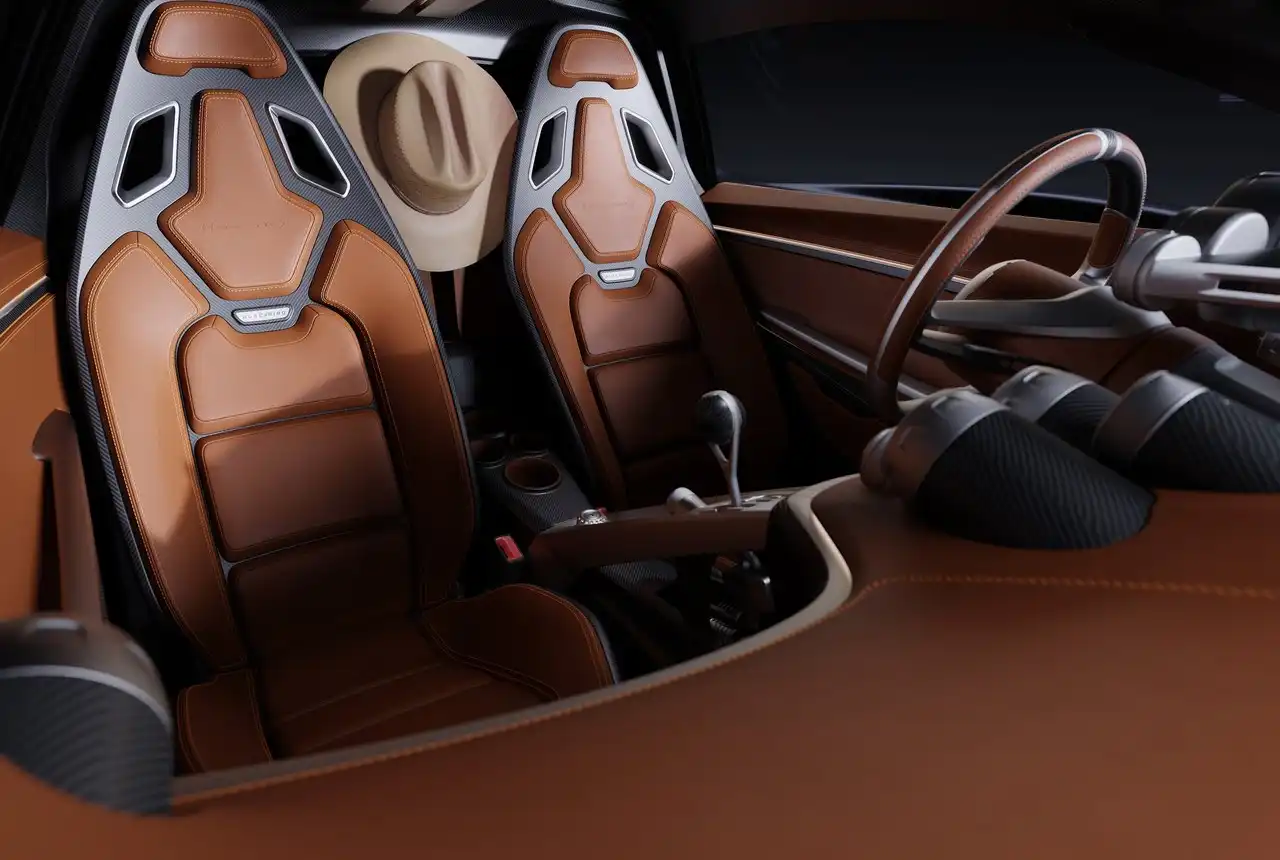
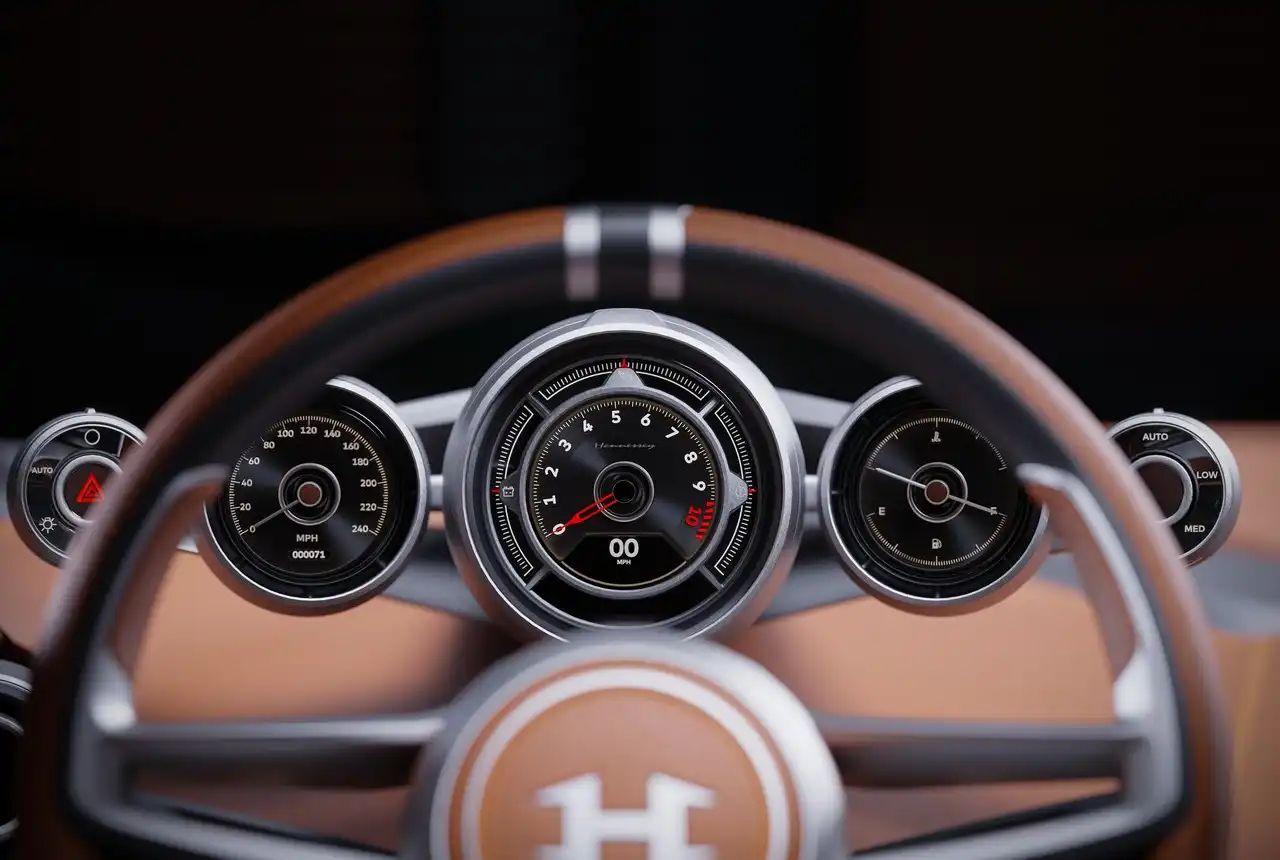
Inside, the Hennessey Blackbird takes the analog concept even further. The car will not rely on a large infotainment display, a conventional digital gauge cluster, or steering-wheel-mounted controls.
Instead, the driver faces a prominent analog tachometer, physical switches, a conventional ignition key, and the visible mechanism of the manual transmission.
The approach is simple: reduce distractions and make the driving process the main event. It is a bold decision when even mainstream vehicles now arrive with multiple screens and touch-sensitive controls.
Still, the Blackbird is not being positioned as a stripped-out track special. Hennessey has planned room for two carry-on bags in the front storage area, plus additional space for smaller items.
Only 71 Hennessey Blackbirds Are Planned
Hennessey intends to limit Blackbird production to 71 units worldwide. The number is a direct reference to the SR-71 aircraft that inspired the car’s name and visual identity.
Production is expected to begin in Texas in 2029, with early deliveries projected for 2029 or 2030. The schedule follows the planned conclusion of Venom F5 production.
At a starting price of $2.5 million, the Blackbird will be one of the most exclusive American hypercars on the market. Its small production run, bespoke carbon-fiber construction, and unusual mechanical layout make it a very different proposition from mainstream luxury performance cars.
A Hypercar Built Around the Driver
The Hennessey Blackbird is not trying to prove that a hypercar needs more electric motors, more screens, or a bigger headline power number. It makes a case for a different type of performance car.
With up to 850 horsepower from a naturally aspirated V8, a six-speed manual transmission, rear-wheel drive, and a lightweight carbon-fiber structure, the Blackbird is designed around driver involvement.
That is what makes the Hennessey Blackbird stand out. In an increasingly automated high-performance market, it is a rare machine built around the act of driving itself.
Preparado usando GPT-5.6 Terra

Danniel Bittencourt
05/08/2026