A Personal Flying Vehicle Like This Could Change Urban Travel Forever
A personal flying vehicle is moving from fantasy to real-world possibility, and the details are what make it so compelling. Here’s what it offers, where it impresses, and what still stands in the way.
Personal Flying Vehicle: What It Really Means for the Future of Mobility
A personal flying vehicle is no longer just a sci-fi idea reserved for concept art and movie scenes. It is starting to look like a serious answer to one of the biggest frustrations of modern life: wasted time in traffic.
What makes this idea so appealing? And why does it still feel so close, yet not fully ready for everyone?
A New Way to Think About Travel
The biggest shift here is not just the ability to fly. It is the effort to make flight feel simpler, smaller, and more realistic for everyday use.
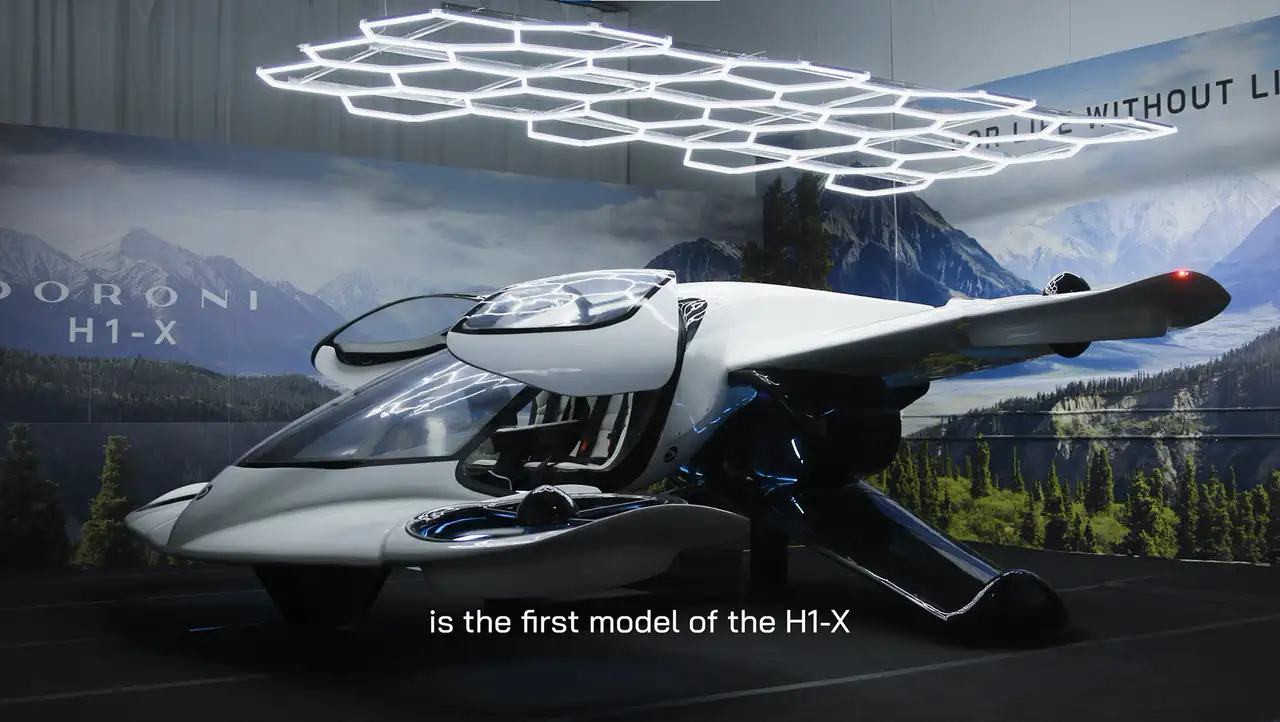
Instead of relying on large aircraft or complicated operations, the concept focuses on vertical takeoff, compact design, and electric power. That combination changes the conversation from “could this exist?” to “who could actually use it?”
Why this concept stands out
One reason people pay attention is that it looks far more practical than older flying-machine ideas. It is not trying to be a luxury toy or a one-off experiment.
It is designed to solve a real problem: moving quickly over short distances without dealing with road congestion. That makes it easy to understand why the idea keeps gaining momentum.
How It Works in Real Life
A personal flying vehicle usually relies on electric motors, automated stabilization, and a control system built to reduce pilot complexity. The goal is not to make flying feel dramatic, but manageable.
That matters because adoption depends on confidence. If the vehicle feels too difficult, too risky, or too technical, most people will never trust it enough to use it.
The core pieces
Electric propulsion, which helps reduce mechanical complexity and noise.
Vertical takeoff and landing, which removes the need for long runways.
Automated flight support, which makes operation feel more accessible.
A compact frame, which helps it fit into urban use cases.
Performance That Actually Matters
When people talk about a personal flying vehicle, they often focus on speed. But speed alone does not make it useful.
What really counts is the balance between range, control, battery life, and how well it fits into a normal routine. A fast machine that cannot handle daily use is interesting, but not practical.
The numbers people care about
Range is one of the most important factors. If the vehicle cannot cover meaningful short trips without constant recharging, it stays in the prototype category.
Noise level also matters more than many expect. In dense cities, a quieter flight experience could be the difference between acceptance and resistance.
Why It Feels More Practical Than Older Ideas
The appeal of this vehicle is not just that it flies. It is that it tries to make flight feel closer to driving a car than piloting an aircraft.
That is a huge psychological shift. The easier the experience feels, the more likely people are to imagine using it in real life.
The strongest advantages
It can skip traffic altogether.
It may reduce dependence on large aviation infrastructure.
It could be useful for short urban routes.
Electric power gives it a cleaner and more modern image.
The Problems That Still Hold It Back
Even with all the excitement, the personal flying vehicle still has serious obstacles. Cost is one of the biggest.
Then there is regulation. Airspace rules, safety certification, and local restrictions can slow everything down, even when the technology is ready.
What still needs work
Battery performance remains a major limitation. If energy density does not improve, range and flight time will stay constrained.
There is also the question of public trust. People may admire the idea, but trusting it enough to use regularly is a much bigger challenge.
Safety and Confidence
No flying vehicle becomes mainstream unless people believe it is safe. That means redundancy, automation, and strong control systems are not optional.
A system that can handle unexpected situations is far more important than flashy design. Safety is what turns curiosity into adoption.
What builds trust
Multiple backup systems.
Stable flight behavior.
Simple controls for the user.
Reliable landing and takeoff support.
Who Would Use It First
The first users will likely be people and organizations that value time above everything else. Business travelers, emergency teams, and high-mobility operations are the most obvious candidates.
For daily consumers, the appeal is real, but the price and infrastructure still matter. That is why the early market will probably be small before it gets bigger.
Why It Still Deserves Attention
Even if it is not ready for mass adoption yet, the personal flying vehicle represents a major shift in how we imagine mobility. It brings aerial transport closer to everyday life in a way that feels tangible, not theoretical.
That is what makes it important. It is not just about flying for the sake of flying, but about changing how people move through cities and how much time they can reclaim.
Closing Thoughts
The personal flying vehicle is more than a bold concept. It is a signal that mobility is evolving toward something faster, cleaner, and more flexible.
There are still barriers to overcome, but the direction is clear. The real question is no longer whether personal flight will matter — it is when it becomes part of everyday life.
Would people actually use a personal flying vehicle if it were safe, affordable, and easy to access?

Danniel Bittencourt
23/06/2026