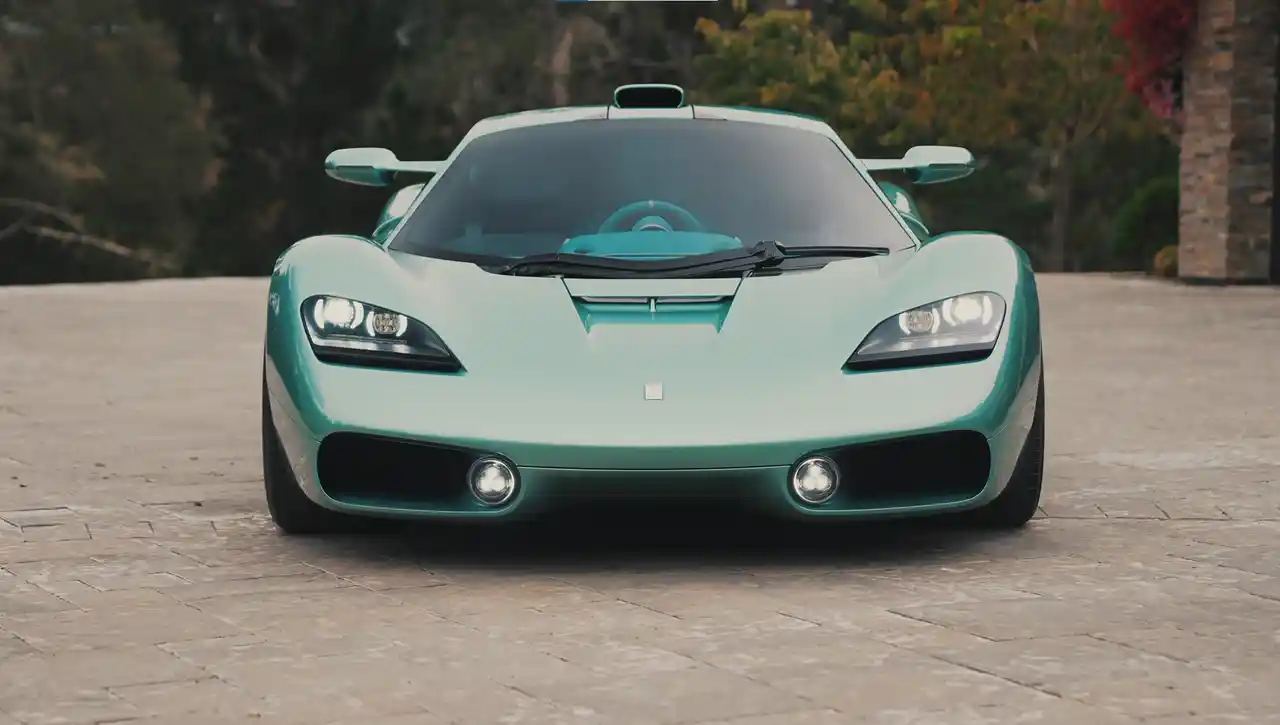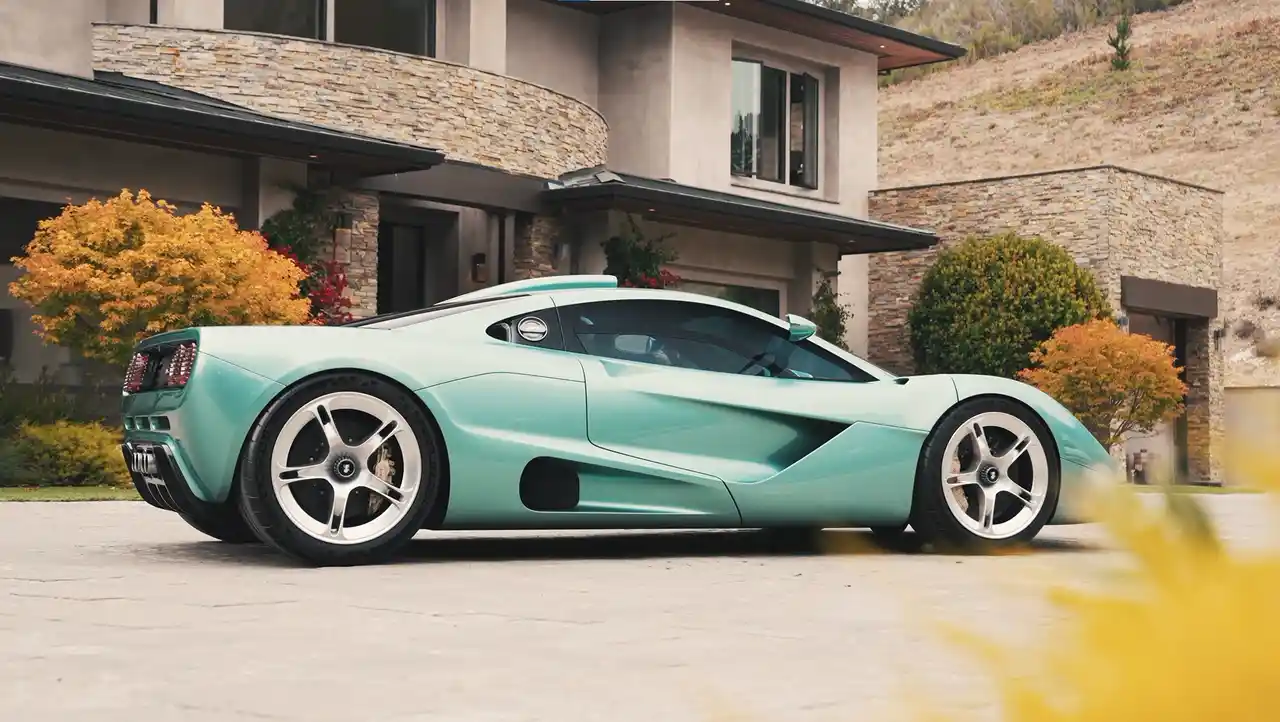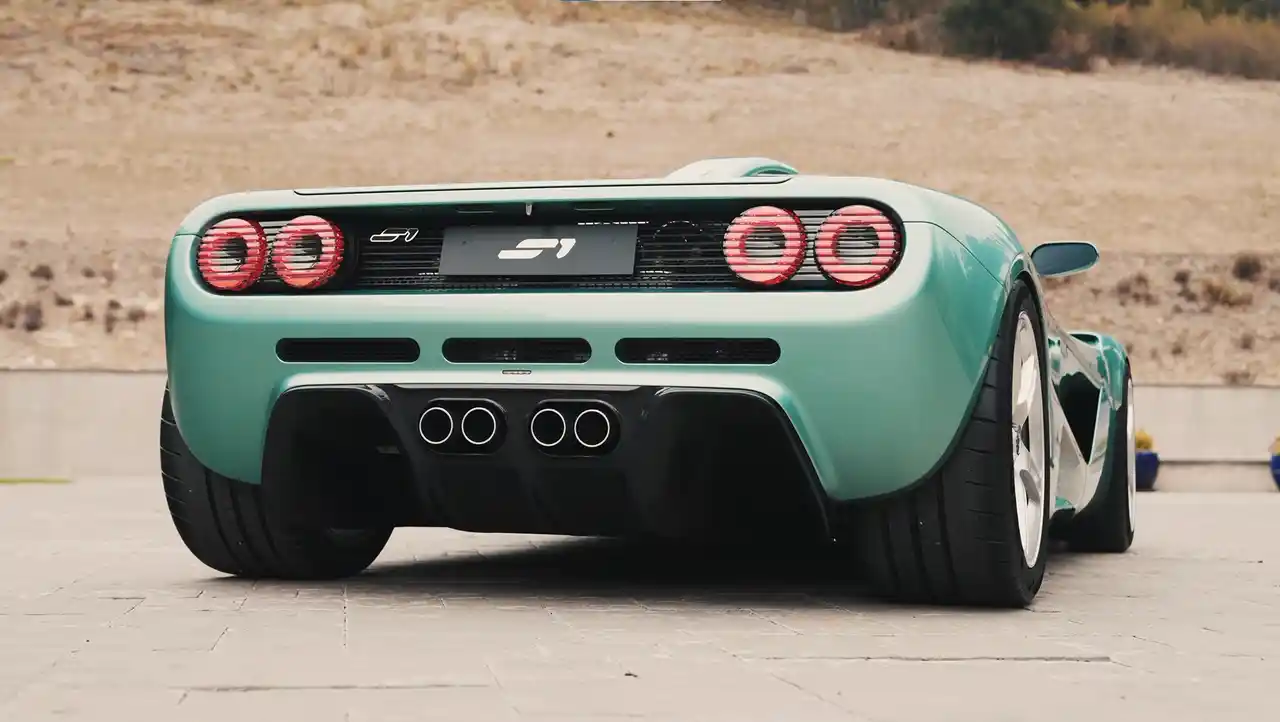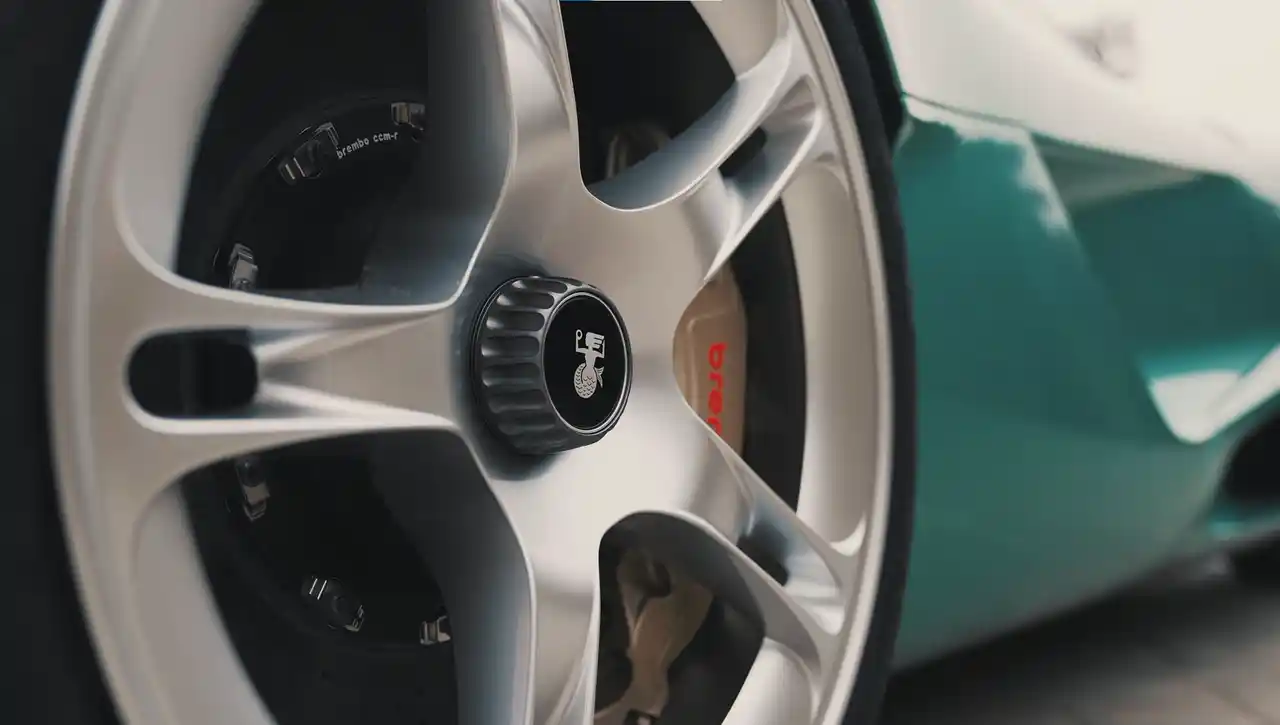
The Gordon Murray T.33 Has a 607-hp V12 and Weighs Just 2,403 lbs
The Gordon Murray T.33 packs a 607-hp naturally aspirated V12 into a 2,403-lb supercar with a manual gearbox and a clear driver-first focus few modern exotics still offer.
What is the Gordon Murray T.33 really about?
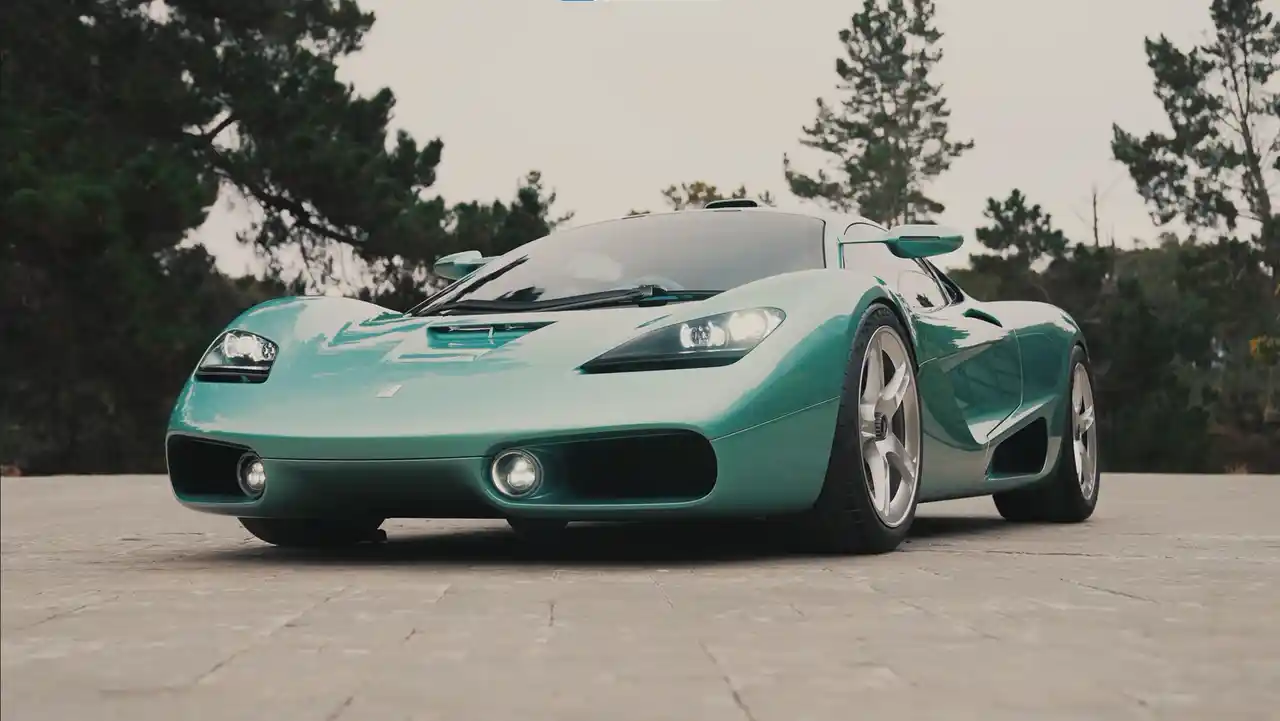
The Gordon Murray T.33 is a lightweight V12 supercar built around driver involvement, not headline-chasing power figures. It uses a naturally aspirated engine, rear-wheel drive, and a manual transmission to deliver a more mechanical experience than most modern exotics.
That is the main reason it stands out. While many rivals lean on turbocharging, hybrid assist, and increasingly complex electronics, the T.33 stays focused on response, sound, and low mass.
It also sits in a sweet spot within Gordon Murray Automotive’s lineup. Compared with the more extreme T.50, the T.33 was conceived as a road-focused model with greater day-to-day usability.
Why are people so interested in the T.33’s V12?
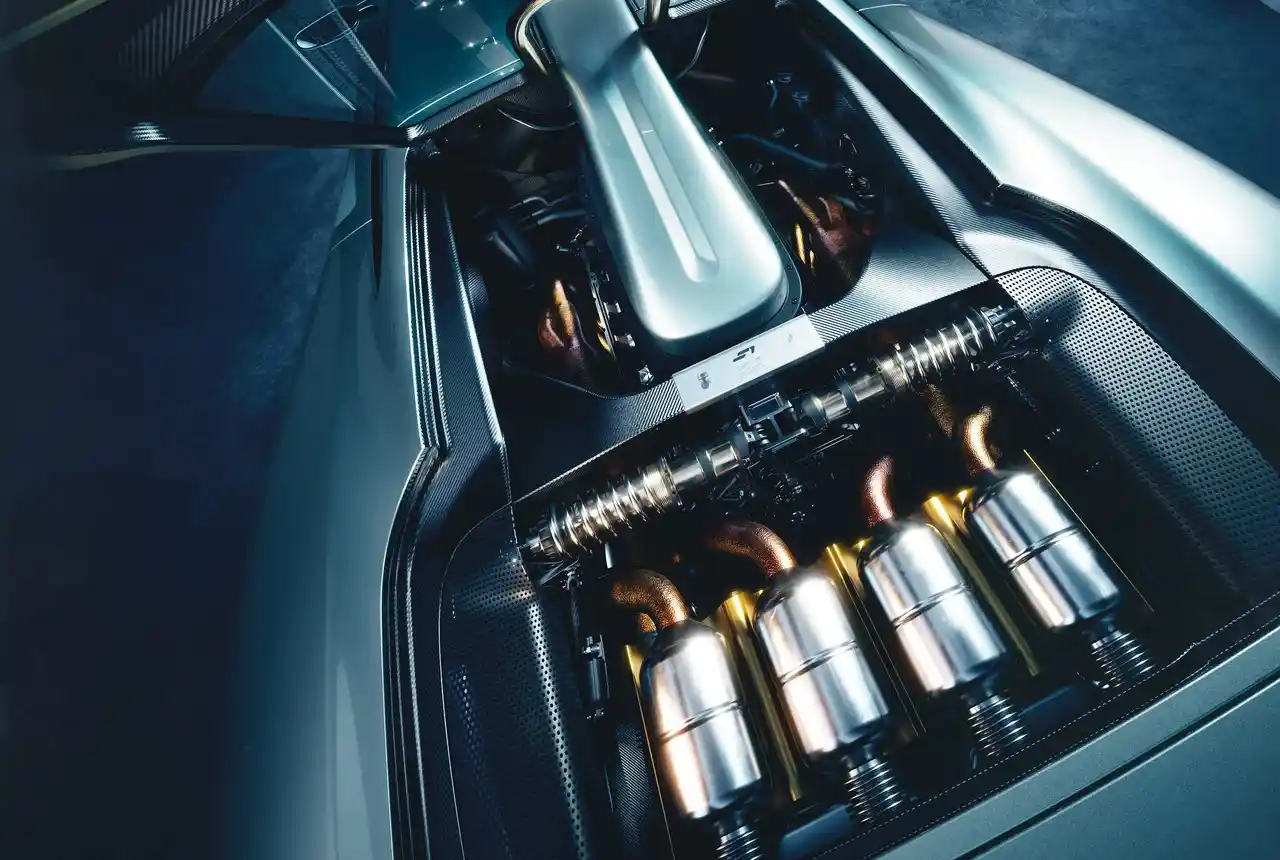
Because engines like this are disappearing fast. The T.33 uses a 3.9-liter Cosworth V12 that makes 617 PS, or about 607 hp, and revs to 11,100 rpm.
Peak torque is 451 Nm, which works out to roughly 333 lb-ft. Gordon Murray Automotive also says 75 percent of maximum torque is available at 2,500 rpm, with 90 percent available from 4,500 to 10,500 rpm.
That gives the car a broader, more usable powerband than the numbers might suggest. Instead of feeling weak off the line and alive only near redline, it is engineered to stay responsive across real road speeds.
Does the T.33 come with a manual transmission?
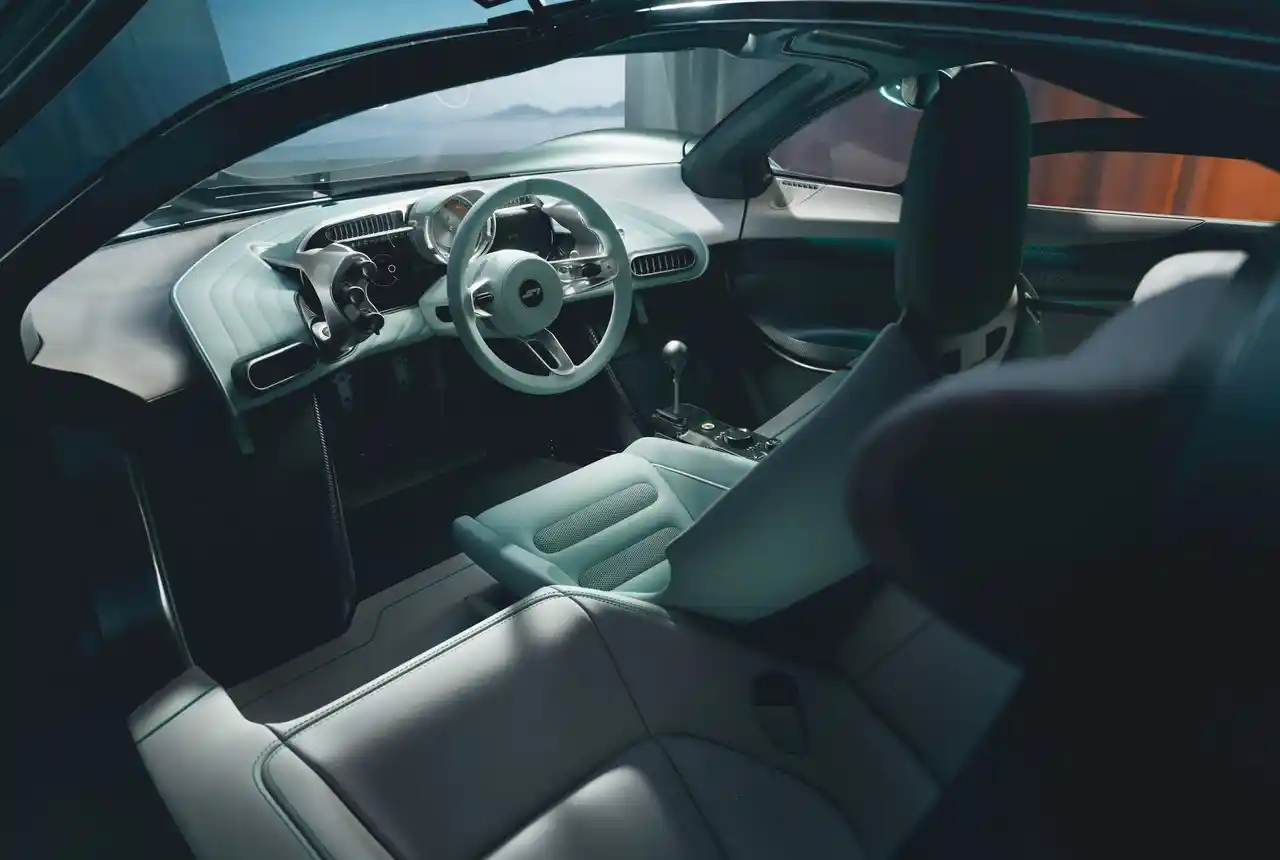
Yes, and that is one of its biggest draws. The T.33 was launched with a six-speed manual gearbox that fits the car’s analog, driver-centered identity.
That matters because many high-end supercars now prioritize paddle-shift speed over tactile involvement. The T.33 takes the opposite route and makes the driver a bigger part of the experience.
Does the low weight make a real difference?
Absolutely. The T.33 has a dry weight of 1,090 kg, which is about 2,403 lbs, and that changes the entire character of the car.
A low curb figure improves more than straight-line pace. It sharpens braking, turn-in, balance, and the sense that the car reacts immediately to small steering and throttle inputs.
The power-to-weight ratio is a big part of the story too. With around 607 hp moving just over 2,400 lbs, the T.33 does not need massive output to feel serious.
Is the Gordon Murray T.33 only built for track use?
No, and that is a key part of its appeal. The T.33 was designed as a road car first, with a friendlier setup and more usable packaging than the T.50.
Its aerodynamics follow the same logic. Rather than relying on oversized wings and theatrical bodywork, the car uses a cleaner shape supported by underbody airflow management and an active rear spoiler.
That makes the design easier to live with and more visually restrained. For buyers who want a supercar that feels engineered rather than exaggerated, that balance is a major selling point.
What makes the T.33 different from other modern supercars?
Its biggest strength is how consistent the whole package feels. The T.33 combines a high-revving V12, rear-wheel drive, a manual gearbox, compact proportions, and a lightweight carbon structure without losing its road-car usability.
It is also highly exclusive. Production of the coupe was capped at 100 units, which places it in a very small circle even by exotic-car standards.
The T.33 makes the most sense for drivers who care more about feel than raw spec-sheet dominance. It is not trying to be the loudest or the most digitally advanced option in the segment, and that restraint is exactly what gives it its identity.

Danniel Bittencourt
14/08/2026