This Is the Ferrari Purists Said Would Never Happen
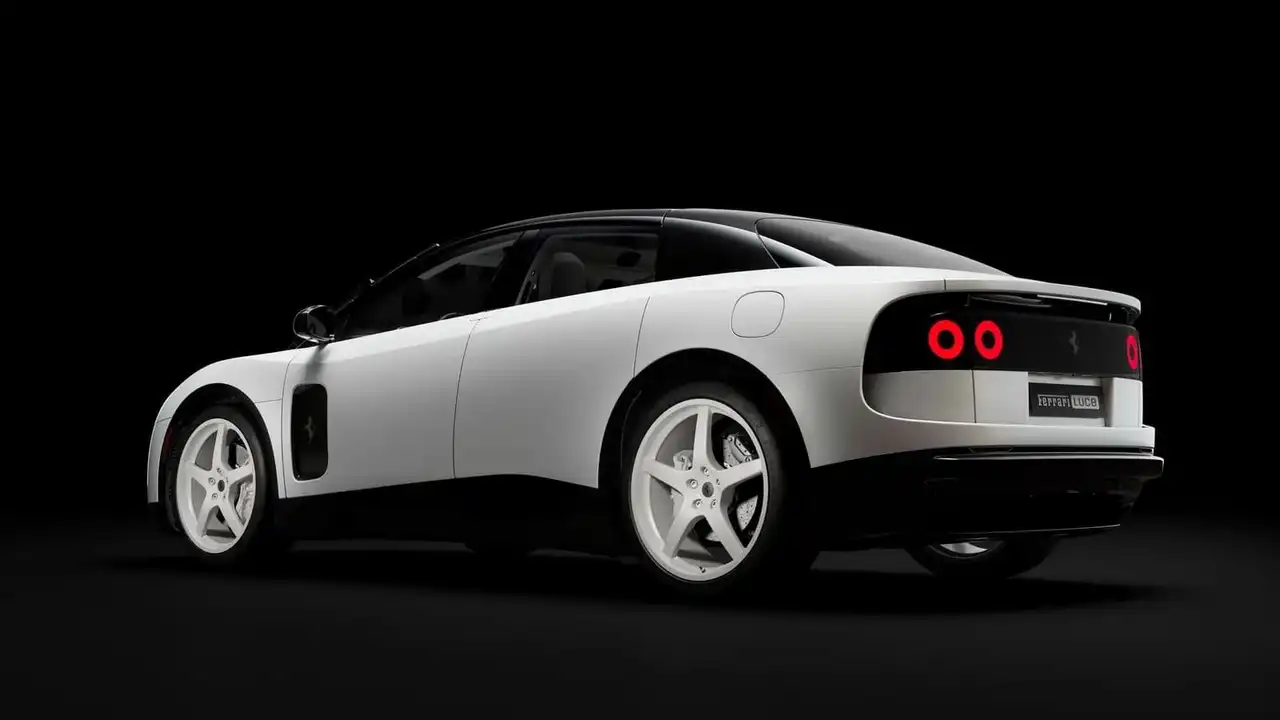
Ferrari just broke a rule it swore it never would. The Luce trades V12 thunder for four doors, five seats, and a design that has the internet arguing.
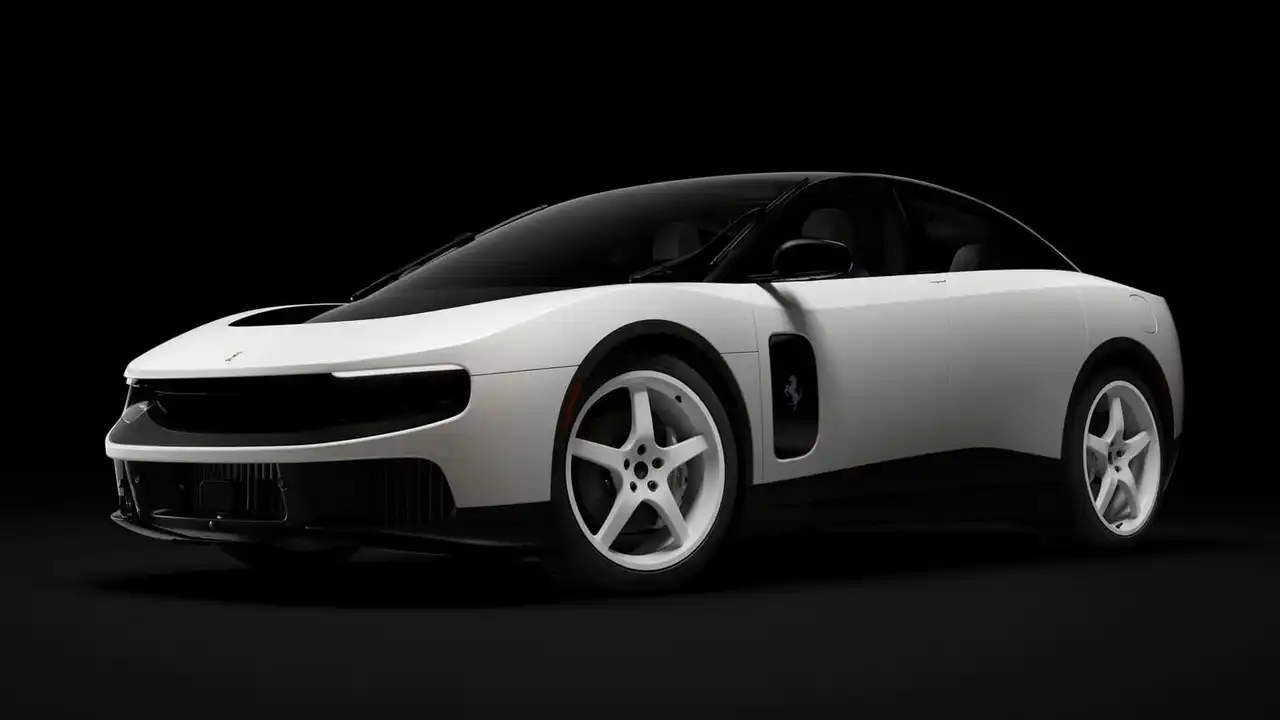
Ferrari Luce: Inside the Brand’s First Electric Car
Ferrari has spent almost eight decades building its name on the roar of a V12. That streak just ended. The Luce is the automaker’s first fully electric model, and it doesn’t just swap out the engine — it rewrites the whole formula.
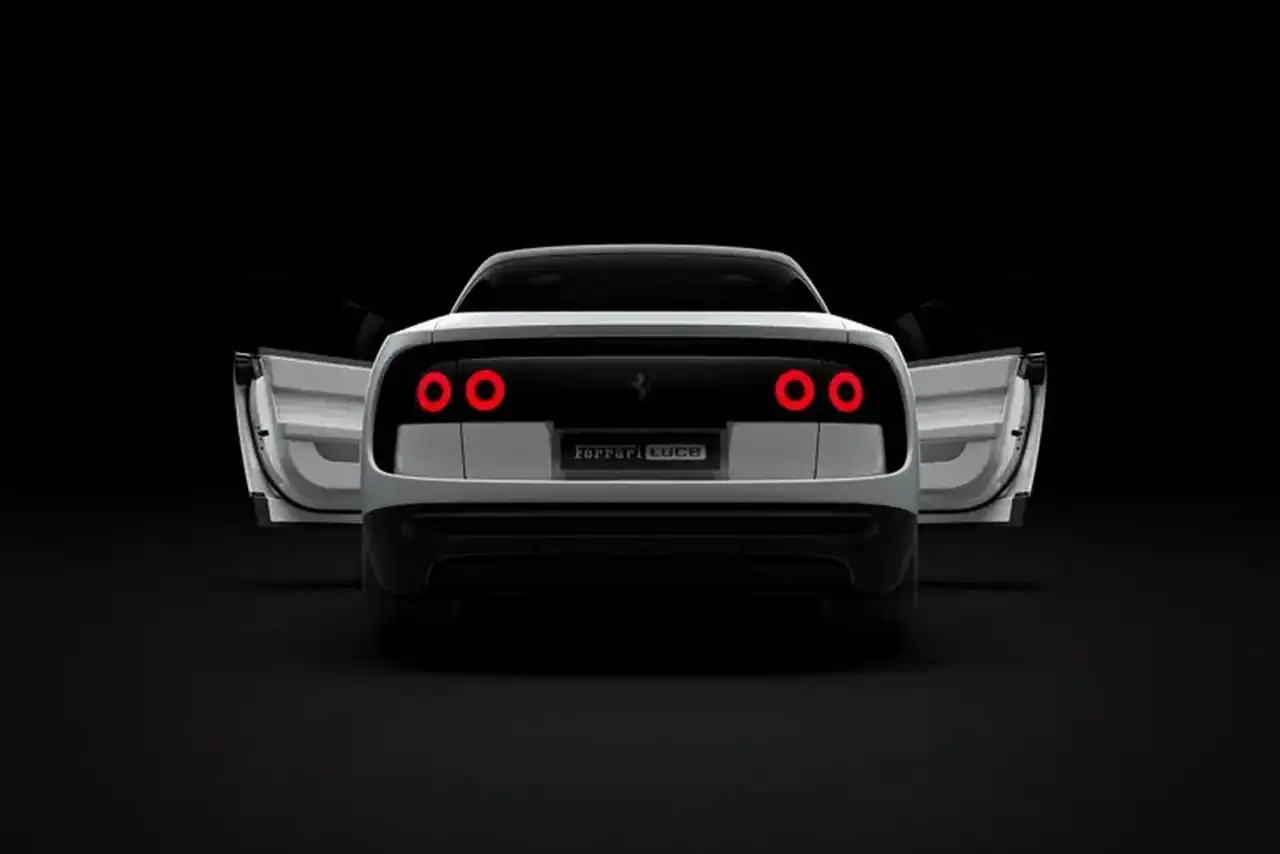
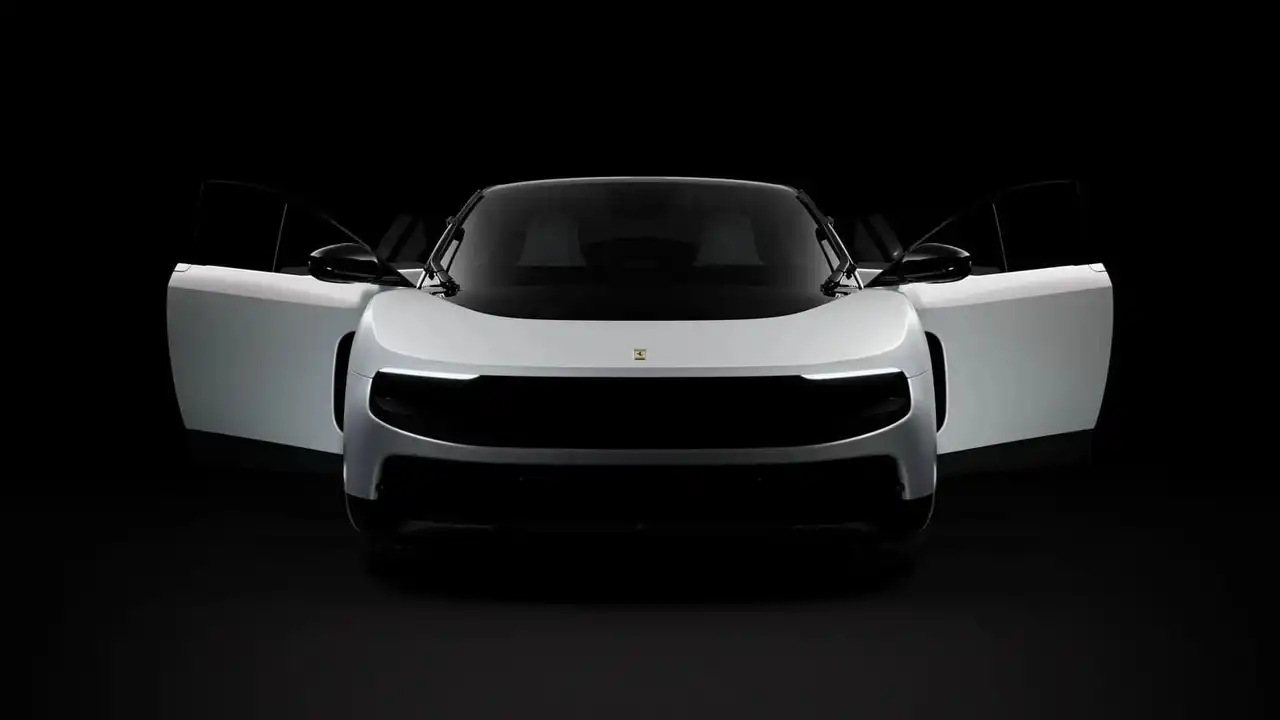
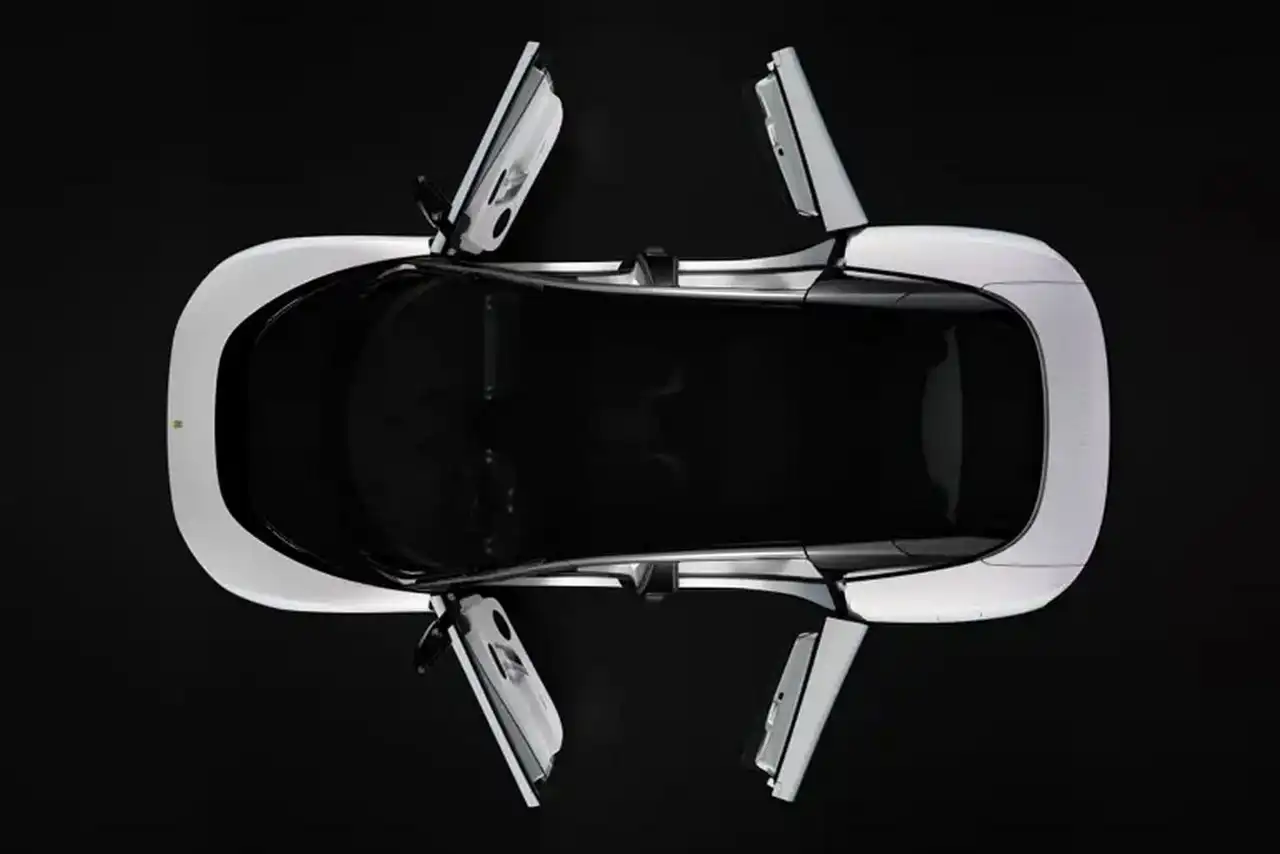
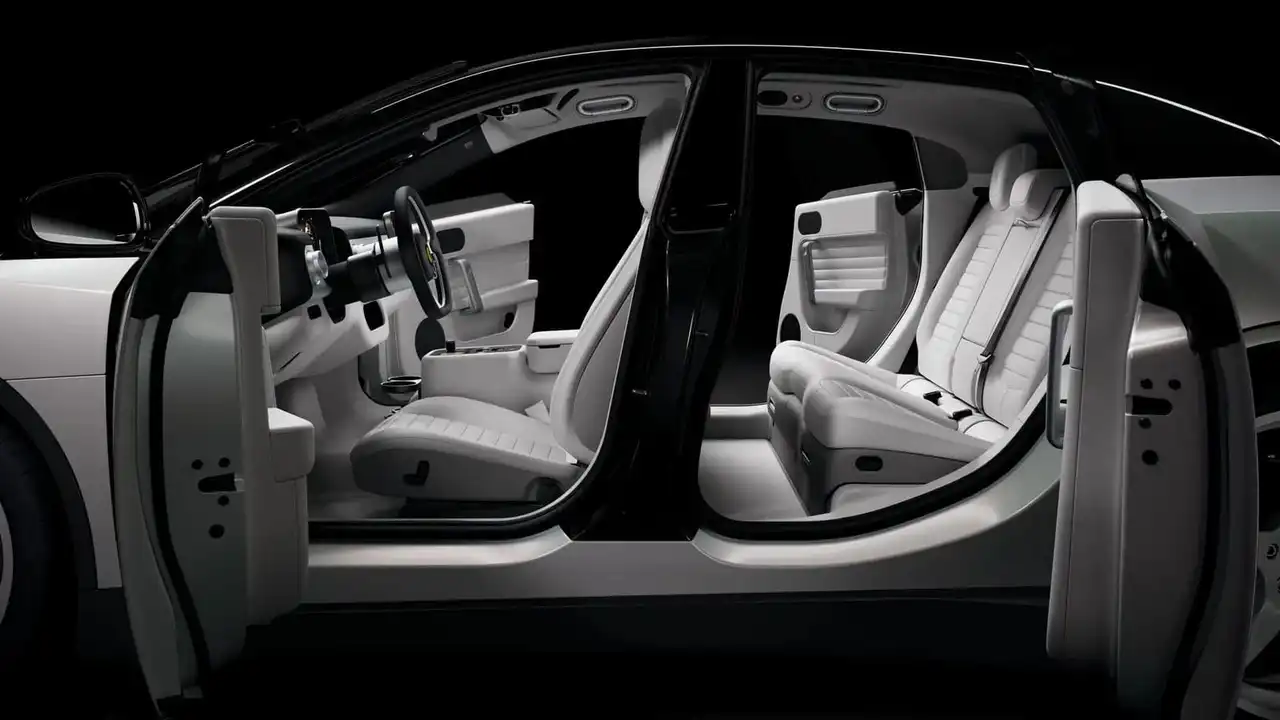
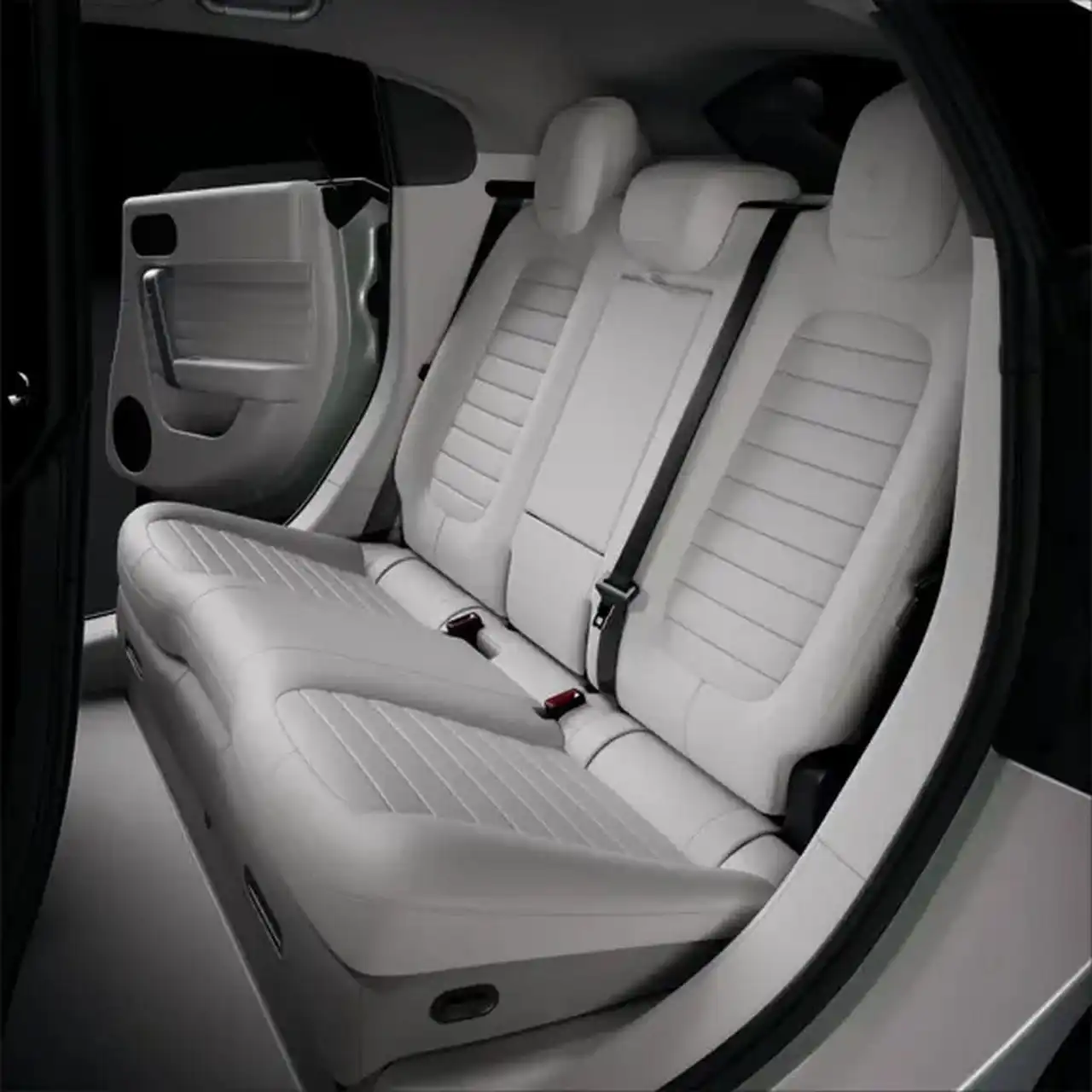
For starters, it seats five. It has four doors, including rear ones that swing open the opposite way for easier access. No Ferrari has ever offered that kind of everyday practicality, and that alone has longtime fans split down the middle.
The Numbers Still Feel Like a Ferrari
Practicality doesn’t mean Ferrari eased off the performance pedal. The Luce runs on four electric motors, one per wheel, delivering all-wheel drive and instant torque the second you touch the accelerator.
Total output lands at 1,035 horsepower, enough to send the Luce from a stop to 62 mph in just 2.5 seconds. Keep your foot down and it’ll clear 124 mph in under seven seconds before topping out above 192 mph — supercar territory, no gas required.
All that speed comes wrapped around a 4,982-pound curb weight, which is heavy for a Ferrari but not unusual for an EV carrying a battery pack this size.
Solving the Silence Problem
Electric performance cars have one obvious drawback: they’re quiet. Ferrari’s engineers built a workaround using an accelerometer that picks up real mechanical vibrations from the drivetrain and amplifies them into the cabin and out through the exterior.
The effect changes depending on which drive mode is selected, so the Luce doesn’t sound identical in a relaxed cruise versus a full-send launch. It’s not a fake speaker-generated engine note — it’s the car’s actual moving parts, turned into sound.
Battery Built to Outlast the Car
The Luce packs a 122-kWh battery running an 800-volt architecture, which supports DC fast charging up to 350 kW. EPA-style range under the European WLTP cycle comes in at 329 miles, though real-world American testing numbers haven’t been published yet.
Here’s the interesting part: instead of one sealed battery block, Ferrari split the pack into individual modules. If one degrades years down the road, owners can swap just that section instead of replacing the entire battery. Ferrari backs the whole electric powertrain with an 8-year warranty.
That’s a notable shift in philosophy for a brand that’s historically built collector cars meant to hold value for decades. An EV that can’t be serviced long-term would undercut that entire business model, and Ferrari clearly knows it.
A Cabin Designed by the Guy Who Shaped the iPhone
The Luce’s exterior and interior came out of a five-year collaboration with LoveFrom, the design studio run by Jony Ive, Apple’s former chief design officer, alongside co-founder Marc Newson. It’s the first time either has led design on a production car.
The result doesn’t look like a typical Ferrari. The body is built around what the design team calls a “glasshouse” — a continuous shell of glass surfaces spanning the windshield, side windows, and panoramic roof, framed by aerodynamic wings front and rear.
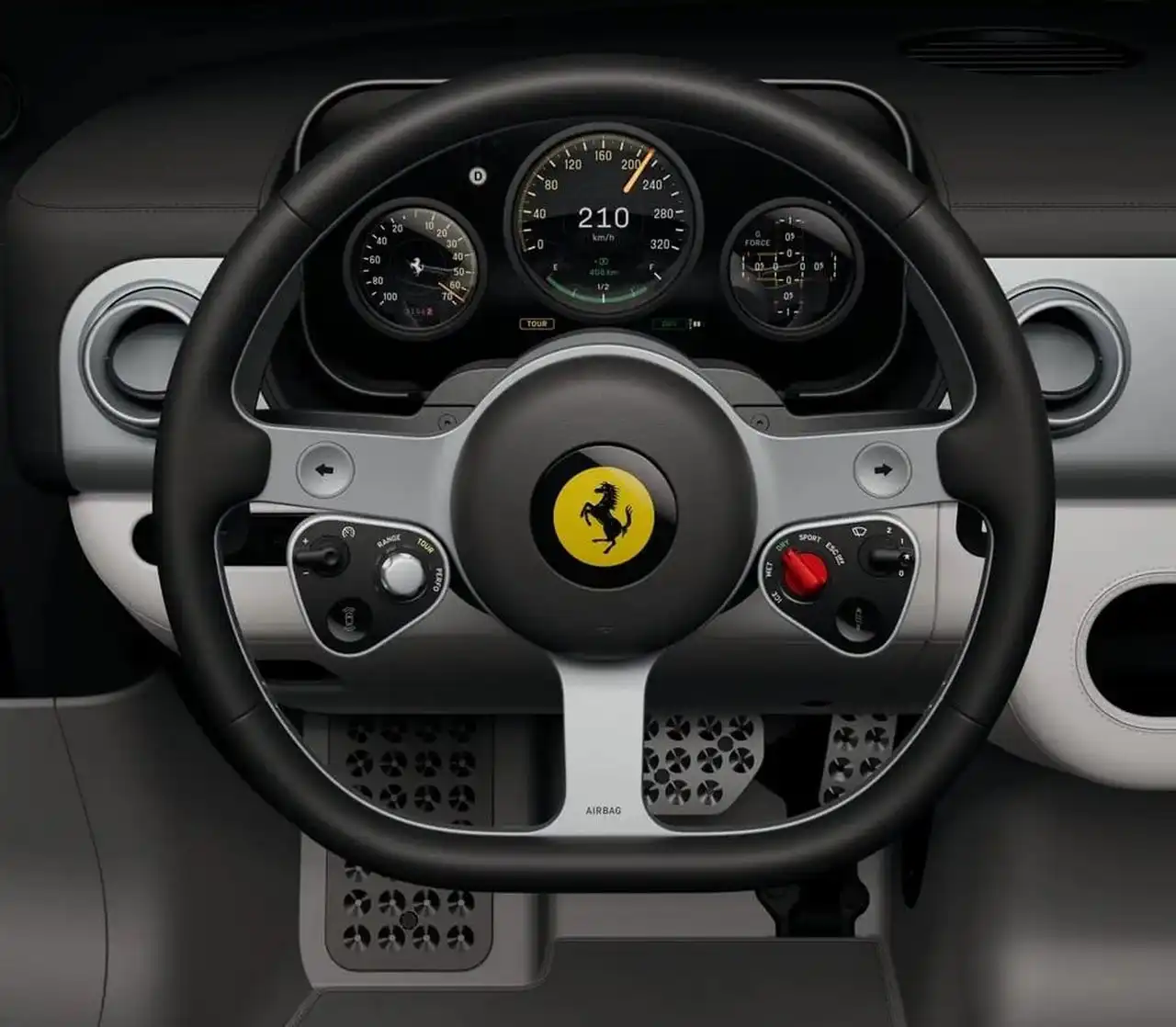
Inside, Ive and Newson pushed back against the touchscreen-heavy trend dominating the EV space. The cabin mixes tactile mechanical switches and dials with three circular digital displays, rather than burying every function inside a giant center screen.
Cargo space checks in at 21 cubic feet, which is more than plenty of compact crossovers offer, and a rarity for anything wearing a Prancing Horse badge.
Price and Availability
In Europe, the Luce starts around $640,000. Deliveries there and in Asian markets are expected to begin by late 2026, with Ferrari confirming the model will eventually reach the US market as well.
Demand has already outpaced supply in a big way. The initial allocation of 88 units earmarked for China sold out within hours, and Ferrari says its entire Luce production run through the end of 2027 is already spoken for.
Is the Luce Still a Real Ferrari?
That’s the question dividing enthusiasts right now. Critics point to the styling and the absence of a combustion engine as a break from everything the brand represents. Supporters point to the acceleration numbers and argue Ferrari hasn’t lost a step — it’s just found a new way to deliver it.
Either way, the Luce marks the start of a new chapter for Maranello, one where the company has to prove it can still build something worth wanting without a drop of gasoline involved.

Danniel Bittencourt
28/07/2026