
What the CLA 45 AMG Delivers — and What It Costs You
There’s no official spec sheet yet for a 2027 CLA 45 AMG. So we’re breaking down the current CLA 45 S 4Matic+: 421 hp, all-wheel drive, and a 2.0-liter engine that splits opinion between enthusiasts and skeptics.
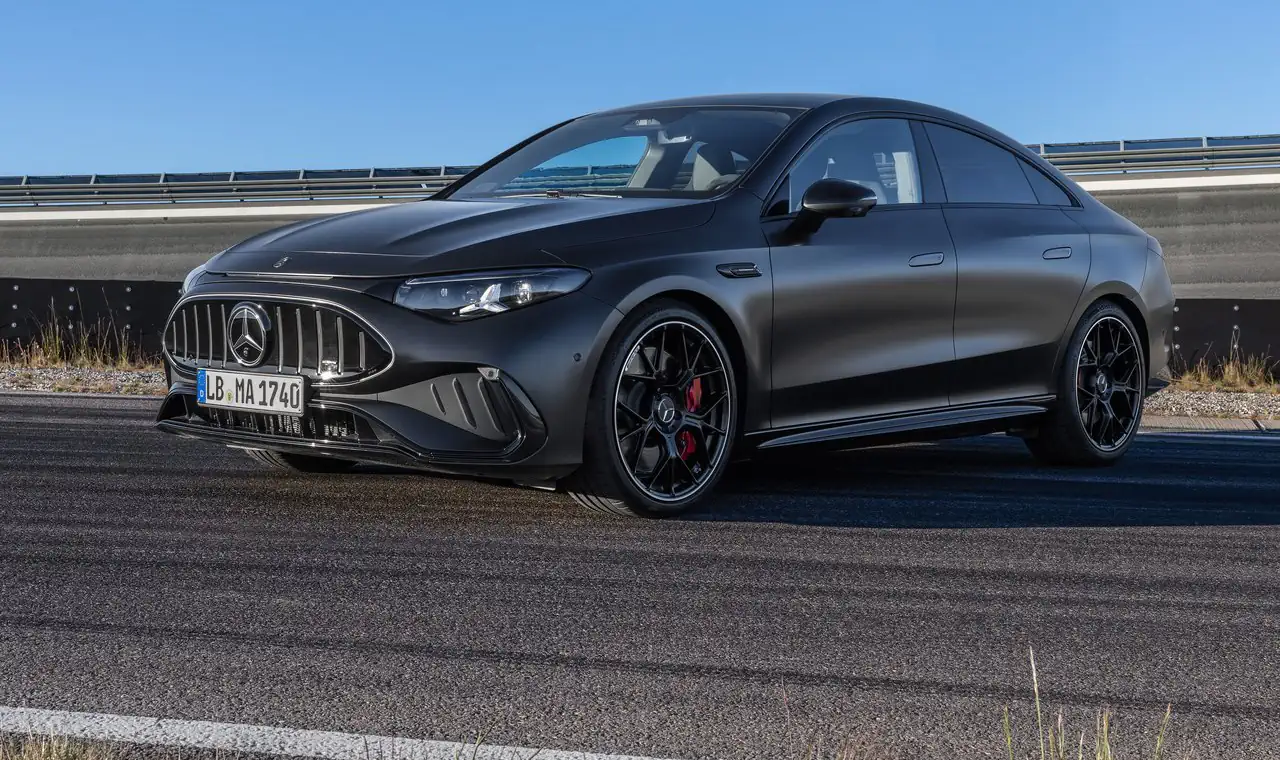
Mercedes-AMG CLA 45 S 4Matic+: What Exists Today and What’s Still Just a Promise for 2027
Mercedes-Benz has not released an official spec sheet for a “CLA 45 AMG 4Matic 2027” as of mid-2026. What the German automaker has confirmed is a new generation of the CLA, built on the electric-first MMA platform, with no AMG variant announced yet.
Until that happens, the technical and market benchmark remains the current CLA 45 S 4Matic+, powered by a 2.0-liter turbo engine making 421 hp. That’s the car already in production and on sale today, and it’s the basis for this analysis.
The target buyer is clear: enthusiasts trading up from hot hatches like the Audi RS 3 and BMW M2, looking for a compact sports sedan with an AMG badge.
Quick Specs
(Based on the current CLA 45 S 4Matic+ — no official spec sheet exists yet for a future 2027 version)
| Specification | Details |
|---|---|
| Category | Compact performance sedan/coupe |
| Engine | 2.0L turbocharged inline-4, gasoline (M139) |
| Power | 415–421 hp |
| Torque | ~369 lb-ft |
| Transmission | 8-speed dual-clutch automatic (AMG SPEEDSHIFT DCT-8G) |
| Drivetrain | All-wheel drive (4MATIC+) |
| 0–60 mph | ~3.7–4.0 seconds |
| Top speed | ~167–168 mph |
| Fuel economy | ~28–29 mpg combined (official rating) |
| Range | Market Estimate: 250–340 miles per tank |
| Release date | Current model on sale now; 2027 version not yet confirmed |
Before getting into the numbers, it’s worth understanding how this drivetrain translates off the spec sheet — and where it starts costing the owner real money.
Sheet Metal That Doesn’t Hide Its Intentions
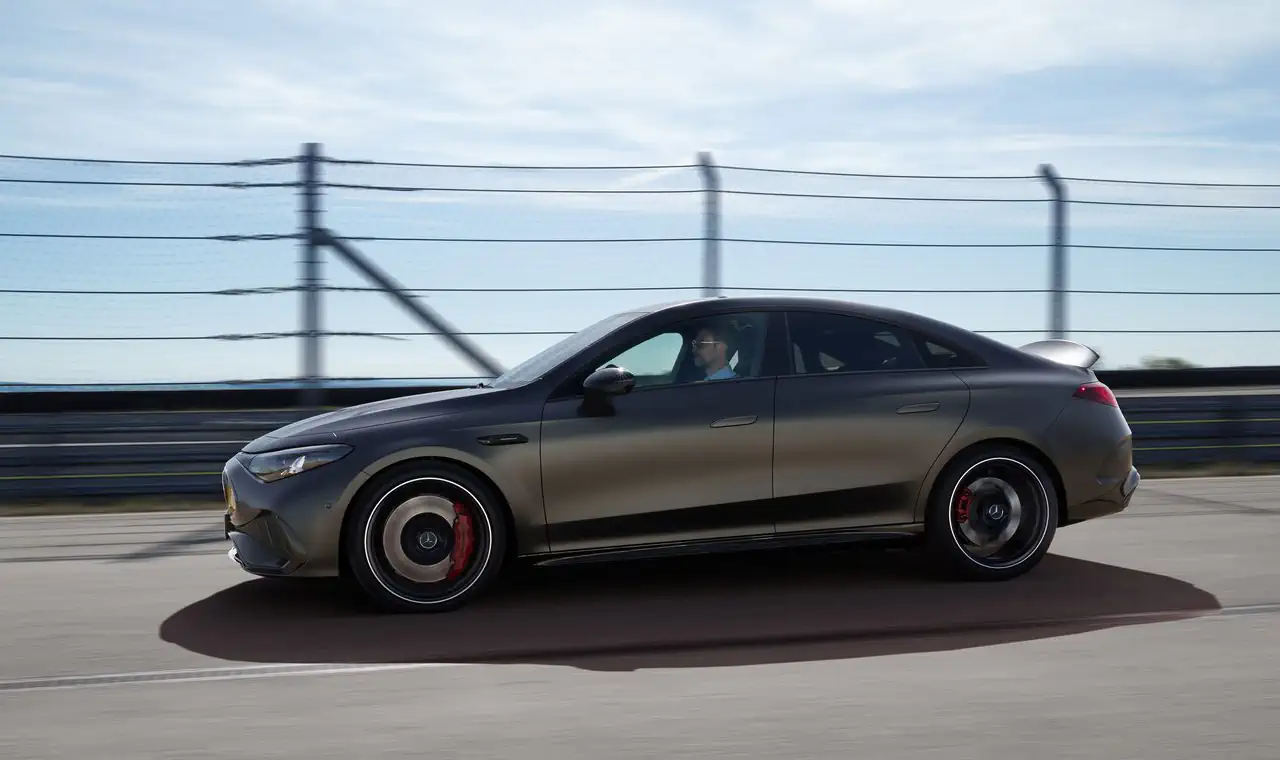
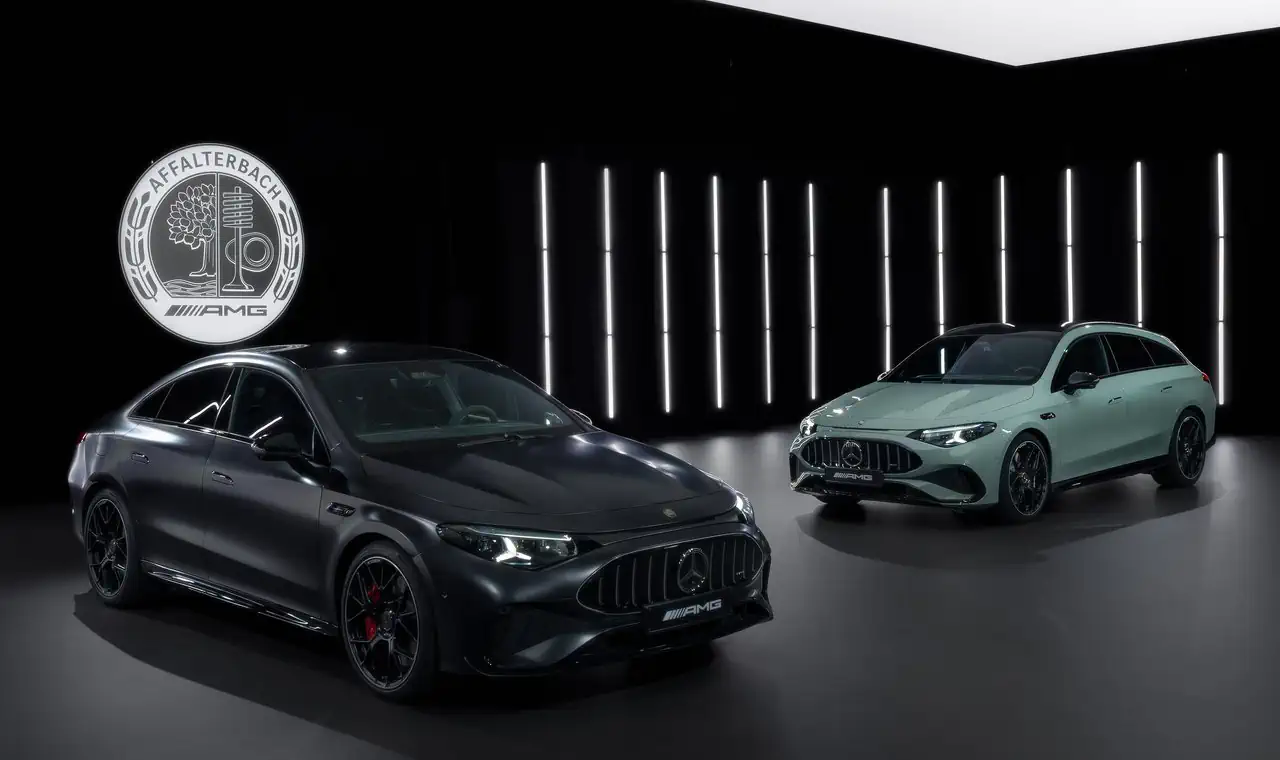
The CLA holds onto the four-door coupe proportions that define the current generation: a low roofline, a fastback-style rear end, and a silhouette that signals intent before any badge comes into view.
Up front, the Panamericana grille and larger air intakes aren’t just for show — they route airflow to the brakes. That matters because a car built for repeated hard stops needs somewhere for the heat to go.
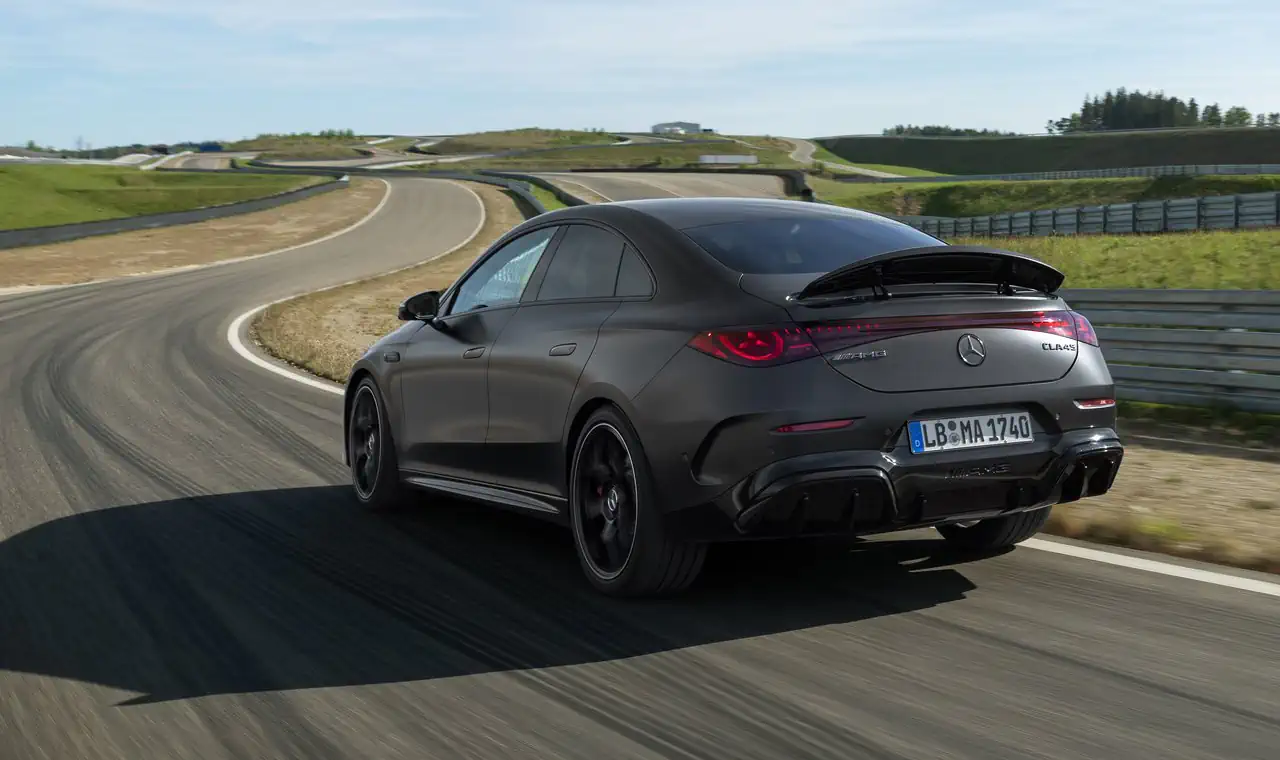
From the side, 19-inch wheels wrapped in 255/35 tires fill out the wheel arches, reinforcing how stiff the suspension setup really is. Around back, a spoiler, diffuser and four round exhaust tips close out the design without looking bolted on.
The overall look sticks to Mercedes-AMG’s current design language, without a sharp break from the previous generation. It’s an evolution, not a reinvention — which makes sense for buyers who already recognize the formula.
A Cabin Built for Grip, Not for Comfort
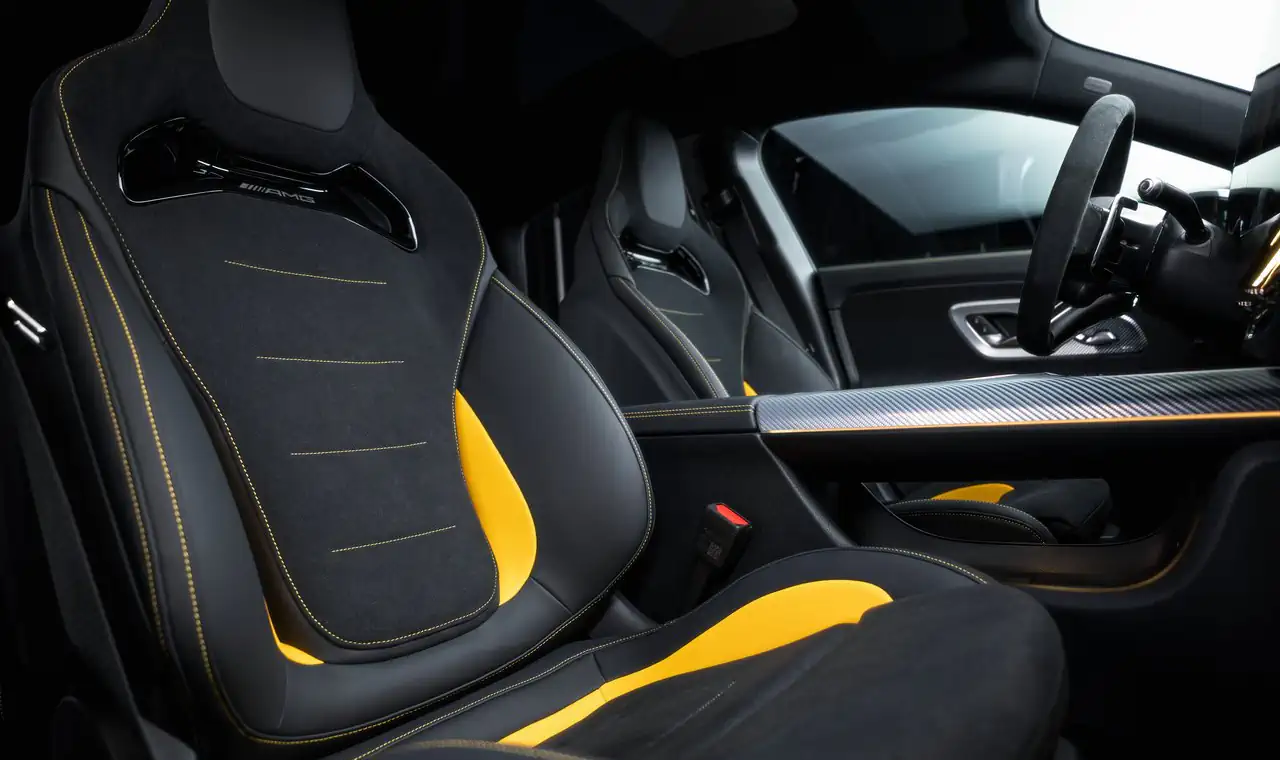
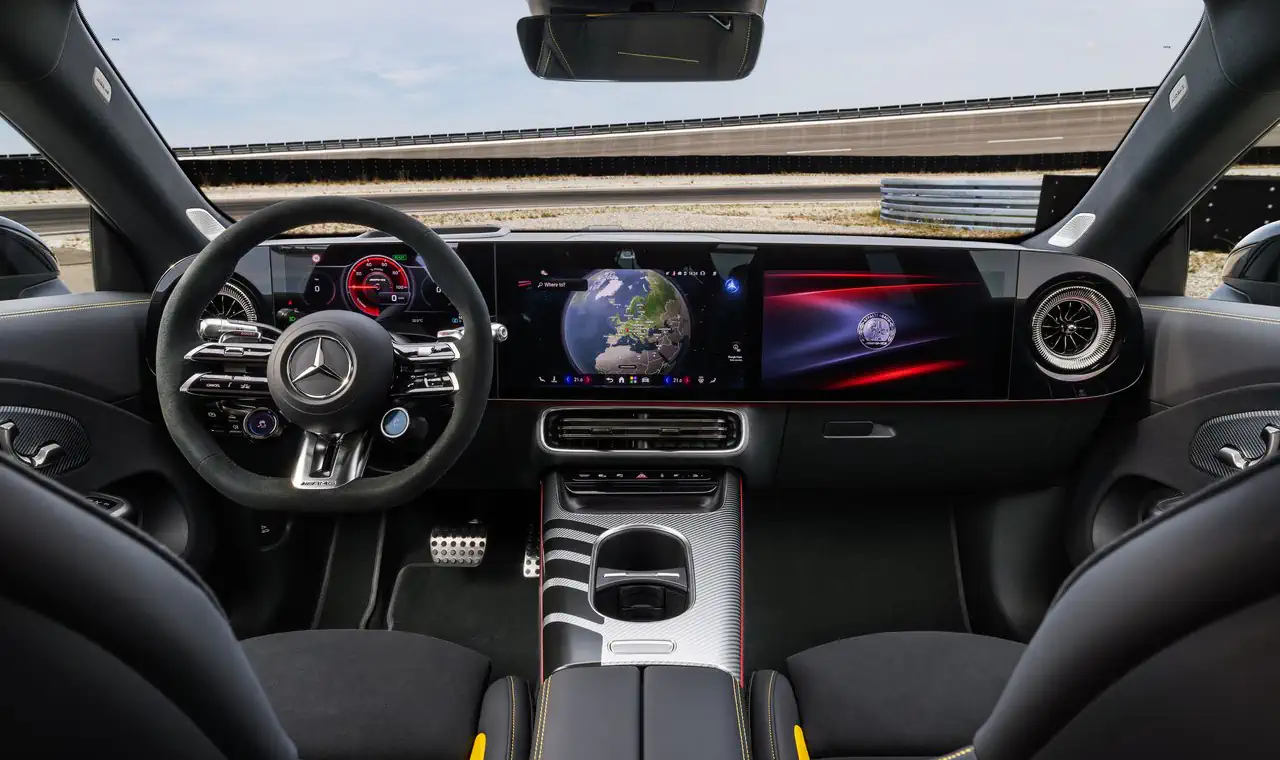
The dashboard mixes leather, microfiber and aluminum trim, with build quality that generally matches the price — though some owners report rattles from doors and pillars over time.
The AMG Performance seats offer strong side bolstering, designed to hold the body in place through corners. That means real physical support during hard driving, but also seats that can wear on passengers during long highway stretches if they prefer something softer.
The cabin doesn’t break from Mercedes’ established approach. It sticks with the same technical, performance-oriented formula the brand already applies across its compact AMG lineup, without a major leap in concept.
Screens, Driver Aids and a Trunk That Isn’t the Main Selling Point
The MBUX infotainment system runs on a roughly 10.25-inch touchscreen, with Android Auto, Apple CarPlay and “Hey Mercedes” voice commands. Response times are quick and graphics are sharp, though some of the touch-sensitive steering wheel controls draw criticism in reviews for being less than intuitive.
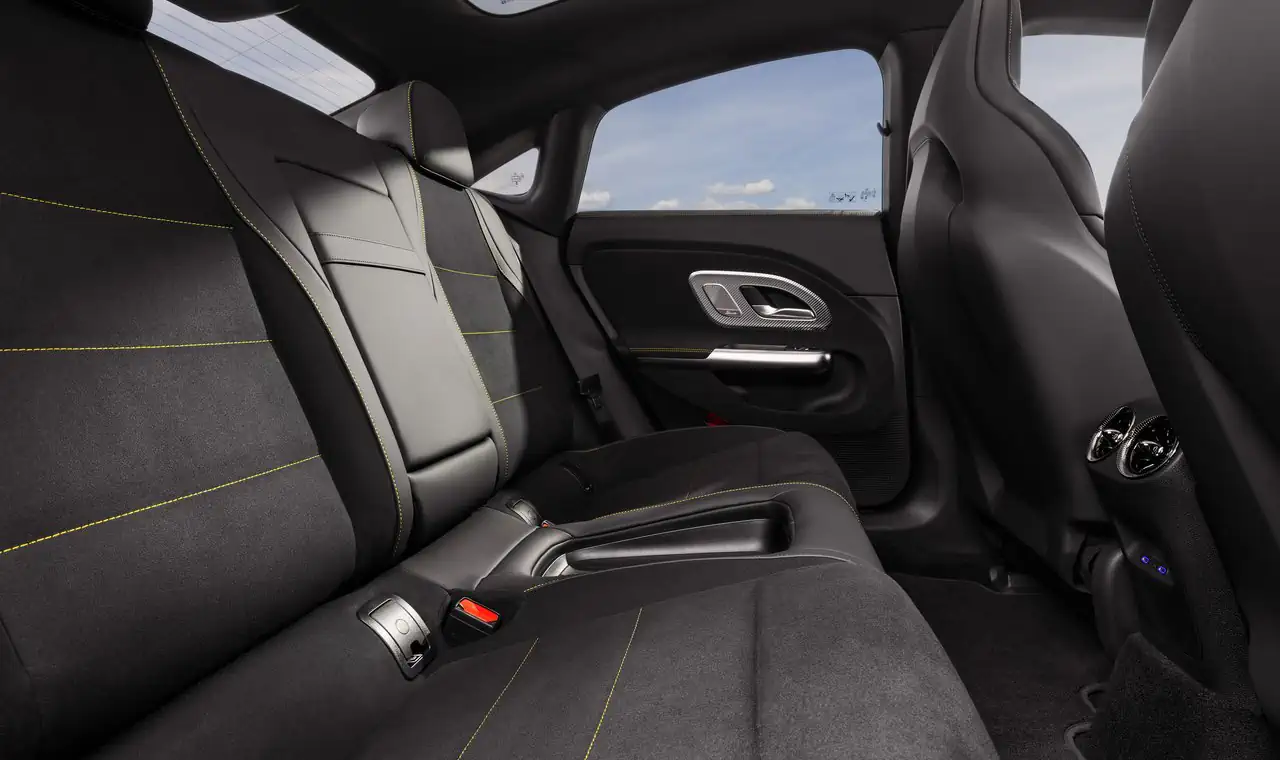
Rear seats fit two adults, but the low roofline and raised center tunnel make the CLA better suited to four occupants than five. Trunk space comes in at 16.2 cubic feet — adequate, but not a category highlight.
The cabin’s strongest point is how information is displayed: the configurable digital gauge cluster gets consistent praise for clarity and customization. The real limitation is rear-seat space for taller passengers, which feels tight given the price point.
The Engine That Still Defines This Car, for Better and Worse
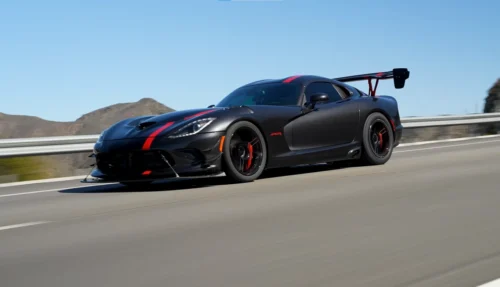
The CLA 45 S runs on the M139, a 2.0-liter turbocharged inline-four built under Mercedes-AMG’s “one man, one engine” program. Power goes through an 8-speed dual-clutch transmission to all four wheels via 4MATIC+, with a front-biased setup that can shift torque rearward depending on how the car is driven.
In practice, 415–421 hp and roughly 369 lb-ft of torque translate to a 0–60 mph run in the high-3-second range and a top speed around 167–168 mph. That’s performance typically associated with larger engines, delivered by a 2.0-liter that has to spin hard and lean on turbo response to keep up.
Fuel economy is where the trade-off shows up. Official ratings land around 28–29 mpg combined, but real-world testing during spirited driving tends to fall closer to 18–25 mpg. Drive the CLA 45 S the way it’s built to be driven, and the fuel bill climbs accordingly.
With a roughly 13.5-gallon tank, real-world range lands somewhere between 250 and 340 miles depending on driving style — a middling figure for the segment, neither a strength nor a real weakness.

The Price Tag That Separates Enthusiasm From a Rational Decision
Mercedes has not published a confirmed U.S. MSRP for a 2027 AMG version in the research available. Based on European pricing — where a comparably equipped model runs in the neighborhood of $85,000–$90,000 when converted from local currency — a U.S. MSRP in a similar range is a reasonable Market Estimate for a fully loaded CLA 45 S.
There’s no official published rate for insurance either — any figure here counts as a Market Estimate. Cost-of-ownership studies in European markets put total monthly costs (insurance premiums, depreciation, maintenance) in the range of $1,400–$2,000 for typical annual mileage, suggesting insurance premiums land on the higher end for a car in this price bracket.
Financing a vehicle at this price point typically means either a substantial down payment or high monthly payments, which reinforces who this car is actually built for: buyers with the cash flow to absorb both the purchase price and the running costs. Maintenance costs follow Mercedes’ scheduled service packages, but detailed public pricing isn’t available — that information remains officially undisclosed.
Whether it makes sense to buy at launch or wait out early depreciation depends on how much a buyer values having the current generation before the electrified MMA-based CLA arrives. Retention data suggests the car holds around 76% of its value after one year and 58% after three — typical for a niche performance model, neither exceptional nor alarming.
This car makes the most sense for someone who already owns a daily driver and wants the CLA 45 S as a second, occasional-use vehicle — or for someone willing to live with high fuel costs and a stiff ride in exchange for the performance.
Frequently Asked Questions
How much does the Mercedes-AMG CLA 45 S cost?
Based on comparable international pricing, a fully equipped model likely lands in the $85,000–$90,000 range — Market Estimate, as no official U.S. MSRP has been confirmed.
How much horsepower does the CLA 45 S have?
The M139 2.0-liter turbo engine makes 415–421 hp and roughly 369 lb-ft of torque, paired with all-wheel drive.
Is there an official spec sheet for the 2027 CLA 45 AMG?
No. Mercedes-Benz hasn’t released official data for that version yet — any figures circulating online are speculation.
Is the CLA 45 S comfortable for daily driving?
It’s usable, but the stiff suspension tuning is noticeable on rough pavement, even in Comfort mode.
The CarrosBemMontados Verdict
The CLA 45 S 4Matic+ is an emotional purchase, not a rational one. Nobody chooses 421 hp out of a 2.0-liter engine while thinking about cost per mile.
It’s not the right call for anyone prioritizing family space, fuel economy, or a smooth ride. Mercedes has other models built for that.
Here’s the bottom line: an engine punching two classes above its displacement, wrapped in a body that doesn’t hide the bills that follow the purchase.
Would you buy a compact performance car knowing real-world fuel economy can drop into the high teens? Let us know in the comments.


Por: Danniel Bittencourt
09/07/2026