Mitsubishi eK Cross EV 2026 Stays Small, Adds More Real-World Utility
Mitsubishi has updated the eK Cross EV for 2026 with a fresh face, more useful cabin tech and a 1,500-watt outlet, giving Japan’s kei-size EV a stronger case for everyday life.
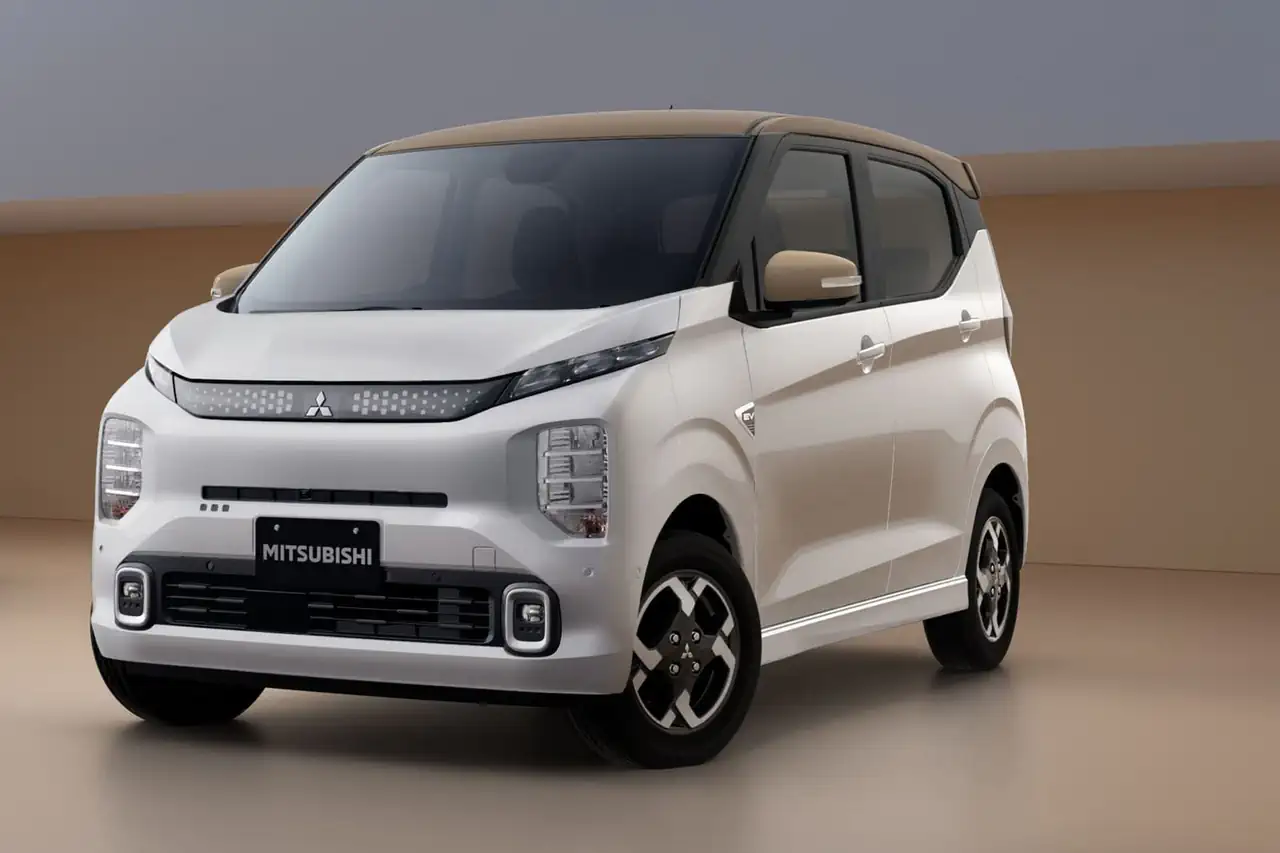
Mitsubishi updated the eK Cross EV 2026 in Japan, and the changes focus on what matters most in this class: everyday usefulness. The small EV gets new styling, a more practical cabin and an outlet that can power external devices.
That matters because it pushes the model beyond basic city commuting and into real-world convenience.
Quick specs — Mitsubishi eK Cross EV 2026
| Category | Details |
|---|---|
| Powertrain | Electric, with a 20 kWh battery |
| Horsepower | 63 hp |
| Torque | 144 lb-ft |
| Transmission | Not applicable |
| Drivetrain | Front-wheel drive |
| 0 to 60 mph | Not confirmed yet |
| Top Speed | Not confirmed yet |
| Fuel Economy | Not listed in MPG |
| Range | 112 miles on the WLTC cycle |
| Price or estimate | Starts at about US$ 11,700 in Japan, after local subsidies |
| Launch date | Orders open in Japan; first deliveries in June 2026 |
Now the value proposition makes more sense
The eK Cross EV was never meant to be a performance headline. Its job is simpler: move through crowded streets, take up little space and keep daily running costs low.
The 2026 update stays true to that mission. It adds a cleaner look and a more flexible cabin without changing the basic formula.
What changed on the car
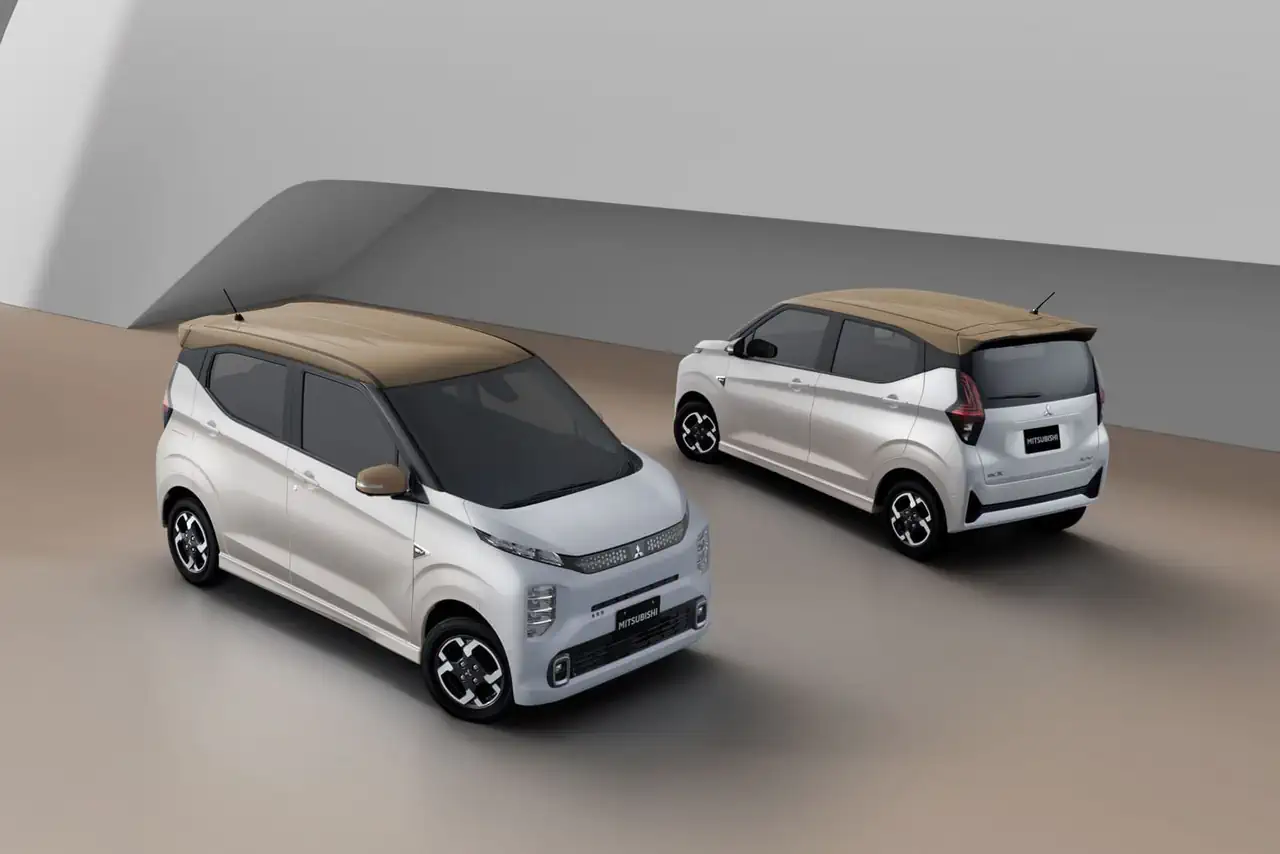
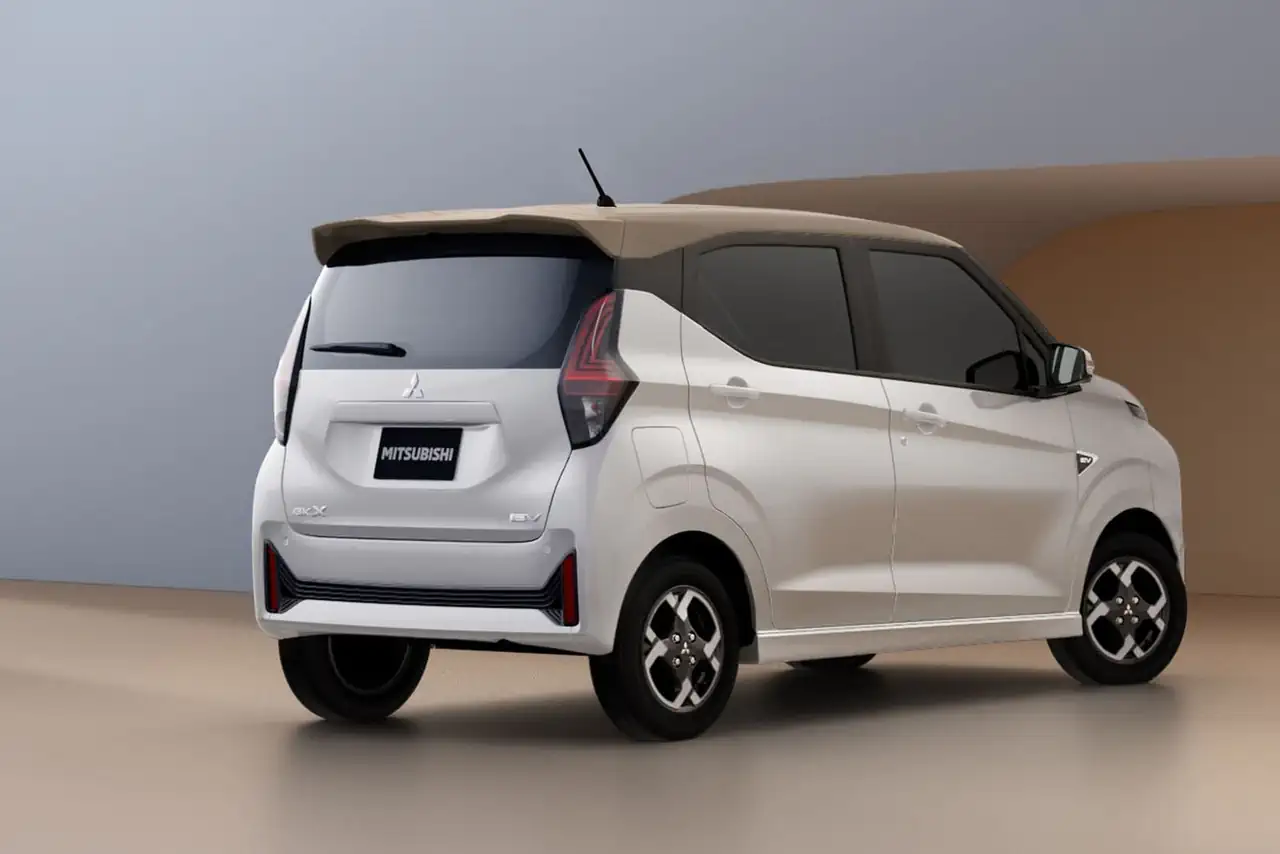
The biggest visual update is the front end. Mitsubishi gave the eK Cross EV a cleaner face that looks more aligned with an EV than with a small gasoline-powered car.
There are also new two-tone color options and more paint choices. For a kei car, that kind of personalization matters more than it might on a larger vehicle.
Interior and practicality
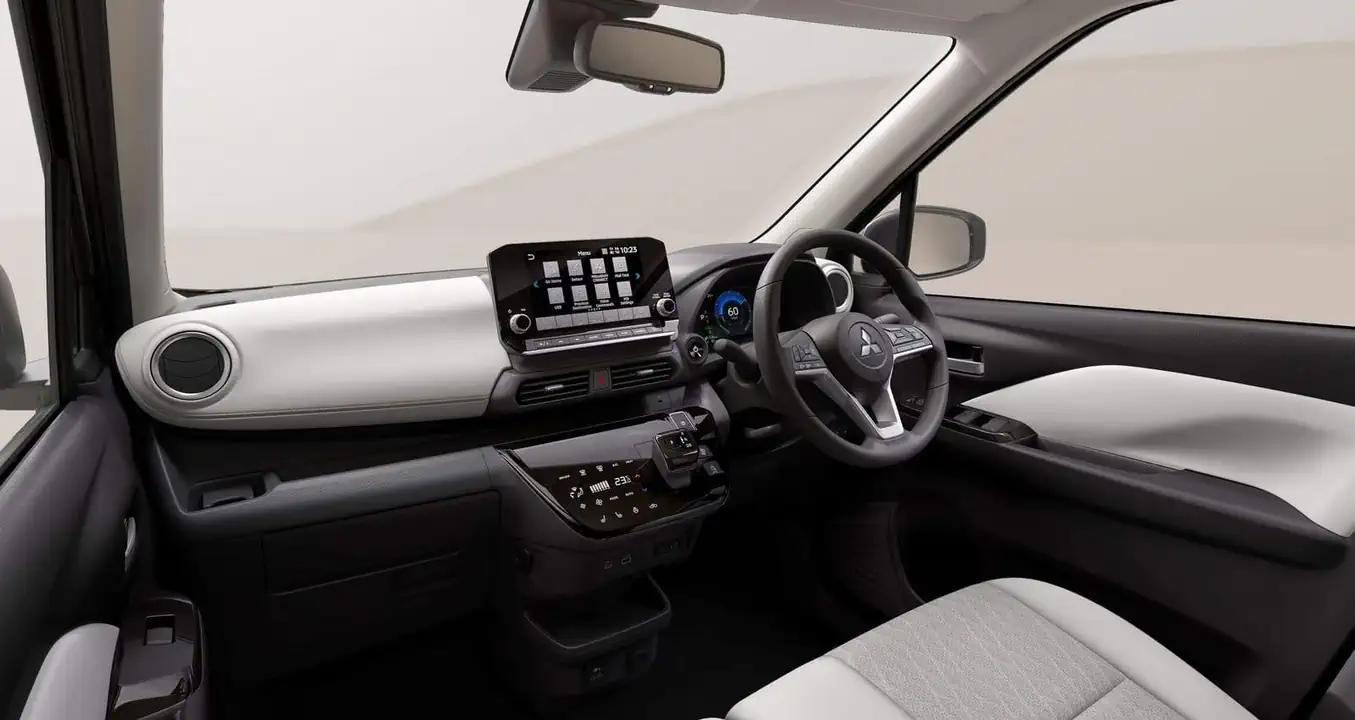
Inside, the update is modest but useful. The standout change is the new 100V AC outlet with up to 1,500 watts of output.
In practical terms, that means the car can power small appliances, lightweight tools or camping gear. It gives the eK Cross EV a broader role than a typical urban commuter.
Higher trims also add more USB-C and USB-A ports, while heated steering wheel and heated seats move more clearly into the picture depending on the version.
Motor and performance
Mitsubishi kept the same core setup. The eK Cross EV continues with a front electric motor rated at 63 hp and 144 lb-ft of torque.
The 20 kWh battery remains in place as well, with a WLTC range of 180 km, or 112 miles. That is not long-distance territory, but it is enough for city use and short regional trips.
For Japan’s dense urban environment, that range fits the car’s purpose.
Technology and safety
Mitsubishi also added a few convenience and safety updates. Rear-seat occupant alerts now come standard across the lineup.
That may sound minor, but it adds value in a city car that will likely be used for family errands and short daily trips. Simple features like that often matter most once the novelty wears off.
The eK Cross EV still sits in the affordable EV space rather than trying to be a premium tech showcase.
Price and launch
In Japan, the model starts at 2,446,400 yen before options, with local incentives helping reduce the effective cost. That keeps it competitive for its class.
Mitsubishi has already opened orders, and first deliveries are scheduled for late June 2026.
There is no official word yet on any U.S. launch. For now, pricing has not been announced outside Japan.
Segment position and rivals
The eK Cross EV competes in a very specific space: compact urban EVs built for tight streets and low running costs. Its closest rivals are other Japan-only kei EVs rather than mainstream U.S. crossovers.
That 1,500-watt outlet is the kind of feature that gives it a practical edge. It does not chase range or speed headlines, but it adds everyday value in a way that is easy to understand.
In that sense, the 2026 eK Cross EV is less about being bigger and more about being smarter with the space it has.

Danniel Bittencourt
26/06/2026