
Carros Bem Montados

The 5 Fastest Electric Cars in the World in 2026

Electric performance has reached its absolute peak. In 2026, a new generation of electric hypercars is redefining speed, acceleration, and engineering limits, delivering performance figures that were once exclusive to experimental race cars.

hypercars top 10

The automotive industry crossed a historic threshold in 2025. For the first time, electric vehicles didn’t just rival combustion-powered hypercars — they surpassed them decisively. As mainstream EV adoption accelerates, the hyper-performance segment has become a technological battleground, where manufacturers push the limits of physics, software, and battery engineering.

Five electric cars now sit at the very top of this evolution. Each represents a different philosophy, but all share one thing in common: extreme, measurable performance.

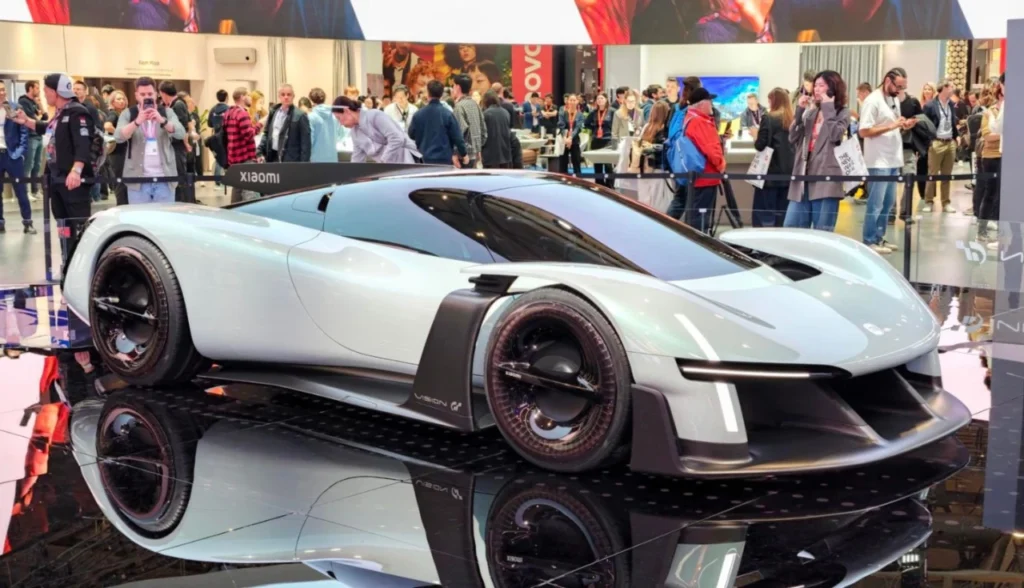
5. YangWang U9 Xtreme — The World’s Fastest Production Car

In late 2025, BYD stunned the automotive world when its YangWang U9 Xtreme officially reached 308 mph (496.22 km/h) during certified testing in Germany.

This achievement secured the U9 Xtreme’s place in history as the fastest production car ever recorded and marked China’s definitive arrival at the forefront of hypercar engineering.

Technical Specifications — YangWang U9 Xtreme

  • Power output: 2,977 hp (2,220 kW)

  • 0–60 mph: approx. 2.36 seconds

  • Top speed: 308 mph (496.22 km/h) — world record

  • Nürburgring lap: 6:59.157

  • Battery: high-performance Blade Battery (30C discharge)

  • Electrical architecture: 1,200 volts

  • Weight: approx. 4,012 lbs (1,820 kg)

  • Production: 30 units worldwide

Ultra-efficient cooling systems, reinforced high-speed tires, and advanced braking hardware allow the U9 Xtreme to operate safely at velocities approaching 500 km/h.

carro mais rapido do mundo

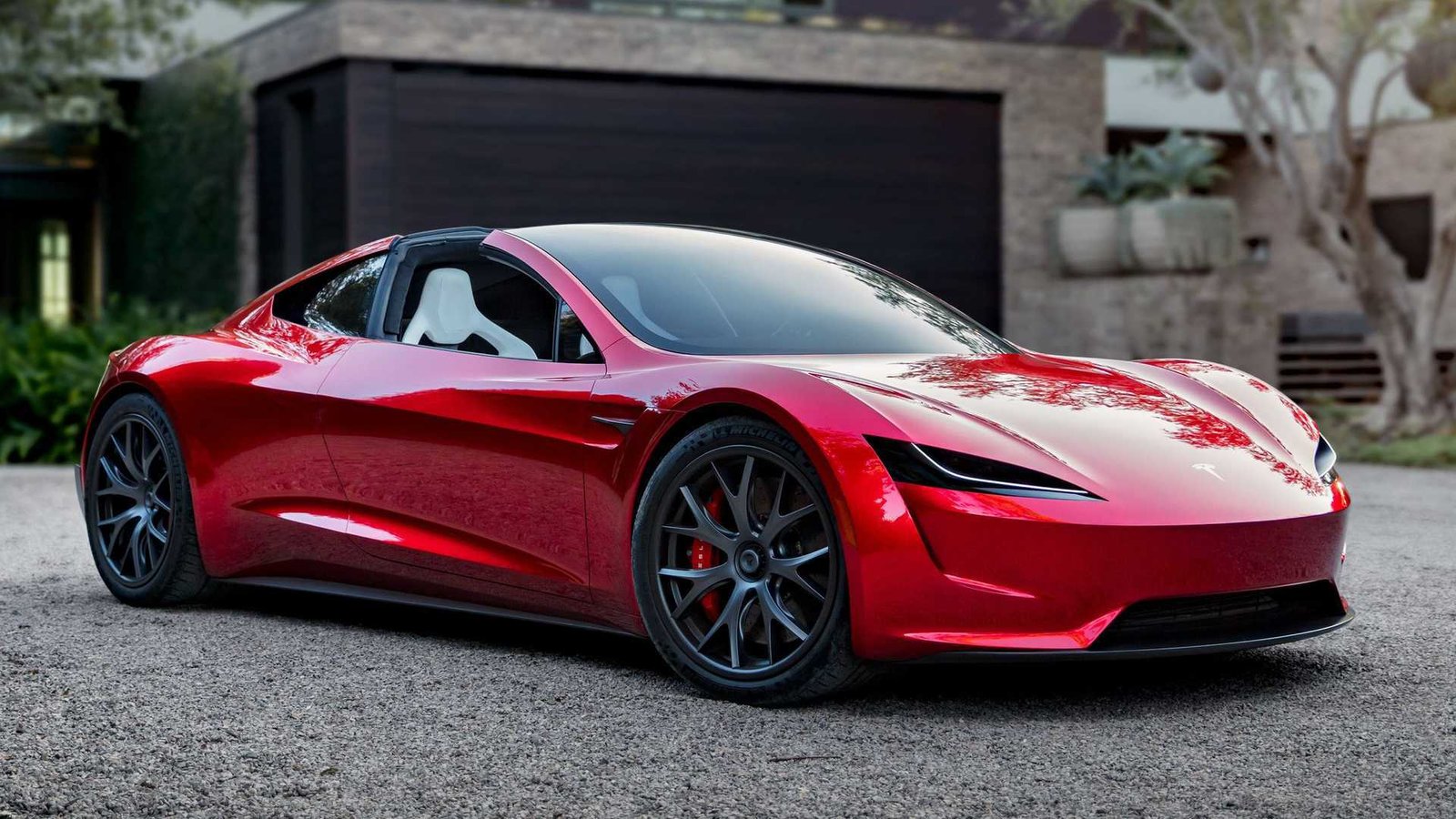
4. Tesla Roadster — Hypercar Performance for the Real World

The upcoming Tesla Roadster represents a radical departure from traditional hypercar philosophy. Instead of focusing solely on exclusivity, Tesla aims to deliver extreme performance with everyday usability.

Tesla claims a 0–60 mph time of around 1.9 seconds and a top speed exceeding 250 mph. What truly sets the Roadster apart, however, is its projected driving range — far beyond anything else in this performance class.

Technical Specifications — Tesla Roadster (2026)

  • Power output: over 1,000 hp

  • Torque: up to 10,000 Nm (wheel torque)

  • 0–60 mph: 1.9 seconds (potentially faster with SpaceX package)

  • Top speed: over 250 mph (400+ km/h)

  • Battery: approx. 200 kWh

  • Range: up to 620 miles (1,000 km)

  • Price (est.): starting around $200,000

A tri-motor all-wheel-drive setup, adaptive suspension, and access to Tesla’s global Supercharger network make the Roadster uniquely practical among ultra-fast EVs.

Tesla Roadster

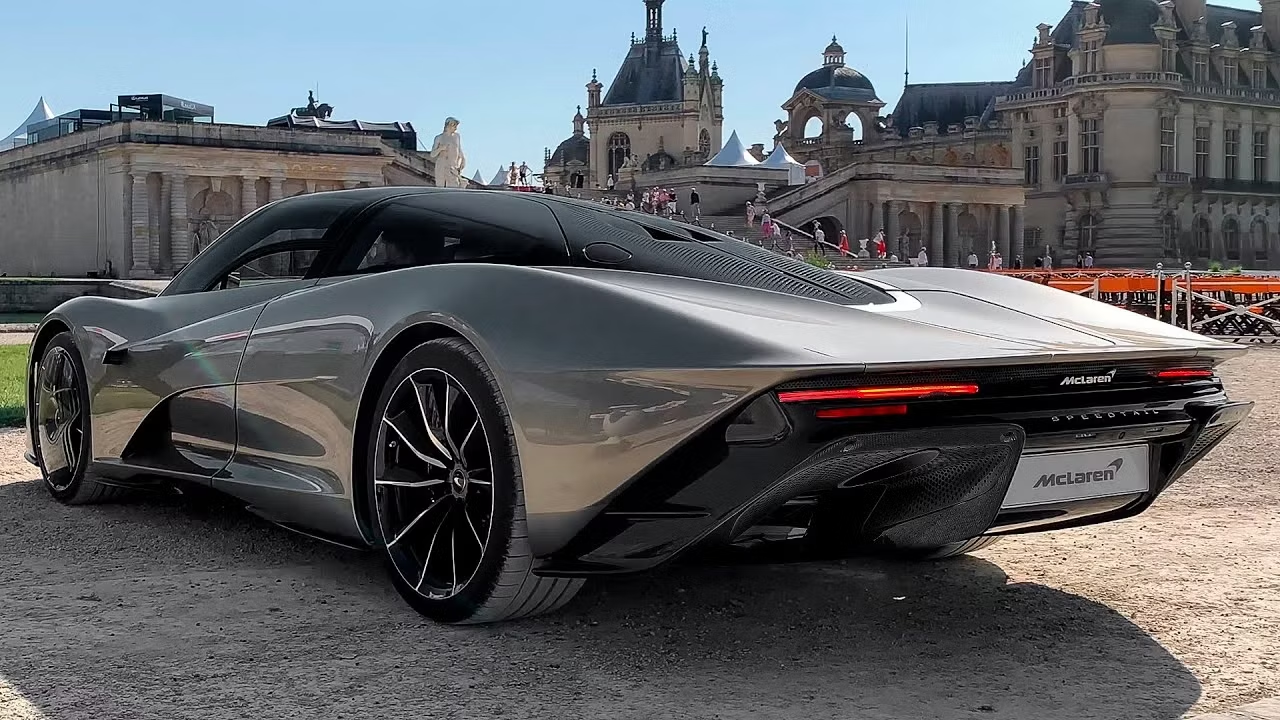
3. Pininfarina Battista — Performance Meets Craftsmanship

The Battista marks a historic milestone for Pininfarina, representing the first car fully developed under its own name in more than 90 years.

While its acceleration figures rival the fastest hypercars in the world, the Battista differentiates itself through refinement, luxury, and attention to detail. Each car requires more than 1,300 hours of craftsmanship, blending extreme performance with grand touring comfort.

Technical Specifications — Pininfarina Battista

  • Power output: 1,900 hp

  • Torque: 2,300 Nm

  • 0–60 mph: approx. 1.86 seconds

  • 0–186 mph (300 km/h): 10.49 seconds

  • Top speed: 217 mph (350 km/h)

  • Battery: 120 kWh

  • Range: up to 280 miles (450 km)

  • Fast charging: 20–80% in approx. 25 minutes

Active aerodynamics, multiple drive modes, and real-time telemetry allow the Battista to transition seamlessly between luxury GT and track-focused hypercar.

Pininfarina Battista

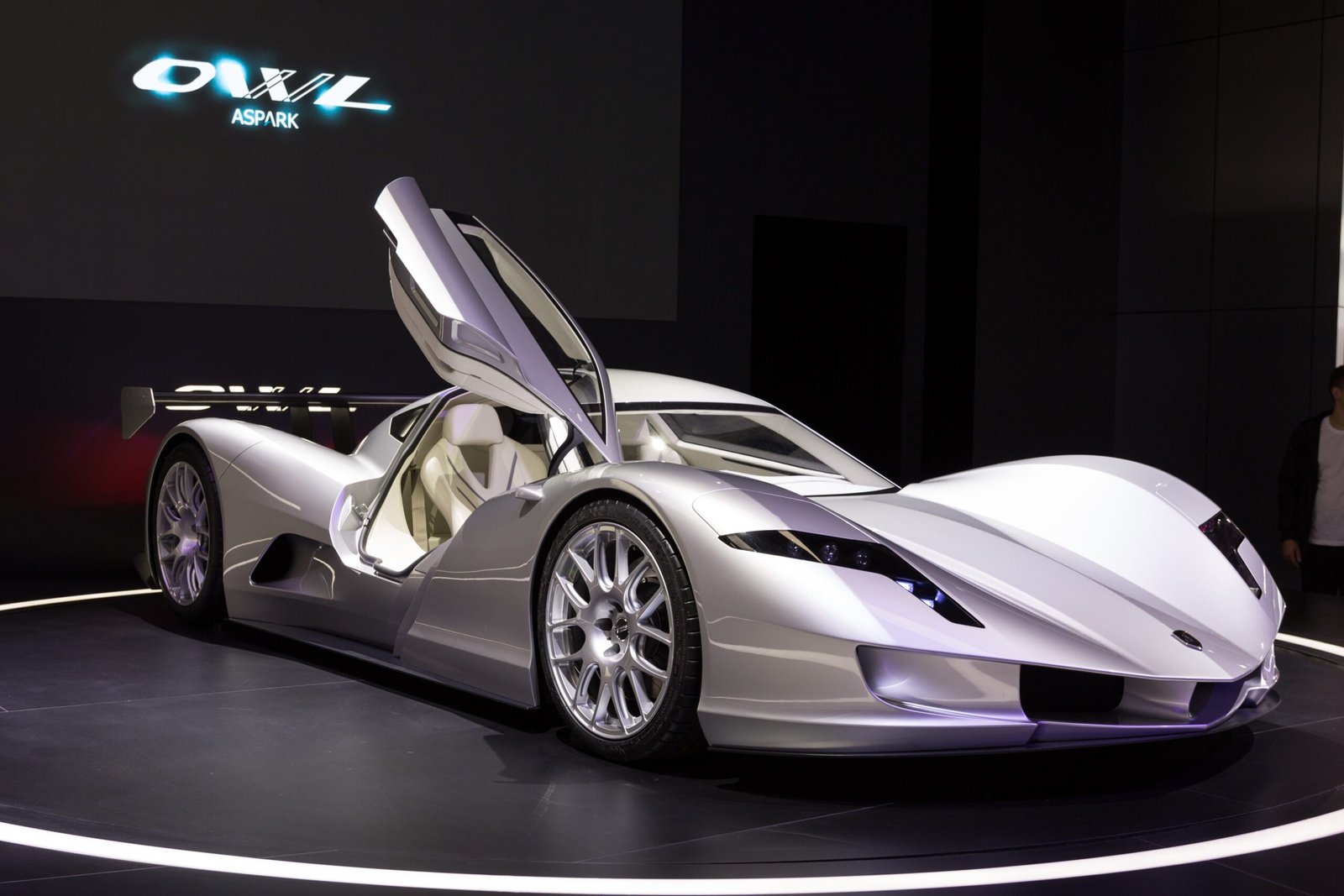
2. Aspark Owl — Lightweight Precision at Extreme Speed

The Aspark Owl approaches electric hypercar performance from a different angle: extreme weight reduction combined with aggressive aerodynamics.

Designed in Japan and assembled in Italy by Manifattura Automobili Torino, the Owl is one of the lowest street-legal production cars ever built, standing just under 39 inches tall. Its carbon-fiber monocoque weighs approximately 265 pounds, contributing to an exceptional power-to-weight ratio.

The result is blistering acceleration paired with a top speed that places it firmly among the fastest EVs ever produced.

Technical Specifications — Aspark Owl

  • Power output: 2,012 hp (1,480 kW)

  • Torque: 2,000 Nm

  • 0–60 mph: 1.69–1.72 seconds

  • 0–100 km/h: 1.9 seconds

  • 0–186 mph (300 km/h): 10.6 seconds

  • Top speed: 249 mph (400 km/h)

  • Battery: 64 kWh

  • Estimated range: up to 280 miles (450 km)

  • Production: 50 units worldwide

Quad electric motors, carbon-ceramic brakes, and a motorsport-derived suspension system ensure that the Owl’s performance extends beyond straight-line speed.

Aspark Owl

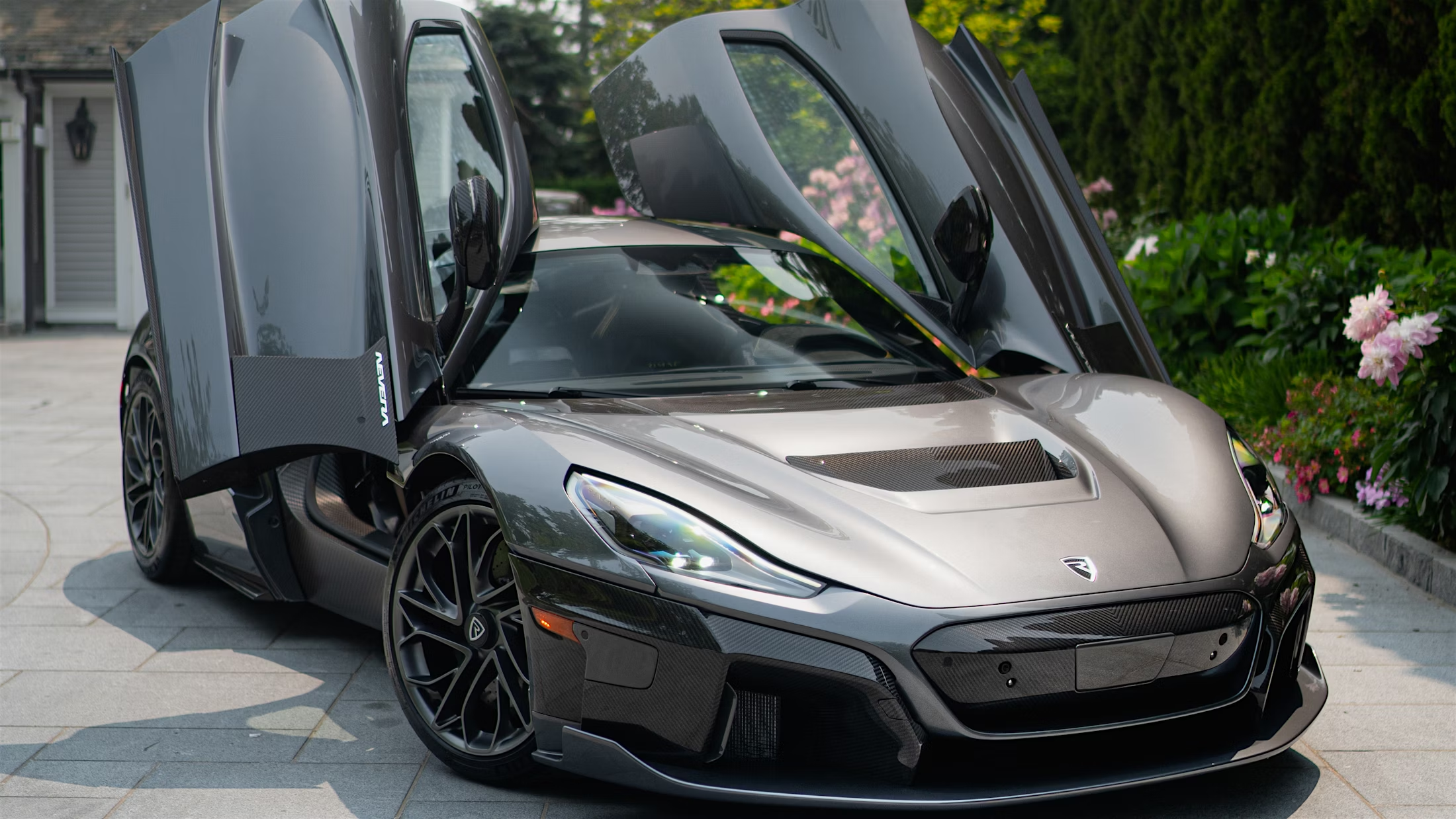
1. Rimac Nevera R — The Acceleration King

The Rimac Nevera R stands as the ultimate benchmark for straight-line acceleration. Developed by Croatia’s Rimac Automobili, it has redefined what is possible for a production vehicle.

Introduced in 2025 as a heavily reengineered evolution of the original Nevera, the R version improved performance across more than 20 measurable categories. Its ability to combine raw output with absolute control places it in a category of its own.

The key lies in its advanced torque vectoring system, which distributes power to each wheel independently and recalculates grip up to 100 times per second. This allows the Nevera R to deliver explosive acceleration without sacrificing stability.

Technical Specifications — Rimac Nevera R

  • Power output: 2,107 hp (1,550 kW)

  • Torque: 2,650 Nm

  • 0–60 mph: 1.66 seconds

  • 0–100 km/h: 1.8 seconds

  • 0–186 mph (300 km/h): 7.89 seconds

  • Top speed: 268 mph (431 km/h)

  • Battery: 120 kWh

  • Price: approx. $2.5 million

The Nevera R also holds the 0–249–0 mph (0–400–0 km/h) record, completing the run in just 25.79 seconds — a figure that highlights the precision behind its brute force.

Rimac Nevera R

What These Cars Represent

Each of these machines dominates a different performance metric. Rimac defines acceleration, YangWang rules top speed, Tesla challenges accessibility, and brands like Aspark and Pininfarina focus on purity and craftsmanship.

More importantly, they signal a shift in global automotive leadership. In 2026, the fastest electric cars come from Croatia, Japan, Italy, the United States, and China — proof that electric performance has become a truly global race.

The era of electric hypercars is no longer emerging. It has arrived — and it is accelerating faster than anyone predicted.

Foto de Redação - Carros bem montados

Redação - Carros bem montados

Siga-nos no Instagram @carrosbemmontados

Leia mais >

Deixe um comentário

O seu endereço de e-mail não será publicado. Campos obrigatórios são marcados com *