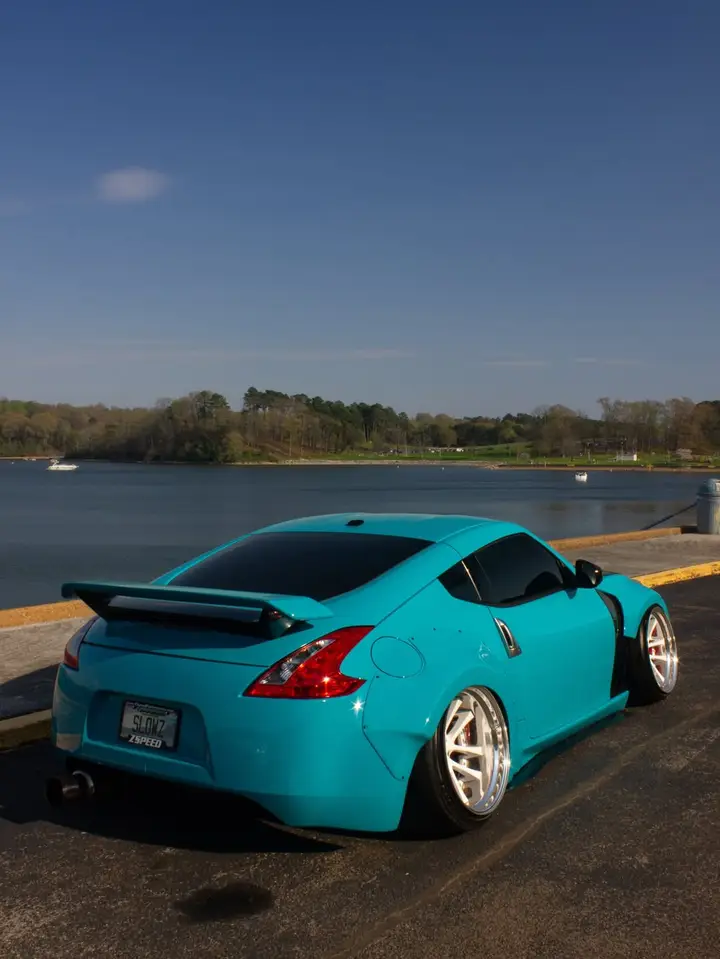
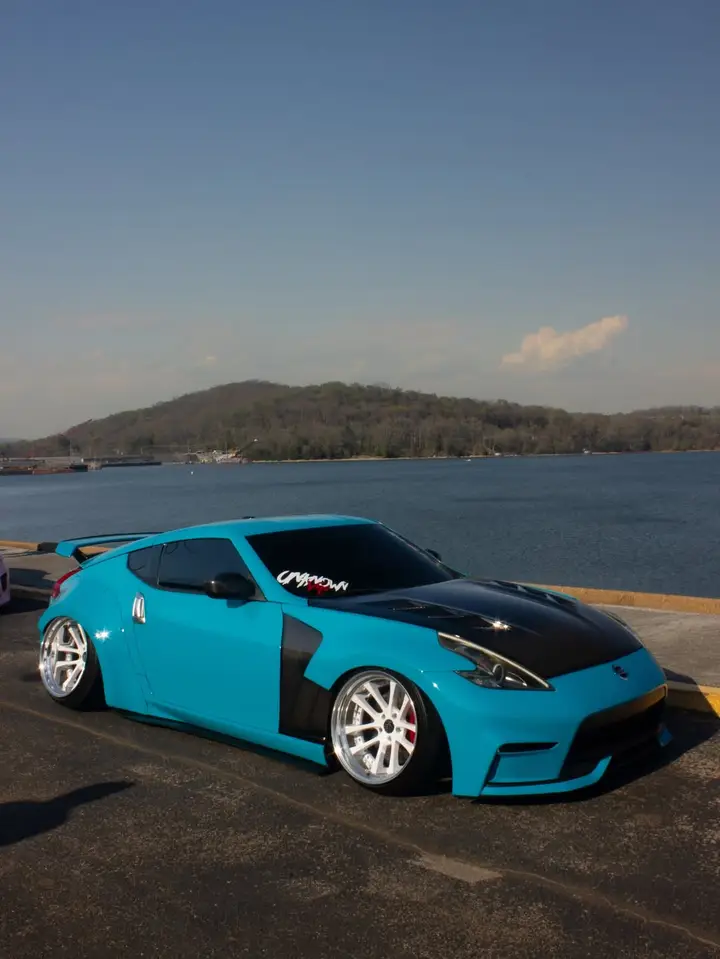
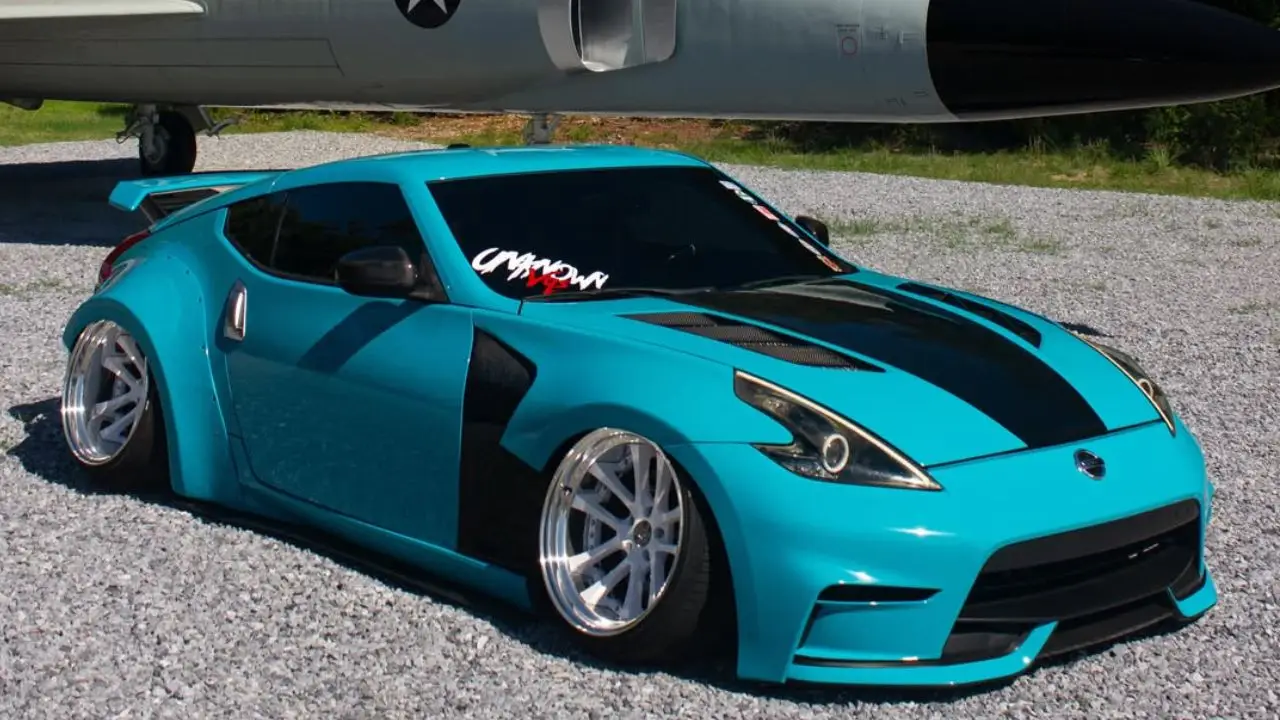
This Nissan 370Z Is Turning Heads Across Social Media
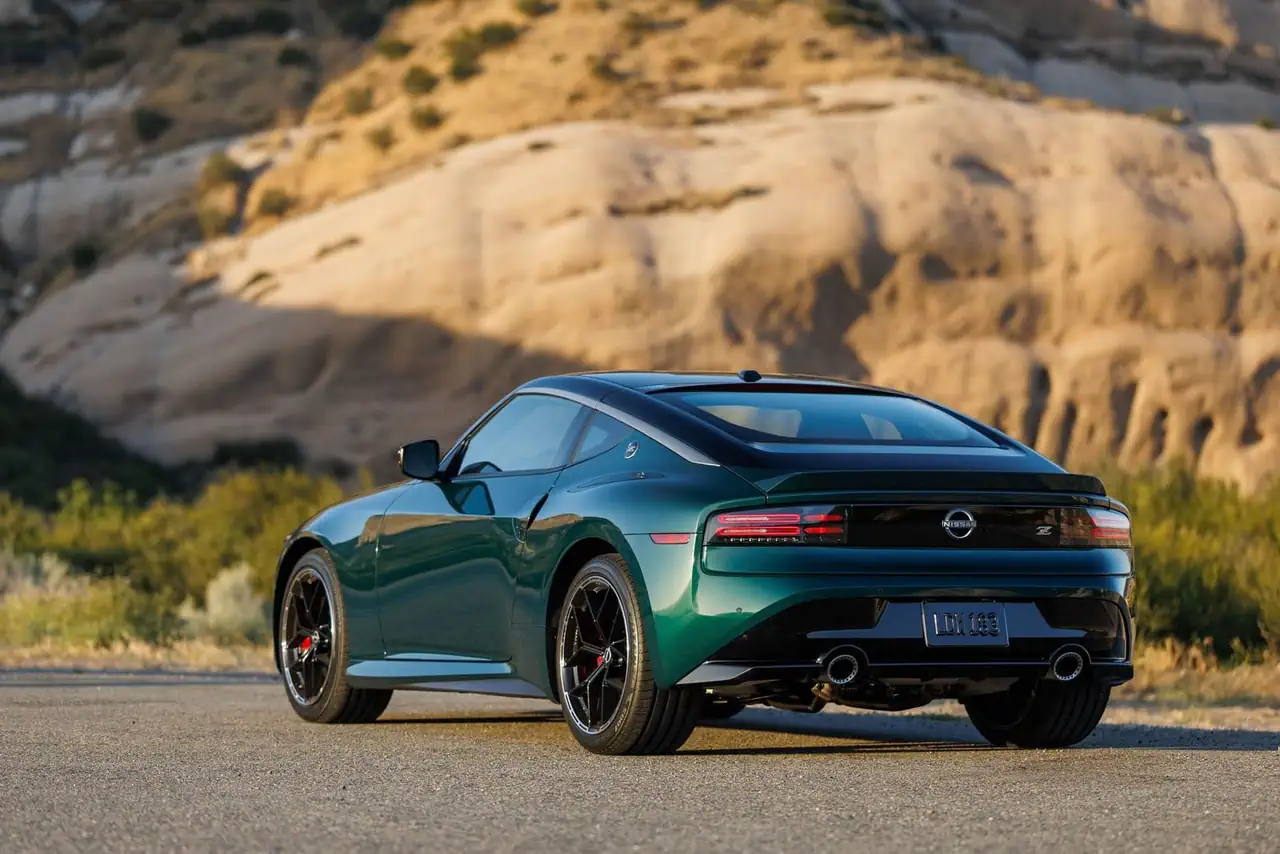
A naturally aspirated V6, rear-wheel drive, and timeless proportions helped the Nissan 370Z earn a loyal following around the world. Even years after production ended, this Japanese sports car continues to attract enthusiasts looking for a pure driving experience.
Nissan 370Z Specifications
| Specification | Details |
|---|---|
| Engine | 3.7L V6 Naturally Aspirated |
| Horsepower | Up to 350 hp (NISMO) |
| Torque | Up to 276 lb-ft |
| Drivetrain | Rear-Wheel Drive |
| Transmission | 6-Speed Manual or 7-Speed Automatic |
| 0-60 mph | Around 5.0 Seconds |
| Top Speed | Approximately 155 mph |
| Production Years | 2009–2021 |
The Nissan 370Z: A Modern Japanese Sports Car Icon
The Nissan 370Z arrived for the 2009 model year as the successor to the highly successful 350Z. Known internally as the Z34, it carried forward Nissan’s legendary Z-car heritage while delivering sharper handling, more power, and a more refined driving experience.
Built in Japan, the 370Z became one of the most recognizable Japanese sports cars of its era. Its long hood, short rear deck, and aggressive stance gave it an unmistakable presence on the road.
While many modern sports cars and new vehicle launches have shifted toward turbocharged engines and digital-heavy interiors, the 370Z remained focused on mechanical engagement and driver involvement.
Its straightforward formula helped it earn a dedicated fanbase not only in the United States but across international automotive communities.
Performance and Mechanical Highlights
At the heart of the 370Z sits Nissan’s well-known VQ37VHR engine.
This 3.7-liter naturally aspirated V6 became famous for its strong reliability, responsive throttle, and distinctive exhaust note. Unlike many modern turbocharged performance cars, power delivery feels immediate and linear throughout the rev range.
The rear-wheel-drive layout, balanced chassis, and available six-speed manual transmission made the 370Z especially popular among driving enthusiasts.
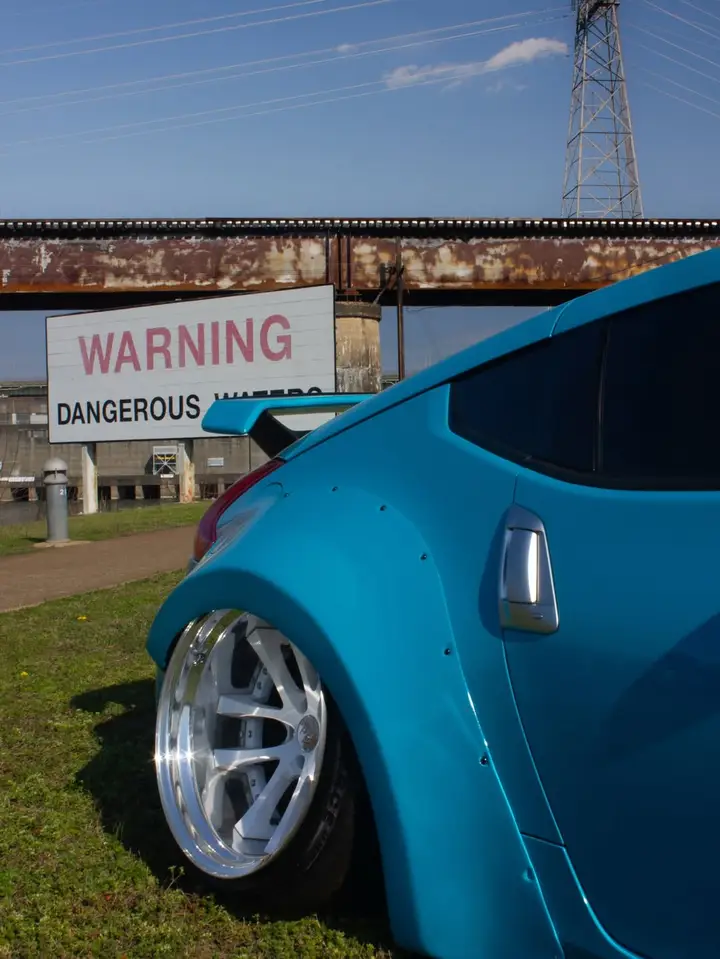
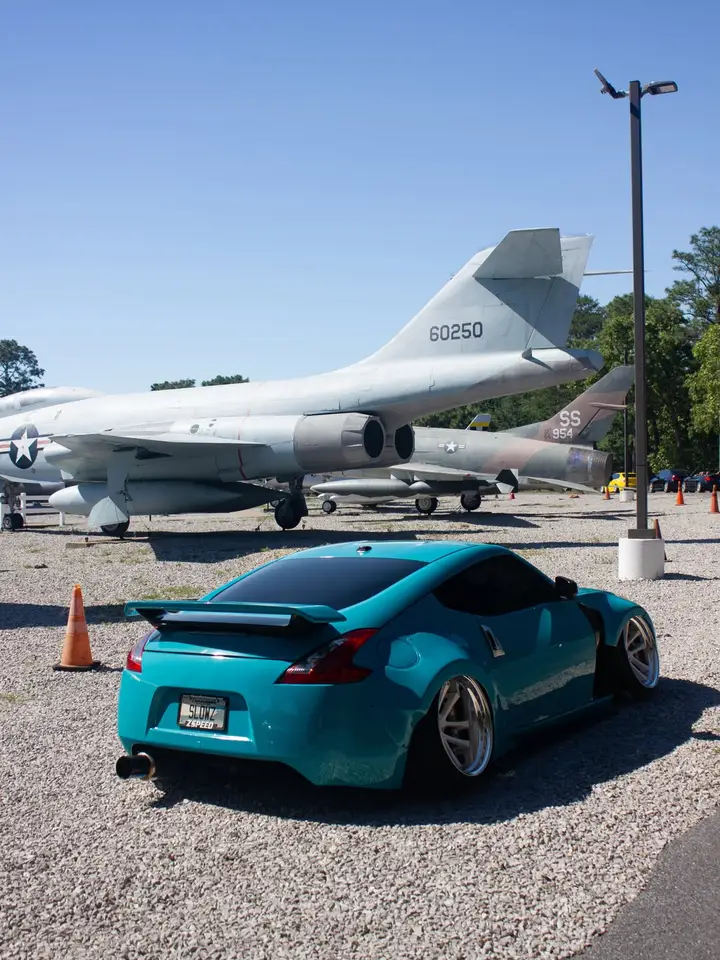
Its platform also became a favorite among owners interested in modified cars, thanks to strong aftermarket support and proven tuning potential.
Interior Design and Driver Experience
Inside, the Nissan 370Z follows a driver-focused philosophy.
The cockpit places important controls within easy reach, while the triple auxiliary gauges mounted above the center stack pay tribute to previous generations of the Z-car lineup.
Although the interior materials began to show their age compared to newer rivals, the overall driving position remains one of the car’s strongest attributes.
Supportive seats, excellent visibility from the driver’s perspective, and a low-slung seating position create an authentic sports car feel.
Nissan 370Z vs Its Main Rivals
| Model | Horsepower | Engine | Drivetrain |
|---|---|---|---|
| Nissan 370Z | 332 hp | 3.7L V6 NA | RWD |
| Toyota GR Supra 2.0 | 255 hp | 2.0L Turbo I4 | RWD |
| Ford Mustang GT | 480 hp | 5.0L V8 | RWD |
Updates Throughout Its Production Run
Although the core formula remained largely unchanged, Nissan introduced several updates over the years.
The high-performance NISMO variants received revised aerodynamics, suspension upgrades, unique styling elements, and increased power output.
Technology features also improved over time, with updates to infotainment systems and available equipment.
Despite these changes, the 370Z stayed true to its original mission: delivering a simple and engaging sports car experience.
Its successor, the Nissan Z, arrived for the next generation with a twin-turbocharged V6 and a more modern platform.
Three Standout Strengths of the Nissan 370Z
1. Naturally Aspirated V6 Character
The engine delivers immediate throttle response and a driving feel that has become increasingly rare.
2. Rear-Wheel-Drive Performance
The chassis provides excellent balance and an engaging driving experience on both roads and track days.
3. Strong Aftermarket Support
The 370Z remains one of the most popular platforms for customization and performance upgrades.
Three Areas Where It Falls Short
1. Aging Interior
Compared to newer competitors, the cabin design feels dated.
2. Limited Cargo and Cabin Space
Practicality was never the primary focus of the 370Z.
3. Fuel Economy
The naturally aspirated V6 prioritizes performance over efficiency.
Why the Nissan 370Z Remains Popular Today
The Nissan 370Z represents an era when sports cars focused on driving enjoyment above all else.
Its naturally aspirated engine, rear-wheel-drive layout, and timeless design continue to attract enthusiasts who appreciate a more connected driving experience.
The images featured in this article come from an Instagram profile owned by a true automotive enthusiast—someone who lives and breathes car culture every day. The Instagram account will be listed at the end of the article.
FAQ
Is the Nissan 370Z discontinued?
Yes. Nissan ended production of the 370Z in 2021 and replaced it with the Nissan Z.
Does the Nissan 370Z have a turbocharger?
No. All factory 370Z models were equipped with a naturally aspirated 3.7-liter V6 engine.
How much horsepower does a Nissan 370Z make?
Depending on the trim level, output ranges from approximately 332 hp to 350 hp.
Is the Nissan 370Z rear-wheel drive?
Yes. Every production version of the 370Z uses a rear-wheel-drive layout.
Is the Nissan 370Z reliable?
The VQ37VHR engine is widely regarded as reliable when properly maintained.
What cars compete with the Nissan 370Z?
Common rivals include the Toyota GR Supra, Ford Mustang GT, Chevrolet Camaro, and Subaru BRZ.
Is the Nissan 370Z good for modifications?
Yes. It remains one of the most popular Japanese sports cars for aftermarket upgrades and custom builds.

Danniel Bittencourt
Danniel Bittencourt é especialista e entusiasta do setor automotivo, com atuação focada em análise de veículos, lançamentos e tendências do mercado global. É fundador do site e responsável por diversos canais no YouTube voltados ao universo dos carros.
Related posts >