If You Love Modified Cars, You Need to See This Honda S2000 We Found on Instagram
Few sports cars have earned the reputation of the Honda S2000. Built to celebrate Honda’s 50th anniversary, this lightweight roadster combined a high-revving naturally aspirated engine, rear-wheel drive, and razor-sharp handling to become one of the most respected Japanese performance cars ever produced.
Honda S2000 Specifications
- Engine: 2.0L naturally aspirated inline-four (F20C) or 2.2L naturally aspirated inline-four (F22C1)
- Horsepower: Up to 240 hp
- Torque: Up to 162 lb-ft
- Transmission: 6-speed manual
- Drivetrain: Rear-wheel drive
- Top Speed: Approximately 149 mph
- 0-60 mph: Around 6.0 seconds
- Seating Capacity: Two passengers
The Story Behind the Honda S2000
Introduced in 1999, the Honda S2000 arrived as a celebration of Honda’s engineering heritage. Rather than chasing luxury or excessive power figures, Honda focused on creating a pure driver’s car.
The result was a lightweight roadster featuring a front-mounted engine, rear-wheel drive, and one of the highest specific-output naturally aspirated engines of its era.
Over the years, the S2000 evolved through suspension revisions, chassis refinements, and interior improvements. Certain markets later received the larger 2.2-liter engine, delivering a broader torque curve while preserving the car’s high-revving personality.
Performance and Engineering
A Naturally Aspirated Masterpiece
The heart of the Honda S2000 is its legendary four-cylinder engine. Unlike modern turbocharged sports cars, the S2000 rewards drivers who explore the upper reaches of the tachometer.
Its immediate throttle response, mechanical soundtrack, and precise six-speed manual gearbox create an experience that feels increasingly rare in today’s automotive world.
Exceptional Balance
The S2000’s near-perfect weight distribution and low center of gravity contribute to remarkable cornering abilities.
Whether on a winding mountain road or a track day, the car communicates clearly with the driver and delivers an engaging experience that has helped it become a modern classic.
Exterior and Interior Design
Timeless Styling
More than two decades after its debut, the Honda S2000 still looks fresh and purposeful.
Its long hood, short rear deck, and clean body lines give it proportions that continue to attract enthusiasts worldwide.
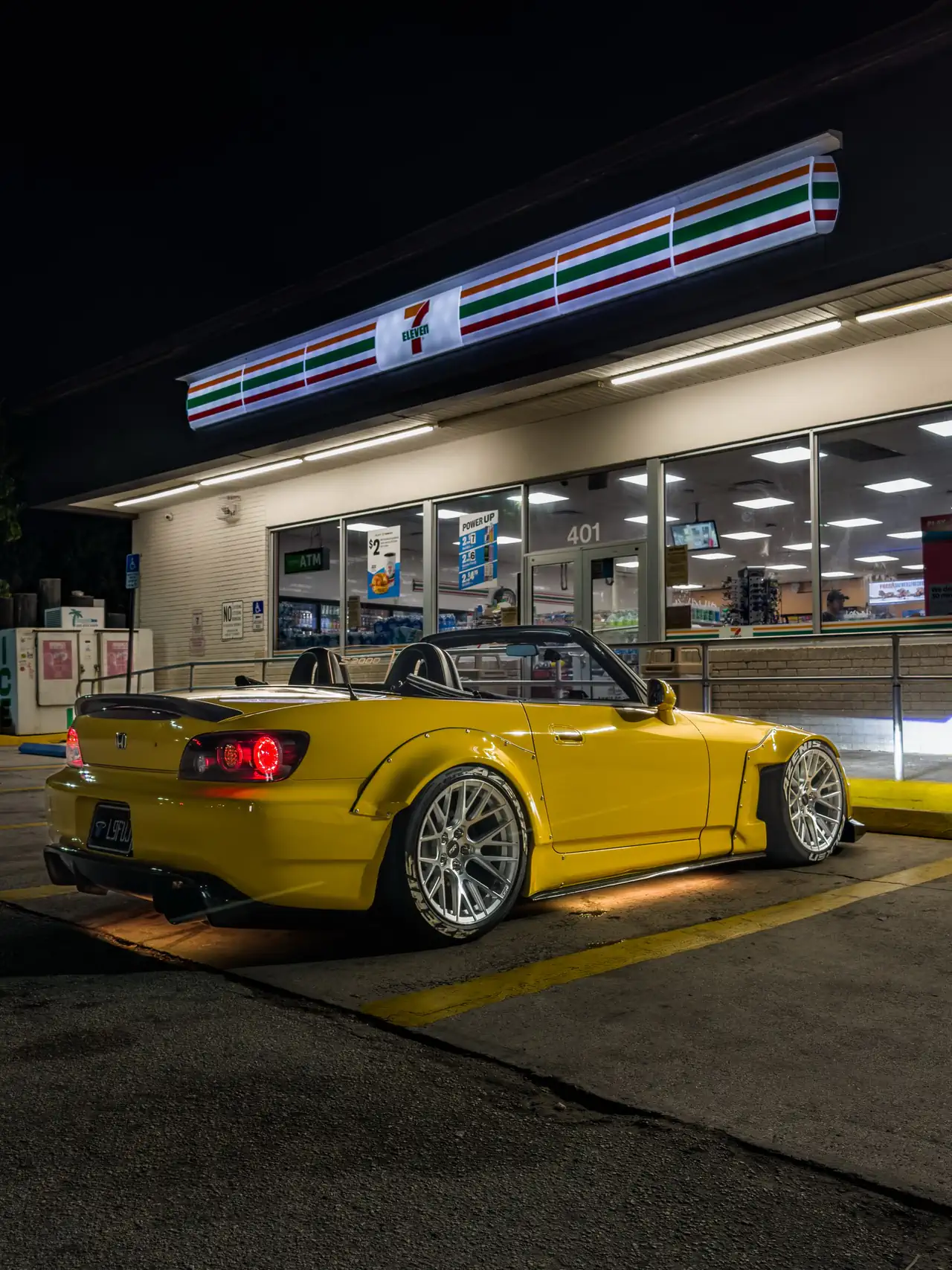
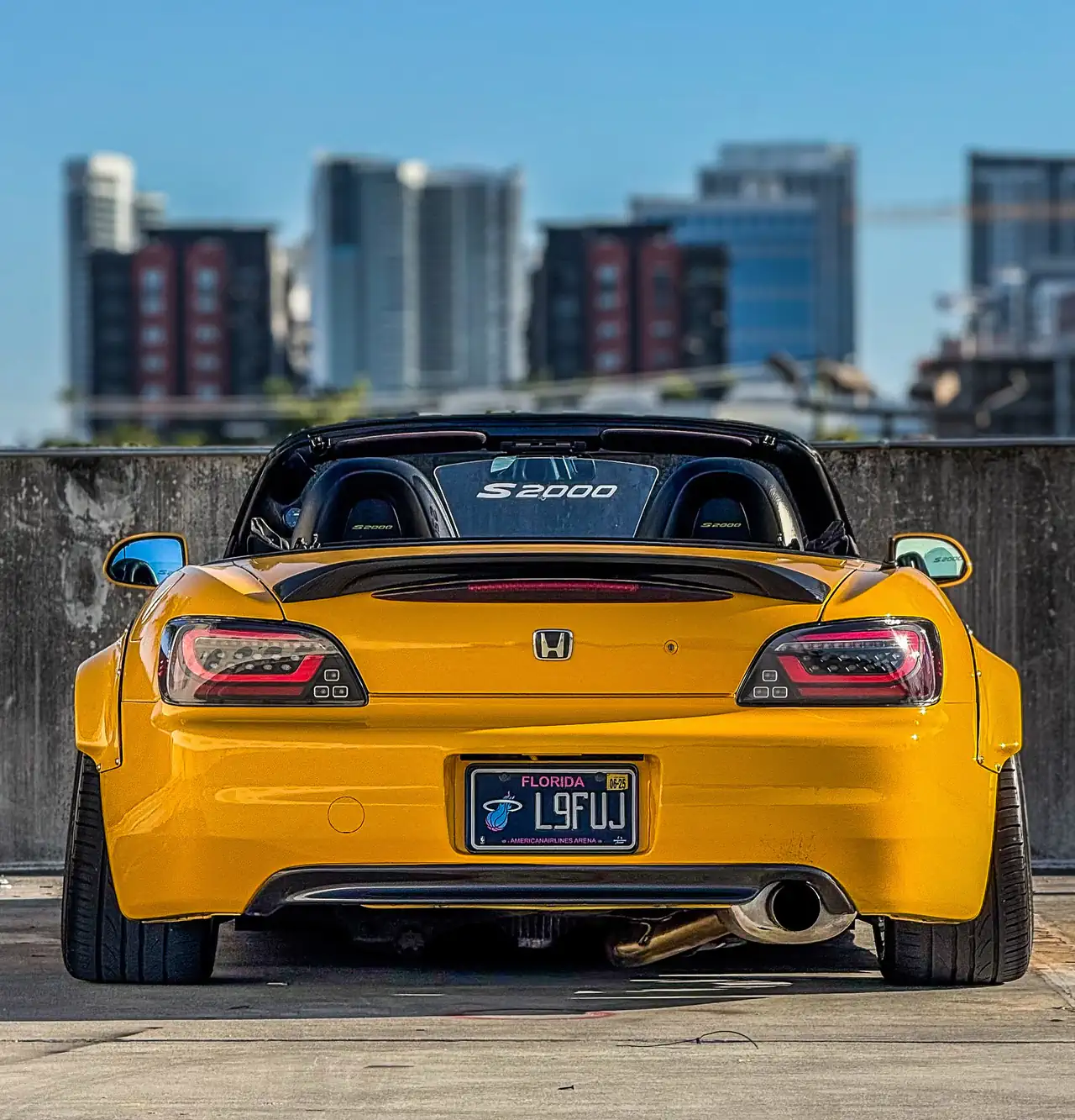
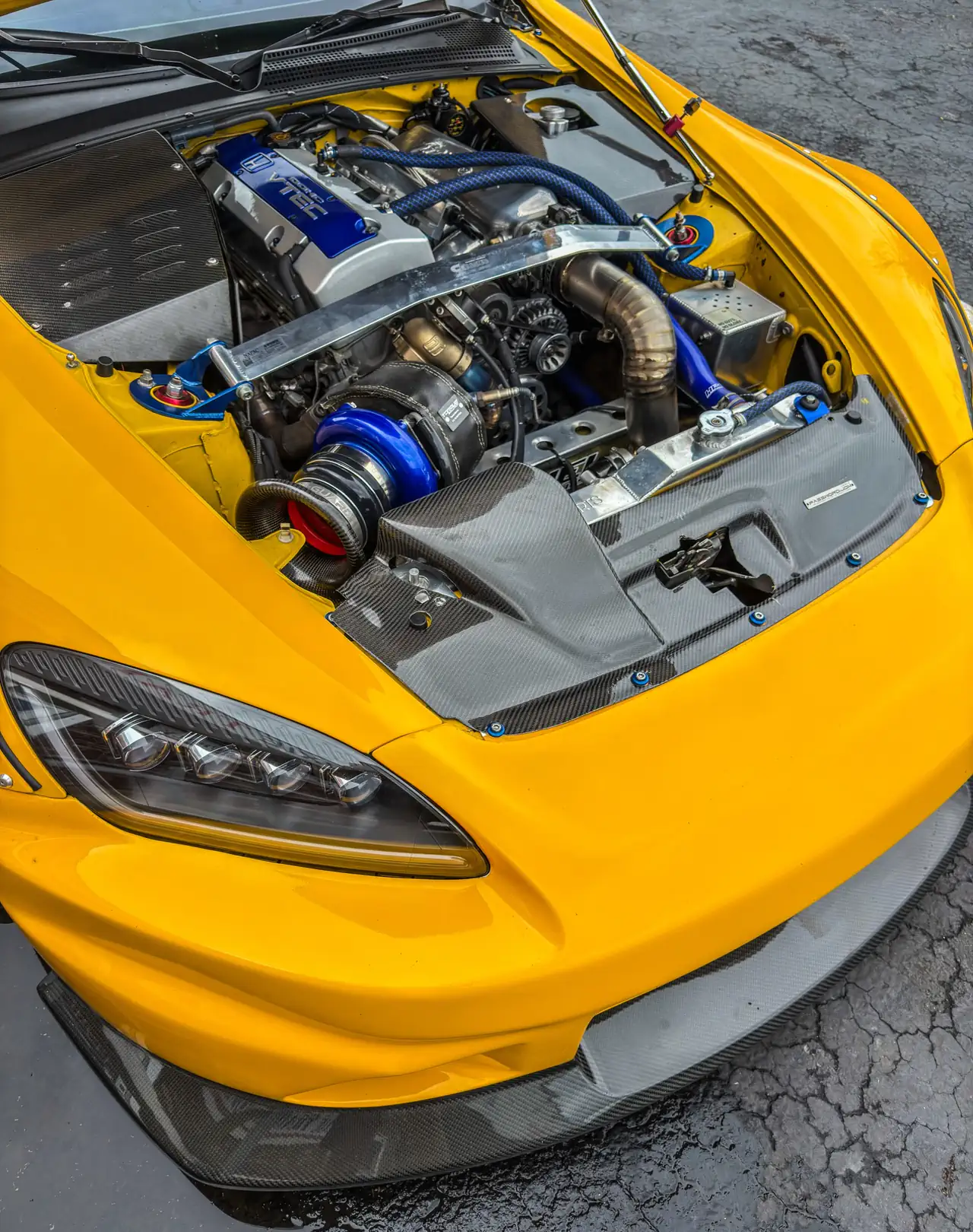
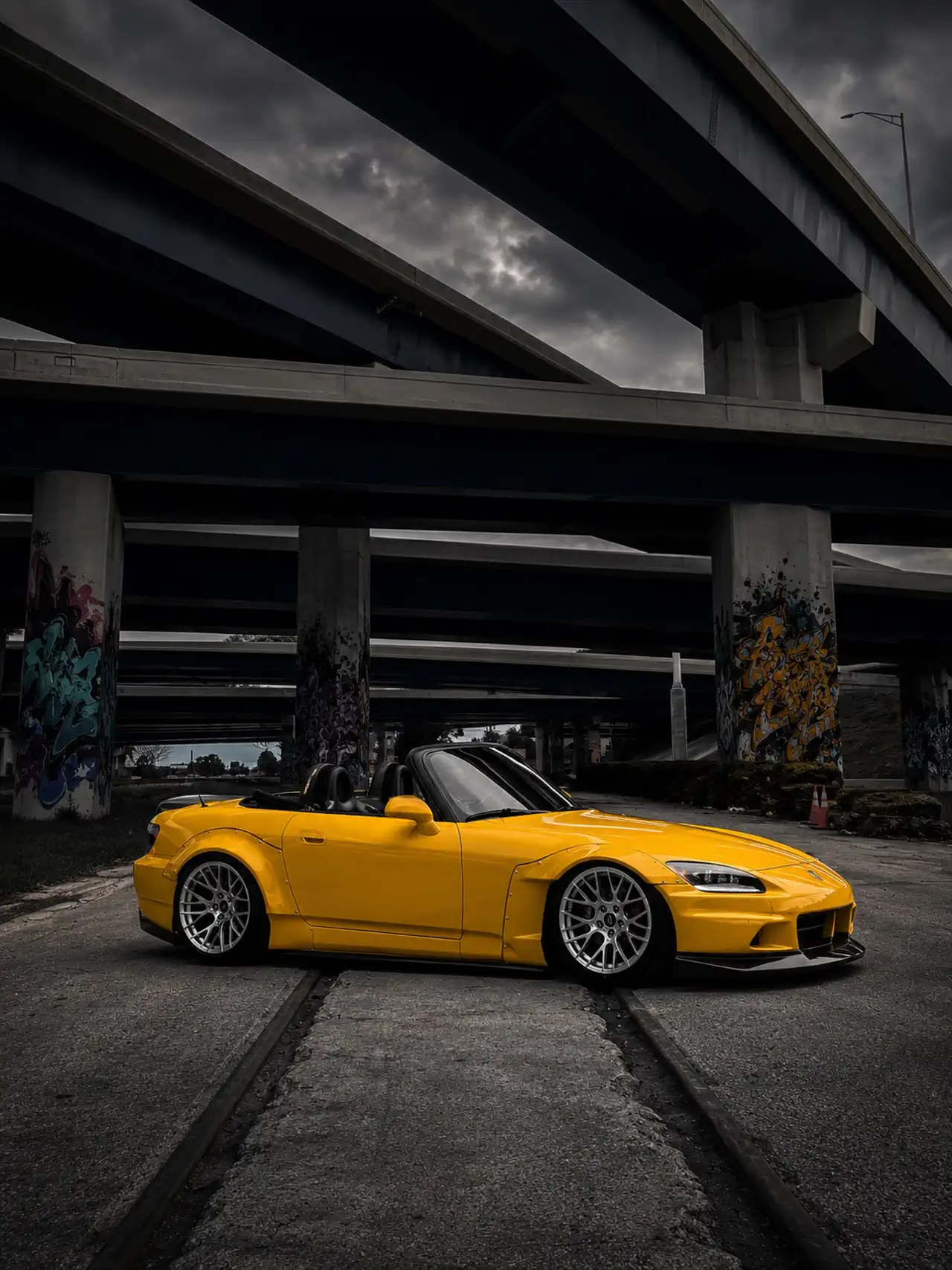
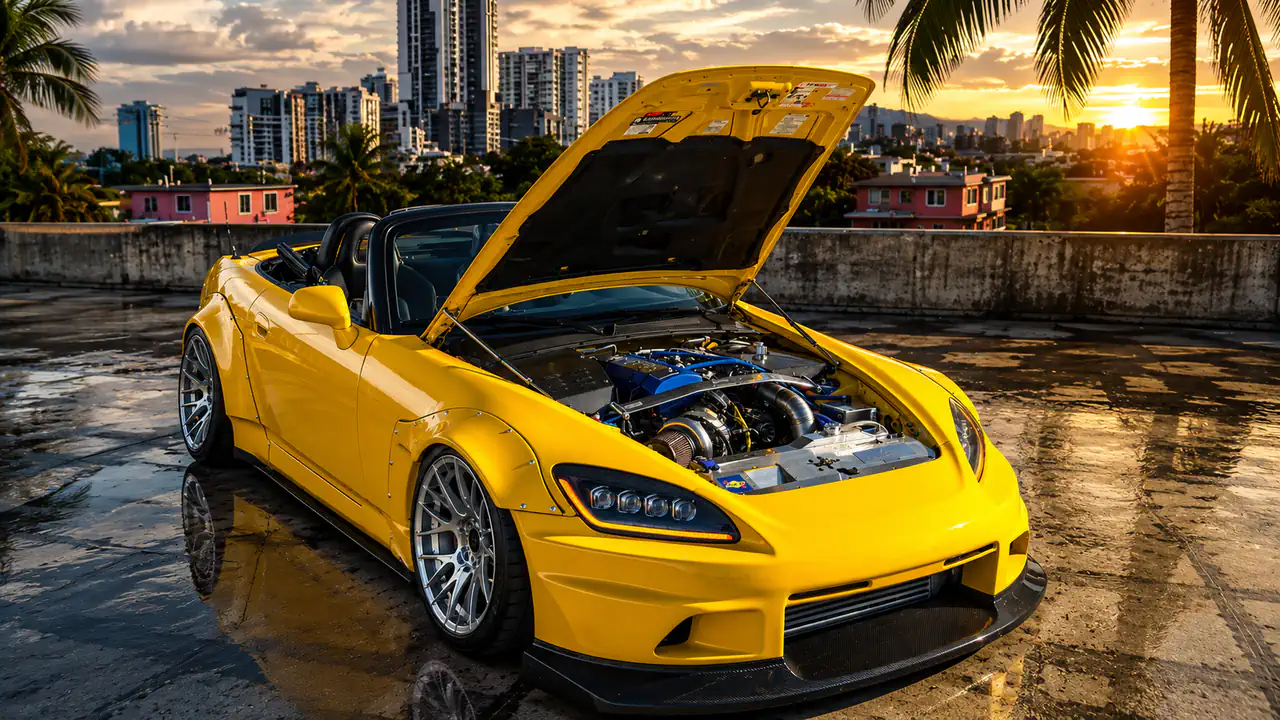
The photos featured in this article come from an Instagram profile operated by a true car enthusiast who showcases this remarkable Honda S2000. The Instagram account is listed at the end of this article.
Driver-Focused Cabin
Inside, the S2000 follows a minimalist philosophy.
The digital instrument cluster, supportive sport seats, and low driving position put the driver at the center of the experience. Every control is positioned with driving enjoyment in mind.
Major Updates Throughout Production
Key Improvements Included:
- Revised suspension tuning
- Chassis and structural refinements
- Introduction of the 2.2-liter engine in select markets
- Interior upgrades and improved usability
Direct Competitors
| Model | Top Speed | 0-60 mph | Engine |
|---|---|---|---|
| Mazda MX-5 Miata | 137 mph | 5.7 sec | 2.0L Naturally Aspirated Inline-Four |
| BMW Z4 3.0i | 155 mph | 5.9 sec | 3.0L Naturally Aspirated Inline-Six |
Three Highlights of the Honda S2000
- Legendary high-revving naturally aspirated engine
- Outstanding balance and steering precision
- One of the best manual transmissions ever fitted to a production car
Three Downsides
- Limited cargo and cabin space
- Firm ride quality on rough pavement
- Finding low-mileage examples has become increasingly difficult
Strengths and Weaknesses
The Honda S2000 stands out because it prioritizes driver engagement above everything else. Its dependable engineering, timeless design, and rewarding dynamics have made it one of the most beloved Japanese sports cars of the modern era.
At the same time, practicality was never its mission. The compact interior and firm suspension are trade-offs that come with owning a roadster engineered primarily for driving enthusiasts.
FAQ
Is the Honda S2000 turbocharged?
No. Every Honda S2000 came with a naturally aspirated engine.
Does the Honda S2000 have rear-wheel drive?
Yes. All versions use a rear-wheel-drive layout.
How many seats does the Honda S2000 have?
The S2000 is a two-seat roadster.
What is the top speed of the Honda S2000?
Top speed is approximately 149 mph.
Was the Honda S2000 offered with an automatic transmission?
No. The model was exclusively available with a six-speed manual transmission.
Is the Honda S2000 considered a JDM icon?
Yes. It is widely regarded as one of the most influential Japanese sports cars ever built.
Why is the Honda S2000 so popular today?
Its naturally aspirated engine, engaging driving dynamics, and limited production numbers have made it highly desirable among collectors and enthusiasts.

Danniel Bittencourt
Danniel Bittencourt é especialista e entusiasta do setor automotivo, com atuação focada em análise de veículos, lançamentos e tendências do mercado global. É fundador do site e responsável por diversos canais no YouTube voltados ao universo dos carros.
Related posts >