Details That Make the Porsche Cayman a Living Legend
When it comes to cornering balance, few machines deliver quite like this one. The Porsche Cayman doesn’t just accelerate fast; you wear it, turning every apex into a direct extension of the driver’s will.
Engineering Built for Pure Emotion
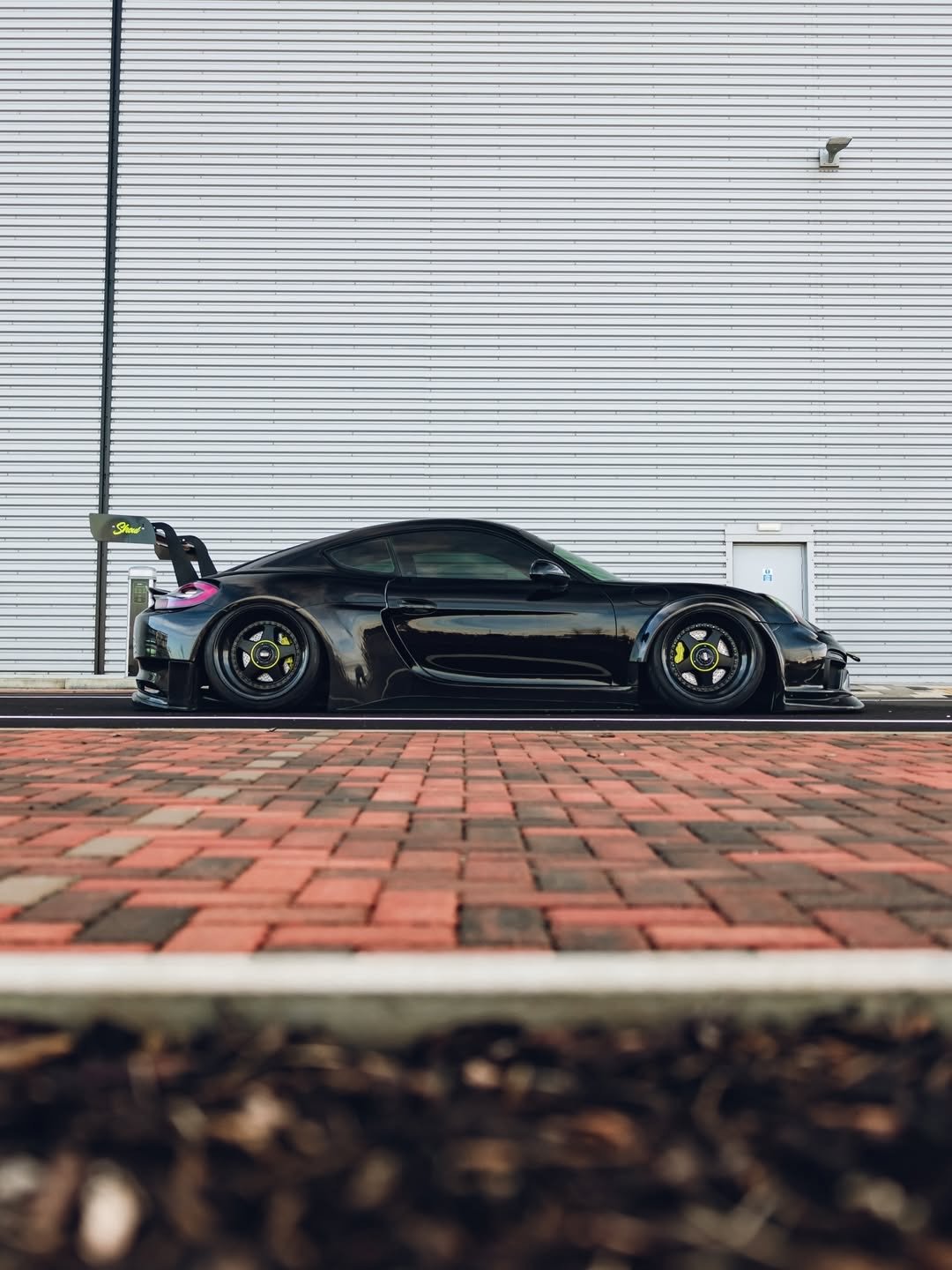
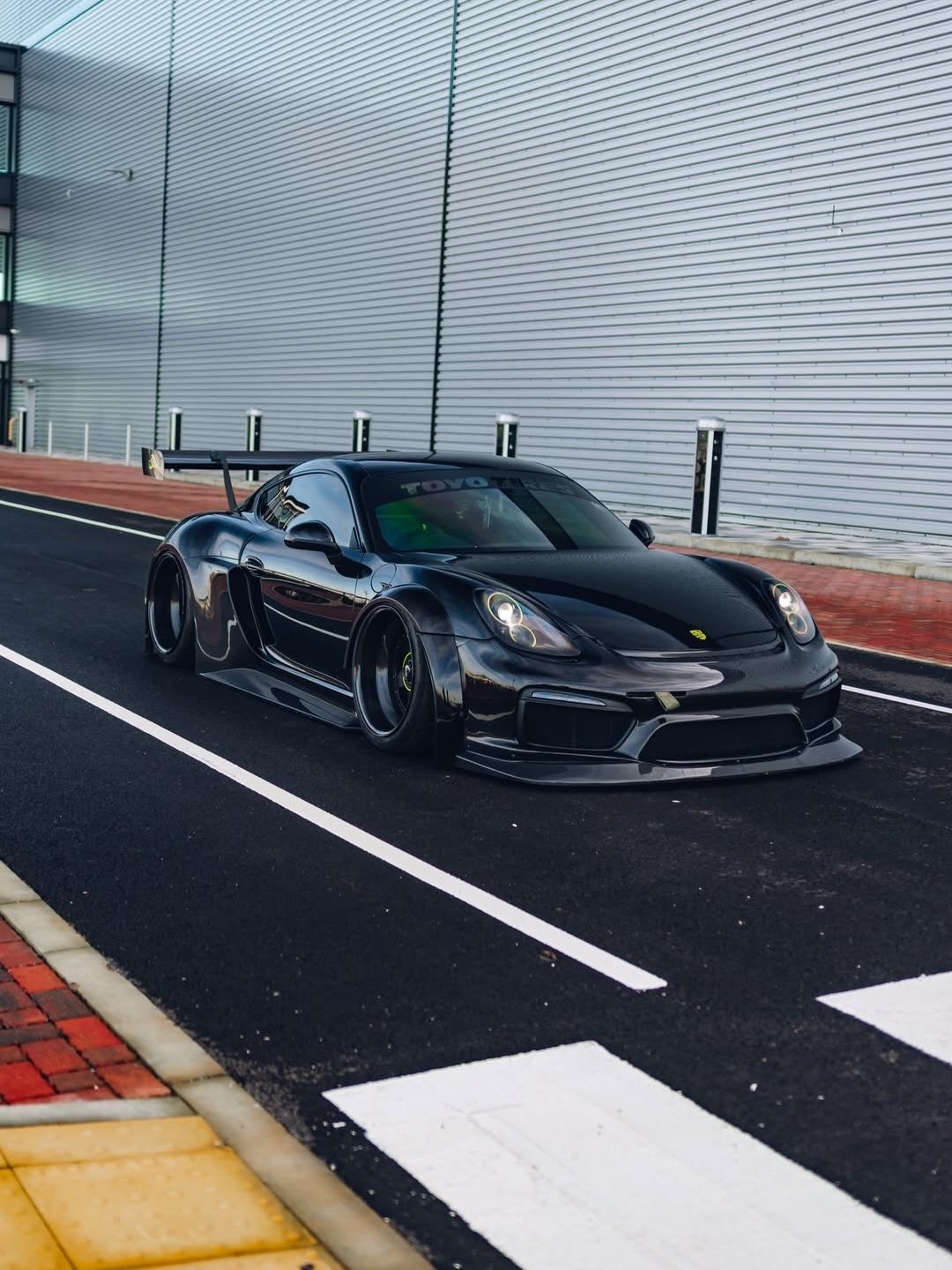
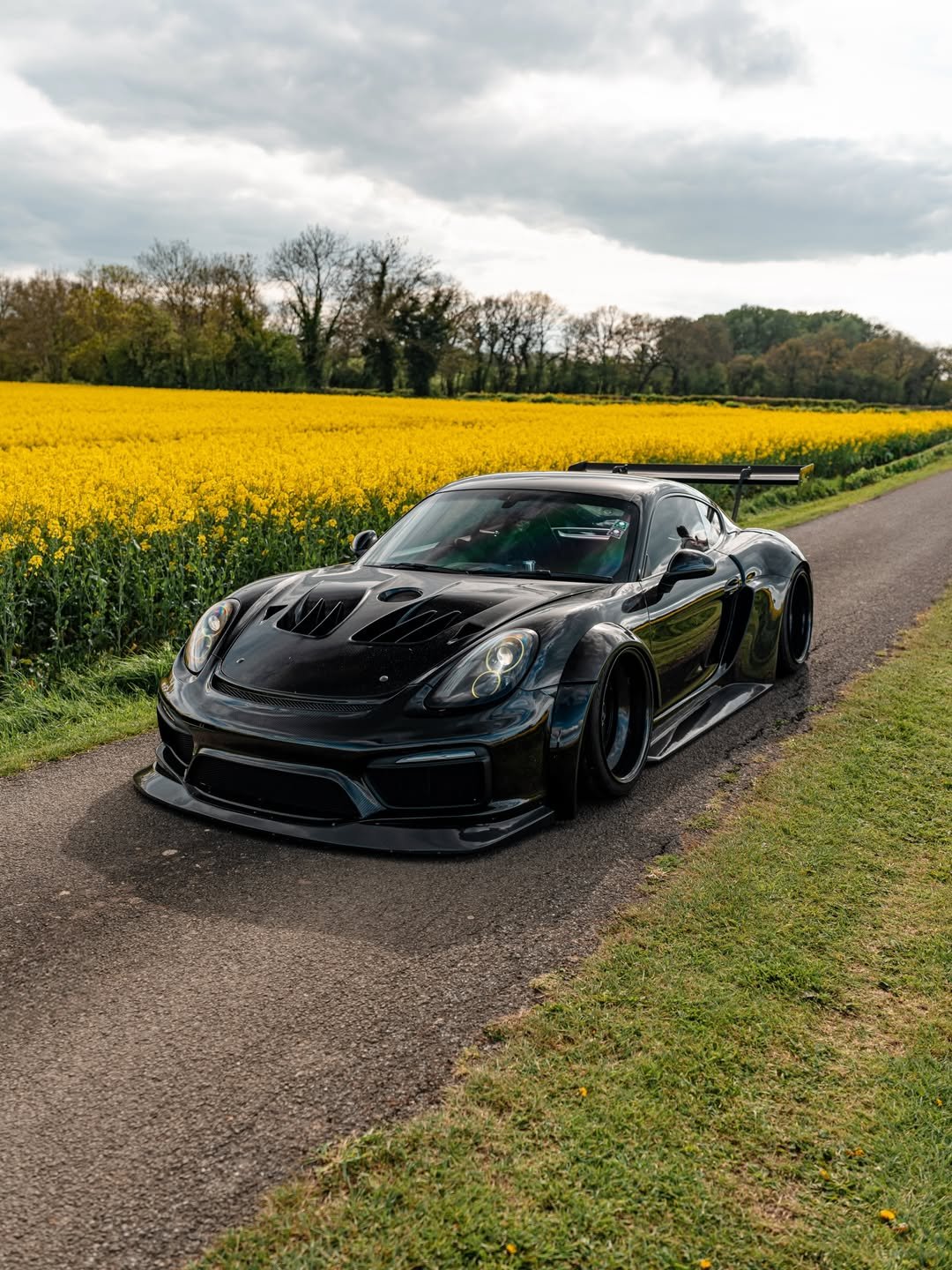
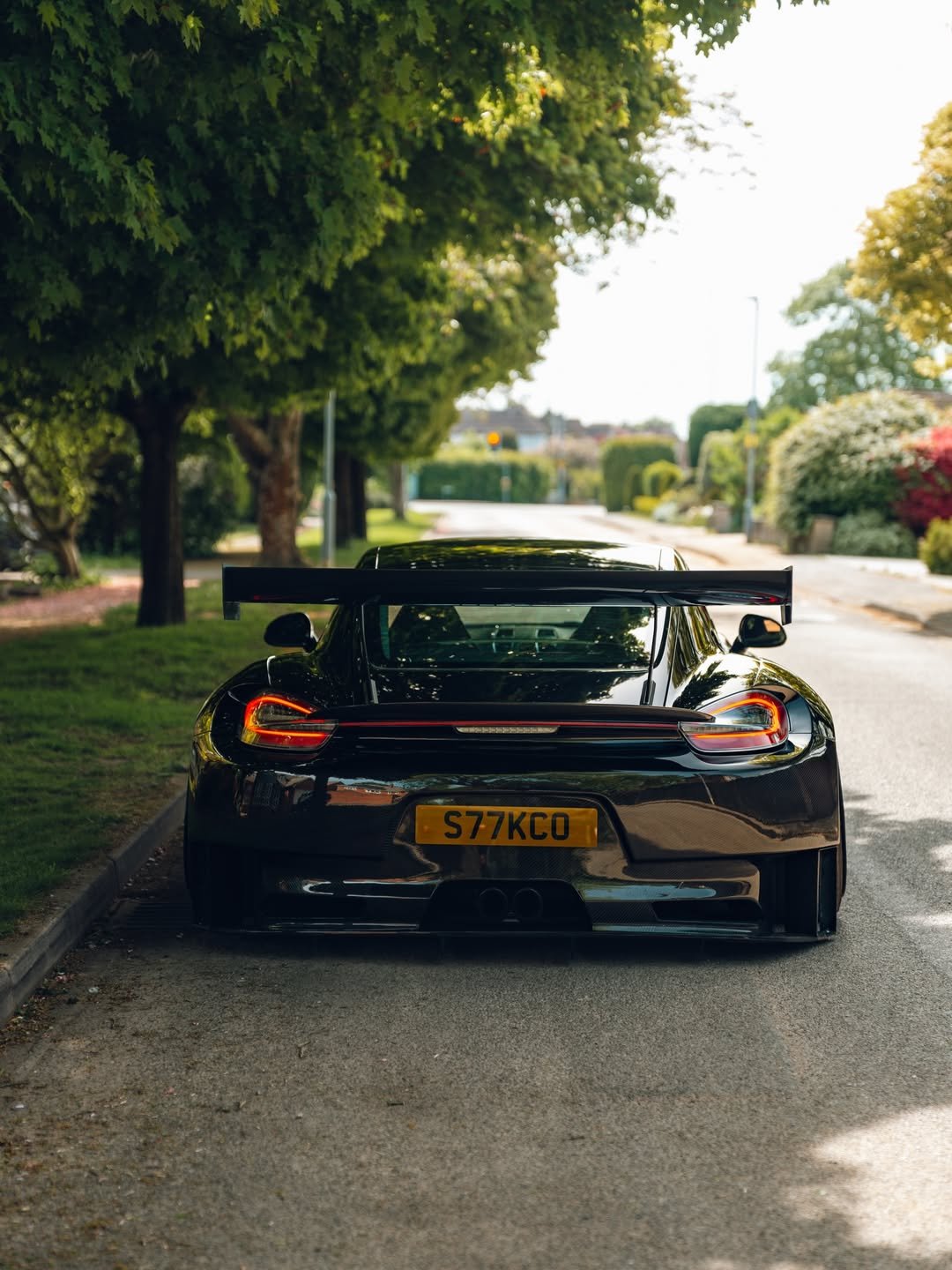
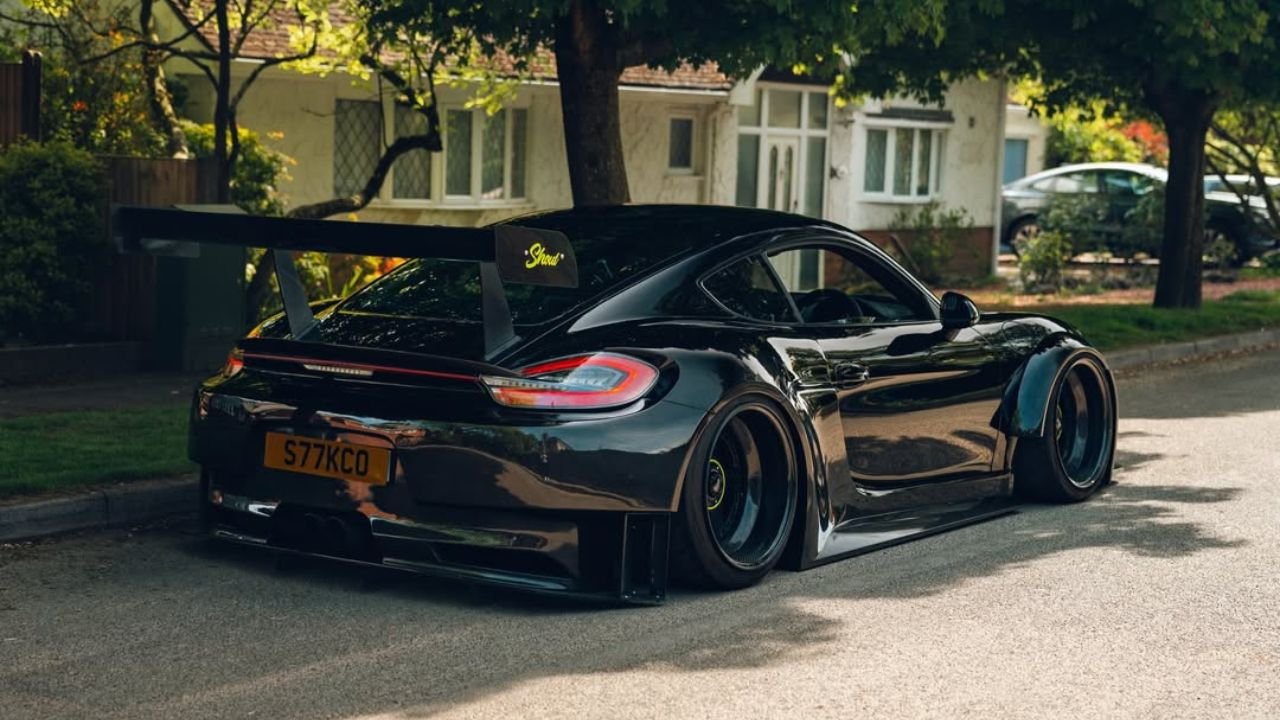
Sitting in the cockpit of a Porsche is always an event. But this particular model carries a distinct charm. The low-slung body, aggressive lines, and wide fenders guarantee an intimidating visual presence right off the bat. Everything was designed with a clear purpose: uncompromised performance.
The mid-engine layout completely flips the driving dynamics. The weight of the powertrain isn’t hanging out over the front or rear axles; it rests right behind your shoulders. This translates into handling behavior that spec sheets simply can’t capture. The front end obeys steering inputs instantly, making it one of the most communicative and razor-sharp cars on the tarmac today.
Absolute Control and Street Presence
Born in Germany, this coupe was essentially carved in a wind tunnel. The massive side air intakes aren’t just for show; they gulp down aerodynamic flow to feed and cool the engine sitting right in the chassis’s core. When the revs climb, a raspy, metallic growl fills the cabin, rendering the stereo completely obsolete.
By the way, these images are from the Instagram profile of a true car lover, the kind of enthusiast who lives and breathes this lifestyle every single day. That’s exactly the kind of genuine passion this machine attracts.
Anyone who takes the wheel of one of these is looking for absolute control. It lets you feel the road’s imperfections and the tires’ grip limits through the steering wheel and the heavy bolstering of the bucket seats. It’s not about flashing a luxury badge down the boulevard; it’s about the raw, refined mechanical thrill that happens every time you turn that key on the left side of the dash.
FAQ
1. How many seats does a Porsche Cayman have? The Cayman is strictly a two-seater coupe. This setup allows the engine to be mounted directly behind the seats, ensuring the ideal weight distribution that gives the car its signature razor-sharp handling.
2. What is the difference between the Cayman and the Boxster? For all intents and purposes, they are platform siblings. The Cayman is the fixed-roof coupe, while the Boxster is the convertible roadster version. The Cayman usually offers slightly better torsional rigidity thanks to its solid roof structure.
3. Is the Porsche Cayman rear-engine or mid-engine? It features a mid-engine layout, meaning the powertrain sits right behind the seats and ahead of the rear axle. This sets it apart from its big brother, the 911, which famously uses a rear-engine setup mounted over or behind the rear wheels.
4. Is the Porsche Cayman a good daily driver? Yes, it’s surprisingly practical for a sports car. The suspension is firm but handles bumps well at normal street speeds, and the presence of two trunks (a “frunk” in the front and a smaller cargo area in the back) makes carrying groceries or gym bags a breeze.
5. How much does it cost to maintain a Porsche Cayman? Maintenance costs reflect its premium pedigree. You’ll need a solid budget for things like higher insurance premiums, dealership services, imported OEM parts, and high-performance summer tires that wear out much faster than standard rubber.
6. What is the top speed of a Porsche Cayman? Top speed varies by trim level (Base, S, GTS, or GT4). The entry-level models easily push past 170 mph, while the more hardcore, track-focused variants can comfortably breach the 185 mph mark.
7. Is the Porsche Cayman considered a supercar? It is traditionally classified as a luxury sports car. While top-tier versions like the GT4 RS deliver supercar-level track times, the core Cayman lineup focuses on accessible, engaging driving dynamics rather than chasing astronomical horsepower figures.
8. What kind of gas mileage does the Porsche Cayman get? Despite being a performance machine, the modern engines are surprisingly efficient. On the highway, you can expect around 21 to 26 mpg. However, in heavy city traffic or during spirited canyon runs, that number drops down to roughly 11 to 16 mpg.
9. How much horsepower does a Porsche Cayman have? Power output completely depends on the trim. Recent base models with turbocharged four-cylinder engines start right around 300 hp, whereas special track-oriented trims packing a naturally aspirated flat-six can push well over 400 or even 500 hp.
10. What does GTS stand for on a Porsche Cayman? GTS stands for “Gran Turismo Sport.” In the Porsche lineup, these trims hit the sweet spot: they blend the comfort needed for long highway road trips with a sharpened dynamic package (upgraded brakes, suspension, and tuning) that’s more than ready for a weekend track day.

Danniel Bittencourt
Danniel Bittencourt é especialista e entusiasta do setor automotivo, com atuação focada em análise de veículos, lançamentos e tendências do mercado global. É fundador do site e responsável por diversos canais no YouTube voltados ao universo dos carros.
Related posts >