Nissan GT-R R35 Modified: The Japanese Icon Gets an Even More Aggressive Look
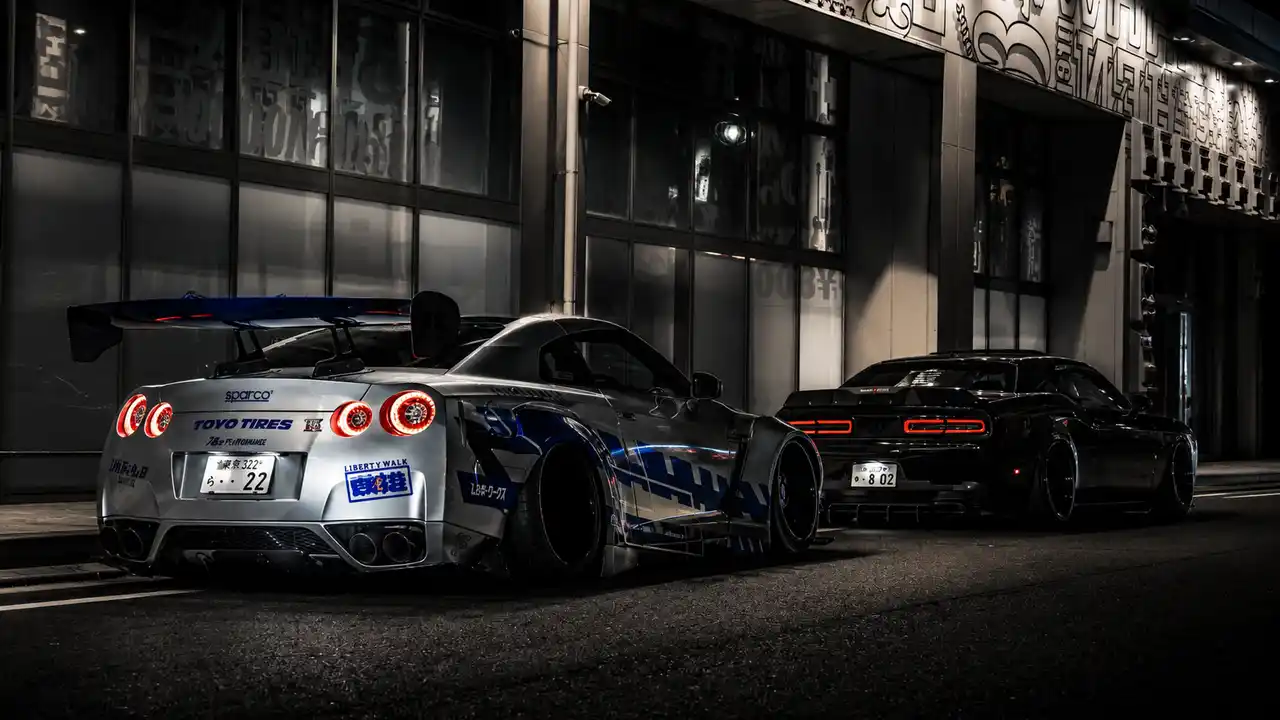
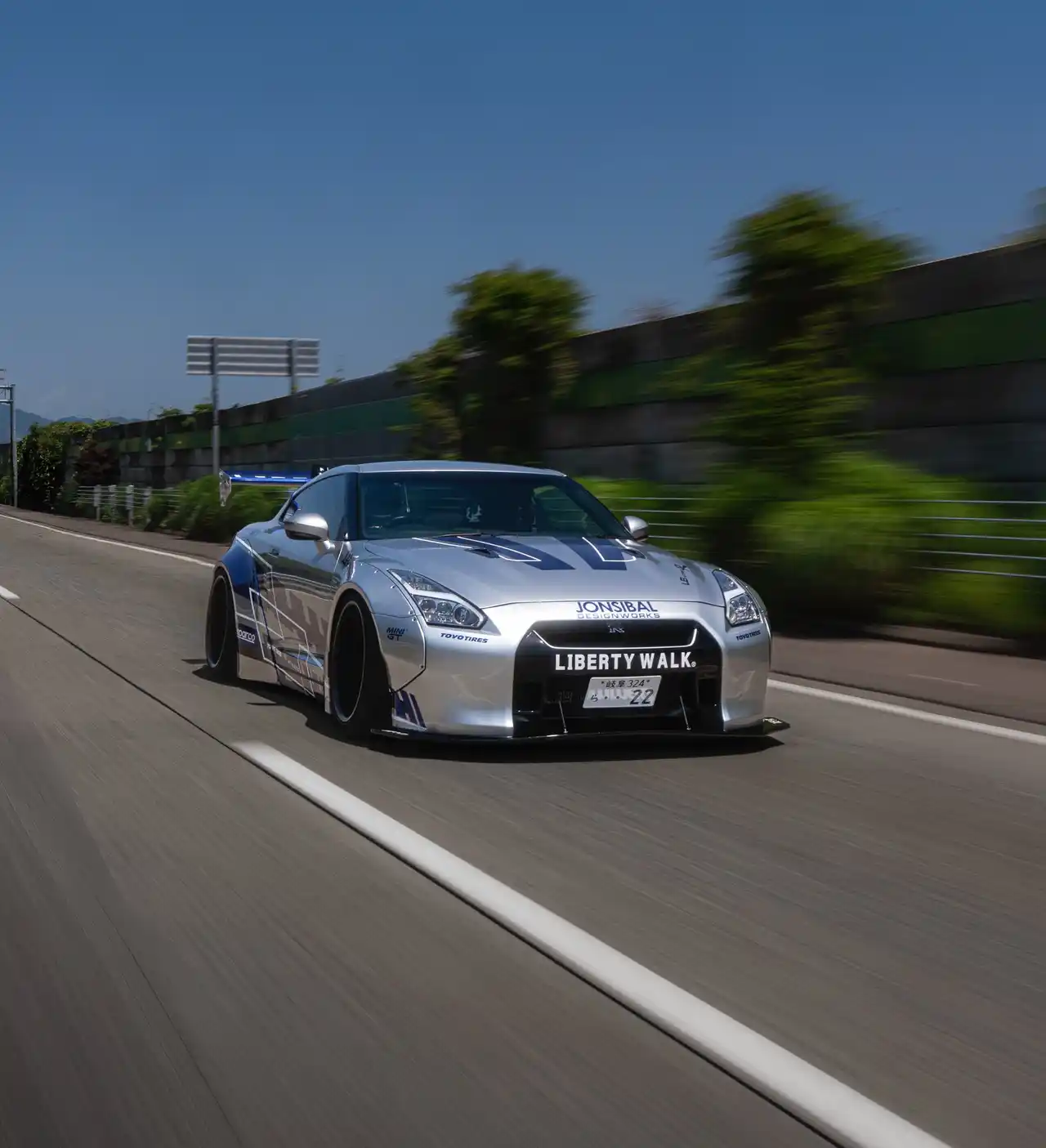
The Nissan GT-R R35 already has the presence of a supercar, but this modified build pushes its attitude even further, blending an aggressive stance with the unmistakable character of Japan’s legendary Godzilla.

Nissan GT-R R35: The Godzilla That Still Commands Attention
A Modern Japanese Icon With Serious Attitude
The Nissan GT-R R35 has never needed much help standing out.
Even in factory form, its wide body, low roofline, sharp front end, and muscular proportions give it the visual presence of something far more exotic than its badge suggests.
A modified Nissan GT-R R35 takes that formula in an even more aggressive direction.
Wider-looking bodywork, larger wheels, a lower stance, and aerodynamic upgrades can completely change the way the car sits on the road while preserving the design cues that made the R35 instantly recognizable.
That balance is a major reason the GT-R remains such a favorite among enthusiasts and tuners.
Nissan GT-R R35 Specs
| Specification | Detail |
|---|---|
| Model | Nissan GT-R R35 |
| Engine | 3.8-liter VR38DETT twin-turbo V6 |
| Displacement | 3,799 cc |
| Original Output | 480 hp |
| Original Torque | 434 lb-ft |
| Drivetrain | AWD |
| Transmission | Dual-clutch automatic |
| Front Suspension | Double wishbone |
| Rear Suspension | Multi-link |
| Original Curb Weight | About 3,836 lbs |
These figures represent the original R35 configuration. Nissan continued updating the GT-R throughout its production run, increasing power and refining the chassis, brakes, aerodynamics, transmission, and electronics.
The R35 Changed What a GT-R Could Be
When Nissan introduced the R35 in 2007, it represented a major shift for the GT-R nameplate.
Unlike its predecessors, the new car was sold simply as the Nissan GT-R rather than as a Skyline GT-R. Beneath the hood was the hand-assembled VR38DETT, a 3.8-liter twin-turbo V6 paired with an advanced all-wheel-drive system and dual-clutch transmission.
That combination gave the R35 a very different character from the earlier generations.
It wasn’t simply about raw engine output. Nissan engineered the entire powertrain around delivering brutal acceleration while maintaining remarkable traction and stability.
Over the years, the company continued refining the platform.
Higher-output versions, chassis improvements, revised aerodynamics, upgraded brakes, and the more focused GT-R NISMO demonstrated just how much potential was built into the original architecture.
What Makes a Modified GT-R R35 Stand Out?
The R35 has become one of the most recognizable platforms in the tuning world because owners can take it in dramatically different directions.
Some builds focus almost entirely on power. Others emphasize handling, track performance, or an aggressive street presence.
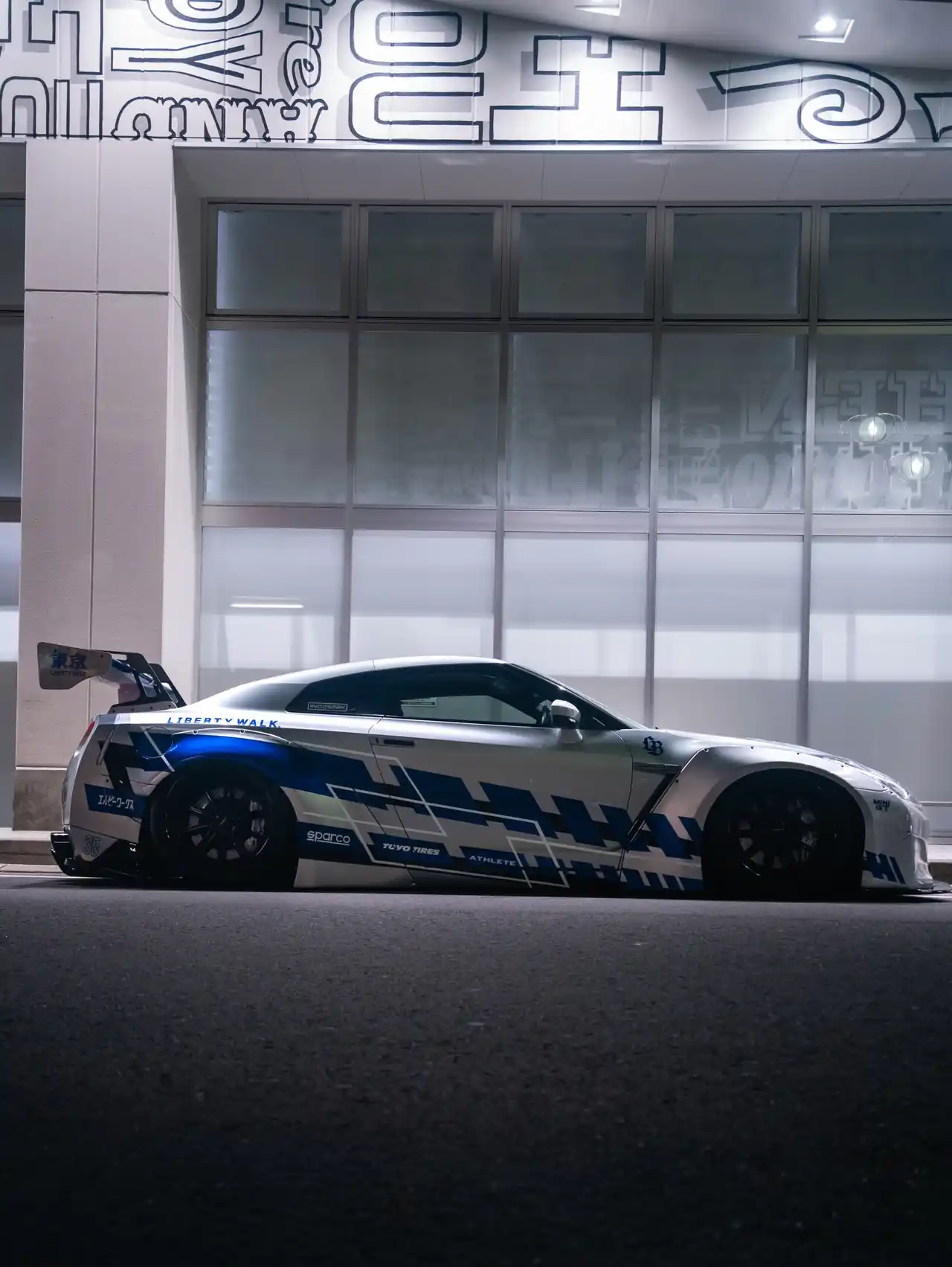
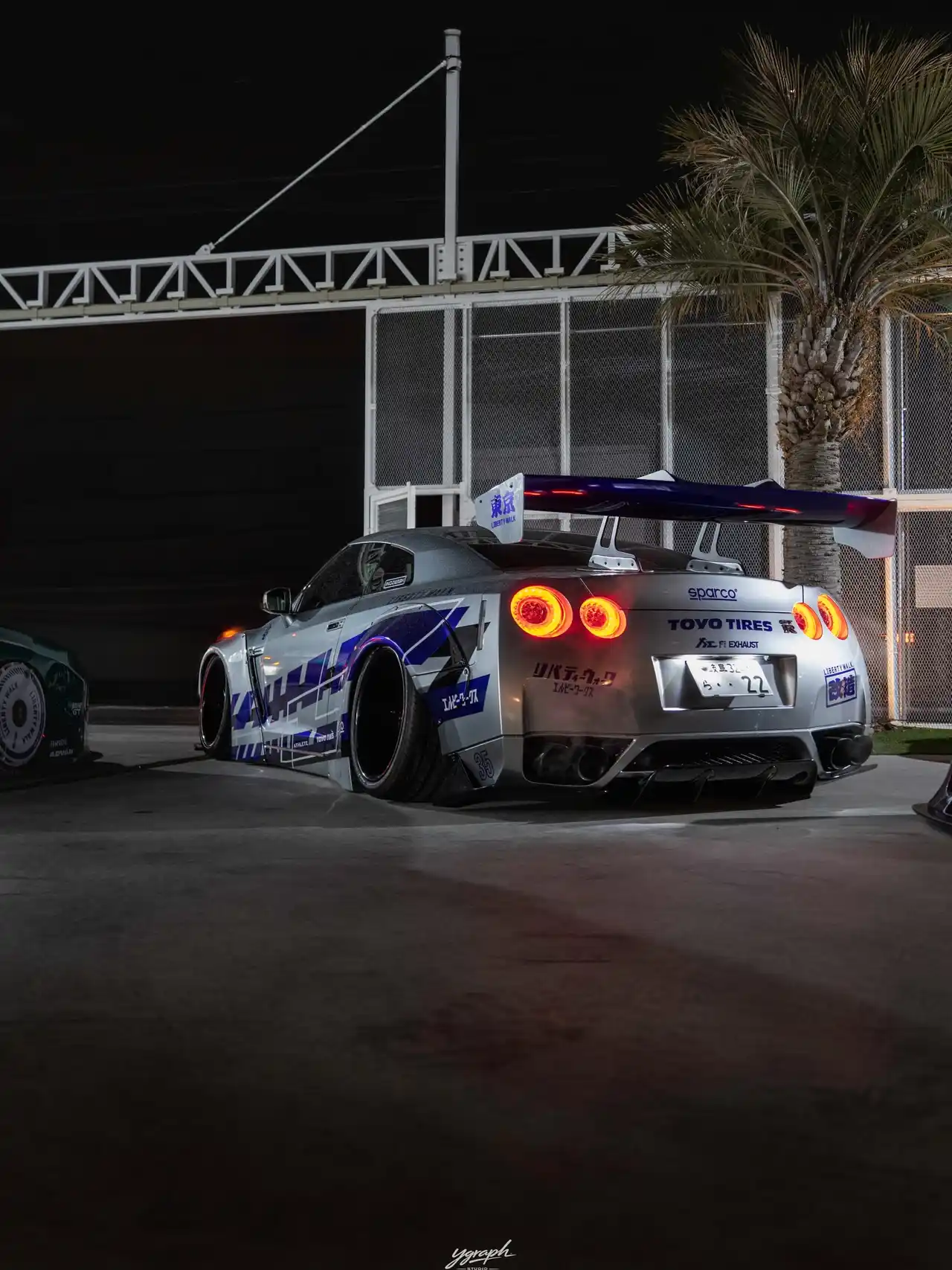
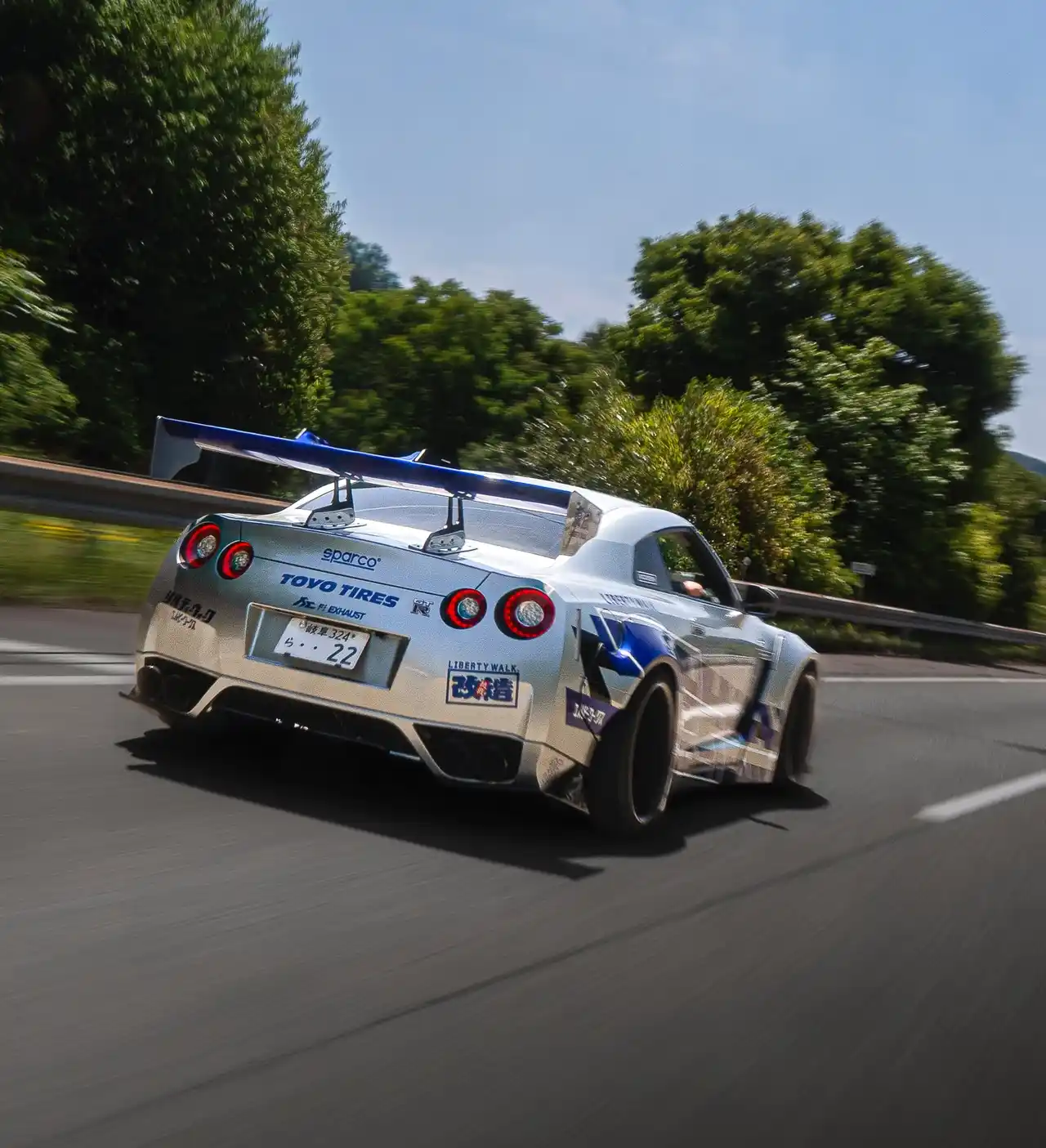
The example featured here belongs to the visual side of that spectrum.
A lowered stance can make the R35 look substantially wider and more planted, especially when paired with larger wheels that fill the fenders properly.
Bodywork is another major part of the transformation.
Aggressive aerodynamic components can sharpen the front end, extend the car’s visual width, and give the rear a more competition-inspired appearance.
Inside, the possibilities are just as broad.
Sport seats, carbon-fiber accents, a customized steering wheel, and other performance-oriented details can make the cabin feel closer to a dedicated track machine.
The mechanical side is where things can become much more serious.
The VR38DETT has become famous for its tuning potential, but without confirmed information about this specific build, it would be wrong to assign aftermarket turbochargers, engine upgrades, or a specific horsepower figure to the car.
Who Does the GT-R R35 Compete With?
The GT-R occupies an unusual place in the performance-car market.
Depending on model year and configuration, its rivals and alternatives have included cars such as the Porsche 911 Turbo, Audi R8, Chevrolet Corvette, Mercedes-AMG GT, and BMW M4.
What makes the Nissan particularly interesting is the combination of AWD traction, twin-turbo power, advanced electronics, and a platform that has become deeply established within the aftermarket scene.
The Strengths and Weaknesses
What the GT-R Does Best
- Tuning potential: The VR38DETT has become one of the most respected modern performance engines for aftermarket builds.
- All-weather traction: The sophisticated AWD system gives the GT-R tremendous ability to put power down.
- Instant recognition: Few modern Japanese performance cars have a silhouette as recognizable as the R35.
Where It Falls Short
- Weight: At roughly 3,800 pounds in its original configuration, the GT-R is heavy compared with many traditional sports cars.
- Ownership costs: Performance hardware, specialized maintenance, and modifications can become expensive quickly.
- Aging architecture: Despite continuous updates, the basic R35 platform dates back to the 2007 model year.

Frequently Asked Questions About the Nissan GT-R R35
What engine does the Nissan GT-R R35 use?
The R35 uses Nissan’s VR38DETT, a 3.8-liter twin-turbocharged V6.
Is the Nissan GT-R R35 AWD?
Yes. The GT-R uses Nissan’s ATTESA E-TS all-wheel-drive system.
Is the GT-R R35 a supercar?
Its performance places it firmly among high-end performance cars, and its acceleration and technology have long allowed it to challenge traditional supercars.
How much horsepower does the GT-R R35 make?
The original R35 was rated at 480 hp, while later versions received significant increases in output.
Does the GT-R R35 have a manual transmission?
No. The R35 was developed with a dual-clutch transmission rather than a traditional manual gearbox.
Why is the GT-R called Godzilla?
The nickname became associated with the GT-R because of its combination of intimidating performance and Japanese heritage.
Is the GT-R R35 good for modifications?
Absolutely. The VR38DETT and the R35 platform have become extremely popular among tuners, with modifications ranging from cosmetic upgrades to major power builds.
The Nissan GT-R R35 may no longer be the newest performance platform on the market, but that has done little to diminish its appeal.
Its combination of distinctive styling, sophisticated AWD, twin-turbo power, and enormous aftermarket potential keeps the Godzilla name alive.
And when a well-built R35 rolls into view with the right stance and bodywork, it is still very difficult to ignore.

Danniel Bittencourt
Danniel Bittencourt é especialista e entusiasta do setor automotivo, com atuação focada em análise de veículos, lançamentos e tendências do mercado global. É fundador do site e responsável por diversos canais no YouTube voltados ao universo dos carros.