Mazda RX-7: The Rotary-Powered Japanese Sports Car That Became a Tuning Icon
A modified Mazda RX-7 can still command attention without relying on modern technology. Its low stance, rotary power and unmistakable Japanese styling give this classic sports car a character of its own.


The Mazda RX-7 Still Knows How to Get Attention
The Mazda RX-7 has something many modern sports cars struggle to recreate: personality.
Its low-slung proportions, long hood and compact body immediately separate it from ordinary traffic. Even decades after production ended, the RX-7 still looks like a car built with a specific purpose in mind.
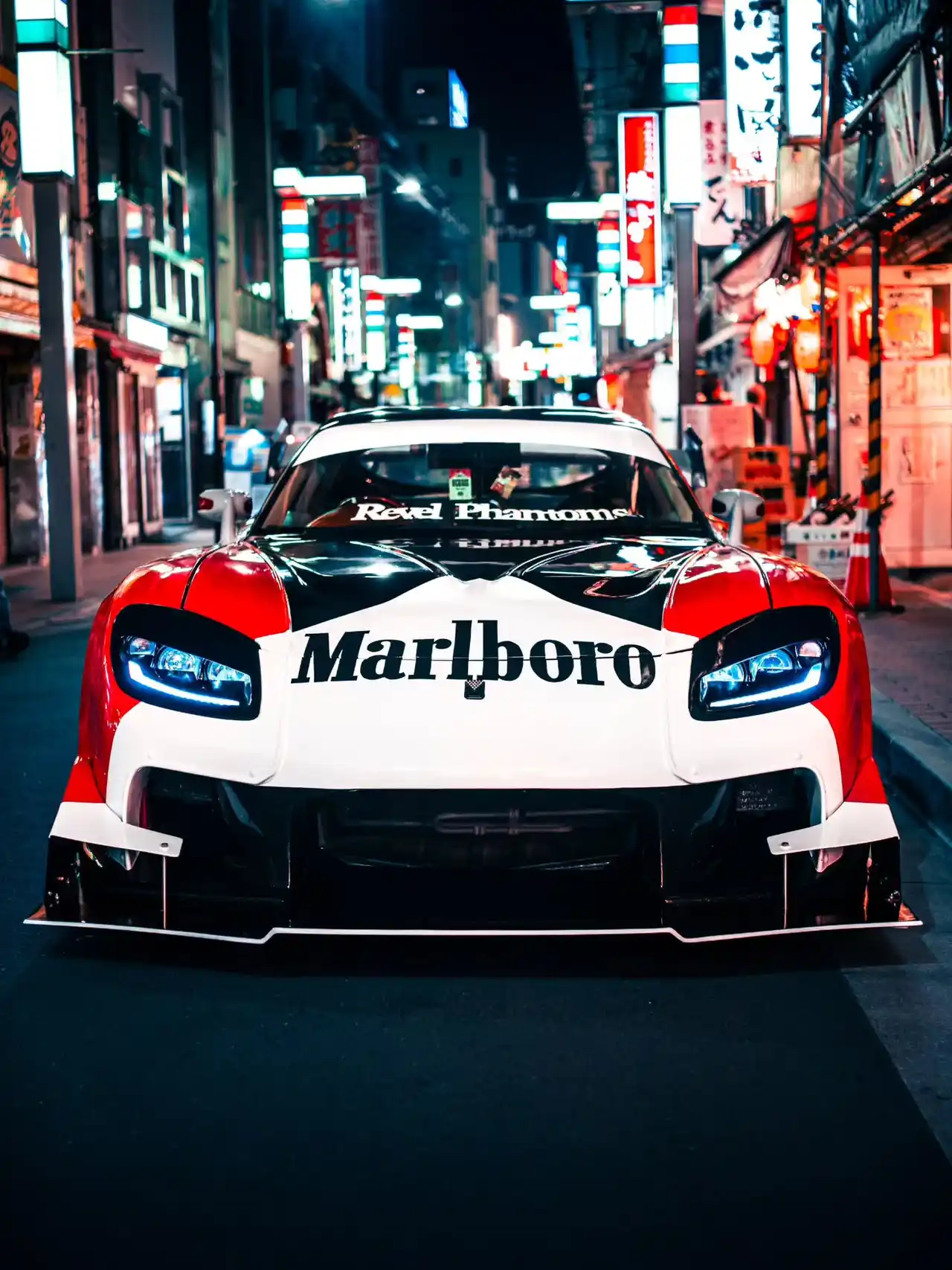
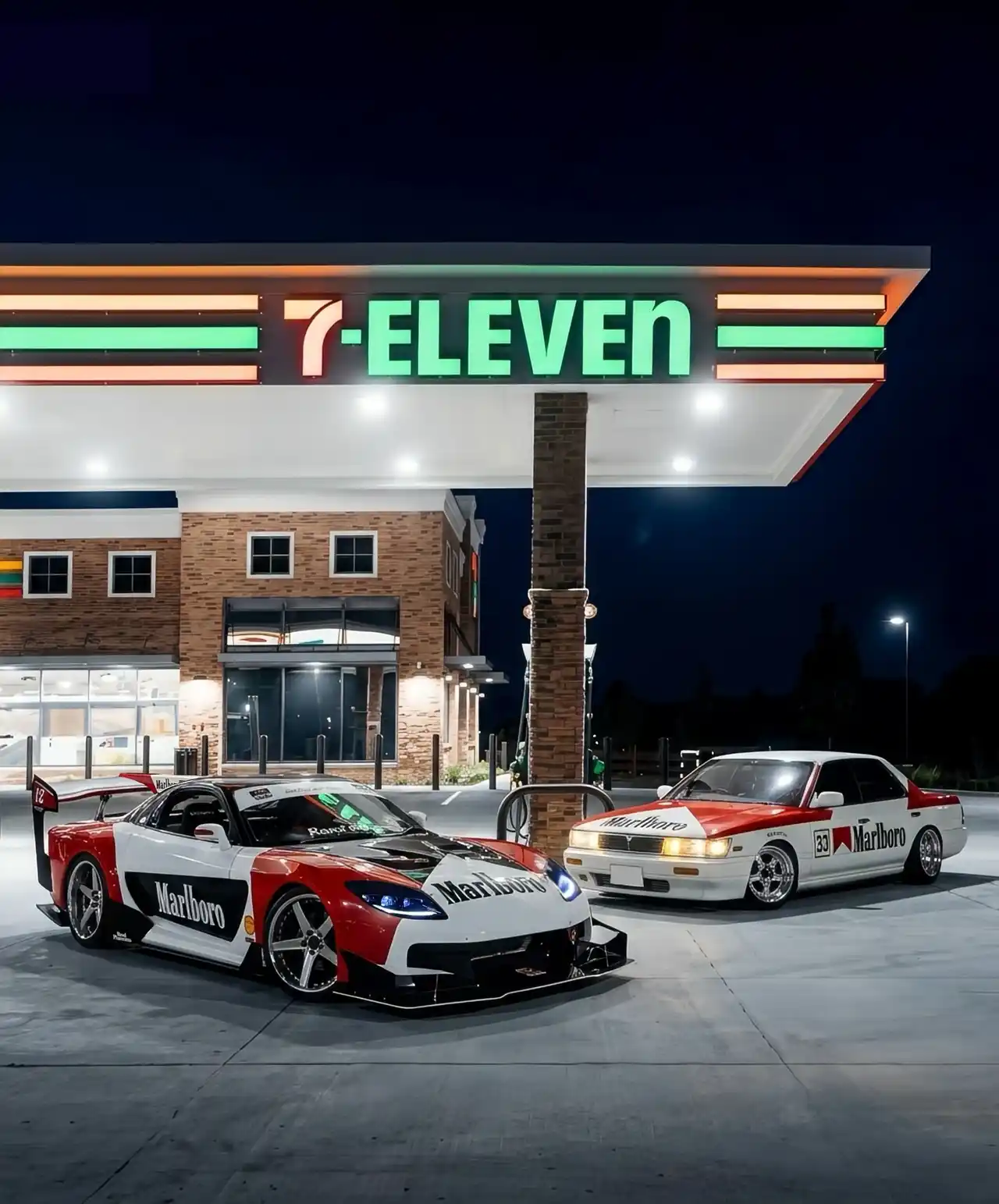
This particular style of RX-7 takes that personality even further. A lower ride height, larger wheels and a more aggressive exterior give the car a stronger presence while keeping the basic character that made the original so appealing.
That balance is a major reason modified RX-7s remain popular among enthusiasts.
The Rotary Engine Is the Star of the Show
The biggest difference between the RX-7 and many of its rivals was never simply its styling. It was what lived under the hood.
Mazda built the RX-7 around the Wankel rotary engine, a compact powerplant that operates differently from the conventional piston engines found in most sports cars.
The design helped Mazda create a lightweight sports car with a distinctive character. Over the years, different generations received different rotary engines, including the 12A and 13B families.
For enthusiasts, the rotary engine became inseparable from the RX-7’s identity.
It also created a dedicated community of owners and tuners who continue to appreciate the engine’s unusual design and considerable potential when properly prepared.
Mazda RX-7 Specifications
| Specification | Detail |
|---|---|
| Model | Mazda RX-7 |
| Powertrain | Wankel rotary engine |
| Fuel | Gasoline |
| Drivetrain | Rear-wheel drive |
| Body Style | Sports coupe |
| Origin | Japan |
| Engine Families | 12A and 13B |
| Production Ended | 2002 |
Exact horsepower, torque and other specifications depend on the RX-7 generation and the specific vehicle’s configuration.
Three Generations Built the RX-7 Legacy
Mazda introduced the RX-7 in 1978 with a straightforward idea: build a lightweight sports car around the company’s rotary-engine technology.
The first-generation car, commonly known as the SA/FB, established the formula and gave Mazda a serious presence in the affordable sports-car market.
The second-generation RX-7, known as the FC, arrived in the 1980s with a more sophisticated design. Turbocharged versions were offered in certain markets, adding another layer of performance to the platform.
Then came the FD in 1992.
For many enthusiasts, the third-generation RX-7 remains the definitive version. Its smooth bodywork, compact proportions and 13B-REW twin-turbo rotary engine helped turn the FD into one of the most recognizable Japanese performance cars of its era.
Production of the RX-7 ended in 2002, but the name never really disappeared from enthusiast culture.
What Makes a Modified RX-7 Stand Out?
The appeal of a modified Mazda RX-7 often starts with stance.
Lowering the car and fitting wider wheels can dramatically change its proportions. The RX-7 already sits low and compact from the factory, so carefully chosen modifications can make the body appear even more planted.
Exterior upgrades can also emphasize the car’s original lines instead of hiding them.
A well-executed body kit, aggressive wheel fitment and clean paintwork can make the RX-7 look considerably more modern without erasing the styling cues that define it.
Inside, the same philosophy can continue.
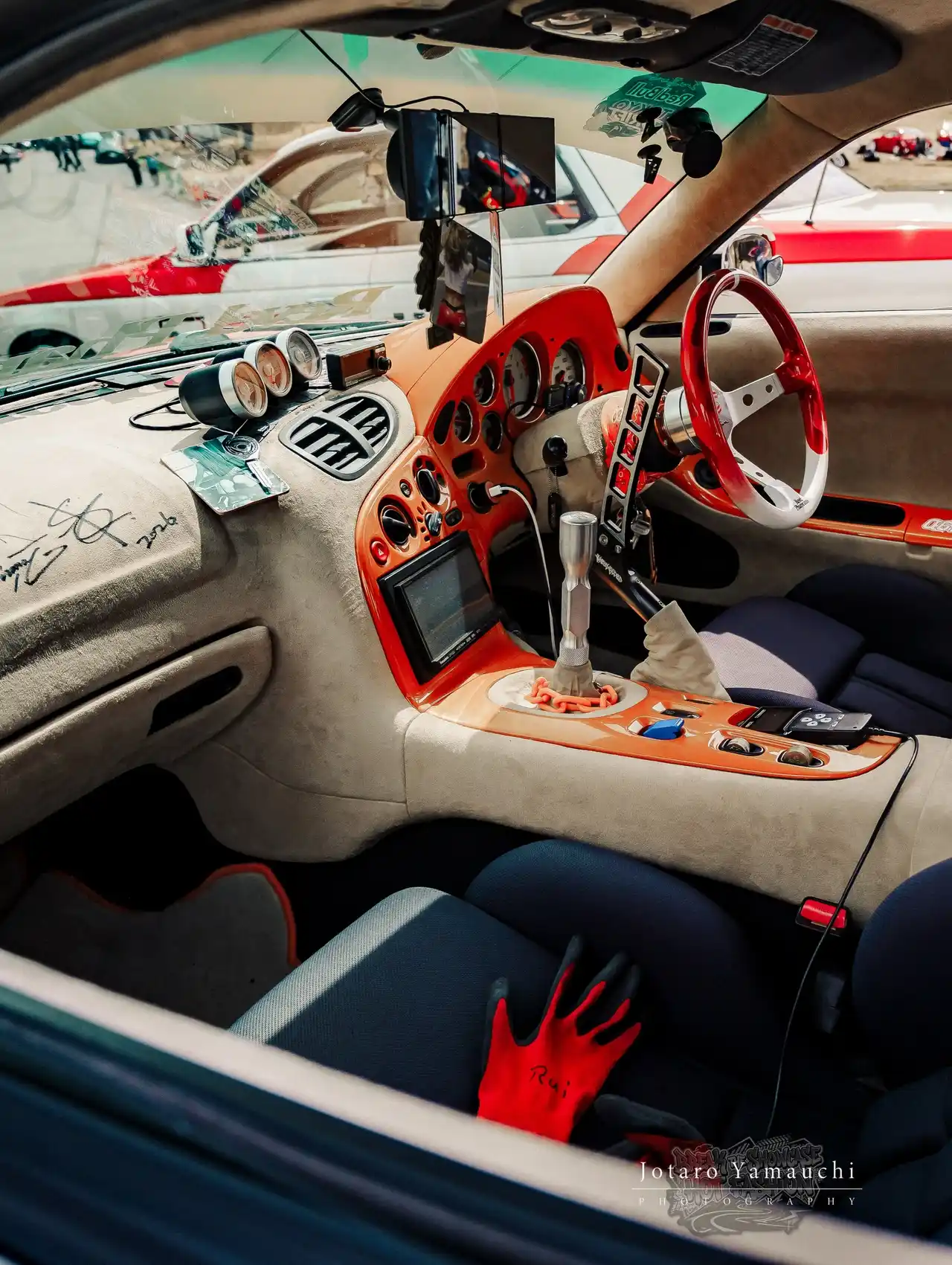
Sport seats, an aftermarket steering wheel, additional gauges and other driver-focused upgrades can give the cabin a more purposeful feel.
The mechanical side requires more care.
Rotary engines can offer significant tuning potential, but they demand proper attention to cooling, lubrication, sealing and engine management. A heavily modified RX-7 is not simply a matter of adding power and driving away.
The RX-7’s Main Rivals
The RX-7 competed in a segment filled with some of Japan’s most memorable performance cars.
Depending on the generation and market, its rivals included the Toyota Supra, Nissan 300ZX, Mitsubishi 3000GT and Nissan Silvia.
Today, these cars share another connection: they have become highly desirable among collectors and enthusiasts interested in Japanese performance cars.
That puts the RX-7 in particularly interesting company.
Three Reasons Enthusiasts Still Love It
Lightweight character
The RX-7 was designed around a compact rotary powertrain and a sports-car-focused layout.
Rear-wheel drive
The drivetrain configuration gives the car a traditional performance-car formula that remains attractive to enthusiasts.
Distinctive engine
Few production sports cars have an engine identity as closely connected to the car itself as the RX-7 and its rotary powerplant.
Three Things Owners Need to Consider
Rotary maintenance
The engine requires knowledgeable maintenance and careful attention to its specific needs.
Fuel consumption
Rotary engines are not known for exceptional fuel economy, particularly when performance modifications enter the equation.
Modified-car history
Used RX-7s can have extensive modification histories, making the condition and quality of previous work especially important.


Frequently Asked Questions About the Mazda RX-7
What engine does the Mazda RX-7 use?
The RX-7 uses Mazda’s Wankel rotary engine, with different 12A and 13B versions used throughout its production history.
Is the Mazda RX-7 turbocharged?
Some RX-7 versions were turbocharged, most notably turbo models of the FC and the FD generation.
Which Mazda RX-7 is the most famous?
The third-generation FD is arguably the most recognizable RX-7, especially among JDM and performance-car enthusiasts.
Is the Mazda RX-7 rear-wheel drive?
Yes. Rear-wheel drive is part of the RX-7’s core sports-car formula.
Why is the RX-7’s rotary engine special?
The Wankel design uses a rotary motion instead of conventional pistons, allowing for a compact and distinctive powertrain.
Is the Mazda RX-7 rare?
Production ended in 2002, and well-preserved examples have become increasingly sought after by enthusiasts.
Is the RX-7 good for tuning?
Yes. The platform has strong tuning potential, particularly the FD, but serious modifications require careful engine preparation and maintenance.
Why the Mazda RX-7 Still Matters
The Mazda RX-7 is more than an old Japanese sports coupe. It represents a period when manufacturers were willing to experiment with different approaches to performance.
The rotary engine gave the RX-7 an identity of its own, while the lightweight rear-wheel-drive platform created the foundation enthusiasts wanted.
That combination explains why modified examples continue to attract attention today.
Whether wearing its original bodywork or sitting lower on wider wheels, the Mazda RX-7 still has something that cannot easily be replicated: a personality that comes from both its design and the unusual machine underneath it.

Danniel Bittencourt
Danniel Bittencourt é especialista e entusiasta do setor automotivo, com atuação focada em análise de veículos, lançamentos e tendências do mercado global. É fundador do site e responsável por diversos canais no YouTube voltados ao universo dos carros.